Most people notice their eyelids only when something feels off a fold that seems heavier than usual, or a crease that appears where there wasn’t one before.
The different types of eyelids, however, are not a beauty classification system. They are anatomical categories defined by how skin, muscle, and tissue interact at the lid.
In clinical and cosmetic contexts, misidentifying an eyelid type can lead to mismatched expectations, particularly around procedures like Botox or minor surgery.
Here, we’ll break down each eyelid type by structure, look at how to identify your own, and clear up a few common misconceptions along the way.
What Are Eyelids?
Eyelids are thin folds of skin that sit above and below each eye. They move up and down to open and close the eye during blinking and routine visual activities.
Their formation is determined by genetics and anatomy, specifically how the skin attaches to underlying muscles and how folds are shaped. Once formed, this arrangement does not change through conscious control.
Eyelids can vary in appearance from person to person, but their core function remains consistent across all humans.
Despite these visible differences, every eyelid is built from the same basic layers of skin, muscle, and connective tissue that work together seamlessly.
What Is the Role of Eyelids?
Eyelids serve both a protective and functional role in eye health. They act as a physical barrier against dust, wind, and small particles that could otherwise reach the eye surface.
Every blink spreads tears evenly across the eye, keeping it moist and reducing dryness or irritation, thereby supporting clear vision throughout the day.
Beyond protection, eyelids regulate light exposure by adjusting how much of the eye stays uncovered. They also signal expression, subtly shifting with emotions like surprise or concentration.
This makes them functionally important not just for eye health, but for everyday communication as well.
What Are the Main Types of Eyelids?
Eyelid types are grouped by how the upper eyelid crease behaves: visible, hidden, or shifting with movement. This grouping is what defines the different types of eyelids.
1. Monolid Eyelids
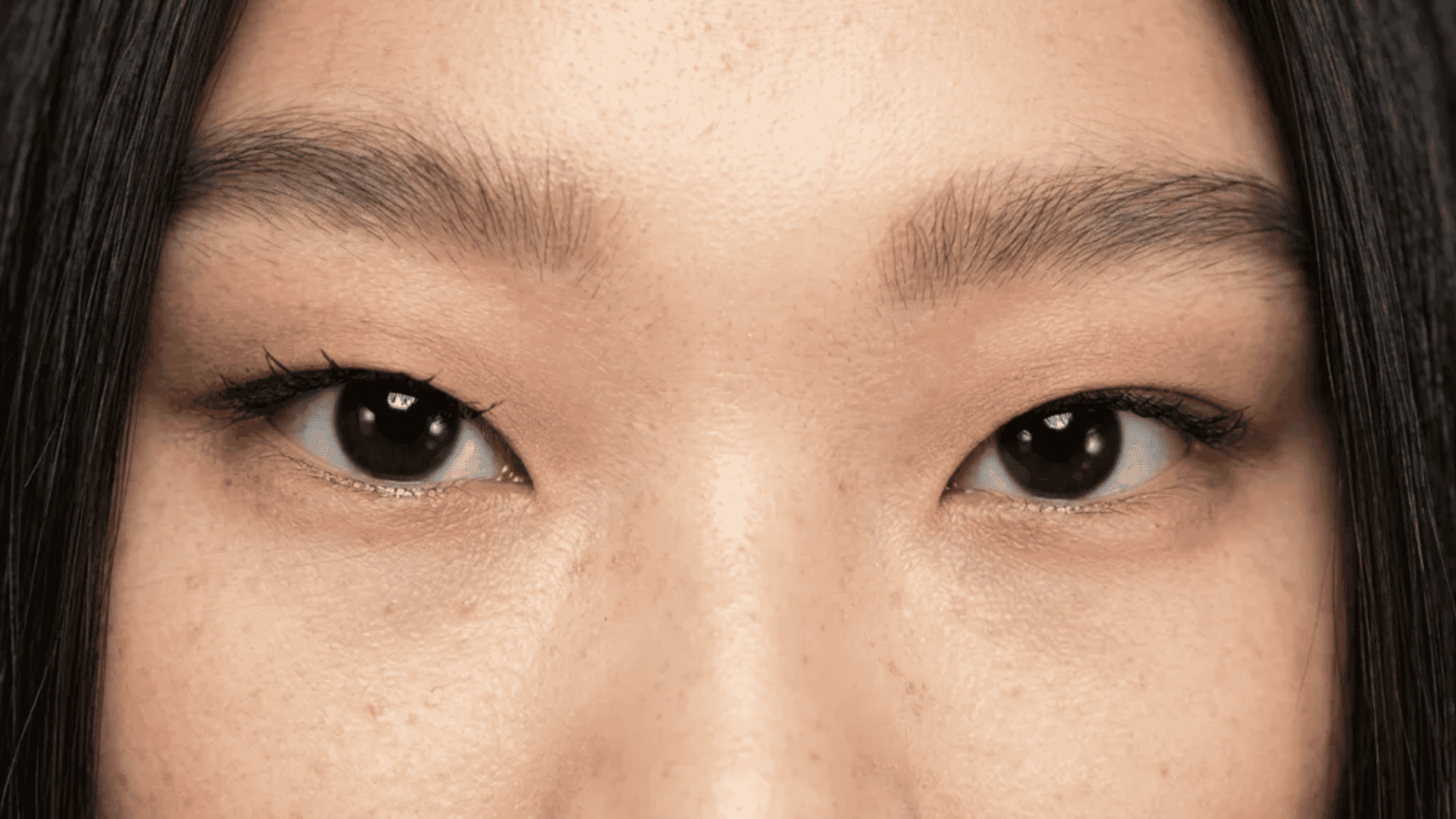
Monolid eyelids have no visible crease above the lash line, giving the lid a smooth, unfolded, even appearance.
This occurs when the skin does not form a strong, defined connection with the levator muscle responsible for creating the visible fold.
2. Hooded Eyelids
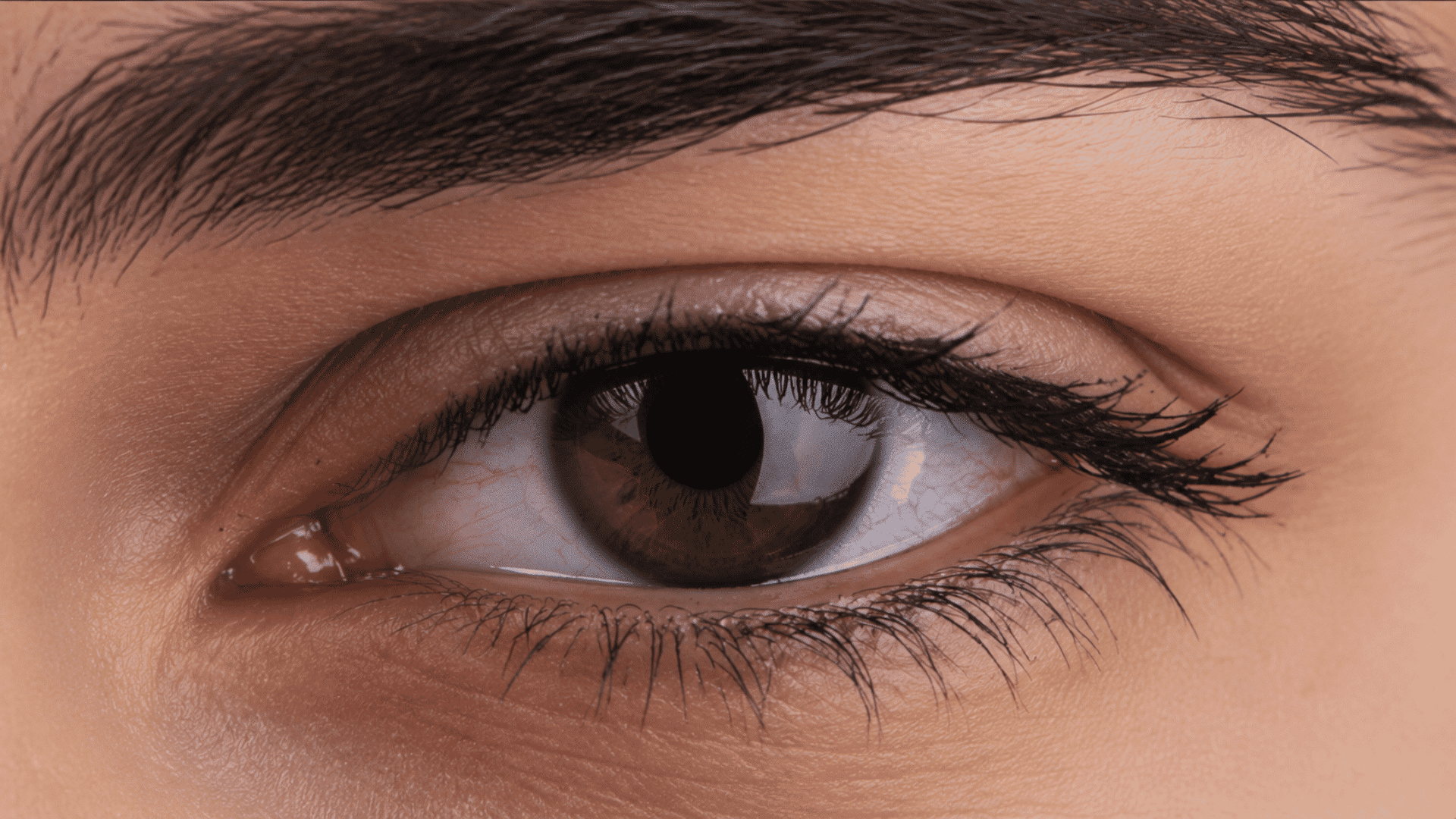
Hooded eyelids have a crease that is partly or fully hidden by excess skin folding down from lower brow bone area.
The fold exists structurally but stays obscured as the overlying skin gradually extends further downward over the crease line.
3. Double Eyelids
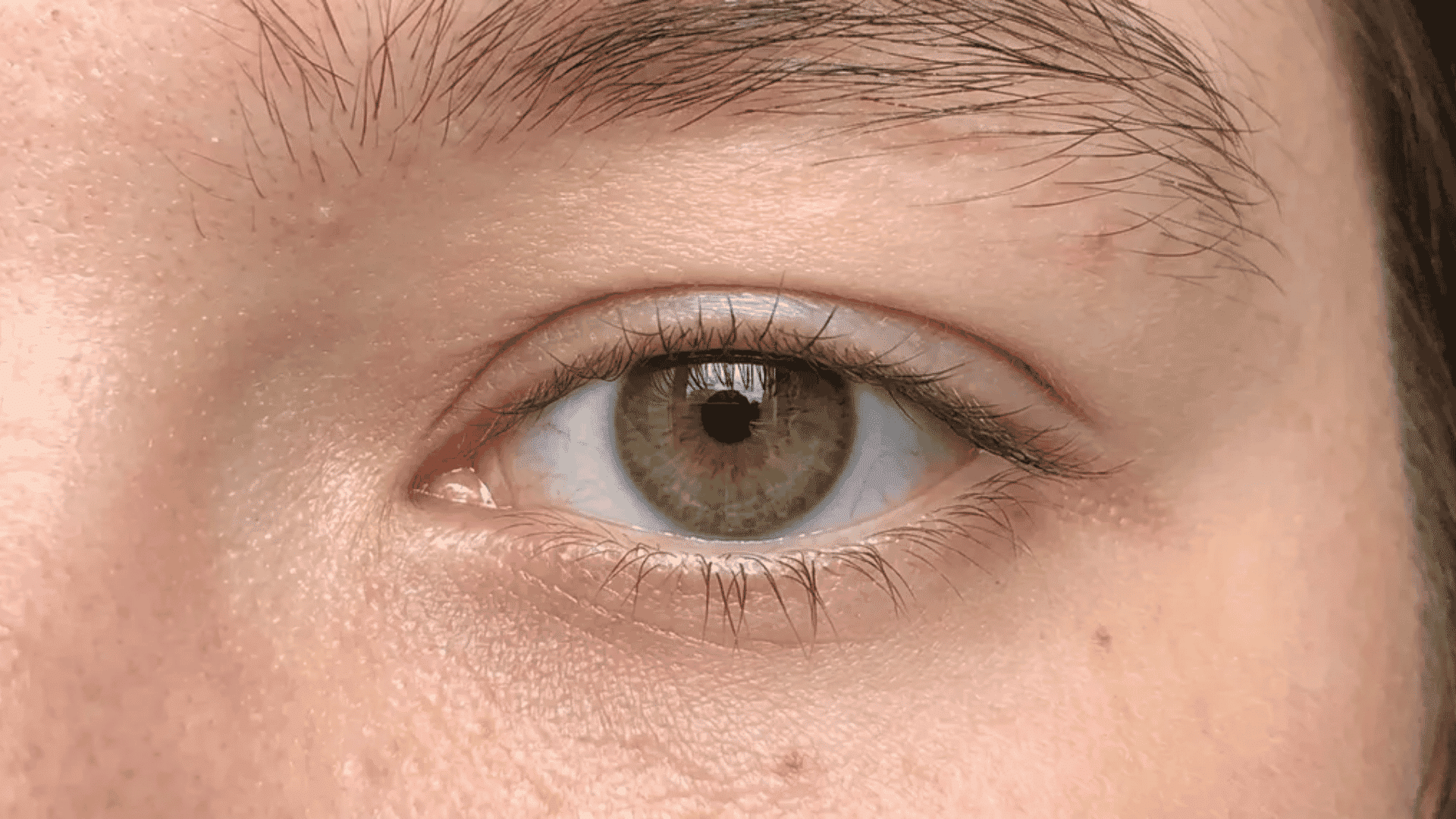
Double eyelids have a single, well-defined crease that clearly divides the upper lid into two distinct sections.
The fold forms naturally where the skin connects directly to the levator muscle, creating a stable line visible across most facial expressions.
4. Triple Eyelids
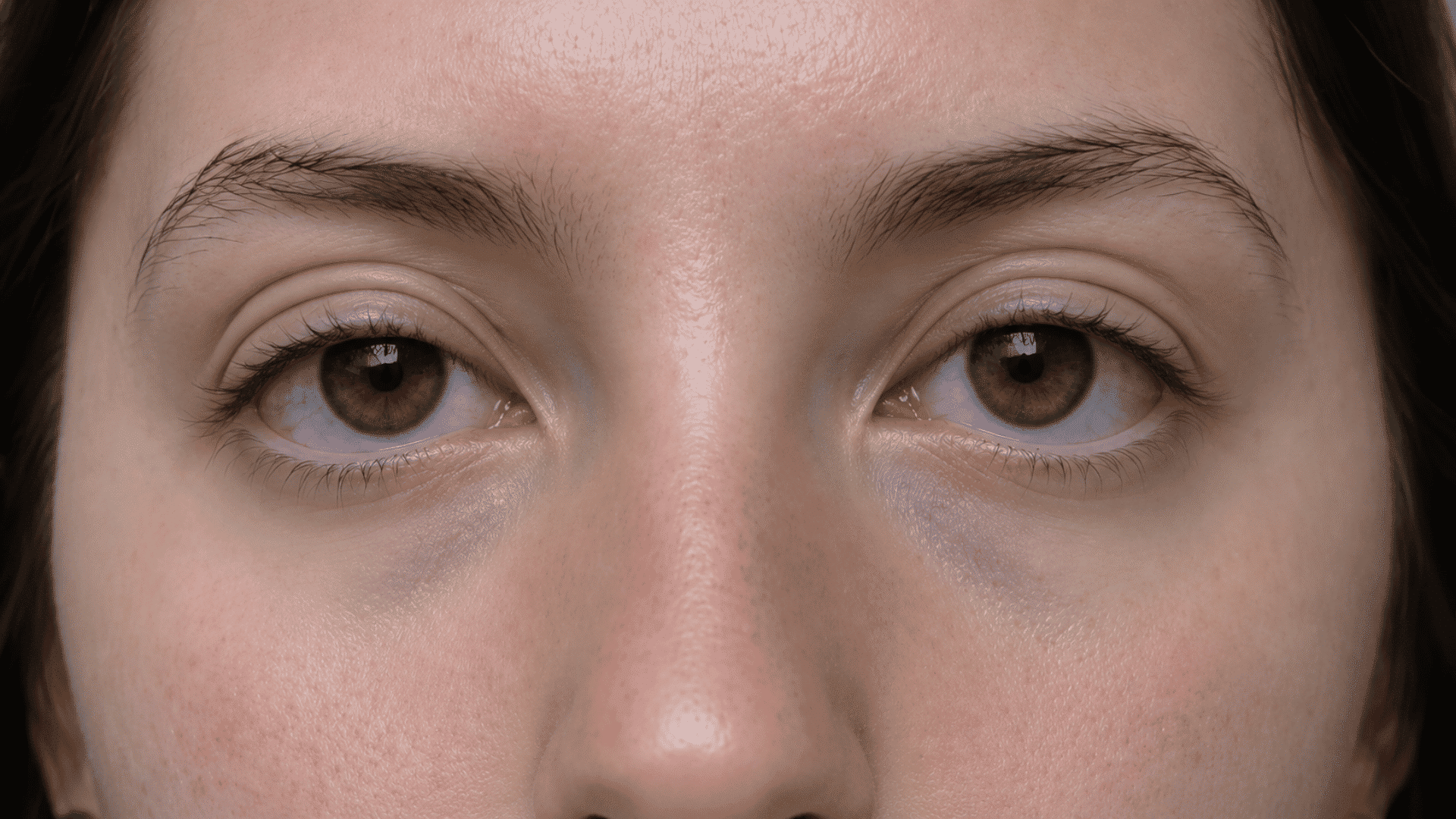
Triple eyelids display two or more distinct creases along the lid surface rather than a single continuous fold line.
This forms when the skin creates multiple anchor points with the underlying muscle tissue, producing a layered, stacked crease pattern over time.
Eyelid Types Comparison
The table below compares all major eyelid types based on crease formation, fold structure, and how each appears on the lid.
| Type | Crease | Fold Structure | Visibility | Key Identifier |
|---|---|---|---|---|
| Monolid | None | Smooth lid surface | No fold line | Flat upper lid |
| Double eyelid | Single defined crease | Skin connects to levator muscle | Fully visible | Clear lid division |
| Hooded eyelid | Present but covered | Excess skin overlaps crease | Partially hidden | Fold obscured by skin |
| Triple eyelid | Multiple creases | More than one anchor point | Multiple lines | Layered crease pattern |
| Partial eyelid | Incomplete | Uneven muscle anchoring | Partly visible | Crease breaks mid-lid |
Each type is defined by how crease presence, fold structure, and visibility combine no single feature determines the type alone.
Can Botox Lift Hooded Eyelids?
Botox can modestly improve the appearance of hooded eyelids in certain cases, but it does not directly lift or reshape the underlying eyelid tissue itself.
Hooding is caused by excess skin folding over the crease area something Botox cannot physically remove, alter, or structurally change or correct.
What it can do is relax the orbicularis oculi muscle, which allows the brow to lift slightly upward and reduces the visible appearance of heaviness over the lid.
Note: Any resulting change remains indirect, subtle, and temporary, with no alteration to the natural crease or underlying structure.
Common Misconceptions About Eyelids
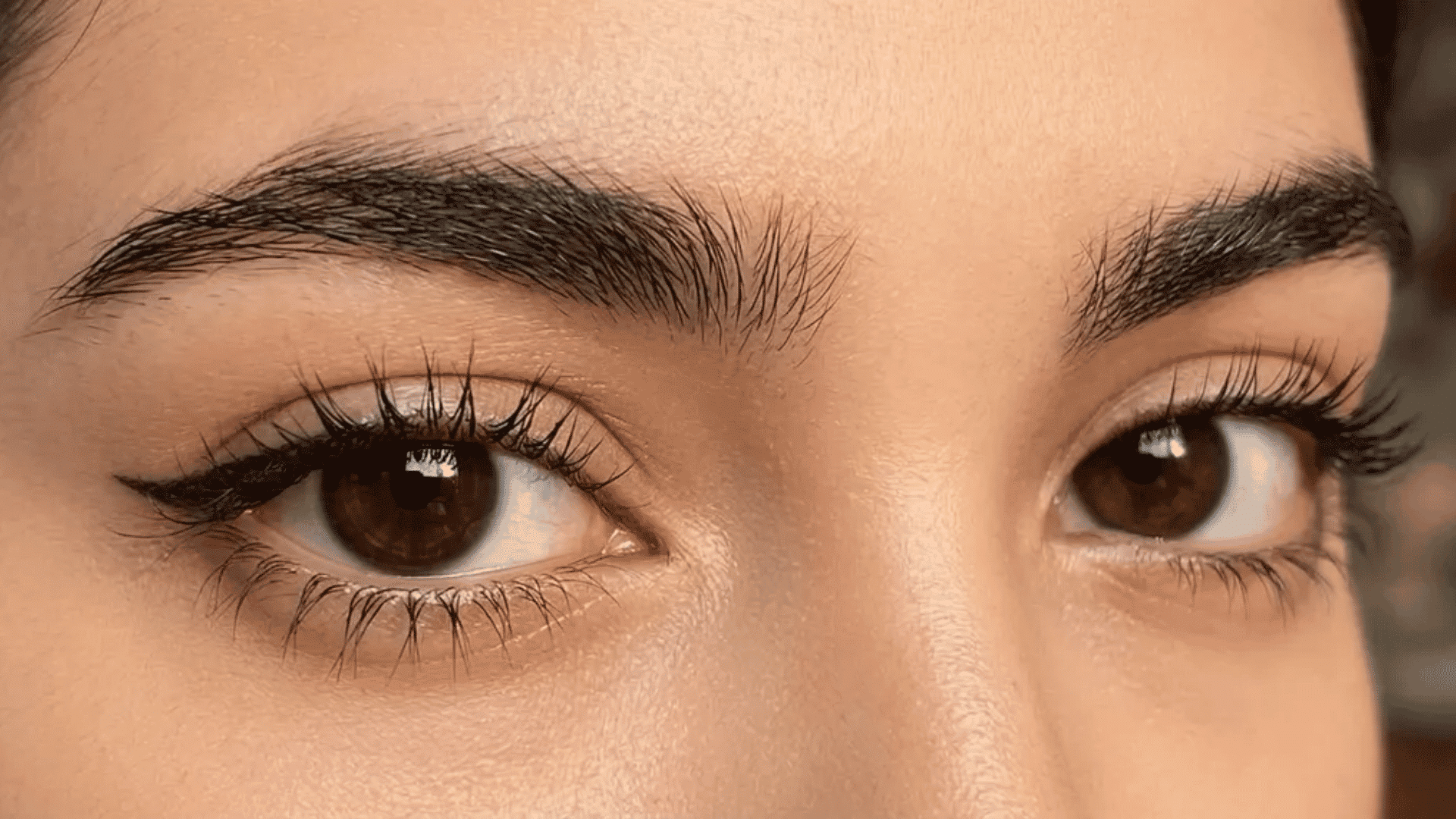
Misunderstandings around types of eyelids are common because similar appearances can stem from different anatomical causes, leading to confusion between natural variation and medical conditions.
- Hooded eyelids vs. monolids: Both look crease-less at first glance, but hooded lids hide a crease; monolids have none.
- Ptosis isn’t an eyelid type: It’s a condition from weak muscle function, not a crease category.
- Vision isn’t affected by eyelid type: Fold pattern has nothing to do with eyesight.
- Type stays the same, even as looks change: Skin shifts with age, but crease structure doesn’t.
Knowing the difference prevents misdiagnosis and sets more accurate expectations.
How Do Eyelid Types Vary Across Populations?
Types of eyelids vary across human populations due to genetic differences that influence crease formation, skin fold thickness, and muscle attachment patterns.
Monolid eyelids are more common in many East Asian populations, where a defined upper eyelid crease is less common.
Epicanthic folds also appear more frequently in certain groups, influencing how much of the inner corner of the eye remains visible.
These variations are anatomical in origin and have no bearing on eye function or vision. No eyelid type is exclusive to any population, and all types can occur across different ethnic groups.
How to Identify Your Eyelid Type?
Identifying your eyelid type comes down to observing three things: whether a crease is present, how visible it is, and where it sits on the lid.
| What to Check | What You See | Likely Eyelid Type |
|---|---|---|
| Crease presence | No fold line above the lash line | Monolid |
| Crease visibility | Crease present but partly or fully hidden by skin folding from the brow | Hooded |
| Crease visibility | Crease fully visible, dividing the lid into two clear sections | Double eyelid |
| Number of fold lines | More than one crease along the lid surface | Triple eyelid |
| Crease coverage | Crease visible only near one corner, fading before the other side | Partial eyelid |
| Corner angle | Outer corner sits visibly higher than the inner corner (positive canthal tilt) | Upturned eyelid |
One lid can carry features of more than one type, so the result will not always be clearcut.
Important: Unsure which eyelid type applies to you? Consult a qualified oculoplastic specialist for an accurate assessment.
Conclusion
Eyelid types are defined by the structure of how the crease forms, how the skin behaves, and how the underlying muscle attachment shapes the lid.
These are fixed anatomical features, not cosmetic categories. No single feature determines a type alone, and overlap between the types of eyelids is more common than textbooks suggest.
Recognizing the underlying structure behind what is visible is always the more reliable and accurate starting point.
This kind of clarity matters most before a consultation, or any decision about how to approach your eyes. Knowing the anatomy first makes every choice that follows a more informed one.
Figured out your eyelid type? Drop it in the comments below.
Frequently Asked Questions
What Kind of Eyelids Do Caucasians Have?
Caucasian populations most commonly have double eyelids with a well-defined crease, though hooded and partial eyelid types also appear frequently within this group.
What Is the Most Attractive Eyelid Type?
No eyelid type is objectively more attractive than another. Perceived attractiveness varies across cultures, individuals, and aesthetic standards no single type holds universal preference.
Which Eyelid Type Is Rare?
Triple eyelids are considered the least common type, as they require multiple distinct anchor points to form along the lid surface a less frequent anatomical occurrence.