You’ve saved a dozen photos of sunny, dimensional color, and now you’re sitting in the salon chair trying to remember whether that look was balayage or highlights. You’re not alone. The two words get used almost interchangeably online, but they are different techniques, and they lead to very different results and very different upkeep.
Here’s a plain-language guide to how each one works, how each one grows out, and how to pick the one that fits your hair and your life.
What Highlights Actually Are
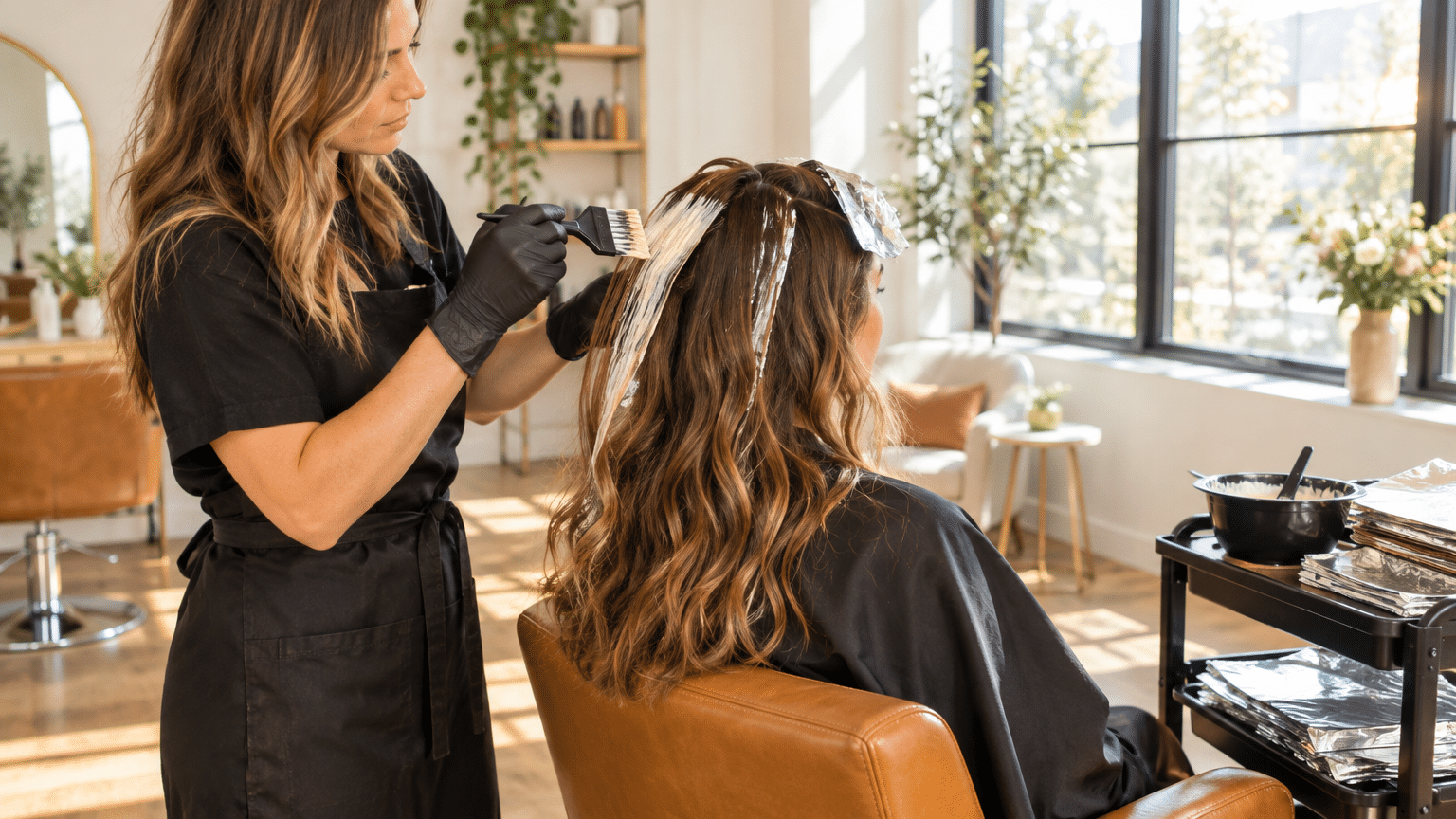
Traditional highlights are made by separating small sections of hair, painting lightener on them from close to the root to the ends, and wrapping each section in foil. The foil holds in warmth and keeps the lightener from touching the rest of your hair.
The result is even, defined brightness that starts near the scalp. Highlights can be very fine and blended, or chunkier and bolder, depending on how big the sections are and how close together they sit. Because the color starts so close to the root, highlights are great for a bright, polished, “freshly done” look.
What Balayage Actually Is
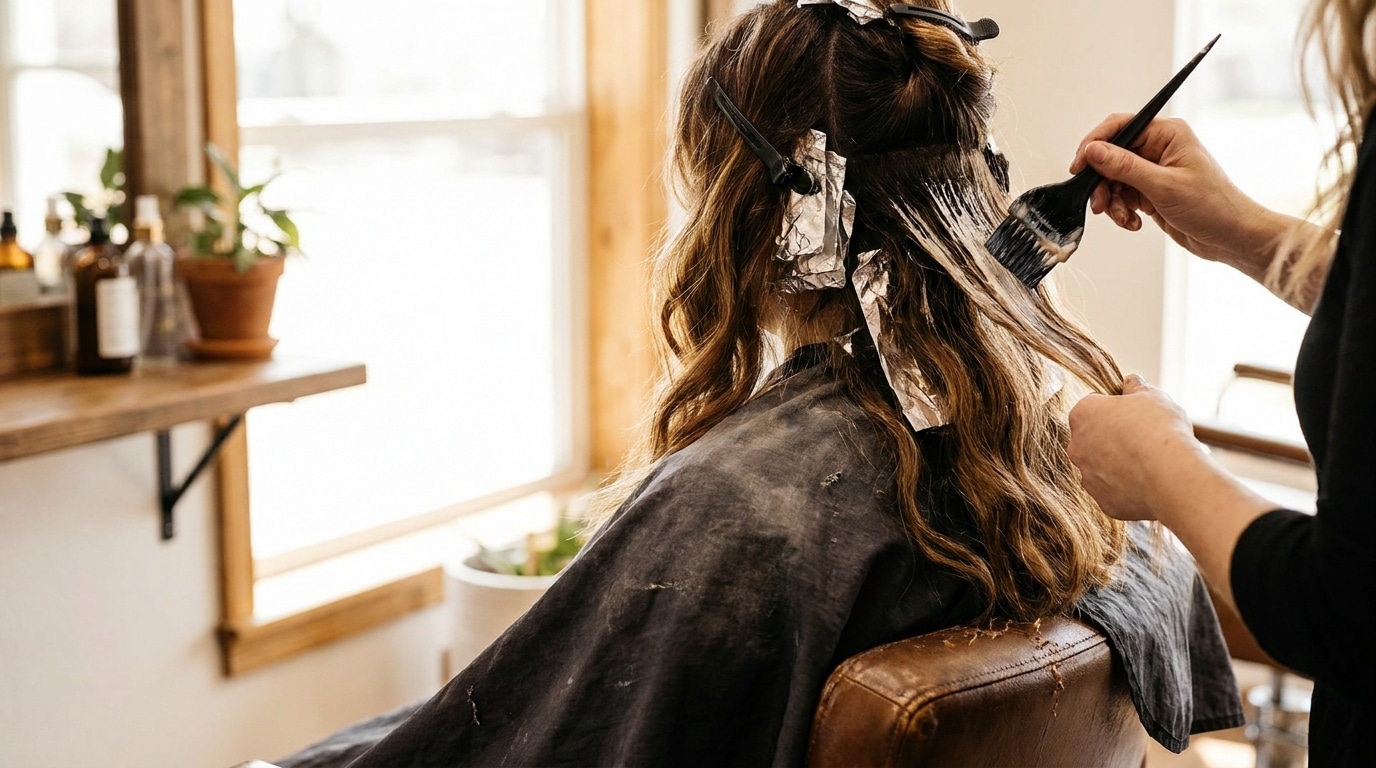
Balayage is a French word that means “to sweep.” Instead of using foils, the colorist paints lightener by hand onto the surface of the hair, usually starting a little below the root and getting heavier toward the ends.
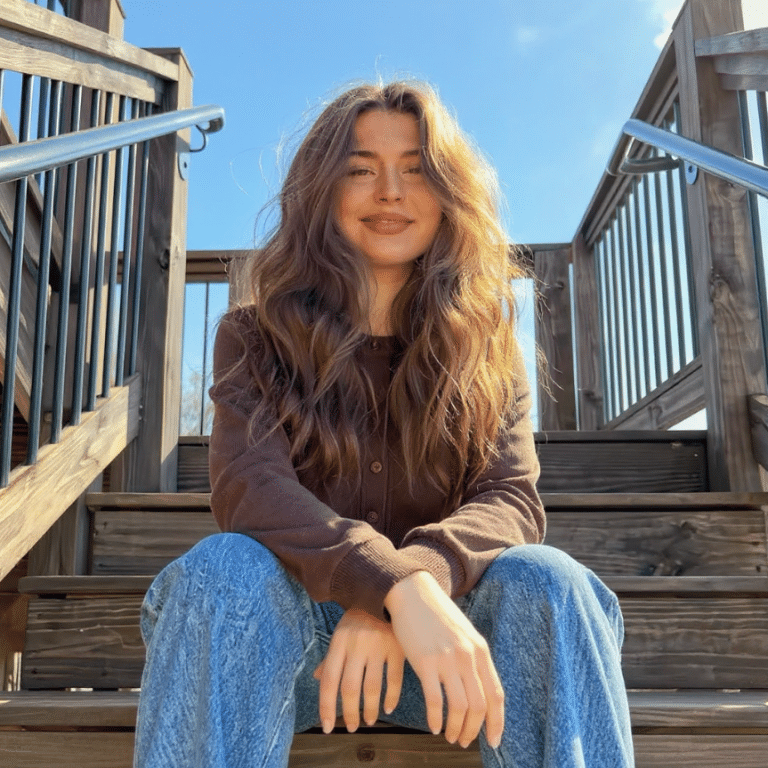
That freehand approach creates a softer, sun-kissed look. There’s no sharp line where the color begins, so it looks more like hair that brightened naturally after a summer outdoors. Some colorists combine the two techniques, using a few foils for extra brightness around the face and hand-painting the rest.
How Each One Grows Out
This is where your schedule really comes in.
With highlights, the color starts near the scalp, so new growth shows up as a clear band of your natural color. Most people with highlights book a touch-up every six to eight weeks to keep the look crisp.
With balayage, the color fades in gradually, so regrowth blends in. Many people go three to four months between appointments, and some stretch it even longer. That’s the biggest reason balayage is often called “low-maintenance.”
Low-maintenance doesn’t mean no-maintenance, though. Lightened hair of any kind can turn brassy over time, so a toner or gloss between appointments helps keep either look fresh.
Questions to Ask Yourself Before You Book
Choosing between the two is easier when you’re honest about a few things:
- How often can you get to the salon? If every couple of months is easy, highlights are a great fit. If you’d rather visit a few times a year, balayage is usually kinder to your calendar.
- How bright do you want to be? Highlights can deliver more overall lightness, especially near the face and part. Balayage tends to keep more of your natural color at the root.
- How do you wear your hair most days? Balayage looks especially good on waves, curls and textured styles, where the painted pieces catch the light. Highlights shine on sleek, straight styles where even color really shows.
- What’s your budget over the year? A balayage appointment can take longer, but fewer visits may balance it out. Think in terms of the whole year, not just one appointment.
Matching the Technique to Your Hair
Your hair type and starting color matter too. Fine hair can look fuller with fine, well-placed highlights that add dimension all over. Thick hair often suits balayage, since the painted sections show up beautifully without needing dozens of foils.
Darker hair can wear both, but going much lighter usually happens in stages to protect the hair. Stylists at Salon D in Dallas often recommend starting with a softer balayage if you’re new to lightening, then adding brightness over a few visits once you see how your hair responds. That approach keeps the hair healthier and gives you time to decide how light you really want to go.
If your hair has been colored before, especially with box dye, tell your colorist everything. Old color can react unpredictably to lightener, and knowing your history helps them plan a safe result.
Caring for Lightened Hair at Home
Whichever you choose, lightened hair needs a little extra kindness. A few habits go a long way:
- Wash with a gentle, sulfate-free shampoo made for color-treated hair.
- Use a purple or blue shampoo once a week if you notice brassiness, but don’t overdo it.
- Add a weekly deep conditioner or bond-building treatment.
- Use a heat protectant before blow-drying, curling or flat-ironing.
- Protect your hair from strong sun and chlorine with a hat and a quick rinse.
If you ever notice your scalp feeling itchy, sore or irritated after a color service, rinse well and skip harsh products for a few days. If it doesn’t settle down, it’s worth checking in with a dermatologist before your next appointment.
Bring Photos, and Bring Your Calendar
The best color consultations start with pictures. Bring a few photos of looks you love and, just as helpful, one or two you don’t. Then talk about your real life: how often you can come in, how you style your hair, and how much time you want to spend on it each morning.
A good colorist will use all of that to suggest highlights, balayage or a mix of both.
The Short Version
Highlights give bright, even color from near the root and need touch-ups about every six to eight weeks. Balayage gives a soft, natural, sun-kissed look that grows out gently and can go months between visits. Choose based on how bright you want to be, how you wear your hair and how often you can realistically get to the salon, and your color will fit your schedule as well as it fits your style.