


A concrete foundation can remain strong for many decades. Its age alone does not tell you whether it is safe or damaged. What matters is its current condition.
Water exposure, soil movement, poor drainage, temperature changes, and construction quality all affect how a foundation ages. Small cracks may only need monitoring. However, growing cracks, bowed walls, regular water leaks, and uneven floors may point to a larger problem.
The best approach is simple. Check the foundation regularly. Keep water away from the house. Repair small problems before they spread. Call a concrete expert in NYC such as Urban Contractors when the signs suggest active movement or structural damage.
What Does Concrete Foundation Aging Mean?
Concrete does not suddenly become weak after reaching a certain age. There is no single expiration date for a foundation.
Foundation aging is a gradual process. The concrete may develop cracks, surface wear, stains, or signs of moisture over time. Some of these changes are cosmetic. Others show that the foundation is under stress.
The condition of an older foundation depends on several factors:
- How the concrete was mixed and installed
- How well the soil supports the structure
- How much water reaches the foundation
- Whether the home is exposed to freezing weather
- Whether steel reinforcement is present and protected
- How quickly past problems were repaired
The American Concrete Institute identifies moisture exposure, freezing and thawing, chemical attack, and steel corrosion as common causes of concrete deterioration. These conditions do not affect every foundation in the same way. Local climate and site conditions also matter.
Why Concrete Foundations Change Over Time
Most foundation problems do not have one cause. Several conditions often work together.
Water Around the Foundation
Water is one of the most common sources of foundation trouble.
Rainwater can collect beside a house when the yard slopes toward the building. Clogged gutters can make the problem worse. Short or damaged downspouts may also release water too close to the foundation.
Wet soil creates pressure against foundation walls. It may also lose some of its ability to support the home. Water can then enter through cracks, joints, or porous areas in the concrete.
The University of Minnesota Extension notes that poor grading, weak gutter systems, and missing drainage systems are common causes of basement moisture. It also explains that soil settling can contribute to foundation cracking.
Soil Movement
The soil below a home is not always stable.
Some soils shrink during dry weather and expand when they become wet. Loose fill can settle after construction. Erosion may also create empty spaces beneath a slab or footing.
This movement can leave parts of the foundation without even support. Cracks may develop as the structure adjusts to the changing soil.
Minor settlement can occur without causing serious damage. Uneven or continuing movement is more concerning. It may cause cracks that grow, doors that no longer close properly, or floors that begin to slope.
Freezing and Thawing
Foundations in cold climates face another source of stress.
Concrete contains small pores that can hold moisture. When that moisture freezes, it expands. Repeated freezing and thawing can damage concrete when it stays wet enough for long periods.
The damage may appear as surface scaling, small cracks, or areas that begin to crumble. Keeping water away from the foundation reduces this risk.
Corrosion Inside the Concrete
Many concrete foundations contain steel reinforcement.
The surrounding concrete helps protect that steel. Problems can begin when water and harmful salts reach it through cracks or damaged surfaces. The steel may rust and expand. This expansion can place pressure on the concrete around it.
Over time, the surface may crack or break away. Rust-colored stains and exposed steel should not be ignored. ACI guidance notes that cracks can allow substances to enter concrete and begin corrosion of embedded reinforcement.
Original Construction Quality
A foundation may age faster when it was not built correctly.
Weak concrete, poor curing, inadequate reinforcement, or unsuitable soil preparation can shorten its useful life. Drainage mistakes can also create problems years after the home was built.
Older construction is not always poor construction. Many older foundations remain stable because they were well built and kept dry. A newer foundation can develop trouble early when the site or installation was not properly handled.
Are Cracks Normal in an Older Foundation?
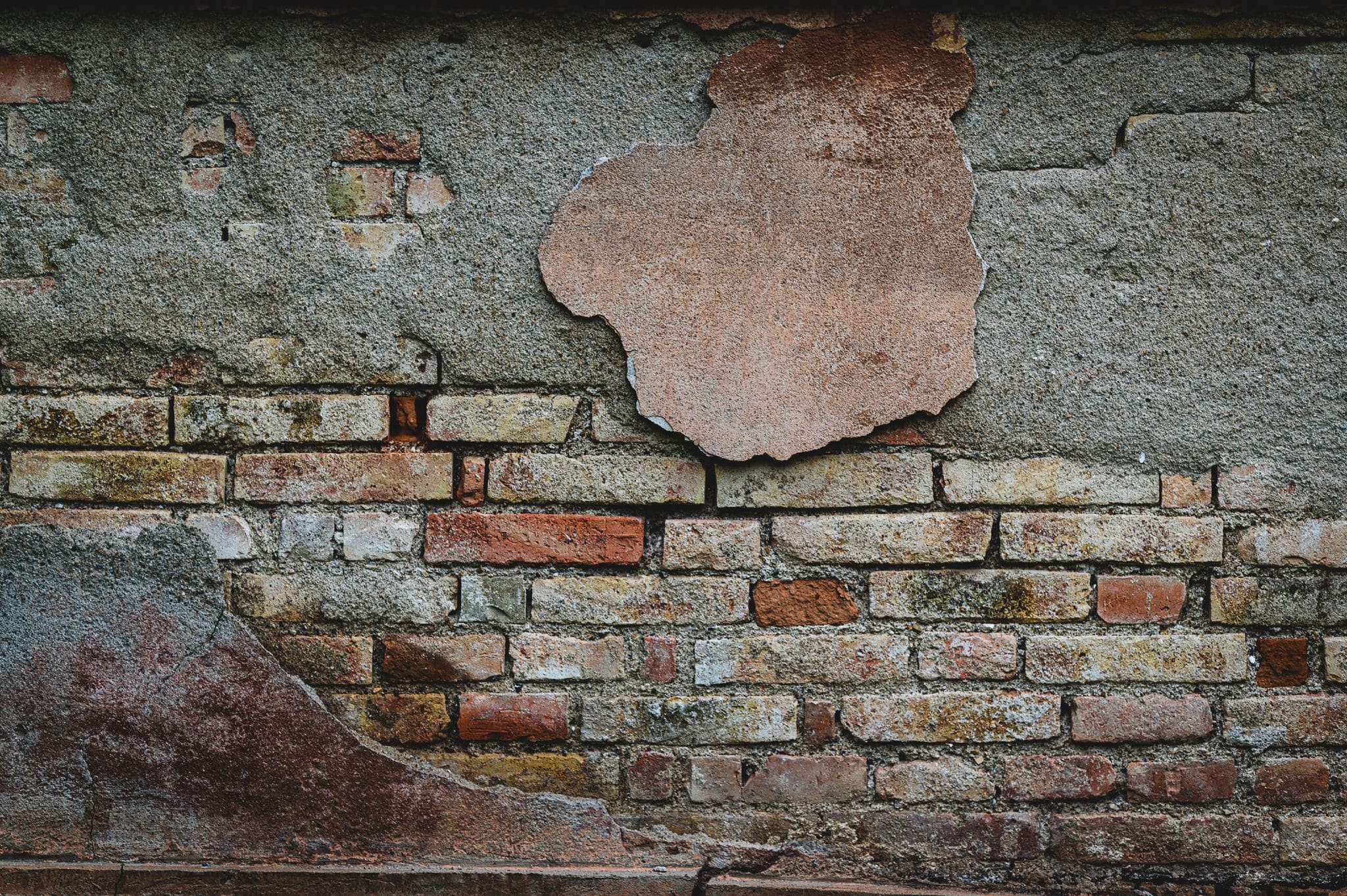
Some cracking is common in concrete. A crack does not always mean that a foundation is failing.
Concrete can shrink as it cures. It can also move slightly as temperatures and moisture levels change. This may create thin cracks that remain stable for years.
The shape of a crack provides useful information, but it should not be judged on direction alone. Its width, location, depth, and rate of change also matter. ACI advises that the importance of a crack depends on the structure and the nature of the cracking.
Cracks That May Need Monitoring
A thin crack may be less concerning when it:
- Has not changed over time
- Does not allow water to enter
- Has no visible movement on either side
- Is not connected to other signs of structural stress
- Appears limited to the surface
Even a small crack should be documented. Take a clear photo and note the date. Check it again after heavy rain or seasonal temperature changes.
Signs That Need Professional Attention
Arrange an inspection when you notice:
- A crack that is becoming wider or longer
- One side of a crack moving past the other
- A horizontal crack in a foundation wall
- A wall that is leaning or bowing
- Several new cracks appearing within a short period
- Concrete breaking away from the wall
- Rust stains or exposed reinforcement
- Water entering through the same area
- Floors becoming uneven
- Doors or windows that begin sticking without another clear cause
Cracks that are wider at one end may show that part of a foundation wall has rotated. Bowing and severe cracking can also indicate structural distress. These conditions should be evaluated rather than covered with a surface patch.
Moisture Signs Homeowners Often Miss
A foundation problem does not always begin with a large crack.
A basement may feel damp before water becomes visible. You may notice a musty smell, peeling paint, dark stains, or white mineral deposits on the wall. These signs often show that moisture is moving through or around the foundation.
They do not always mean the structure is unsafe. They do show that the water source should be found.
Look outside before applying an interior coating. Check the gutters, downspouts, soil grade, drains, and nearby paved surfaces. An interior seal may hide the symptom without correcting the source.
How to Check an Aging Foundation
A basic visual check once or twice a year can help you notice changes early. It is also wise to check after major storms, flooding, or nearby excavation.
Begin outside the home. Walk around the full foundation where it is visible. Look for cracks, open joints, loose concrete, stains, and areas where the soil has washed away.
Next, inspect the basement or crawl space. Use a bright light. Pay close attention to corners, window openings, utility penetrations, and places where the wall meets the floor.
Compare both sides of the same wall when possible. A crack that appears inside and outside may provide more information than a surface mark on one side.
Photograph anything unusual. Include a ruler or another fixed reference in the image. This makes it easier to see whether the condition changes.
HUD inspection guidance recommends checking residential foundation walls for cracking, deterioration, moisture penetration, and structural adequacy.
A Foundation Should Be Judged by Its Condition
An older concrete foundation is not automatically a bad foundation. Many remain stable because they were built well and protected from water.
The most important signs are change and movement. A small crack that has remained unchanged for years may be less urgent than a new crack that grows within a few months.
Check the foundation regularly. Manage drainage around the home. Keep records of visible changes. When something looks active or unusual, have it inspected before choosing a repair.
Early attention gives homeowners more options. It can also prevent a manageable problem from becoming a major structural project.