
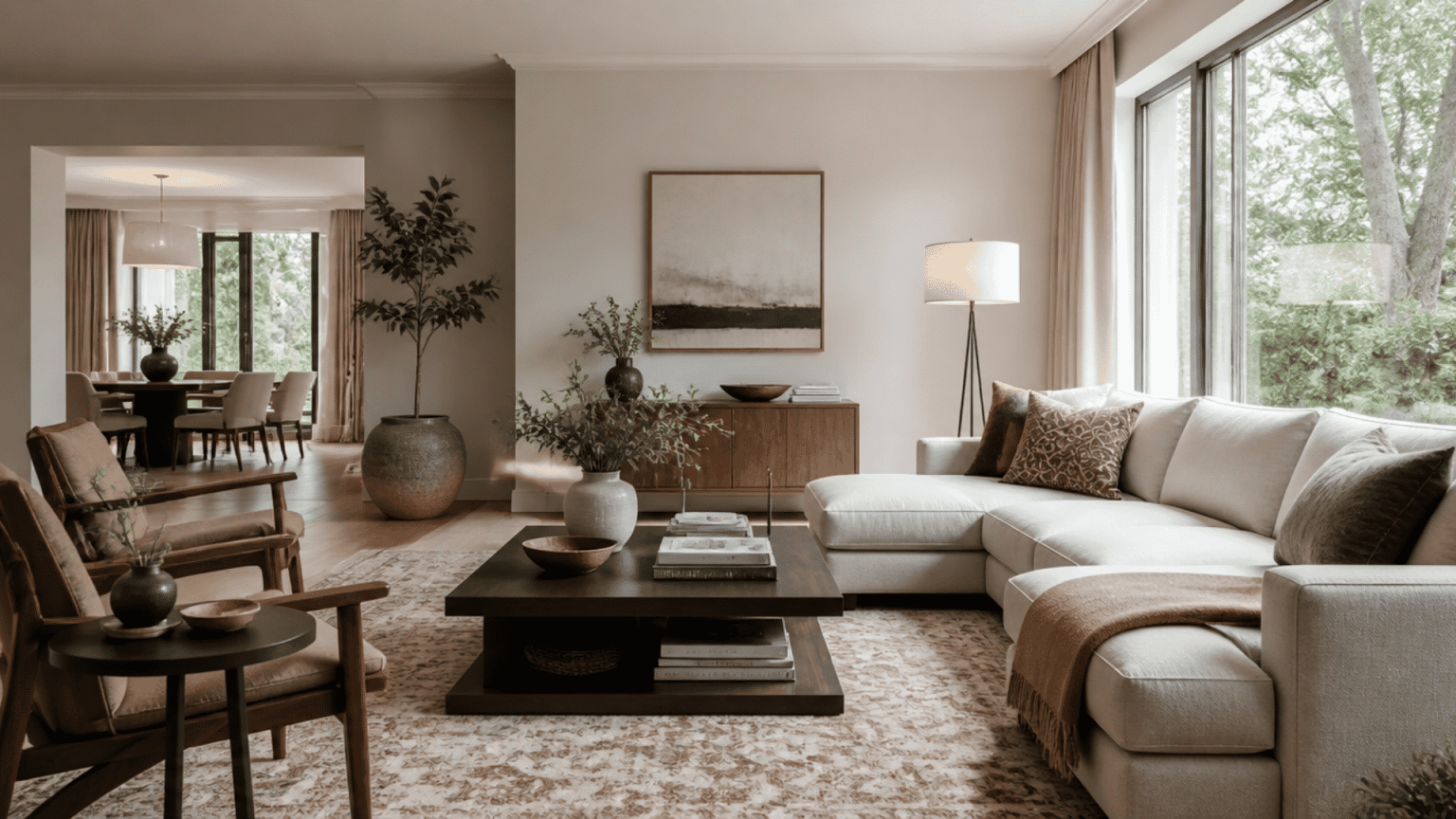
A room can look perfectly decorated yet still feel wrong. Poor layout, lighting, and missing basics often create an unbalanced space.
These interior design tips show how layers of color, scale, texture, and lighting create a more intentional and balanced space.
Create a home that feels comfortable, functional, and visually balanced without constant redesigning. These practical steps help you plan, style, and refine any room with confidence.
Plan, style, and refine any room so it feels balanced, functional, and visually complete with simple, practical steps that create lasting results.
Interior Design Ideas to Create a Stylish Room
Start with a neutral base and add color through cushions, rugs, and artwork. This keeps the space flexible and easy to update while following the 60-30-10 color rule for balance.
Good lighting is essential in any room. Combine ambient, task, and accent lighting to create warmth, depth, and a balanced atmosphere that feels inviting too.
Scale and proportion have a big impact on how a room feels. Oversized furniture can overwhelm small spaces, while tiny pieces can get lost in larger rooms.
Group décor in odd numbers, like 3s or 5s, and vary heights for visual interest. Leaving negative space helps the room feel open, intentional, and well-designed.
How Interior Design Actually Works?
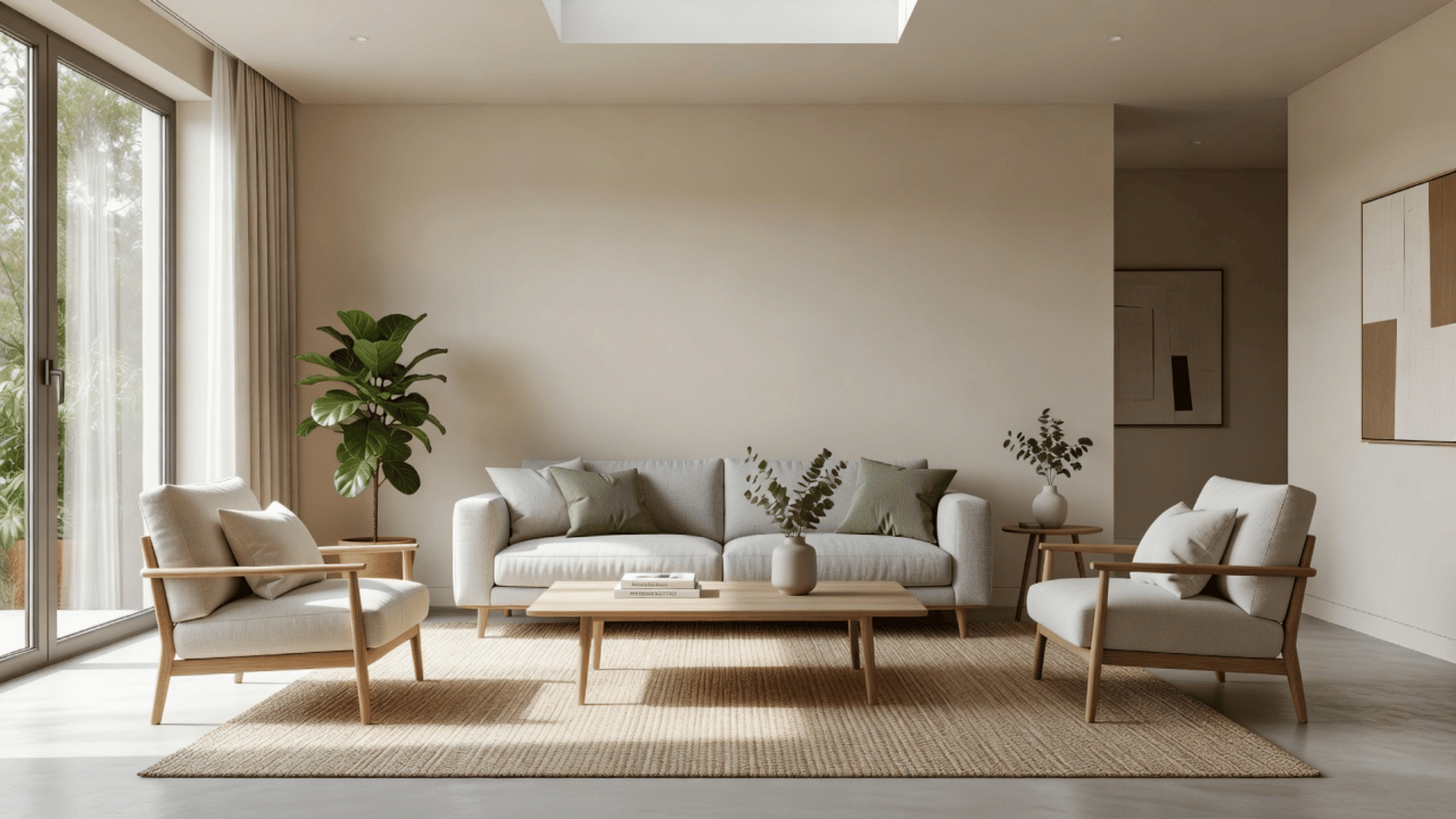
Interior design is more than decoration; it arranges space, color, light, and objects to create balanced, functional rooms with a complete visual feel too.
- Roomsfeel “off” when furniture is placed without a clear plan or layout strategy.
- Poor lighting, especially relying on a single light source, makes even well-decorated spaces feel flat.
- Random color choices without a structured palette can make a room look disconnected and unbalanced.
- Scale, spacing, and flow are often ignored, causing furniture to feel either cramped or lost in the space.
- Good interior design works when space, color, and light are balanced to create a cohesive, intentional room.
A well-planned room brings every element together, helping create a room that feels comfortable, balanced, and visually connected.
Room-by-Room Application Tips
Room-by-room tips show how to apply design ideas in each space based on its use. Every room needs a slightly different approach to stay balanced and functional.
1. Living Room Setup Basics
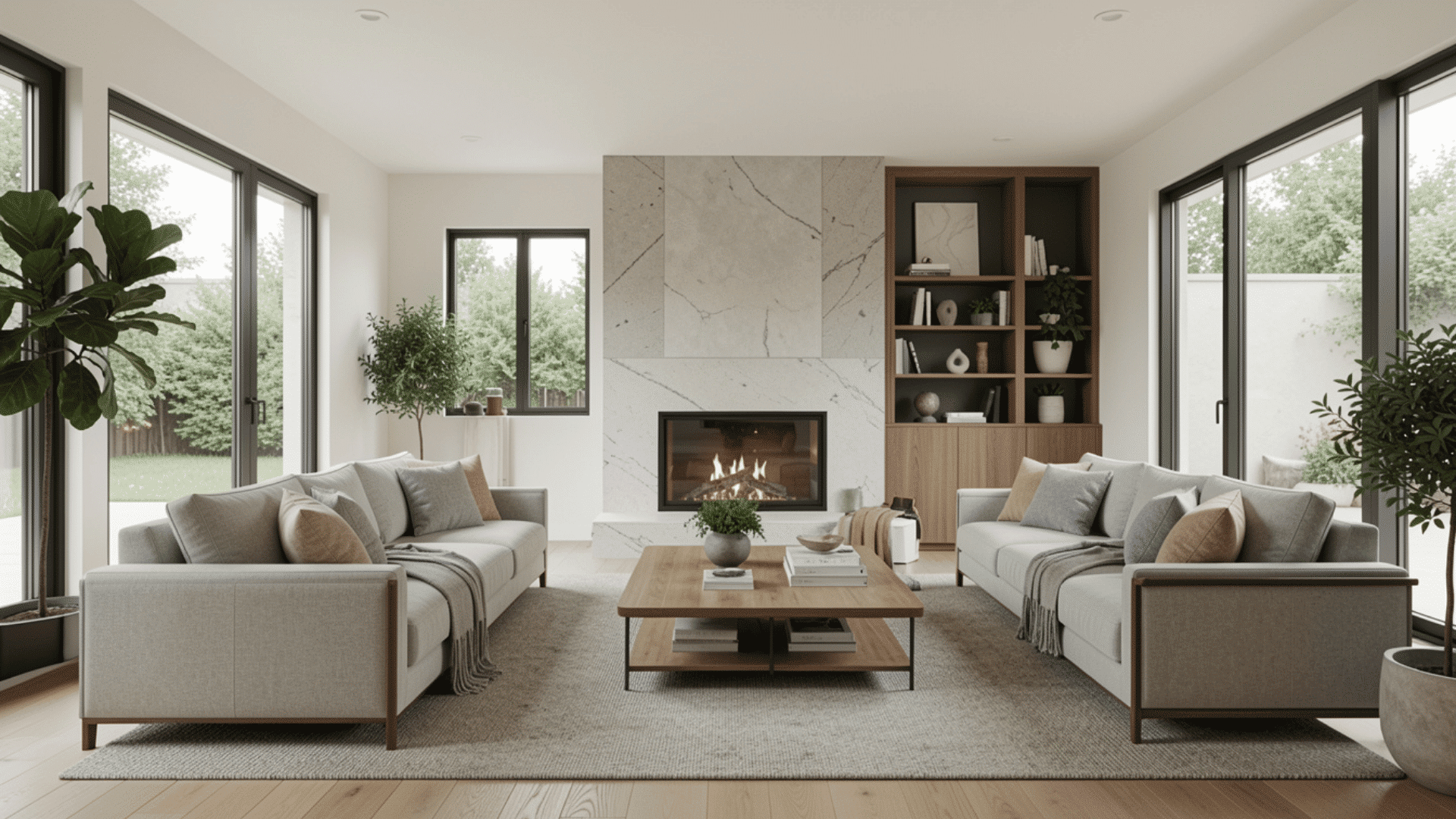
Living room setup is all about creating a space that feels both comfortable and functional. The right layout helps the room feel open, welcoming, and easy to use.
Start by planning how people will sit and move through the space. A clear focal point keeps everything visually balanced and organized.
2. Bedroom Styling for Calm and Balance
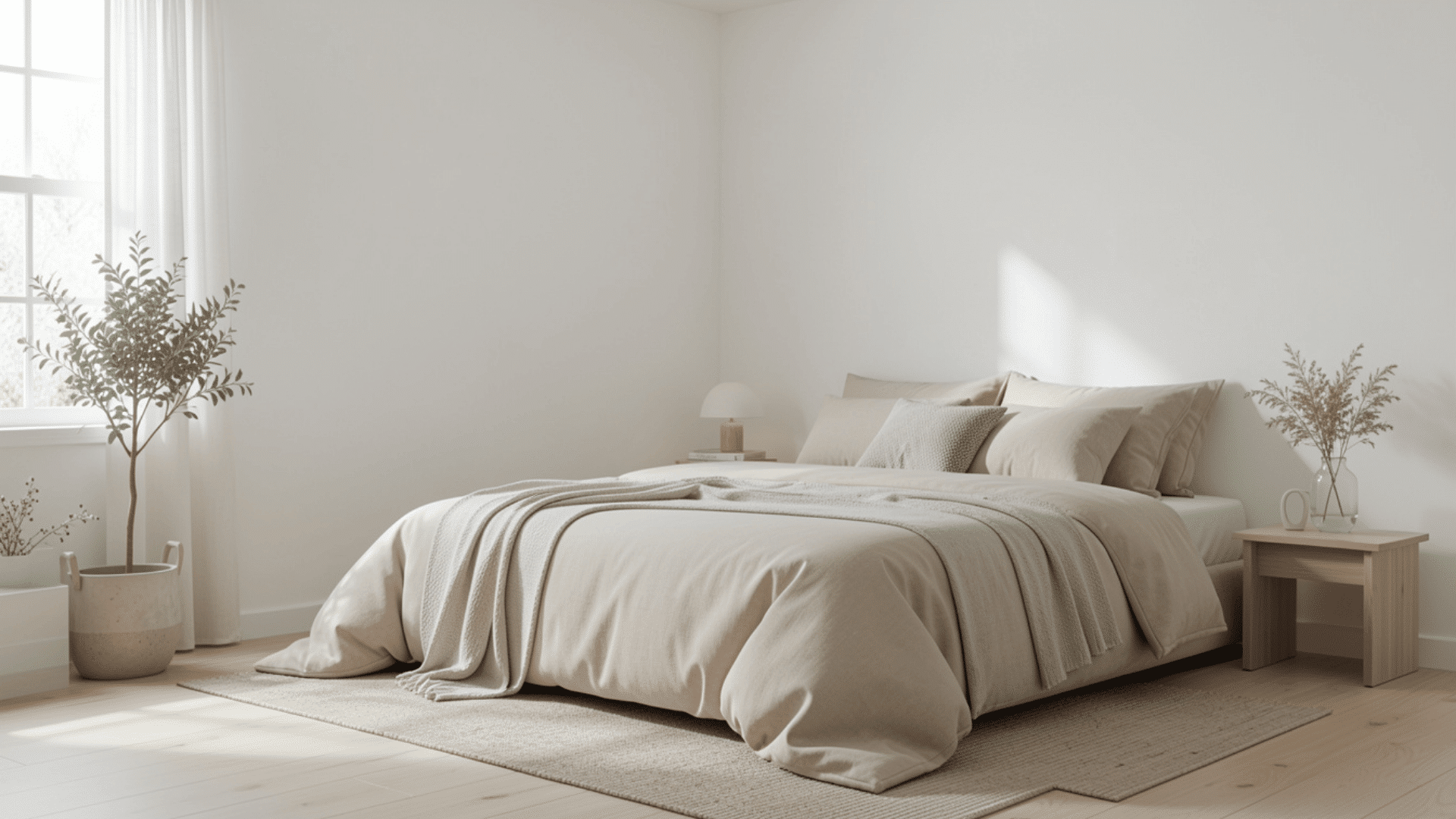
A well-styled bedroom should feel peaceful, simple, and easy to relax in. The goal is to reduce clutter and create a calm visual environment.
Start with soft tones and minimal décor to avoid overstimulation. Gentle lighting and clean layouts help create a restful atmosphere.
3. Kitchen and Dining Visual Flow
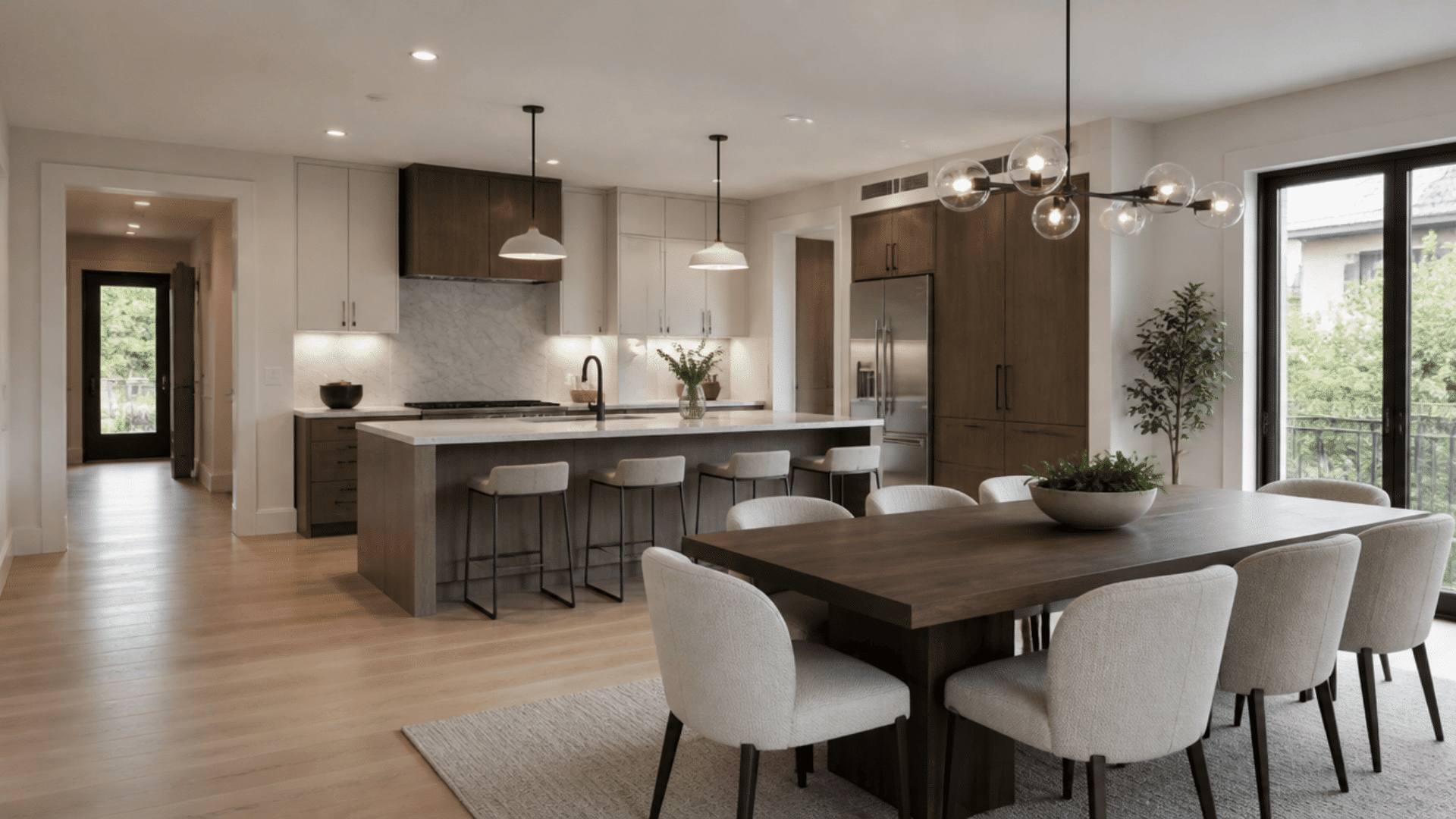
The kitchen and dining area should feel practical first, then visually refined. A good layout makes movement and daily use effortless.
Once functionality is set, add lighting and subtle décor accents. This keeps the space stylish without disrupting usability.
4. Small Space Design Adjustments
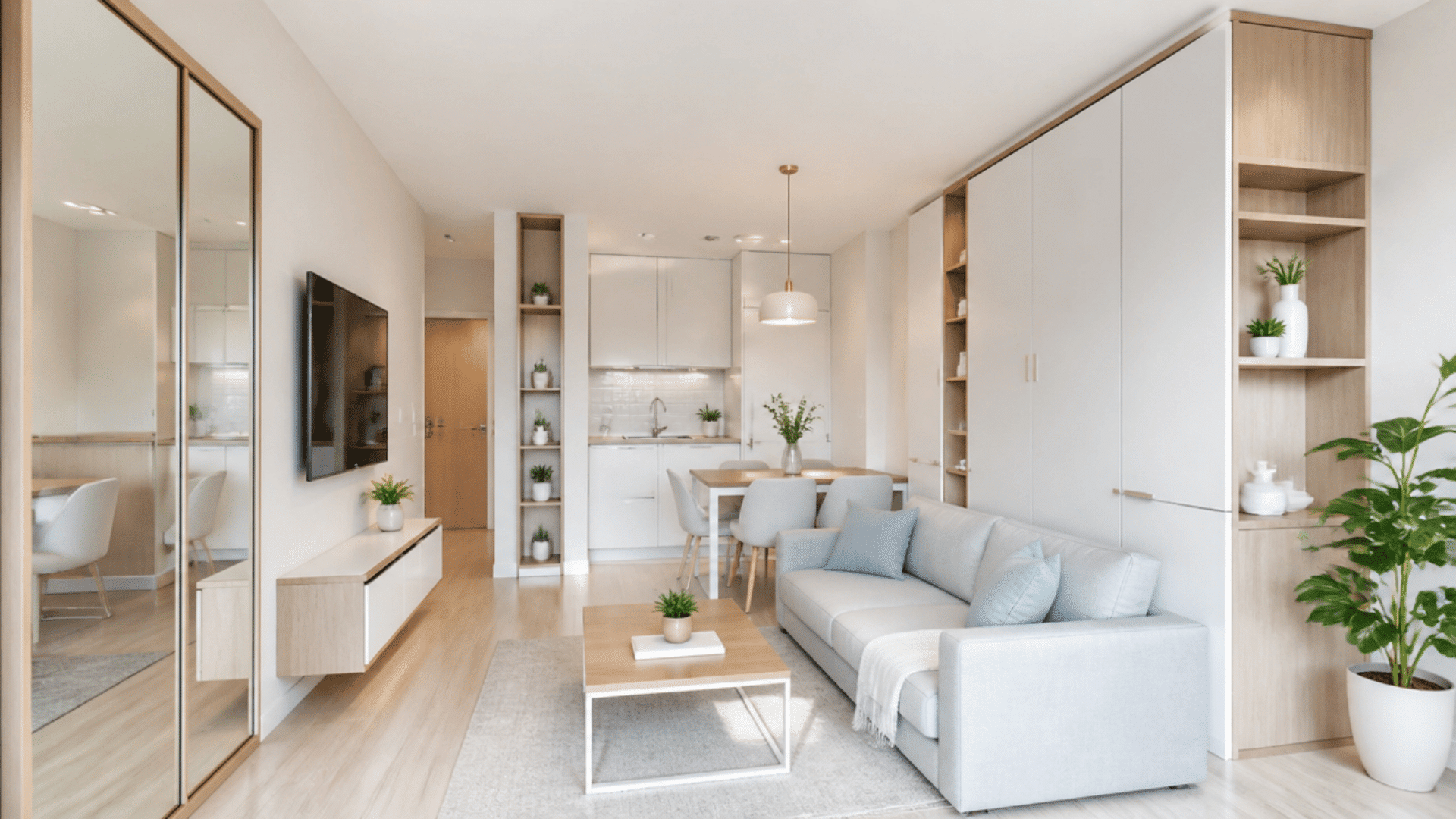
Small spaces need smart planning to feel open and comfortable. Every element should serve a purpose to avoid overcrowding.
Use light colors, mirrors, and multifunctional furniture to create a sense of visual space. These choices help the room feel larger and more breathable.
How to Plan a Room Layout Before Decorating?
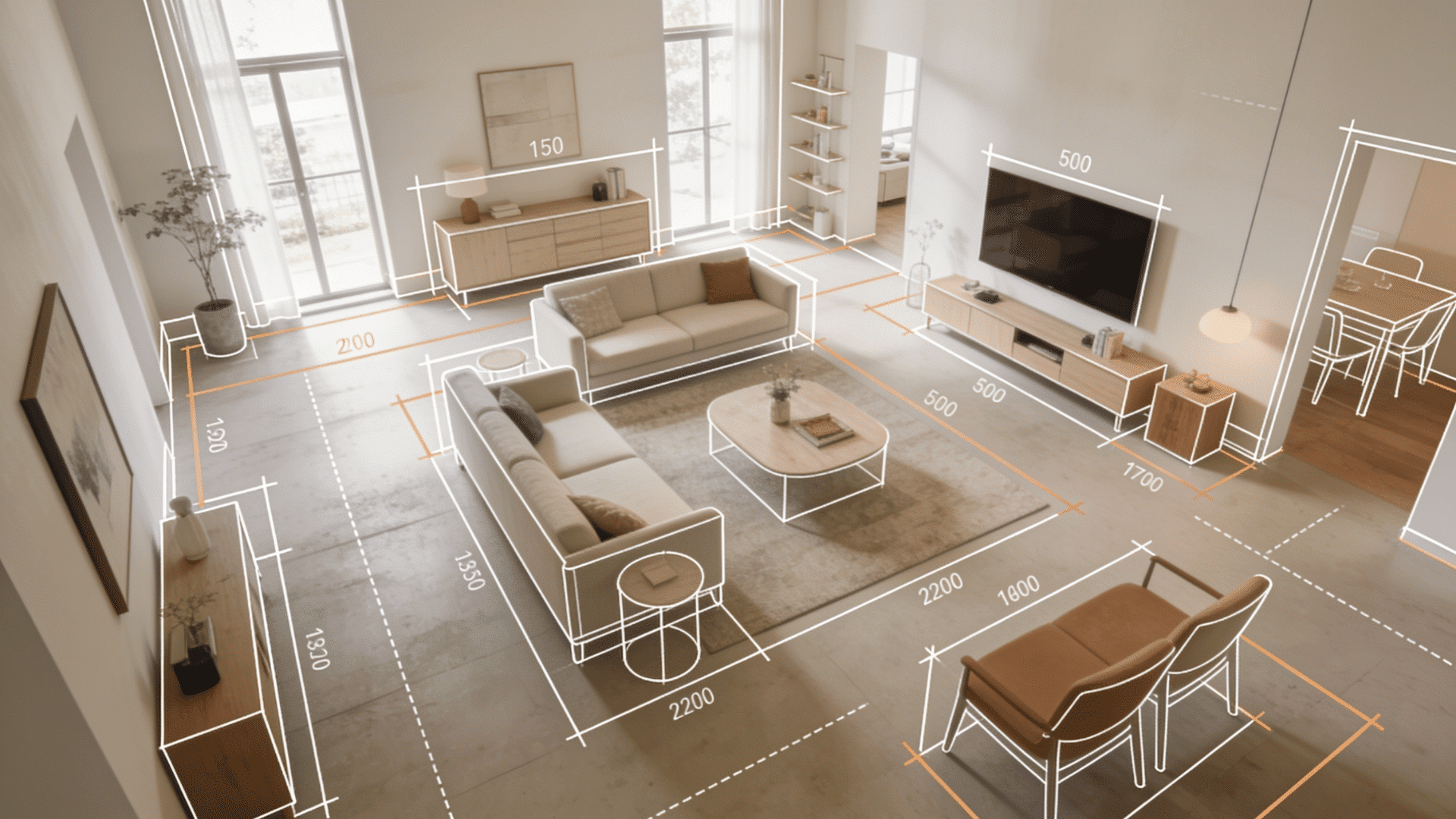
Map out your layout before buying anything by first drawing the room and placing large furniture on paper so you can understand spacing early on.
Measure your room before buying furniture to avoid overcrowding. Proper planning helps each piece fit well and keeps the layout balanced & comfortable too!!
Create natural flow by placing furniture to guide movement. Keep pathways clear and avoid blocked areas so the room feels open, easy to use, and inviting!!!
Leave negative space to add balance and openness. Empty areas help decor stand out, improve breathing room, and make the design feel more intentional.
Color Rules That Make a Room Feel Cohesive
Color is what ties everything together. Without structure, even good furniture looks disconnected.
- 60% Base Color: Use for walls, floors, and large rugs to create the room’s foundation.
- 30% Secondary Color: Add personality through furniture, curtains, and larger decor pieces.
- 10% Accent Color: Bring contrast with pillows, artwork, and small accessories.
- Choose Balanced Tones: Keep the base soft, use the secondary for depth, and accents for visual interest.
- Neutral vs Bold Palettes: Neutral colors feel timeless, while bold colors add personality but need balance.
- Avoid Common Mistakes: Too many bold shades or no clear base color can make a room feel unbalanced.
A balanced color plan creates harmony, improves visual flow, and helps every element in the room feel connected and intentional.
Why do Scale and Proportion Matter in RoomDesign?
Scale and proportion help furniture, décor, and room elements feel balanced together. They ensure every piece fits the space properly and creates a comfortable visual flow.
| Design Element | How It Creates Balance |
|---|---|
| Scale and Proportion | Keep furniture and room sizes balanced by mixing different sizes, heights, and textures. This creates contrast while maintaining a natural layout. |
| Furniture Placement | Pair large pieces with smaller items to avoid imbalance. Low-profile furniture works well in small rooms, while larger spaces need anchor pieces. |
| Focal Points | Use a sofa, bed, or statement chair as a visual anchor. Combining shapes, textures, and heights creates a more interesting room arrangement. |
| Layered Lighting | Use ambient, task, and accent lighting to add depth and improve function. Each layer supports different needs while enhancing the room’s mood. |
These elements work together to create a room that feels balanced, functional, and visually comfortable without making the space feel crowded or disconnected.
Budget-Friendly Interior Design Tips
Small, thoughtful updates often deliver more impact than a single big-ticket purchase.
Start with what’s free, then layer in low-cost additions:
- Rearrange before you buy: Shifting your sofa or bed to open up flow costs nothing and can make a room feel new overnight.
- Swap the lighting: A warm-toned bulb or a $30–$50 lamp changes a room’s entire mood far cheaper than repainting.
- Add soft layers: Affordable rugs and curtains (often $40–$100) bring instant texture, warmth, and color.
- Refresh, don’t replace: A gallon of paint runs under $50 and can revive walls, old frames, or tired furniture.
Prioritize one focal update per room rather than spreading a small budget thin across many pieces. A single quality change reads as intentional; several cheap ones can read as clutter. Thoughtful choices, not big spending, are what keep a space feeling refined while your costs stay firmly in check.
Styling Techniques Used by Designers
Designers add simple styling touches after the main layout is complete. These details bring balance, depth, and personality to create a polished room too.
Use the Rule of Three in decor by grouping items in sets of three. This creates a natural display while adding balance and visual interest in rooms.
Style coffee tables and shelves with different heights, shapes, and textures. Trays, baskets, and layered objects add structure without clutter at home.
Bring vertical balance with tall lamps, curtains, and artwork. These elements draw the eye upward and help create a complete, connected space overall.
Common Interior Design Mistakes to Avoid
Common interior design mistakes can make a space feel unbalanced, cluttered, or unfinished. Avoiding them helps create more comfortable, well-planned rooms.
- Avoid matching furniture sets too closely, as it can make the room feel flat and less personal.
- Use layered lighting rather than a single light source to create a warmer, more balanced atmosphere.
- Avoid placing all furniture against walls, as it can disrupt the flow and leave an empty center.
- Limit decor pieces in each area to prevent clutter and maintain a clean, organized look.
Avoiding these mistakes helps create a balanced, functional, and visually comfortable space where furniture, lighting, and decor work together naturally ok.
Conclusion
Interior design tips make room planning easierby focusing on layout, color balance, lighting layers, scale, and texture to create spaces that feel complete
These principles work together to build a functional and intentional room. They help create consistency, improve style, and reduce the need for frequent redesigns.
Start small and apply each idea step by step. Using simple methods helps create a balanced space that feels comfortable, practical, and stylish over time.
Thoughtful design choices allow each room element to work together instead of competing for attention. With the right planning, even simple updates can improve comfort, function, and the overall feel of your home.
Leave a comment below and share your thoughts or questions about interior design tips.
Frequently Asked Questions
How Can I Make a Room Look More Expensive without Major Renovations?
Small upgrades like quality hardware, layered fabrics, and statement accessories can make a room feel more refined. Focus on details that improve texture, finish, and overall visual quality.
How Often Should I Update My Interior Design Style?
There is no fixed timeline for changing your home style because it depends on personal preference and lifestyle needs. Small seasonal updates can refresh a room without requiring a complete redesign.
What Interior Design Trends Should I Avoid Following?
Avoid trends that do not match your space, daily habits, or long-term preferences.
Choose timeless elements for major pieces and add trends through smaller, easy-to-change details.