

For years, beauty was often defined by appearances alone. Clear skin, youthful features, healthy hair, and a polished sense of style dominated conversations about self-care. Today, however, that perspective is changing. More people are recognizing that genuine beauty begins long before applying skincare products or scheduling cosmetic treatments. It starts with physical health, emotional well-being, quality sleep, balanced nutrition, and confidence that comes from feeling comfortable in your own body.
The growing wellness movement reflects this shift. Rather than chasing unrealistic beauty standards, individuals are embracing a more holistic approach that prioritizes long-term health alongside aesthetic goals. Modern self-care is no longer about masking imperfections; it is about supporting the body from the inside out so that confidence develops naturally.
This evolving mindset has also changed how people approach aesthetic medicine. Instead of viewing treatments as shortcuts, many now see them as one part of a broader wellness journey that includes healthy habits, stress management, preventive healthcare, and personalized care.
The Changing Definition of Beauty
Beauty standards have never been static. Every generation introduces new trends, yet one characteristic consistently remains attractive: vitality.
People who appear energetic, well-rested, and confident often leave stronger impressions than those who simply follow the latest fashion or beauty trend. Healthy skin, natural expressions, good posture, and positive body language communicate overall wellness in ways that makeup alone cannot replicate.
This explains why conversations surrounding beauty increasingly include topics such as nutrition, fitness, sleep quality, hormone balance, mindfulness, and preventive healthcare. Looking healthy has become just as desirable as looking youthful.
Wellness Creates the Foundation for Confidence
Confidence rarely comes from appearance alone. It develops when people feel physically capable, emotionally balanced, and comfortable in everyday life.
Someone who sleeps well, exercises regularly, manages stress effectively, and maintains healthy relationships often projects greater self-assurance. These internal factors influence facial expressions, posture, communication, and social interactions more than most people realize.
When wellness improves, confidence frequently follows. This confidence then influences career performance, personal relationships, and overall life satisfaction.
Rather than focusing exclusively on changing how they look, many individuals now invest in improving how they feel each day.
Skin Reflects Overall Health
The skin often provides visible clues about overall wellness. Hydration, nutrition, hormonal balance, stress levels, and sleep quality all influence complexion.
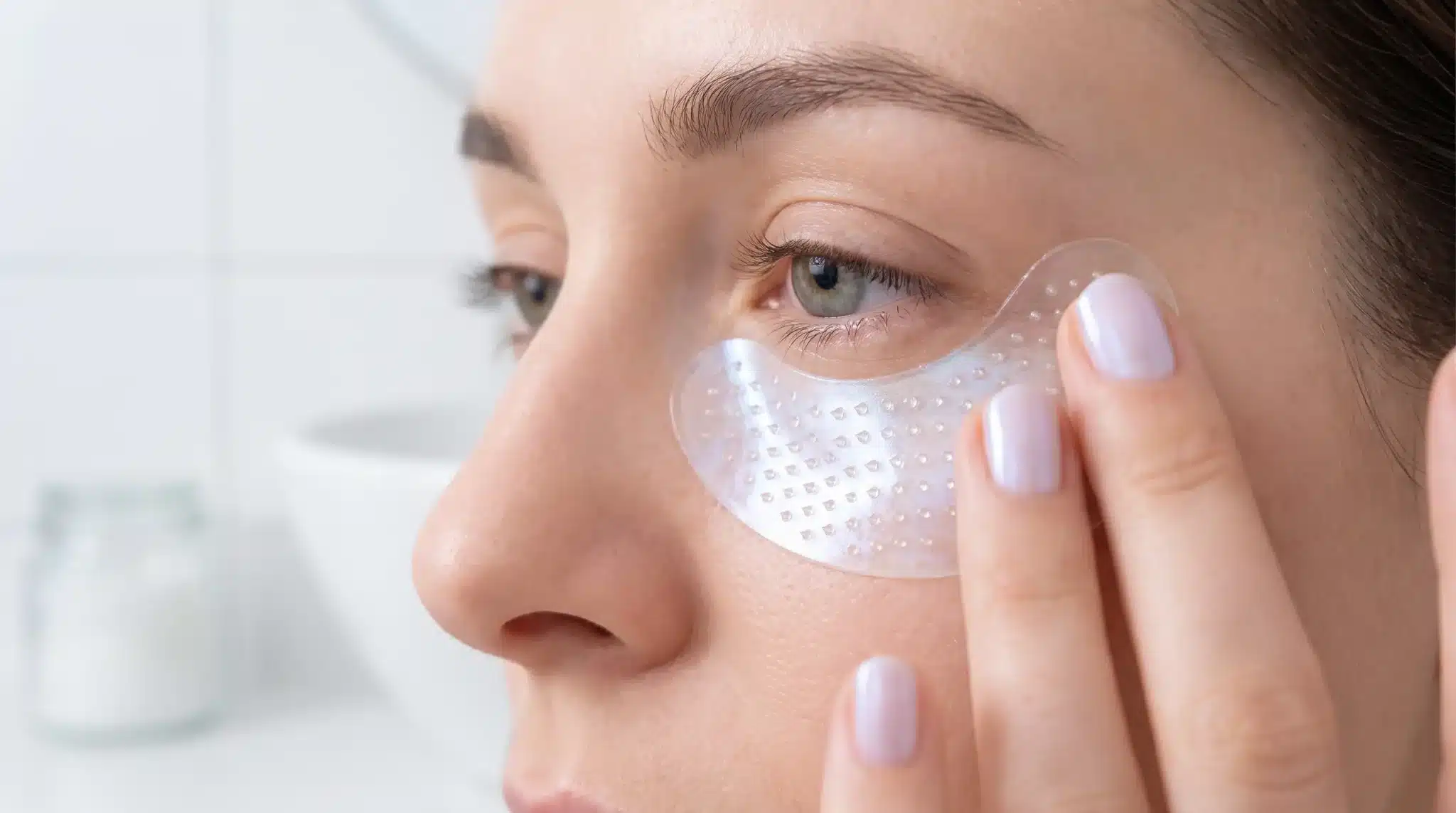
Poor sleep may contribute to dullness and dark circles. Chronic stress can trigger inflammation that worsens acne or sensitive skin. Nutrient deficiencies sometimes affect skin texture and healing.
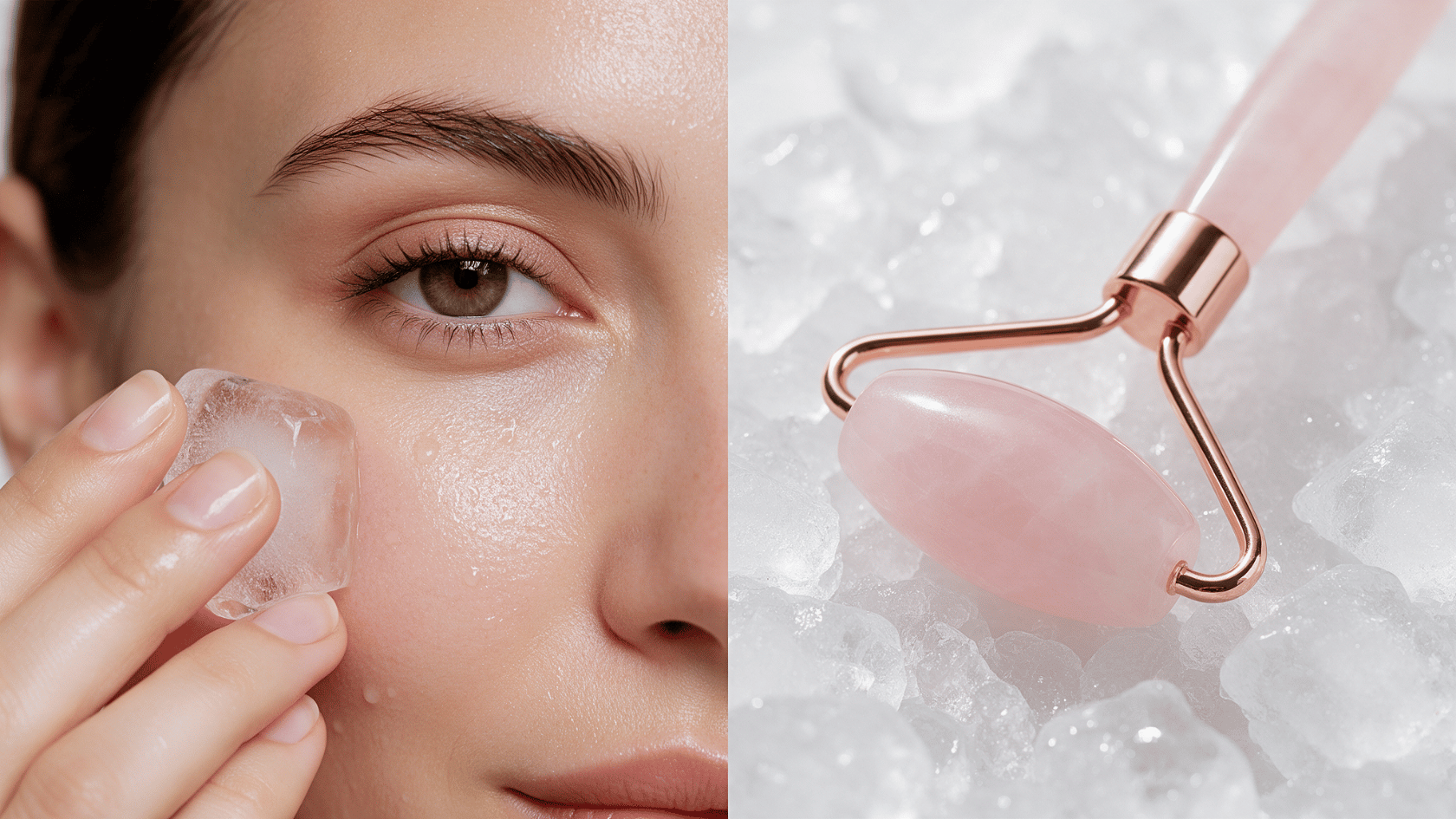
While skincare products play an important role, they work best when combined with healthy daily habits. Drinking adequate water, consuming nutrient-rich foods, protecting skin from excessive sun exposure, and maintaining consistent sleep schedules all support healthier skin over time.
This holistic perspective encourages people to care for their entire body rather than focusing only on surface-level improvements.
The Emotional Benefits of Self-Care
Self-care extends beyond appearance. Taking time to care for physical and emotional health sends an important message: personal well-being deserves attention.
Simple routines such as morning walks, reading, meditation, balanced meals, regular exercise, and skincare rituals create moments of consistency during otherwise busy schedules.
These habits reduce stress while helping people reconnect with themselves. Over time, consistent self-care often improves emotional resilience and creates a stronger sense of balance.
Importantly, self-care should never be confused with perfection. Wellness is about sustainable habits rather than unrealistic expectations.
Modern Aesthetic Medicine Supports Wellness Goals
Advancements in aesthetic medicine have transformed patient expectations. Rather than dramatic transformations, many people now seek subtle enhancements that complement healthy lifestyles.
Treatments are increasingly personalized, taking into account individual goals, skin type, medical history, and overall wellness. Patients frequently combine professional treatments with ongoing skincare, exercise, healthy nutrition, and preventive healthcare to achieve balanced results.
For individuals exploring cosmetic services, choosing experienced professionals who emphasize personalized treatment plans is essential. Those interested in advanced aesthetic services may consider visiting a provider offering medical spa treatments in Naples to learn about customized options that align with both wellness and aesthetic goals.
When integrated thoughtfully into a healthy lifestyle, aesthetic treatments can support confidence while maintaining natural-looking results.
Nutrition and Beauty Are Closely Connected
The relationship between nutrition and appearance continues to receive growing scientific attention.
Proteins provide the building blocks necessary for tissue repair. Healthy fats contribute to skin barrier function. Vitamins and minerals support collagen production, wound healing, and protection against oxidative stress, and some people add a NMN supplement 3rd party tested for cellular-level support alongside those basics.
Colorful fruits and vegetables contain antioxidants that help defend cells from environmental damage, while adequate hydration supports skin elasticity and overall cellular function.
No cosmetic treatment can fully replace the benefits of consistently nourishing the body through balanced eating habits.
Exercise Benefits More Than Physical Fitness
Regular physical activity supports nearly every aspect of wellness.
Exercise improves circulation, helping deliver oxygen and nutrients throughout the body. It supports cardiovascular health, strengthens muscles, promotes better sleep, and contributes to emotional well-being through the release of endorphins.
Improved circulation may also contribute to healthier-looking skin by supporting normal tissue function. Meanwhile, increased energy often translates into better posture, more confident movement, and an overall healthier appearance.
Whether through walking, yoga, strength training, swimming, or cycling, movement remains one of the most valuable investments people can make in their long-term health.
Managing Stress Protects Both Mind and Body
Stress affects much more than emotional health.
Long-term stress may contribute to poor sleep, changes in appetite, hormonal fluctuations, and inflammatory responses that influence skin health. It can also affect concentration, relationships, and overall quality of life.
Managing stress does not require eliminating every challenge. Instead, healthy coping strategies—including mindfulness practices, regular exercise, spending time outdoors, meaningful social connections, and setting healthy boundaries—can significantly improve resilience.
When emotional well-being improves, physical appearance often reflects those positive changes.
Sleep: The Most Underrated Beauty Habit
Despite increasing awareness about wellness, many people continue to underestimate the importance of sleep.
During sleep, the body performs essential repair processes that support immune function, hormone regulation, tissue recovery, and cognitive performance. Consistently poor sleep may contribute to visible signs of fatigue, reduced concentration, and slower recovery from daily stress.
Creating consistent sleep routines often provides noticeable improvements in both physical appearance and overall well-being without requiring expensive products or complicated routines.
A Personalized Approach to Wellness
No two individuals share identical wellness needs.
Age, genetics, lifestyle, career demands, environmental factors, and personal goals all influence health decisions. A personalized approach allows individuals to prioritize habits that best support their unique circumstances.
Some may benefit from improving nutrition, while others focus on stress reduction, regular exercise, skincare, or professional aesthetic consultations. Sustainable improvements typically come from combining multiple healthy habits rather than relying on a single solution.
This balanced approach recognizes that wellness is a lifelong journey rather than a destination.
Conclusion
True beauty extends far beyond physical appearance. It reflects the combined effects of healthy habits, emotional resilience, quality sleep, balanced nutrition, regular movement, and thoughtful self-care. While aesthetic treatments can complement personal goals, they are most effective when supported by an overall commitment to wellness.
As society continues shifting toward a more holistic definition of beauty, the focus moves away from perfection and toward vitality, confidence, and authenticity. Looking good increasingly begins with feeling good, because genuine wellness naturally shines through in everyday life.
By caring for both body and mind, individuals create a stronger foundation for lasting confidence, healthier skin, greater energy, and improved quality of life. In the end, beauty and wellness are not separate pursuits—they are two parts of the same journey toward becoming the healthiest and most confident version of yourself.