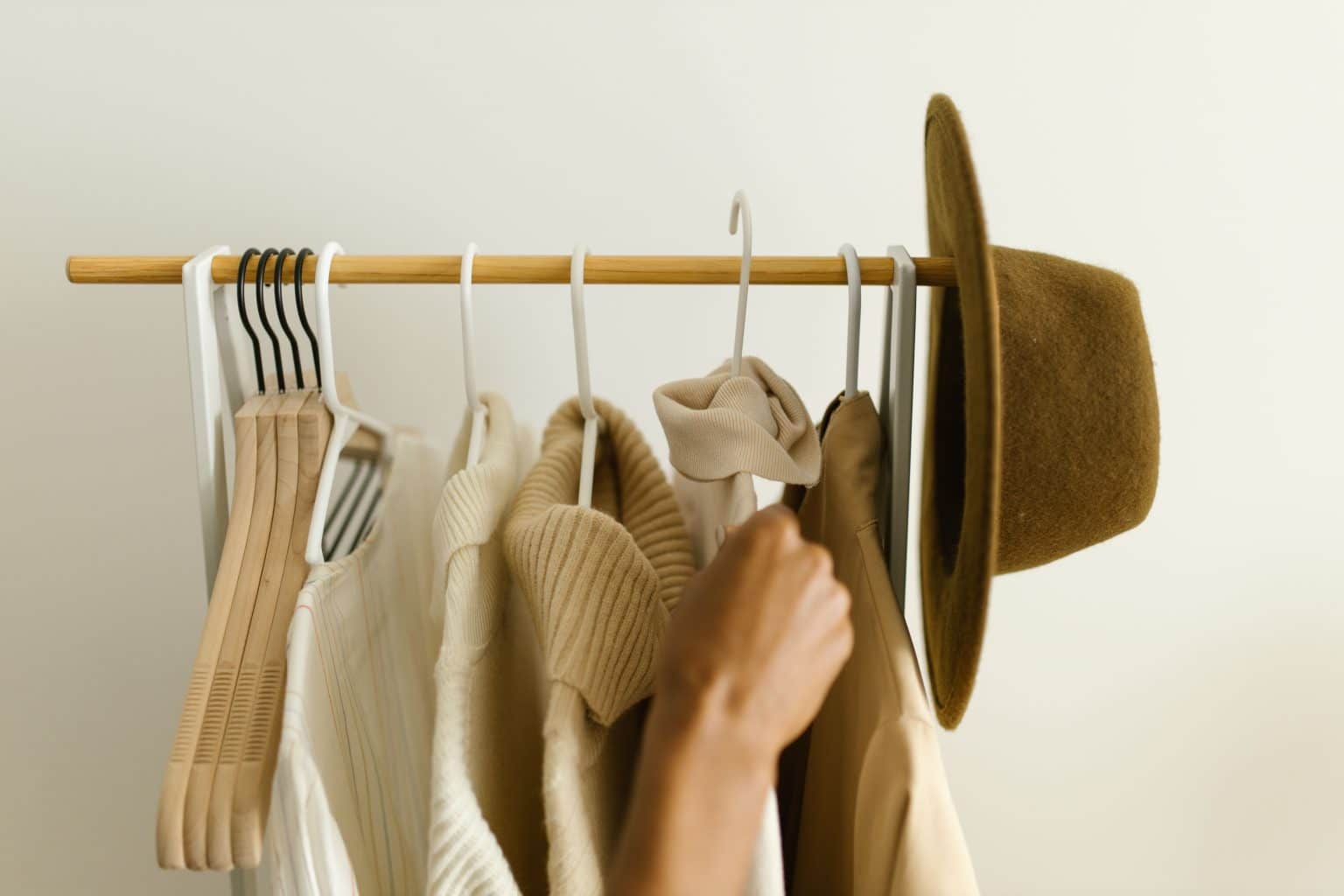
A well-built closet does not need a lot of pieces. It needs the right ones. The items that hold a wardrobe together are not the flashy seasonal buys or the trend-driven impulse purchases. They are the simple, reliable pieces that work across occasions, weather, and years without losing their appeal.
Why Timeless Pieces Still Win
Fashion moves fast. New collections drop every few weeks, social media keeps pushing the next big thing, and it can feel like staying current requires constant spending. But the shoppers who feel most confident in their clothes tend to share one habit: they invest in a core set of pieces that do not expire.
The casual wear market was valued at nearly $195 billion in 2024, reflecting just how much of everyday dressing has shifted toward comfort-first clothing. That number tells a clear story. People are not chasing formal or fussy. They want clothes that feel good, look put-together, and fit into real life.
Building around timeless pieces is not about being boring. It is about having a foundation strong enough to support whatever else you add.
The Core Pieces Worth Owning
Most wardrobe essentials fall into a handful of categories. Getting these right makes everything else easier.
A Well-Fitted Pair of Jeans
Denim has been a staple for decades and shows no signs of stepping aside. A pair that fits well at the waist and through the leg works for coffee runs, casual dinners, and almost anything in between. Medium wash tends to be the most flexible. Dark indigo reads slightly more polished if that matters to you.
Neutral-Toned Tops
Plain t-shirts, simple long sleeves, and lightweight button-downs in white, grey, navy, or black are the connective tissue of any closet. They layer under jackets, tuck into trousers, and pair with everything from denim to chinos. Fabric quality is what separates the keepers from the throwaways. A well-made cotton top holds its shape and color far longer than a cheap alternative.
A Reliable Outerwear Piece
One good jacket or coat does more work than five mediocre ones. A classic trench, a structured wool coat, or a clean bomber all hold up season after season. Neutral colors keep your options open, while bold ones narrow the combinations. Simple math.
A Comfortable Sweatshirt
Few pieces have earned their place in everyday dressing as convincingly as a good sweatshirt. It bridges the gap between loungewear and casual street style in a way that almost nothing else does. Groups, families, and teams often design personalized sweatshirts to mark shared experiences, which speaks to how deeply embedded this garment has become in daily life. Whether plain or printed, the sweatshirt remains one of the most versatile items a person can own.
Versatile Footwear
A clean pair of white sneakers, a simple leather shoe, and one weather-appropriate boot cover most situations. Footwear has a disproportionate effect on how an outfit reads, so keeping the core selection simple and well-made pays off consistently.
How to Think About Quality vs. Quantity
The temptation to buy more, cheaper items is understandable. But a closet full of pieces that wear out quickly, fit poorly, or only match one other item is not actually a useful closet. Timeless dressing is built on fewer, better choices.
A few practical ways to approach this:
- Buy neutral first. When adding a new piece, choose a color that already works with what you own.
- Check fabric content. Natural fibers like cotton, wool, and linen tend to age better and feel more comfortable over time.
- Fit matters more than size. A slightly larger budget spent on tailoring a good piece beats buying something that almost fits.
- Avoid trend-only purchases. If the only reason to buy something is that it is popular right now, it probably will not earn its place in a year.
Caring for What You Already Own
Timeless pieces only stay timeless if they are looked after. Washing in cold water, air drying when possible, and storing knitwear folded rather than hung all extend the life of garments by a meaningful amount. A lint roller, a fabric shaver, and proper hangers are small investments that protect larger ones.
It also helps to pay attention to care labels instead of treating every garment the same. Different fabrics have different needs, and following the recommended washing and drying methods can prevent shrinking, fading, and unnecessary wear. Taking a few extra minutes to zip jackets, fasten buttons, or turn clothes inside out before washing can also make a noticeable difference over time.
Rotating pieces so nothing gets worn to exhaustion also helps. Even a favorite item benefits from a break.
Simple repairs are worth learning as well. Sewing on a loose button, fixing a small seam, or removing a stain before it sets can keep a garment looking its best for years. These small habits reduce waste, save money, and help build a wardrobe that continues to look polished season after season.
Mixing Classics with Newer Finds
Sweatshirts and hoodies have seen an annual growth rate exceeding 8%, fueled by the athleisure trend, which reflects how even the most classic casual pieces continue to evolve in how they are worn and styled. A vintage-inspired sweatshirt pairs just as naturally with tailored trousers as it does with joggers. A white T-shirt works under a blazer as easily as it does under a flannel shirt.
This flexibility is what keeps classic clothing relevant year after year. Instead of replacing an entire wardrobe whenever trends shift, people can introduce one or two contemporary pieces while continuing to wear the staples they already own. The result feels current without looking like it was built around a single season’s fashion.
The classics do not resist change. They absorb it. That is exactly what makes them worth building around. Fashion is often at its best when it feels effortless. Mixing dependable basics with newer styles allows for more outfit combinations, less unnecessary spending, and a wardrobe that reflects personal taste rather than short-lived trends.
The Takeaway
A wardrobe that holds up over time is not complicated. It starts with pieces that fit well, feel comfortable, and work across multiple situations. From there, it grows slowly and deliberately.
The goal is not a perfectly curated collection that looks good in photos. It is a set of clothes that makes getting dressed feel easy, every single day.