


Choosing a senior community calls for a clear-headed approach and a comprehensive list of questions. Families often weigh mobility, medication needs, cognition, nutrition, sleep patterns, and emotional health to make decisions. A strong setting should feel calm, well-managed, and clinically attentive without feeling cold. Relatives also need plain answers about staffing, safety, meals, activities, costs, and communication. Careful review helps families compare options with better, steadier judgment.
Care Options
Early review should connect a senior’s present needs with likely next steps. Families comparing senior living in Kingman, Arizona, may ask about assisted living, memory care, short stays, medication oversight, rides, bathing support, and meal access after a hospital stay. Those answers matter because diagnoses shift and stamina changes. These considerations are also crucial because the wrong choice can force families to consider another place within just a few months.
Staff Availability
Staffing tells families how care works at the facility throughout the day and at night. Ask who remains on site during evenings, nights, weekends, and holidays. Response practices or routines for falls, fever, confusion, pain, or wandering should be clear. Consistent caregivers also notice subtle changes, such as poor appetite, slower gait, new bruising, or withdrawal from activities.
Personal Care
Personal assistance should protect dignity first. Bathing, dressing, grooming, transfers, continence care, and medication reminders require patience and privacy. Skilled teams avoid rushing residents through intimate routines. They also encourage safe independence, such as using grab bars, adaptive clothing, walkers, or cueing before taking over a task completely.
Memory Support
Memory care needs structure, training, and emotional steadiness. Secure spaces help, but they are only one part of effective support. Families should look for predictable routines, reduced noise, clear sightlines, and caregivers trained in dementia-related behaviors. Music, movement, reminiscence, hydration prompts, and familiar tasks can reduce agitation and preserve identity.
Dining Quality
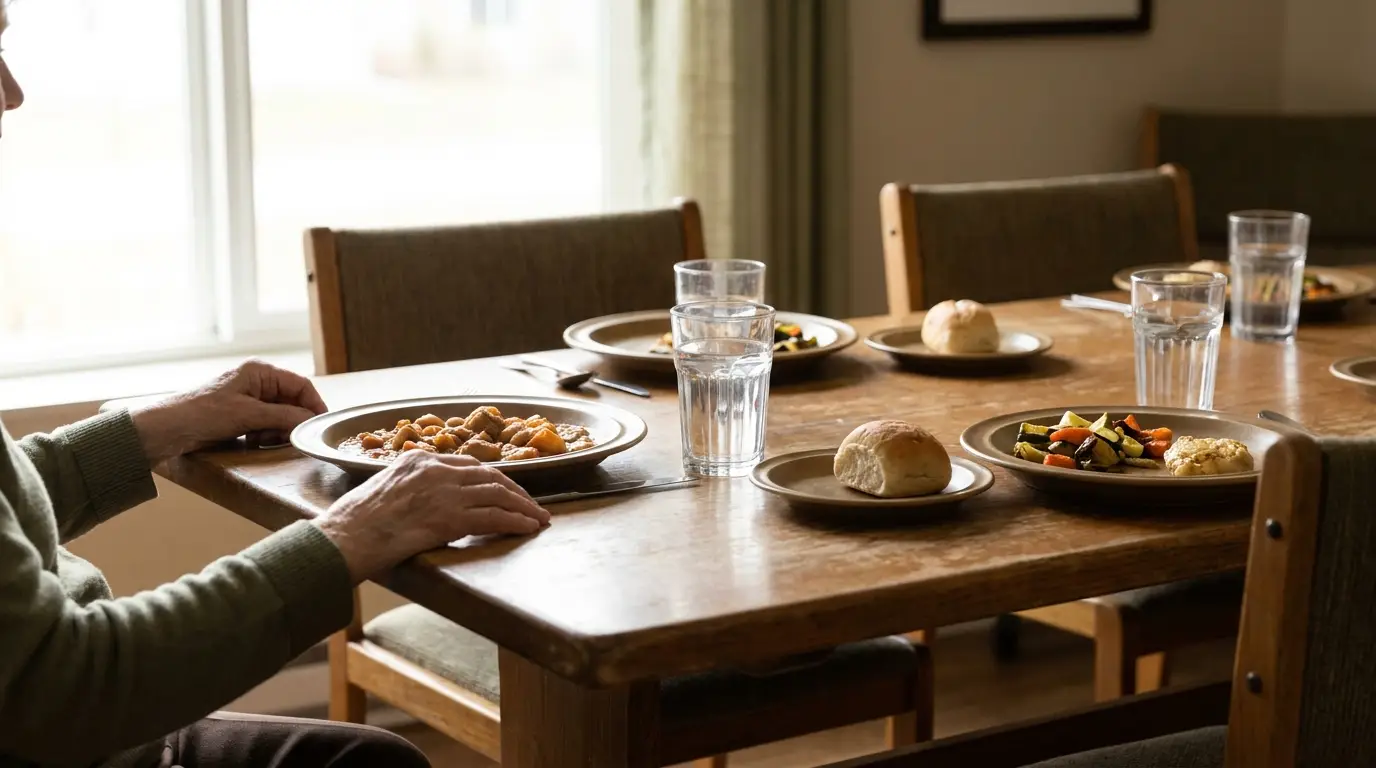
Meals affect blood sugar, hydration, bowel regularity, strength, and mood. Families should ask how menus address diabetes, swallowing trouble, low-sodium requirements, allergies, and appetite loss. Dining rooms should support conversation without overwhelming noise. Snacks, fluids, and texture changes matter as much as main meals for many older adults.
Social Life
Activity calendars should be based on a senior’s varied stamina and interests. Arts, cards, worship, films, gardening, exercise, outings, and intergenerational visits all serve different needs. Quiet residents may prefer small groups or one-on-one invitations. Meaningful connection can reduce loneliness, support sleep, and give each day a clearer rhythm.
Health Access
Location affects continuity of care. Families should check distance to physicians, pharmacies, hospitals, therapy clinics, and relatives who can visit often. Transportation policies deserve close review, including appointment scheduling and mobility support. Nearby services can reduce missed visits, delayed refills, and stress after a sudden change in health.
Apartment Choices
Living spaces should support movement, rest, and privacy. Compare studios, one-bedroom layouts, shared suites, and private rooms with actual furniture placement in mind. Door width, bathroom access, lighting, flooring, storage, and call buttons all matter. A useful apartment reduces fall risk while still feeling personal and familiar.
Safety Features
Safety is necessary without making seniors feel confined. Families can ask about emergency call systems, fall prevention, fire drills, secure memory areas, visitor screening, and evacuation planning. Outdoor paths need level surfaces, shade, seating, and clear boundaries. Clean halls and uncluttered rooms also signal attentive daily oversight.
Family Communication
Good communication prevents avoidable worry. Families should know who handles care updates, billing questions, medication changes, and urgent concerns. Ask how often relatives receive routine information and which events trigger immediate contact. Honest tour conversations matter, too, because vague answers can hide gaps in staffing, training, or services.
Costs and Value
Pricing should be clear before move-in. Families need to know base rates, care fees, medication charges, transportation costs, laundry options, and possible increases. A lower monthly price may exclude support that becomes necessary later. Value means the service level, clinical attention, comfort, and stability match the resident’s real needs.
Conclusion
A well-rounded senior community supports physical health, cognitive changes, social connection, safety, and independence. Families should study daily routines, not just brochures. They should not rely only on first impressions either. Staffing patterns, care levels, meals, apartment design, access to health care, and communication practices reveal how life will actually feel at a senior community. Thoughtful questions during visits or tours can show whether a setting fits a loved one’s medical needs, personality, and future care path.