As non-surgical options continue to expand, more people are exploring ways to address facial aging without committing to a full surgical procedure. Thread lifts have emerged as one of the more notable treatments in this space.
They sit between injectables and traditional facelifts, offering a middle ground for individuals who want visible lifting without the extended recovery that surgery requires. Understanding where thread lifts fit and where they don’t helps patients and practitioners make informed decisions about treatment plans.
What Thread Lifts Do
A thread lift involves inserting dissolvable sutures beneath the skin to reposition sagging tissue. The threads, typically made from polydioxanone (PDO), feature small barbs or cones that grip the tissue and hold it in a lifted position. Licensed practitioners can source PDO threads online at Meamo and similar medical-grade suppliers, though these products are intended for professional use only. The procedure is performed under local anesthesia and usually takes 45 to 60 minutes.
Beyond the immediate repositioning effect, PDO threads serve a secondary function. As the body gradually absorbs them over six to nine months, the threads stimulate collagen production in the surrounding tissue. This means the results evolve rather than diminishing as soon as the threads dissolve.
Common treatment areas include:
- The jawline, to reduce early jowling
- The midface, to restore cheek contour
- The brow area, to lift drooping brows
- The neck, to address mild laxity
Who Benefits Most From the Procedure
Thread lifts work within a specific range of facial aging. They tend to produce the most consistent outcomes for individuals in their 30s to 50s who have mild to moderate skin laxity. Skin quality matters — patients with reasonable elasticity and tissue thickness respond more predictably than those with significant volume loss or excess skin.
People with advanced sagging or substantial tissue descent are generally better served by surgical options. One of the more common issues in aesthetic care is applying thread lifts to cases where they cannot deliver a satisfactory result. Honest patient assessment at the consultation stage prevents this mismatch.
How Thread Lifts Compare to Other Non-Surgical Options
Thread lifts are not the only non-surgical approach to facial lifting, and understanding the differences helps clarify when each option is appropriate.
- Radiofrequency (RF) treatments deliver controlled heat to deeper skin layers, stimulating collagen remodeling and gradual tightening. Results develop over weeks and suit patients who prefer incremental change with no downtime.
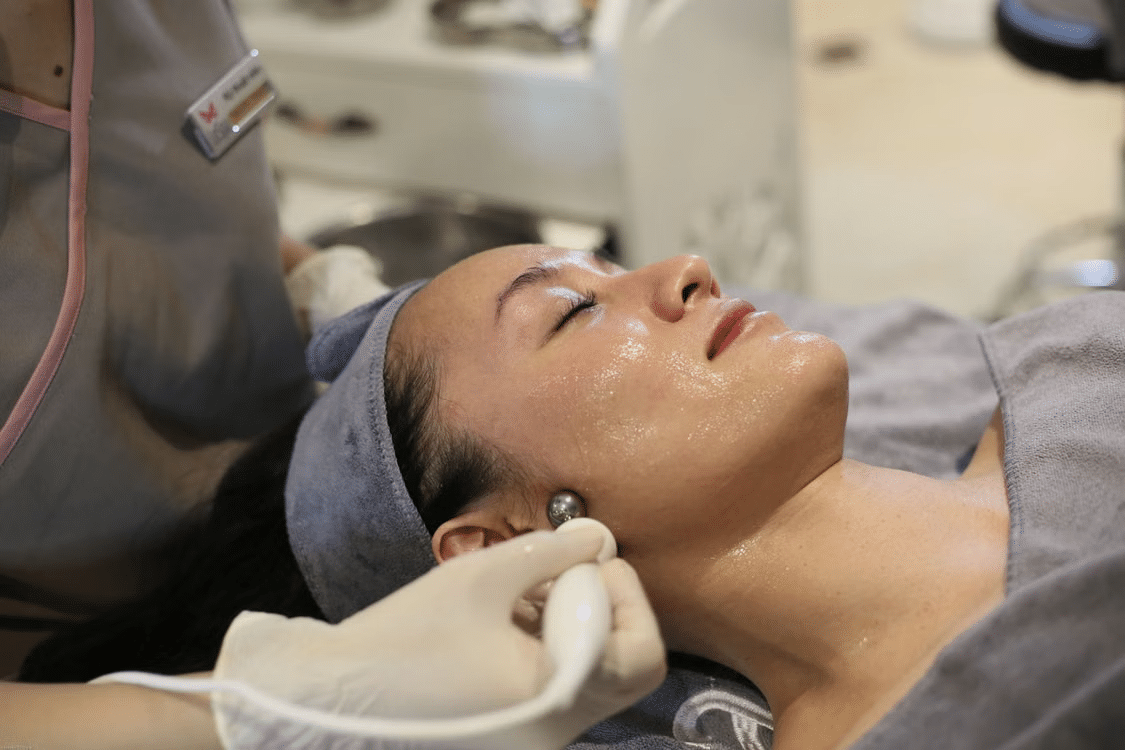
- Focused ultrasound therapy targets the SMAS layer — the same tissue layer addressed during surgical facelifts — without incisions. It works well for mild laxity and provides gradual improvement.
- Dermal fillers restore lost volume rather than lifting tissue directly. However, strategic filler placement in the cheeks and temples can create an indirect lifting effect by supporting the surrounding structures.
- Neurotoxins relax muscles that pull facial features downward, producing a subtle lift in areas like the brow and corners of the mouth.
Each of these treatments addresses a different aspect of facial aging. Thread lifts are distinct because they physically reposition tissue, which none of the other options do on their own.
Why Combination Approaches Are Common
In practice, thread lifts are often part of a broader treatment plan rather than a standalone procedure. Facial aging involves multiple factors — tissue descent, volume loss, skin texture changes, and muscle dynamics — and no single treatment addresses all of them.
A common sequence involves placing threads first to establish structural lift, then adding fillers after two to three weeks to refine contours. RF or ultrasound treatments may follow to improve skin quality. The timing between procedures matters; spacing them out allows each treatment to settle and reduces the risk of complications.
This layered approach tends to produce more balanced outcomes than relying on one modality alone.
What to Consider Before Choosing a Thread Lift
Several practical factors are worth evaluating before proceeding:
- Longevity: Results typically last 12 to 18 months. Maintenance sessions are usually needed to sustain the effect.
- Recovery: Expect mild swelling and bruising for three to seven days. Some patients report a feeling of tightness during the first week.
- Cost over time: Because results are temporary, the cumulative expense of maintenance treatments should be factored into the decision.
- Provider selection: Thread placement requires a thorough understanding of facial anatomy. Outcomes depend on precise positioning and an awareness of how tissues will settle over time.
Where Thread Lifts Stand in the Broader Landscape
Thread lifts fill a specific gap in aesthetic care. They are not a replacement for surgery, nor are they a substitute for injectables. They serve patients whose concerns fall between what fillers can address and what a facelift would correct. When applied to the right candidate and combined with complementary treatments, they contribute to natural-looking facial rejuvenation with manageable recovery and downtime.