
As luxury fashion expands across countless brands, retailers and resale platforms, finding the right piece has become less about having more options—and more about discovering the ones that truly fit.
Luxury fashion once operated through scarcity. Today, the opposite is increasingly true.
A shopper looking for a new bag, pair of shoes or statement piece can move between designer boutiques, multi-brand retailers, resale platforms and marketplaces in minutes. Access has expanded dramatically—but so has the amount of sorting required to find something that actually feels personal.
That abundance is beginning to change what shoppers expect from digital luxury. The appeal of a great boutique has never been that it contains everything; it is that what appears in front of you feels considered. Online, consumers are beginning to expect something similar.
Instead of another endless product grid, they want discovery that understands context: the silhouettes they gravitate toward, the designers they already wear, the occasion they are shopping for and, increasingly, the aesthetic they are trying to build.
Technology—particularly AI—is beginning to make that experience possible. Rather than requiring shoppers to know exactly what they want, smarter discovery can connect products through style, preferences and visual similarities, turning an enormous digital catalog into something closer to a personal edit.
A Different Approach to Luxury Discovery
Reversible is one of the platforms building around that shift. By bringing designer fashion from multiple brands and retailers into a single discovery experience, it gives shoppers a way to explore a broader luxury landscape without repeatedly jumping from store to store.
But the more interesting idea is not simply aggregation. Reversible uses AI-powered discovery to help surface relevant pieces and connections across fashion, from established luxury houses to emerging designers. The aim is to make a vast assortment feel more navigable without removing the possibility of finding something unexpected.
That reflects the way people actually develop personal style. A wardrobe rarely belongs to one brand—or even one aesthetic. Someone might pair a heritage handbag with an emerging designer dress, vintage-inspired jewelry and sneakers discovered almost accidentally.
Reversible’s role is less about prescribing that taste than creating a space to explore it.
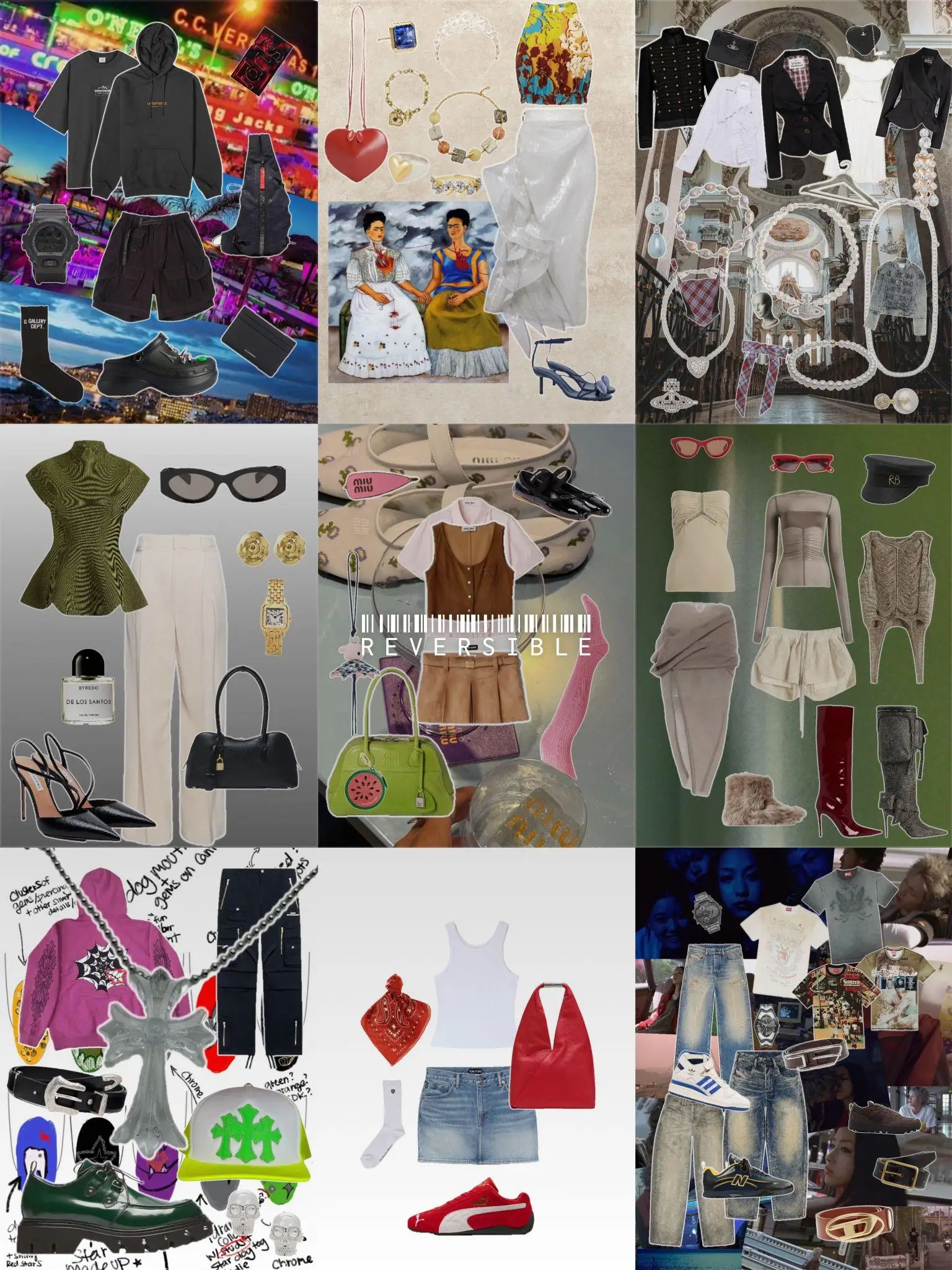
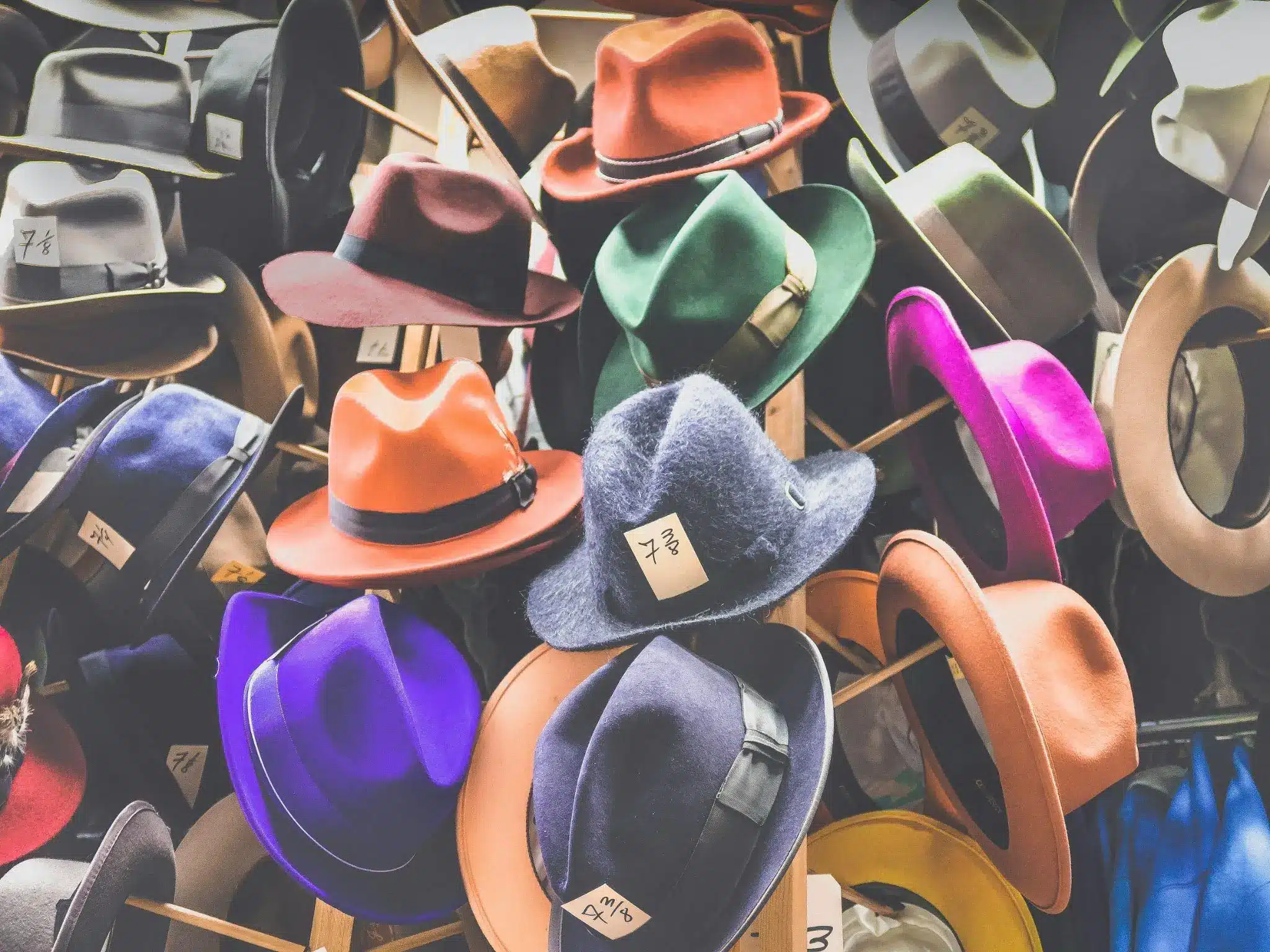
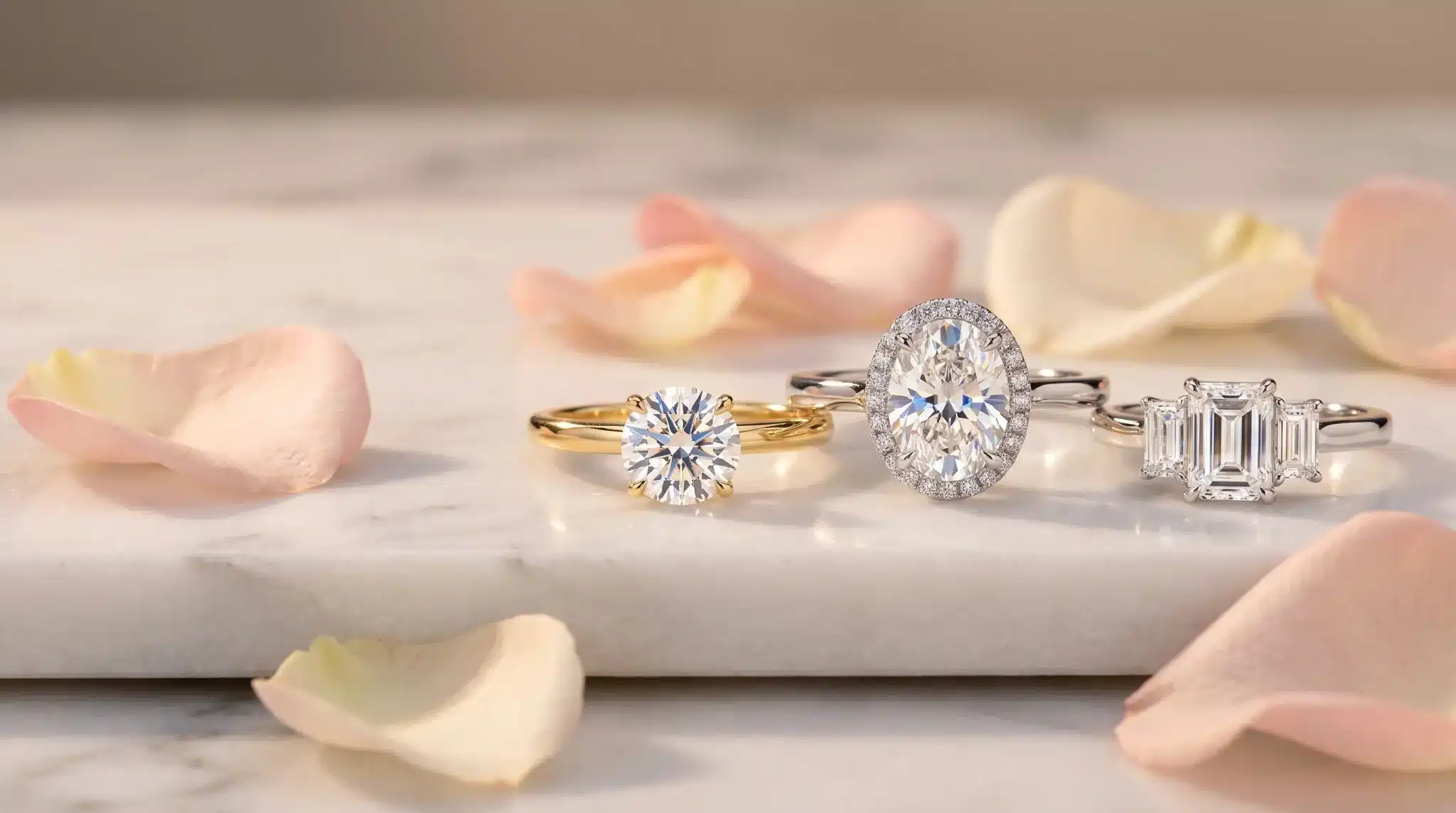
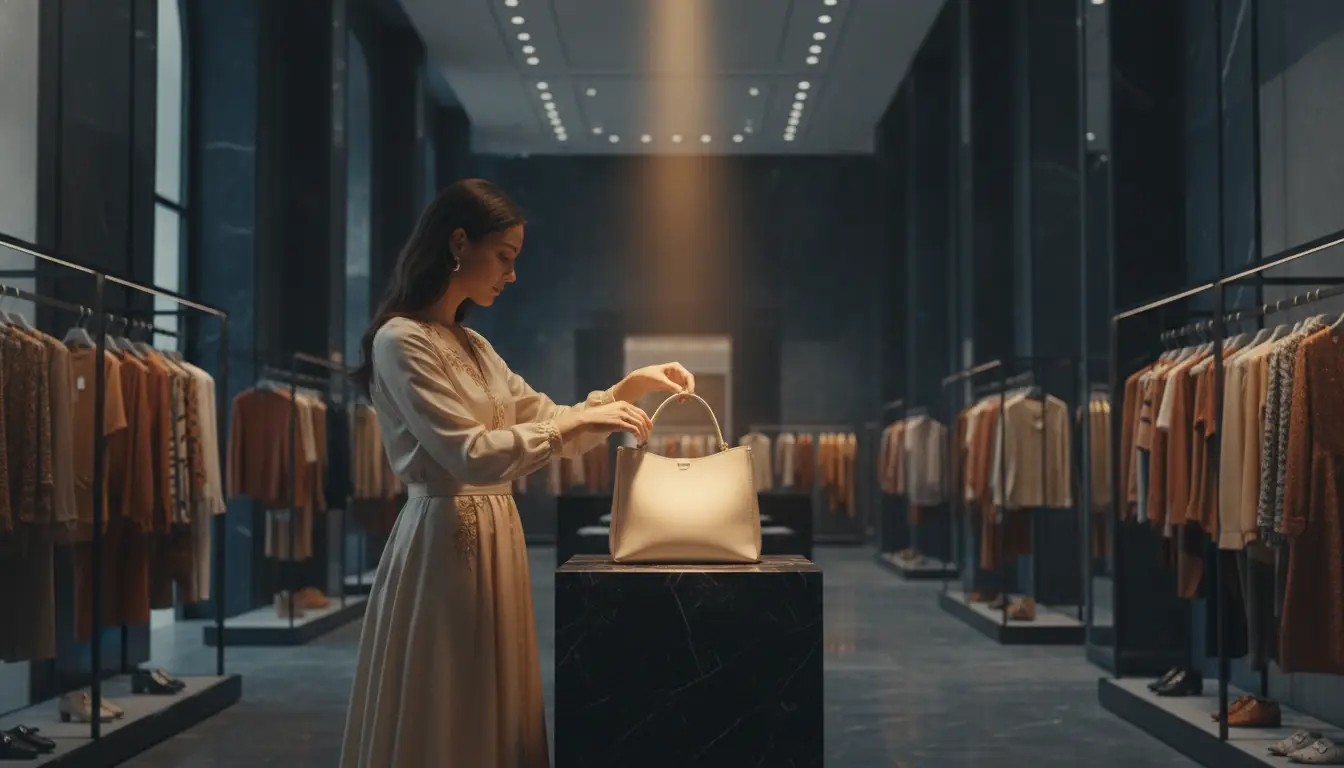
Reversible brings different brands, aesthetics and fashion discoveries together in one place. Image courtesy of Reversible.
Curation Is Becoming the New Convenience
There is also a subtle change happening in what consumers expect convenience to mean.
In the first era of online shopping, convenience meant being able to buy something without visiting a store. The next era made delivery faster and checkout nearly invisible. For luxury shoppers, the next form of convenience may be cognitive: spending less time sorting through irrelevant products and more time discovering pieces worth considering.
Platforms like Reversible are betting on this idea of curated convenience. By bringing a wider luxury assortment into one place and using technology to surface relevant connections between pieces, the platform reduces some of the friction that comes with jumping from retailer to retailer.
The result is not necessarily a shorter shopping journey, but a more focused—and potentially more enjoyable—one.
That distinction matters because discovery has always been part of fashion’s appeal. The unexpected bag from a designer someone had not considered, a shoe that changes the direction of an outfit or a piece that feels immediately right despite not being what the shopper originally searched for—these moments are often what make shopping memorable.
Technology becomes useful when it creates more of those moments rather than simply accelerating the transaction.
Personalization Without Losing the Pleasure of Discovery
The challenge for fashion technology is that personal style is difficult to reduce to a checklist.
Taste changes. People experiment. Someone who usually gravitates toward minimal tailoring might suddenly want an embellished bag or a dramatic pair of shoes. The most memorable purchases are often the ones that sit slightly outside what we thought we were looking for.
That is why the emerging generation of fashion discovery platforms has an interesting balancing act ahead. Personalization needs to understand the shopper without creating a bubble around them.
For Reversible, bringing together products across designers and retailers creates room for both relevance and exploration. Technology can narrow an overwhelming field, while the breadth of fashion available still leaves space for discovery.
The ideal digital luxury experience, then, may not be one that predicts every purchase. It may be one that understands enough about a shopper’s taste to point them in an interesting direction—and then allows curiosity to take over.
The Future of Luxury May Feel Smaller
There will almost certainly be more fashion online tomorrow than there is today. More collections will launch, more independent designers will gain global distribution and more resale inventory will return past seasons to circulation.
The challenge, then, is unlikely to be access.
It will be attention.
The platforms that shape the next chapter of luxury shopping may be the ones that understand the difference between offering an enormous assortment and creating a meaningful sense of discovery. Reversible offers one glimpse of what that future could look like: using technology not simply to expand access to luxury fashion, but to make an increasingly crowded landscape easier—and more personal—to navigate.
Because when almost everything is available, the most valuable shopping experience may be the one that somehow makes the world of fashion feel smaller, more personal—and distinctly your own.