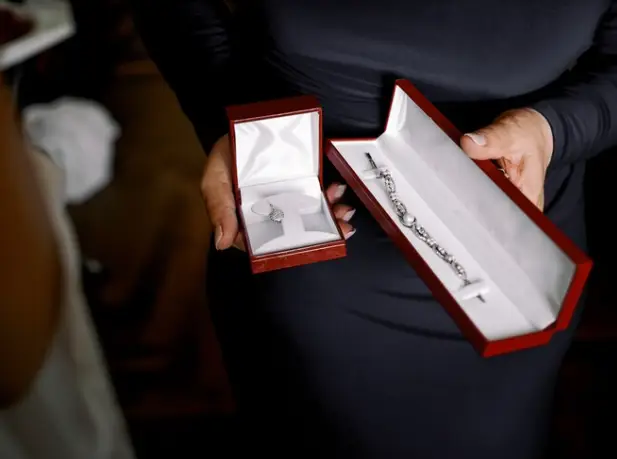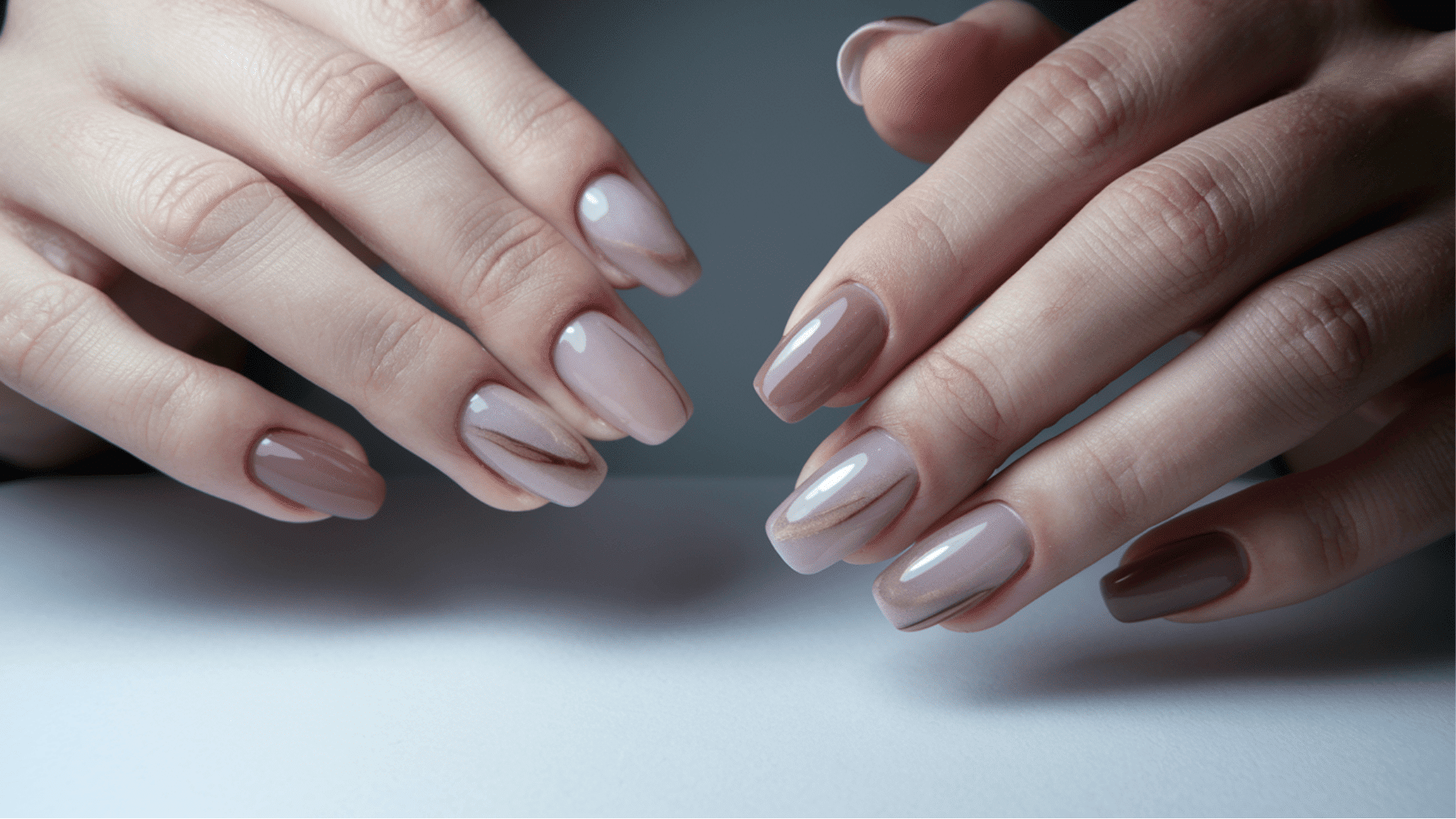
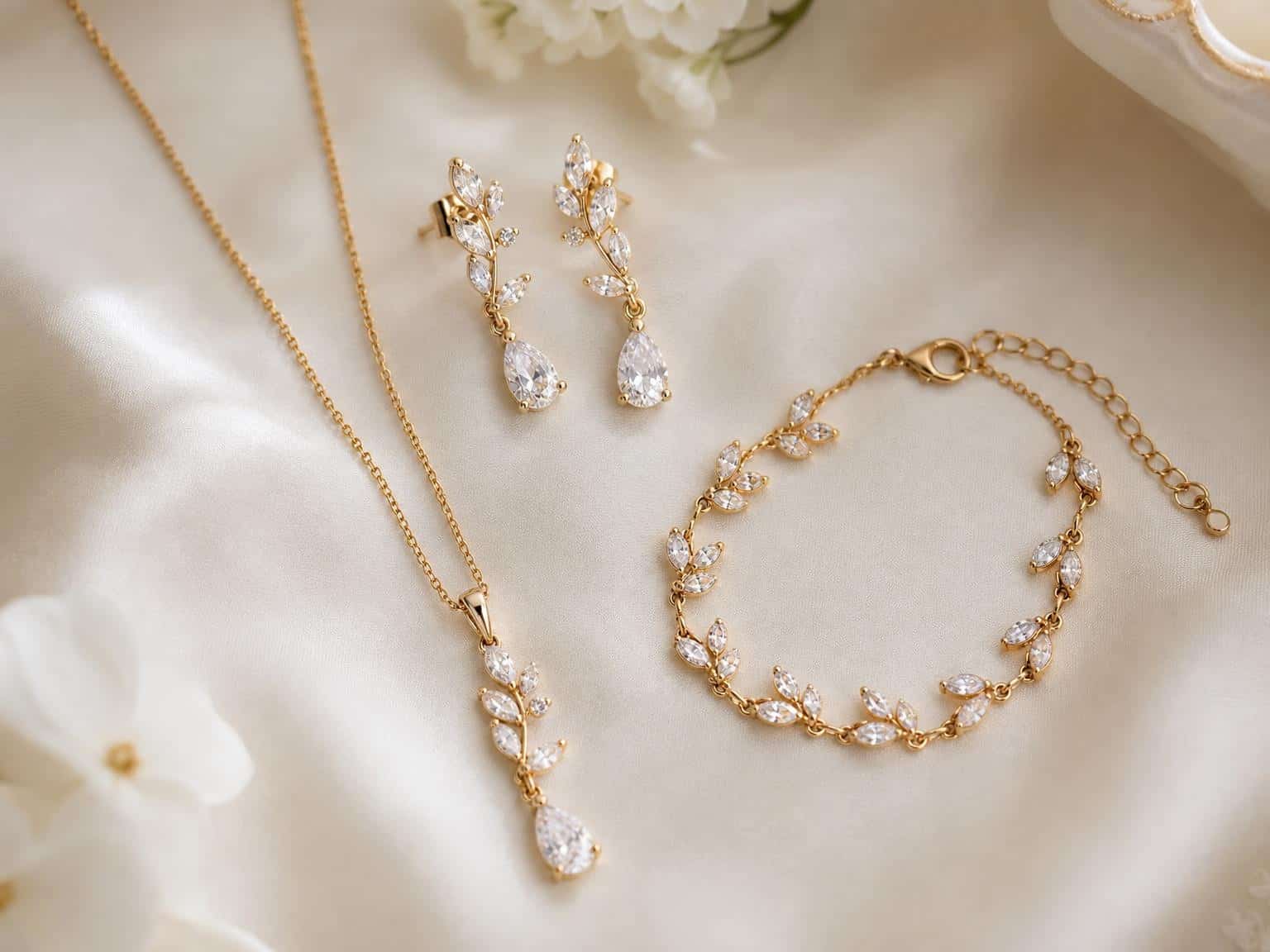
Wedding jewelry works best when it’s treated as part of the entire outfit, not picked out in isolation.
The dress, hairstyle, neckline, venue, and your own comfort all shape which pieces will look intentional and still feel wearable through a long day of celebrating. Bridal earrings, for instance, can frame the face beautifully and pull together a hairstyle, neckline, and silhouette—but what works ultimately depends on everything else you’re wearing, not on whatever happens to be trending.
This article lays out a practical approach: assess the outfit, settle on a focal point, check comfort and materials, and plan ahead for upkeep.
Start With the Outfit, Not the Jewelry
Before picking out a single piece, take a close look at the neckline, sleeve length, embellishments, hairstyle, fabric finish, and overall formality of the event. A high neckline often pairs well with earrings alone, since a necklace may end up redundant or simply disappear beneath the fabric.
An open or lower neckline, on the other hand, leaves room for a pendant, a simple chain, or a layered design. Necklines that are heavily beaded, lace, or embroidered can compete with jewelry instead of complementing it, so simpler pieces tend to work better in those cases.
Assess the complete outfit before choosing individual pieces. Jewelry should support the dress’s silhouette, not duplicate every decorative detail already built into it.
Choose a Focal Point and Maintain Visual Balance
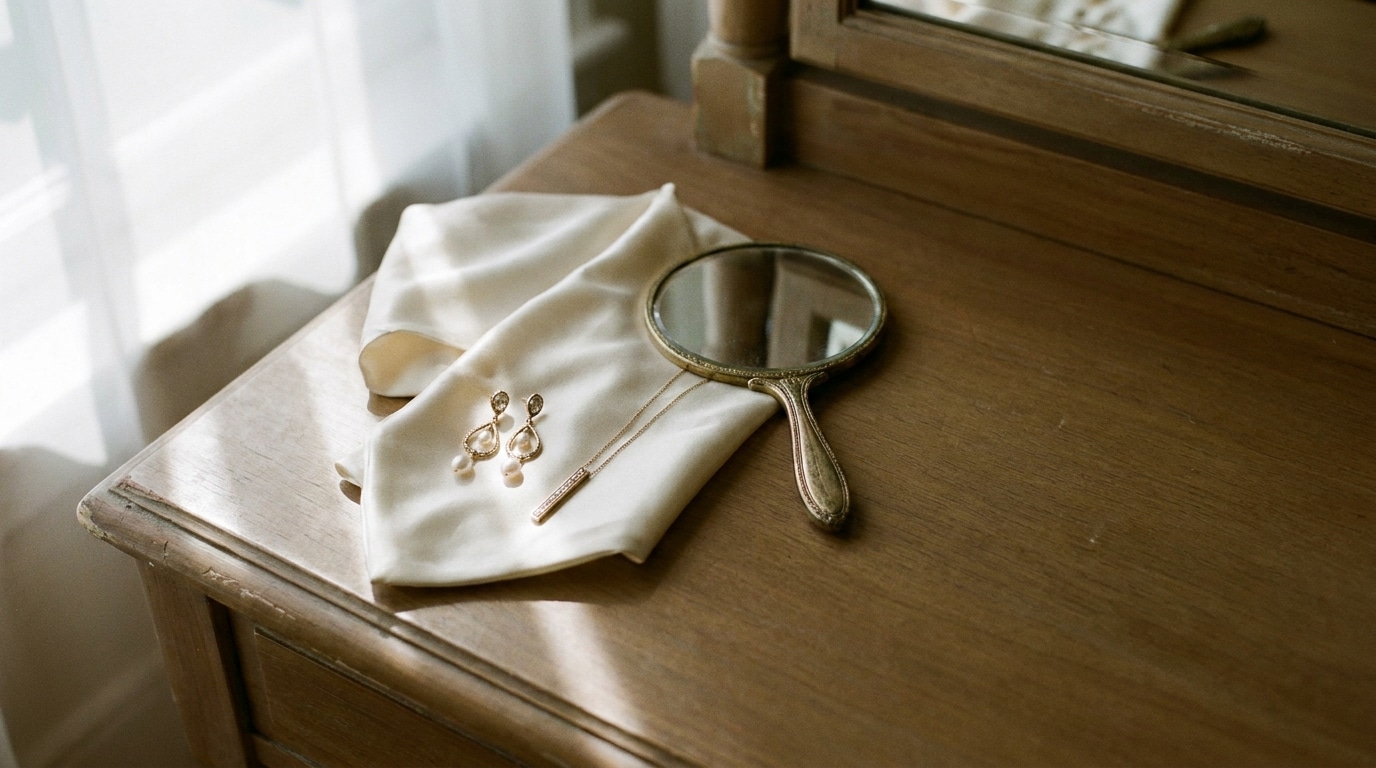
Decide which single piece should lead the look—earrings, a necklace, a hairpiece, or a bracelet. Wearing several statement pieces at once can create visual competition, particularly in photographs, where lighting and angles tend to flatten depth. And a “statement” doesn’t need to be large: a distinctive shape, a bit of subtle movement, or a touch of sparkle can create just as much emphasis as sheer size.
Coordinating is not the same as matching. Matching repeats the same material or design across every piece, while coordinating ties pieces together through color, scale, or finish instead. A detailed hair accessory pairs naturally with understated earrings, while a simple dress can carry one more distinctive piece without feeling overdone. Colored stones can also echo a sash, shoes, or bouquet without needing to match them exactly.
Match Jewelry to the Neckline, Hairstyle, and Face-Framing Details
Hairstyle has a big effect on how jewelry reads over the course of the day. Updos expose the ears and neck fully, which makes earrings and necklaces much more visible, while loose or half-up styles may partially hide smaller designs. Veils, combs, and pins should be considered alongside earrings too, so nothing visually clashes or ends up physically tangled.
Longer earrings can add movement and visually elongate the face, while smaller studs or huggies tend to be more practical for dancing or sitting through a long reception. General face-shape guidelines matter less than comfort and personal preference do. It’s worth taking photos from the front, the side, and at roughly the distance guests will see you during the ceremony, just to check how the jewelry actually reads on camera rather than only up close in a mirror.
Prioritize Materials, Comfort, and Skin Sensitivity
Jewelry worn for hours on end deserves attention to materials, not just appearance. Before the event, check the metal composition, plating, clasp type, weight, and any adhesives or textile components involved. Nickel and cobalt are frequently cited as causes of allergic contact dermatitis, which can show up anywhere jewelry touches the skin, including the earlobes. Anyone with known sensitivities should look for documented metal content rather than relying on broad labels like “hypoallergenic,” which aren’t strictly regulated.
A short trial run before the wedding—wearing the piece for a few hours at home—can reveal discomfort or reactions early, while there’s still time to adjust. If itching, redness, swelling, blistering, or pain shows up, the item should come off and a medical professional should be consulted rather than waiting things out.
Key Takeaway: Comfort and skin safety matter just as much as style; verifying materials in advance prevents avoidable discomfort on the wedding day.
Use Practical Testing Before the Wedding
Test jewelry before the event, ideally during a hair or outfit rehearsal. Wear the pieces while sitting, standing, walking, and moving the way you would at the reception. Check that clasps and backings feel secure, and watch for any snagging on hair, veils, or clothing. Review photos in both natural and indoor lighting to confirm the pieces actually read well on camera.
Here’s a practical example: someone chooses a dramatic pair of earrings for ceremony photos, tests them ahead of time, and discovers they feel heavier than expected after a few hours. They prepare a lighter backup pair for the reception, preserving comfort without giving up the look they wanted in photos. A small emergency kit—spare earring backs, a soft pouch, and a secure storage container—can head off last-minute stress.
Care for Jewelry Before, During, and After the Event
Before wearing, inspect clasps, posts, prongs, and stone settings, and clean pieces only according to what that specific material needs; mild soap and lukewarm water may suit some metals, while pearls and other delicate materials call for different handling altogether.
During the event, keep jewelry away from hairspray, perfume, lotion, sunscreen, and chlorinated or salt water, since all of these can contribute to buildup or damage over time. Store pieces separately so they don’t scratch or tangle together.
After the event, wipe jewelry down with a soft cloth, store it dry and separately, and have a professional take a look if a setting feels loose or a clasp seems unreliable.
Jewelry Care Checklist: Inspect → Protect → Store
Create a Decision Framework for Different Priorities
- For a minimalist look: choose one refined focal piece and keep everything else restrained.
- For a vintage-inspired look: coordinate age, finish, and scale, and check heirloom pieces for wear.
- For a colorful look: repeat one accent color subtly rather than mixing several tones together.
- For maximum comfort: favor lightweight, pre-tested pieces with secure closures.
- For heirloom jewelry: confirm security, consider documentation or insurance, and steer clear of high-risk activities while wearing it.
Find Balance Between Style and Practicality
The most successful wedding jewelry choices start with the full outfit, settle on one visual focal point, coordinate rather than match exactly, and get tested for comfort and security well before the big day. Pair that preparation with the right care, and the jewelry becomes a seamless part of the day instead of a source of distraction. Before finalizing anything, take the time to assess your outfit, hairstyle, comfort needs, and planned activities—the right choice is the one that feels secure, comfortable, and genuinely yours.