

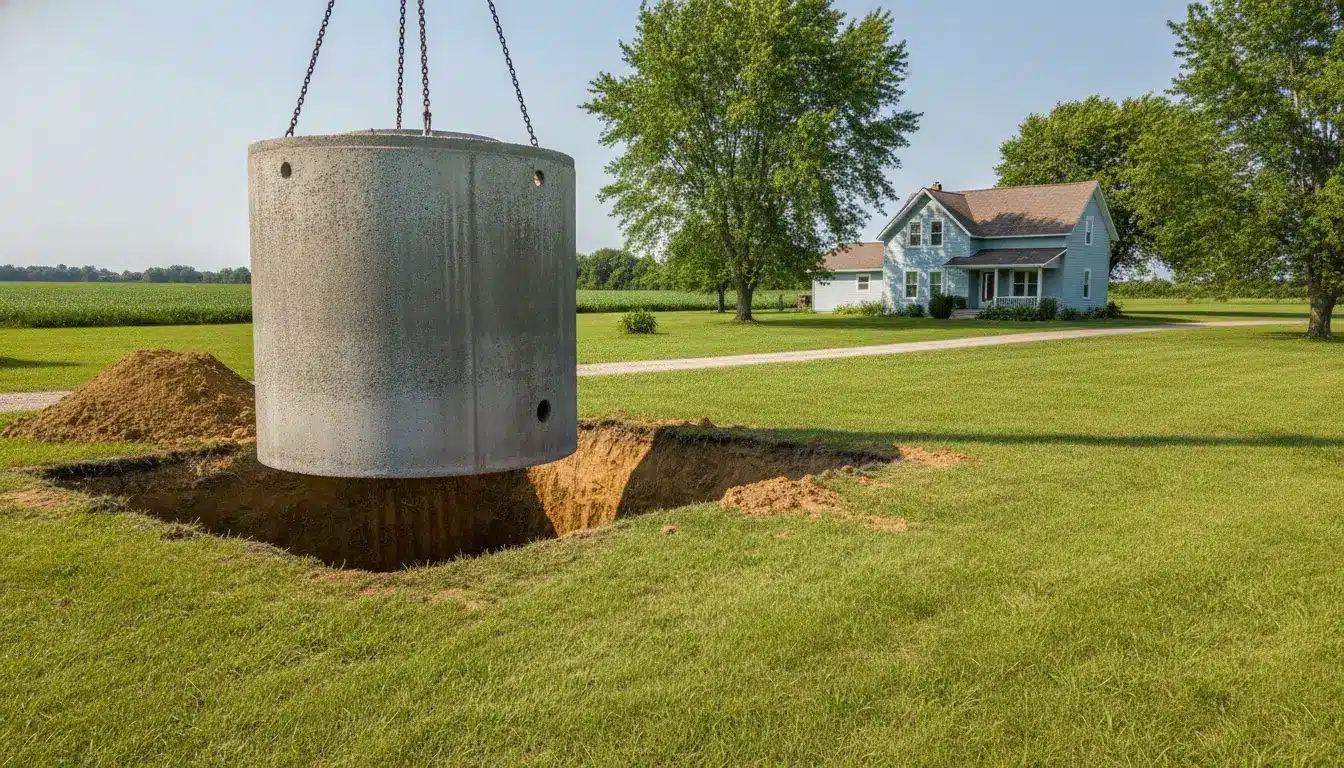
For properties that are not connected to a municipal sewer network, effective wastewater management is essential. One of the most widely used solutions is the concrete septic tank, a system designed to collect, separate, and partially treat household wastewater before it is safely dispersed into the surrounding environment.
Concrete septic tanks have been used for decades in residential, rural, agricultural, and commercial settings due to their durability and reliability. While various materials are available today, concrete remains a preferred option for many property owners because of its strength and long service life.
This article explores how concrete septic tanks work, their advantages, and the key factors to consider when choosing and maintaining one.
What Is a Concrete Septic Tank?
A concrete septic tank is an underground chamber designed to receive wastewater from a property. The tank typically collects water from toilets, sinks, showers, washing machines, and other household plumbing fixtures.
Inside the tank, wastewater undergoes a primary treatment process. Solids settle at the bottom to form sludge, while oils and grease rise to the surface as scum. The partially treated liquid remains in the middle layer and eventually flows to a drainage or absorption system for further treatment in the soil.
Concrete tanks are commonly used in areas where access to centralized sewer infrastructure is limited or unavailable.
How Does a Concrete Septic Tank Work?
1. Wastewater Enters the Tank
All wastewater generated on the property flows through a main drainage pipe into the septic tank.
2. Separation Occurs Naturally
Once inside the tank, gravity separates the contents into three layers:
- Sludge settles at the bottom
- Liquid wastewater remains in the middle
- Oils, grease, and lighter materials float to the top
This process helps remove a significant portion of solid waste before the water leaves the tank.
3. Biological Breakdown Takes Place
Naturally occurring anaerobic bacteria help break down some of the organic material within the sludge layer. Although this does not eliminate all waste, it reduces the volume of solids and begins the treatment process.
4. Effluent Moves to the Drainage Area
The partially treated liquid, known as effluent, exits the tank and enters a drain field or other approved wastewater disposal system where additional filtration and treatment occur within the soil.
Benefits of Concrete Septic Tanks
Exceptional Durability
One of the main reasons concrete septic tanks remain popular is their strength. Concrete can withstand heavy loads, changing soil conditions, and harsh weather environments better than many alternative materials. Properly manufactured tanks can remain functional for several decades.
Long Service Life
When correctly installed and maintained, a concrete septic tank can provide reliable performance for many years. This longevity makes it an attractive investment for property owners seeking a long-term wastewater solution.
Stability Underground
Unlike lighter materials, concrete tanks are less likely to shift or float when groundwater levels rise. Their weight helps keep them securely positioned underground.
Suitable for Various Applications
Concrete septic tanks can be used for:
- Residential properties
- Rural homes
- Farms and agricultural facilities
- Small commercial buildings
- Community wastewater systems
Their versatility makes them suitable for a wide range of wastewater management needs.
Environmental Benefits
Well-constructed concrete tanks are designed to be watertight, helping prevent leaks and protecting surrounding soil and groundwater. Additionally, concrete is made from natural materials and can offer a sustainable long-term solution when properly maintained.
Factors to Consider Before Installation
Property Size and Usage
The size of a septic tank should match the wastewater demands of the property. Larger households or facilities generally require larger tanks to ensure efficient operation.
Soil Conditions
A septic system relies heavily on the surrounding soil for final wastewater treatment. Soil permeability and drainage characteristics should be assessed before installation.
Local Regulations
Different regions may have specific requirements regarding septic tank design, installation, setbacks, and maintenance. Property owners should always ensure compliance with local regulations before proceeding.
Accessibility for Maintenance
The tank should be installed in a location that allows convenient access for inspections and desludging services.
Maintaining a Concrete Septic Tank
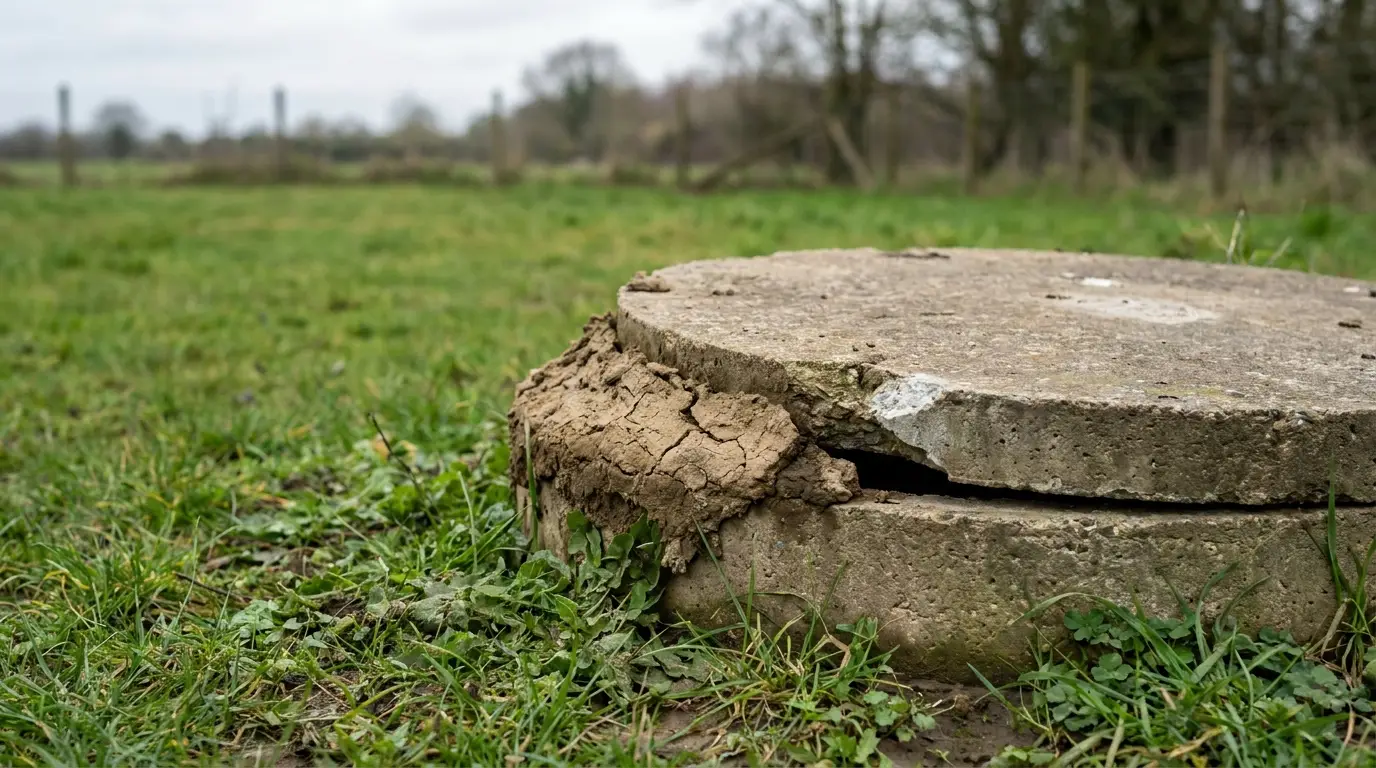
Regular maintenance is essential to keep a septic system functioning effectively.
Schedule Routine Inspections
Periodic inspections can identify potential issues before they become major problems.
Pump Out Sludge When Required
Over time, sludge accumulates at the bottom of the tank. If it is not removed, the tank’s performance can decline and the drainage system may become damaged. Regular pumping helps prevent costly repairs.
Manage Water Usage
Excessive water entering the system can overload the tank and reduce treatment efficiency. Spreading out water-intensive activities can help maintain system performance.
Avoid Improper Waste Disposal
Items such as wipes, grease, chemicals, and non-biodegradable materials should never be flushed into a septic system, as they can interfere with treatment processes and increase maintenance requirements.
Common Signs of Septic Tank Problems
Property owners should be aware of warning signs that may indicate a septic system issue:
- Slow-draining sinks and toilets
- Unpleasant sewage odours
- Pooling water around the drain field
- Unusually lush vegetation near the system
- Frequent plumbing backups
Early detection can help prevent more serious and expensive failures.
Conclusion
Concrete septic tanks continue to be one of the most trusted wastewater management solutions for properties without access to centralized sewer systems. Their durability, stability, long service life, and ability to provide effective primary wastewater treatment make them a practical choice for residential, rural, and commercial applications.
By selecting the right tank size, ensuring proper installation, and following a regular maintenance schedule, property owners can enjoy reliable wastewater treatment for decades. Understanding how concrete septic tanks work and what they require can help ensure a safe, efficient, and environmentally responsible wastewater system.