

The camera you pack can shape how you remember a trip long after you get home.
I learned that the hard way, hauling gear too heavy to enjoy and missing shots because of it. Since then, I’ve tested plenty of cameras across cities, trails, and quiet everyday moments, and my thinking has changed a lot. So what is the best camera for travel?
The answer isn’t a single model, and it depends on more than specs and price tags.
There’s a way to match a camera to how you actually travel, and getting it right makes all the difference in what you bring back.
What Is the Best Camera for Travel?
The Sony a6700 is the best overall travel camera for most people because it offers an excellent combination of image quality, portability, autofocus performance, and video features.
Its APS-C sensor provides better image quality than smartphones and smaller compact cameras, while its interchangeable lens system gives travelers more flexibility for different situations.
It works well for city trips, landscapes, family vacations, and outdoor adventures without becoming too difficult to carry.
However, the right choice depends on your travel style. A compact camera like the Ricoh GR IV is better for travelers who want something pocket-sized, while the Fujifilm X100VI suits those who prefer premium image quality and a simple shooting experience.
What Makes a Good Travel Camera?
The best travel camera isn’t always the one with the biggest spec sheet. I’ve learned that the right choice depends on how you travel, what you love to photograph, and how much gear you’re willing to carry all day.
Here are the factors I always weigh before choosing:
- Image Quality and Sensor Size: APS-C cameras offer a strong balance of image quality, low-light performance, and portability. Full-frame models deliver professional results but require larger, heavier gear.
- Size and Weight: A lightweight camera is easier to carry on long travel days, making it more likely that you will use it often.
- Lens Flexibility: A versatile zoom lens helps capture landscapes, portraits, and distant subjects. Mirrorless cameras offer more lens options, while compact cameras keep things simple.
The camera that fits your travel style will help you capture better photos without adding unnecessary weight to your journey.
Best Cameras for Travel Photography
The right travel camera comes down to what you shoot, how you move, and how much gear you’re willing to carry.
Below are picks I keep coming back to, each balancing image quality, portability, and performance, with options that suit city explorers, adventurers, beginners, and content creators alike.
1. Sony a6700
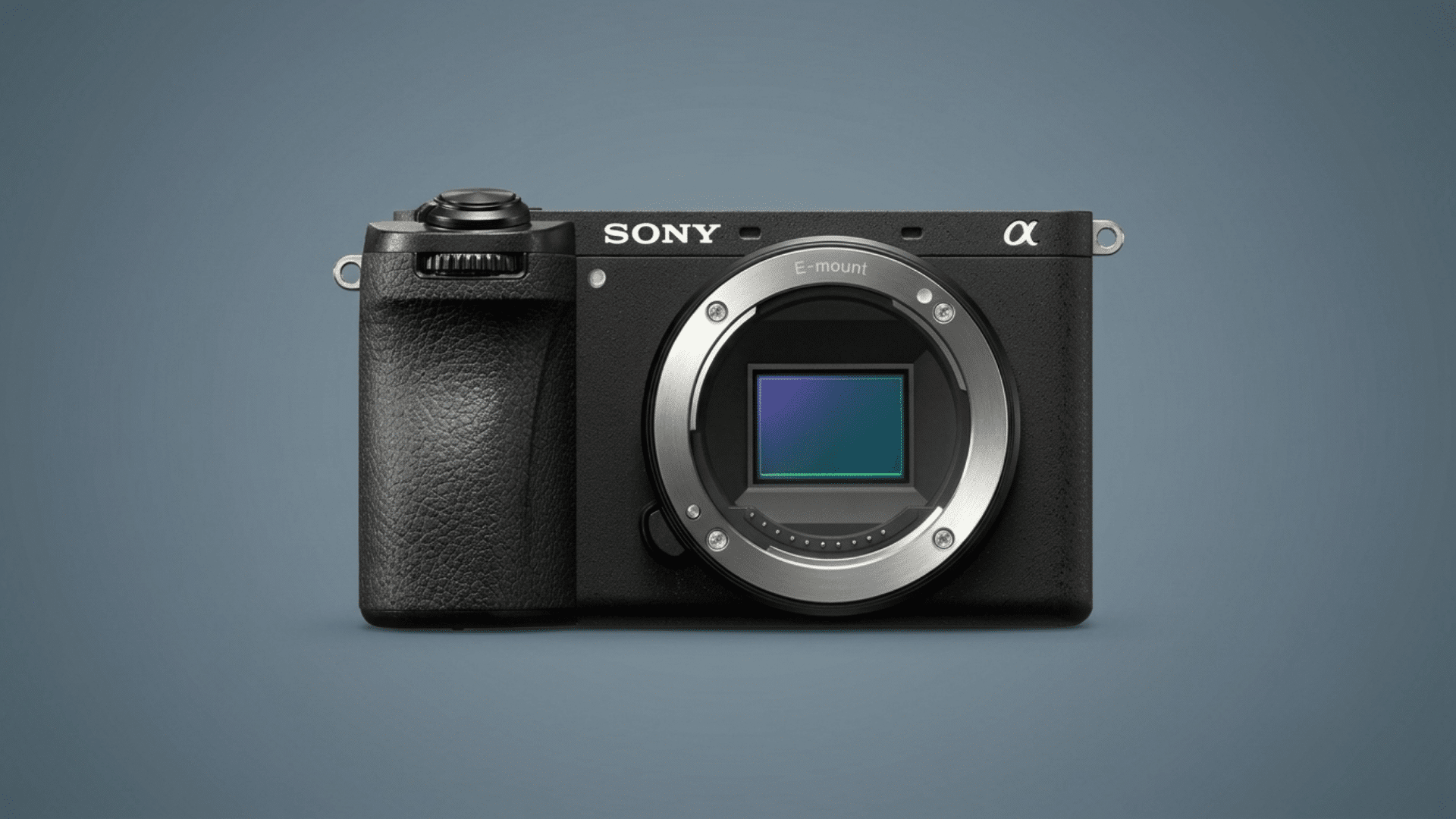
The Sony a6700 is an excellent all-around travel camera, combining professional features with a compact design.
Its 26MP APS-C sensor delivers detailed images, while advanced autofocus tracks people, animals, and moving subjects.
Built-in stabilization improves handheld shots in low light, and 4K video capabilities make it a versatile choice for travelers who capture both photos and videos.
- Pros: Excellent image and video quality, dependable autofocus, and flexible lens options.
- Cons: Higher price than beginner cameras and requires additional lenses for greater versatility.
2. Fujifilm X100VI
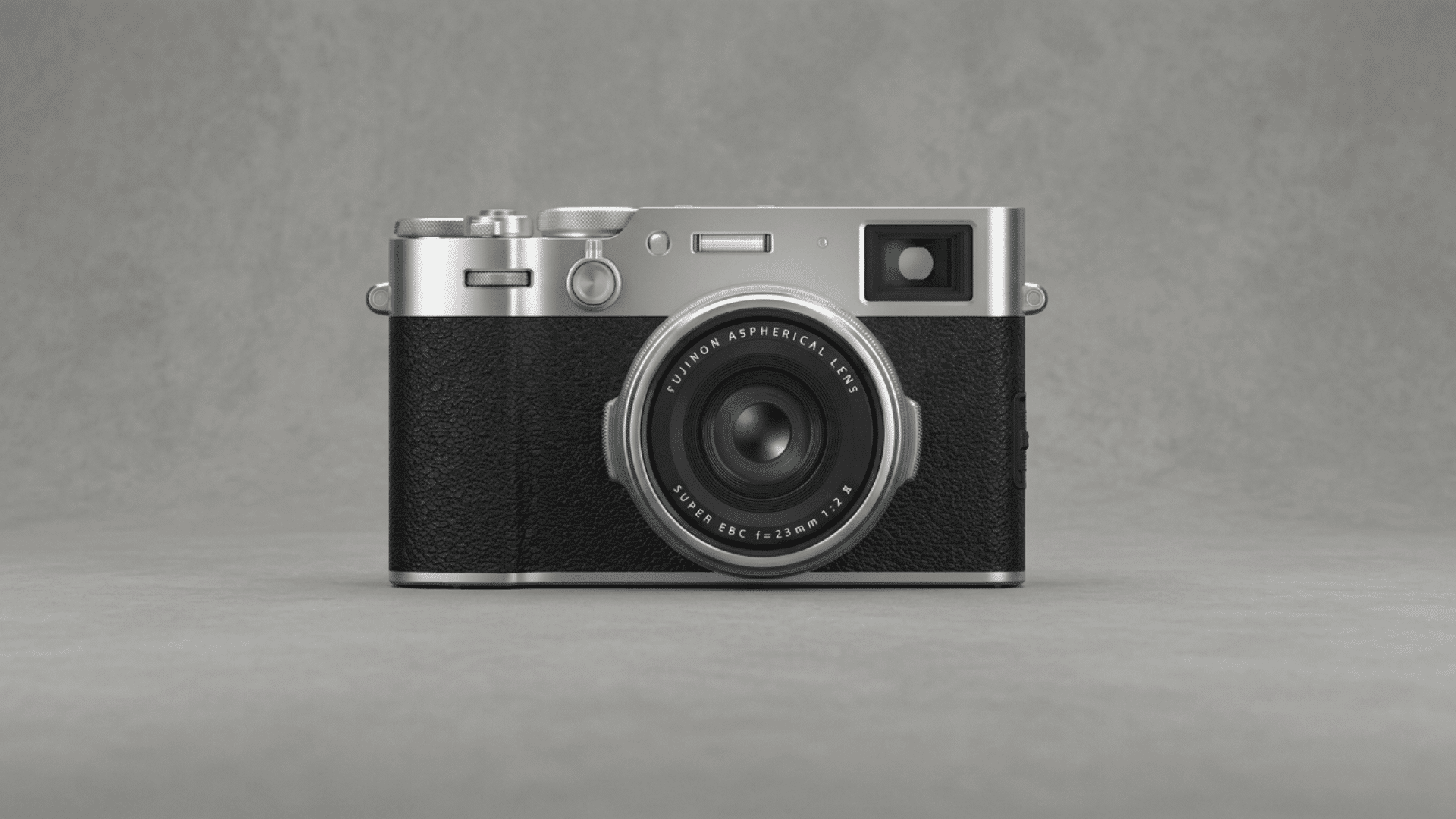
The Fujifilm X100VI is designed for travelers who want excellent image quality without carrying a full camera system.
Its 40MP APS-C sensor and fixed 35mm equivalent lens make it ideal for street photography, city exploration, portraits, and everyday travel moments, while advanced film simulation modes produce attractive colors straight from the camera.
This straight-from-camera color reduces the need for heavy editing after a trip, making it a stylish and streamlined choice for travelers who value simplicity and image quality.
- Pros: Outstanding image quality, compact premium design, and beautiful colors straight from the camera.
- Cons: Fixed lens limits flexibility, plus a higher price and limited availability.
3. Ricoh GR IV
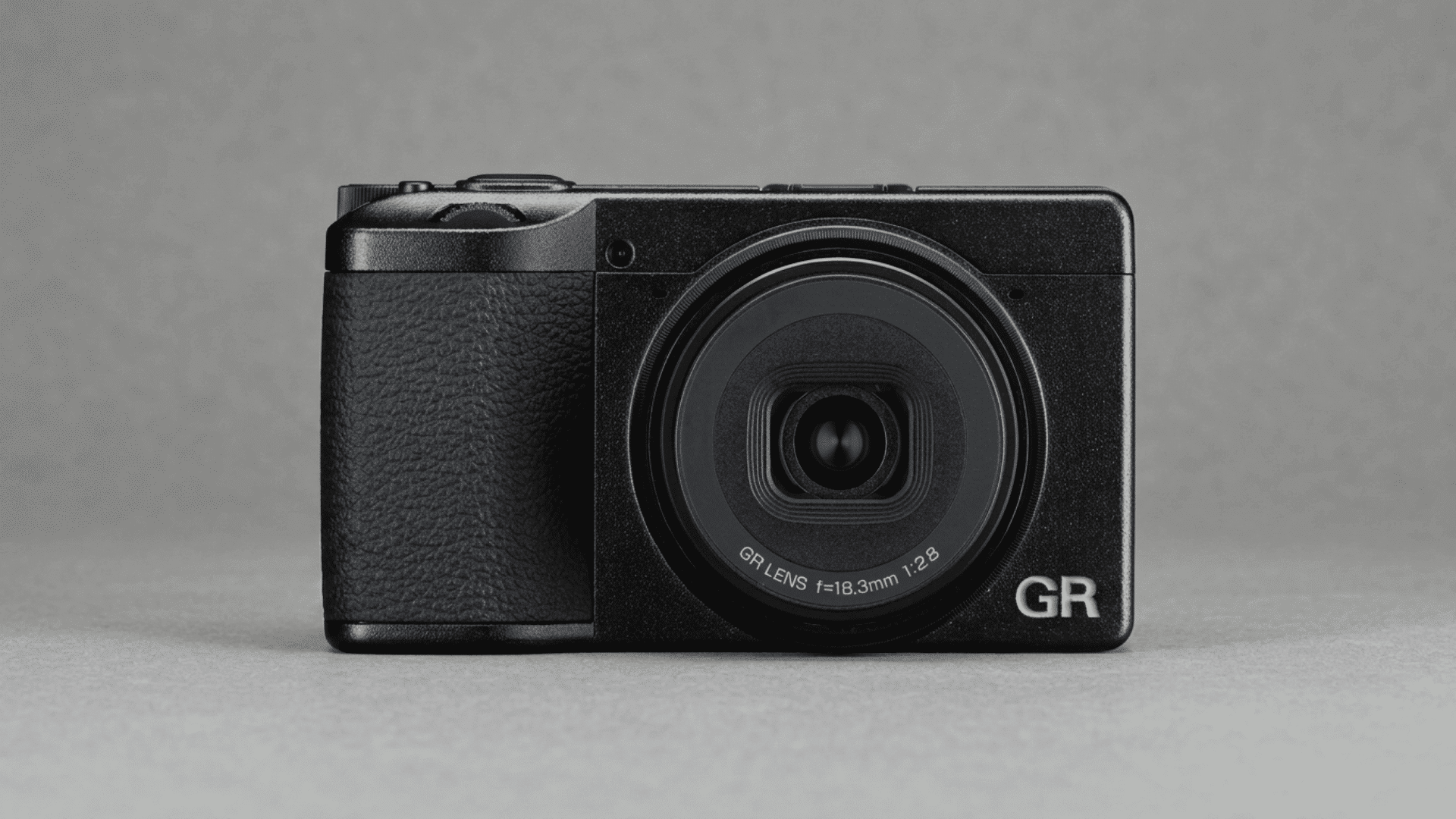
The Ricoh GR IV is one of the best choices for travelers who want maximum portability without sacrificing image quality.
Its large APS-C sensor sits inside a body small enough to slip into a pocket, delivering excellent image quality that most compact cameras can’t match. This combination makes it ideal for street photography, spontaneous moments, and travelers who prefer moving light.
The fixed 28mm equivalent lens handles city scenes, architecture, food photography, and everyday travel shots with ease, while one-handed operation keeps you ready for the next frame.
- Pros: Extremely portable, excellent image quality, and easy one-handed operation.
- Cons: Limited lens range and not ideal for distant subjects.
4. Sony RX100 VII
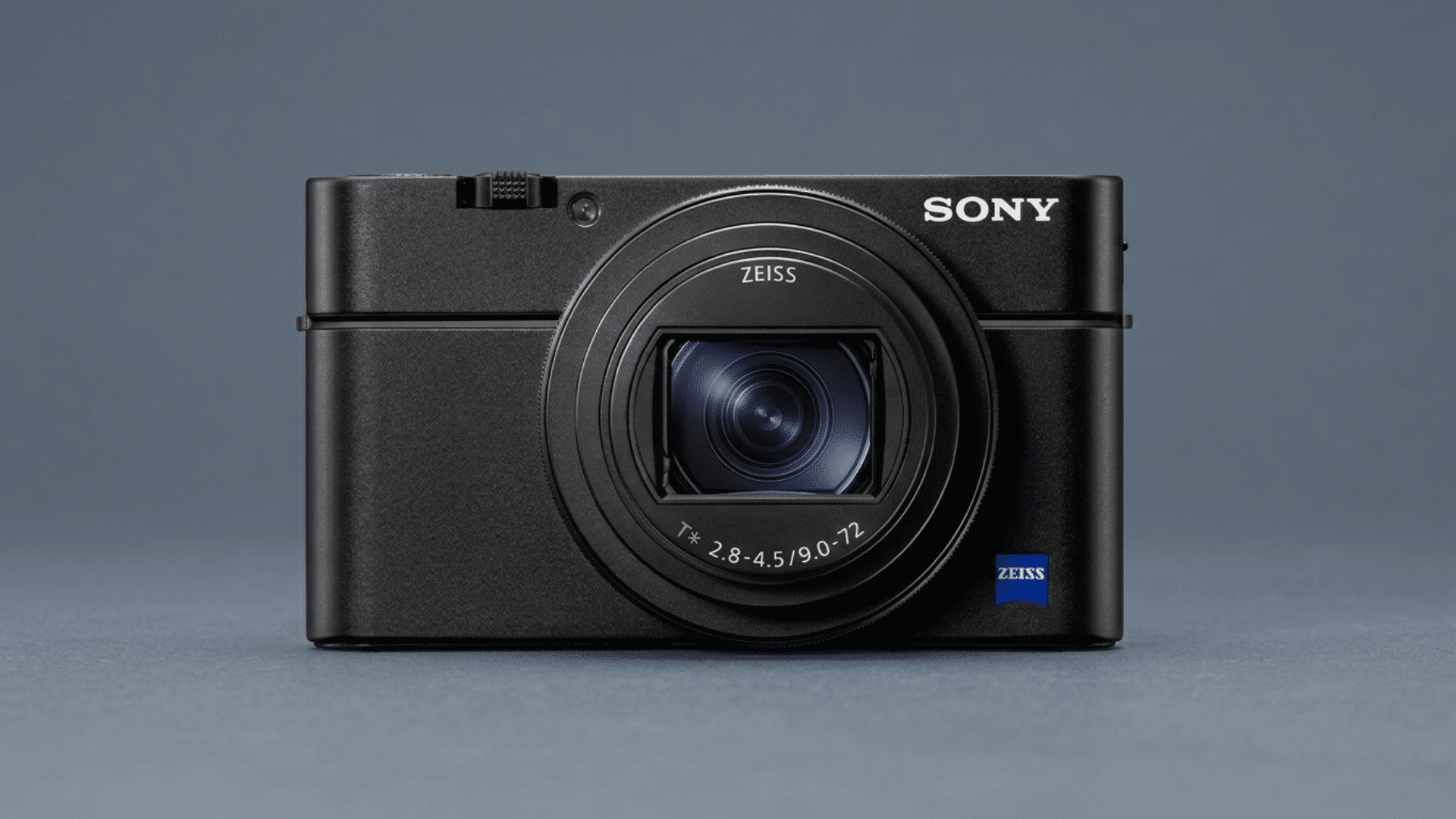
The Sony RX100 VII is one of the best compact travel cameras, combining a pocketable design with an impressive zoom range.
Its 24–200mm equivalent lens lets travelers capture wide landscapes, portraits, and distant subjects without carrying extra lenses, while strong autofocus and image stabilization keep shots sharp.
RAW shooting support adds flexibility for editing, making it far more capable than a typical point-and-shoot.
- Pros: Powerful zoom range, pocketable design, and great autofocus performance.
- Cons: Smaller sensor than mirrorless cameras and an older model.
5. Fujifilm X-T50
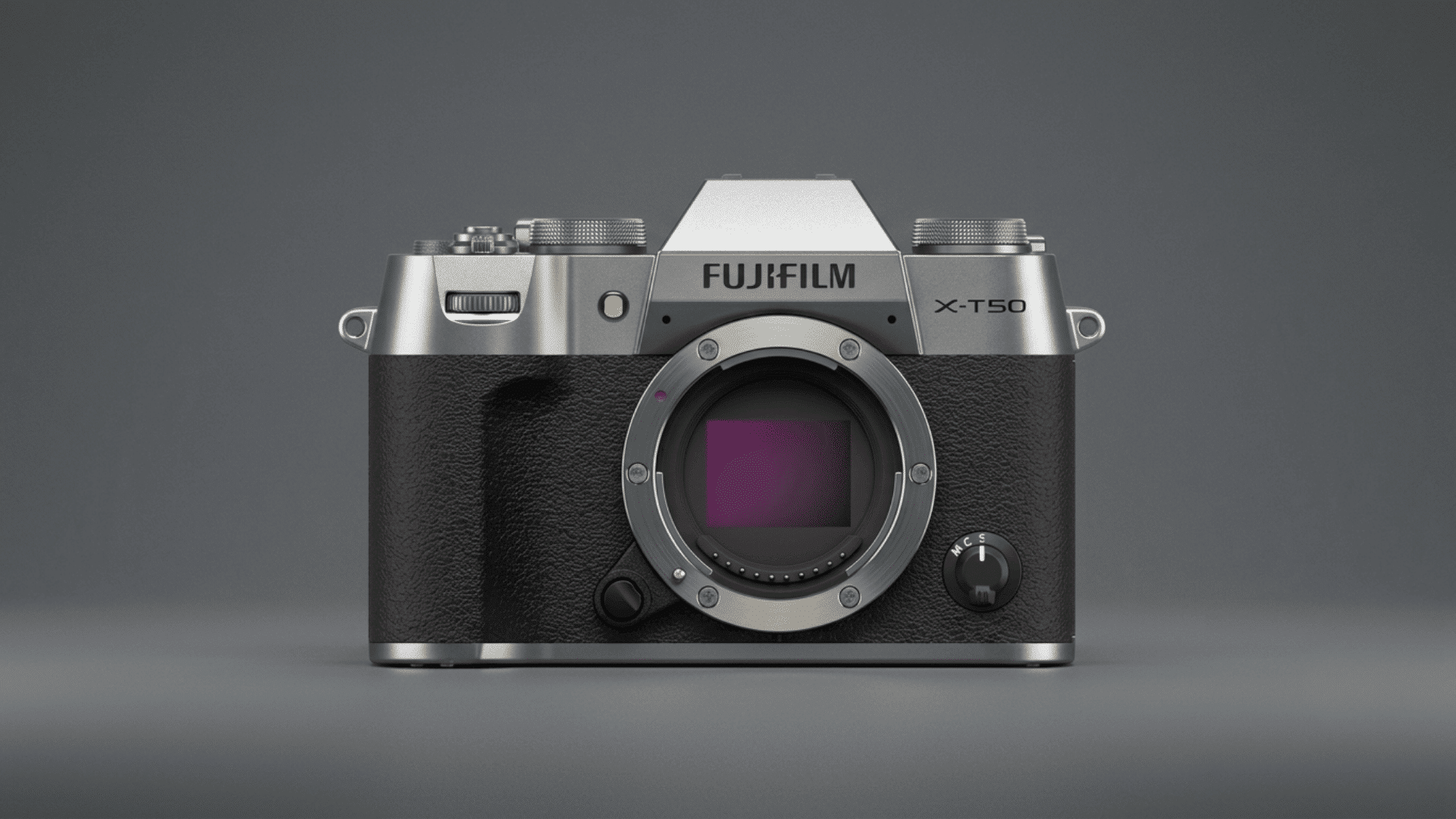
The Fujifilm X-T50 is a great choice for travelers who want more creative control while keeping their setup relatively lightweight.
Its 40MP APS-C sensor produces detailed images, while Fujifilm’s film simulation modes allow photographers to create unique looks without spending hours editing.
The camera works well with Fujifilm’s compact lens lineup, making it easier to build a travel-friendly kit.
- Pros: Excellent color output, lightweight body, and a broad lens selection for different photography styles.
- Cons: Smaller battery capacity and autofocus tracking that may not be as reliable for fast-moving subjects.
6. Canon EOS R100
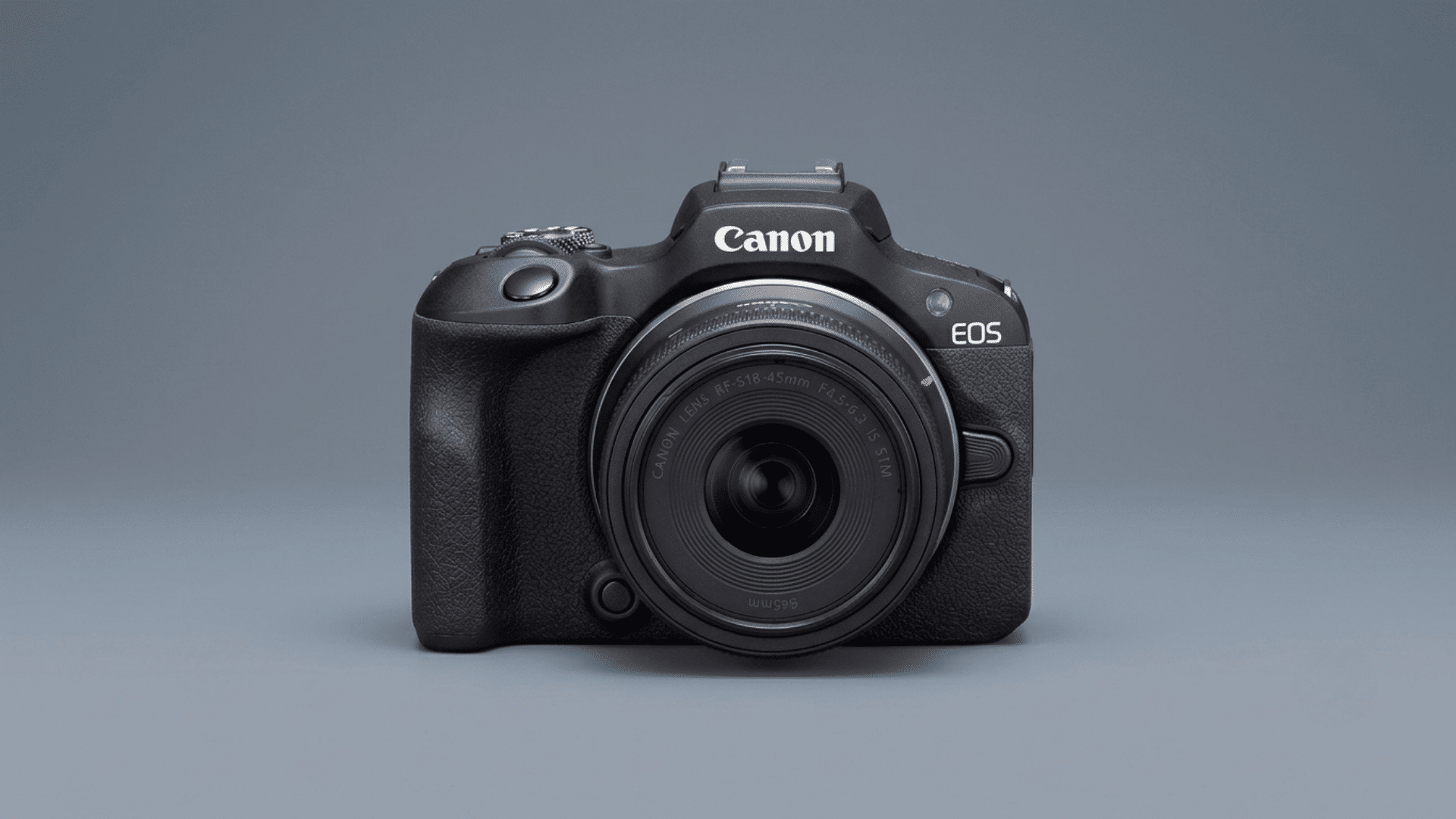
For beginners who want to move beyond smartphone photography, the Canon EOS R100 offers an affordable entry point into mirrorless cameras.
It uses a 24.1MP APS-C sensor, providing better low-light performance and more control compared with most phones.
It is simple to operate and gives beginners room to improve their photography skills over time.
- Pros: Excellent color performance, lightweight body, and a wide lens selection for different photography needs.
- Cons: Smaller battery capacity and autofocus tracking that may not perform as strongly for fast-moving subjects.
7. OM System OM-3
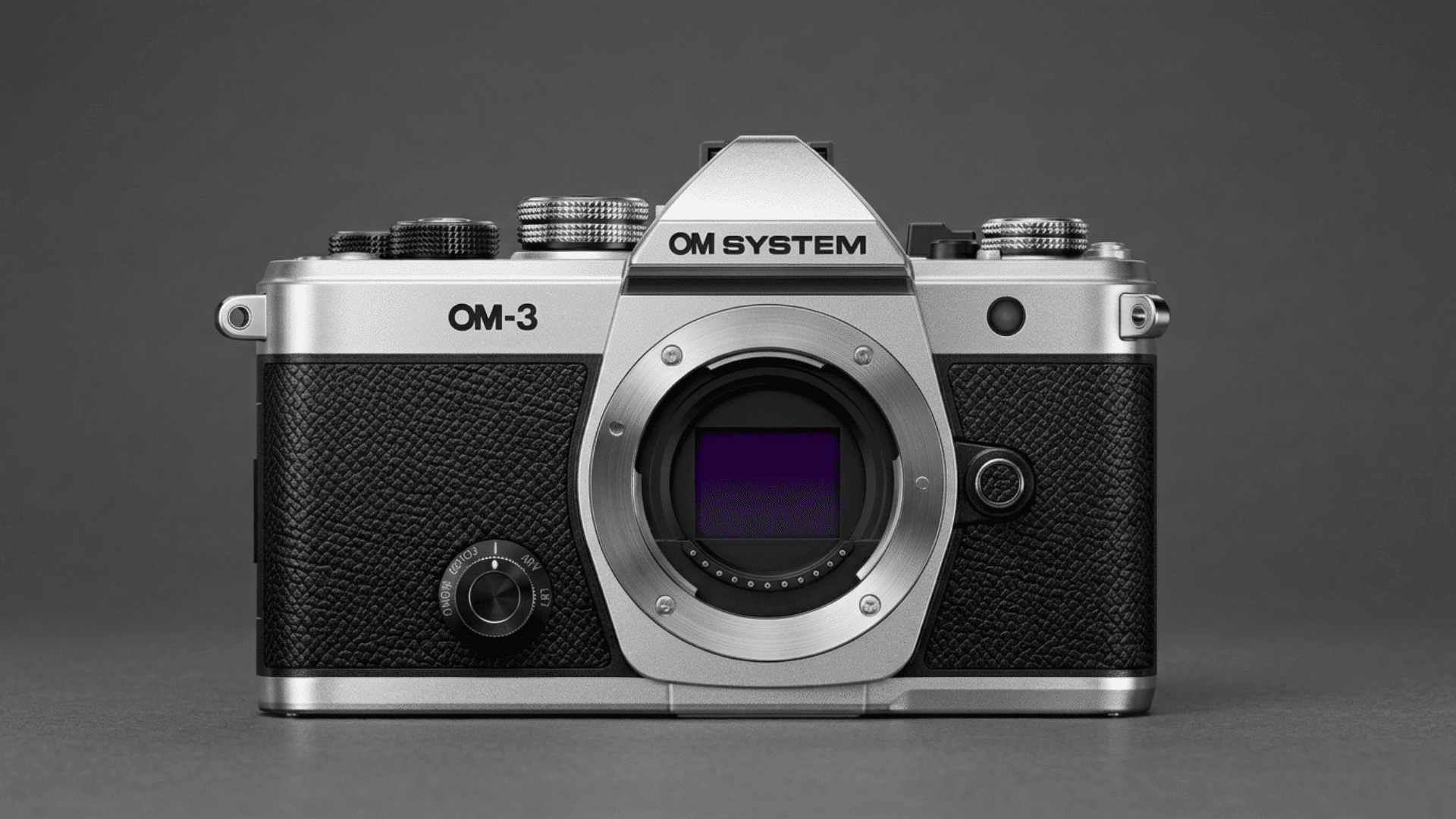
The OM System OM-3 is a strong option for adventure travelers who need a compact but durable camera.
Its Micro Four Thirds system allows smaller lenses, making it easier to pack for hiking, outdoor trips, and active vacations. Weather protection also makes it suitable for unpredictable conditions.
- Pros: Compact lenses, a durable, weather-resistant build, and fast shooting for capturing moving subjects.
- Cons: Smaller sensor size and less effective performance in very low-light conditions.
8. Nikon Z50II
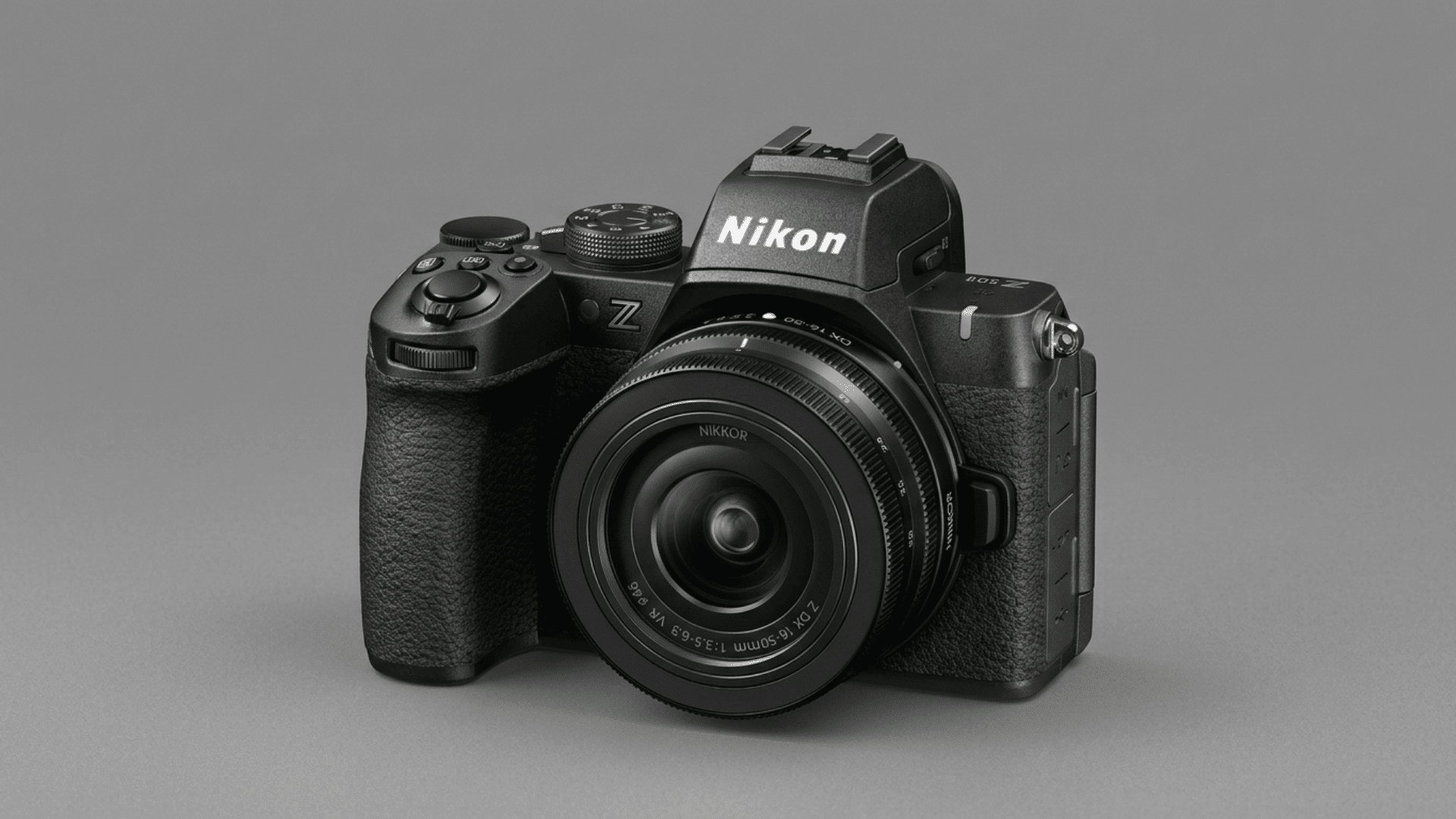
The Nikon Z50II is a versatile mirrorless travel camera that balances image quality, portability, and ease of use.
Its 20.9MP APS-C sensor produces detailed photos, while improved autofocus helps track people and moving subjects during travel. The camera also supports 4K video, making it suitable for travelers who want a mix of photography and content creation.
Its compact body and access to Nikon’s Z-mount lenses make it a flexible option for different travel styles.
- Pros: Strong image quality, comfortable handling, reliable autofocus, and flexible lens options.
- Cons: No built-in image stabilization and fewer compact lens choices compared with some competitors.
9. Panasonic Lumix S9
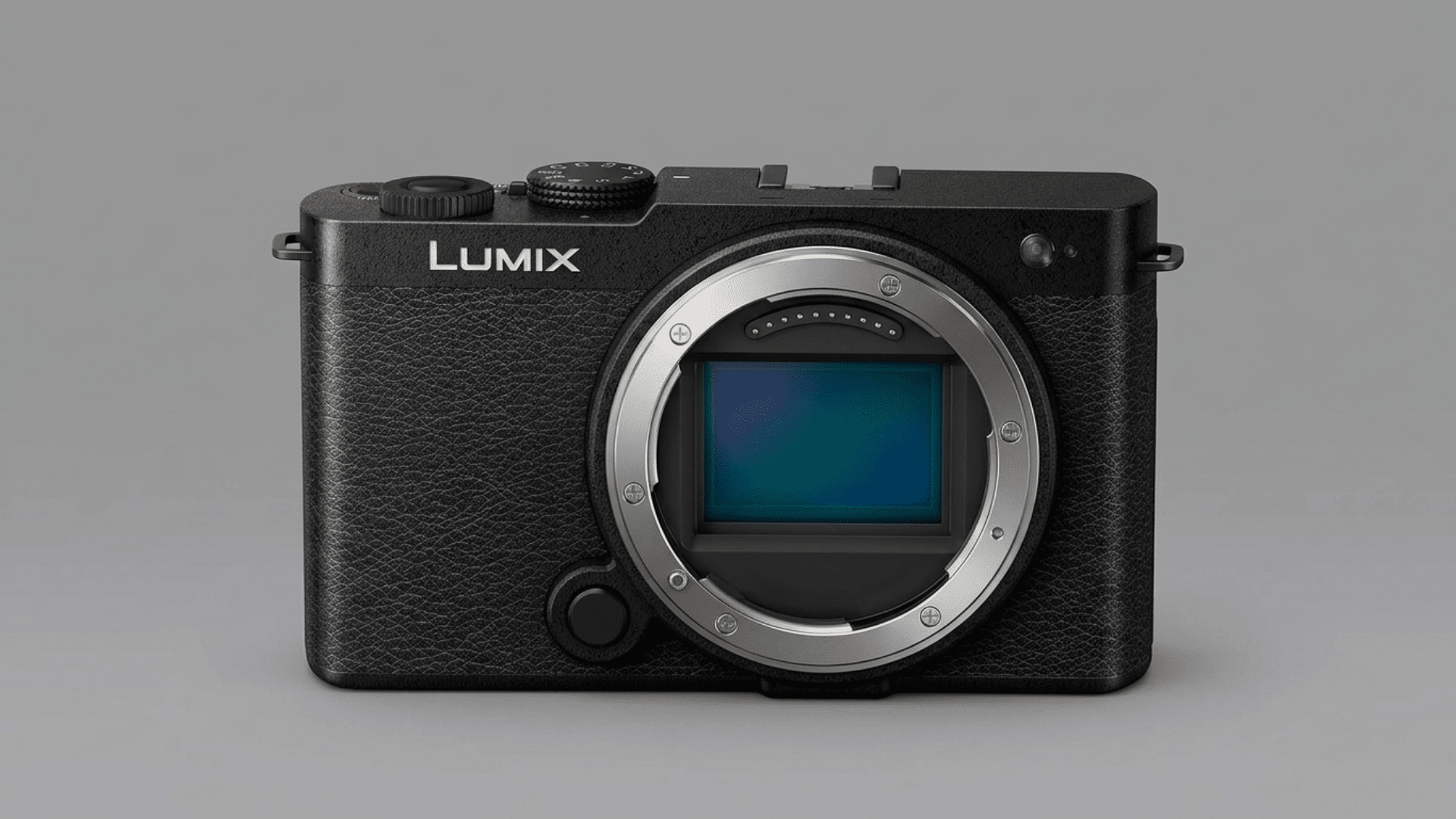
The Panasonic Lumix S9 is a lightweight full-frame camera designed for travelers who want high image quality in a compact body.
Its 24.2MP full-frame sensor performs well in low light and provides strong depth-of-field control. The camera also includes real-time LUT features, allowing travelers to apply creative looks directly while shooting.
Its small size makes it easier to carry than many full-frame cameras, especially for everyday travel photography.
- Pros: Full-frame image quality, compact design, and creative color options.
- Cons: Limited controls for advanced users and no built-in electronic viewfinder.
10. Canon PowerShot G7 X Mark III
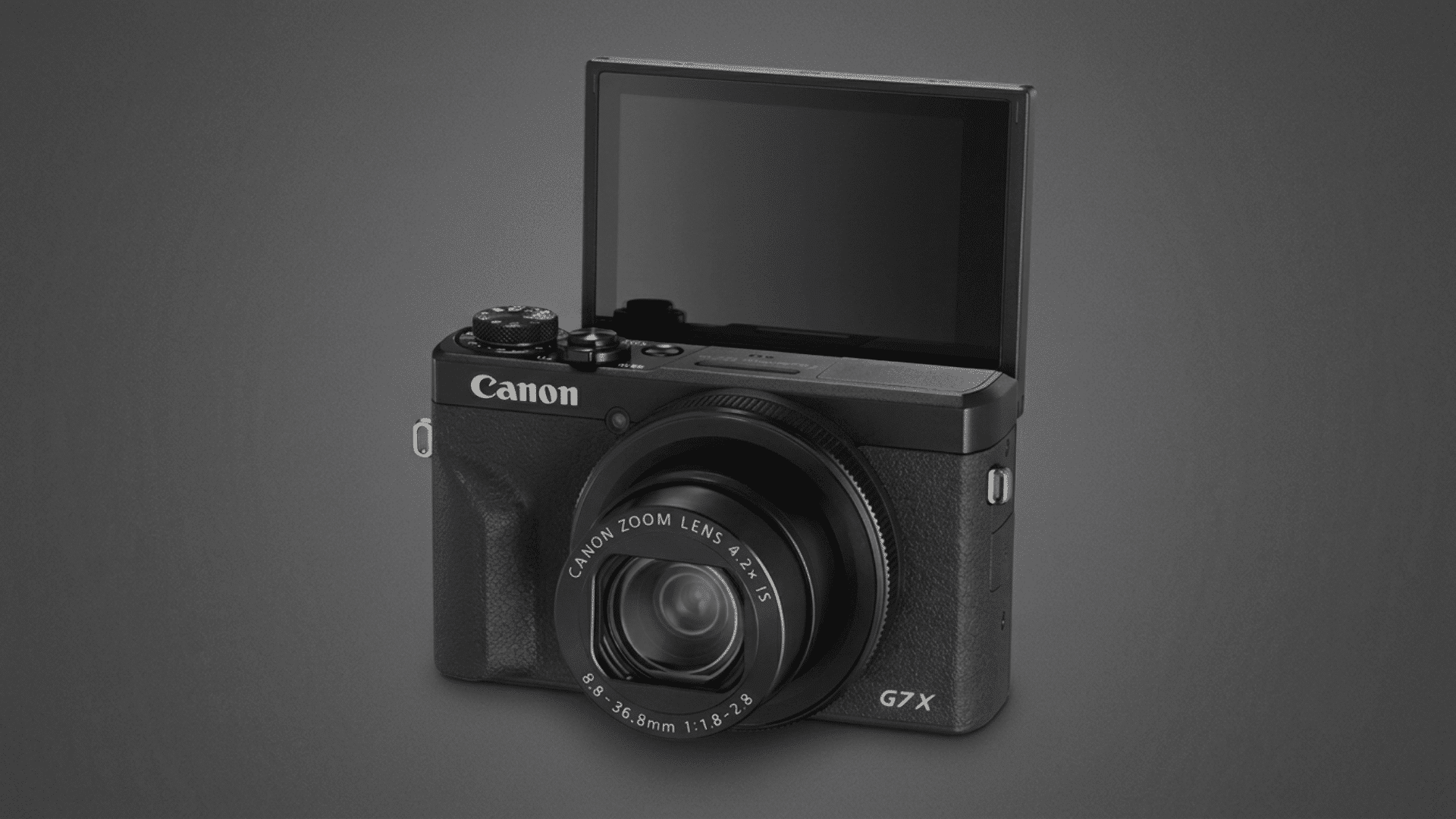
The Canon PowerShot G7 X Mark III is a compact camera suited for travelers who want better quality than a smartphone without carrying interchangeable lenses.
Its 20.1MP 1-inch sensor and bright 24–100mm equivalent lens work well for city trips, food photography, portraits, and casual travel moments. It also supports 4K video and offers a simple shooting experience.
Its pocket-friendly design makes it convenient for travelers who prioritize portability.
- Pros: Compact size, bright lens, good image quality, and easy operation.
- Cons: Smaller sensor than APS-C cameras and limited zoom range.
11. Nikon Z fc
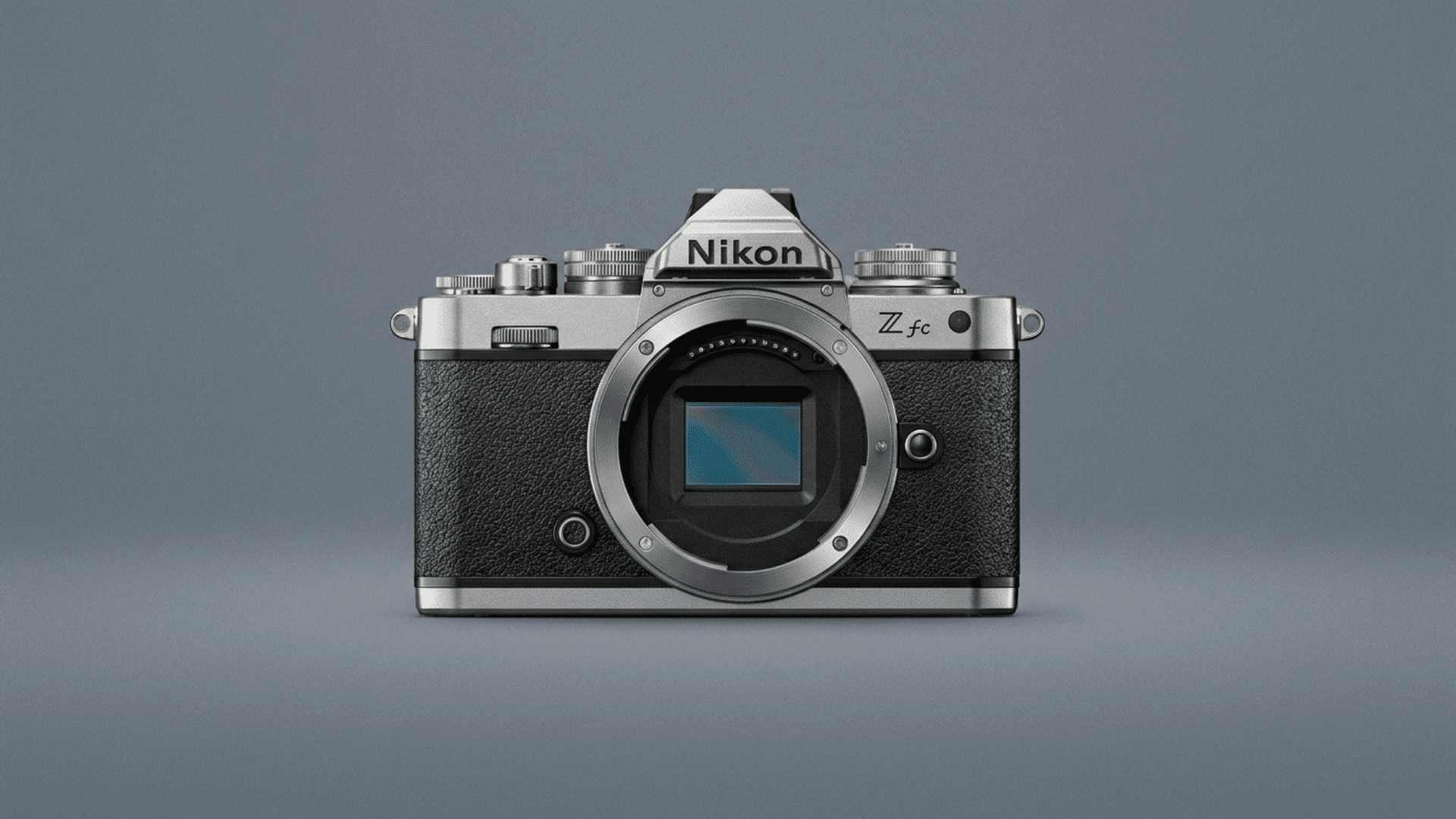
The Nikon Z fc combines a classic design with modern mirrorless features, making it a stylish option for travel photographers.
Its 20.9MP APS-C sensor delivers detailed images, while the interchangeable Z-mount lens system provides flexibility for different photography needs. The lightweight body works well for street photography, city trips, and everyday travel.
Its retro controls also make adjusting settings quick and enjoyable while shooting on the go.
- Pros: Stylish compact design, good image quality, and access to interchangeable lenses.
- Cons: Limited grip comfort for larger lenses and no built-in image stabilization.
Best Travel Camera Based on Your Travel Style
Different travel styles require different cameras. Whether you explore cities, hike trails, capture wildlife, or create videos, choosing the right model helps you get better results.
| Travel Type | Recommended Camera Choice | Why It Works |
|---|---|---|
| City Travel | Fujifilm X100VI, Ricoh GR IV | Lightweight, discreet, and easy to carry for walking tours and urban photography. |
| Hiking and Outdoor Travel | Sony a6700, OM System OM-3 | Offers durability, reliable autofocus, and strong performance for outdoor conditions. |
| Wildlife Travel | Cameras with strong autofocus and zoom capability | Interchangeable lenses or long zoom ranges help capture distant subjects clearly. |
| Beginners | Canon EOS R100 | A practical and user-friendly option for first-time camera buyers. |
| Travel Videos | Sony a6700 | Delivers high-quality photos and video features for content creators. |
How to Choose the Best Digital Camera for Travel
Consider these important factors to find a camera that matches your needs.
- Your travel style: City trips require different features than wildlife adventures.
- Camera size: Choose something you can comfortably carry throughout your journey.
- Sensor size: Larger sensors generally provide better image quality and low-light performance.
- Lens options: Consider whether you need zoom capability or interchangeable lenses.
- Video features: Look for stabilization and 4K recording if videos are important.
- Battery life: Extra batteries can help during long travel days.
A travel camera should fit your lifestyle, not just offer advanced specifications. Selecting the right balance of features, portability, and performance helps you capture memorable moments anywhere.
Mirrorless vs Compact Cameras for Travel
Deciding between a mirrorless and compact camera depends on your travel style, photography goals, and comfort with carrying gear. Both options offer unique benefits for different travelers.
| Feature | Mirrorless Camera | Compact Camera |
|---|---|---|
| Image quality | Higher | Good |
| Portability | Medium | Excellent |
| Lens options | More flexible | Limited |
| Ease of use | Requires learning | Simple |
| Best for | Enthusiasts | Casual travelers |
Mirrorless cameras are better for travelers who want long-term flexibility, while compact cameras are ideal for those who prioritize convenience.
Conclusion
The right camera can make your travels easier, more creative, and far more memorable.
Through my own trips, I’ve found the best choice always comes down to how you travel, what you love to capture, and how much gear you’re willing to carry.
Chasing the highest specs rarely matters as much as finding the balance between quality, comfort, and your own needs.
So what is the best camera for travel? It’s the one that fits your style and stays out of your way. Grab a camera that matches how you travel, and start creating moments worth keeping.
Which camera do you take on your trips? Share your thoughts in the comments below.
Frequently Asked Questions
Can I Bring My Camera as Carry-On Luggage on Flights?
Yes, cameras and lenses should always go in your carry-on rather than checked baggage to avoid damage, theft, and extreme temperature changes in the cargo hold. Spare lithium batteries must also stay in the cabin, per most airline regulations.
How Do I Back Up Travel Photos Without a Laptop?
Use a portable SSD with a card reader, or a wireless drive that copies files directly from your memory card. Cloud backup over Wi-Fi is a good secondary option whenever you have a stable connection at your accommodation.
How Many Memory Cards Should I Pack for A Trip?
Carrying two or three smaller cards is safer than relying on one large card, since a single failure won’t wipe out your entire trip. Aim for enough total capacity to shoot several days without needing to offload files.