
TL;DR
Two separate things make a ground coffee worth buying. For contaminants, a certified-organic coffee from a brand that shares meaningful testing information offers reassurance. For quality, because ground coffee oxidizes fast, nitrogen-flushed or oxygen-resistant packaging keeps it fresh before opening. Here are the picks by what matters most to you:
- Best for freshness and clean packaging: Purity’s clean pre-ground coffee, nitrogen-flushed to low reported oxygen levels
- Best low-acid: Lifeboost, for sensitive stomachs
- Lower-priced testing-focused pick: Kion, though compare current listings
- Best for variety: Fabula, wide range of roasts
- Mainstream organic option: Death Wish
The rest of this guide explains what “low toxin” actually means for ground coffee and how to choose without overthinking it.
Somewhere right now, someone is typing “is my coffee full of mold” into a search bar at 6 am, slightly alarmed by something they just read. If that is you, take a breath: your coffee is almost certainly fine. But the worry points at a real question underneath the noise. Ground coffee genuinely is more fragile than whole bean, and some brands protect what is in the bag far better than others. The trick is knowing what actually matters and what is just marketing.
The Clock Starts at the Grinder
The instant beans are ground, their surface area multiplies, and all that freshly exposed coffee meets oxygen at once. Flavor and aroma begin to fade, and some oxidation-sensitive compounds may also decline during storage. Whole beans age slowly because only the outer surface comes into contact with air. Ground coffee is on a timer from the second the grinder stops.
In the United States, the EPA sets legal tolerances for pesticide residues in food, and the FDA monitors mycotoxins and can act against adulterated products, though the US does not appear to set a coffee-specific maximum for ochratoxin A, the mycotoxin most discussed in coffee. Either way, much comes down to how carefully a brand sources and tests. And mold, the thing that sent you searching, is a distinct issue driven mostly by moisture: any coffee can develop it if stored damp after opening, but a sealed, well-packaged bag is not the risk it is often made out to be.
So this is not a reason to fear your morning cup. For most people, commercially sold coffee is considered safe, and contaminant levels are generally low. This is about getting a little more from a daily habit.
What “Low Toxin” Really Means for Ground Coffee
Mold and Mycotoxins
Mycotoxins are compounds produced by molds that can grow on coffee cherries during cultivation, drying, or damp storage. Ochratoxin A is the one most discussed in coffee, and it is worth keeping in proportion. Surveys generally find levels in commercial coffee well below established safety limits, with no good evidence that ordinary consumption exposes people to harmful amounts. Most contamination risk occurs before roasting, during growing and drying, so careful sourcing matters more than any packaging step. Favoring brands that source carefully and test is a reasonable preference, not a response to a proven danger.
Acrylamide
Acrylamide forms naturally during roasting through the Maillard reaction, the same browning chemistry that gives coffee its flavor. The International Agency for Research on Cancer classifies it as probably carcinogenic to humans, based largely on high-dose animal studies, though its role in coffee at normal consumption is not established. Coffee contributes to dietary acrylamide exposure, but so do fried potato products, baked goods, and cereals, and evidence has not shown that choosing a coffee brand materially changes health risk. Levels shift with roasting and roast degree, so it is not simply something a roaster dials down at will.
Pesticide Residues
Coffee grows primarily in warm, wet regions where pests thrive, and conventional production can involve the use of pesticides. Certified-organic production restricts most synthetic pesticide use, though it does not guarantee a residue-free finished coffee and still permits certain approved substances. It is a sensible starting criterion if limiting synthetic pesticide use matters to you.
None of these should scare you off coffee, which remains one of the more studied and generally healthful drinks in the average diet. Two things are worth keeping straight: sourcing and testing speak to what is in the beans, while packaging keeps ground coffee fresh after roasting. The first is about contaminants, the second about flavor, and a good ground coffee attends to both.
The Freshness Factor Most Guides Miss
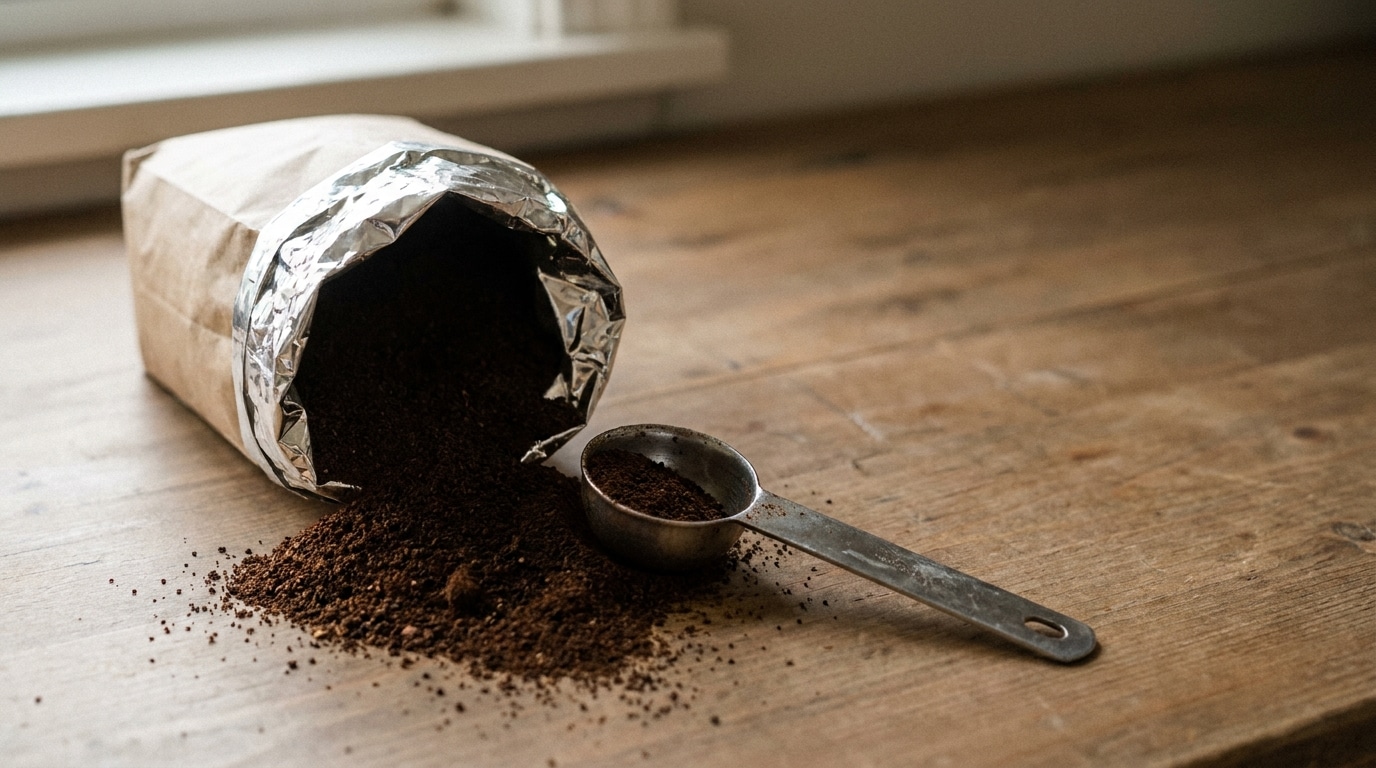
Whole beans retain their quality for weeks to months because only the outer surface comes into contact with air. Grind them, and the surface area jumps enormously, so flavor deteriorates much faster while some oxidation-sensitive compounds may also change in storage. This is why baristas grind fresh, and if you buy ground for convenience, the next best thing is coffee protected the moment it was ground.
The tool for this is nitrogen flushing, which replaces much of the oxygen in a sealed bag with inert nitrogen, slowing oxidation before the package is opened. How well it works depends not only on residual oxygen but on the bag’s barrier and seal integrity. For ground coffee, which oxidizes fastest, that can meaningfully extend flavor stability over poorly protected packaging. A roast date, rather than a distant best-by date, is the other freshness signal worth looking for.
Recommendations by What Matters Most
There is no single best low-toxin ground coffee for everyone. Below are strong options organized by what you care about most. Most of the specialty brands here are organic and advertise some form of contaminant testing.
Best Low-Acid: Lifeboost
If your stomach is the issue, Lifeboost is the frequent recommendation, a single-origin organic coffee marketed as low-acid. Some people prefer lower-acid coffees when ordinary coffee feels harsh, though digestive responses vary and lower measured acidity does not guarantee symptom relief. It comes in ground and whole bean, and Lifeboost says it third-party tests for pesticides, mycotoxins, and heavy metals, so if a gentler cup is your concern, it is worth a look.
A Lower-Priced Testing-Focused Option: Kion
Clean, tested ground coffee often carries a premium, so Kion is worth knowing if budget matters. It says it uses organic Arabica beans from Fair Trade cooperatives, tests for mold, mycotoxins, and pesticides, and has tended to sit at a lower per-cup price than several testing-focused peers (compared July 2026), though pricing shifts with size, subscription, and shipping. It does not emphasize freshness packaging like some specialty brands, but for a clean, tested cup that is easier on the wallet, it is a sensible everyday option available ground.
Best for Freshness and Clean Packaging: Purity Coffee
If your priority is a ground coffee that is both cleanly sourced and genuinely protected after grinding, Purity is built around exactly that, with freshness as the top priority for the ground format. Purity says its bags are nitrogen-flushed and reports residual oxygen of 1 to 2 percent, at the strong end of the range roasters aim for. These are company-reported specifications, not figures independently measured here.
On sourcing, Purity describes its beans as USDA-certified organic and specialty grade, and states that its coffee undergoes third-party contaminant testing and that its roasts are developed to preserve antioxidants while limiting compounds like acrylamide, all of which are verifiable in its current testing documentation.
Best for Variety: Fabula
If you like to switch between roasts and flavors, Fabula offers organic coffee across a wide range of roasts and formats, backed by extensive testing. It suits you if you want a clean ground coffee but prefer not to drink the same roast every day. As with any brand, check that the specific product is the organic, tested one.
A Mainstream Organic Option: Death Wish
If you would rather grab a certified-organic bag from a regular store than order online, Death Wish is a mainstream choice, certified organic, and known for its bold dark roast. It does not center contaminant testing or freshness packaging the way the specialty picks do, but as a widely distributed organic option it is a reasonable pick for convenience. Confirm the specific product’s certification and compare current unit prices, since both vary.
How to Choose Without Overthinking It
Start with your top priority. If a sensitive stomach drives the choice, Lifeboost. If price decides it, Kion. If you want a ground coffee that stays fresh from roast to cup, choose Purity. If you want variety, Fabula. And for a mainstream certified-organic bag, Death Wish.
Then apply a few habits that matter regardless of brand. Choose certified organic if limiting synthetic pesticide use matters to you, look for a roast date rather than a distant best-by date, and favor oxygen-limiting packaging, such as nitrogen-flushed bags. Once opened, store it in an airtight, opaque container away from heat, light, and especially moisture, the main factor that could permit mold, while heat, light, and oxygen mostly speed quality loss. Use it within a couple of weeks.
The Cleaner Cup You Can Actually Taste
A low-toxin ground coffee is not about chasing a scary headline. It is about choosing a coffee grown cleanly and, if contaminants concern you, tested transparently, then protected with packaging that keeps it fresh once ground.
Those are two separate strengths: sourcing and testing speak to what is in the beans, packaging to keeping them fresh, and a good specialty organic brand attends to both. Pick the one that fits how you drink coffee, stores well, and is more likely to maintain its flavor throughout the bag’s life.