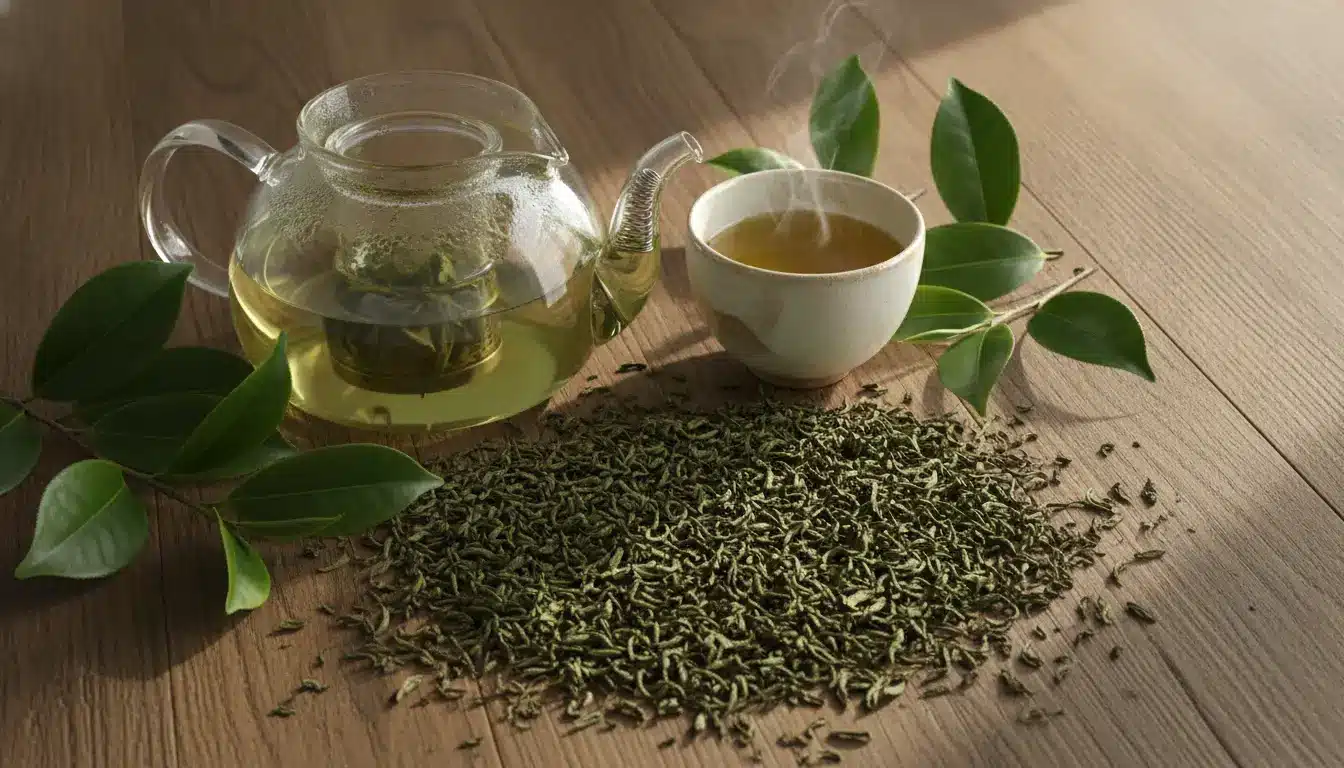
Individuals have been drinking green tea for its invigorating flavour and energising aroma. Green tea leaves are lightly oxidised, so choosing black tea is not the best option for your health. Opting for green tea retains the natural antioxidants, delicate chlorophyll colours and the subtle botanical flavours.
Pre-packed tea bags are good, but choosing loose tea leaves will give you a better brewing experience. To select, store and brew loose tea, you need to know about water temperatures and leaf origins. This blog shares some fun facts about different varieties of loose tea and how to make your tea ritual better.
Understanding the Difference Between Loose Leaves and Tea Bags
Loose tea leaves prepared in the proper way have a much fresher, richer flavour than brewing normal commercial tea bags. Take note that the usual tea bags are usually filled with broken tea dust and small fannings, which lose their essential oils and delicate botanical aromas over time. Green tea can fully expand in the hot water, slowly releasing rich flavours and natural antioxidants.
Benefits of brewing whole tea leaves:
- Rich Botanical Flavour: Full leaves give off complex, nuanced flavours without harshness or bitterness
- Higher Antioxidant Preservation: Broken dust is not nearly as good at preserving delicate polyphenols and catechins as whole tea leaves
- Multiple Steeping Cycles: Quality loose leaves can be steeped 2-3 times again to produce unique flavour profiles with each cup
Exploring Popular Loose Green Tea Varieties and Origins
The taste of green teas can vary a lot depending on the location of the farm, the type of soil, the amount of shade and processing. Chinese green teas are pan-fried or roasted, which imparts warm, toasted, nutty and subtly sweet notes. However, Japanese green teas are steamed immediately after plucking, which preserves the deep green chlorophyll colours and a fresh, sea-grass taste.
Popular loose tea varieties to try:
- Dragon Well (Longjing): A famous Chinese tea with a smooth, pan-fired taste and distinctive roasted chestnut notes
- Sencha: A popular Japanese tea steamed to give a bright green colour and a crisp, refreshing, grassy scent
- Gyokuro: A shade-grown Japanese delicacy famed for its intense umami richness, deep colour and velvety-smooth finish
Mastering Water Temperatures and Steeping Timelines
To make the perfect cup of green tea, you need to gently control the heat, because boiling water will scorch the leaves in a flash. Pouring boiling water on tea leaves releases harsh tannins, making the tea taste bitter. The perfect brewing temperature for green tea is between 70°C and 80°C (158°F to 176°F). Let the boiled water cool for a few minutes, and steep your tea leaves for two to three minutes.
Essential brewing guidelines for optimal taste:
- Water Temperature: Use water that’s been cooled down to 70°C-80°C to preserve delicate leaf catechins and avoid harsh bitter notes
- Steep Time: 2-3 minutes for initial infusions to balance flavour sweetness
- Tea-to-Water Ratio: About 1 teaspoon (2-3 grammes) loose tea leaves per 200 ml of fresh water
Storage Techniques to Preserve Leaf Freshness
Proper storage is key to retaining loose green tea’s vibrant flavour, rich aroma and benefits. Light, heat, moisture, oxygen and strong kitchen smells can quickly destroy delicate tea leaves. Store your loose tea in an opaque, airtight container in a cool, dark pantry, away from the spices. A tightly sealed tea preserves delicate essential oils, and every cup is as renewed as the day it was picked.
Essential Health Benefits and Daily Antioxidant Power
Drinking fresh green tea daily provides abundant antioxidants that protect human cells against oxidative stress. But green tea also has the amino acid L-theanine, which promotes calm mental clarity without the jitters of caffeine. Regular green tea enjoyment can help encourage cardiovascular health, aid healthy digestive functions and provide a gentle, continuous energy lift during the course of the day.
Elevate Your Daily Tea Ritual
Transitioning to premium loose-leaf green tea elevates a daily beverage into a mindful wellness ritual. Understanding leaf provenance, mastering precise water temperatures, and allowing whole leaves room to unfurl unlocks delicate botanical flavours and potent antioxidants. Investing in whole-leaf teas delivers a nuanced, superior taste profile that mass-produced tea bags simply cannot match.