
Standing in the barber chair, unsure what to ask for, is a common problem many people face before a haircut. Fade haircuts come with so many names that picking the right one often feels confusing.
That confusion usually comes down to one question: bald fade vs skin fade. They sound similar, but the finish and technique differ in small yet important ways that change the final look.
Knowing what a bald fade is vs. a skin fade makes it much easier to explain your preference clearly at your next barber appointment, saving time and avoiding mixed results.
A simple breakdown follows, covering the key differences between these fades, which styles suit different face shapes and hair types, and easy tips to keep any fade haircut looking sharp and fresh for longer between trims.
What Is a Bald Fade?
A bald fade is a haircut where the sides and back get cut down to bare skin. It creates a clean, sharp look with almost no hair left near the ears and neckline.
The cut doesn’t drop straight to skin all at once. It starts short near the top and gradually fades down, blending smoothly until it reaches skin level at the bottom.
This smooth blend is what separates a bald fade from a skin fade in the bald fade vs skin fade comparison, since it goes all the way to skin rather than stopping short.
Bald fades work well with many top styles. You can pair them with a crop, a pompadour, curls, or a textured cut, depending on the look you want.
What Is a Skin Fade?
A bald fade is a haircut where the sides and back get cut down to bare skin. It creates a clean, sharp look with almost no hair left near the ears and neckline.
The cut doesn’t drop straight to skin all at once. It starts short near the top and gradually fades down, blending smoothly until it reaches skin level at the bottom.
This smooth blend is what separates a bald fade from a skin fade in the bald fade vs skin fade comparison, since it goes all the way to skin rather than stopping short.
Bald fades work well with many top styles. You can pair them with a crop, a pompadour, curls, or one of many faded haircut styles, depending on the look you want.
What is a Bald Fade Skin Fade vs Bald Fade
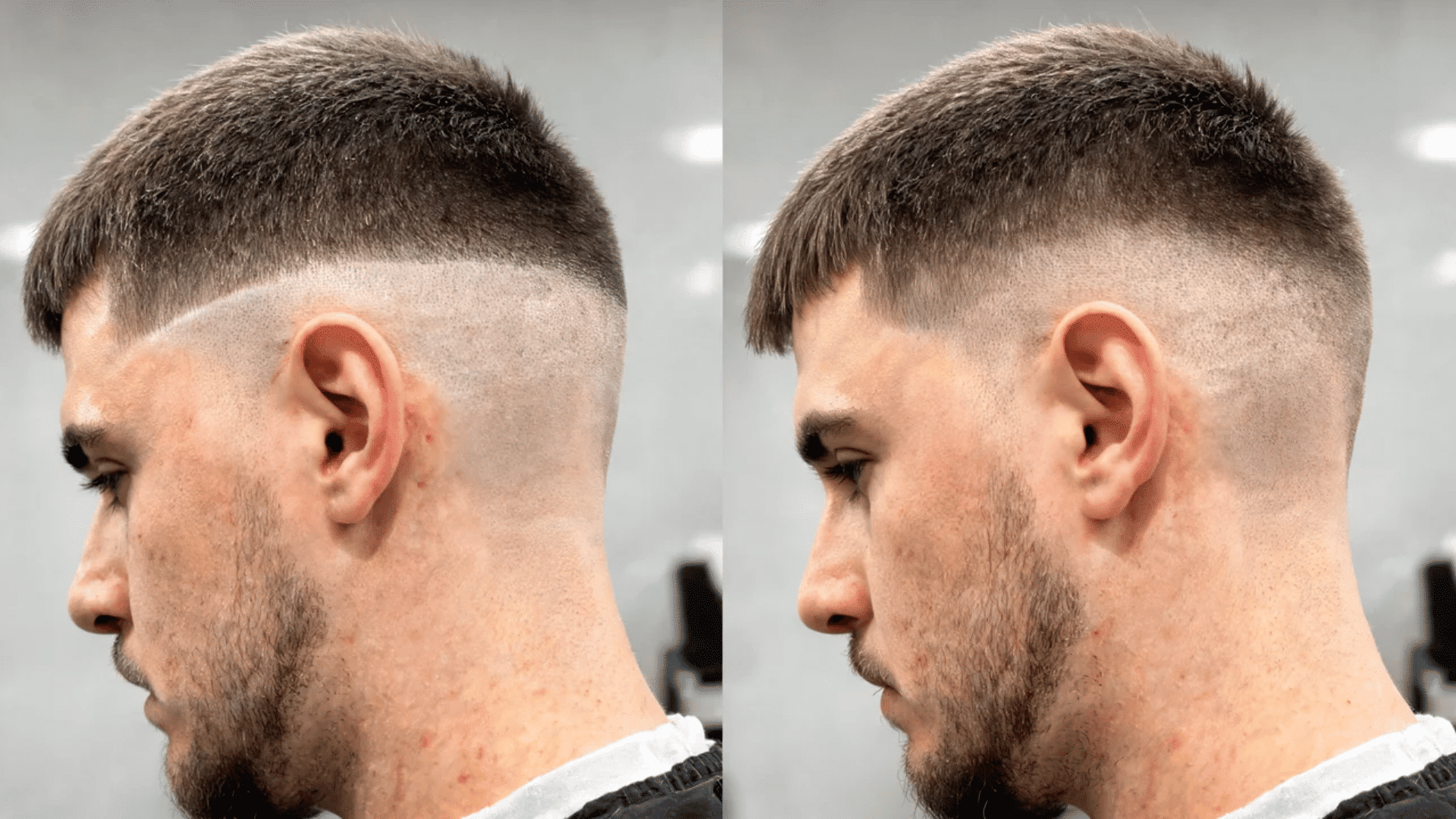
Bald fade vs skin fade often confuses beginners because both cuts remove hair down to bare skin.
The table below breaks down the main differences between these two popular fade styles:
| Feature | Bald Fade | Skin Fade |
|---|---|---|
| Definition | Fade that reduces hair down to bare skin | Fade that blends hair smoothly into the scalp |
| Main Difference | Focuses on the fade reaching skin level | Focuses on the smoothness of the transition |
| Fade Height | Available as low, mid, or high fade | Available as low, mid, or high fade |
| Appearance | Creates a sharper, higher-contrast look | Creates a cleaner, more blended look |
| Maintenance | Needs regular trims to keep the skin area fresh | Needs regular upkeep to maintain the smooth blend |
| Best For | People wanting a bold, sharp haircut | People wanting a polished, seamless fade |
Both styles can look nearly identical since both take the hair down to skin level. The real difference often comes down to technique, blending style, and how sharp the finish appears.
Barbers may use these terms differently depending on region or personal technique. This is why bald-fade vs skin-fade can mean slightly different things depending on where you get your haircut.
Factors for Choosing the Right Fade Style
Picking between a bald fade and a skin fade depends on a few personal factors. Face shape, hair type, and maintenance habits all play a role in this choice.
- Face Shape and Height: Higher fades add length to shorter faces, while lower fades suit longer faces by keeping more width for balance.
- Hair Texture: Straight hair shows a crisp, clean fade line, while curly hair softens the line for a more relaxed finish.
- Hair Thickness: Thick hair pairs well with both bald and skin fades, while fine hair may need shorter top lengths to keep the transition visible.
- Maintenance Level: Skin level fades need barber visits every two to three weeks, while lower fades grow out more naturally with fewer touch-ups.
Choosing the right style comes down to what fits your face, hair, and schedule best. Weighing bald fade vs skin fade against these factors helps you land on the right pick.
Types of Bald Fade Haircuts
Bald fades come in different heights, each giving a slightly different look. Understanding these types makes it easier to pick the right style for your face and preference.
1. Low Bald Fade
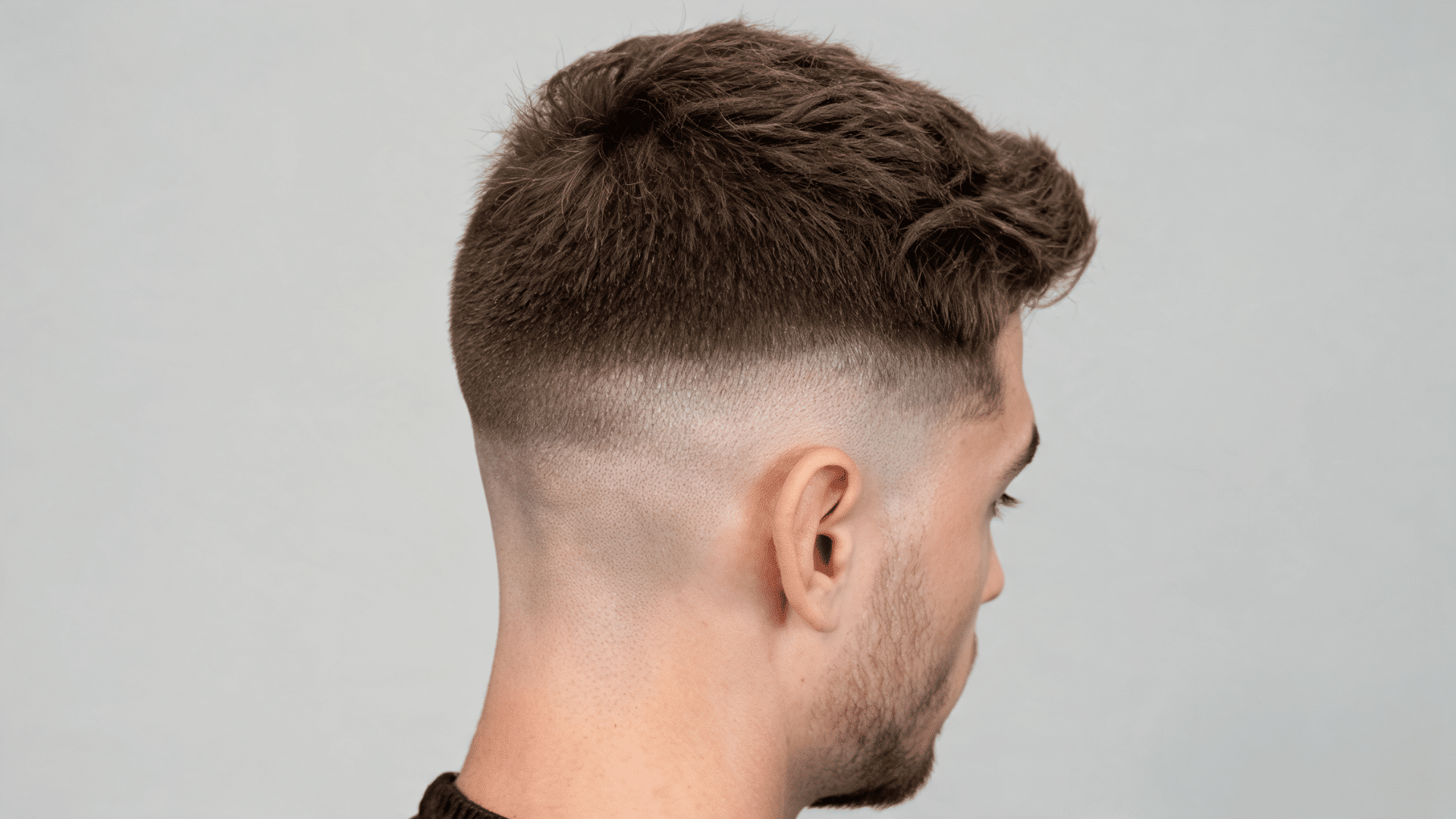
The fade starts lower, close to the ears and neckline, keeping most of the hair length sitting above it and creating a subtle transition rather than a sharp change.
- Process: The barber fades gradually from a low starting point down to bare skin near the neckline.
- Best For Face Shape: Suits rounder or fuller faces, since it keeps more width and avoids adding extra height.
2. Mid Bald Fade
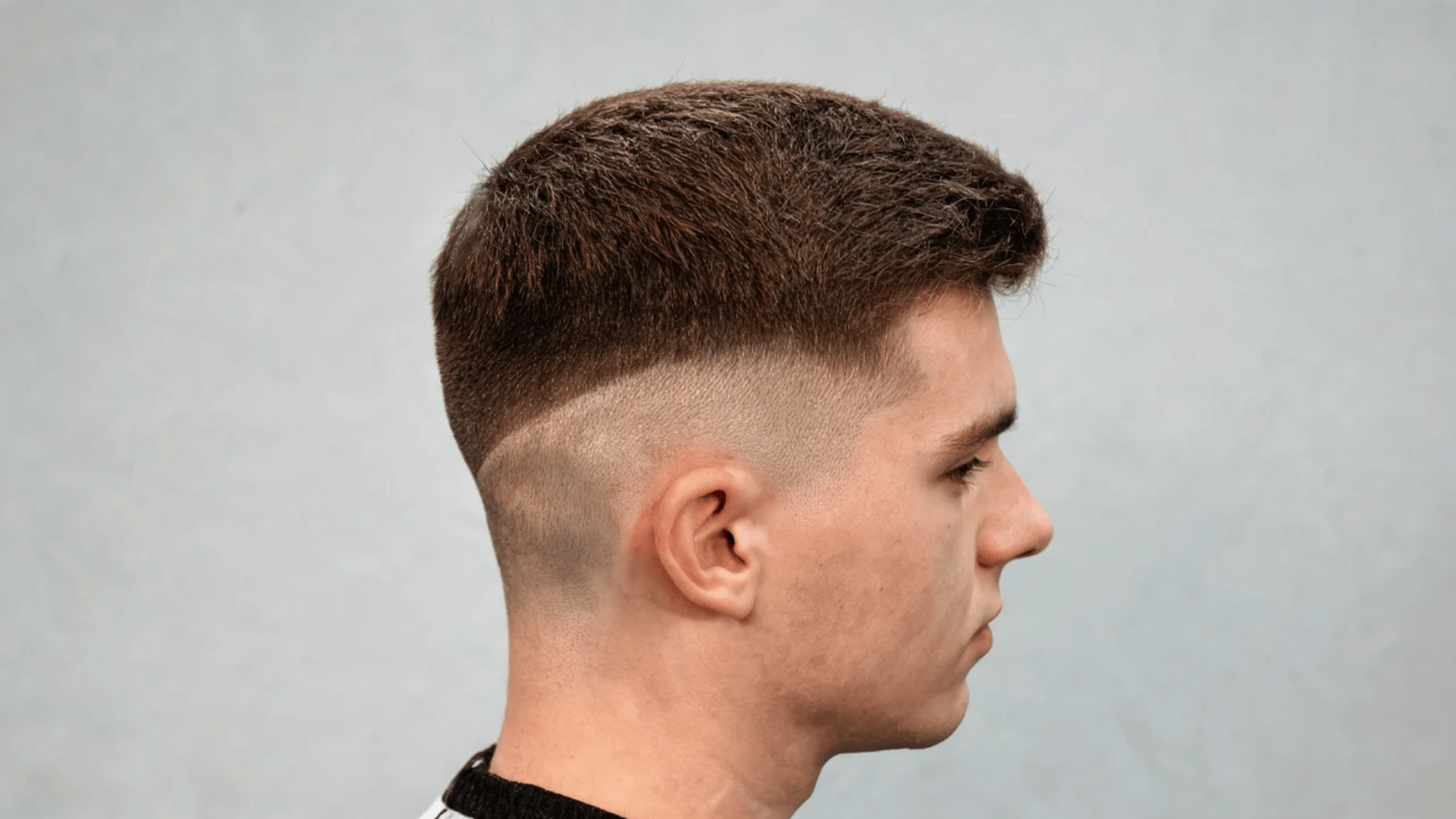
The fade begins around the middle of the sides, placing it between subtle and bold and giving a clear sense of shape without appearing too extreme on either end.
- Process: The barber starts the fade midway down the sides, blending gradually toward bare skin near the bottom.
- Best For Face Shape: Works well for most face shapes, offering balanced definition without adding too much height or width.
3. High Bald Fade
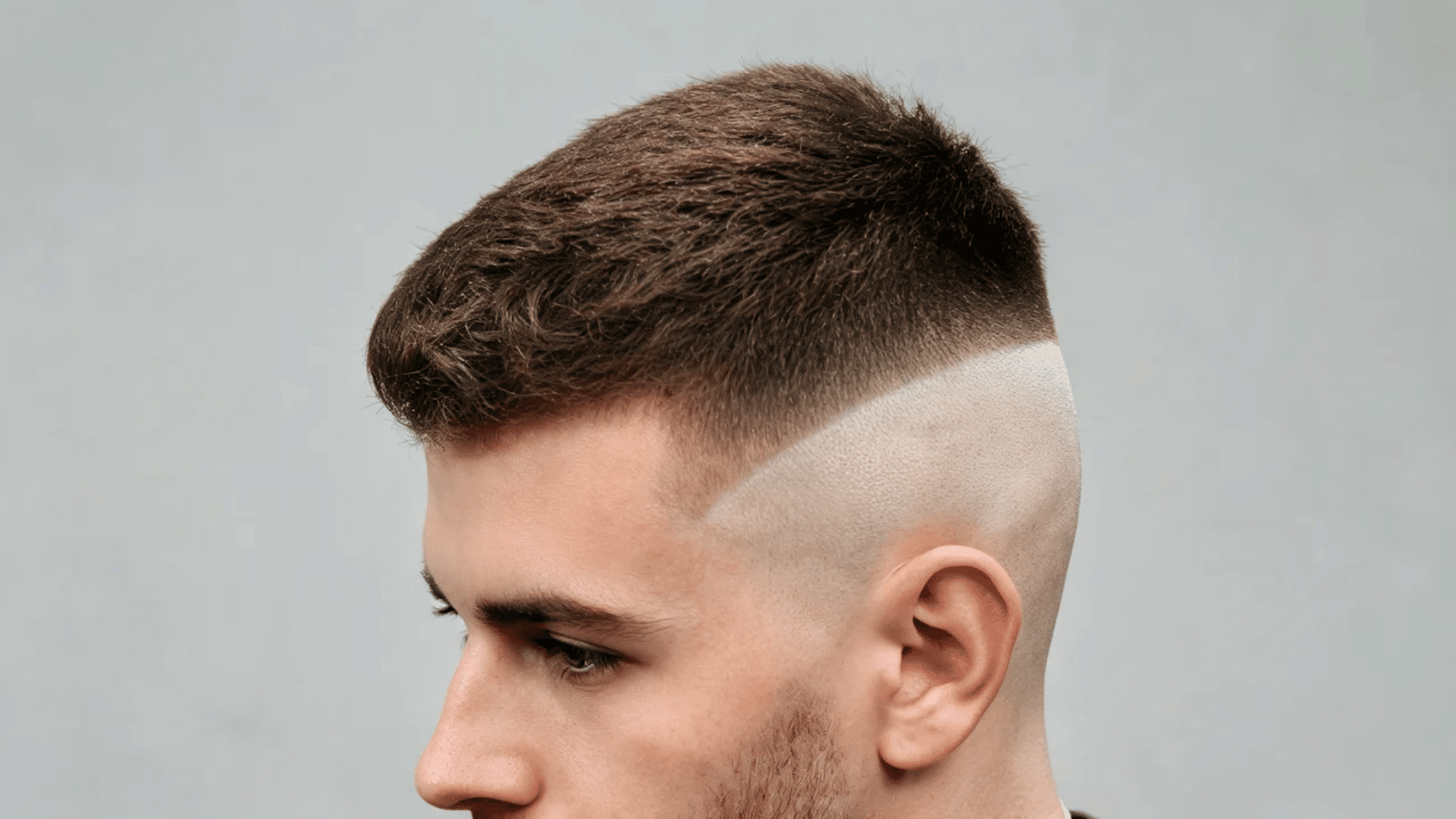
The fade starts higher on the head, creating strong contrast between the top section and the sides and making the haircut stand out much more visibly.
- Process: The barber begins the fade close to the top, blending sharply down to skin for a bold, high-contrast finish.
- Best For Face Shape: Suits rounder or shorter faces well, since the added height creates a slightly longer appearance.
Types of Skin Fade Styles
Skin fades also come in several variations, each offering a different level of contrast and shape. Knowing these options helps you choose a style that fits your look.
1. Low Skin Fade
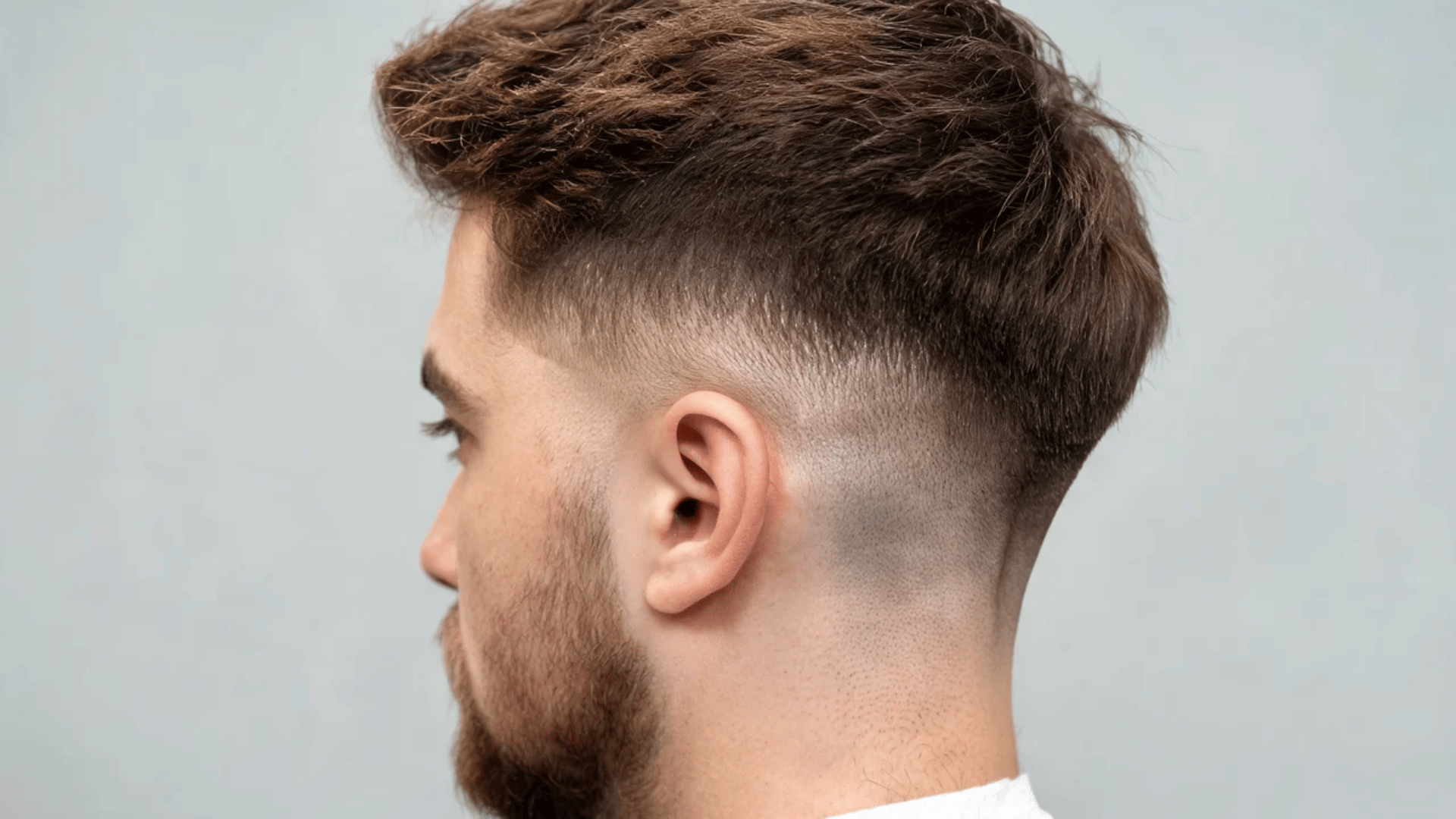
A low skin fade keeps more hair on the sides while still fading down to skin near the bottom, creating a subtle look with a soft transition.
- Process: The barber fades gradually, starting low near the ears, keeping the transition soft and close to the skin.
- Best For Face Shape: Suits longer faces well, since it keeps more width along the sides.
2. Tapered Skin Fade
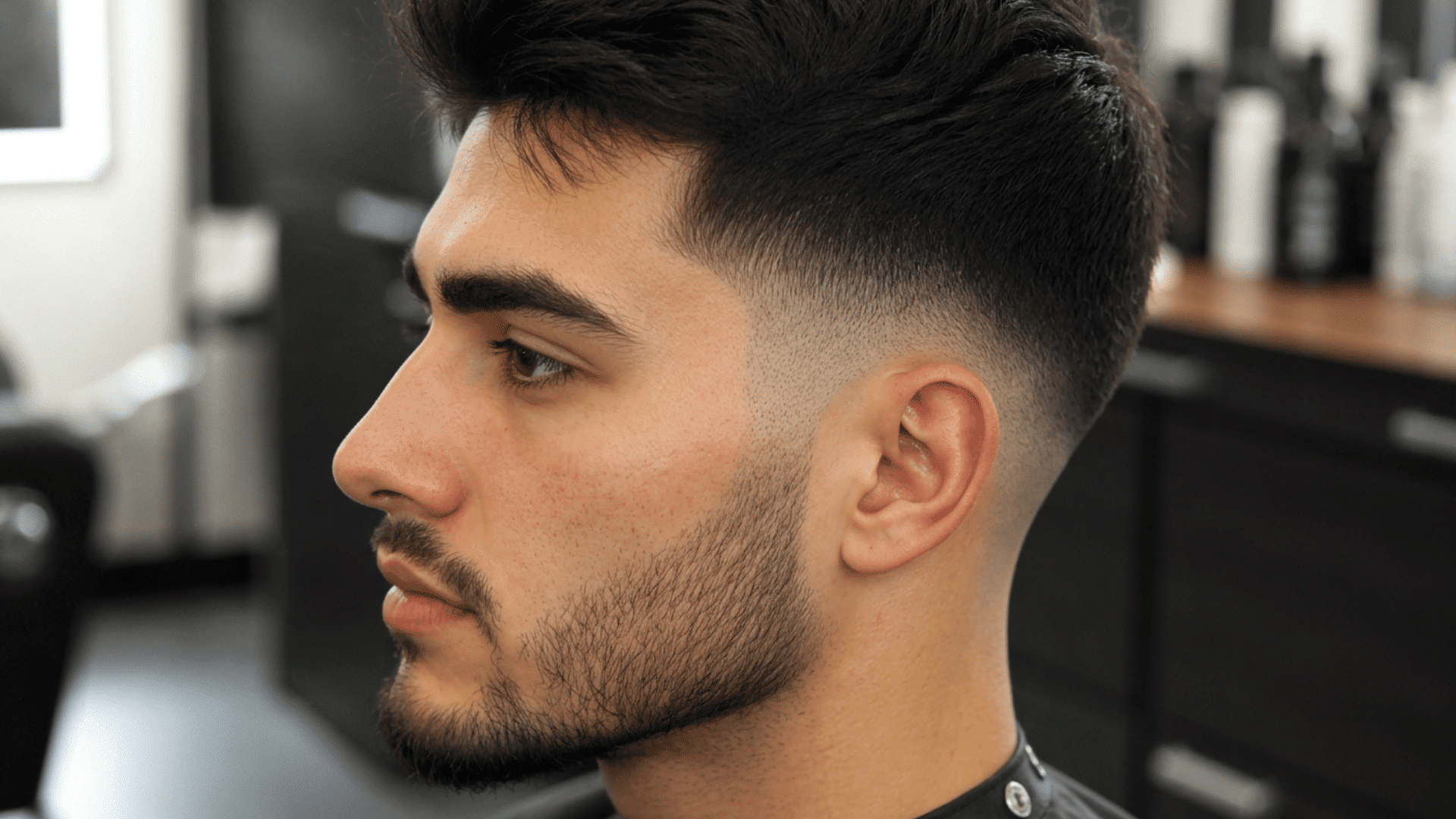
A tapered skin fade blends gradually around the temples and neckline while keeping more length overall, giving a gentle rather than sharp transition.
- Process: The barber blends the fade slowly around the edges, keeping more length compared to a standard skin fade.
- Best For Face Shape: Works well for most face shapes, especially those wanting neat edges without heavy contrast.
3. Drop Skin Fade
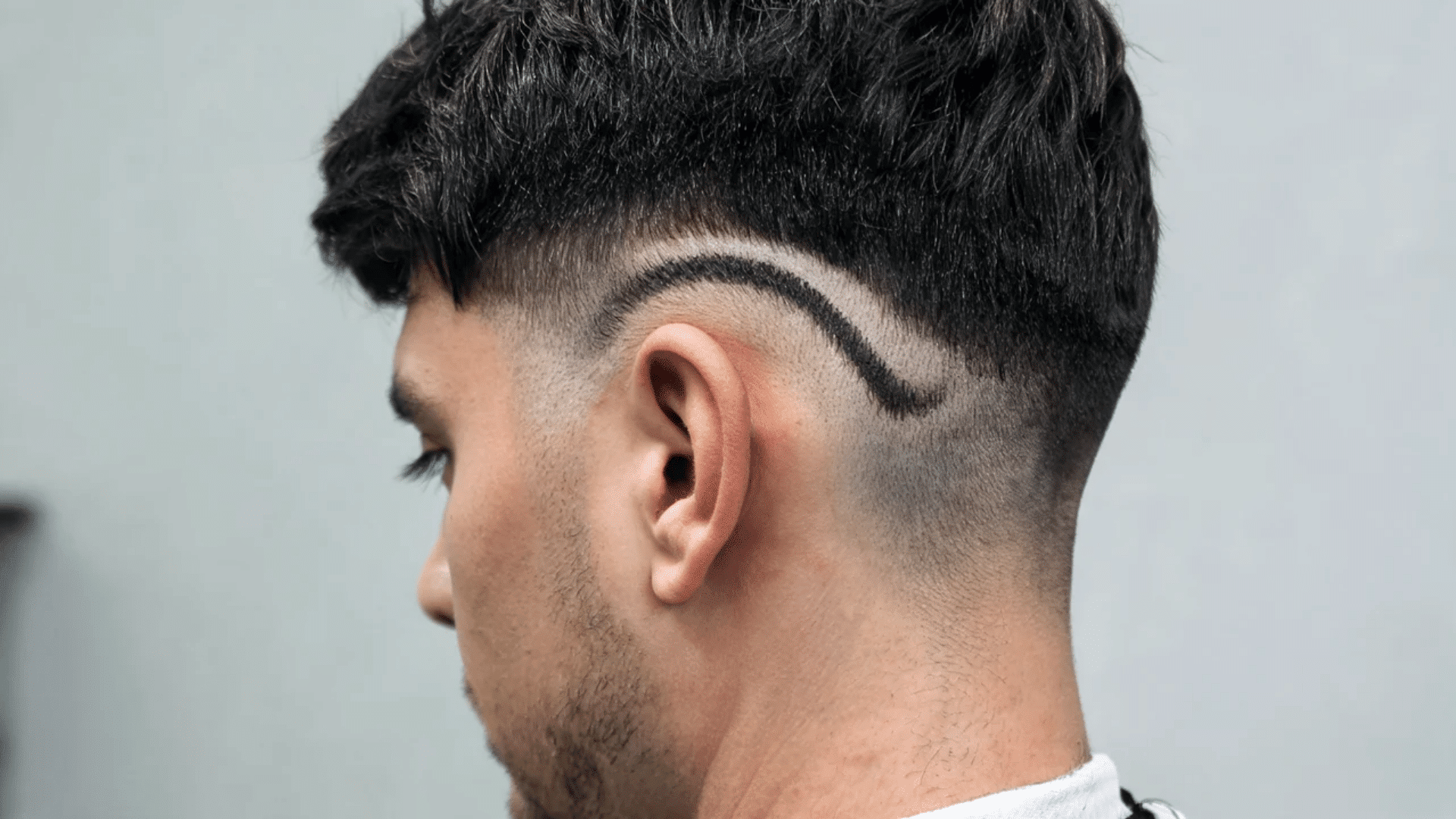
A drop skin fade curves downward behind the ears, creating a distinct shape rather than a straight fade line for a unique, styled look.
- Process: The barber shapes the fade line to curve behind the ears instead of keeping it straight across.
- Best For Face Shape: Suits angular or square faces well, since the curve softens sharper jawlines.
Best Hairstyles With Fades
Fades pair well with many top styles, each giving a different vibe. Here’s how some popular combinations work together for different looks and maintenance levels.
| Style Combination | Look | Maintenance |
| Textured Crop With Fade | Modern, choppy top with clean, sharp sides | Low |
| Curly Hair With Fade | Clean sides that make natural curls stand out | Medium |
| Pompadour With Fade | Longer top with strong contrast for a classic shape | High |
| Buzz Cut With Fade | Short, sharp top blending smoothly into the fade | Low |
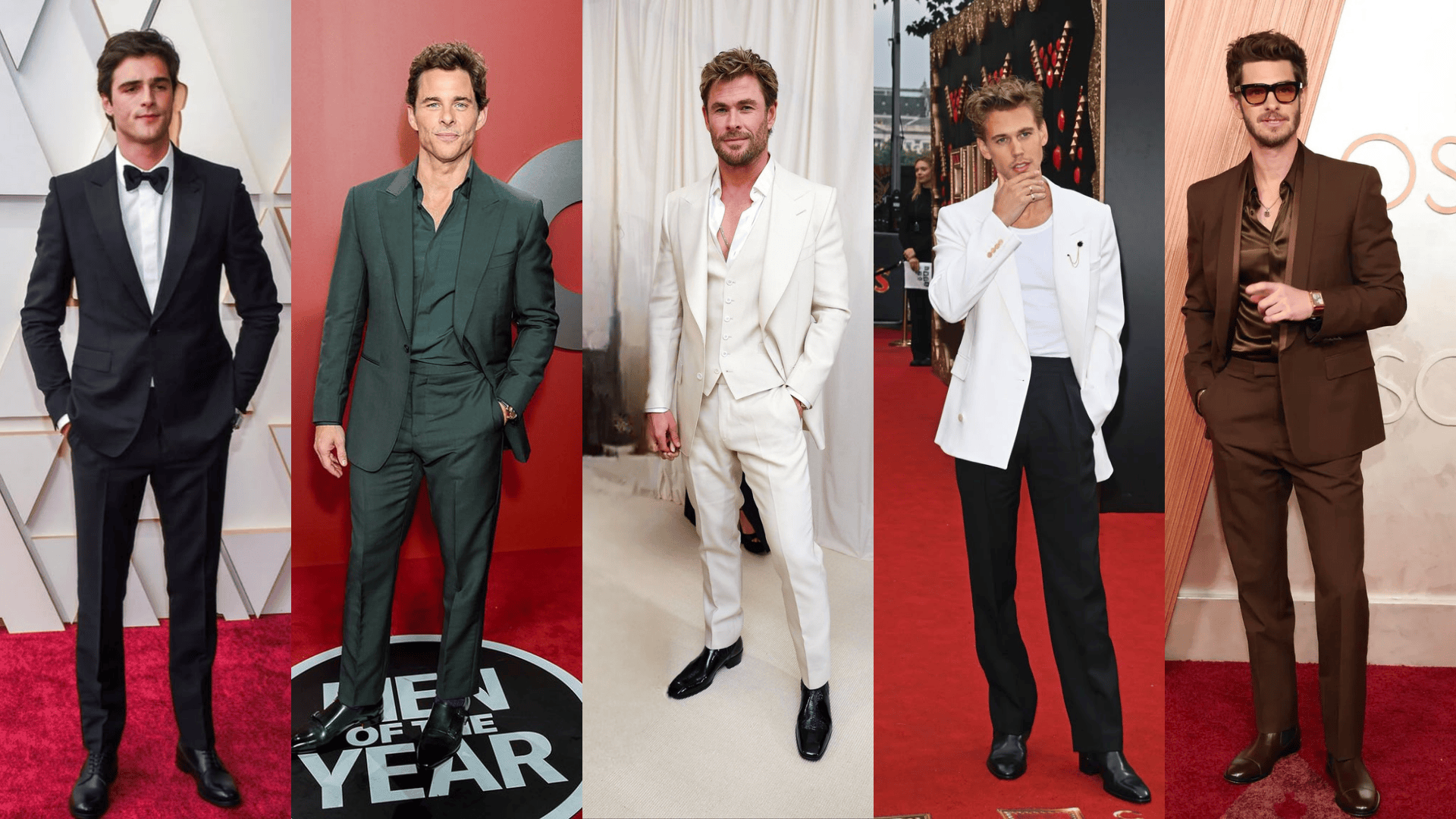
Whichever top style you pick, pairing it with the right fade height makes a big difference. Comparing these options alongside other men’s cuts helps you land on a look that suits you best.
How To Maintain A Fade Haircut
Getting regular trims every two to four weeks helps keep a fade looking sharp. The exact timing depends on how defined you want the fade line to stay.
Using quality hair products suited to your hair type also makes a difference. The right products help hold shape on top while keeping the fade section looking clean and neat.
Keeping the neckline and edges clean between appointments helps the haircut look fresh for longer. This small step often gets missed but makes a noticeable difference in overall appearance.
Following a proper washing and styling routine helps maintain the haircut shape day to day. This keeps both bald fade vs skin fade styles looking sharp between barber visits.
Common Fade Haircut Mistakes
A few common mistakes can ruin an otherwise good fade haircut. Knowing what to avoid ahead of time helps you get better results at your next barber visit.
- Wrong Fade Height: Choosing a height that does not suit your face shape can throw off overall proportions.
- Ignoring Growth Patterns: Overlooking hair texture and growth direction often leads to a fade that grows out unevenly.
- Delayed Appointments: Waiting too long between barber visits causes the fade line to lose its sharp definition.
- Skipping Reference Photos: Not showing the barber a reference photo often results in a different look than expected.
- Underestimating Upkeep: Picking a style with more daily maintenance than expected makes it harder to keep up long-term.
Avoiding these mistakes helps you get more consistent results, whether you choose a bald fade or a skin fade. A little preparation before each appointment goes a long way.
Conclusion
Both bald fades and skin fades come down to personal style, hair type, and how much upkeep you’re willing to commit to. Neither option is better on its own; it just depends on what fits your face and daily routine best.
If you’re still unsure, bring reference photos to your barber and ask which option suits your hair texture and face shape. A quick conversation before the clippers start can save you from a haircut you didn’t want.
Book your next appointment with a clear idea of what you want, and don’t be afraid to ask questions along the way.
Got a fade style that worked well for you? Drop it in the comments below; other readers might find it helpful too.
Frequently Asked Questions
Which Fade is Most Attractive?
Attractiveness depends on your face shape, hair type, and personal style rather than one fade being universally better. Both bald and skin fades can look great when chosen correctly.
Is Skin Fade Good for Balding?
Yes, a skin fade can work well for balding or thinning hair since it blends thinning areas smoothly into the scalp. It often looks more even than longer styles on thinning hair.
How Long Does a Fade Haircut Usually Last Before it Needs a Trim?
A fade typically lasts two to four weeks before losing its sharp look. Growth speed and hair texture can affect how quickly a touch-up becomes necessary.