
Haircut numbers may look like simple digits on a clipper guard, but it control the entire shape and feel of your style. From a close buzz cut to a fuller finish, each number changes how your hair sits, looks, and grows out.
Every number sets a length, and that hair length changes how a face reads, how sharp or soft the lines feel, and how much upkeep a style demands.
Once you know what each number leaves behind, how they stack together for fades and tapers, and which pairings flatter which face shapes, the whole system clicks into place.
From there, asking for a haircut stops feeling like guesswork and starts feeling like a deliberate style choice.
What Do Haircut Numbers Mean?
Haircut numbers refer to the clipper guard sizes barbers use to control hair length. Each number represents a specific guard, and that guard determines how much hair is left on the head after a trim.
The number itself is essentially a measurement, typically in eighths of an inch. Lower numbers (like a 1 or 2) leave hair very short and close to the scalp, while higher numbers (like a 6 or 8) leave it noticeably longer.
This system gives barbers and clients a shared, simple language for describing length without guesswork.
What stands out to me is how something so small as a single number controls the entire shape and proportion of a haircut.
Note: Industry standard charts place these lengths in eighth-inch increments, though I’d note that exact measurements can shift slightly depending on the clipper brand.
What Factors Affect Your Haircut Number Choice?
Several practical elements shape which haircut number actually works best for you, beyond simply picking a favorite length off a chart.
- Hair Texture and Thickness: Thick hair holds shape and fullness at higher numbers, while thin or fine hair often looks better with a slightly lower number for coverage.
- Face Shape and Proportions: Certain numbers add structure to rounder faces, while others soften sharper jawlines, helping the cut work with your natural features.
- Personal Maintenance Preference: Lower numbers demand more frequent trims to stay sharp, while higher numbers allow longer stretches between barber visits.
- Styling and Daily Routine: Numbers 4 and above leave enough length for combing, brushing, or product use, while lower numbers require little to no styling effort.
- Professional or Lifestyle Requirements: Some workplaces or activities call for a neater, closer cut, making lower numbers a more practical daily choice.
- Hair Growth Pattern: Cowlicks, swirls, or uneven growth can affect how evenly a chosen number lays, especially at very short lengths.
Choosing the right haircut number ultimately depends on balancing how your hair naturally behaves with how much upkeep fits your routine.
Popular Haircut Numbers and Their Lengths
Understanding a haircut number is crucial when deciding on the right length for your desired style.
Whether you’re aiming for a buzz cut or a fuller look, these numbers ensure consistency and help you get exactly the style you want.
1. Haircut Number 0

This is the shortest standard clipper setting, sitting right against the scalp with almost nothing left behind. It’s the go-to choice for a fully shaved, uniform look, and it’s often used to create sharp, high-contrast fades along the hairline and temples.
- Clipper Guard Number & Size: No guard / blade-only (0–1/16 inch or 0–1.5 mm)
- Hair Left: Very minimal
- Suitable Face Cut: Best for oval or square faces; highlights jawline and cheekbone structure
2. Haircut Number 1
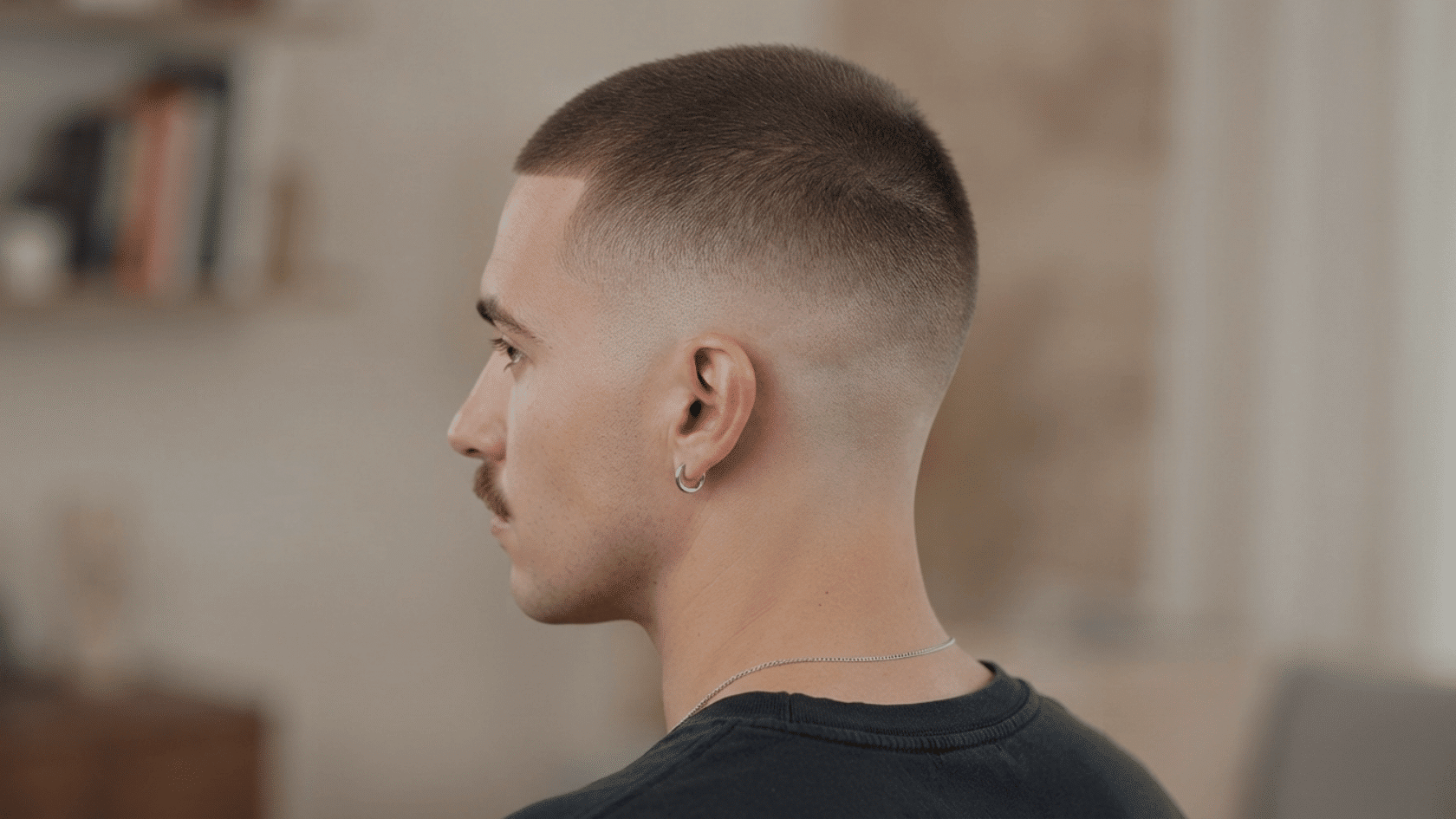
A step above completely bare, this setting keeps a faint shadow of hair across the scalp rather than skin-close exposure. It reads as deliberate and low-maintenance, and reviews commonly note it’s a favorite among people who want a buzz cut with almost no daily upkeep.
- Clipper Guard Number & Size: #1 Guard (1/8 inch or 3 mm)
- Hair Left: Very short
- Suitable Face Cut: Works well for round or oval faces; adds subtle definition without overwhelming softer features
3. Haircut Number 2

This length keeps things short and tidy while covering more scalp than a Number 1. What stands out to me is how versatile it is, clean enough for a classic buzz cut, but with just enough coverage to soften harsher angles on the head.
- Clipper Guard Number & Size: #2 Guard (1/4 inch or 6 mm)
- Hair Left: Short with less scalp visible
- Suitable Face Cut: Flattering on square or diamond faces; balances sharper jaw and cheekbone lines
4. Haircut Number 3
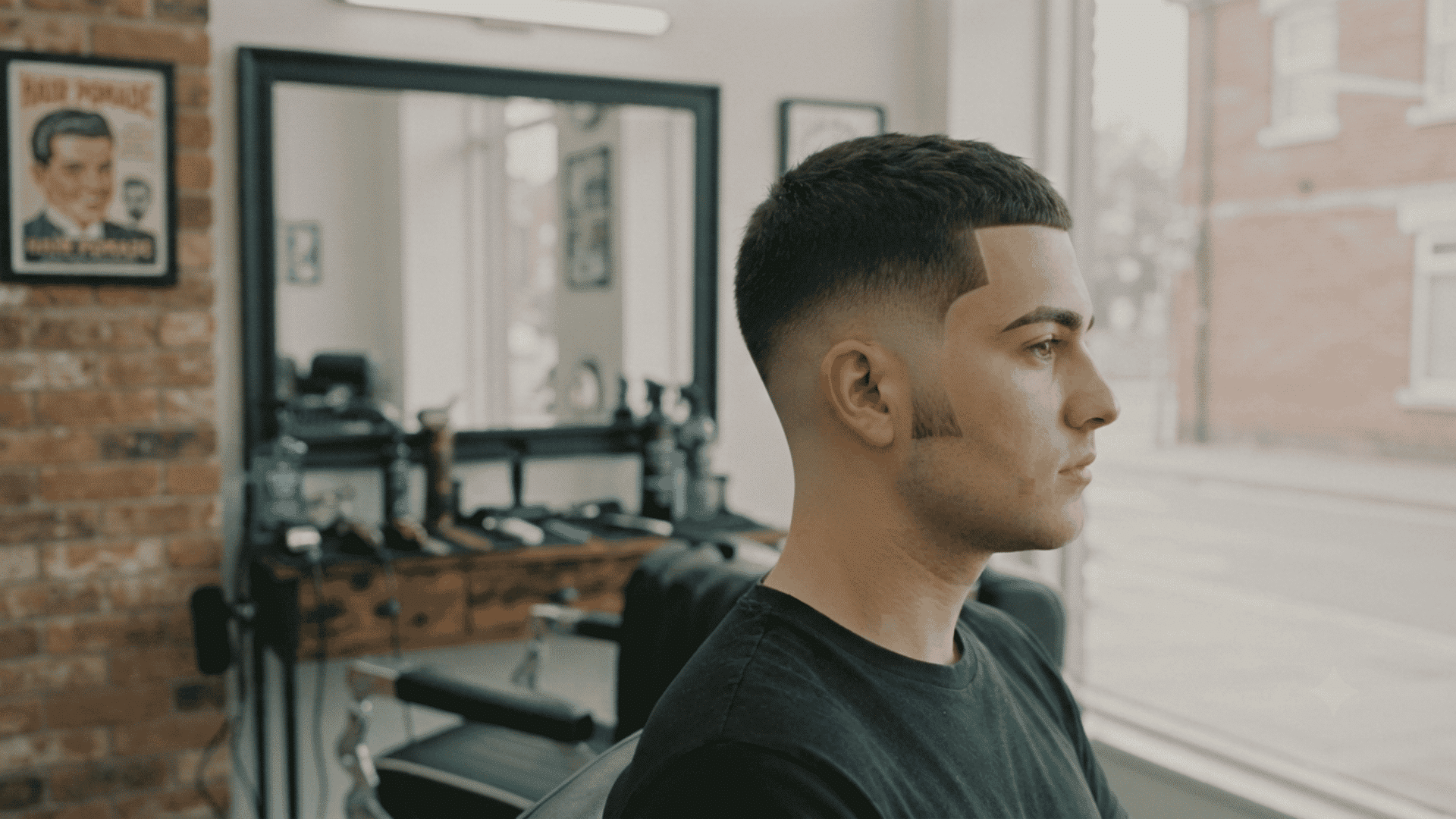
At this length, hair starts to carry a small amount of texture instead of lying completely flat. It’s a popular middle-ground setting for people who want a buzz cut that still shows a bit of natural hair movement rather than a fully shaved appearance.
- Clipper Guard Number & Size: #3 Guard (3/8 inch or 10 mm)
- Hair Left: Neat and clean
- Suitable Face Cut: Suits oval or oblong faces; adds slight volume without extra length on top
5. Haircut Number 4

This is where a cut starts moving away from a true buzz and into crew-cut territory, with enough length to hold some shape. Manufacturer specifications list it as a common baseline for tapered sides paired with slightly longer hair up top.
- Clipper Guard Number & Size: #4 Guard (1/2 inch or 13 mm)
- Hair Left: Crew cut length
- Suitable Face Cut: Ideal for round faces; the added length elongates and structures the overall shape
6. Haircut Number 5
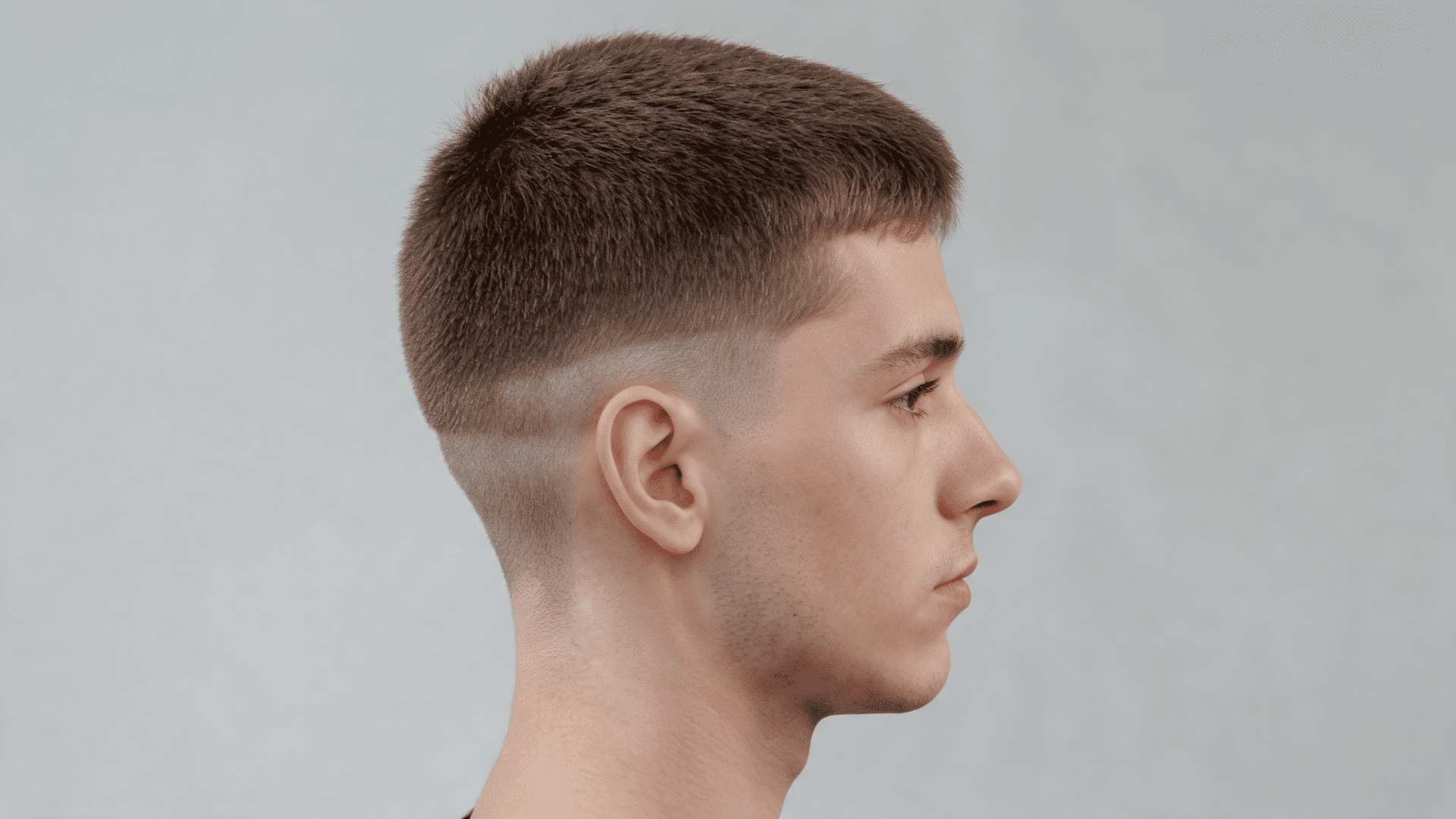
At this setting, hair is long enough to hold a defined shape and take light styling. It works particularly well as the transition length in a tapered cut, giving barbers room to blend shorter sides into a fuller top section smoothly.
- Clipper Guard Number & Size: #5 Guard (5/8 inch or 16 mm)
- Hair Left: Slightly fuller, taper-ready
- Suitable Face Cut: Complements heart-shaped or triangular faces; softens a narrower chin
7. Haircut Number 6
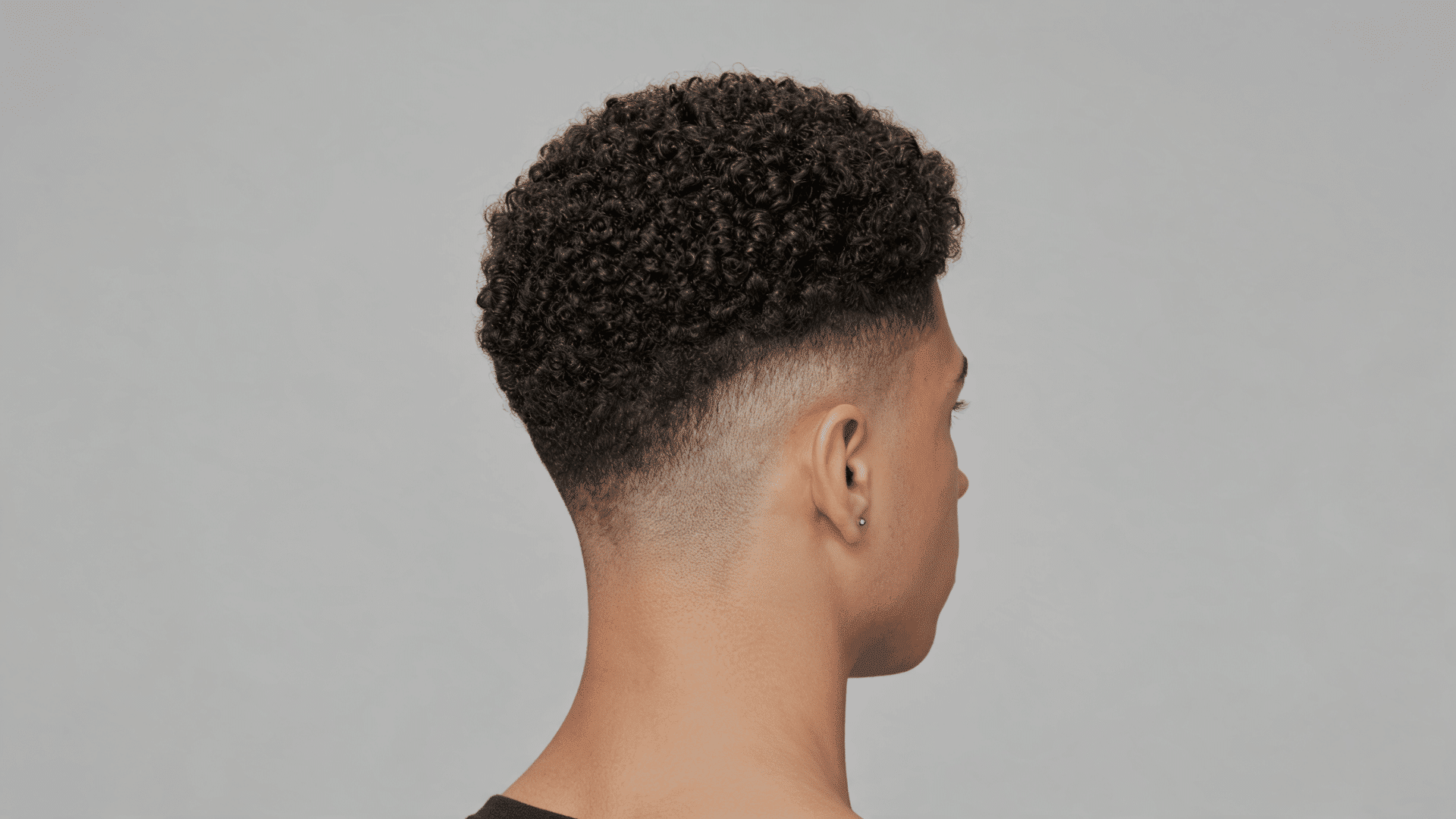
This guard leaves enough length for hair to be brushed, combed, or textured into place rather than sitting flat. It works well for anyone who wants a low-maintenance base that still allows some styling flexibility day to day
- Clipper Guard Number & Size: #6 Guard (3/4 inch or 19 mm)
- Hair Left: Fuller and style-ready
- Suitable Face Cut: Works well on long or oblong faces; adds width and balance at the sides
8. Haircut Number 7
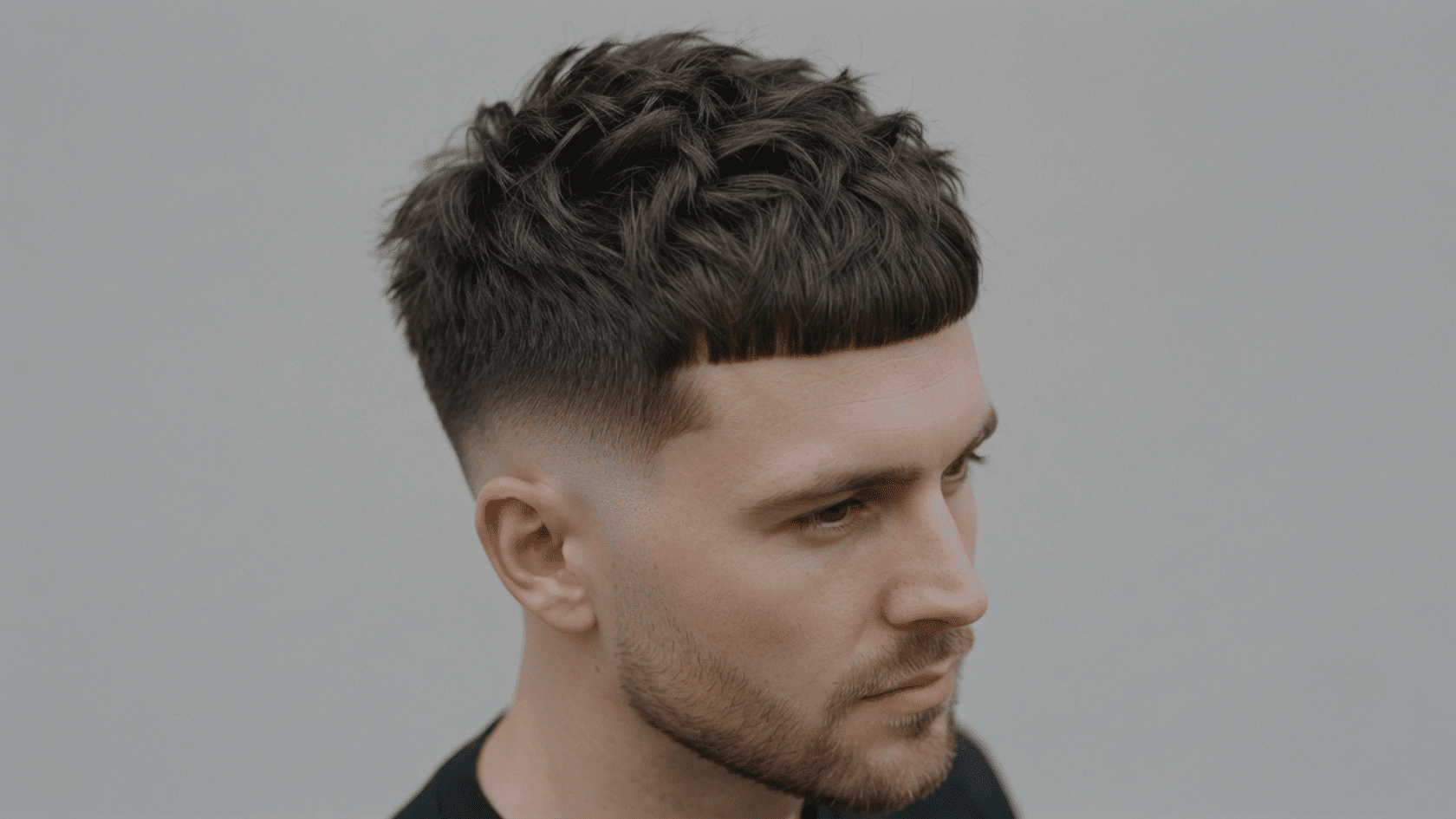
This is the longest of the standard guard sizes, leaving a short-to-medium length with natural volume and movement.
- Clipper Guard Number & Size: #7 Guard (1 inch or 25 mm)
- Hair Left: Longest standard guard length
- Suitable Face Cut: Flattering on oval or heart-shaped faces; provides enough volume to add balance up top
9. Haircut Number 8
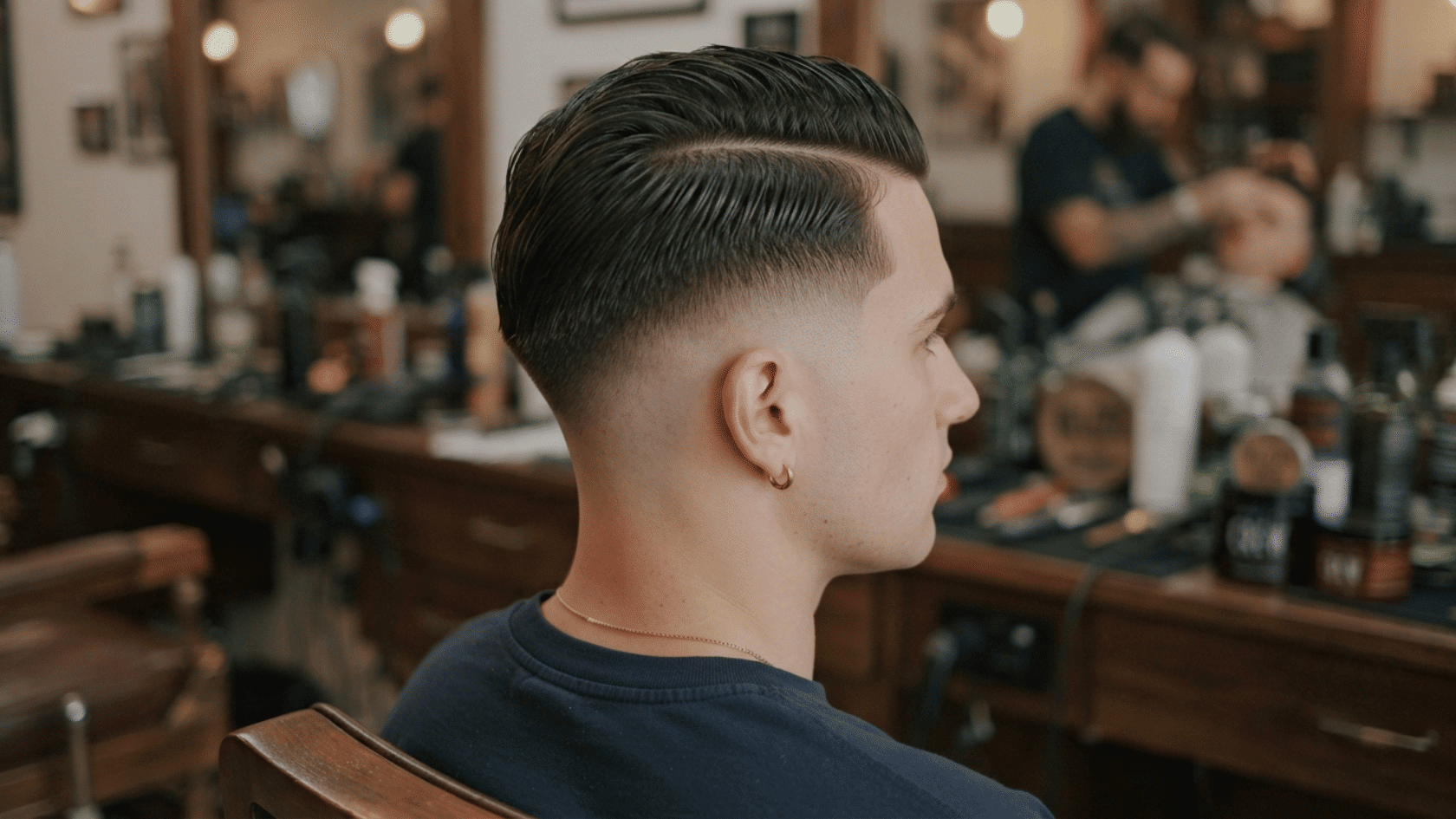
This is the longest of the standard guard sizes, leaving a short-to-medium length with natural volume and movement. It’s typically the last stop before switching from clippers to scissors, since most kits don’t include guards beyond this size.
- Clipper Guard Number & Size: #8 Guard (1 inch or 25 mm)
- Hair Left: Longest standard guard length
- Suitable Face Cut: Flattering on oval or heart-shaped faces; provides enough volume to add balance up top
A haircut number makes clipper choices easier by showing exact lengths, styling options, and the best fits for different face shapes and preferred looks.
Haircut Number for Specific Styles
Different styles require different clipper lengths, ranging from 0 to 8. A mixed look like a mullet fade blends several at once, faded short sides with deliberate length left at the back.
This chart shows common haircut number choices and how each length supports a specific style:
| Style | Haircut Number (0–8) | Why This Works |
| Buzz Cut | 1–3 | Even short length all over keeps it clean, simple, and easy to maintain. |
| Crew Cut | 3–4 | Slightly longer top with shorter sides creates a natural shape without a strong contrast. |
| Ivy League | 4–6 | Leaves enough length on top to part or comb while keeping the sides neat. |
| High And Tight | 0–2 | Very short sides make the top stand out for a sharp, structured look. |
| Low Fade | 0–3 | Gradual blend from very short near the neckline into a fuller top. |
| Mid Fade | 0–4 | Fade starts higher, providing greater contrast and a more modern definition. |
| High Fade | 0–5 | A big difference between the short sides and the longer top for bold impact. |
| Taper Cut | 1–4 | Subtle shortening around edges keeps the haircut clean but soft. |
| Caesar Cut | 3–5 | Medium-short length works well with a short fringe in front. |
| Short Pompadour | 5–8 | A longer top allows volume and styling while the sides stay controlled. |
These numbers are starting points, not strict rules. Your hair thickness and texture can make the same number look slightly different.
Note: These style to number pairings reflect common industry convention rather than fixed rules, so results will still depend on a barber’s technique and how your specific hair responds to a given guard.
Common Haircut Number Combinations (What to Ask For)
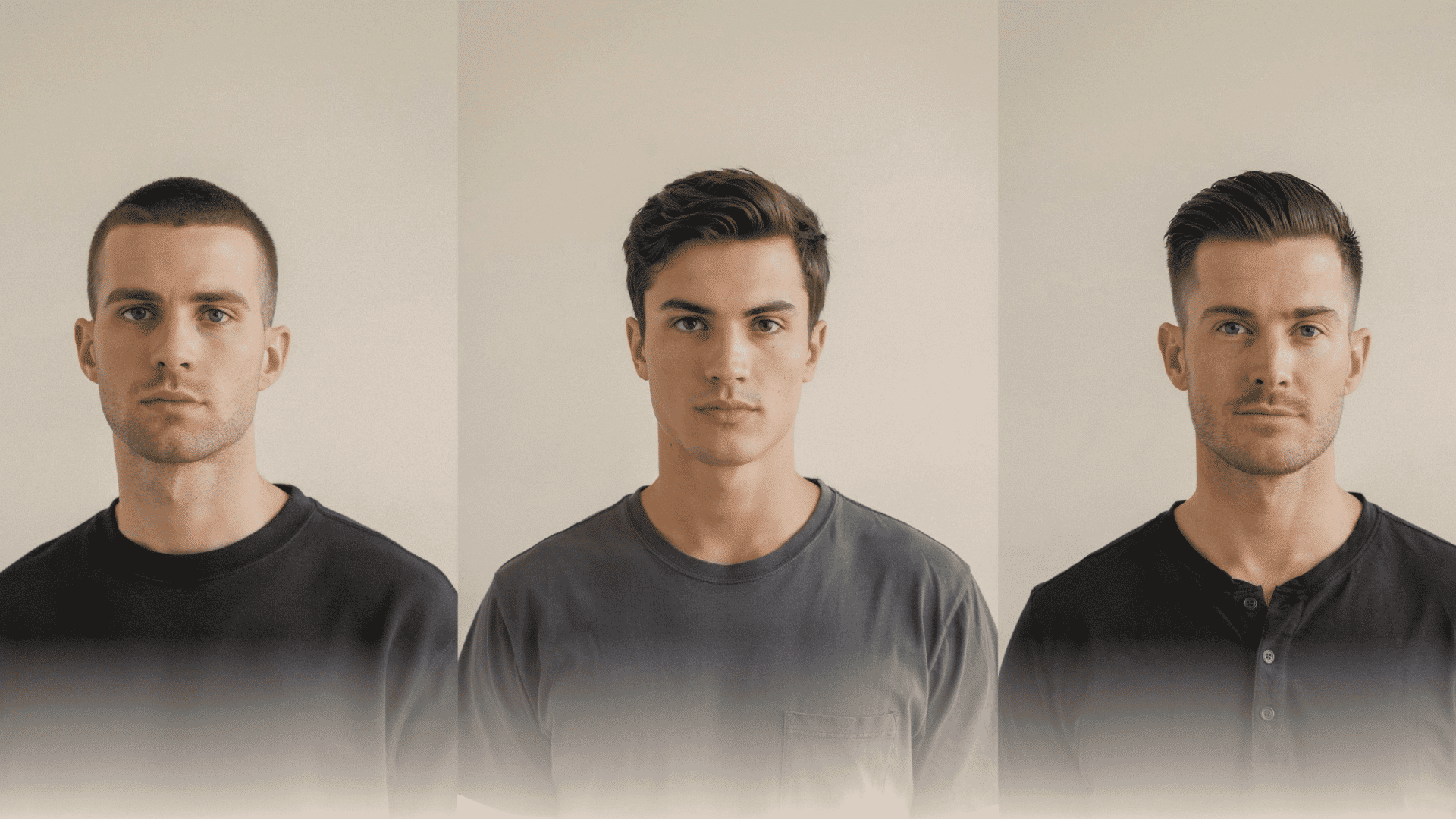
High Contrast Styles: Ask for a skin fade on the sides with a 3 or 4 on top, or a 1 with a 5 or 6, for bold definition. A mullet fade pushes it further, with tight faded sides and length kept long at the back.
- Short and Clean: Pair a 1 or 2 on the sides with a 2 or 3 on top, or run a 2 all over for a tight, low-maintenance buzz cut with subtle structure.
- Balanced Look: Combine a 2 or 3 on the sides with a 4 or 5 on top, or request a low fade from 1 to 3 for natural shape and body.
- High Contrast Styles: Ask for a skin fade on the sides with a 3 or 4 on top, or a 1 with a 5 or 6, for bold definition.
Choosing the right combination of a haircut number comes down to how much contrast you want between sides and top; small gaps stay subtle, while bigger gaps create a sharper, more defined shape.
Recommendation: I’d suggest starting longer if you’re unsure, thick hair looks fuller at the same number, while thinner hair tends to show more scalp.
Do Haircut Numbers Work the Same for All Men’s Hair Types?
They represent a fixed length regardless of hair type, but the same number can look different depending on texture and thickness.
A number 2, for example, always leaves about 1/4 inch of hair, whether the hair is straight, wavy, curly, or coily. On straight hair, that length lies flat and looks very short.
On coily or curly hair, the same number appears fuller due to natural shrinkage and volume. This means two men asking for the identical number can walk out with noticeably different results.
Hair density plays a role too, since thicker hair often looks fuller at the same setting compared to finer hair.
Tips for Maintaining Your Cut
A haircut number only looks sharp right after the appointment unless a proper routine keeps it structured and clean in between visits.
- Consistent Trim Scheduling: Book touch-ups every 3-4 weeks for short numbers, or 5-6 weeks for fuller lengths, to keep shape intact.
- At Home Edge Cleanup: Use a trimmer at home to maintain the neckline and edges, keeping lines sharp between professional barber visits.
- Texture Defining Products: Apply a light styling product on higher numbers to keep texture defined and prevent hair from looking flat.
- Daily Grooming Habits: Brush or comb hair daily to train growth in one consistent direction, helping the cut hold its shape.
- Scalp and Hair Care: Keep hair clean and moisturized, since dryness makes shorter numbers look dry, uneven, and poorly maintained faster.
Maintaining any haircut number comes down to consistent trims, daily grooming, and proper care between appointments, keeping the style structured and intentional.
Conclusion
Haircut numbers are a simple system once broken down, but they carry real weight in shaping how a cut ultimately looks and wears over time.
Lower numbers strip things back to something clean and structural, while higher numbers leave room for texture, movement, and personal styling.
Treat the numbers less like fixed rules and more like a working vocabulary for communicating exactly how you want it, rather than describing it vaguely. Choosing the right combination based on your hair type, face shape, and maintenance routine can help create a balanced result.
If you’ve tried a particular combination or have questions about your own cut, drop a comment below. Share what’s worked for you
Frequently Asked Questions
What Number Should I Ask for At the Barber?
Numbers 2 to 4 suit most first-time buzz cuts or trims, while an 8 guard buzz offers a fuller uniform option. Bringing a reference photo alongside the number helps your barber match the exact look.
Can Two Different Clippers Give the Same Haircut Number a Different Length?
Yes, slightly. Most brands follow similar eighth-inch increments, but small manufacturing differences mean a number 3 on one clipper may vary marginally from another.
What Haircut Number Is Best for Thinning Hair?
Numbers 4 to 6 work well for thinning hair, since the added length creates fuller-looking coverage. Very low numbers can expose the scalp more visibly.