


Split ends showing up no matter how careful you are with styling? A common question behind this is how often you should trim your hair.
Most people either wait too long between cuts or trim way more than needed, and both habits hurt hair length and health.
Getting the timing right depends on your hair type, length, and how much daily damage it takes.
Next, I cover exact trim timelines for every hair type, clear signs a cut is due, and what happens when trims get skipped for too long.
How Often Should You Trim Your Hair?
Most stylists recommend trimming hair every 6 to 12 weeks to keep it healthy. This range works well for most hair types without needing anything too strict.
If your goal is growth with minimal length loss, aim closer to 8 to 12 weeks. This gives hair more time to grow while still catching damage early.
Hair grows about half an inch every month, which is a slow and gradual process. Damage from heat, styling, or weather usually starts showing up after 2 to 3 months.
Trimming on this schedule stops split ends from creeping further up the strand. This means you cut off less hair while keeping it healthier overall.
Does Trimming Make Hair Grow Faster?
No, trimming does not make hair grow faster from the scalp. Hair growth rate is controlled by genetics, hormones, and overall health, not by how often you use scissors.
On average, hair grows about half an inch per month regardless of your trim schedule. What trimming actually does is protect the length you already have.
Regular trims work by:
- Removing split ends before they travel further up the strand
- Preventing small damage from turning into breakage
- Keeping ends looking fuller, smoother, and less frayed
- Making hair appear healthier, even if growth speed stays the same
So while trims won’t speed up growth at the root, skipping them too long can cause breakage that cancels out the length you’ve gained. Consistent trims simply help you retain more of the hair you grow.
How Often Should You Trim Your Hair Based on Your Goal?
Your trim schedule should really depend on what you’re trying to achieve with your hair. Here’s how to adjust the timing based on your specific goal:
1. Growing Your Hair Longer
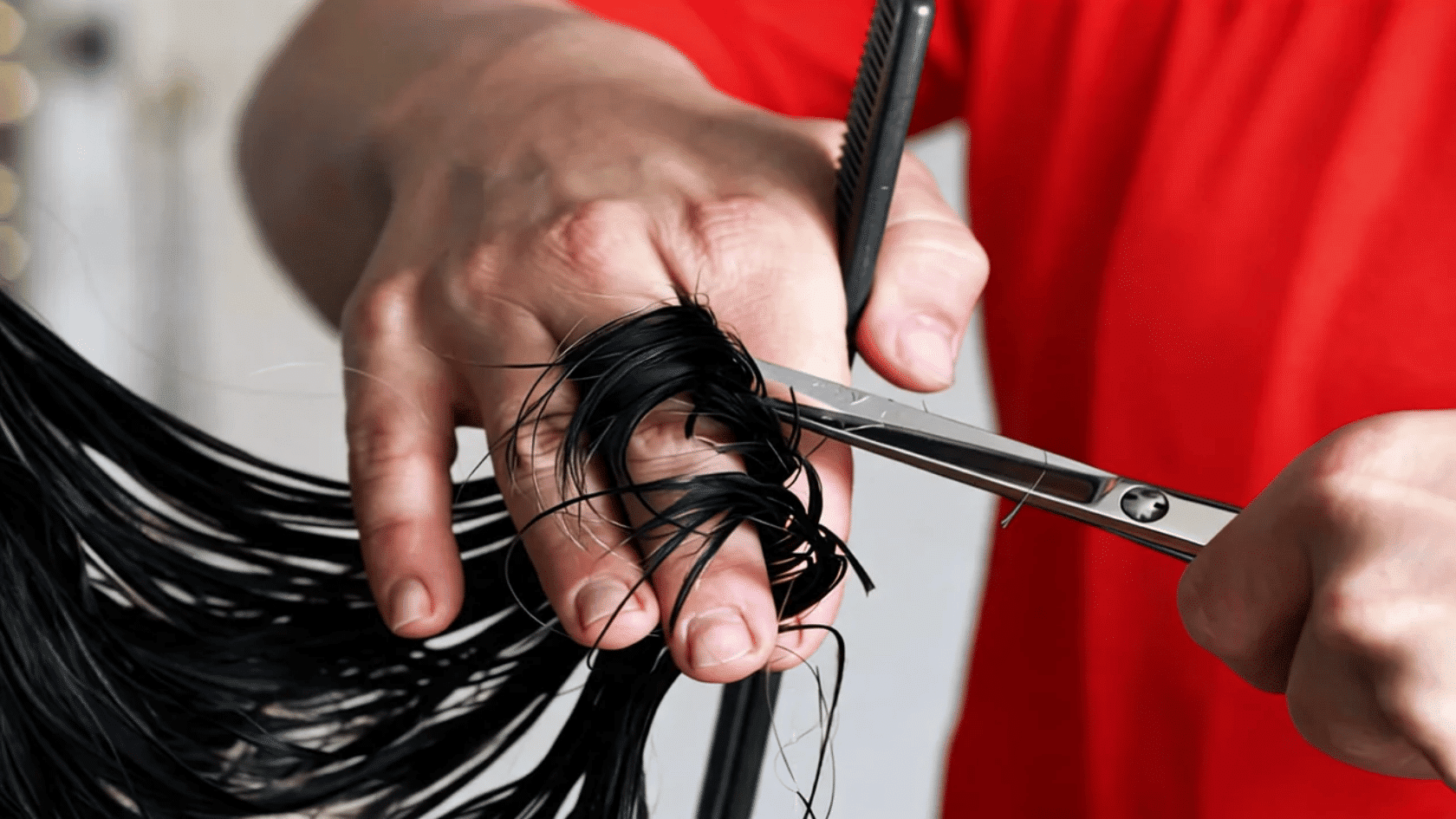
If your goal is longer hair, trim every 8 to 12 weeks. This removes damaged ends while keeping as much length as possible intact.
The main focus here is on preventing breakage. Split ends left untreated will only travel further up the strand, undoing months of growth in the process.
2. Maintaining a Hairstyle
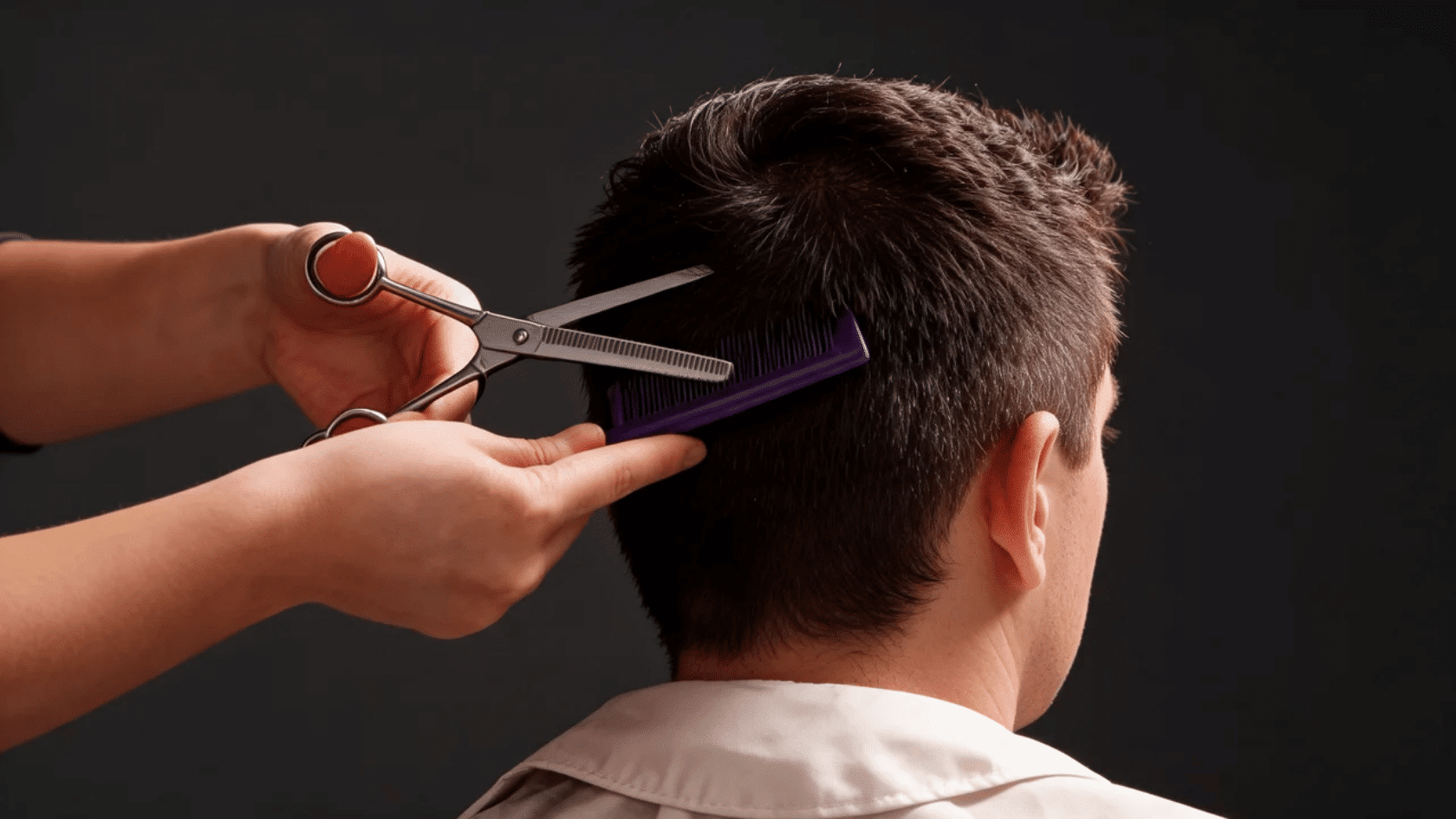
Short cuts and structured styles depend on frequent trims to hold their shape. Without regular upkeep, the style loses its definition and starts looking messy fast.
Sticking to a consistent trim schedule keeps the cut looking sharp. It’s less about growth here and more about preserving the look you already have.
3. Repairing Damaged Hair
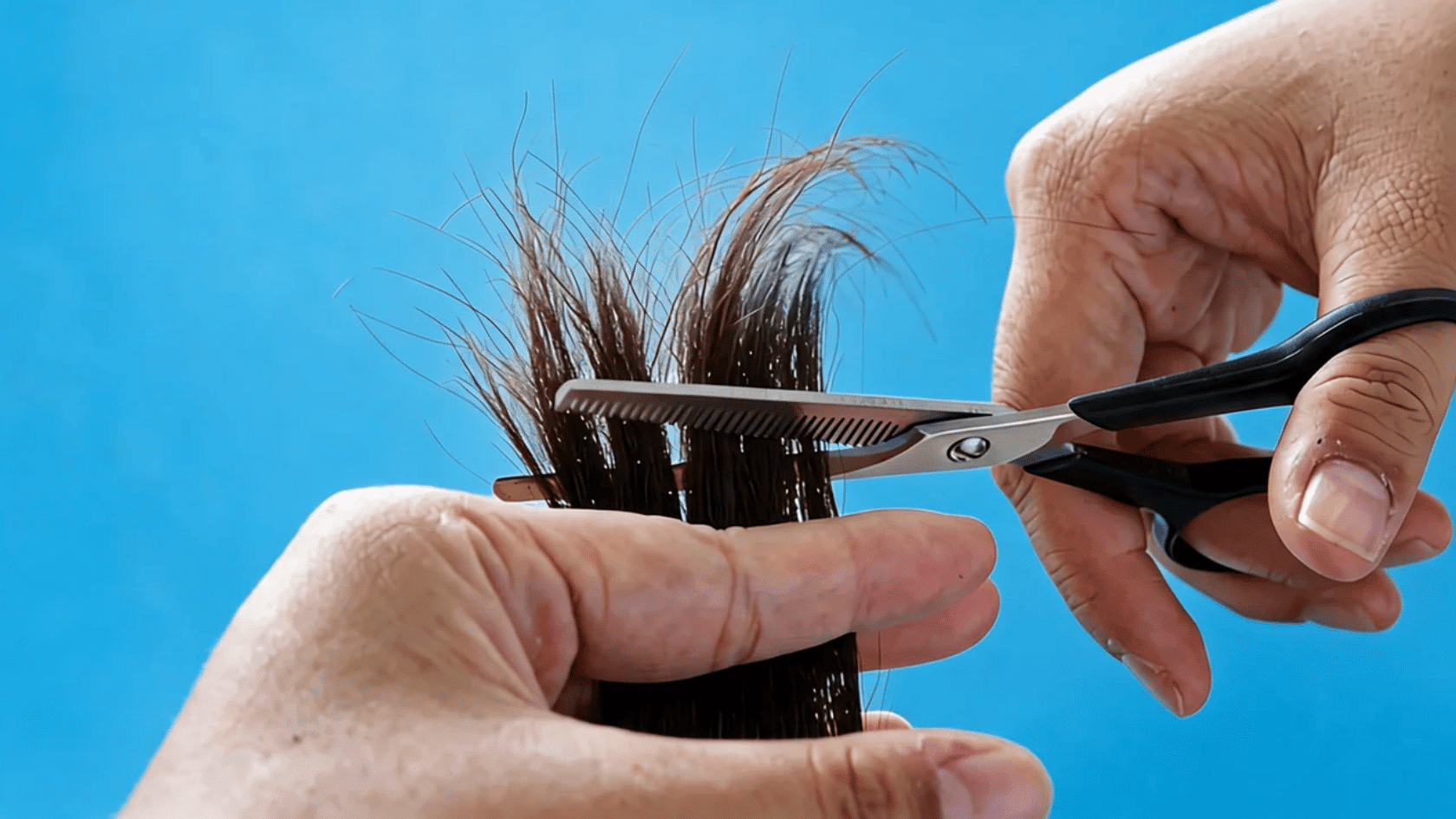
Heat styling, bleach, and other chemical treatments speed up damage and weaken the hair strand. This makes ends more prone to splitting and breaking.
For damaged hair, trim every 6 to 8 weeks until the ends start showing improvement. Cutting away the weak parts gives healthy hair a chance to grow back stronger.
How Often Should You Trim Based on Hair Length?
Hair length plays a big role in deciding how often you should book a trim. Here’s a simple breakdown to help you plan your next salon visit.
| Hair Length | Trim Frequency | Main Focus |
|---|---|---|
| Short Hair | Every 4-6 weeks | Maintaining shape and style |
| Medium Hair | Every 6-10 weeks | Balancing growth and maintenance |
| Long Hair | Every 8-12 weeks | Controlling split ends |
Keep in mind these are general guidelines, and your own hair’s condition can shift the timeline slightly in either direction.
How Hair Type Affects Trim Frequency
Hair length isn’t the only factor that decides how often you should trim. Hair type plays a big role too, since texture affects how easily damage shows up.
1. Straight Hair
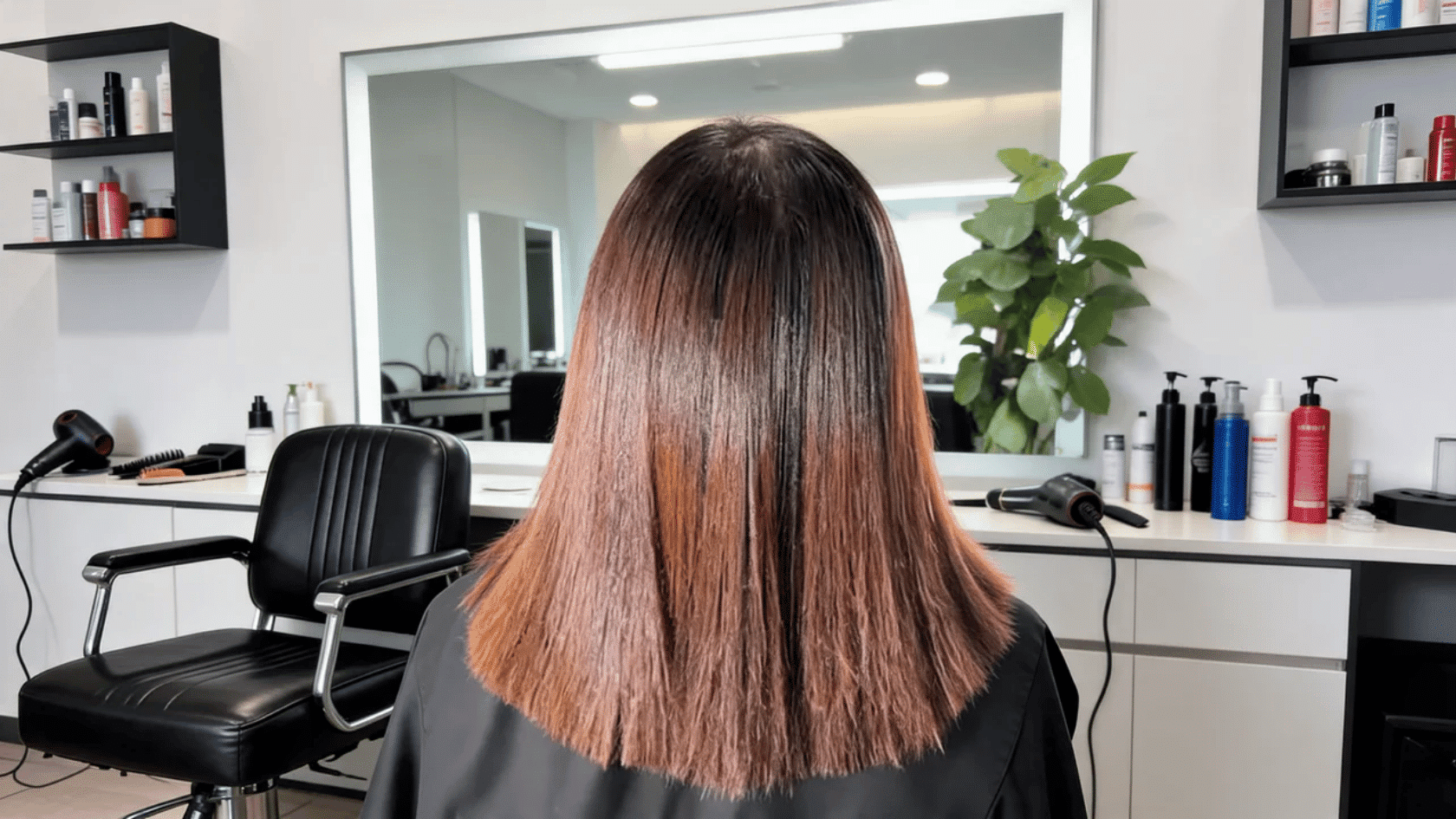
Straight hair has a smooth, flat texture, which means split ends are much easier to spot. There’s no curl pattern or wave to hide frayed or damaged tips.
Because of this visibility, straight hair usually needs a trim every 6 to 10 weeks. Sticking to this range helps prevent small split ends from turning into bigger breakage problems.
2. Wavy and Curly Hair
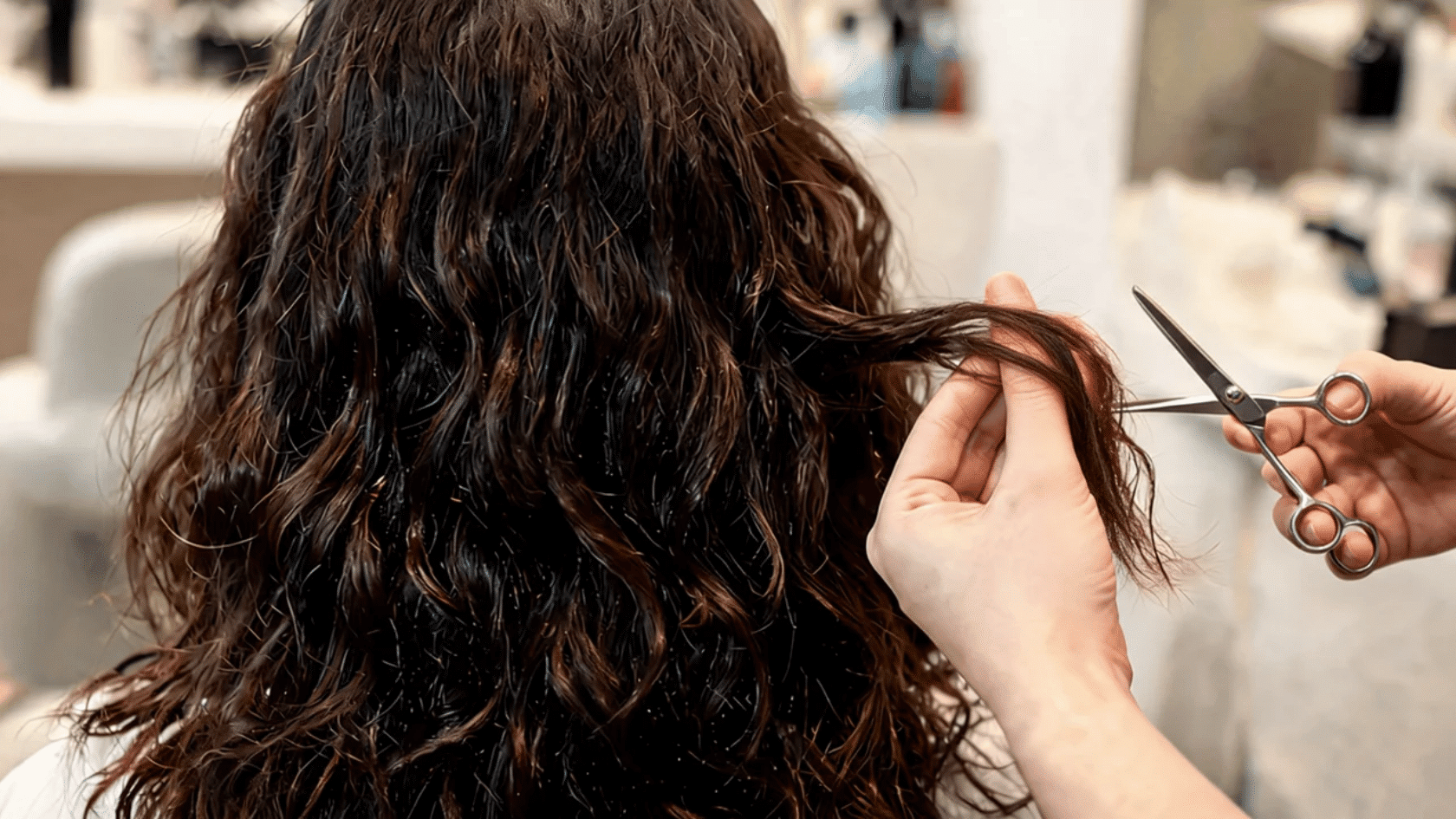
Wavy and curly hair textures are naturally good at hiding damage. The bends and curves in each strand make it harder to notice dryness or split ends right away.
Because of this, wavy and curly hair is usually trimmed every 8 to 12 weeks. The exact timing depends on how dry the hair feels and how much breakage shows up between washes.
3. Coily or Textured Hair
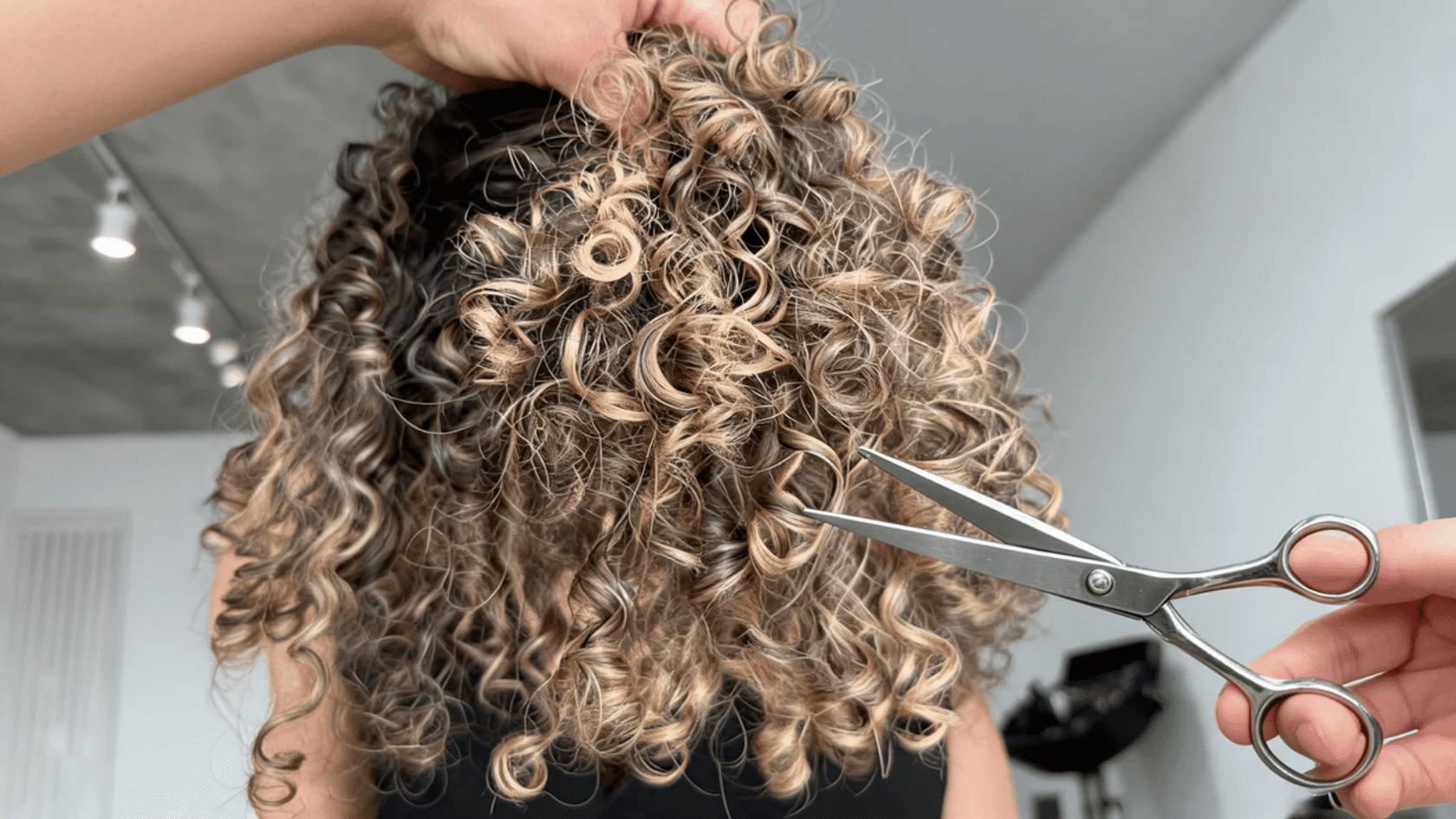
Coily and textured hair often goes the longest between trims compared to other hair types. Shrinkage and tight curl patterns make split ends less obvious at first glance.
That said, timing should still depend on moisture levels and breakage, not just a fixed number of weeks. Well-moisturized coily hair can often stretch out trims, while dry or brittle strands may need attention sooner.
What Happens If You Do Not Trim Your Hair?
Skipping trims for too long affects both the look and health of your hair. The damage builds up slowly, first in small ways, then in harder-to-fix ways.
Short-term Effects:
- Ends become dry to the touch.
- Hair tangles more easily during brushing.
- Texture along the ends feels rough.
Long-term Effects:
- Split ends travel upward along the strand.
- Breakage cancels out the length gained from growth.
- Hair may start looking thinner overall.
Staying on top of trims prevents small damage from turning into bigger problems. A little upkeep now saves a lot more length and health down the road.
Conclusion
The right trim schedule depends on your hair type, length, and how much daily wear and tear it faces. There’s no single perfect number.
Most people do fine trimming every 6 to 12 weeks. Still, keep an eye on split ends and dryness instead of following a fixed date on the calendar.
Trimming at the right time keeps length intact and hair looking healthy. It also stops small damage from turning into bigger breakage later on.
Still unsure how often should you trim? Share your hair type and routine in the comments, and let’s sort out a schedule that actually works for you.
Frequently Asked Questions
Is it Okay to Trim Your Own Hair at Home?
Trimming at home works fine for small touch-ups, like snipping away a few split ends. But shaping, layering, or anything more detailed gets tricky without training, so it’s best left to a professional stylist.
Does Washing Hair Before a Trim Matter?
Most stylists prefer working with clean, slightly damp hair since split ends show up more clearly and cuts come out even. Hair that’s too dirty or soaking wet can throw off accuracy and mess up the final result.
Do Kids Need Trims as Often as Adults?
Kids’ hair usually grows faster and goes through less heat styling or chemical damage than adults’ hair. Because of this, trims every 3 to 4 months are typically enough, unless the ends start looking rough or uneven.