
Your hairline doesn’t lie, but your haircut can.
Most men notice thinning hair in the worst possible moment: a photo from behind, harsh bathroom lighting, or a friend’s offhand comment.
The instinct is to grow it out, comb it over, or hide under a hat. None of that works for long.
What actually changes the picture is choosing hairstyles for men with thinning hair that match exactly where the thinning shows up, not a style copied from someone with a completely different pattern.
A receding temple needs a different fix than a thinning crown, and a thinning crown needs a different fix than density loss spread evenly across the scalp. Once you know your pattern, the right cut becomes obvious.
How to Choose the Right Cut Based on Where You’re Thinning
Not all thinning looks the same or sits in the same place.
Before picking a cut, identify your pattern, and if you’re unsure, your barber can tell you in thirty seconds. Choosing based on pattern rather than preference is the single biggest upgrade most men can make.
Here’s how you can choose one for yourself:
| Thinning Pattern | What It Looks Like | Main Goal | Best Cutting Approach |
|---|---|---|---|
| Receding Hairline | Hairline moves back at the front and temples, creating visible edge contrast | Reduce sharp hairline contrast. | Keep the front lighter, with textured or fringed styles. Avoid heavy forward-combed coverage that adds weight and highlights recession when hair moves. |
| Crown Thinning | Density loss at the back top (crown), often unnoticed until seen in photos or mirrors | Add height and texture at the crown area. | Build volume at the top-back using layered or textured cuts. Avoid flat styling that exposes the crown area |
| Overall Density Loss | Even thinning across the entire scalp with no single focal area | Create uniform lift and texture across the whole head | Use short, structured cuts with consistent texture. Reduce overall length when needed to avoid visible scalp exposure |
Best Haircuts for Receding Hairline
Growing hair forward to hide recession adds weight to the front and makes the hairline more visible the moment the hair shifts.
A better approach is to reduce the contrast at the temple edges and pull the eye upward, which is exactly what these six cuts are designed to do.
1. High Skin Fade
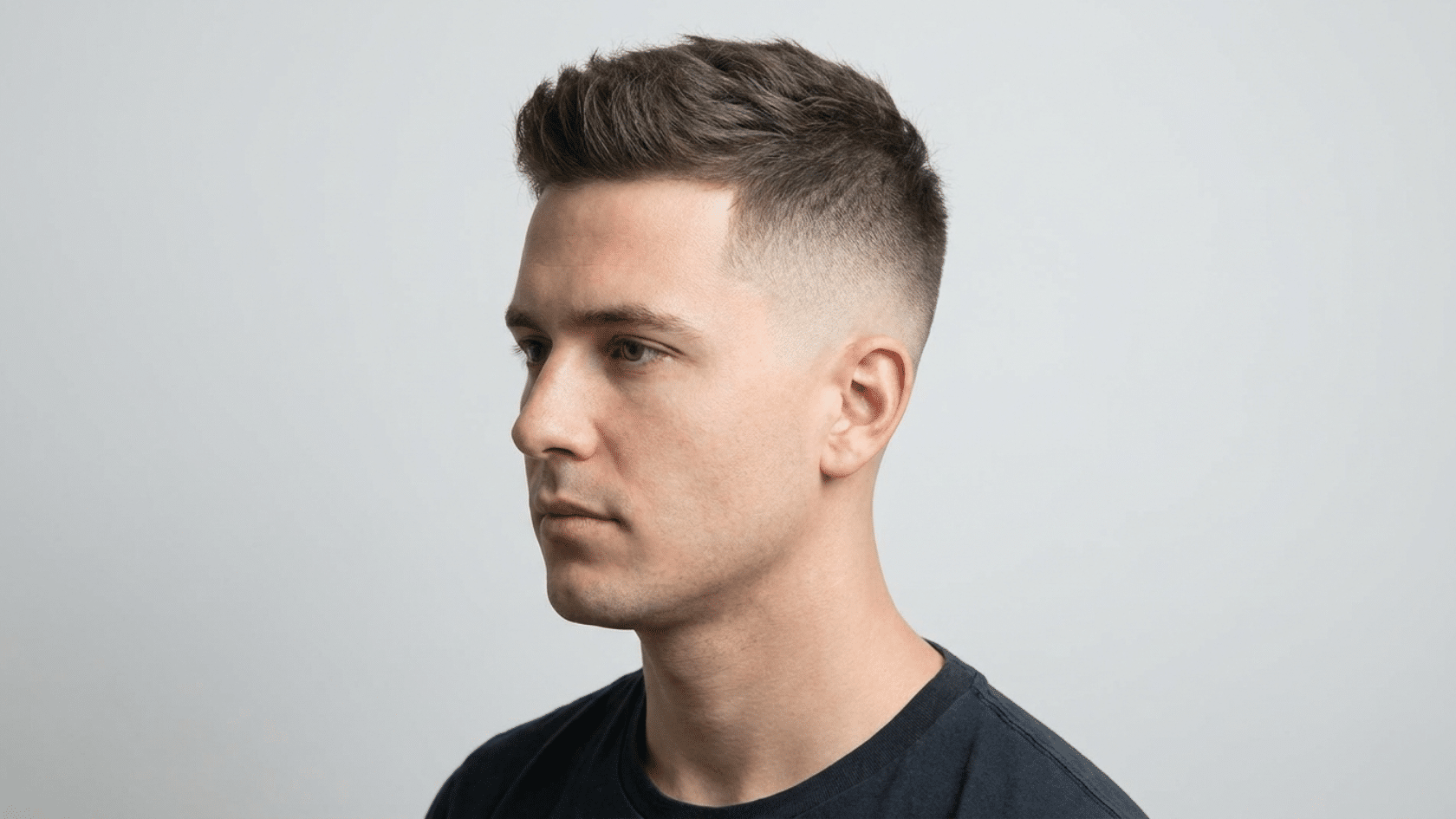
A graduated cut that tapers the sides and temples down to skin level, leaving more length on top.
The fade eliminates the harsh visible contrast line right where temple recession is most obvious; there’s no edge to notice when the transition is gradual.
Styling Product: Matte texturizing powder. It adds grip and separation without bonding strands together.
2. Burst Fade
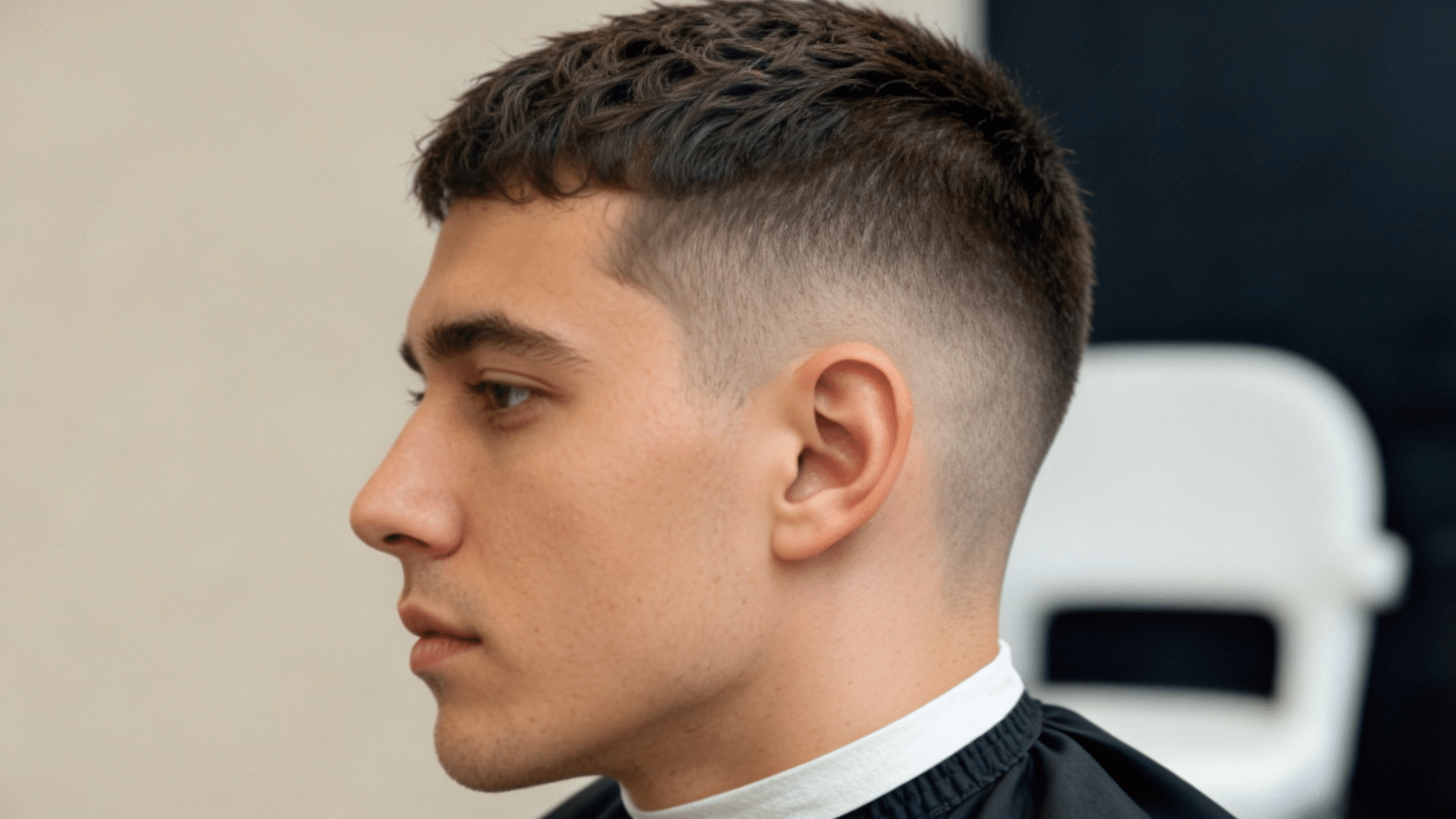
Ultra-short sides that curve around the ear in a semicircular arc, with longer length on top. The arc shape draws the eye inward and upward rather than outward toward the receding temples.
Styling Product: Sea salt spray. It has a light hold and adds texture without weighing the top section down.
3. Caesar Cut

Short, even length on top with a forward-brushed fringe that sits just above the brow.
The forward-directing fringe actively conceals hairline recession without requiring length. It covers the area without the weight that exposes it when the hair moves.
Styling Product: Light matte paste. It holds the fringe forward without stiffness or clumping.
4. Textured Fringe
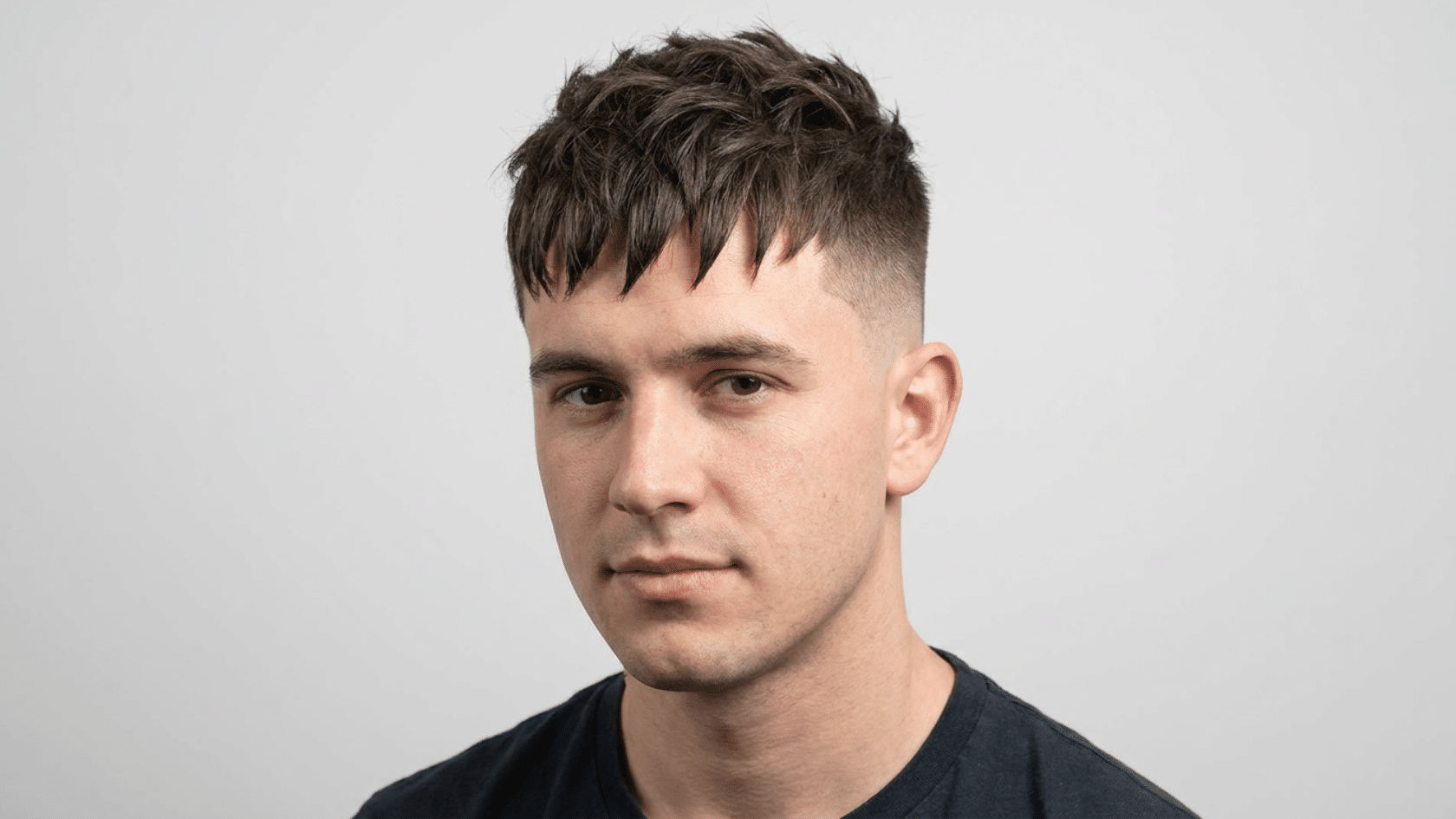
Short choppy layers on top with an irregular, forward-falling fringe. The uneven fringe edges break up the visual line of the hairline, making it harder to trace where natural hair ends and recession begins.
Styling Product: Texturizing powder at the roots. It gives the fringe pieces separation and movement.
5. Line Up
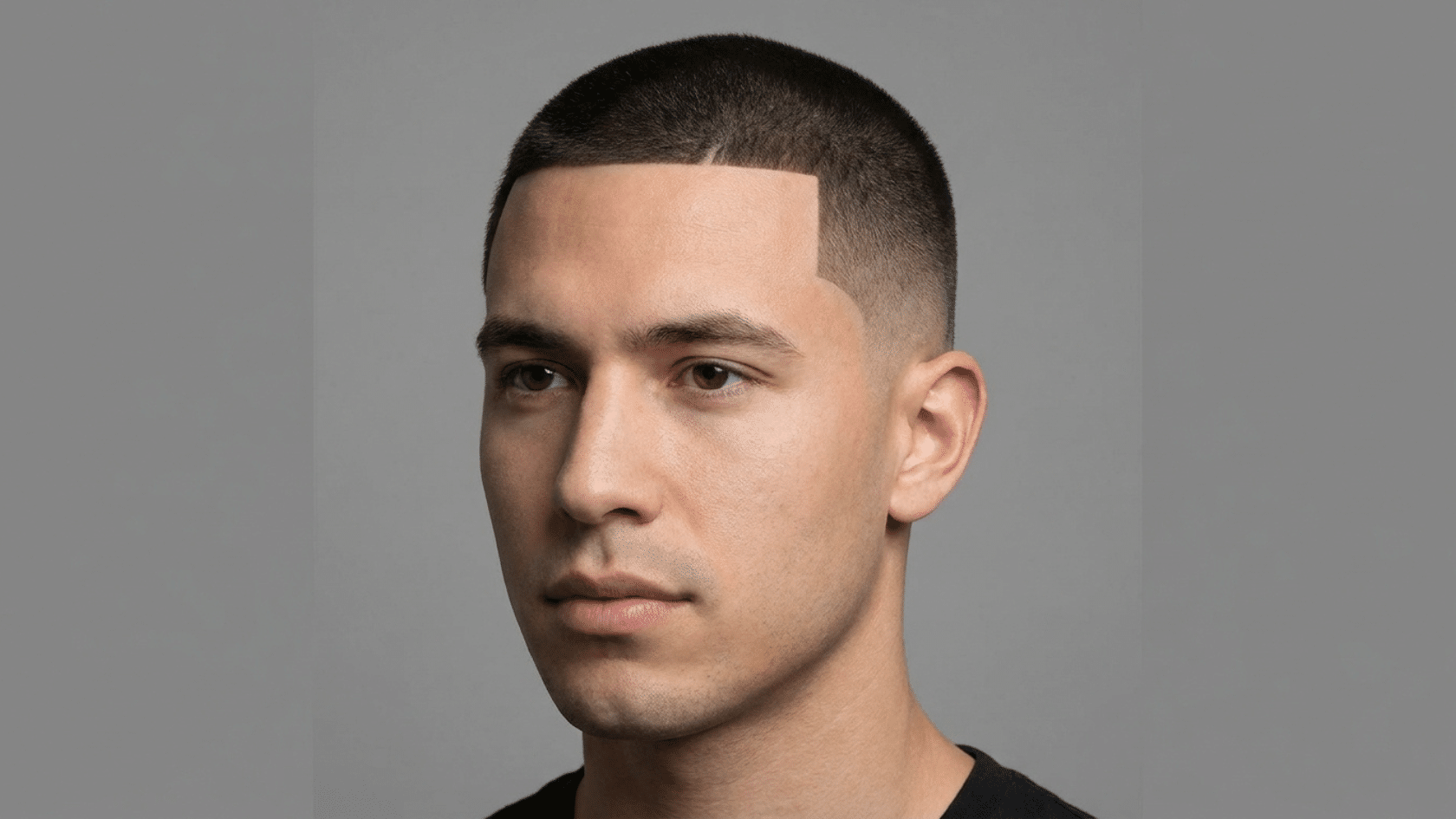
A buzz or close cut where the natural hairline is precisely straightened into one clean, defined edge. Instead of hiding the recession, it reframes it as an intentional, sharp design choice.
It helps in eliminating the appearance of an uneven or retreating line entirely.
Styling Product: None needed. The precision of the shape is the style.
6. Side Part
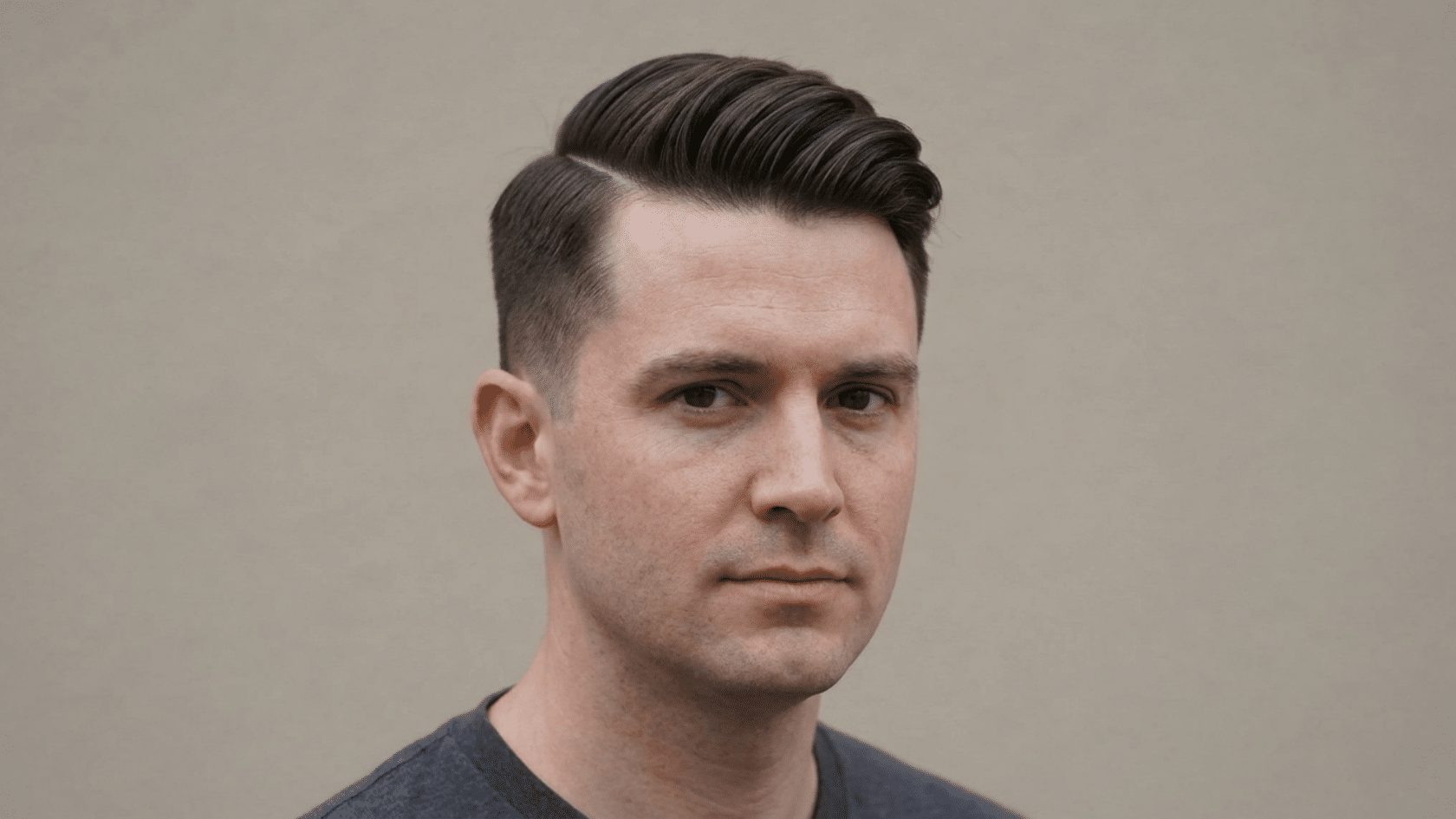
Hair is firmly guided to one side with a defined parting line, creating structured volume over the weaker-hairline side.
A deliberate side part redirects visual weight inward, covering the temple area naturally without growing the hair long enough to expose the recession when it moves.
Product: Matte molding paste. The light hold that keeps the part in place without shine or heaviness.
Best Haircuts for Crown Thinning
Crown thinning catches men off guard because it’s behind your natural line of sight; you often don’t notice it until someone else does or a photo appears.
Unlike hairline cuts that redirect the eye away from edges, crown cuts must add height and texture directly over the thin zone, making it appear fuller from above.
7. Textured Crop
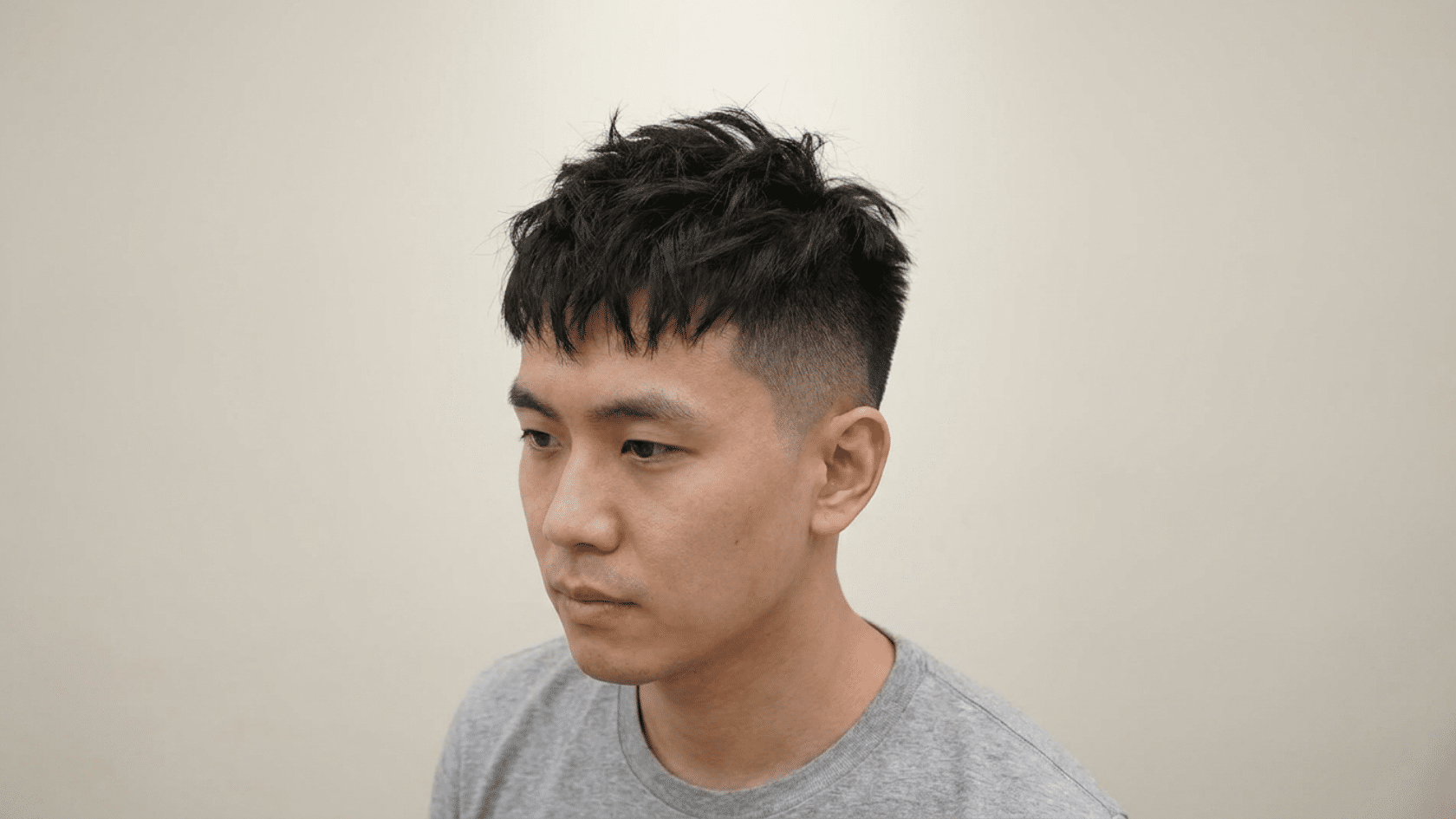
Short all over with choppy, uneven layers on top and a tight fade on the sides. The choppy top layers sit up and away from the scalp at the crown, adding visible lift exactly where the density loss is concentrated.
Product: Texturizing powder for dry hair. The heavy wax will collapse the layers flat and defeat the purpose entirely.
8. Classic Quiff
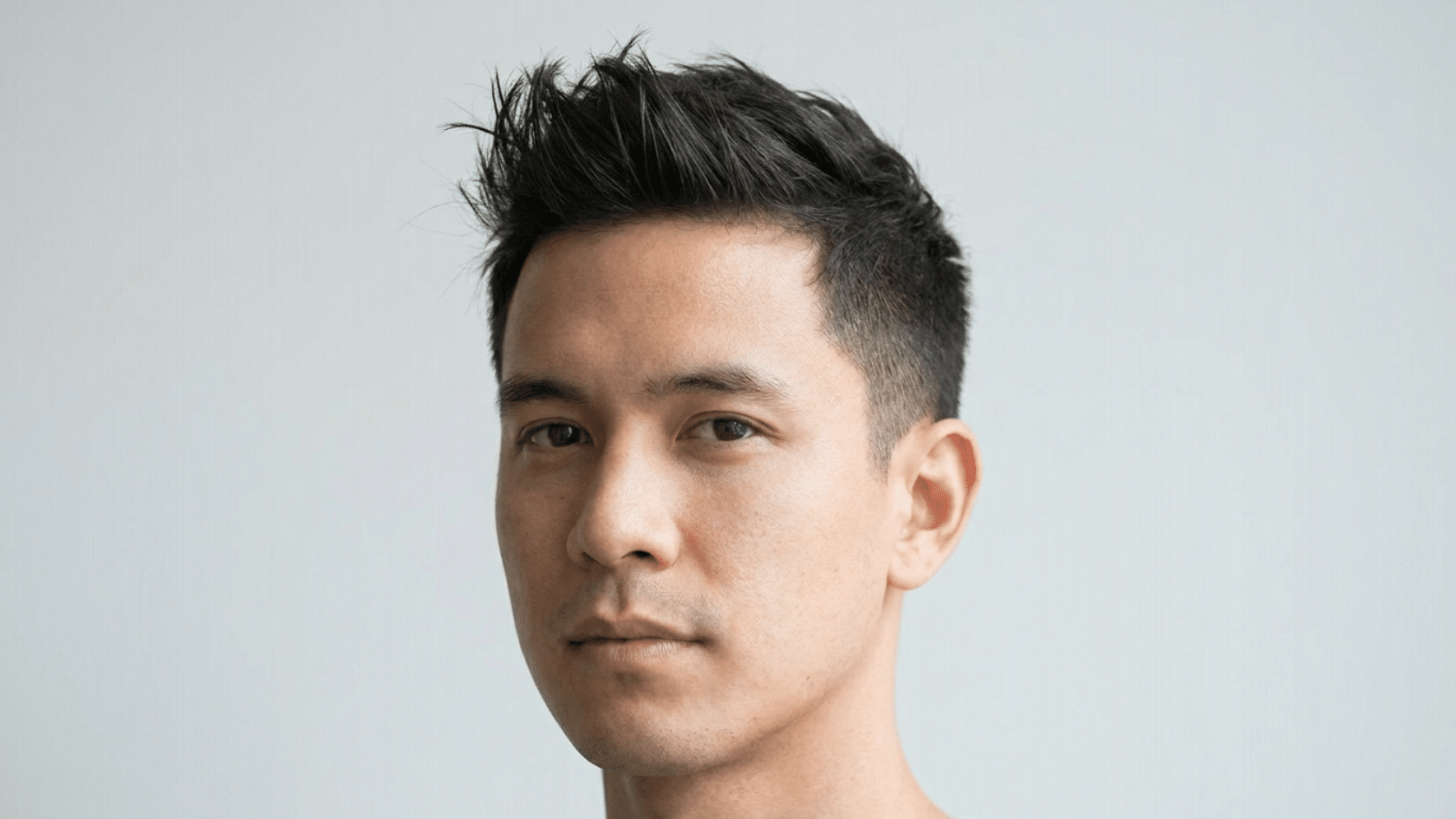
Longer strands at the front brushed upward and back, with shorter sides. Fine hair actually holds a quiff better than thick hair.
Lightweight strands stand easily and don’t collapse under their own weight, building real height at the front-crown zone.
Product: Matte paste worked into damp roots, then blow-dried upward. The drying step sets the lift.
9. Pompadour
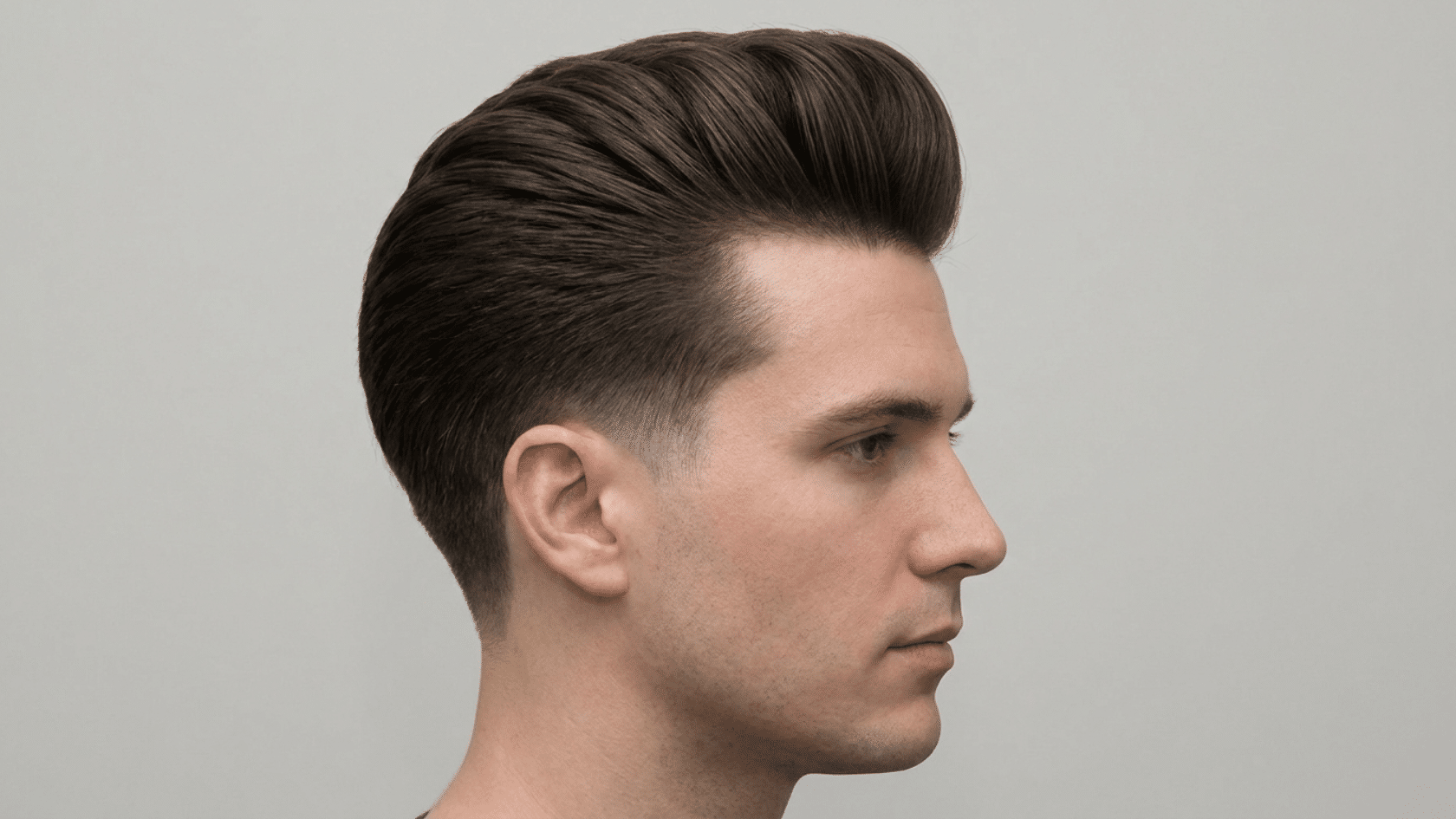
A lifted, voluminous front section with faded sides that creates dramatic height right where crown thinning is most visible.
The fade blends any recession into the overall shape, so nothing looks abrupt.
Product: Medium-hold matte paste has enough grip to maintain height and is light enough not to weigh the lifted section down.
10. Faux Hawk
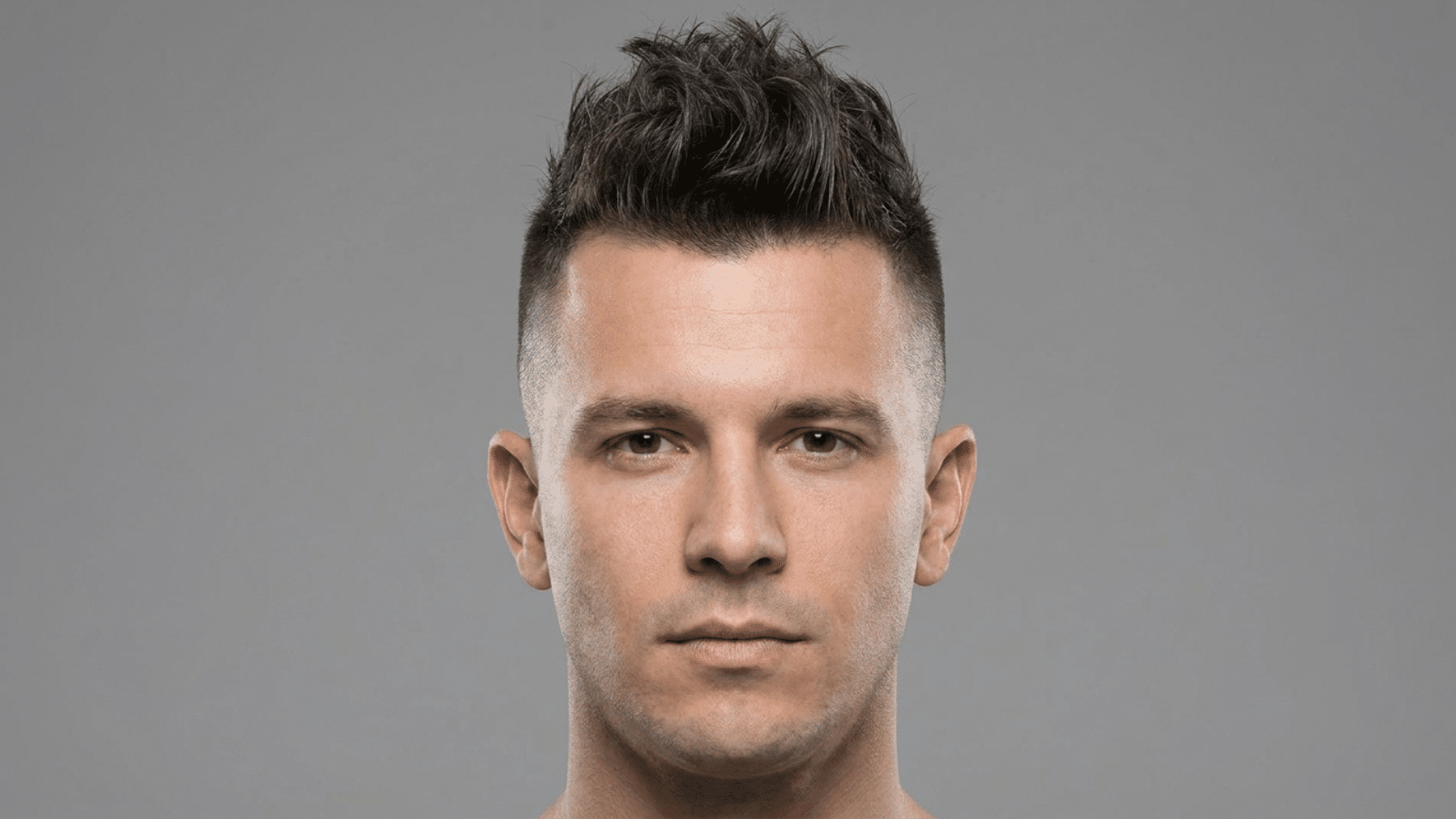
Shaved or very close-cropped sides with a textured, lifted strip running center-top from front to crown.
The lifted center runs directly over the crown thinning zone, making the thin area appear intentionally styled rather than sparse.
Styling Product: Texturizing powder or light gel on the center strip only; keep the sides clean.
11. Crew Cut
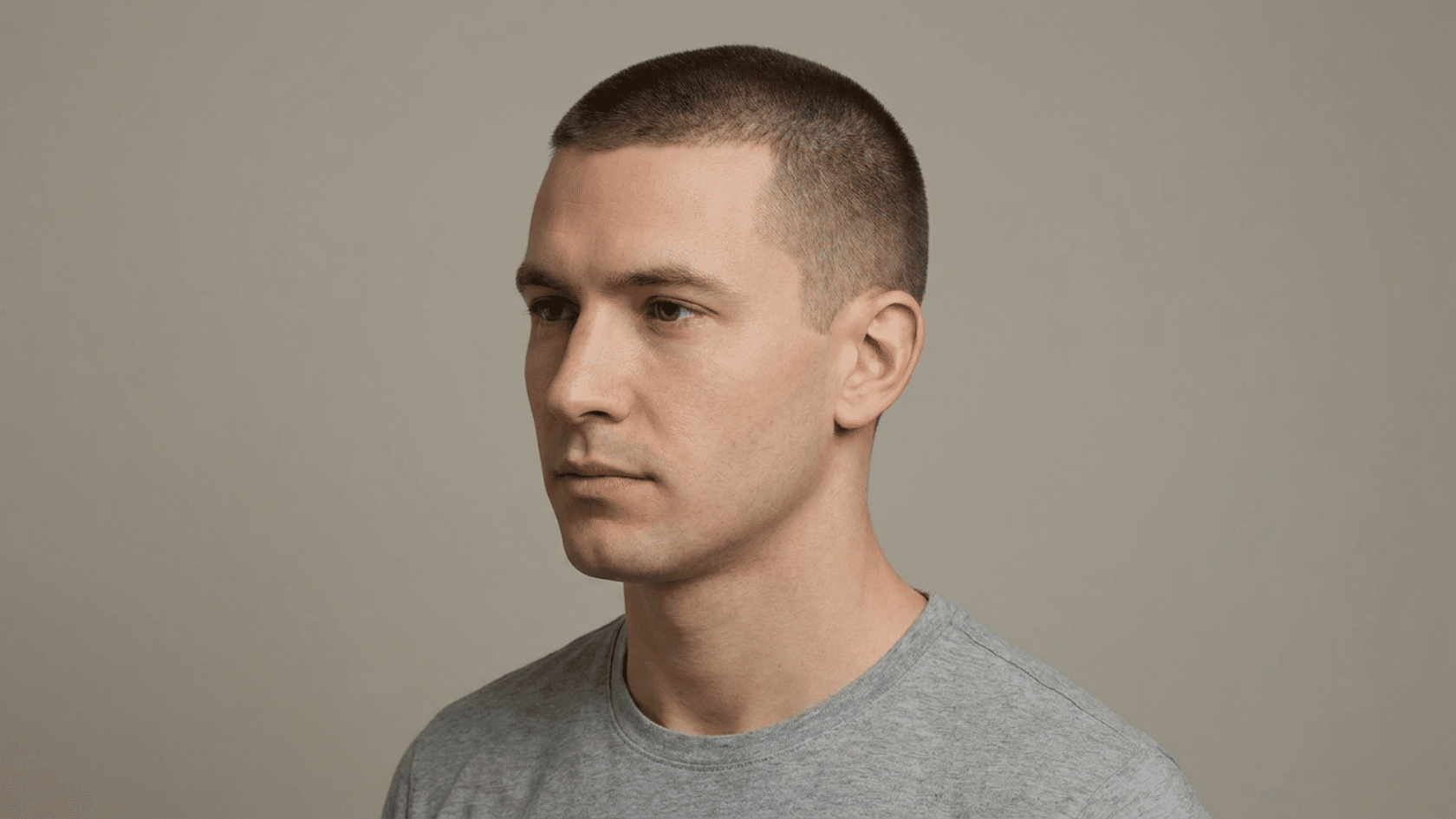
Short and even on top with clipped sides, reducing contrast between areas of different density.
The uniform length means there’s no longer a top that can shift and expose the crown, making sparse areas far less noticeable.
Product: Matte wax or light paste; apply minimally to avoid clumping the short top strands.
Best Haircuts for Overall Density Loss
Overall thinning is the hardest pattern to style because there’s no single zone to redirect attention from; the thinning is everywhere.
The solution is global lift and texture throughout, or at higher severity, deliberate length reduction that makes the thinning an intentional aesthetic rather than something that’s slipping away.
12. Scissor Cut
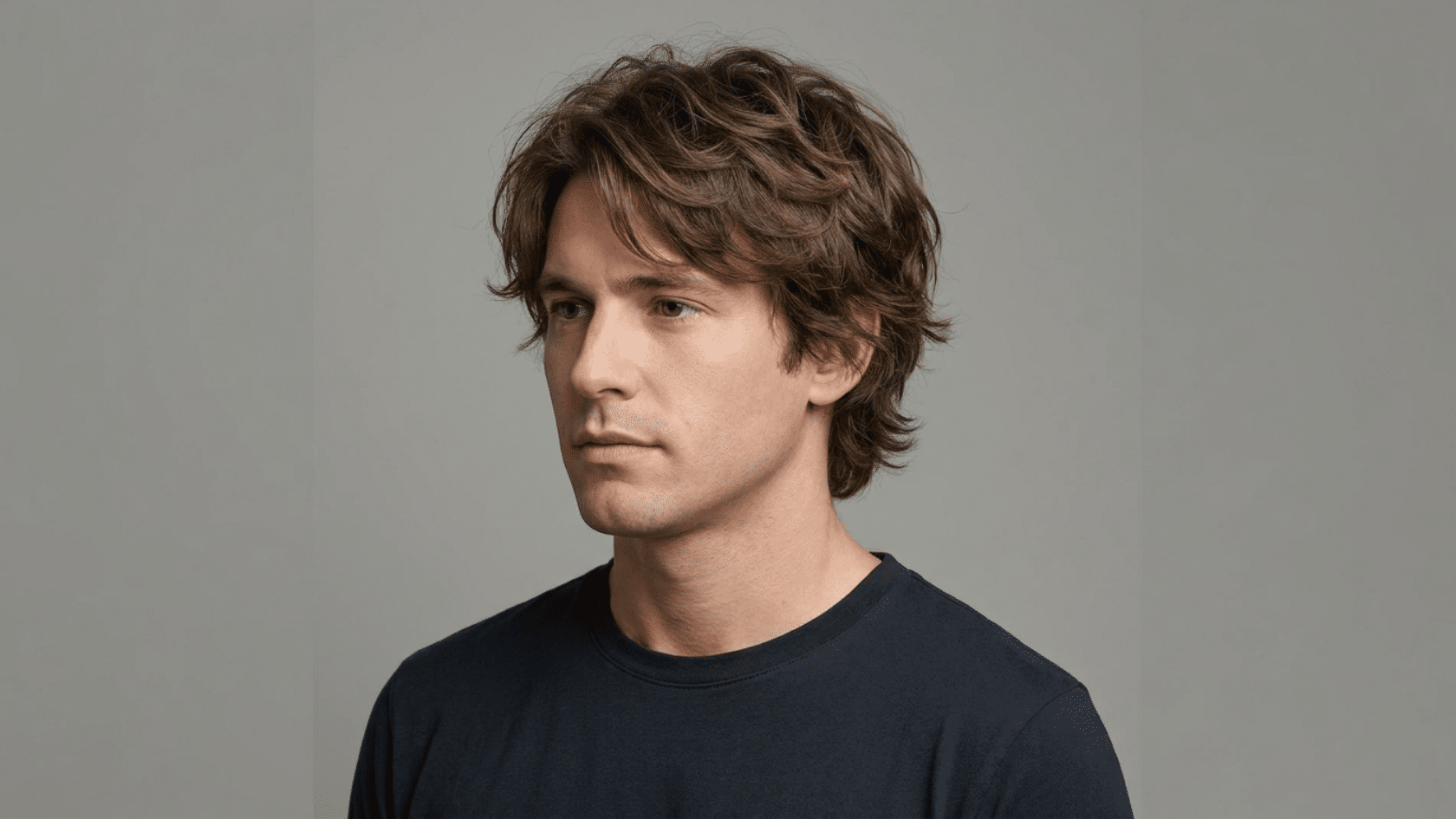
Natural layers cut exclusively with scissors for a soft, textured result with no harsh clipper lines.
Scissor cuts distribute fullness evenly across the entire head rather than concentrating it in one zone, ideal when overall density is lower across the board.
Styling Product: Sea salt spray on damp hair, scrunched in, then blow-dried for a diffuse lift.
13. Bro Flow
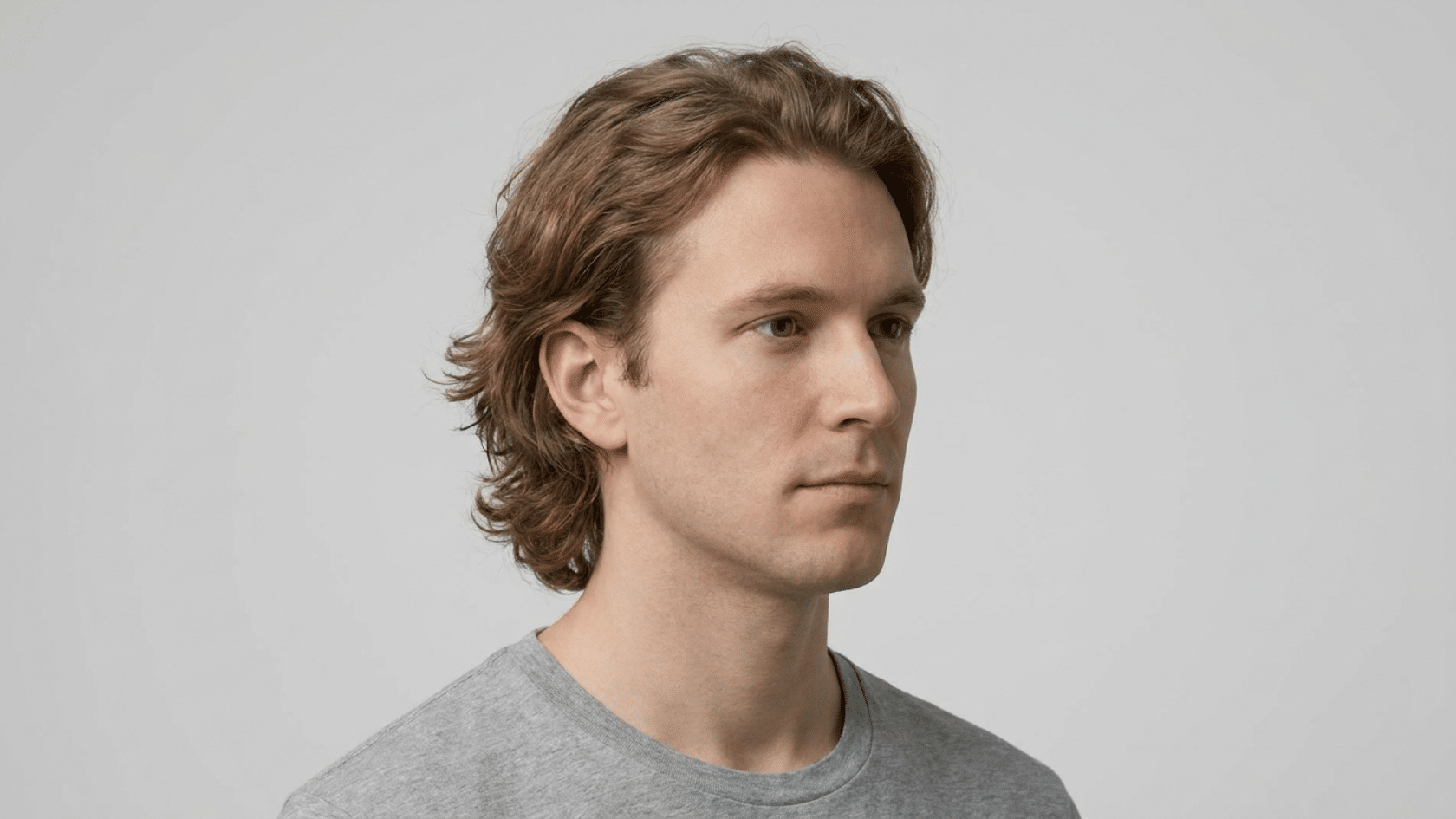
Medium-length hair with natural bend and movement, worn loose without hard styling.
The natural bend of even fine hair at this length creates movement and visual density, and movement reads as fullness more effectively than any static style.
Styling Product: Styling cream for flexible hold. It keeps movement alive without freezing the style.
14. Ivy League
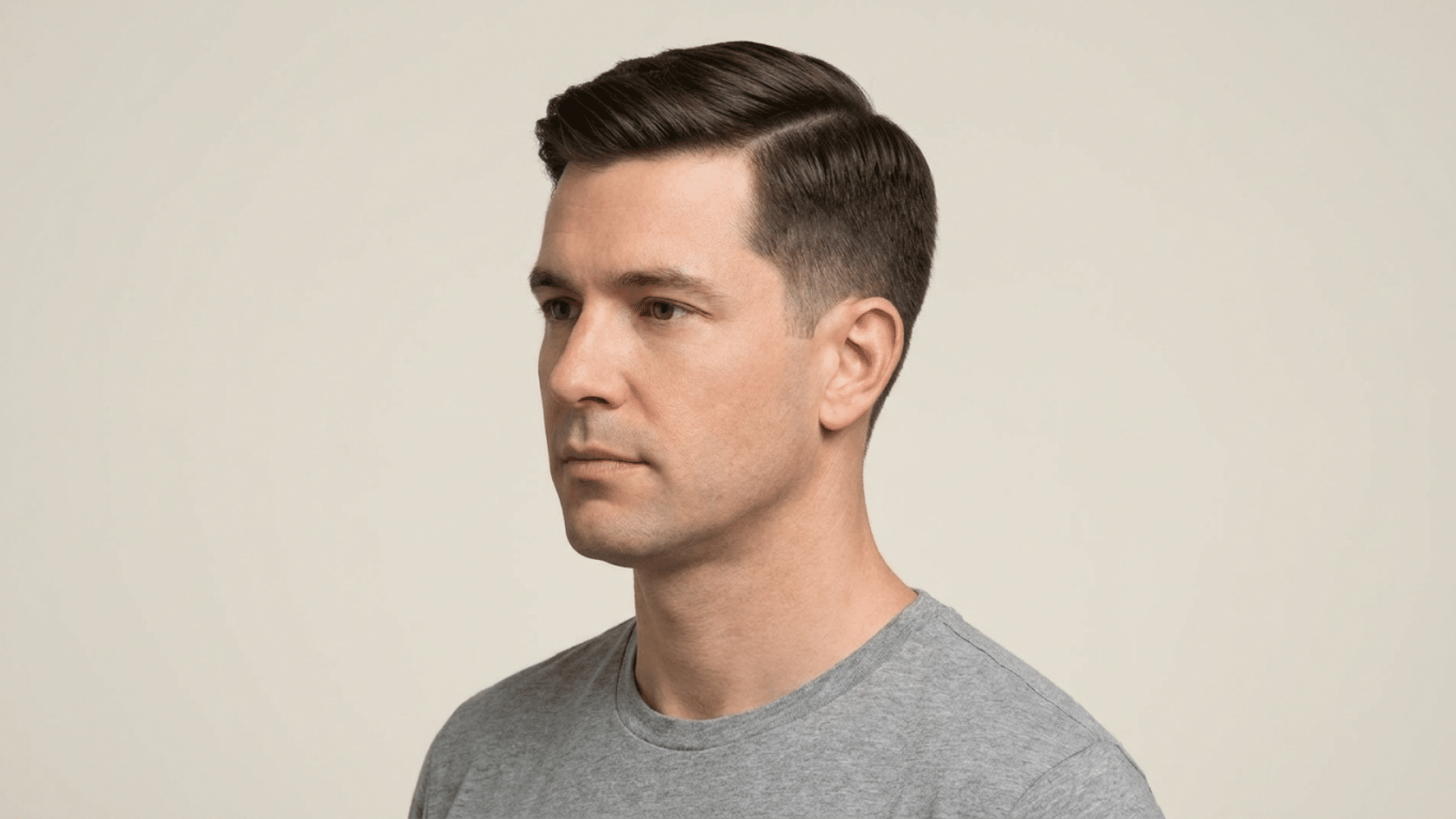
Clean, short haircut with a subtle side part that creates structure and control while keeping a balanced, professional look.
The Ivy League distributes hair evenly across the top while maintaining slight length, which helps reduce visible thinning without exposing the scalp.
Styling Product: Matte paste or light molding paste on damp hair, then combed into a side part and finished with a natural hold.
15. Side-Swept Fringe
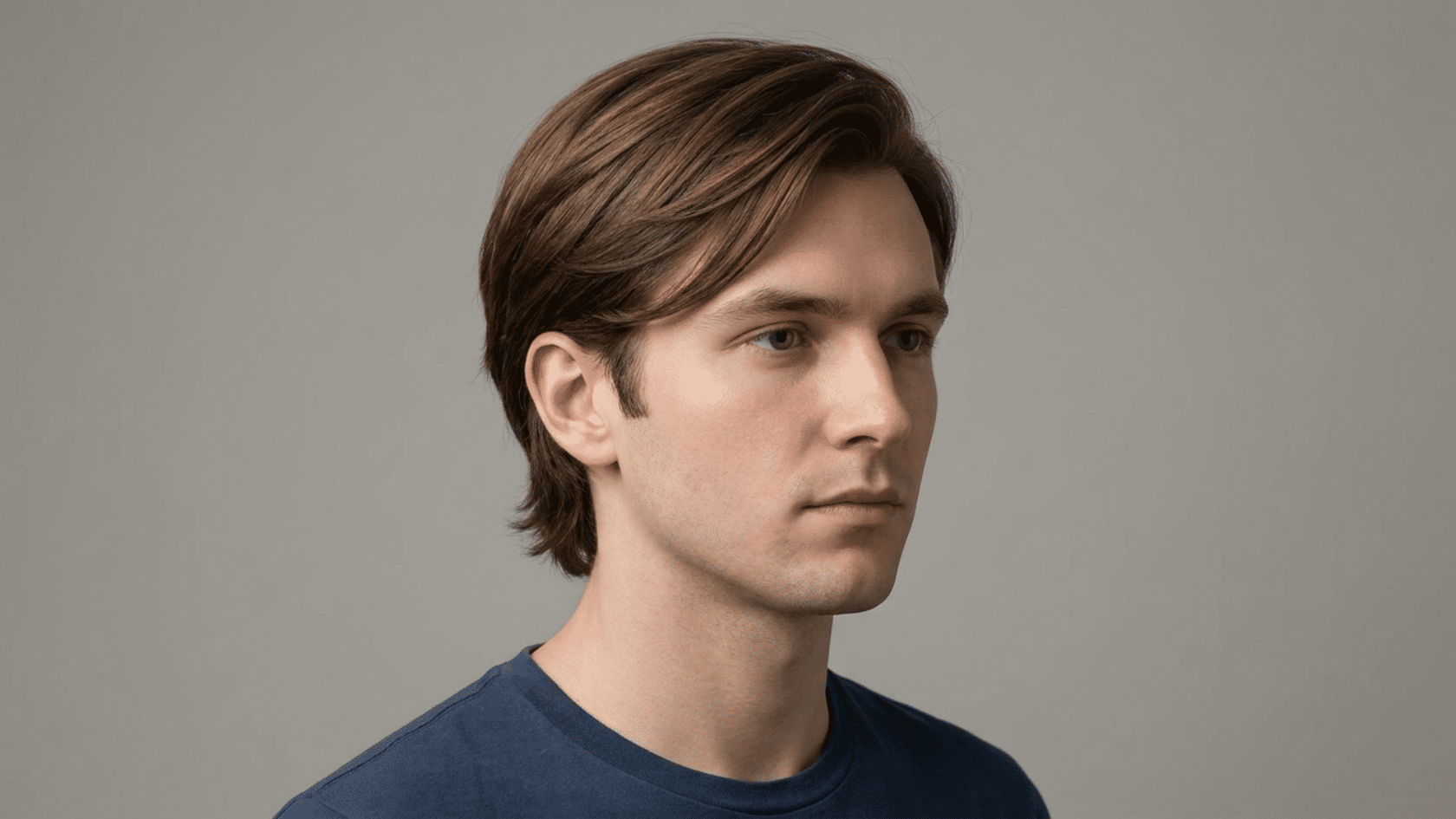
Medium top length brushed diagonally across the forehead, covering the hairline, while the rest of the hair falls naturally.
The diagonal sweep covers more scalp surface area than a straight fringe while staying light enough not to collapse against it.
Styling Product: Light-forming paste. It blow-dries the fringe diagonally while damp to train the direction.
Product & Technique Rules for the Best Haircut
Getting the cut right is only half the job; styling technique decides whether it actually holds up through the day. Follow these rules to control volume and avoid common mistakes:
- Apply styling powder directly at the roots to create separation and natural lift.
- Use sea salt spray on damp hair for soft texture without added weight.
- Warm matte paste in your hands before applying for an even, controlled hold.
- Skip wax, creams, and oil-based pomades, since they flatten strands and reduce visible density.
- Blow-dry at the roots and lift upward, drying in sections and letting hair cool in place to lock volume.
- Use fingers instead of a comb for a natural, textured finish.
These same principles apply whether you’re working with a fade or experimenting with the haircuts for men with thick hair, since product discipline matters at every hair type and density.
Final Thoughts
Thinning hair does not limit your options; it changes how you choose. The right hairstyles for men with thinning hair work with your specific pattern, not against it.
You now know which cuts reduce contrast at the temples, which ones build lift at the crown, and which ones handle diffuse loss without looking forced.
More importantly, you know what to tell your barber and what products to avoid.
Pick your pattern, choose your cut, and walk in with a plan. That one change makes every visit more consistent. Found your cut? Share it with someone who needs it.
Which cut are you going for? Drop it in the comments below. We read everyone.
Frequently Asked Questions
Is It Better to Air Dry or Blow Dry Thinning Hair?
Blow drying is better. Directing heat upward at the roots lifts strands away from the scalp. Air drying lets hair settle flat, which increases scalp visibility regardless of the cut.
Can the Wrong Pillow Affect Thinning Hair?
Rough cotton pillowcases create friction that weakens already fine strands overnight. Switching to a silk or satin pillowcase reduces breakage and keeps the hair shaft smoother over time.
Should Men With Thinning Hair Wash It Every Day?
Daily washing strips natural oils that fine hair needs to stay healthy and maintain texture. Every other day is the better routine. Use a lightweight, sulfate-free shampoo each time.