That salon set that lasted three weeks without a single chip wasn’t luck, it was chemistry happening under a light you probably ignored.
Most people assume uv gel nails are just a fancier version of regular polish, applied the same way and dried the same way, just with extra steps. That assumption is exactly where things start going wrong.
What actually happens under UV or LED light has nothing to do with drying at all, and everything to do with a molecular shift most nail techs never explain out loud.
The difference between a set that survives three weeks and one that lifts within days comes down to something happening long before the top coat ever goes on.
What Is a UV Gel Nail?
A UV gel nail is a nail enhancement built from a light-reactive gel formula that remains soft and workable until exposed to UV or LED light. Unlike traditional polish, it won’t set on its own through air exposure alone.
Technicians apply it in thin, controlled layers, curing each one individually to build shape and thickness gradually.
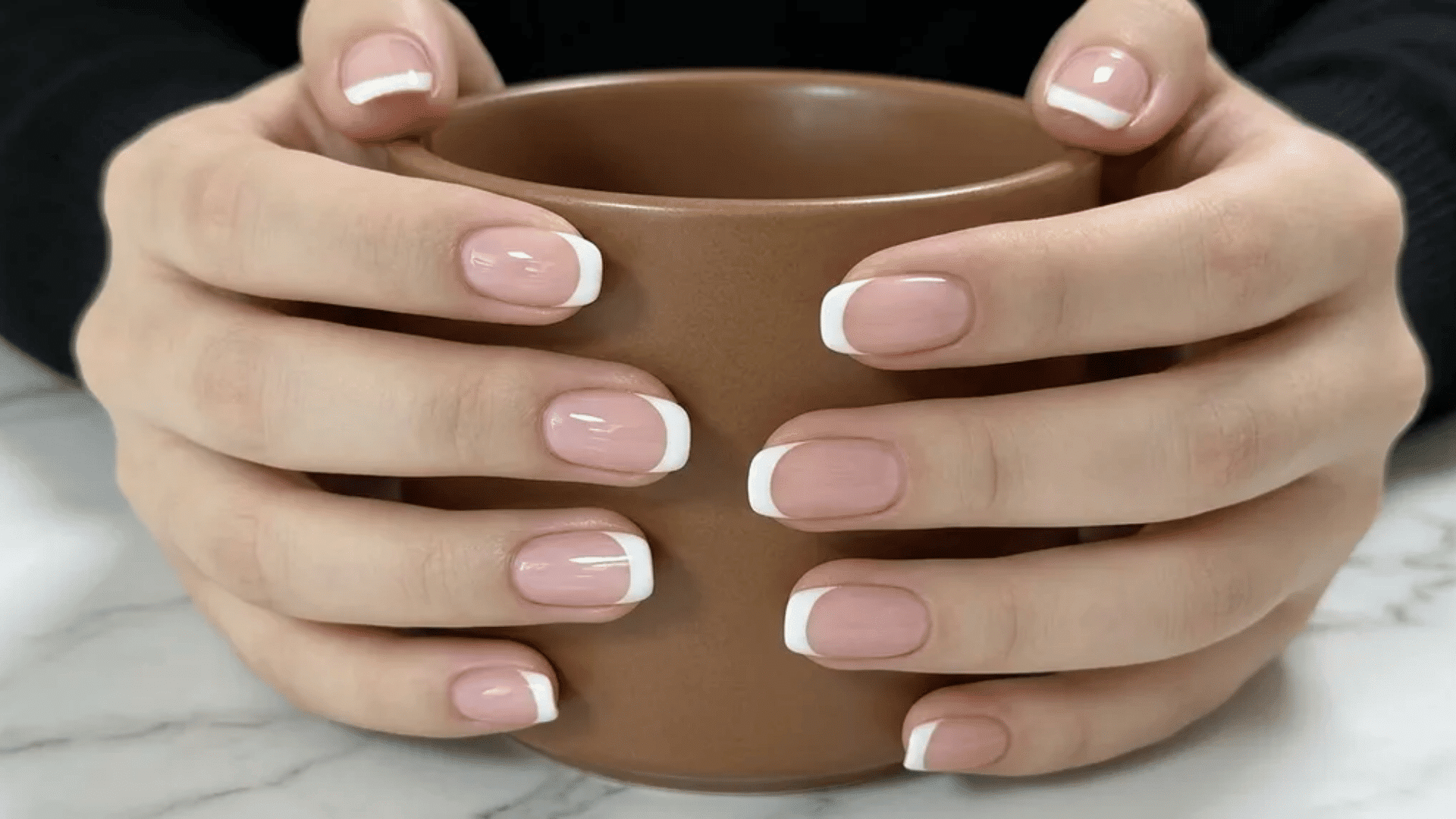
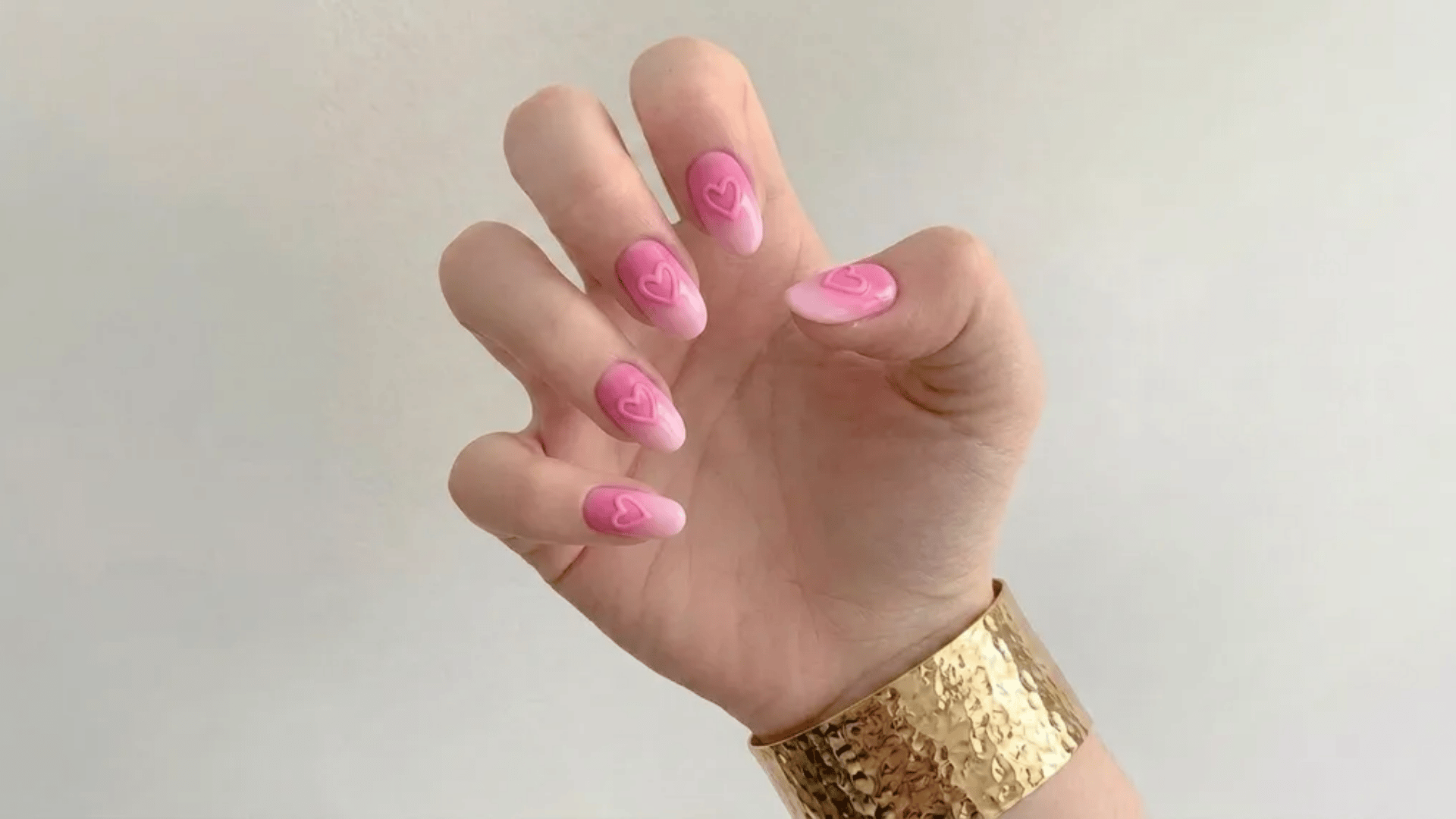
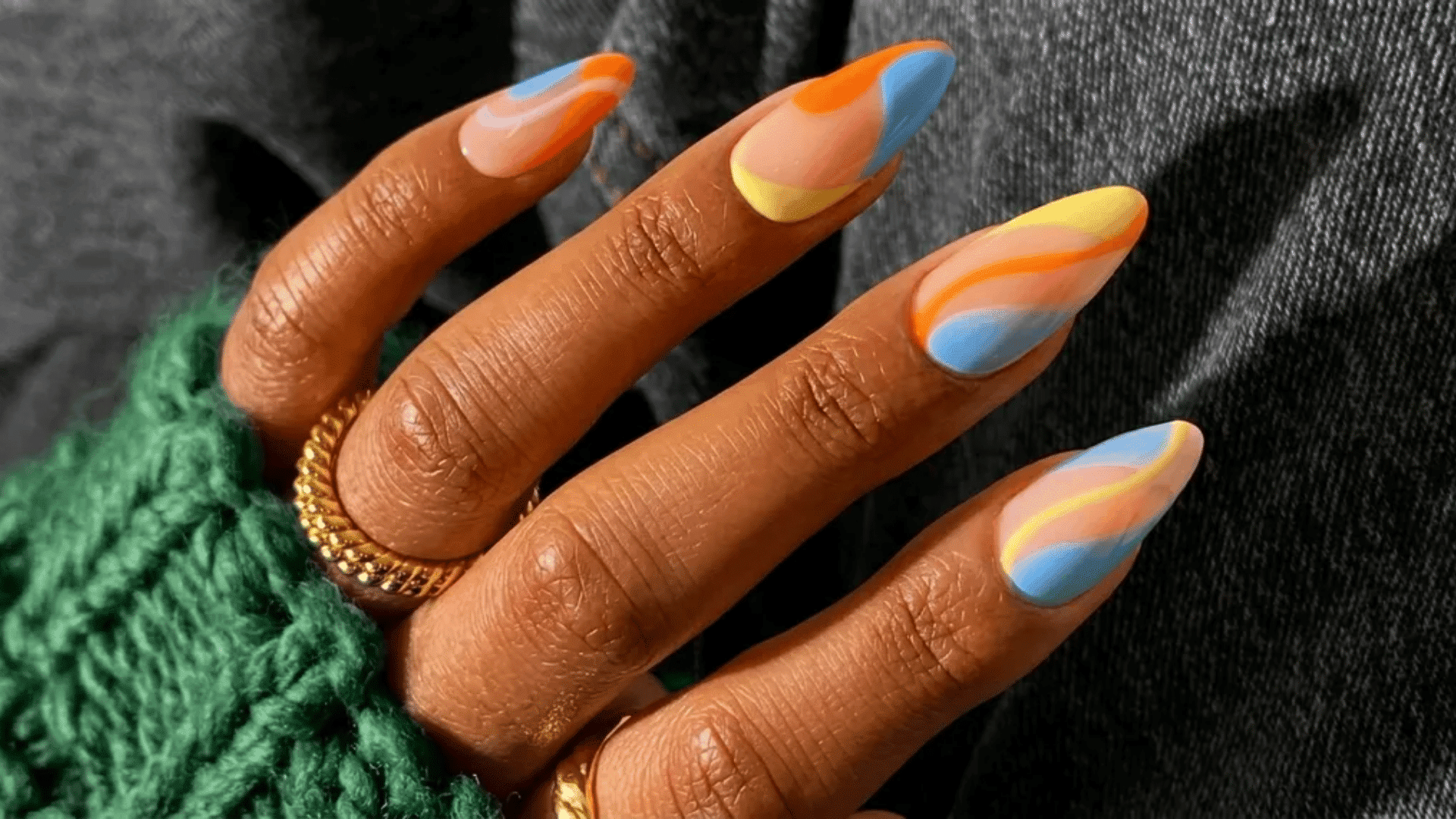
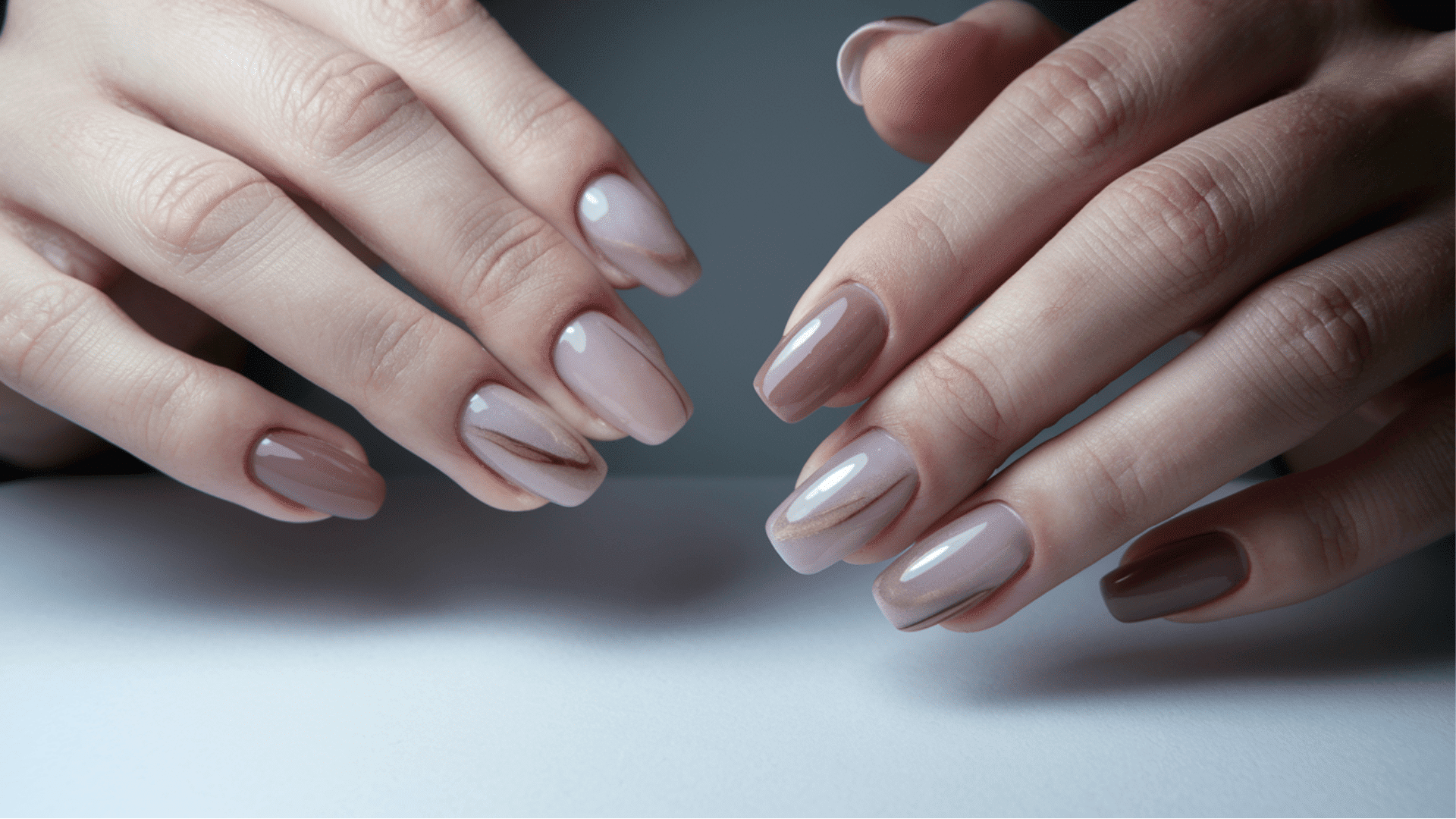
This method allows for precise sculpting on natural nails or extensions, resulting in a glossy, chip-resistant finish that holds its structure far longer than standard nail lacquer.
What Is the Science Behind UV Gel Nails?
UV gel nails harden through a light-activated reaction that turns liquid gel into a solid coating. UV or LED light triggers this shift by reacting with the formula’s ingredients.
Light activates photoinitiators in the gel, starting polymerization and building long molecular chains. Each layer locks into a fixed state before the next one applies.
Regular polish dries through evaporation, leaving a thin surface film. Gel forms a bonded structure through polymerization, spreading pressure evenly so it resists chipping longer.
Incomplete curing leaves parts of the layer soft beneath the surface. This causes lifting, stickiness, and shorter wear time than a properly cured set.
How Does Gel Nail Polish Work?
UV Gel nails polish is designed to behave differently from regular polish even before curing begins. During application, the focus is on controlling thickness and placement.
Each layer is designed to sit evenly so the curing process can lock it into a stable structure:
Prep: The nail surface is cleaned and lightly refined so it can hold layered gel without separation over time. This step directly affects how evenly the gel bonds during curing.
Base & Build: A base layer creates grip, while gel adds structure depending on the final result. Each layer is controlled in thickness so it doesn’t trap uncured material.
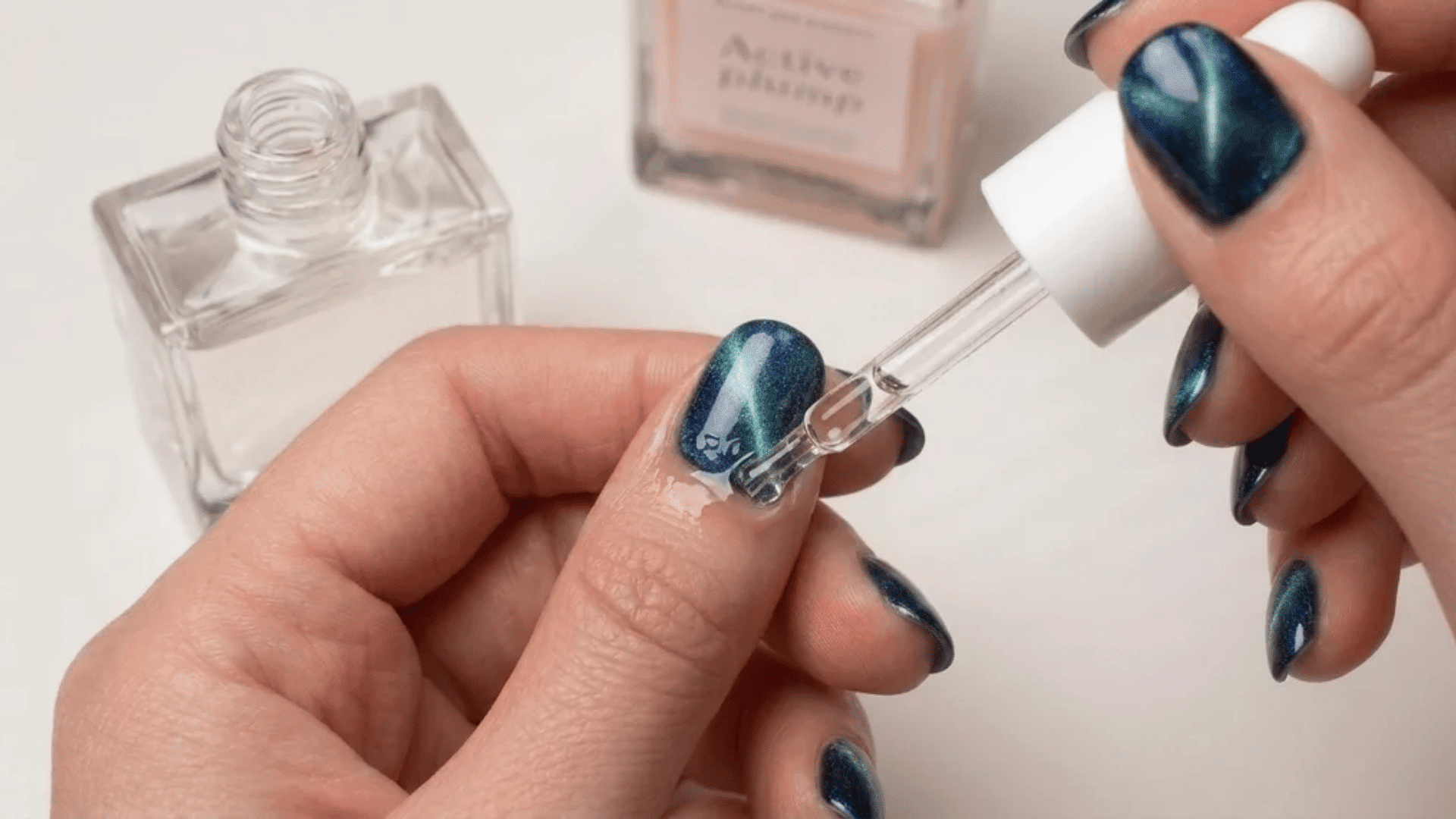
Curing: Instead of drying, the gel reacts to UV or LED light and changes structure at a molecular level. This is where the material shifts from flexible coating into fixed surface.
Finish: The top layer seals the structure and controls surface smoothness after curing. Final cleaning removes the residual tack layer that forms during the curing stage.
When applied correctly, the result stays smooth, stable, and resistant to early lifting during wear.
What Types of UV Gel Nails Are Available?
UV gel nails come in several formats, each designed for different levels of strength, length, and application style.
Gel polish: the lightest form, applied over natural nails for color, shine, and light reinforcement. Gives a smooth finish while keeping the nail visible underneath.
Builder gel: thicker, used for added strength or length. Creates structured overlays or extensions with longer-lasting shape.
Soft gel extensions: pre-formed tips attached to the nail and cured under a lamp, giving a full extension look with less manual shaping.
Gel strips / semi-cured nails: pre-set strips finished under UV/LED light at home, for faster, simpler application than salon systems.
The main difference between them is how much structure they add and whether they are used on natural nails or for extensions.
What Is the Difference Between Gel and UV Gel Nails?
Many users confuse UV gel nails with gel polish because both use similar curing methods under UV or LED light. Knowing how does gel nail polish work makes the distinction clearer:
Aspect
UV Gel Nails
Gel Polish
Purpose
Full system for nails
Color coating system
Thickness
Can be structured or built
Thin layer only
Use case
Extensions + overlays
Natural nail color only
Strength
Higher (depends on type)
Light reinforcement
Result
Can reshape nails
Enhances appearance only
How Should You Care for UV Gel Nails?
UV gel nails stay in better condition when daily care focuses on protection and hydration. Simple habits help maintain shine and reduce early lifting.
Cuticle oil keeps the nail area hydrated and supports flexibility around gel edges. This helps reduce dryness that can lead to cracking or separation.
Avoid using nails as tools to open or scrape hard surfaces. Excess pressure can weaken sealed edges and shorten wear time.
Regular maintenance appointments help keep the structure balanced as natural nails grow out. This prevents uneven stress that can affect durability.
Pro Tip: Short to medium lengths usually stay neat longer and suit daily routines without frequent touch-ups.
How Are UV Gel Nails Removed Safely?
UV gel nails are removed by breaking down the cured layers instead of peeling them off. The goal is to loosen the product while protecting the natural nail underneath.
The most common method is soaking the nails in acetone until the gel softens and starts to lift. Once softened, the product is gently pushed off without force to avoid surface damage.
In some cases, light filing is used to reduce the top layer before soaking. This helps the acetone reach the deeper layers more effectively and speeds up removal.
A controlled removal process helps maintain nail strength and reduces thinning over time.
Important Note: Peeling or scraping the gel off should be avoided because it can remove layers of the natural nail.
Is UV Gel Better for You than Acrylic Nails?
UV gel nails and acrylic nails both enhance nail length and appearance, but they differ in structure, feel, and upkeep.
Aspect
UV Gel Nails
Acrylic Nails
Structure
Flexible and lightweight on the nail
Hard and rigid structure
Look & Feel
Natural finish with a smooth surface
Thicker and more defined appearance
Strength
Moderate strength, suited for everyday use
High strength, better for long extensions
Comfort
Feels lighter and less stiff
Feels heavier on the natural nail
Maintenance
Gentler removal is required to protect nail
Requires stronger filing for removal
Best Use
Natural-looking enhancements and light extensions
Long, durable, dramatic nail extensions
At-Home Kits vs. Salon Application
At-home gel nail kits cost around $30–$120 and include tools like a UV/LED lamp and gel products. They are available on Amazon, Ulta Beauty, Sally Beauty, Walmart, and brand sites like Gelish or Kiss.
Salon services usually cost $25–$80 per session, with higher prices for extensions or detailed designs. They offer professional results but add ongoing costs with every refill or new set.
At-home kits suit users looking for lower long-term cost and flexibility, while salons are better for those who want precision and ready-made results.
Skill level plays a role too. Beginners often struggle with even curing at home, while salon techs apply thin, consistent layers every time.
Wrapping Up
Curing quality, not the product name, decides how long a UV gel set lasts on the nail. Picking the right type, polish, builder gel, or extension, matters more than picking a brand.
Removal deserves the same attention as application. Soaking and gentle lifting protect the nail bed, while peeling or scraping wears it down over repeated sets.
Choosing between an at-home kit and a salon visit comes down to budget, time, and the level of precision the finished set requires.
Daily habits also play a part, and understanding how does gel nail polish works makes it easier to see why cuticle oil, careful handling, and timely touch-ups keep gel looking fresh.
Ready to try UV gel nails for yourself? Book a session with a nearby salon, or pick up a beginner kit and start with a simple color layer and let us know your experience in the comments below!
Frequently Asked Questions
Why Do UV Gel Nails Lift from The Edges?
Lifting usually happens when the nail surface is not properly prepped or when oils remain on the nail plate. It can also occur if the gel is applied too thickly or not cured properly under UV or LED light, affecting adhesion.
Can UV Gel Nails Be Done on Short Nails?
Yes, UV gel works well on short nails and is often used to strengthen them. Builder gel or overlays can add structure without adding length, helping short nails look smoother and more even as they grow naturally.
How Often Should UV Gel Nails Be Refilled?
Most UV gel nails need a refill every 2 to 3 weeks, depending on how fast the natural nails grow as the nail grows out, a gap appears near the cuticle.
Lena Avery studied Cosmetic Science at the University of the Arts London, where she developed a deep understanding of skincare formulations and product development. Before becoming a writer, she worked in brand consulting for indie beauty labels, translating complex formulations into consumer-friendly language. Her writing combines scientific accuracy with accessible commentary, making beauty feel informed yet relatable.
My curls looked the same in every photo I took between 2019 and 2022: a soft brown cloud with no shape, which my aunt called “the dandelion” and my roommate
Dry, flaky patches can have several causes, and finding a moisturizer that suits your skin can take some trial and error. For people drawn to richer, oil-based skincare, Tallow Me Pretty offers
Skin has a way of telling its own story, and mole removal is one of those chapters that deserves a little patience. The days right after the procedure can feel
Glossy, flawless, and effortlessly chic, Korean gel nail polish has become the secret behind salon-perfect nails at home. Its smooth texture, glass-like shine, and long-lasting formula make every manicure feel
My curls looked the same in every photo I took between 2019 and 2022: a soft brown cloud with no shape, which my aunt called “the dandelion” and my roommate
Tattoos once thought permanent are now easier to erase, thanks to rapid advances in laser technology. It bridges medical precision with cosmetic care, showing how technology can restore skin confidence