
Many brides feel overwhelmed by the countless designs, fabrics, and fits to consider. Finding a gown that matches their body shape, wedding setting, and personal comfort can often feel challenging.
The right dress choice can simplify the shopping process and help create a bridal look that feels special for the big day. Knowing your preferences makes it easier to narrow down suitable options.
I find that the most flattering gowns usually come down to how well structure and fabric work together, not just how trendy or detailed a design looks.
Reviewing different wedding dress styles lets brides compare silhouettes, fabrics, and designs with confidence before making a final decision that feels right.
What Is a Wedding Dress and Why Does It Matter?
A wedding dress is a special outfit worn by a bride during a wedding ceremony, designed to match the occasion while reflecting her personal style, culture, and traditions
Wedding dresses also reflect the cultural history of wedding attire, since many cultures have specific customs about colors, fabrics, and styles that brides still follow today.
These beautiful dresses come in different shapes, fabrics, and designs, giving brides many options to explore before choosing what suits their taste and comfort.
The choice of dress depends on the wedding location, comfort, preferred look, and ceremony type, so knowing the basics helps brides compare styles and choose a fitting gown.
How to Choose a Wedding Dress Silhouette for Your Body Shape
Body shape plays a large role in how a wedding dress falls and flatters natural proportions. This table matches common shapes with silhouettes bridal experts recommend most often.
| Body Shape | Recommended Silhouettes | Why It Works |
|---|---|---|
| Hourglass | Mermaid, trumpet, fit-and-flare, sheath | Follows the natural waist and highlights balanced curves |
| Pear | A-line, ball gown, empire waist | Softens wider hips while balancing the upper body |
| Apple | Empire waist, A-line | Skims the midsection and creates a defined waistline |
| Rectangle | Sheath, fit-and-flare, ball gown | Adds shape and definition to a straighter frame |
| Inverted Triangle | A-line, ball gown | Balances broader shoulders with volume below the waist |
Choosing a silhouette suited to body shape helps a gown feel comfortable and proportioned. Trying on a few styles in person often confirms which cut feels and looks best.
Tip: In my experience paying closer attention to how a fabric moves with the silhouette rather than judging the silhouette alone, since the same cut can read differently depending on how structured or fluid the material is.
19 Visual Inspirations and Examples of Wedding Dress Styles
These wedding dress styles offer visual inspiration across silhouettes, necklines, fabrics, and details, helping brides narrow down wedding dress types based on shape, style, and overall bridal aesthetic.
1. A-Line Gown
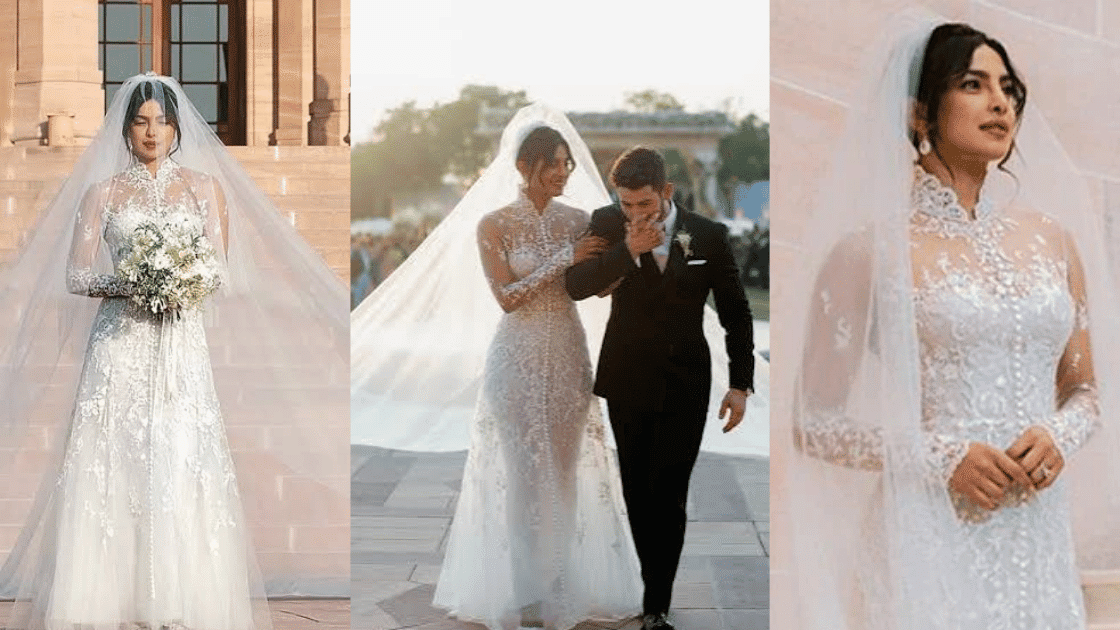
The A-line gown features a fitted bodice paired with a skirt that gradually widens from the waist down to the hem, forming a shape similar to the letter A.
- Key Traits: Defined waist, gradual flare, balanced proportions
- Fabric & Details: Mikado silk, taffeta, clean structured seams
2. Mermaid Gown
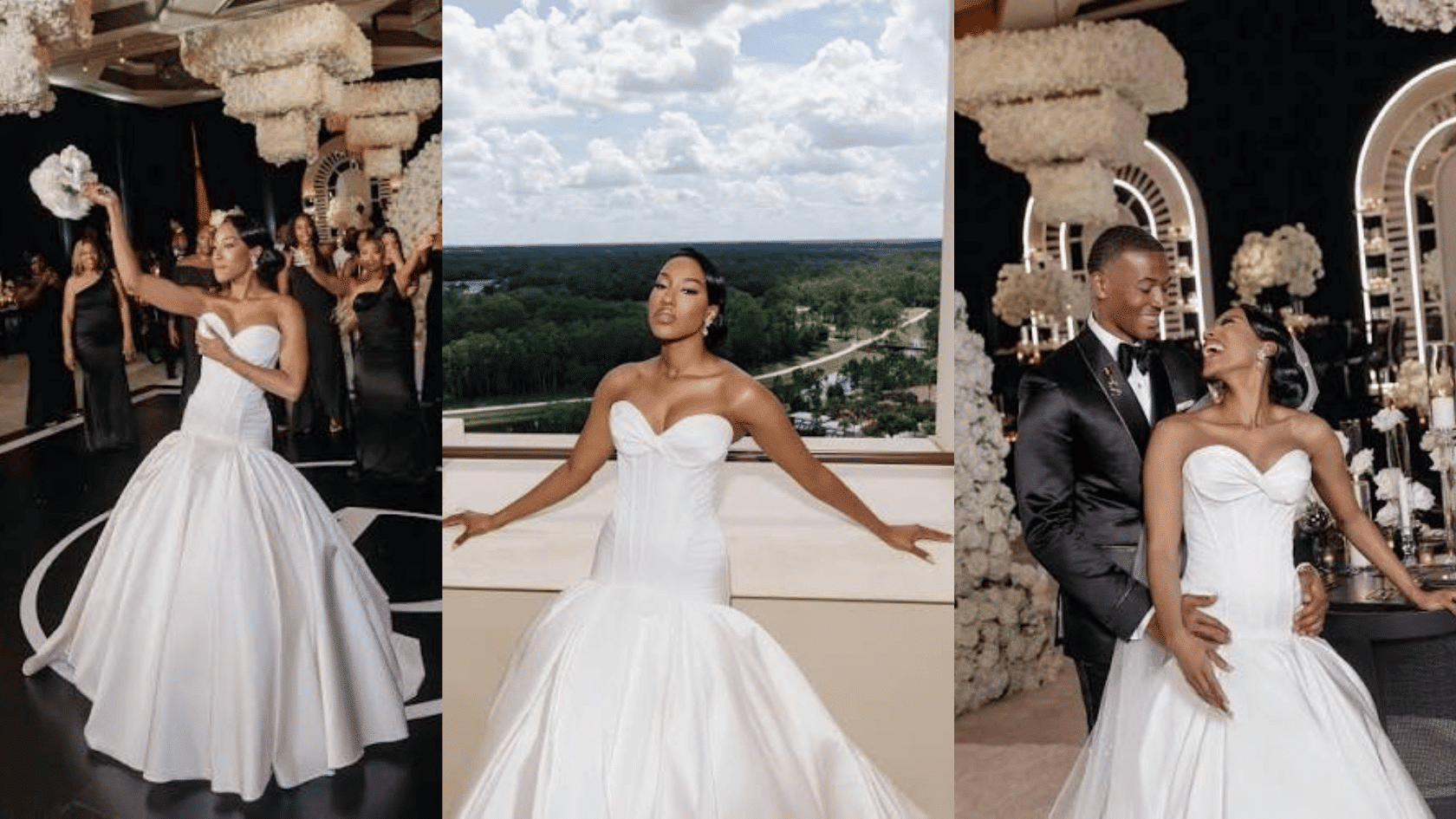
The mermaid gown hugs the body closely through the bodice, waist, and hips before flaring out in a dramatic curve near the knee.
This fitted, structural silhouette highlights natural proportions and creates a bold, glamorous look that many brides choose for a striking presence on the aisle and dance floor throughout the evening.
- Key Traits: Contoured bodice, knee-level flare, structural boning
- Fabric & Details: Silk satin, lace overlays, statement trains
3. Trumpet Gown
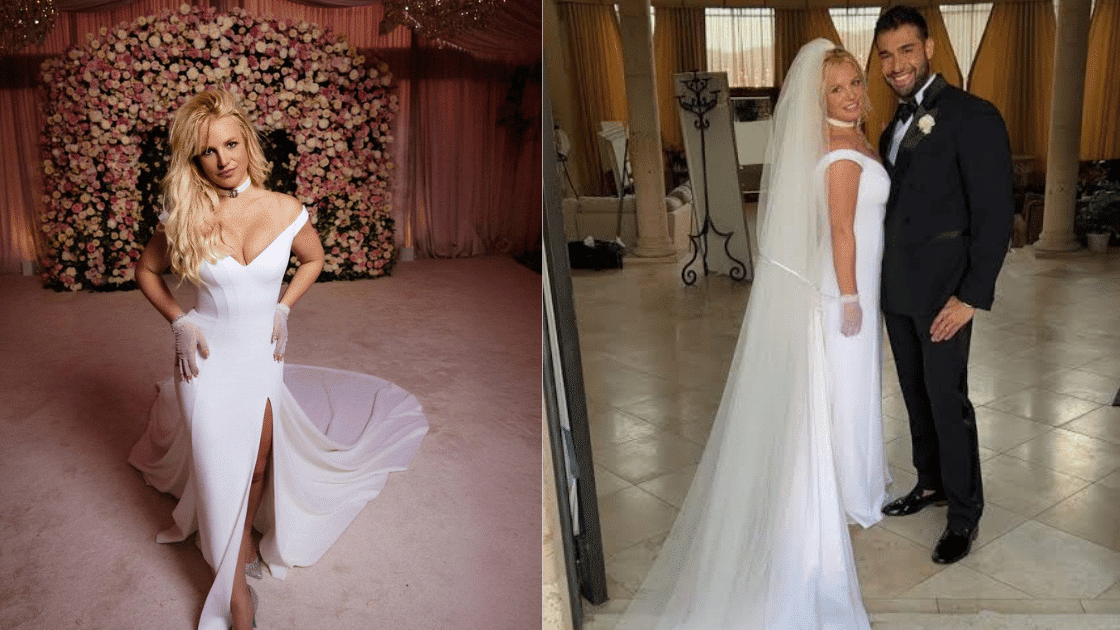
The trumpet gown fits closely through the bodice and hips before gradually flaring out around the mid-thigh, creating a shape similar to a mermaid but with a longer fitted line.
This softer, more gradual flare provides greater ease of movement while still keeping a defined shape through the ceremony and reception.
- Key Traits: Mid-thigh flare, fitted torso, balanced silhouette proportions
- Fabric & Details: Organza, crepe, structured button back closures
4. Fit-and-Flare Gown
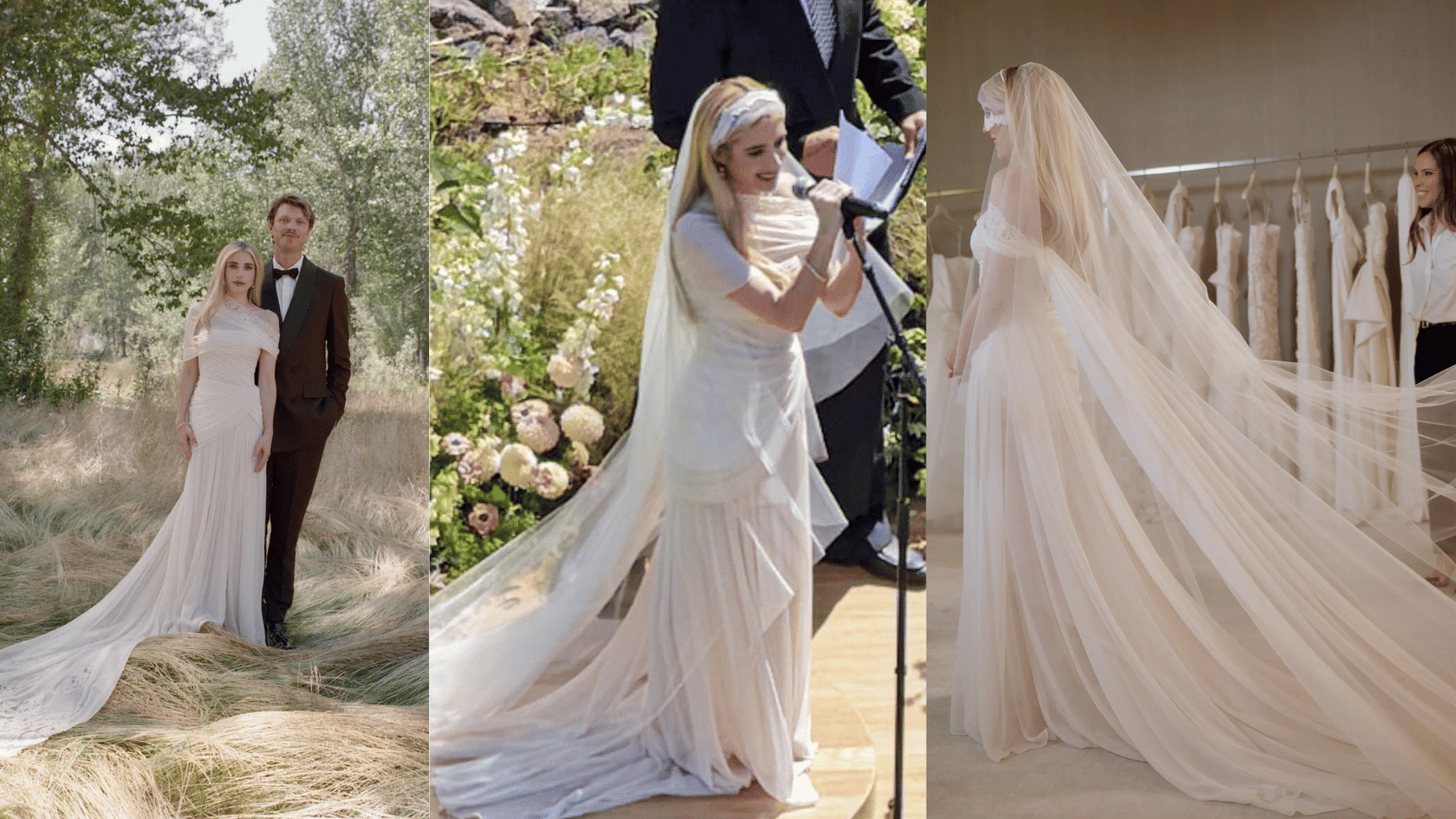
A fit-and-flare gown follows the natural curve of the body through the waist and hips before releasing into a softer, flowing skirt below.
This shape offers a defined silhouette similar to a mermaid or trumpet cut, while still allowing comfortable movement for dancing, walking, and long hours of celebration at the reception.
- Key Traits: Hip-skimming fit, soft flare, flexible construction
- Fabric & Details: Tulle, floral appliqué, sweetheart necklines
5. Ball Gown
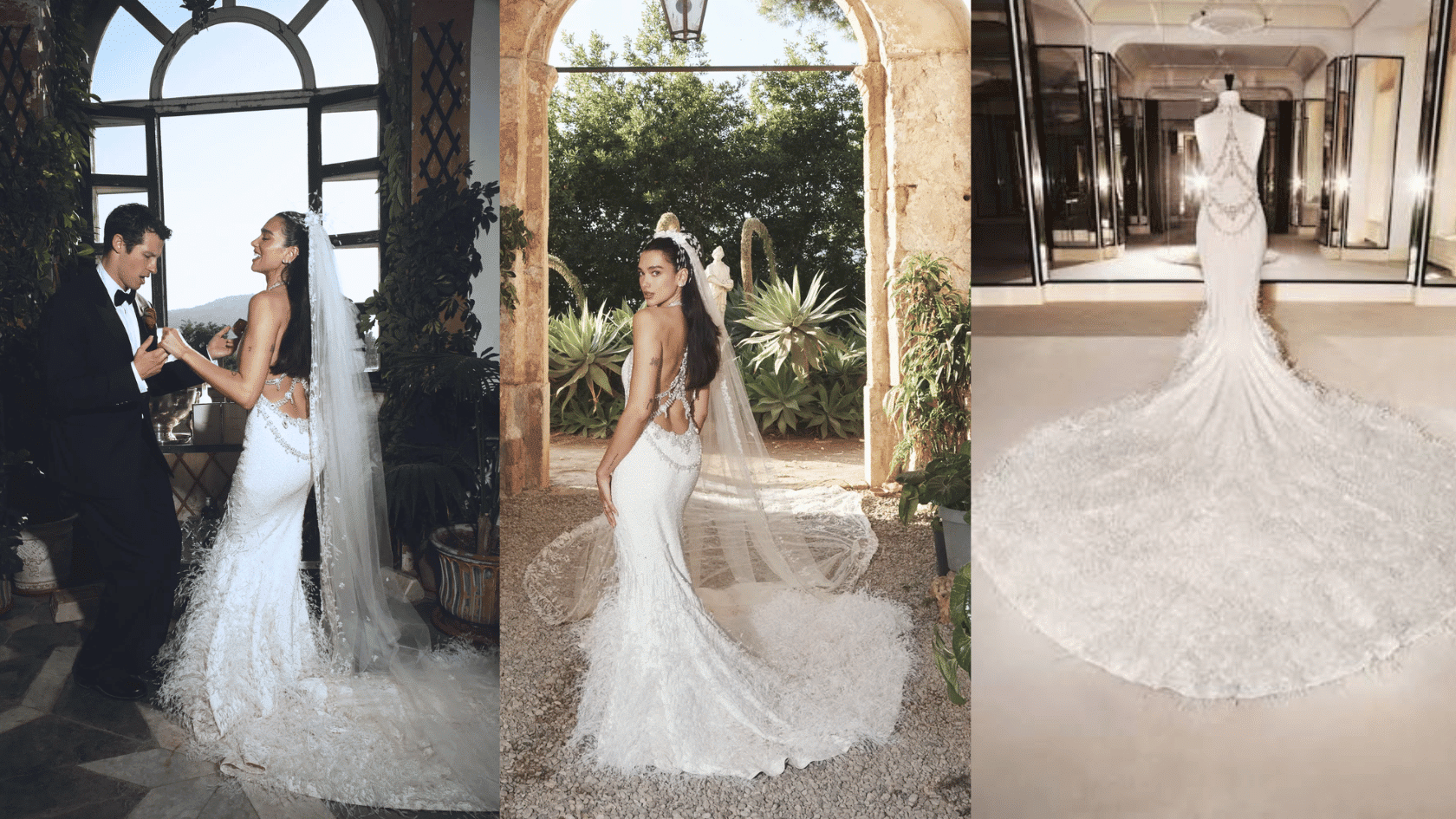
The ball gown combines a fitted, structured bodice with a voluminous, full skirt that creates a dramatic, fairy-tale bridal silhouette.
Its generous proportions and layered construction make it especially suited to formal ballrooms, cathedral ceremonies, and grand wedding settings where a bold, traditional presence matters most on the wedding day.
- Key Traits: Corset bodice, full skirt, dramatic layered volume
- Fabric & Details: Satin, crinoline, beadwork, layered tulle
6. Off-the-Shoulder Gown
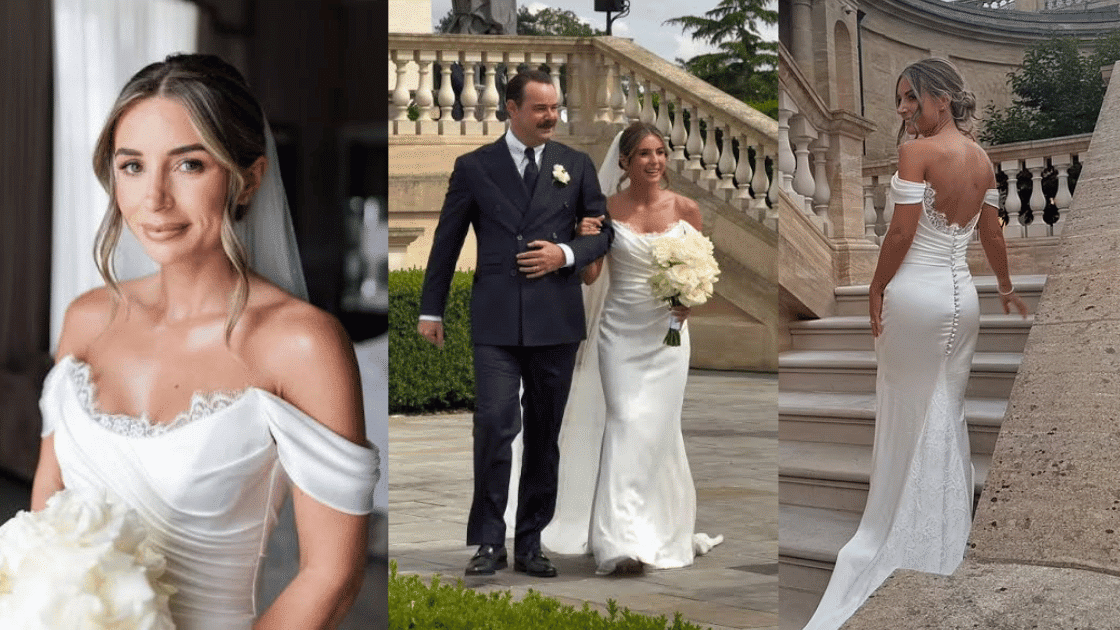
An off-the-shoulder gown leaves the shoulders fully exposed while framing the neckline with horizontal fabric bands or softly draped sleeves.
This romantic silhouette draws attention to the collarbone and upper body, making it a popular choice for brides who want a soft, feminine focal point above the waistline and neckline area.
- Key Traits: Horizontal neckline, exposed shoulders, draped sleeve detail
- Fabric & Details: Chantilly lace, illusion tulle, scalloped edges
7. Empire Waist Gown
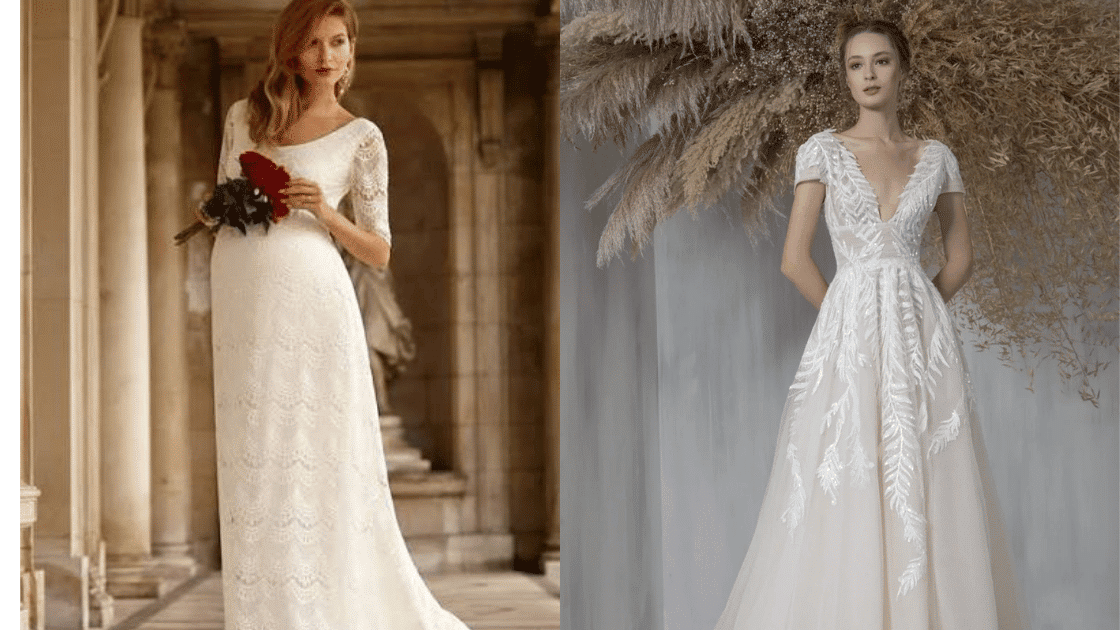
An empire waist gown places the waistline directly beneath the bust before allowing the skirt to flow loosely down toward the floor.
The raised seam creates an elongated, graceful line through the torso, making this silhouette a comfortable option for brides who prefer minimal shaping around the midsection or waist area.
- Key Traits: Raised waist seam, vertical lines, flowing skirt
- Fabric & Details: Chiffon, georgette, delicate under-bust embroidery
8. Sheath Gown
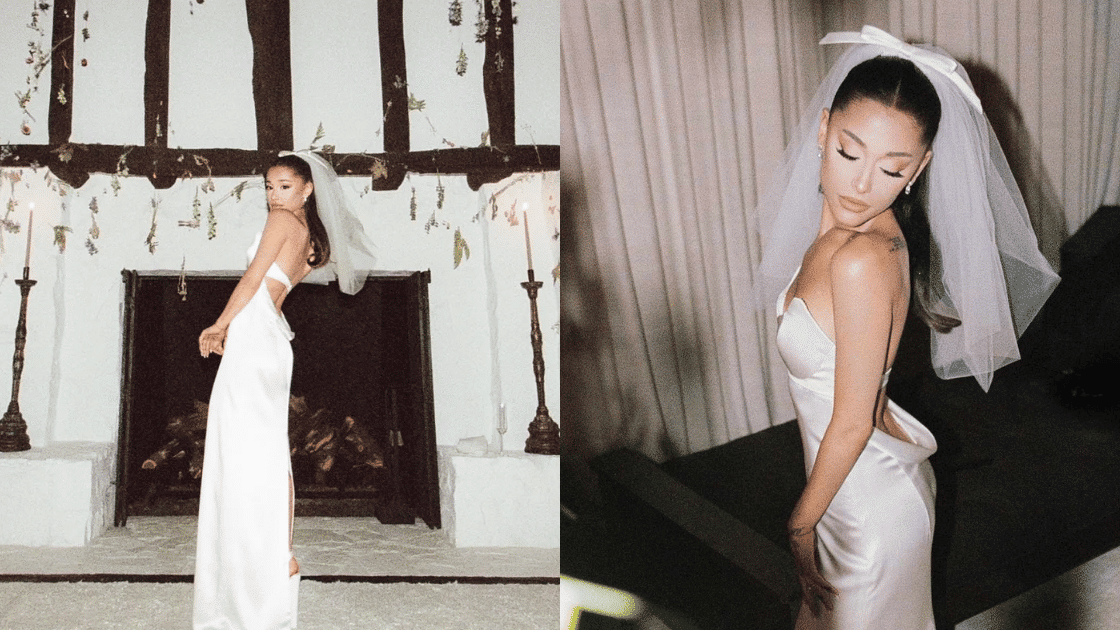
The sheath gown follows a narrow, vertical line that skims closely from the bodice down through the hem without added fullness or gathered fabric.
This streamlined silhouette creates a simple, refined appearance that suits brides who prefer a sleek profile over a wide or heavily structured skirt shape at the hemline.
- Key Traits: Straight silhouette, minimal flare, soft vertical drape
- Fabric & Details: Silk, jersey, soft cowl necklines
9. Wrap-Style Gown
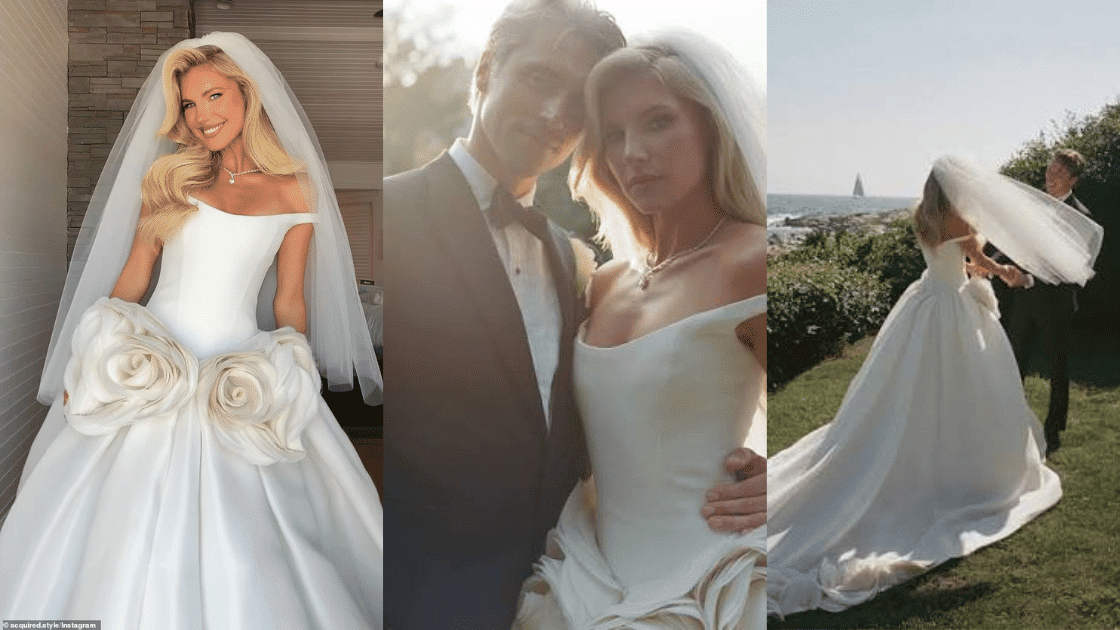
A wrap-style gown uses overlapping panels of fabric across the bodice, secured with a defined waist tie or side fastening detail.
The diagonal lines created by the wrap construction add visual movement and a modern, fashion-forward feel that stands apart from more traditional bridal silhouettes commonly seen at formal wedding ceremonies.
- Key Traits: Surplice neckline, overlapping panels, side gathering detail
- Fabric & Details: Stretch crepe, georgette, crystal accent details
10. Simple Sheath Gown
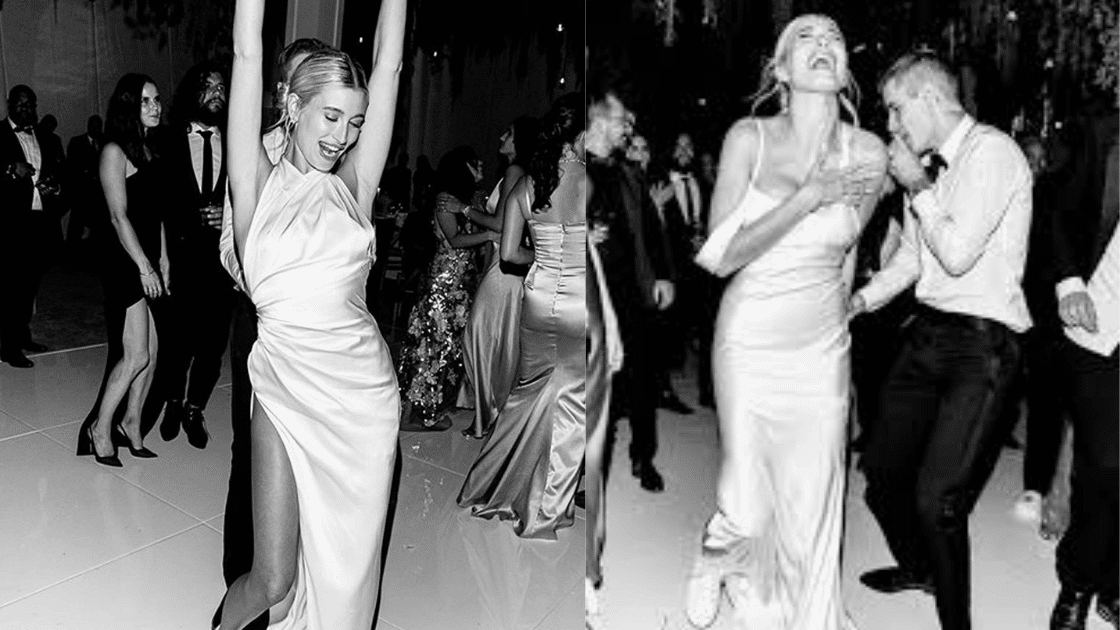
A simple sheath gown relies on clean construction and minimal embellishment to create a streamlined, understated bridal look from top to bottom.
The narrow, straight silhouette keeps the overall design refined and modern, making it a strong choice for intimate ceremonies or minimalist wedding styling with limited accessories or added decorative details.
- Key Traits: Straight seams, minimal detailing, narrow profile
- Fabric & Details: Crepe, silk, simple back closure design
11. Short Wedding Dress
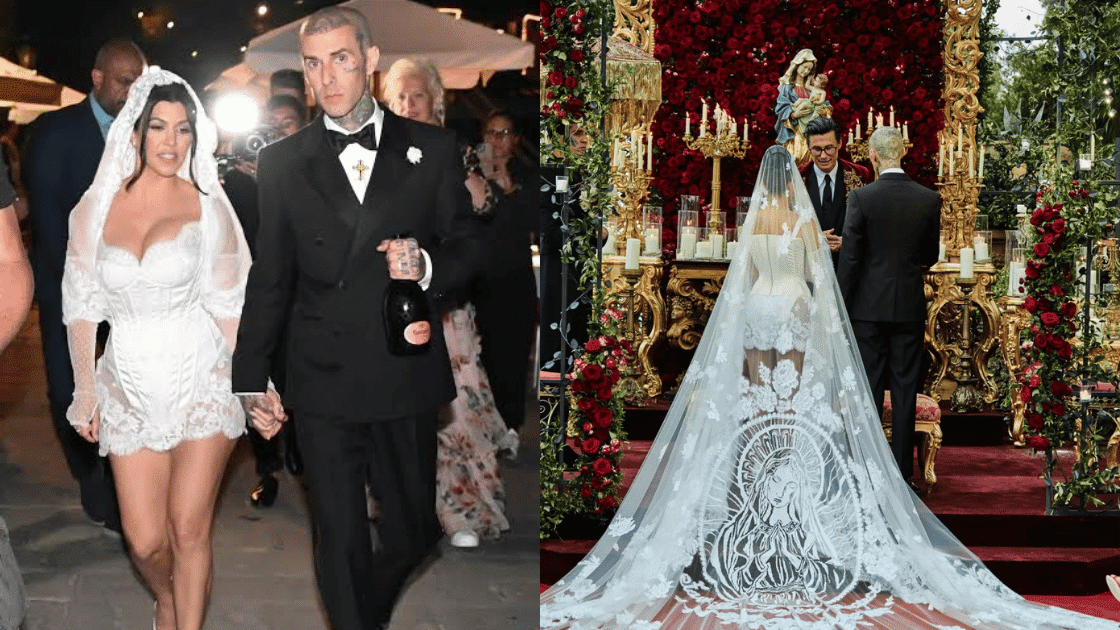
Short wedding dresses feature hem lengths ranging from above-the-knee cuts to tea-length styles that sit just below the calf, offering a variety of elegant options for brides.
They offer a relaxed, less traditional alternative for casual ceremonies, receptions, courthouse weddings, rehearsal dinners, or a comfortable second look later in the celebration or reception party after the ceremony ends.
- Key Traits: Short or tea-length hem, compact silhouette, easy movement
- Fabric & Details: Faille, lace, structured lightweight fabrics
12. Minimalist A-Line Gown
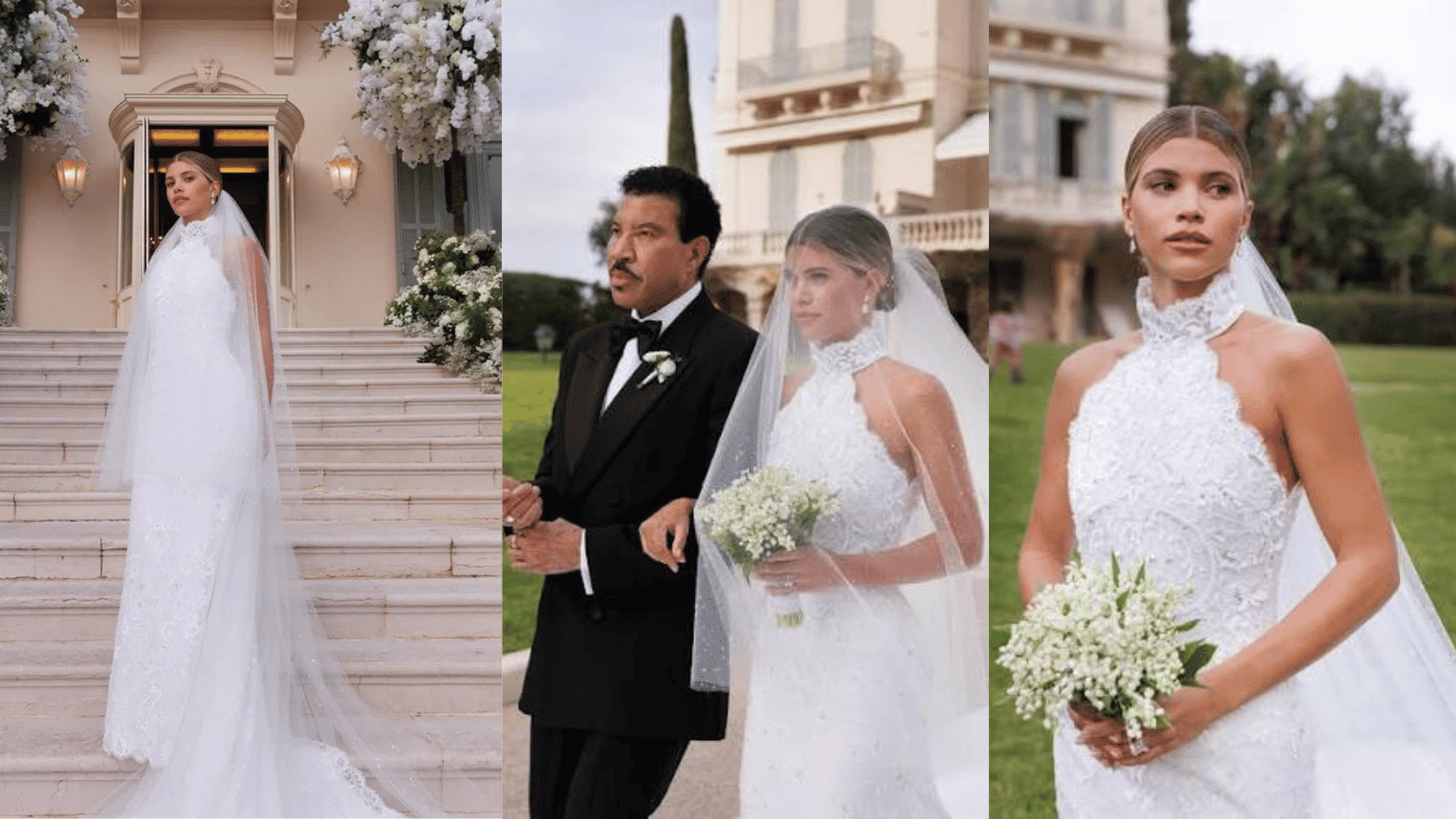
A minimalist A-line gown combines the familiar A-line shape with restrained, understated detailing throughout the entire design.
Clean surfaces, simple construction lines, and limited embellishment come together to create a modern, quiet bridal appearance suited to brides who prefer a quiet, understated style over heavy ornamentation or added decorative trim throughout the gown.
- Key Traits: Clean bodice, controlled flare, minimal embellishment
- Fabric & Details: Matte satin, organza, hidden pockets
13. Column Gown
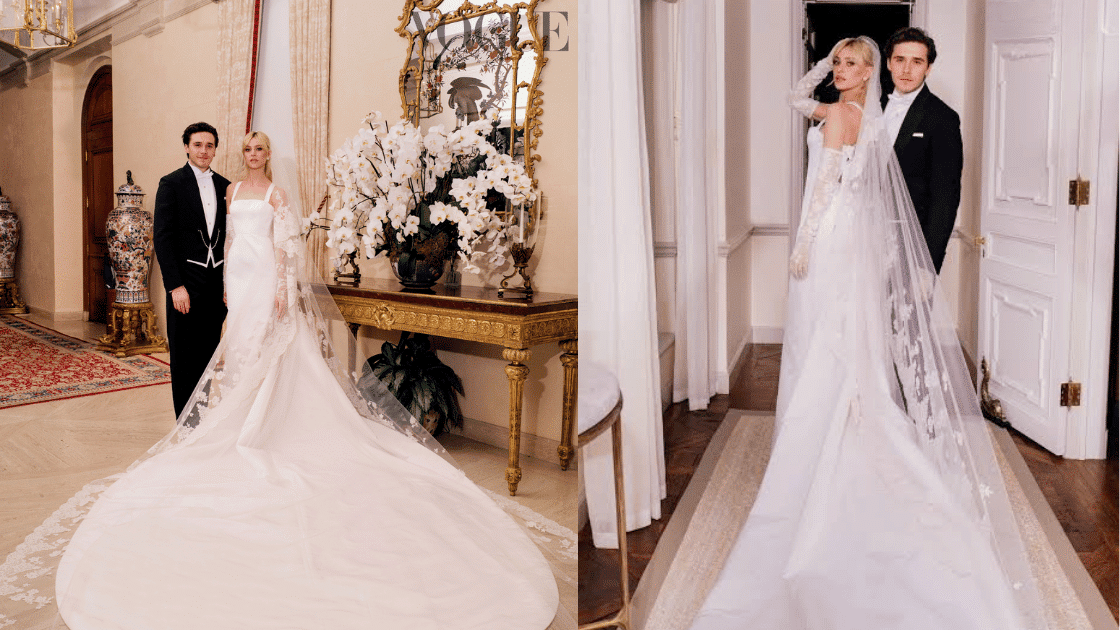
The column gown follows a straight, elongated line running continuously from the bodice through the hem without any added flare.
This streamlined shape emphasizes height and length while creating a polished, refined bridal look suited to brides who want a sleek formal silhouette for evening or black-tie wedding receptions and formal celebrations.
- Key Traits: Minimal flare, floor-length hem, vertical lines
- Fabric & Details: Silk satin, embroidery, back slit details
14. Drop Waist Gown
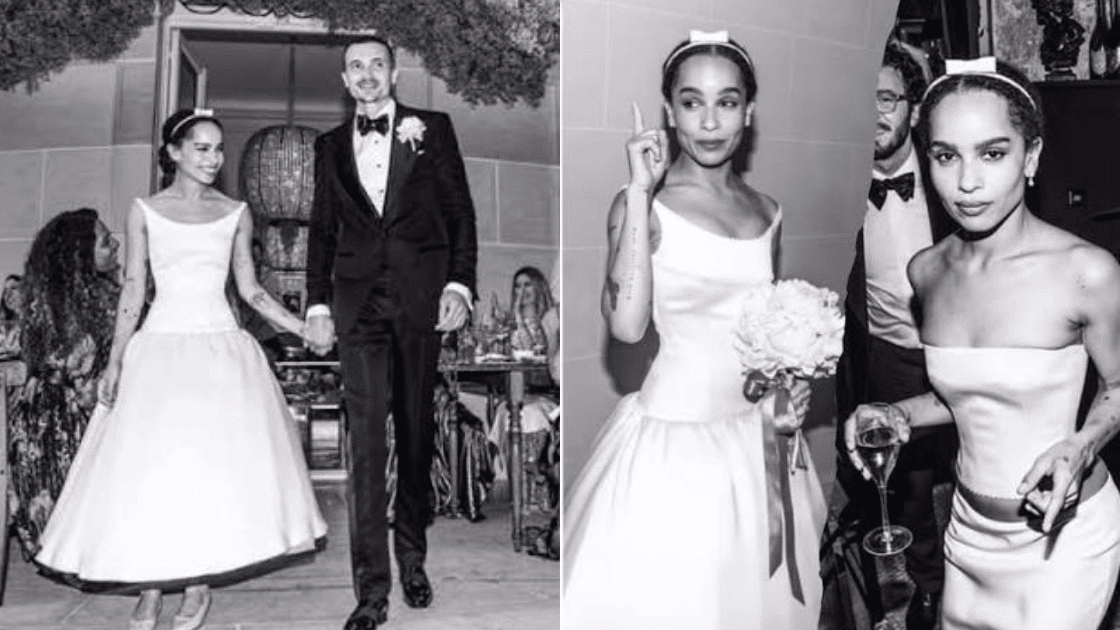
A drop waist gown extends the fitted bodice below the natural waistline before transitioning into a fuller or flowing skirt section.
This distinctive construction creates an elongated torso and a fashion-forward silhouette that appeals to brides drawn to vintage-inspired or nontraditional bridal design details throughout the entire gown structure.
- Key Traits: Low waist seam, elongated bodice, dramatic skirt release
- Fabric & Details: Satin, tulle, softly gathered skirt fabric
15. Corset Gown
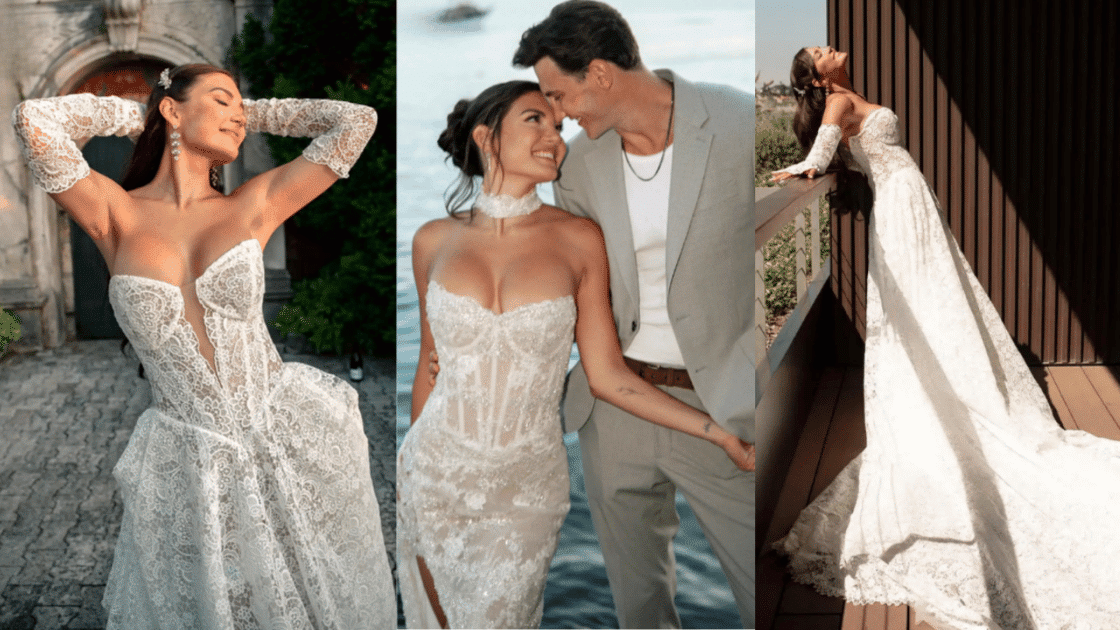
A corset gown incorporates structured boning, fitted panels, or lace-up detailing through the bodice to shape the waist and torso.
This construction creates a clearly defined waistline while adding a structured, dramatic bridal appearance often paired with sleek fitted silhouettes preferred by many modern brides for a striking bridal presence.
- Key Traits: Boning, fitted bodice, structured closure detail
- Fabric & Details: Satin, lace, mesh panel construction
16. Lace Wedding Dress
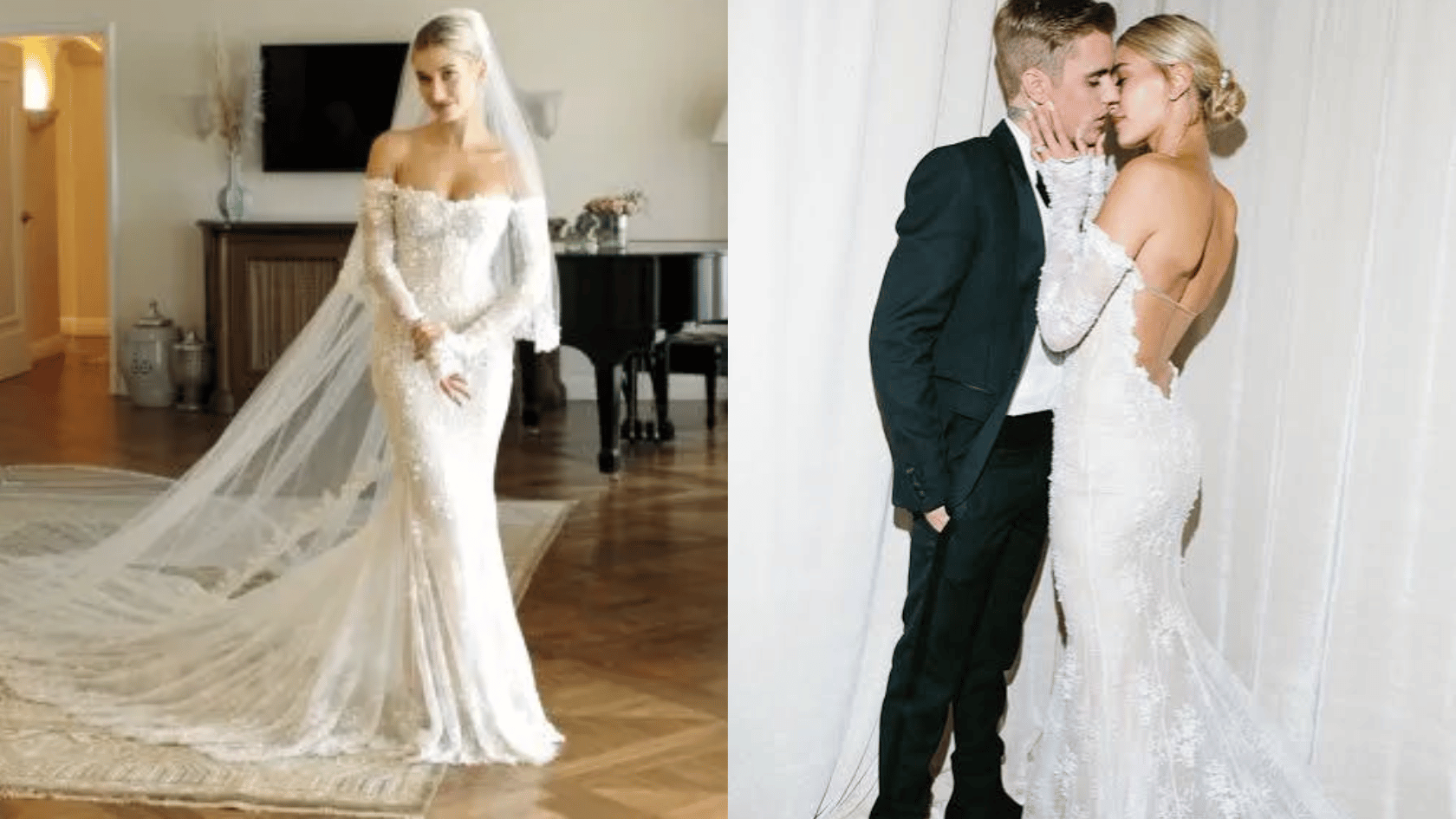
Lace wedding dresses use lace as a prominent surface detail, ranging from full lace overlays to strategically placed appliqué accents across the gown.
Pattern choices can create anything from vintage-inspired designs to soft, romantic bridal looks depending on the density and placement of the lacework across the bodice, skirt, and sleeves.
- Key Traits: Lace overlay, floral motifs, textured surface
- Fabric & Details: Chantilly lace, embroidered lace, delicate appliqué
17. Satin Wedding Dress
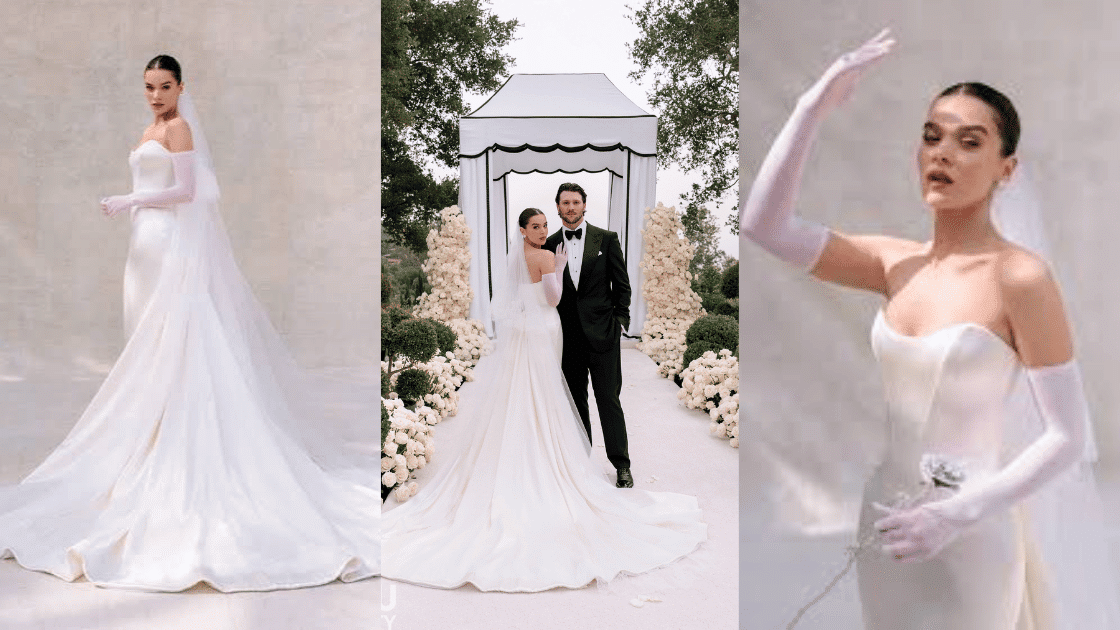
Satin wedding dresses feature a smooth, lustrous fabric that highlights the gown’s structure, seams, and silhouette without extra texture. Satin complements structured, minimalist, and classic gowns, providing a clean, polished look in daylight and evening photos.
Since satin shows every crease and water mark easily, checking the federal rules for garment care labels before cleaning helps protect the fabric’s sheen and structure.
- Key Traits: Smooth surface, subtle sheen, structured appearance
- Fabric & Details: Silk satin, duchess satin, clean draping
18. Long-Sleeve Wedding Dress
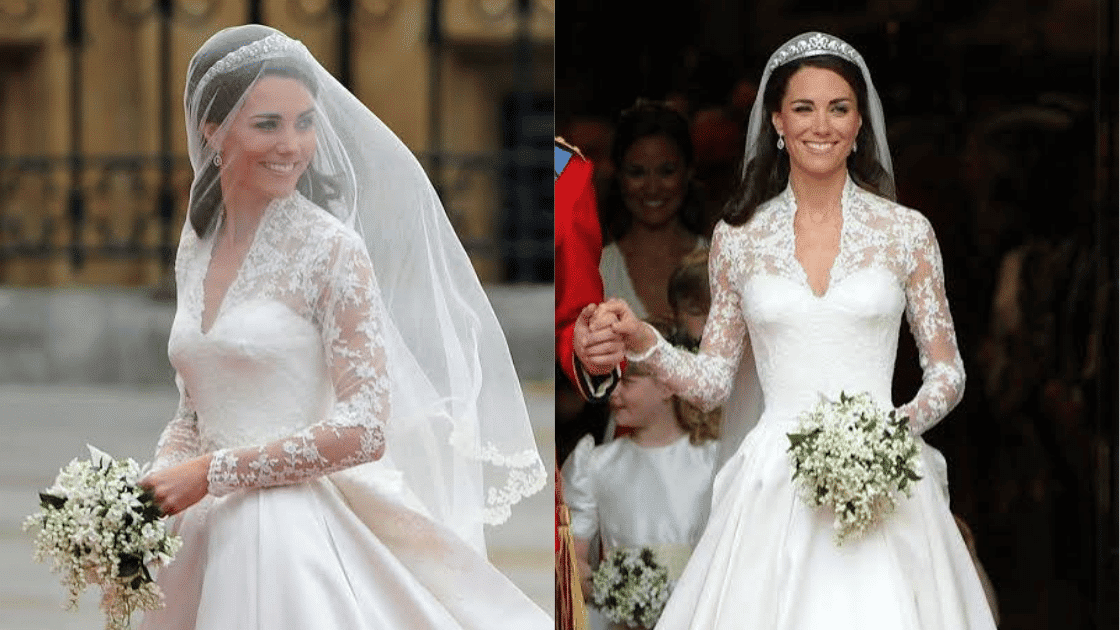
Long-sleeve wedding dresses extend fabric coverage from the shoulder all the way to the wrist, ranging from closely fitted sleeves to soft, flowing designs.
Sleeve construction adds another layer of style, texture, and seasonal practicality, making these dresses a popular choice for cooler weather or formal religious ceremonies throughout the year.
- Key Traits: Full-length sleeves, varied sleeve fits, covered arms
- Fabric & Details: Lace, chiffon, illusion tulle sleeves
19. Bohemian Wedding Dress
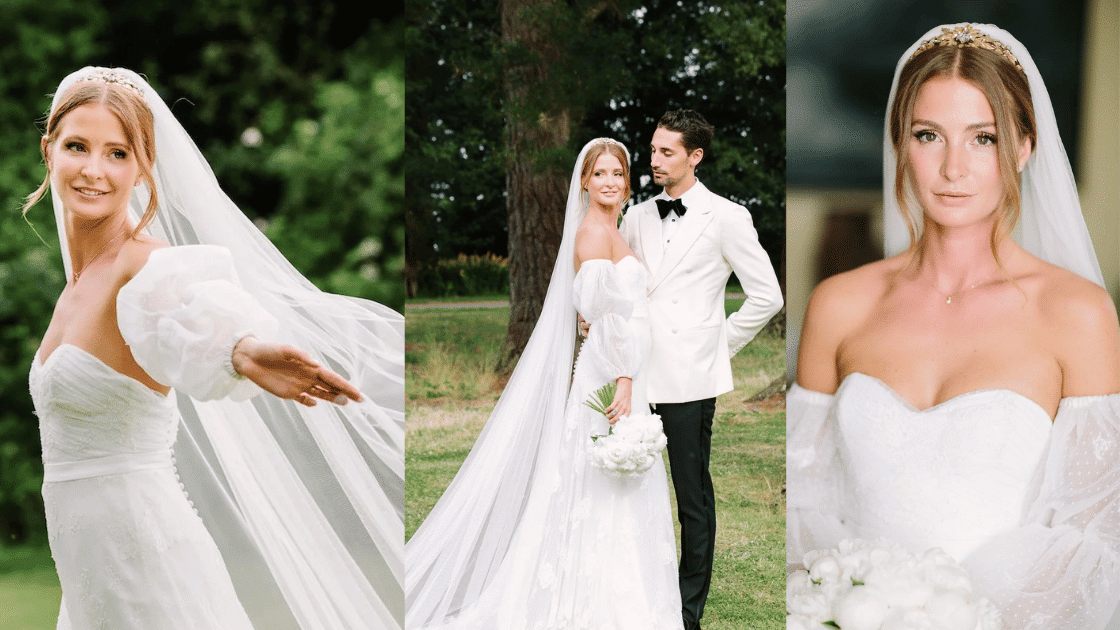
Bohemian wedding dresses typically combine relaxed, flowing silhouettes with soft fabrics, lace, embroidery, or nature-inspired details like florals and fringe.
They suit informal celebrations, outdoor settings, beach ceremonies, and destination weddings suit brides seeking a relaxed, free-spirited alternative to traditional indoor gown styles at formal venues.
- Key Traits: Relaxed fit, flowing shape, organic detailing
- Fabric & Details: Crochet lace, soft chiffon, floral embroidery accents
Together, these wedding dress styles provide a broad visual reference, from structured ball gowns and fitted silhouettes to minimalist, lace, satin, and bohemian designs.
Choosing the Right Neckline and Sleeve Style for Your Wedding Dress
This practical style suits brides who want one dress for the ceremony and another for their reception, offering versatility without the cost of buying two separate gowns.
| Design Component | Visual Description | Best For | Venue Style |
|---|---|---|---|
| Sweetheart Neckline | Heart-shaped dip that highlights the bust | Hourglass and rectangle shapes | Gardens, ballrooms |
| V-Neck Neckline | Vertical cut that elongates the torso | Apple and petite shapes | Beaches, estates |
| High Neckline | Collarbone-high or wrapped neckline | Tall and athletic shapes | Churches, cathedrals |
| Off-the-Shoulder Sleeves | Bare shoulders with upper-arm fabric bands | Pear shapes; balances hips | Estates, mansions |
| Long Lace Sleeves | Lace coverage from shoulder to wrist | Tall and apple shapes | Traditional cathedrals |
| Cap Sleeves | Small shoulder-covering fabric caps | Petite and hourglass shapes | Gardens, backyard weddings |
Small details like neckline depth and sleeve length can change a gown’s overall balance. Matching these features with body shape and venue creates a cohesive bridal look.
Note: What stands out to me is how a single structural choice, like a raised neckline or a fitted sleeve, can shift the entire feel of a gown more than switching the whole silhouette would.
How to Pick the Right Wedding Dress Style Before Shopping
Wedding dress shopping becomes simpler when you settle personal preferences before browsing gowns in person.
☐ Match your wedding location and ceremony type to flowy fabrics or structured silhouettes accordingly.
☐ Decide your comfort level first, choosing a fitted, structured look or a freely moving gown.
☐ Save reference images of silhouettes and details you like to clearly communicate your vision to consultants.
☐ Try on silhouettes you would not normally pick, since unexpected shapes often reveal what flatters you.
☐ Factor in alteration time and cost, since most gowns need tailoring before fittings and final delivery.
Matching Wedding Dress Styles to Your Venue and Ceremony Type
The wedding setting often points toward the right dress style. Fabric weight, silhouette, and formality level usually shift based on the venue.
| Wedding Setting | Fabric | Silhouette |
|---|---|---|
| Beach | Chiffon, silk, crepe | A-line, sheath |
| Ballroom | Structured, detailed fabrics | Ball gown, princess style |
| Garden | Soft fabrics, lace, floral details | A-line, bohemian |
| Church / Traditional | Long sleeves, high neck coverage | Classic, modest silhouettes |
Choosing a fabric and silhouette suited to the venue keeps the overall bridal look cohesive. This table offers a fast reference point for matching dress style to setting.
Common Mistakes to Avoid When Choosing a Wedding Dress Style
Wedding dress shopping can turn stressful when a few common missteps go unnoticed. Bridal experts point to these recurring errors that affect fit, comfort, and overall satisfaction with the final gown.
- Chasing Trending Styles: Picking a gown mainly because it is trending often ignores personal shape and comfort.
- Overlooking Comfort and Movement: A dress that restricts sitting, walking, or dancing can affect the entire wedding day.
- Skipping Venue Considerations: A gown that doesn’t match the ceremony setting can feel out of place in photos.
- Trying Unrelated Silhouettes Randomly: Testing shapes without a general direction wastes fitting time and adds confusion.
- Underestimating Alteration Timelines: Most gowns need four to six months for ordering, tailoring, and final fittings.
Avoiding these mistakes makes shopping calmer and more enjoyable. Planning for style, comfort, and timing ensures the gown fits the day. Quickly purchased dresses during trunk shows or appointments warrant checking cancellation rights to prevent stress later.
Final Takeaways
Finding the right gown becomes easier when you understand different wedding dress styles and how each option fits your comfort, venue, and personal taste.
From classic silhouettes to modern designs, the right choice helps create a bridal look that feels suitable for the special day. Each style offers different shapes, fabrics, and details to match different preferences.
Take time to compare options before making your final decision. A comfortable dress that matches your needs will help you feel confident throughout the celebration.
From my experience, small structural details, like a seam placement or sleeve cut, often shape the final look more than the fabric choice itself.
Which wedding dress style is your favorite? Share your thoughts in the comments below.
Frequently Asked Questions
Can a Wedding Dress be Customized After Purchase?
Yes, many gowns can be adjusted with changes like neckline updates, sleeve additions, or minor design changes. A skilled tailor can help create a better fit and personal feel.
How Far in Advance Should a Bride Buy Her Wedding Dress?
Buying several months before the wedding gives enough time for fittings, alterations, and final adjustments. Planning early also helps avoid stress during the last weeks.
What Should a Bride Bring when Trying on Wedding Dresses?
Brides can bring suitable undergarments, shoes with a similar height, and trusted opinions from close people. These items help get a clearer idea of the final bridal look.