
Your hair looks straight, but it never quite behaves like it. It frizzes in humidity, sits flat at the roots, and feels dry at the ends all at once.
That combination is specific. Most people assume it is just difficult straight hair or early wavy hair.
If you have 1C hair, the behavior is tied to your strand structure, not your routine. Every frustrating pattern has a clear reason behind it.
The key features that define it, how it differs from similar types, the reasons behind its unique traits, and practical ways to manage it without making things complicated are covered.
What Is 1C Hair and How Is It Defined?
1C hair is straight hair with a coarse texture and subtle bends, placing it at the far end of the straight category, just before wavy types begin.
The Andre Walker system divides hair into four numbered types. Type 1 covers all straight hair, and 1C hair sits at the coarsest end of that group.
The biggest confusion around 1C hair is the term “slightly wavy.” Its bends come from coarseness and strand weight, not a curved follicle, which keeps it classified as straight.
How Do You Identify 1C Hair and Distinguish It from 1B and 2A?
Telling 1C hair apart from similar types can be tricky. Strand thickness and how hair behaves after air drying often reveal more than looking for a pattern.
Comparing 1C with 1B and 2A side by side makes the small differences much easier to spot at a glance.
| Feature | 1B | 1C | 2A |
|---|---|---|---|
| Strand thickness | Medium | Coarse | Fine to medium |
| Air-dried pattern | Slight body | Uneven bends | Defined waves |
| Frizz tendency | Low | Moderate to high | Moderate |
| Wave definition | None | No true wave | Clear wave |
| Humidity response | Minimal | Puffs and frizzes | Waves tighten |
Wave definition is what truly separates 1C from 2A hair. One shows uneven bends, while the other forms a clear, repeating wave pattern.
Once you know what to look for, identifying your hair type becomes much easier during everyday routines like air drying.
1C Hair: Frizz, Flat Roots & Volume Issues

1C hair often feels unpredictable, but its behavior follows a clear pattern. Oil distribution, strand thickness, and humidity all play a direct role.
Root flatness, uneven dryness, and cuticle response work together to shape how this texture shifts throughout the day.
- Oil distribution and root flatness: Sebum builds at the scalp, flattening roots while ends stay dry.
- Strand thickness and dryness imbalance: Coarse strands absorb moisture unevenly, causing mixed dryness along the strand.
- Humidity and cuticle reaction: Raised cuticle lets in moisture unevenly, causing frizz as a structural response, not damage.
1C hair frizz is not random or a sign of damage. It happens because of how oil, moisture, and humidity interact with coarse strands.
Once you understand this pattern, managing 1C hair becomes less about guessing and more about working with its natural structure.
How to Maintain 1C Hair Without Losing Volume?
1C hair care works best when scalp oil control and hydration are kept separate. Using one product from roots to ends often causes buildup and flat roots.
Washing every 2–3 days prevents sebum buildup without drying ends. A weekly clarifying shampoo removes residue. Light conditioner should stay on mid-lengths and ends only.
A weekly lightweight mask helps dry ends. Small amounts of leave-in reduce frizz without flattening roots. Heavy layering should be avoided to maintain volume.
Best Hairstyles for 1C Hair and Why They Sometimes Fail
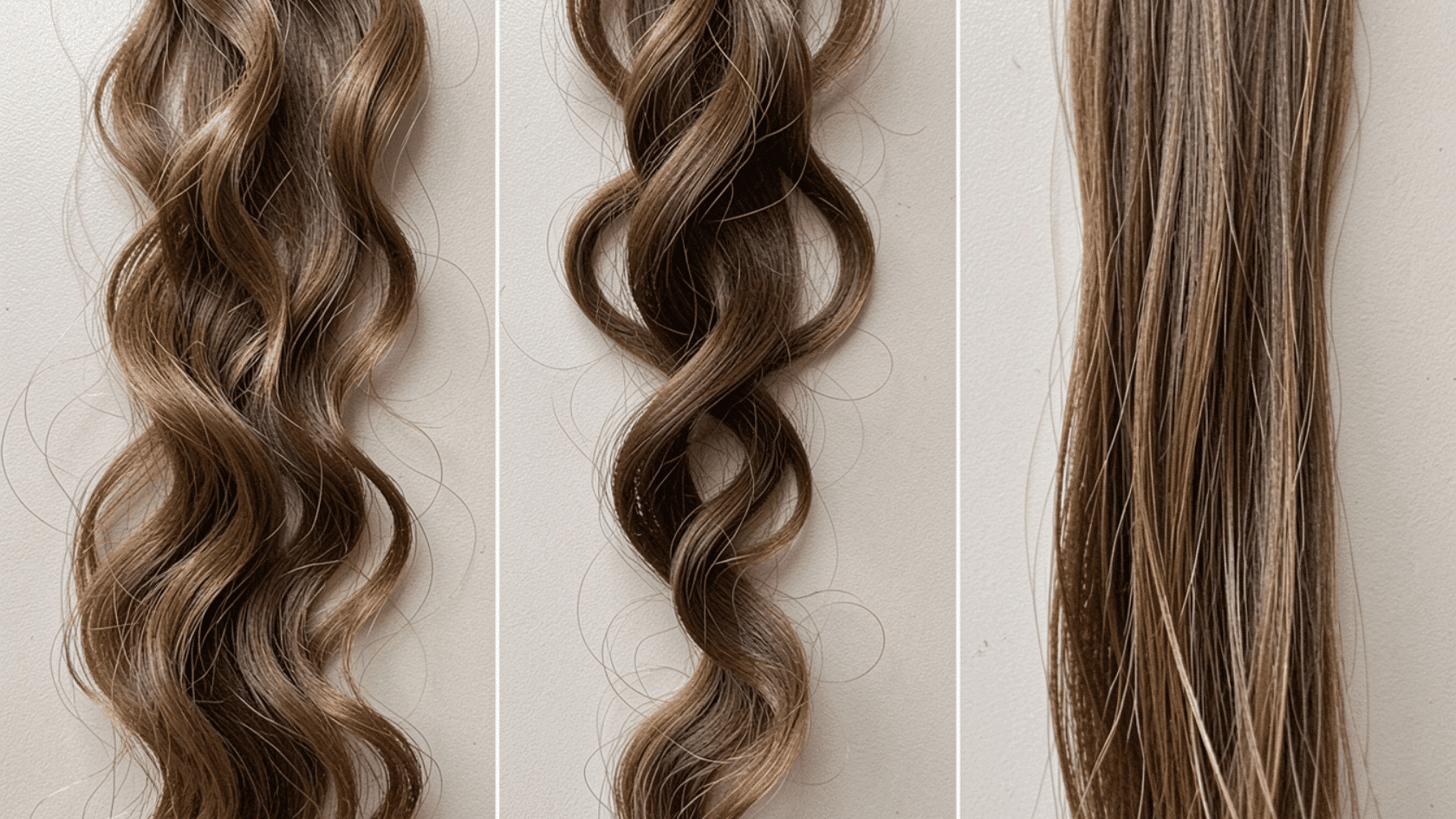
1C hair holds both sleek and textured styles well, but weight, humidity, and product buildup are the three most common reasons a style collapses before the day ends.
- Natural styles: Air-dried styles with light volumizing foam add shape without weighing roots down. Too much product at the scalp can cause flat roots and a rebound of frizz.
- Heat styling: 1C hair holds heat well but loses curl faster than wavy or curly types. Hold drops because coarse strands carry too much weight to maintain curl shape.
- Cuts and layers: Layers reduce bulk and enhance natural bends. Without them, strand weight flattens hair. A silk pillowcase also reduces friction that disrupts styling by morning.
Styling failure in 1C hair is usually structural, not a technique problem. Strand weight, coarse texture, and cuticle response to humidity create predictable failure points that lighter products and strategic cuts can reduce.
Is 1C Hair Rare and What Determines It?
1C hair is not as common as people assume. Its rarity comes down to a specific mix of genetic factors working together at the same time.
Follicle shape and strand diameter both need to align in a particular way for this texture to occur.
| Factor | What it determines |
|---|---|
| Follicle shape | Whether hair grows straight or curved |
| Strand diameter | Fine, medium, or coarse texture |
| Genetics | How both traits combine |
| 1C occurrence | Less common than 1A and 1B |
Thickness alone does not make hair 1C. Follicle shape, strand diameter, and genetics must all align for this texture to appear.
Understanding these factors clears up common misconceptions about what actually makes hair fall into the 1C category.
Common Mistakes People Make when Managing 1C Hair
Most 1C hair problems come from routines built for finer or curlier types, not this coarse, straight structure.
- Over-moisturizing roots weighs hair down fast, since 1C hair needs moisture at the ends, not the scalp.
- Washing too infrequently causes sebum buildup, flattening roots while the ends stay dry and undernourished.
- Using heavy products for frizz control backfires, as thick creams coat the cuticle unevenly and collapse roots.
- The pattern repeats: heavy products cause buildup, buildup flattens roots, and frizz returns anyway.
- Lighter products applied only at the ends, not more product overall, break this cycle for good.
Final Thoughts
Managing 1C hair is simpler once you understand its structure. Frizz, flat roots, and dryness all follow clear patterns tied directly to strand behavior and coarse texture.
Most struggles come down to treating hair as one zone instead of two. Scalp oil, strand thickness, and humidity each play a separate role in how this texture shifts.
The practical takeaway is simple: treat the scalp and ends as separate zones, keep products light, and match styling choices to the actual weight of the strand.
Small shifts, like washing on the right schedule and applying product only where needed, add up to fuller roots and softer ends over time.
Found a routine that works for your 1C hair? Drop it in the comments below. Have questions or something to add? Leave a comment and let us know.
Frequently Asked Questions
Can 1C Hair Change Texture Over Time?
Yes, hormonal shifts, aging, and long-term heat use can alter strand thickness and cuticle behavior. The core type stays genetic, but texture and frizz patterns can shift over time.
Does 1C Hair Respond Well to Color Treatments?
Coarse strands absorb color unevenly and tend to feel drier after chemical processing. Keeping ends conditioned after coloring helps manage the extra frizz it can bring.
Do Men with 1C Hair Need a Different Approach to Care?
Shorter lengths mean sebum reaches the ends faster, making scalp buildup the main concern. Washing every 1 to 2 days and avoiding heavy products keeps it looking clean and full.