
There was a time when getting hair extensions was a fairly straightforward decision.
You wanted longer hair, so you bought longer hair.
Maybe you wanted more volume, too. Maybe you had a wedding coming up. Maybe you had spent the last six months growing out a haircut you weren’t particularly happy with.
The options existed, but the thinking was fairly simple: How much longer do I want to go?
That’s changing.
These days, the conversation around extensions has become much more specific. People are thinking about density, color, texture, placement, how often they want to wear them and, perhaps most importantly, whether the finished result actually suits their own hair.
It sounds like a small shift.
It isn’t.
Hair extensions are becoming less about one dramatic transformation and more about customization.
The End of the One-Size-Fits-All Extension
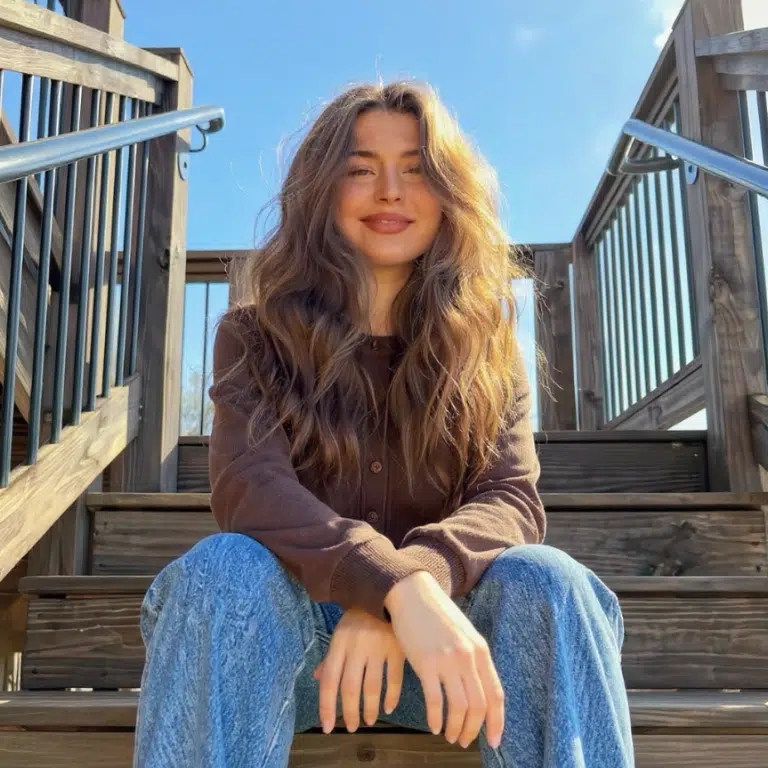
Scroll through social media and it’s easy to think that there is a single ideal extension look: long, thick, glossy hair falling somewhere around the waist.
But real hair doesn’t work that way.
Someone with fine hair may want fullness without adding a huge amount of weight. Someone with naturally thick hair might need considerably more hair to create a balanced result. A person with a short bob has very different requirements from someone whose hair already reaches the middle of their back.
Even color isn’t straightforward.
Two people who describe their hair as “medium brown” can have completely different undertones.
So why would they use the same extensions?
This is one reason personalization has become such an important part of the category. Professional hair extension conversations are increasingly moving beyond length and into factors such as density, color matching, texture and lifestyle.
The idea is simple enough:
Your extensions should fit your hair, not the other way around.
Sometimes You Don’t Need More Length
This may be one of the biggest misconceptions about extensions.
More hair doesn’t always mean longer hair.
For someone with fine or naturally low-density hair, the goal might simply be to make the ends look fuller. A little added volume can completely change how a haircut sits without making the hair noticeably longer.
Someone with shoulder-length hair might want to add a few inches while keeping roughly the same density.
Someone else might already have plenty of length but want more body for a particular hairstyle.
These are very different needs.
And yet, they can all fall under the same broad category: hair extensions.
This is where choosing the right weight and amount of hair becomes important.
Too little may not create enough of a difference. Too much can make the finished style feel heavier than intended.
The sweet spot is somewhere in between — enough to achieve the look, but not so much that the extensions become the look.
Your Lifestyle Matters More Than You Think
There is also the question of how often you actually want to wear them.
Not everyone wants a semi-permanent change.
Someone who likes to switch up their hair for weekends, vacations or special events may prefer something temporary. Clip-ins can make sense here because they can be added when needed and removed afterward.
Someone who wants a more consistent look may prefer a longer-wear application.
Neither is better.
They’re simply different ways of using extensions.
And that flexibility is part of what makes the category more interesting now. Hair extensions are no longer necessarily a single commitment that defines your hairstyle for months.
They can be another styling option.
Much like changing your part, adding waves or wearing your hair up, the decision can depend on what you’re doing that day.
Color Matching Has Become More Sophisticated
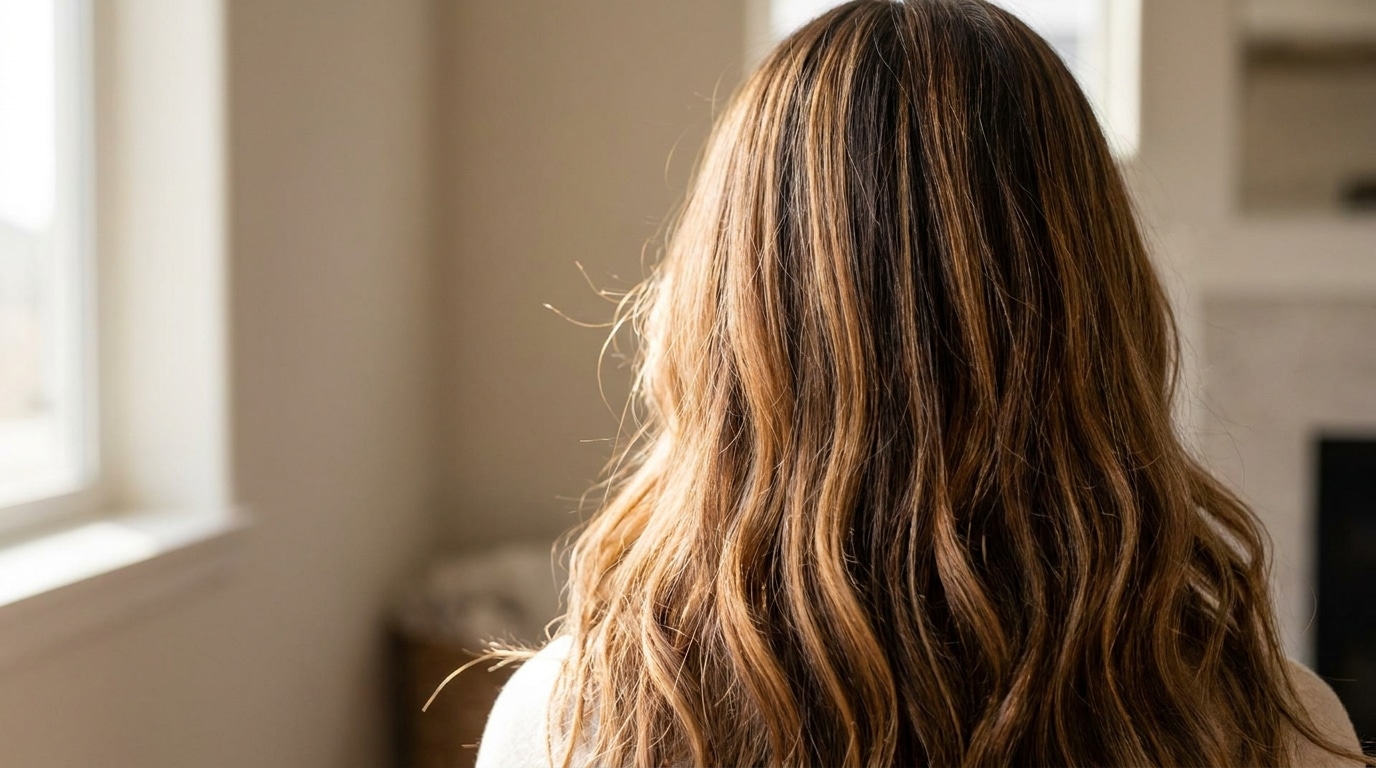
The days of simply choosing “blonde,” “brown” or “black” are long gone.
Hair color has become much more nuanced, and extensions have had to catch up.
A brunette might have warm caramel pieces around the face and a deeper brown underneath. A blonde might move between beige, honey and cooler tones. Natural black hair can have brown undertones that become visible in sunlight.
That variation matters.
The closer the extension color reflects the natural dimension of the hair, the easier it is to create a convincing blend.
This is also why extensions can be an interesting way to experiment with color.
You can add lighter pieces without permanently bleaching your hair. You can introduce warmer tones without booking a full color appointment. You can even change the overall mood of your hair for an event and return to your usual look afterward.
It’s color experimentation without quite as much commitment.
Texture Is Part of the Equation
Then there’s texture.
Straight hair, wavy hair and curly hair don’t move in the same way, so simply matching the color isn’t enough.
A straight-haired customer may want sleek, blended lengths.
Someone with waves may need extensions that can hold and complement that movement.
Curly hair requires an entirely different approach to blending and volume.
This sounds obvious, but it’s easy to forget when shopping online. A shade can look perfect on a screen and still feel wrong once it is next to your actual hair.
That’s why customization is increasingly important.
The goal isn’t to find the extension that looks best on its own.
It’s to find the one that works with everything else.
The Rise of the “Invisible” Transformation
Interestingly, all this customization is pushing extensions toward a more understated result.
The old idea of transformation was easy to understand: before and after.
Short hair.
Long hair.
Thin hair.
Thick hair.
Done.
The newer approach is much harder to photograph because the difference can be subtle.
Maybe the hair is only a few inches longer.
Maybe the ends look fuller.
Maybe the ponytail has more body.
Maybe the color has a little more dimension.
Nobody would necessarily guess that extensions are involved.
That is increasingly the point.
Brands such as GOO GOO Hair are building their extension collections around this broader range of needs, offering different types, weights and application methods so customers can choose according to their own hair and desired result.
A person with fine hair doesn’t necessarily need the same amount of hair as someone with a naturally thick mane. Someone looking for occasional volume has different needs from someone wanting a longer-term change.
Having different options makes it possible to treat extensions more like a personalized beauty service than a single product.
And that is probably where the category is heading.
More Hair Isn’t Always Better Hair
There is a temptation, particularly online, to assume that bigger means better.
The longest set.
The heaviest set.
The fullest ponytail.
But hair has proportions.
If the added volume is significantly different from the natural density at the roots, the result can look disconnected. If the extensions are much longer than the natural haircut can support visually, the transition becomes harder to hide.
A good extension choice takes the starting point into account.
How much hair do you have?
How fine or thick is it?
Where do you want the volume?
How much length are you actually adding?
How often will you wear it?
These questions might sound less exciting than choosing a dramatic new hairstyle, but they’re what make the final result work.
Extensions Are Becoming More Like Styling Tools
This is perhaps the biggest change.
Extensions used to feel like a category of their own — something you got when you wanted to make a major change to your hair.
Now they’re starting to behave more like other styling tools.
You can use them for volume.
For length.
For color.
For a special occasion.
For a particular haircut.
Or simply because your hair looks better with them.
That last reason might actually be the most common.
You don’t necessarily need a transformation story.
Sometimes you just want your hair to look fuller when you put it in a ponytail.
Or you want your layers to have more movement.
Or you want your blowout to last a little longer.
Or you want to see what you’d look like with long hair without spending the next two years growing it.
That’s personalization in its simplest form.
The Future of Extensions Might Be Less Noticeable
The more personalized extensions become, the less they may actually look like extensions.
That sounds contradictory, but it makes sense.
When the length, weight, color, texture and application method are chosen around the individual rather than the other way around, the result naturally becomes more integrated.
There isn’t one “perfect” extension anymore.
There is the right extension for your hair.
And that may be the biggest change happening in the category right now.
The future isn’t necessarily about adding more.
It’s about adding exactly what is missing.
A little length.
A little density.
A little color.
A little volume.
Just enough to make your hair feel more like the version of it you’ve always wanted.
Without making it feel like somebody else’s.