1. Style Starts With the Details
Clothing may set the tone for an outfit, but accessories are often where individual taste becomes more visible. A necklace worn every day, a patch on a favorite jacket, or a keychain hanging from a well-used bag can reveal something about the person who chose it.
That is part of what makes customization appealing. Rather than replacing an entire wardrobe, a few well-chosen additions can change the feel of familiar items. Jewelry, patches, keychains, pins, phone accessories, and luggage tags all serve different purposes, yet each can leave its mark on the way someone dresses and moves through daily life.
2. Custom Accessories, Worn Your Way
2.1 Pieces That Change an Outfit
Custom Jewelry: Wearable Details With Personal Meaning
Jewelry does not need to be dramatic to make an impression. A pendant engraved with a date, a bracelet carrying a meaningful charm, or a necklace built around a familiar symbol can tell a story without overwhelming the rest of an outfit.
Custom jewelry is especially versatile in this respect. Metals, finishes, and shapes can completely change the character of a piece. A simple silver pendant may suit a pared-back wardrobe, while a colorful charm or vintage-inspired design brings a different energy to the same look. The best pieces often feel connected to the wearer rather than borrowed from whatever happens to be trending.
Custom Patches: Reimagining Clothing and Accessories
Patches take a different approach. Instead of introducing another item to an outfit, they can give something already in the closet a new identity. A denim jacket, backpack, or plain cap may feel entirely different once the right patch is added.
For anyone interested in comparing materials and finishes, GSJJ custom patches range from richly embroidered designs to cleaner graphic treatments. Placement matters, too. A large design across the back of a jacket makes a very different statement from a small patch tucked onto a sleeve or pocket.
Hats are especially interesting because the patch often becomes one of the accessory’s defining features. After deciding on placement and size, the next consideration is usually material.
What are the different types of patches I can put on hats?
Embroidered, woven, printed, PVC, leather, and chenille patches all produce distinct results. Embroidery creates a raised surface, woven patches work well with finer artwork, PVC brings dimension, leather can feel polished or rugged, and chenille carries a vintage, collegiate quality.
2.2 The Accessories You Use Every Day
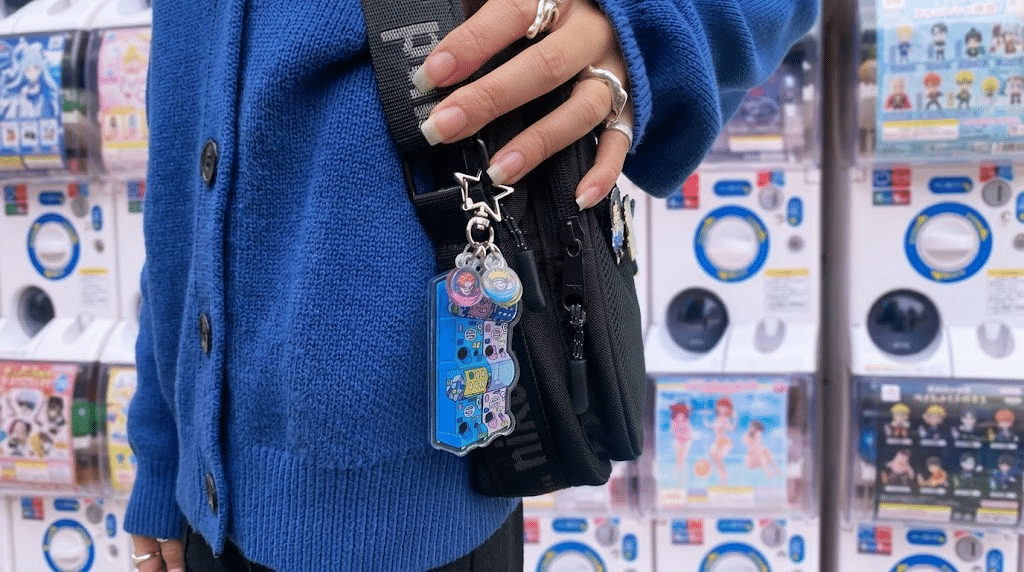
Custom Acrylic Keychains: More Than Something for Your Keys
Keychains are easy to overlook precisely because they are so practical. Yet a small charm hanging from a bag or set of keys can become part of an item’s character. Acrylic designs are particularly flexible, making room for illustrations, characters, symbols, and artwork that might be harder to reproduce in other materials.
They are also an easy place to experiment. Someone who usually dresses in neutral tones might choose a brightly illustrated charm, while another person may gravitate toward a recurring motif. Not everything needs to match. Sometimes a single unexpected detail does more than a perfectly coordinated set.
Lapel Pins: A Flexible Accent for Everyday Wear
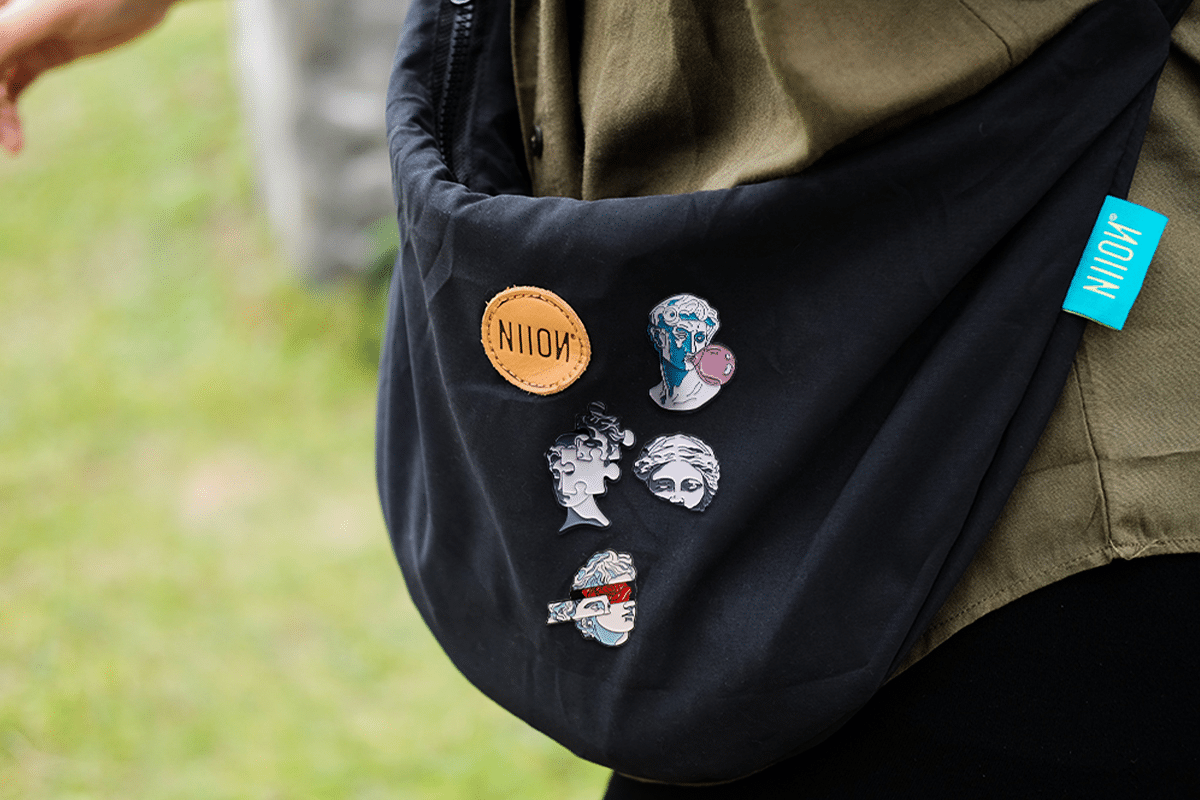
A pin can move with you. One day it might sit on the lapel of a blazer; the next, it may end up on a tote bag or hat. That flexibility makes pins especially appealing to collectors and anyone who likes changing the details of an outfit without making permanent alterations.
Original artwork and meaningful symbols can also be turned into a GSJJ custom lapel pin that adds character without taking over the entire look. Some people lean toward understated metal designs, while others collect colorful or highly detailed pieces.
Pins do not have to stay in the wardrobe, either. Small, movable, and often collectible, they can eventually find a place elsewhere in daily life. A collection that begins on a jacket might later become part of a display at home.
How can I use decorative pins to enhance my home decor?
They can be arranged on a fabric-covered board, placed in a shadow box, or grouped with photographs and other objects. Used with restraint, they add character to a room without making the space feel cluttered.
2.3 Personal Style Beyond the Outfit
Custom Phone Accessories: Everyday Objects as Style Statements
Phones travel almost everywhere with us, so the things attached to them naturally become part of our daily look. Charms, straps, grips, and similar additions can bring color or personality to an otherwise standard device.
There is no need for a phone accessory to match an outfit exactly. A shared color, symbol, or design theme may be enough to create a subtle connection with the things someone wears or carries.
Custom Luggage Tags: Taking Personal Style on the Road
Travel creates another opportunity for customization. A luggage tag makes a suitcase easier to spot, but it can also reference a favorite destination, a hobby, or a memorable experience.
Initials, illustrations, graphic designs, and distinctive materials offer more character than a standard identification tag. For frequent travelers, even something this simple can become a familiar part of what they carry from one trip to the next.
3. Making Different Accessories Work Together
Accessories do not all need to compete for attention. In fact, a look often feels more natural when the individual pieces have room to be different.
One approach is to let certain elements reappear without making everything identical. Someone drawn to botanical imagery, for example, might wear a nature-inspired pendant, carry an illustrated keychain, and add a plant-themed patch to a jacket. The connection is there, but each piece plays a different role.
Materials can create contrast as well. Smooth acrylic, textured embroidery, polished metal, leather, and fabric each bring a different quality to the mix. Combining them can make an outfit or collection feel more layered, while too much of the same finish may start to look overly planned.
The same idea applies to trends. They can provide inspiration, but a signature look develops when those ideas are adapted rather than copied. Over time, the colors, symbols, and materials someone keeps returning to may become part of what makes their style recognizable.
4. Let Your Style Change With You
Customization tends to work best when it starts with something genuine. A favorite illustration, an old hobby, a meaningful symbol, or even a color that keeps appearing in someone’s wardrobe can provide a useful starting point.
There is no need to customize everything. A handful of well-chosen pieces often has more impact than trying to coordinate every object. Tastes change, interests shift, and the things people choose should have room to change with them.
5. The Details That Make a Look Your Own
A distinctive look is not always defined by the largest or most expensive part of an outfit. Sometimes it comes from smaller choices: a piece of jewelry with a story behind it, a patch that gives an old jacket new life, a pin moved from one item to another, or a keychain chosen simply because it brings a little joy.
Jewelry, patches, keychains, pins, phone accessories, and luggage tags all make it possible to put more of yourself into the objects you wear and carry. There is no formula for doing it well. Choosing what feels right, mixing materials, and leaving room for things to change over time can lead to a look that feels genuinely your own.