Self-care used to be something you booked: a spa day, a long bath, or a weekend away. Increasingly, it looks like the unremarkable things done every day, and that shift is changing how people take care of themselves.
Self-Care Is Becoming Part of Everyday Life Rather Than an Occasional Treat
Occasional indulgences are enjoyable, but they don’t change how someone feels on an ordinary Tuesday. That is why many people are now building self-care into the structure of the day instead.
A consistent bedtime, a ten-minute walk after lunch, a few minutes of quiet breathing before a meeting: none of it is glamorous, yet all of it is repeatable. The appeal is practical: small routines cost little and fit around work and family.
The Growing Focus on Preventative Wellness
More Americans are also thinking about prevention, and the numbers explain why. The CDC reports that roughly three in four US adults have at least one chronic condition, and it identifies poor nutrition and physical inactivity among the significant risk factors for several of them, according to a page last updated in May 2026.
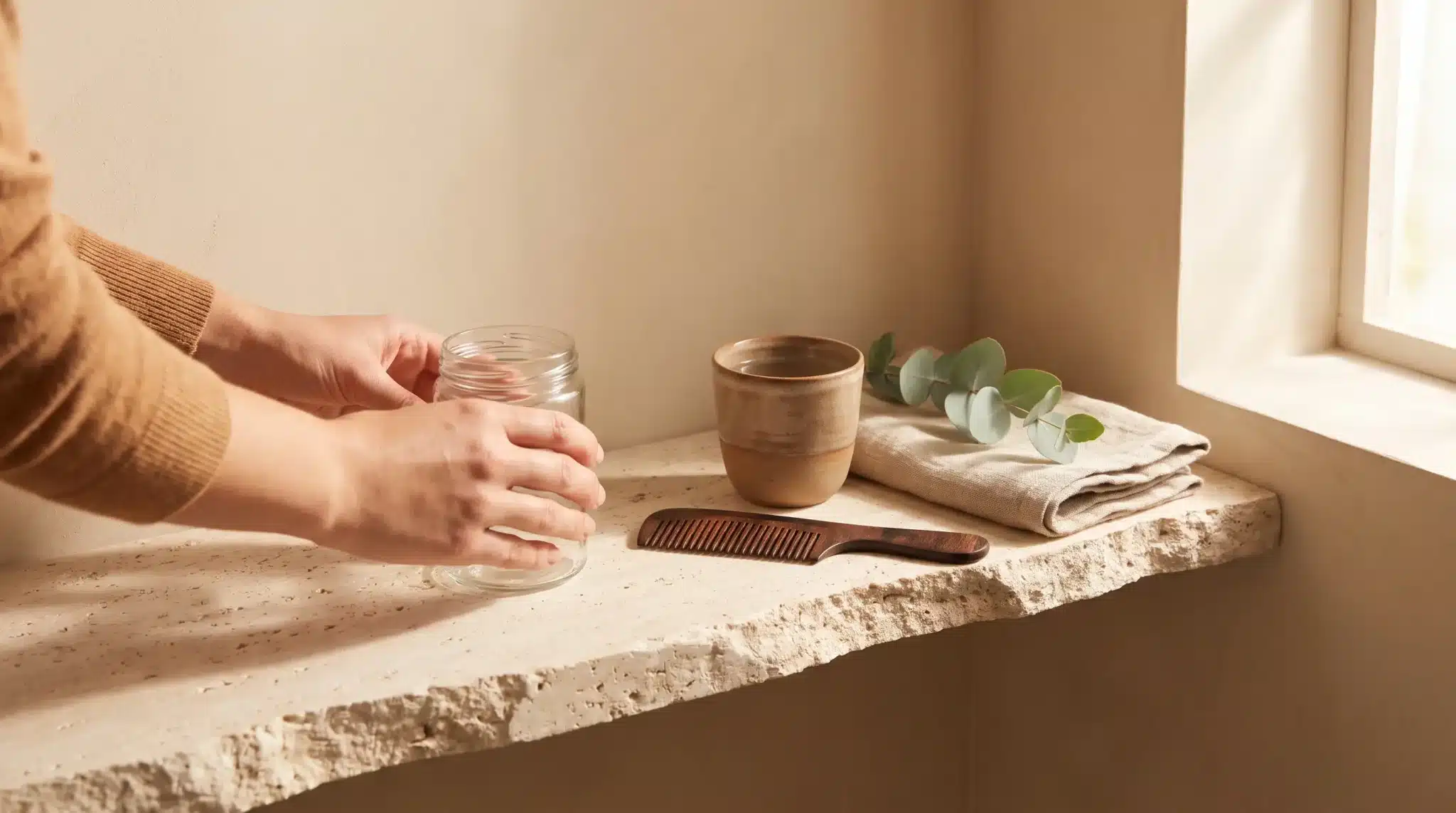
Unsurprisingly, everyday choices around meals, hydration, movement, and stress have taken on more weight. The same logic is reaching personal care. Plenty of people want to look after their hair and scalp before concerns develop, and some explore natural hair growth products alongside balanced eating, sleep, and stress management as part of a wider routine. It is worth remembering that no product replaces medical advice, so anyone noticing sudden or persistent hair loss should speak to a doctor or dermatologist.
Why Personal Care Has Become an Important Part of Wellness Routines
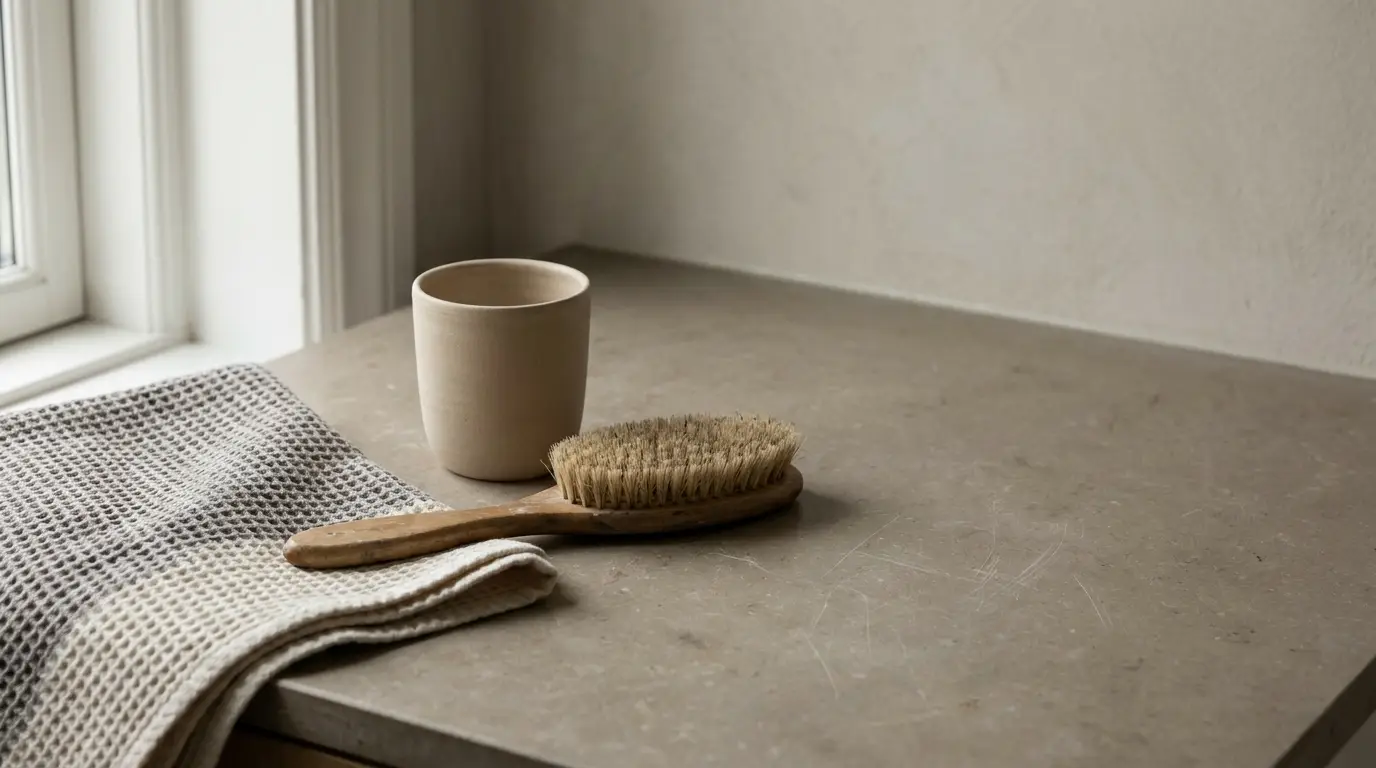
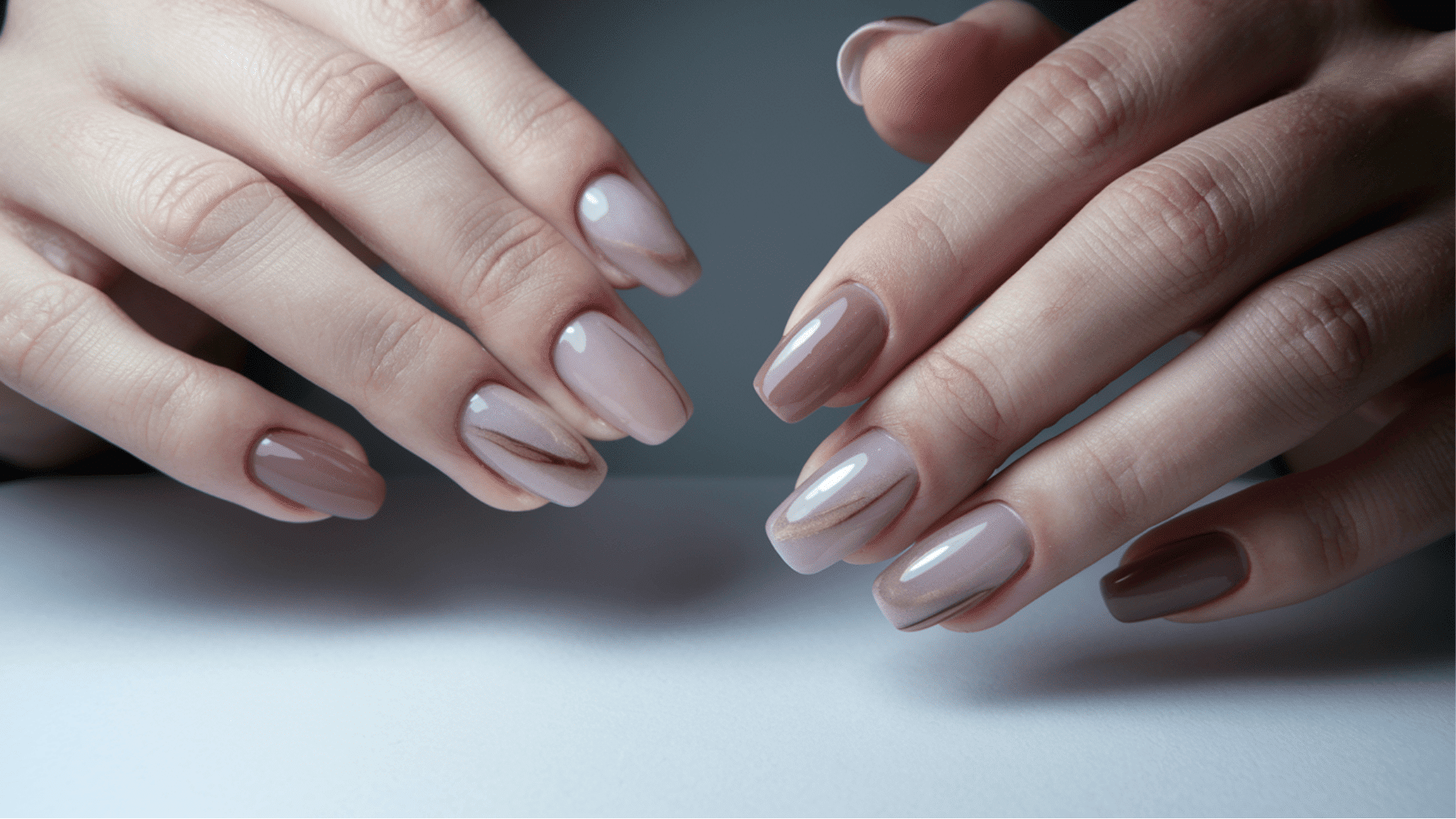
How we look and feel in our own skin affects how we approach the day. Skincare, dental care, and hair care are no longer viewed as vanity alone.
They are small, regular acts of attention that help people feel comfortable and put together, and that quiet confidence can carry into work, friendships, and social plans. Because these tasks already exist in most people’s schedules, they are among the easiest places to build a habit that sticks.
Building Habits That Deliver Long-Term Benefits
Dramatic overhauls tend to fade quickly, while modest changes repeated often tend to last. A systematic review of 20 studies covering 2,601 adults, summarized by the British Psychological Society in March 2025, found that forming a habit took 55 to 66 days on average, with wide variation and some behaviors taking far longer. The takeaway is encouraging rather than discouraging: slow progress is normal. Choose one small action, attach it to something you already do, and give it time.
Better habits don’t arrive in a single leap. They build one small, steady action at a time, and the people who stay patient with the process usually find it ends up feeling natural.