
You open the closet, and nothing feels quite right anymore. Maybe your body or your hair has changed since last year. The clothes still hang there, but getting dressed has turned into a guessing game.
A refresh doesn’t mean starting over. Your personal style is a set of choices you’ve already made many times: the shapes you reach for and the colors you trust. Once you can name those choices, you can carry them into whatever your wardrobe and hair need to do next.
Step 1 – Write Down What Already Works
Your existing favorites are the blueprint for your refresh, so start by studying them before you buy anything. Pull out the five pieces you wear most and the two outfits you feel best in. Look for what they share.
Most people find a pattern quickly. You might always pick high waists, soft fabrics, round necklines or a long cardigan over everything. Write those details down in plain words, because this short list is what you’ll protect as everything else changes.
Then look at what you never wear. If a stiff blazer or a cropped top has sat untouched for a year, that tells you as much as your favorites do. It’s also a good reason to shop your own closet first. The EPA reports that landfills received 11.3 million tons of municipal solid waste textiles in 2018, and a slower, more deliberate refresh keeps more of your clothes in use.
Step 2 – Keep Your Favorite Silhouettes as Your Body Changes
A silhouette is the overall outline an outfit makes, and it’s the part of your style people notice first. When your body changes, keep the outline you love and change the construction underneath it.
Say your go-to look is a wide-leg trouser with a tucked-in knit. If your waist changes, you don’t have to give up that shape. You need a waistband that works with your body as it is now. Look for elastic, drawstring or fold-over waists in the same leg shape you already wear.
Pregnancy is the clearest example. Your usual pants may stop fitting long before you feel ready to change how you dress, and switching to shapes you’ve never liked can make the months feel longer. If you love a wide leg, a barrel leg or a relaxed jogger, keep looking in that cut, now with a waistband built for a growing bump. You can compare cuts in ranges such as maternity pants from PinkBlush, where some styles are marked as post-bump friendly. Try a pair on while sitting down as well as standing, since that’s when a waistband shows whether it really works.
Comfort isn’t only about the waist. Check the rise and the length, then watch how the fabric moves when you walk. A pant that matches your favorite outline but bunches at the ankle or digs in when you sit won’t stay in your rotation.
Step 3 – Build Around Your Favorite Colors
Your favorite colors are the fastest way to make new pieces feel like yours. Go back to the list from Step 1 and pick out the two or three shades that show up again and again, plus the neutrals you pair them with.
Use that palette as a filter for anything new:
- Choose new basics in the neutrals you already wear most
- Add one favorite color near your face, such as a top or scarf
- Repeat an accent color in two places, like shoes and a bag
- Skip any piece that only works with one other item you own
This doesn’t mean every outfit has to match. A simple palette gives you more combinations from fewer clothes, and it makes mornings easier. If you want to try a new color, bring it in through something small first, like a scarf or a knit, before you buy a coat in it.
Step 4 – Layer for Comfort and Changing Days
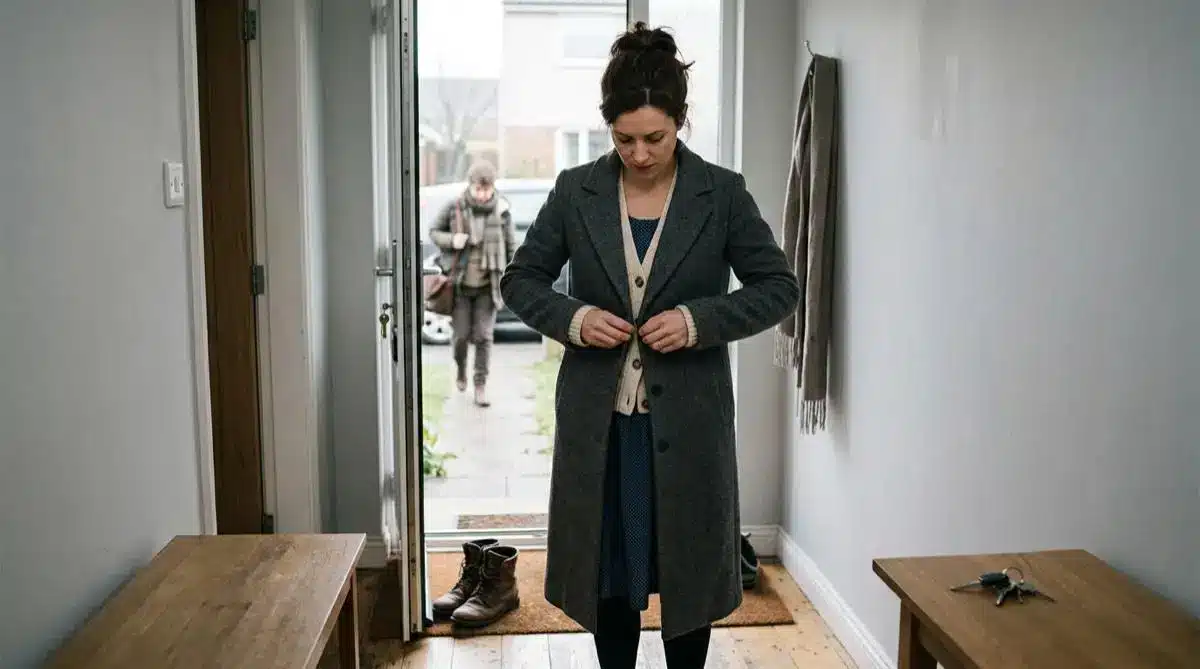
Layering lets one outfit handle a cold morning and a warm office, and it keeps your style intact through all of it. Think of each outfit as a base, a middle layer and an outer layer, then choose each one in shapes and colors from your list.
Pick a Base You Can Wear All Day
Your base layer sits closest to your skin, so it needs to feel good for hours. Soft tees and fitted knits in your core neutrals give you a base that works under nearly everything. Check the care label before you buy, too. If a top needs dry cleaning, ask yourself whether you’ll really wear it every week.
Use the Middle Layer to Show Your Style
The middle layer is where your personality shows: a cardigan, an open shirt, a vest or a light jacket. If your style is relaxed, choose a long, soft cardigan. If it’s sharper, choose a structured shirt jacket. Either way, it should go over your base without pulling across the shoulders or bunching at the arms.
Plan the Outer Layer for the Weather
For very cold days, the CDC advises wearing several layers of loose-fitting clothing along with a hat, gloves and a water-resistant coat. That advice works well for style too, because loose layers move more easily and look less bulky than one heavy piece. Choose an outer layer in a neutral so it works with everything underneath.
|
Top Tip: Before you buy any new layer, put on the outfit you’d wear it with most often and add the layer over it in the fitting room or at home. Raise your arms, sit down and reach forward. If it pulls, rides up or feels heavy after a few minutes, it won’t stay in your routine. |
Step 5 – Adapt Your Hair Without Starting Over
Your hair frames every outfit, so when it changes, your whole look can feel different even if your clothes haven’t. Hair can thin or change texture for many reasons, and some people choose a new option like a wig. The goal is the same as with clothes: match the hair you already love before you try anything new.
Start with photos of your hair when you felt most like yourself. Note the length and part, then the color and volume. Bring those photos to any appointment or consultation, because they explain your style faster than words can.
If you’re looking at wigs, the photos help you compare cap construction, length and color against how you used to wear your hair. When you compare human hair wigs from Daniel Alain with other ranges, ask which cap sizes each style comes in, since the fit matters as much as the look. Measure your head before any fitting so you know your size going in.
Give yourself time to adjust. Wear a new style at home for a few days before a big event, and try it with your favorite outfits so you can see the full look in the mirror. Small changes, like a different part or a trim, can make it feel like yours.
Step 6 – Pull the Finished Look Together
Finishing details are what make a refreshed outfit look intentional rather than thrown on. Once your clothes and hair work, choose the small touches that you’ll repeat often.
Pick a few signature details and use them often:
- A favorite piece of jewelry you wear most days
- One bag in a neutral that goes with your palette
- Shoes you can walk in for a full day
- A lip color or scent you always come back to
Repetition is what makes these details feel like style. When people see the same earrings or the same tan bag again and again, those pieces start to say something about you.
Take a photo of every outfit you love for the next two weeks. Save the outfits that feel right in one folder on your phone. On busy mornings, scroll through it and wear one of them again.
Start With One Outfit This Week
You don’t need a whole new wardrobe to feel like yourself again. Start by writing your list of favorite shapes and colors, then build one complete outfit around it, including hair and accessories. Wear it this week and notice what still needs to change. One outfit that works shows you what to keep, what to replace and what to leave alone.
Frequently Asked Questions
How Do I Find My Personal Style Before a Refresh?
Pull out the five pieces you wear most and the two outfits you feel best in, and look for what they share. Write those shapes and colors down as your list to protect.
What Should I Look for in Pants When My Body Changes?
Keep the leg shape you already love and look for a waistband that suits your body now, such as elastic, drawstring or fold-over. Try them on sitting down as well as standing to check the fit.
How Can I Make a New Hairstyle or Wig Feel Like Mine?
Bring photos of your hair from when you felt most like yourself, noting the length, part and color. Wear the new style at home with your favorite outfits for a few days before a big event.