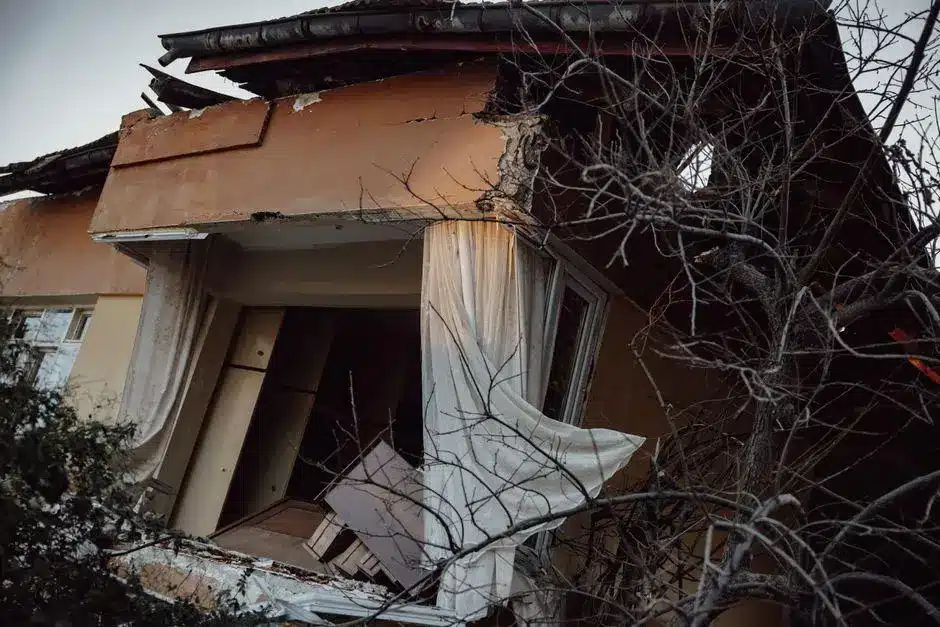
When damage hits your home, the interior changes fast. A small ceiling stain can turn into warped flooring, swollen trim, and a smell that won’t leave. Smoke can settle into fabrics and vents long after the fire is out. If you care about how a space looks, feels, and functions, the first 48 hours matter more than most homeowners realize. You need a clear plan before panic starts making decisions for you.
Start With Safety, Not Cleanup
Your first instinct may be to grab towels, open windows, and start moving furniture. Pause for a minute. Interior damage often comes with hidden hazards such as compromised drywall, wet electrical systems, soot particles, sharp debris, or mold spores already beginning to colonize damp materials.
Take photos before touching anything. Shut off water if a plumbing issue caused the problem. Don’t turn breakers back on in wet areas. If there’s smoke damage, avoid using your HVAC system until it’s inspected, since soot can circulate through ductwork and settle across the whole interior.
You should also think in zones. What rooms are safe to enter? What areas need containment? That simple triage mindset keeps a bad situation from spreading into a bigger one.
The First 24 to 48 Hours Shape the Final Result
The biggest mistake homeowners make is assuming visible drying means the house is recovering. It often isn’t. Moisture moves into subfloors, insulation, baseboards, cabinetry boxes, and wall cavities. By the time paint starts bubbling, the damage may already be deep inside the assembly.
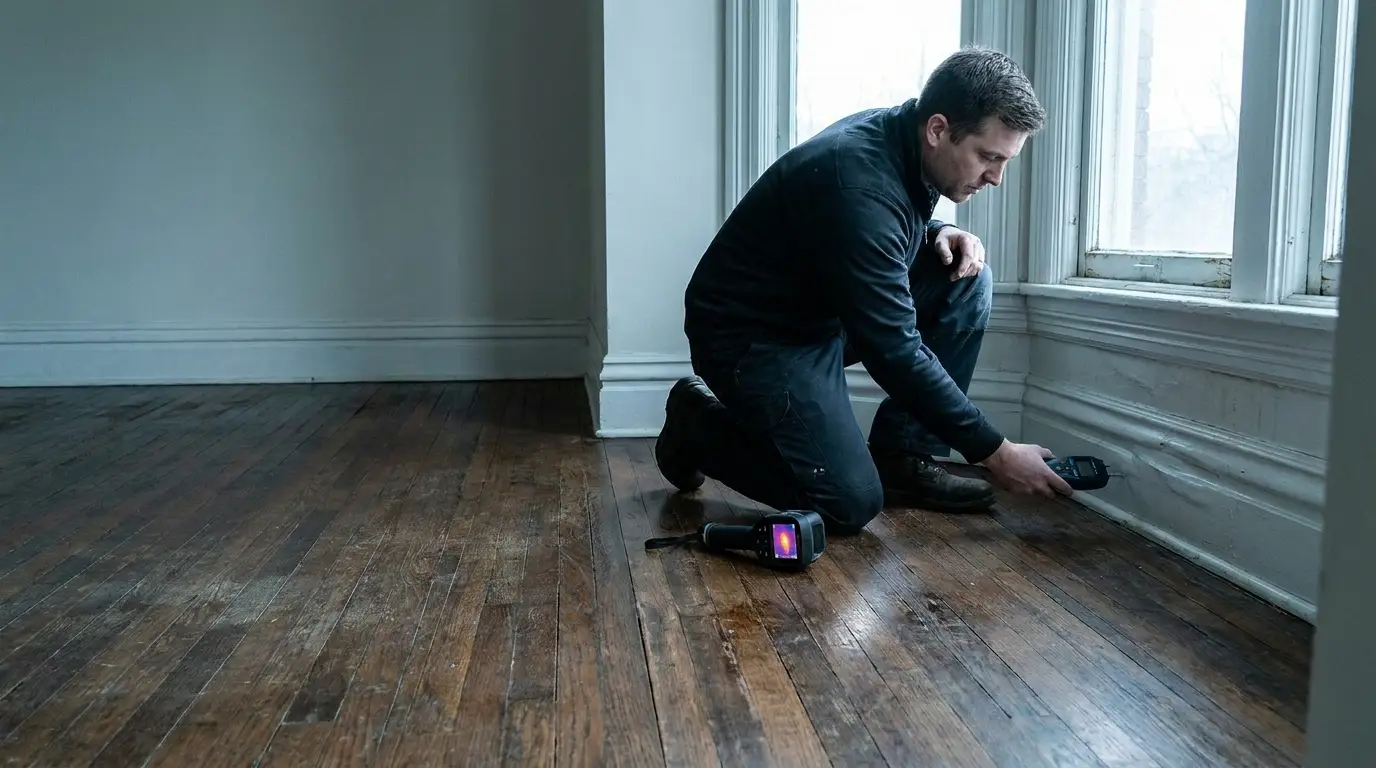
This is where moisture mapping and psychrometrics become important. Professionals use meters, thermal imaging, and drying plans based on temperature, relative humidity, and material type. That technical approach helps protect finishes you’d rather save, including hardwood, tile installations, millwork, and built-ins.
If your interior has custom details, acting quickly matters even more. Specialty wallpaper, plaster, natural stone, and wood veneers don’t respond well to delay. A slow response can turn repairable materials into full replacement projects.
Restoration Is Not the Same as Reconstruction
A lot of homeowners hear one estimate and assume the entire process is covered. In reality, mitigation, restoration, and reconstruction can involve different scopes, timelines, and teams. Water extraction and demolition happen early. Rebuilding walls, reinstalling cabinets, and restoring finishes come later.
That distinction matters because the handoff between emergency work and finish work is where projects often lose momentum. If you’re evaluating help, look for teams that understand both the damage response side and the rebuild side of interior spaces. That includes sequencing trades properly and protecting materials that are staying in place.
In larger losses, property damage restoration may need to lead directly into reconstruction planning, especially when framing, drywall systems, flooring, and interior millwork all need coordinated replacement.
Insurance Paperwork Can Affect Design Decisions
Many people treat insurance as a separate issue from interiors. It’s connected more than it seems. The scope written early in a claim can influence what gets repaired, what gets replaced, and what quality level is approved.
Keep a room-by-room record. Photograph furniture, rugs, art, lighting, and finishes from several angles. Save receipts for emergency purchases such as fans, temporary lodging, or storage bins. If a contractor or adjuster uses broad language like “replace flooring,” ask what product category, square footage, and finish level are being documented.
Those details matter if you’re trying to match white oak planks, restore a custom vanity, or keep your kitchen from ending up with builder-grade substitutions. A well-documented claim gives you a stronger position when interior continuity is on the line.
Smoke and Soot Leave a Different Kind of Interior Damage
Water damage gets attention fast because you can see it. Smoke damage is sneakier. Soot can etch metal finishes, discolor paint, stain grout, and embed odor into upholstery, drapery, and carpet padding. Even a small kitchen fire can affect rooms far beyond where flames were visible.
You shouldn’t wipe soot with household cleaners unless you know the residue type. Dry soot, protein residue, and oily deposits behave differently, and the wrong cleaning method can grind staining deeper into porous surfaces. Odor removal also goes beyond fragrance sprays. It usually requires source removal, HEPA filtration, sealing where needed, and sometimes ozone or hydroxyl treatment under controlled conditions.
From an interior standpoint, smoke damage is often about precision. You’re trying to save finishes without driving contamination deeper into them.
Mold Risk Changes the Timeline Completely
Once water enters a home, mold risk starts climbing quickly. You don’t need a dramatic flood for that to happen. A slow leak behind cabinetry or inside a wall can create the perfect microbial environment with almost no surface clues at first.
Pay attention to subtle signs: a persistent earthy smell, peeling caulk lines, swelling toe-kicks, shadowing on drywall, or new allergy symptoms while indoors. If materials stayed wet for too long, drying alone may no longer be enough. Selective demolition, containment barriers, and negative air pressure may become necessary.
This can feel extreme, but containment is about protecting unaffected rooms and limiting cross-contamination. If your goal is preserving a beautiful interior, clean boundaries matter. One careless demolition phase can spread dust and spores into textiles, closets, and returns throughout the house.
Choosing the Right Team Protects the Look of Your Home
Not every contractor thinks like an interiors-minded homeowner. Some are strong at demolition and structural repair but weak on finish quality, material matching, and the visual continuity that makes a room feel intentional.
Ask direct questions. Who writes the reconstruction scope? How do they document salvageable materials? Can they match trim profiles, paint sheen, tile layout, and flooring transitions? Will they protect undamaged rooms during the rebuild? Do they coordinate with specialty trades if your home has custom cabinetry, wallcoverings, or stone fabrication?
You’re not being picky. You’re managing risk. Interior recovery isn’t only about making a house functional again. It’s about returning the space to a condition that feels coherent, comfortable, and worth living in.
A Smart Recovery Plan Should Also Improve Resilience
After the emergency, you have a rare opportunity to fix weak points that existed before the damage. Maybe the bathroom lacked proper exhaust. Maybe a supply line sat behind an unmonitored vanity for years. Maybe grading issues or roof flashing details kept sending water toward the same wall.
Rebuilding without addressing those vulnerabilities sets you up for repeat losses. Ask about moisture-resistant drywall in appropriate areas, leak detection devices, better ventilation, upgraded underlayments, and easier-access shutoffs. If flooring is being replaced, think about how the new material performs under real household conditions, not only how it photographs.
The best interior outcome isn’t just beautiful after the work is done. It’s also less fragile. A home that recovers well should come back sharper, better detailed, and better prepared for whatever tries to test it next.