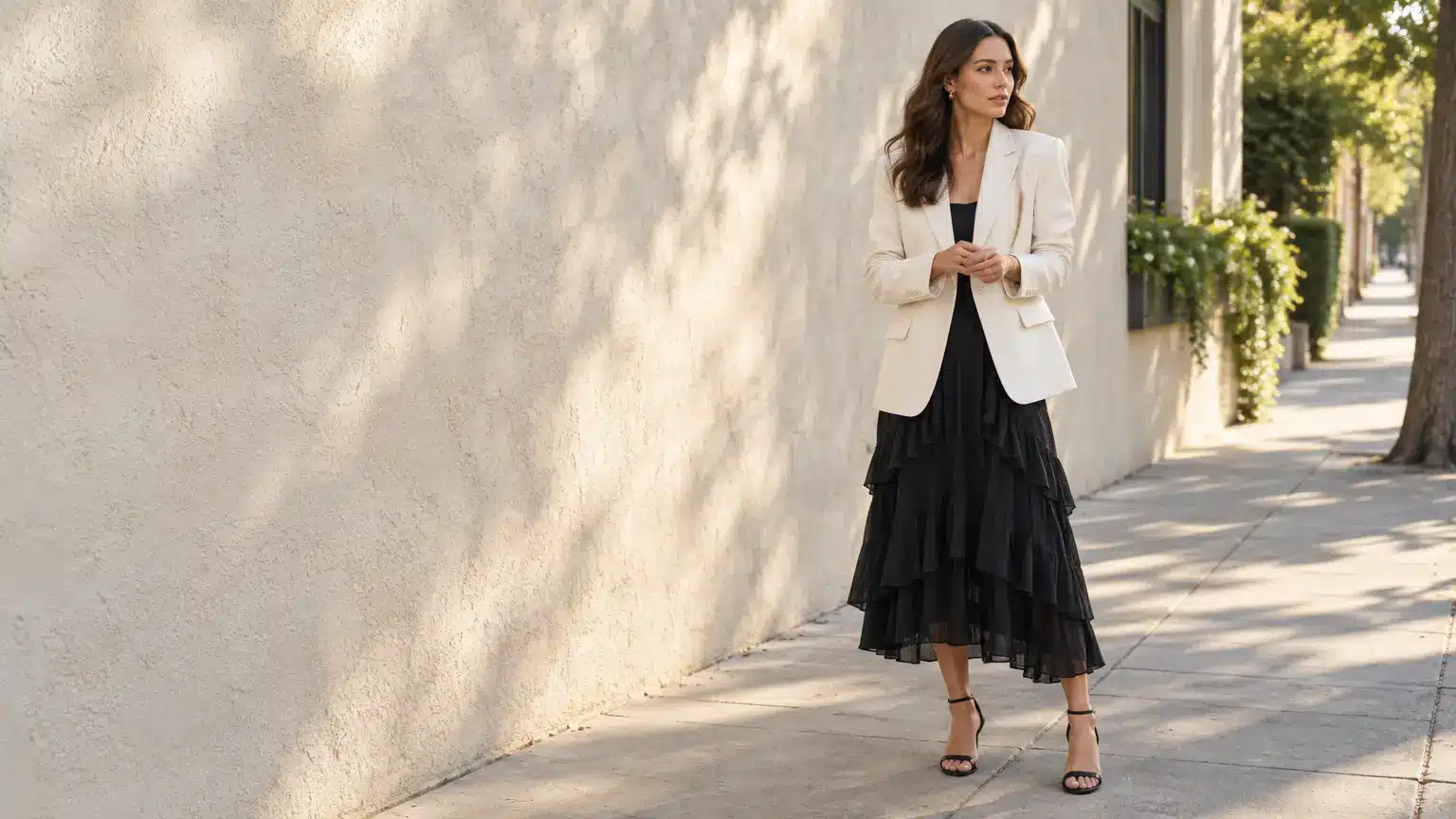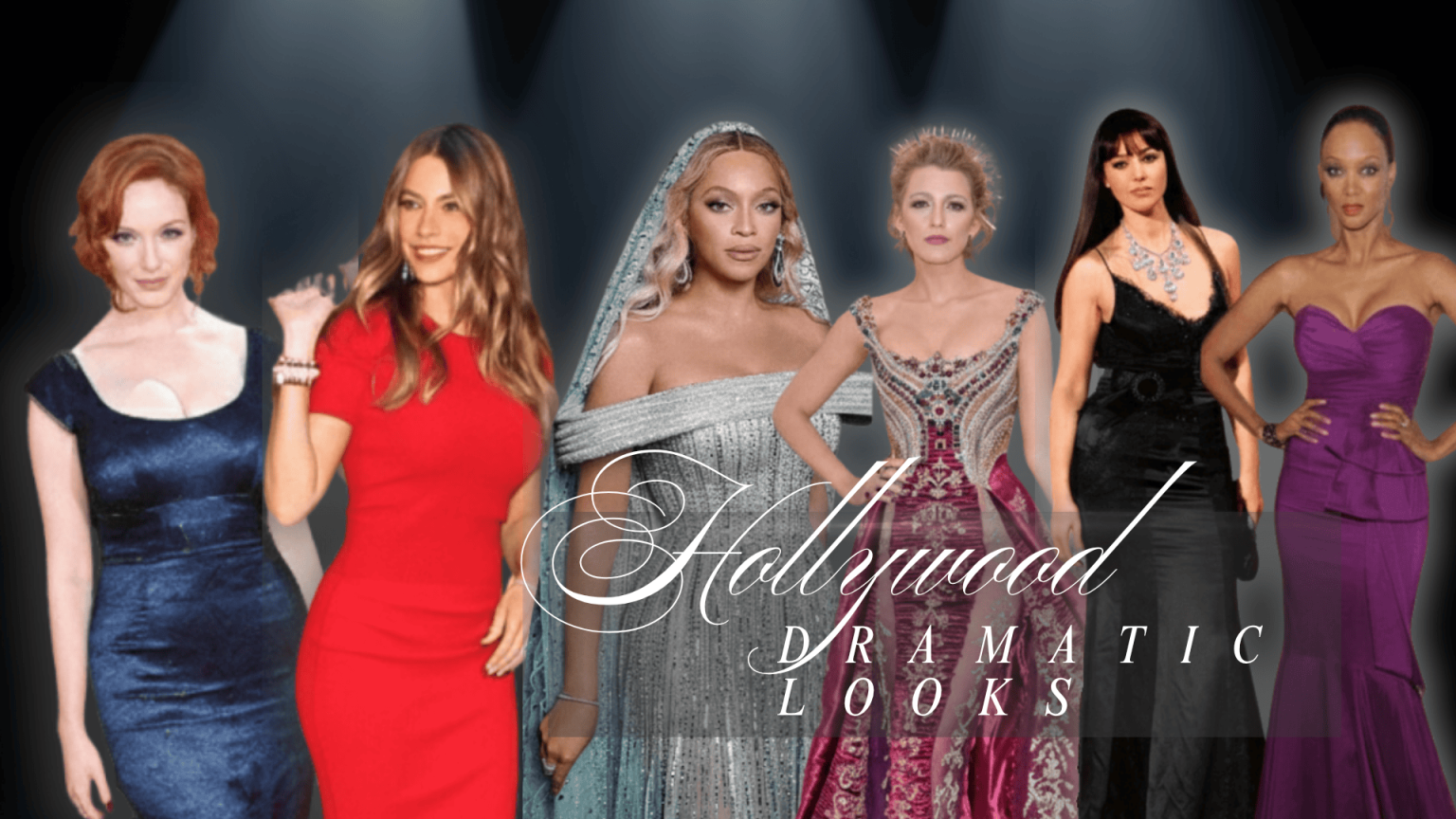
Looking for a body type that radiates both power and softness?
The Soft Dramatic type does exactly that, it blends bold structure with gentle curves for a look that’s striking yet balanced.
Within the Kibbe system, this type is known for its tall frame, defined bone structure, and smooth, full features that create a naturally graceful silhouette.
Celebrities and models like Beyoncé, Sophia Loren, and Monica Bellucci perfectly capture this mix of strength and glamour through their iconic styles.
In this guide, you’ll learn how to recognize the Soft Dramatic, understand how it differs from the Dramatic type, and see practical styling tips.
What Is the Soft Dramatic Body Type?
The Soft Dramatic body type, part of the Kibbe body type system, combines a strong physical presence with soft, rounded features.
It’s characterized by a tall or elongated frame, prominent bone structure, and curves that add fullness to the overall silhouette.
This type represents the meeting point of the Dramatic’s bold structure and the Romantic’s softness.
Individuals with this body type often have defined shoulders, long limbs, and expressive facial features like full lips or soft eyes.
The Soft Dramatic body type highlights contrast, structured yet fluid, creating a natural look that’s both refined and visually balanced according to Kibbe’s principles.
Key Characteristics of the Soft Dramatic Body Type
The Soft Dramatic body type is defined by contrast, a combination of strong physical lines and soft, full features.
The Kibbe system describes this blend as bold structure softened by curves, resulting in a balanced yet striking appearance.
1. Bone Structure and Frame: Long, slightly broad bones create a tall and defined silhouette.
Shoulders are prominent but smooth, and limbs are long, giving an overall vertical and balanced frame.
2. Body Flesh and Shape: Soft, full curves complement the strong structure.
The bust and hips are clearly shaped, balancing length with fullness for a sculpted, natural look.
3. Facial Features: Features combine sharp and soft elements, high cheekbones, a defined jawline, full lips, and expressive eyes, creating a striking yet warm appearance.
Soft Dramatic vs. Dramatic Body Type
The Soft Dramatic and Dramatic body types may appear similar at first, but subtle differences define how each expresses structure and shape.
The Soft Dramatic blends strength with softness, while the Dramatic type focuses purely on sharp, linear definition.
To understand which category you fit into, the Kibbe body photo analysis test helps you evaluate your bone structure, flesh, and facial features through a series of visual comparisons.
You can also take the official Kibbe body type quizto get a more personalized result
The table below highlights their main distinctions within the Kibbe system.
| Feature | Soft Dramatic | Dramatic |
|---|---|---|
| Silhouette | Bold with gentle curves | Sharp and straight |
| Frame | Tall with soft fullness | Tall and angular |
| Texture | Works best with rich, fluid fabrics | Best in crisp, structured fabrics |
| Essence | Strong yet graceful | Sleek and commanding |
| Styling Focus | Combine structure with flow | Emphasize clean, linear designs |
Celebrity Icons with the Soft Dramatic Body Type
Celebrities help bring the Soft Dramatic body type to life by showing how structure and softness work together in real-world styling.
These examples make it easier to visualize how clothing choices, proportions, and fabrics upgrade this body type’s natural balance and presence.
1. Classical Inspirations
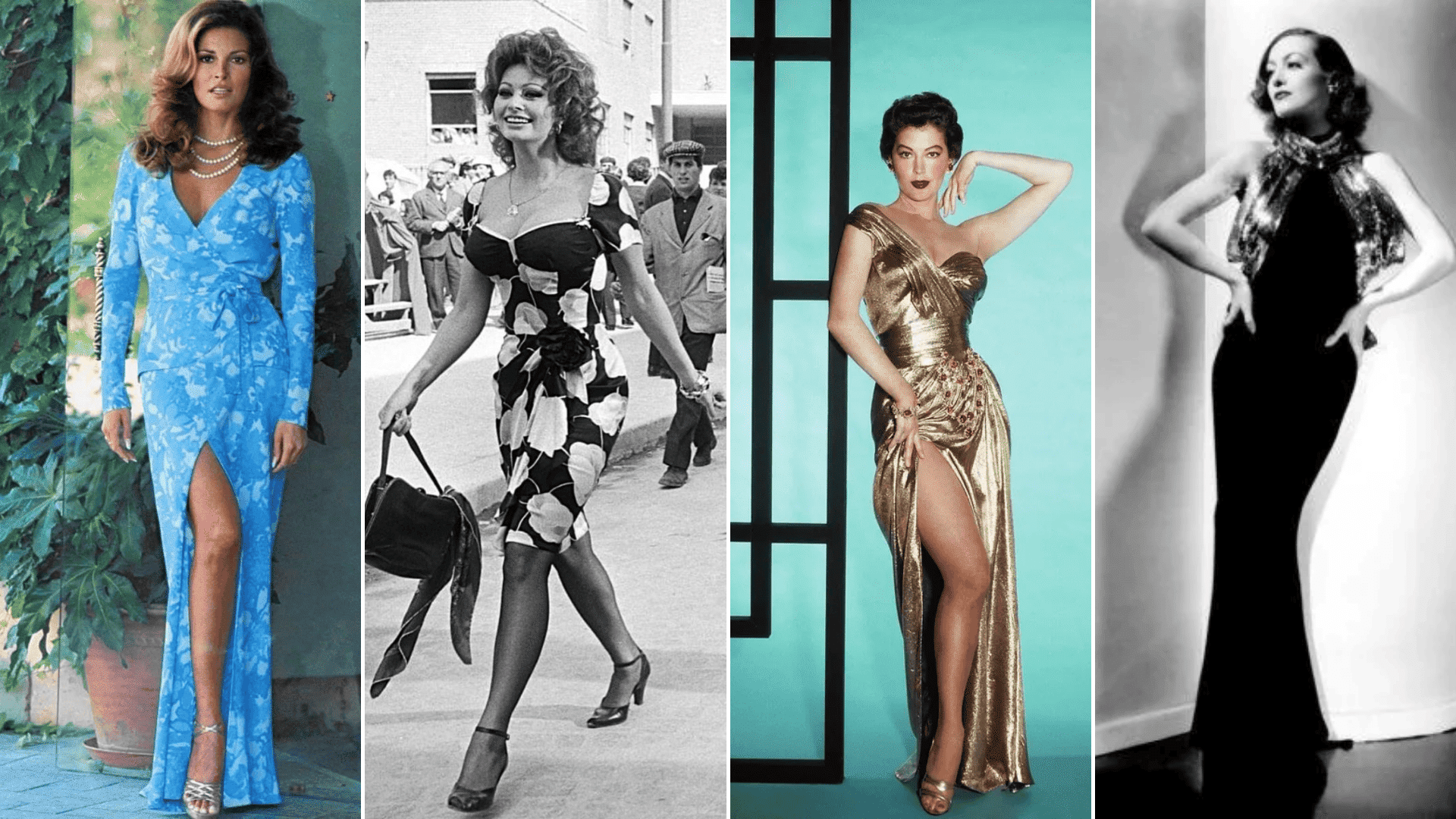
Classic icons such as Sophia Loren, Raquel Welch, Joan Crawford, and Ava Gardner are timeless examples of the Soft Dramatic body type.
Their confident silhouettes, graceful movement, and strong yet feminine presence defined this style long before it was formally categorized.
- Often wore structured gowns and fitted dresses that highlighted the waist and vertical line.
- Favored rich fabrics like satin, silk, and velvet that created a soft drape with a subtle sheen.
- Balanced bold elements, such as shoulder emphasis or statement jewelry, with smooth, flowing shapes for natural harmony.
2. Modern Role Models
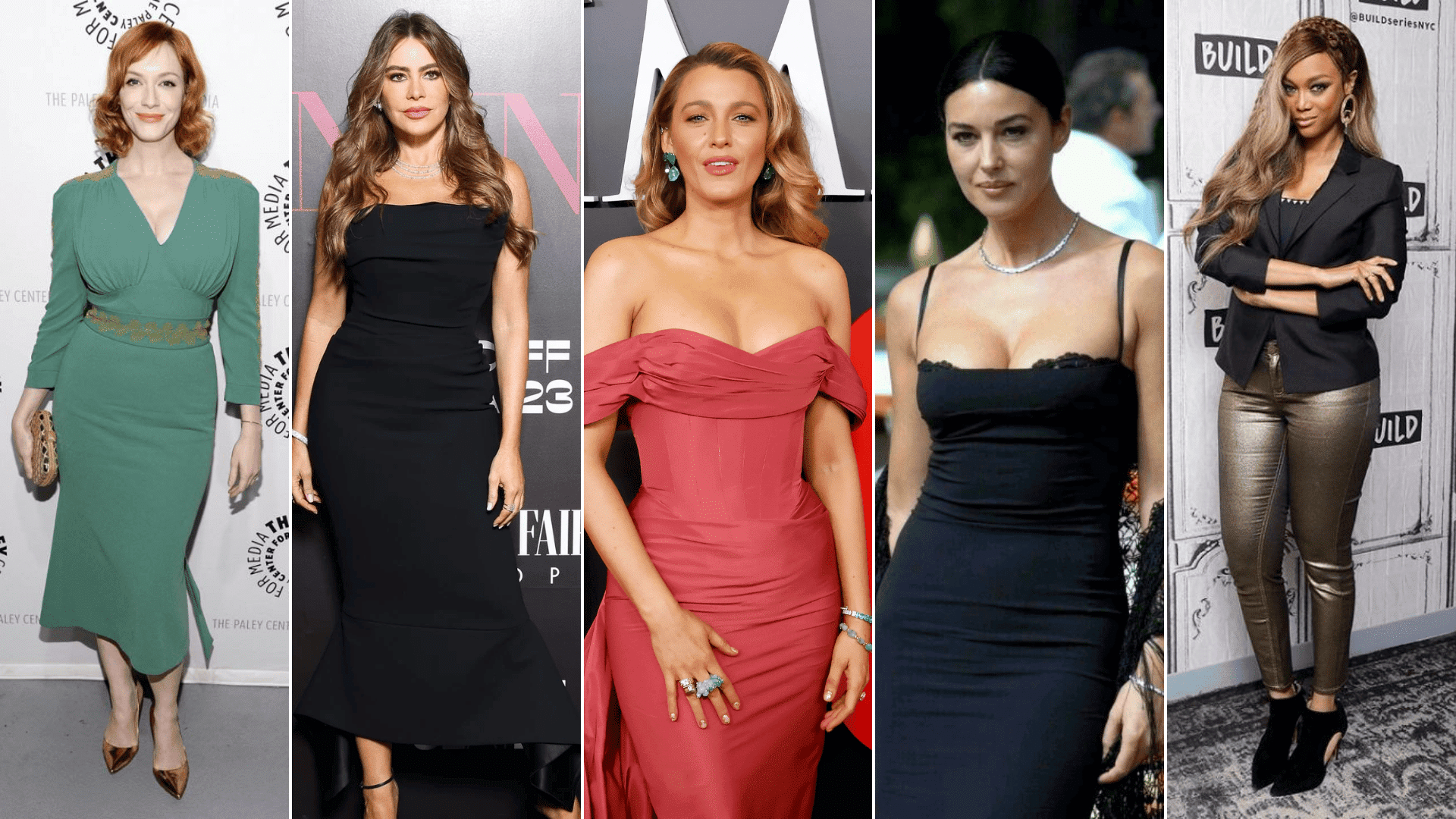
Modern celebrities like Christina Hendricks, Sofía Vergara, Blake Lively,Monica Bellucci, and Tyra Banks beautifully represent the Soft Dramatic body type.
Each of them showcases how structure and softness can coexist through confident silhouettes and expressive styling.
- Prefer fitted outfits that highlight curves while maintaining clean, vertical lines.
- Use bold necklines, rich fabrics, and smooth draping to enhance body balance.
- Experiment with color and texture, from sleek monochromes to glamorous metallics, to highlight their natural presence.
How to Dress for the Soft Dramatic Body Type?
The Soft Dramatic body type shines in outfits that balance structure and softness.
Clothing should enhance the body’s natural lines while keeping the look smooth and refined.
The goal is to maintain length, highlight curves, and express confidence through thoughtful shapes, fabrics, and details that reflect the harmony of this Kibbe type
1. Style Essence
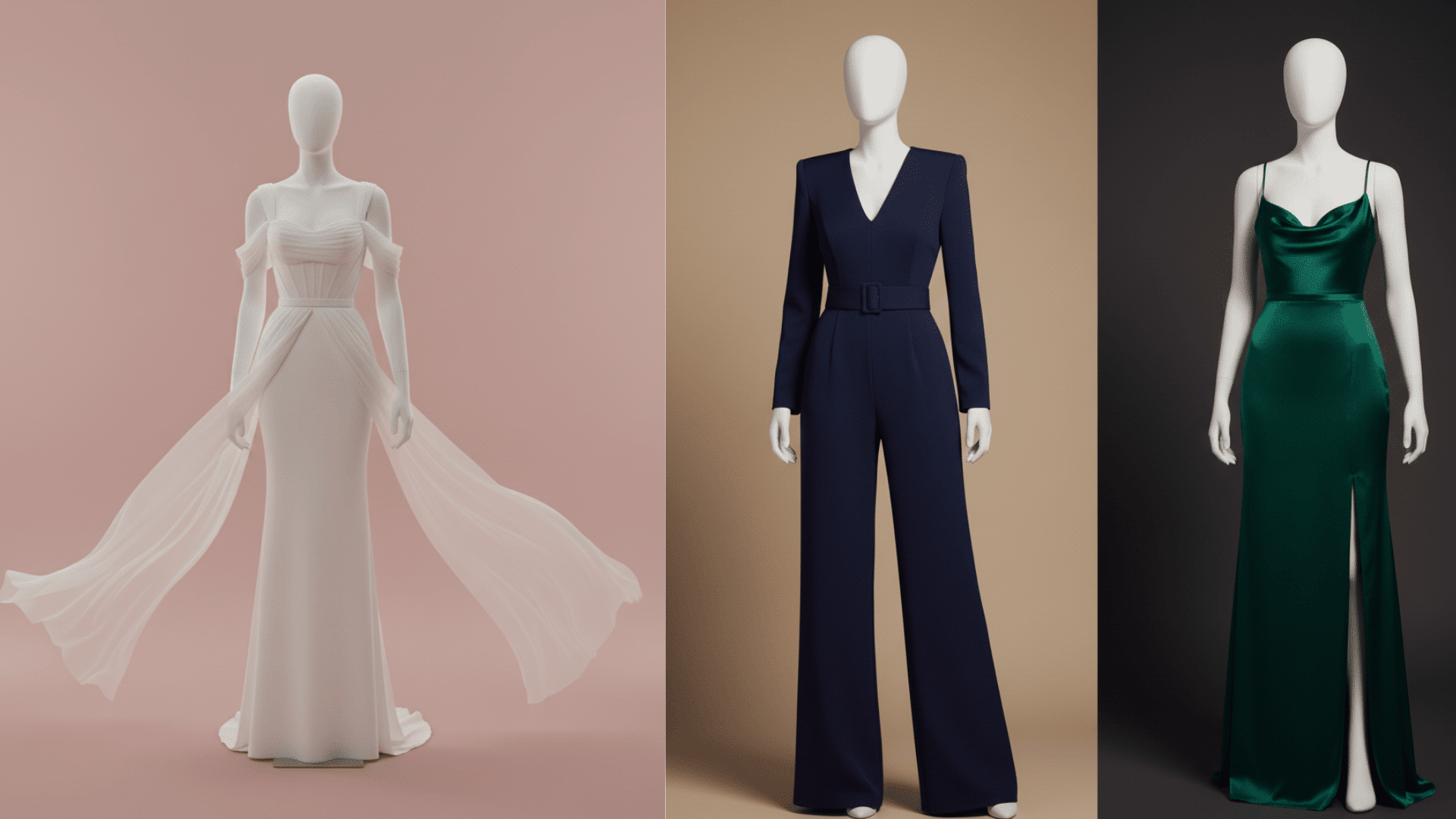
The Soft Dramatic essence combines defined structure with graceful movement, allowing outfits to appear bold yet balanced.
It focuses on creating a strong visual impression while keeping the look soft and approachable.
- Overall Look: Confident and expressive, built around structure and smooth flow.
- Silhouette Goal: Maintain a long, vertical line with gentle shaping at the waist and hips.
- Avoid: Minimalist or overly delicate looks that lose balance or dimension.
- Styling Tip: Choose clean designs with subtle movement that highlight height and natural proportion.
2. Best Clothing Cuts and Fabrics
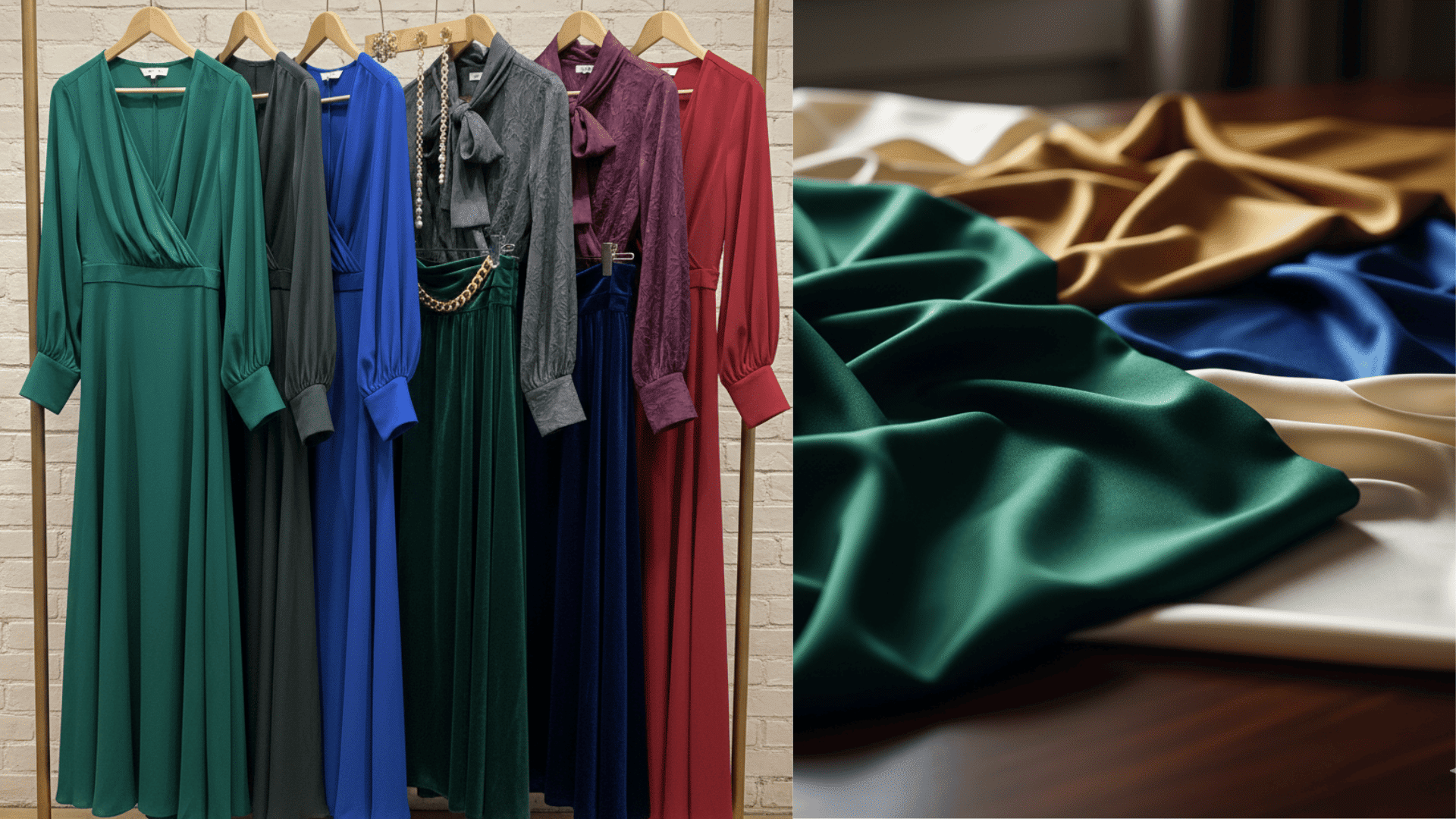
The right cuts and fabrics define the Soft Dramatic style by supporting vertical flow and gentle curves without stiffness.
The focus is on clothing that fits naturally and complements the frame’s refined strength.
- Ideal Cuts: Wrap or bias-cut designs that outline the body while extending the vertical shape.
- Fabrics to Choose: Silk, crepe, satin, or velvet, all of which hold form while moving easily.
- Fabrics to Avoid: Rigid materials or clingy fabrics that distort the silhouette.
- Styling Tip: Look for garments that drape cleanly and maintain shape through structured softness
3. Ideal Necklines and Sleeves
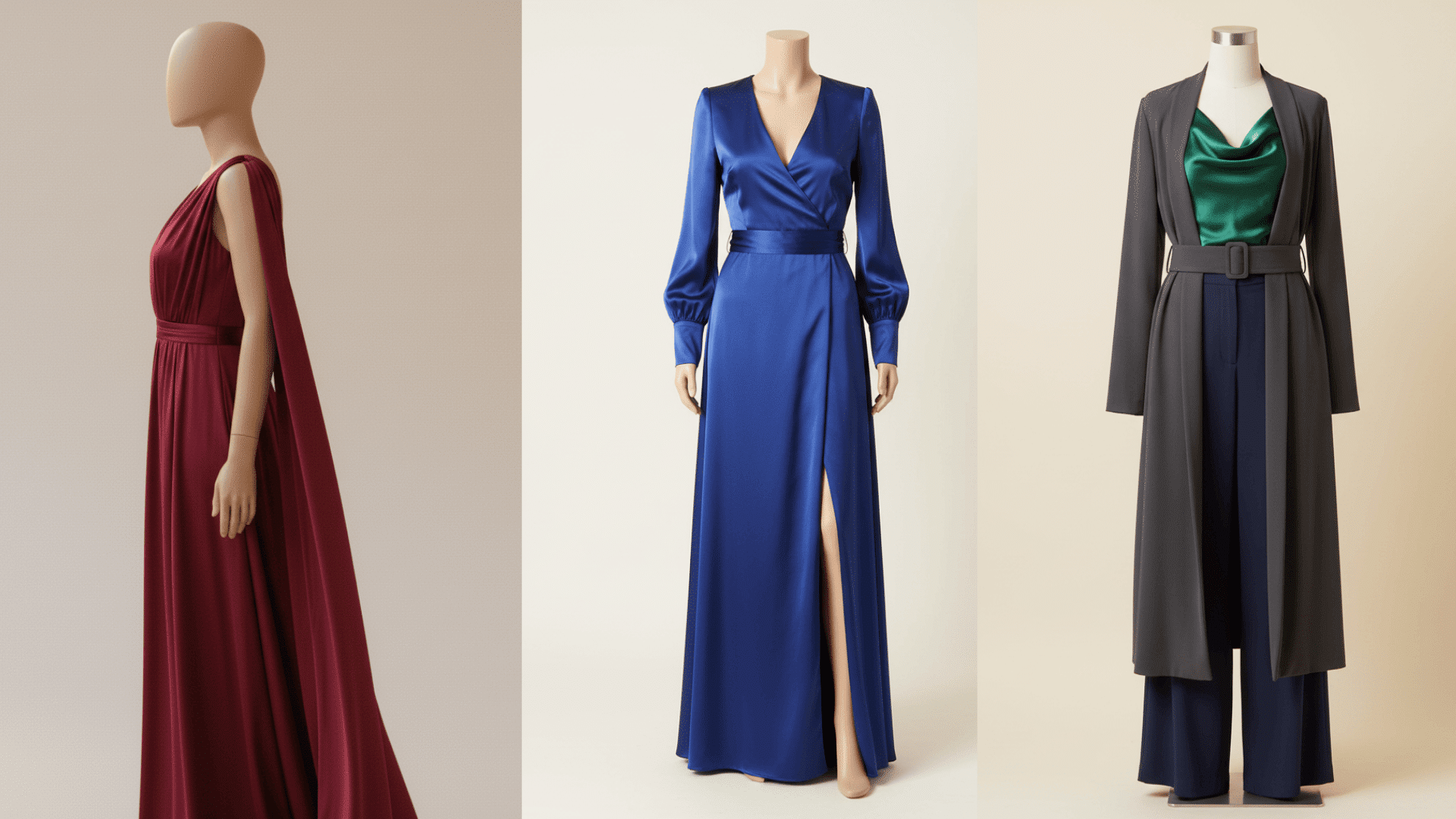
Necklines and sleeves play a key role in framing the face and enhancing the upper body’s vertical strength.
The right shapes add movement without breaking proportion.
- Best Necklines:Deep V, off-shoulder, or softly draped designs that guide the eye upward.
- Sleeve Styles: Long, fitted, or softly flared sleeves that complement natural flow.
- Avoid: High, tight, or boxy necklines that disrupt balance or shorten the figure.
- Styling Tip: Keep lines open and fluid to highlight posture and natural grace.
4. Bottoms and Dresses
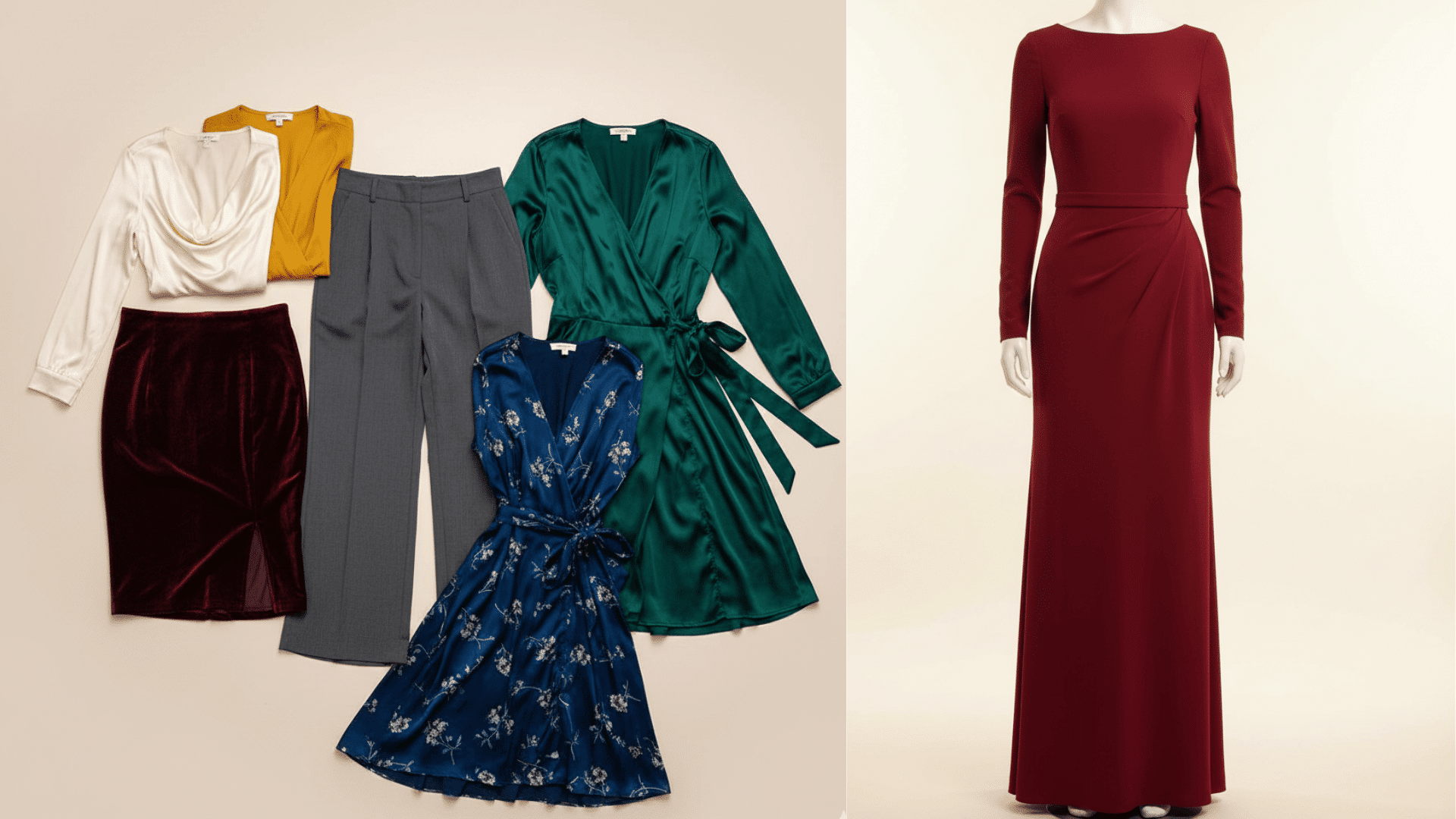
Bottoms and dresses should maintain vertical flow while softly defining the waist and hips.
The aim is to create smooth transitions that highlight proportion and balance.
- Ideal Shapes:High-waisted trousers, slim skirts, or wrap dresses that elongate the figure.
- Dress Details: Gentle draping, bias cuts, or shaping that follows natural curves.
- Avoid: Wide, boxy, or stiff designs that interrupt the body’s long line.
- Styling Tip: Choose styles that maintain a continuous line from shoulder to hem for visual balance.
5. Outerwear and Accessories
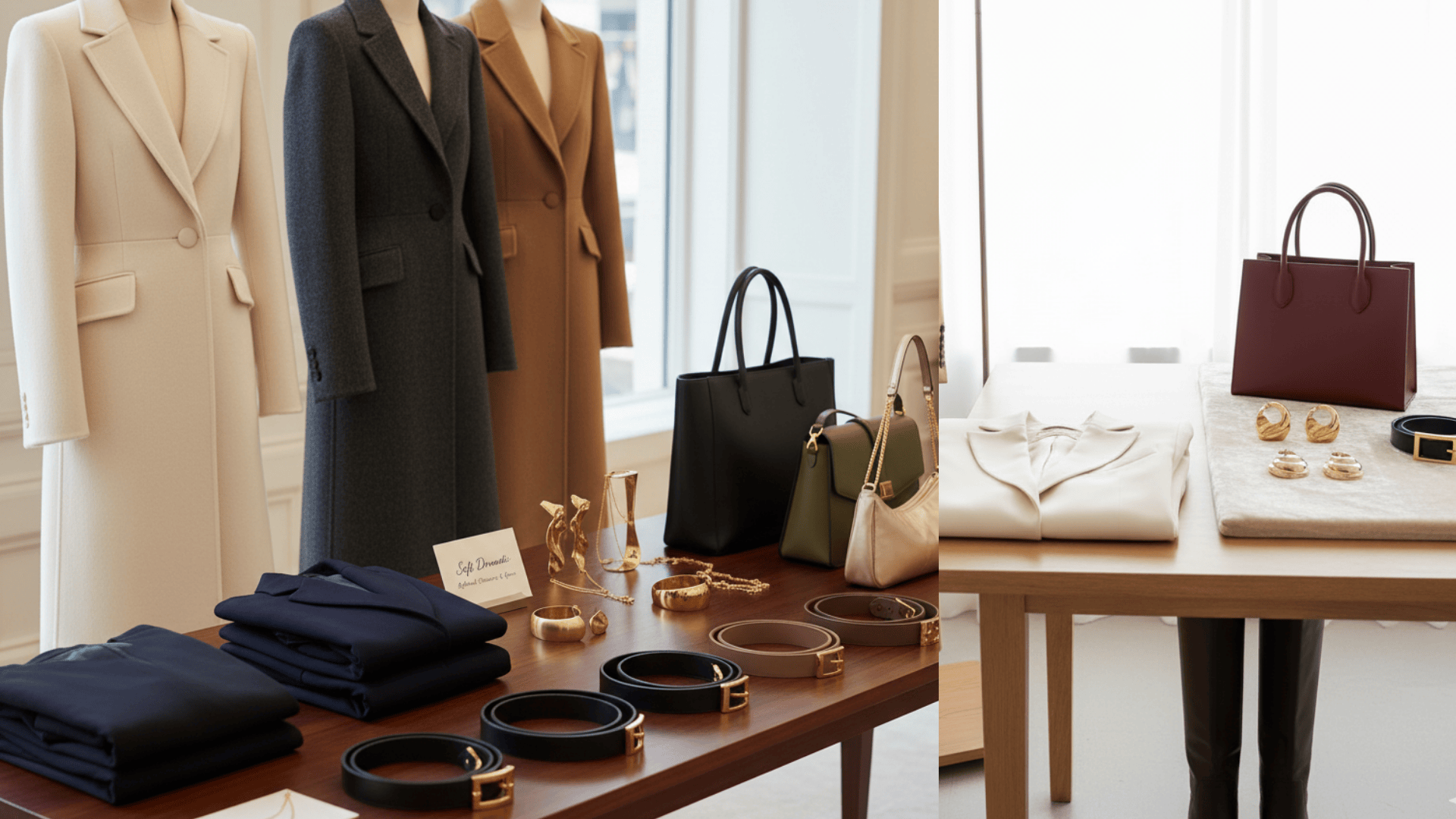
Outerwear and accessories add the finishing touches that define the Soft Dramatic look.
Each element should reinforce structure while keeping proportions clear and cohesive.
- Outerwear Styles: Long coats or jackets with shaped shoulders and smooth seams.
- Accessories: Medium-to-large jewelry, belts, and handbags that match body scale.
- Avoid: Bulky coats or overly small accessories that throw off proportion.
- Styling Tip: Select finishing pieces that align with your natural height and maintain overall harmony.
6. Prints and Patterns
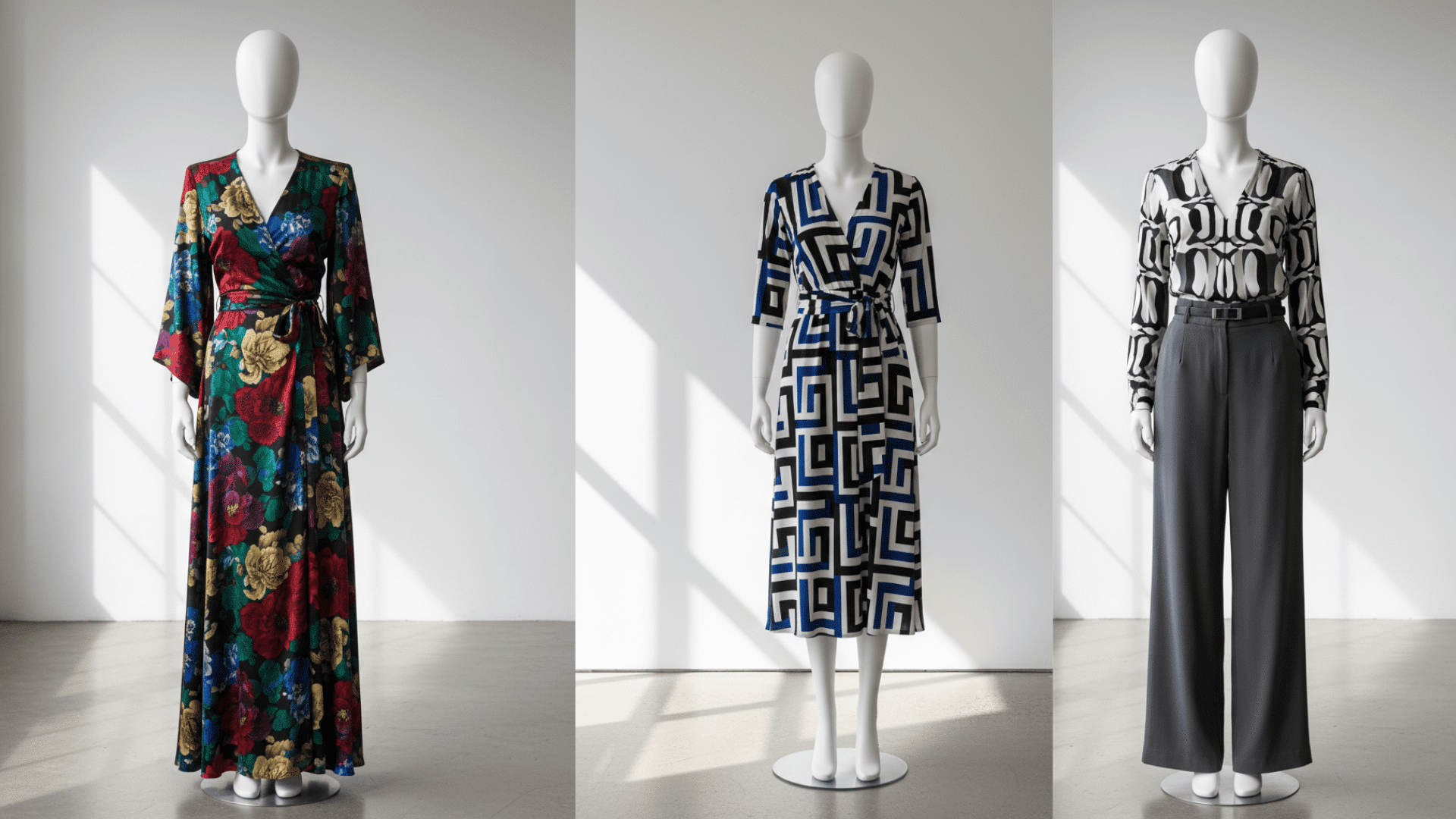
Prints and patterns should match the Soft Dramatic’s bold yet balanced essence, adding visual depth without clutter.
- Ideal Prints: Large florals, abstract shapes, and symmetrical designs that upgrade vertical movement.
- Colors: Deep jewel tones, rich neutrals, and high-contrast combinations.
- Avoid: Tiny or busy patterns that disrupt the body’s natural harmony.
- Tip: Choose prints that feel strong but refined, aligning with both structure and softness.
Footwear and Shoes
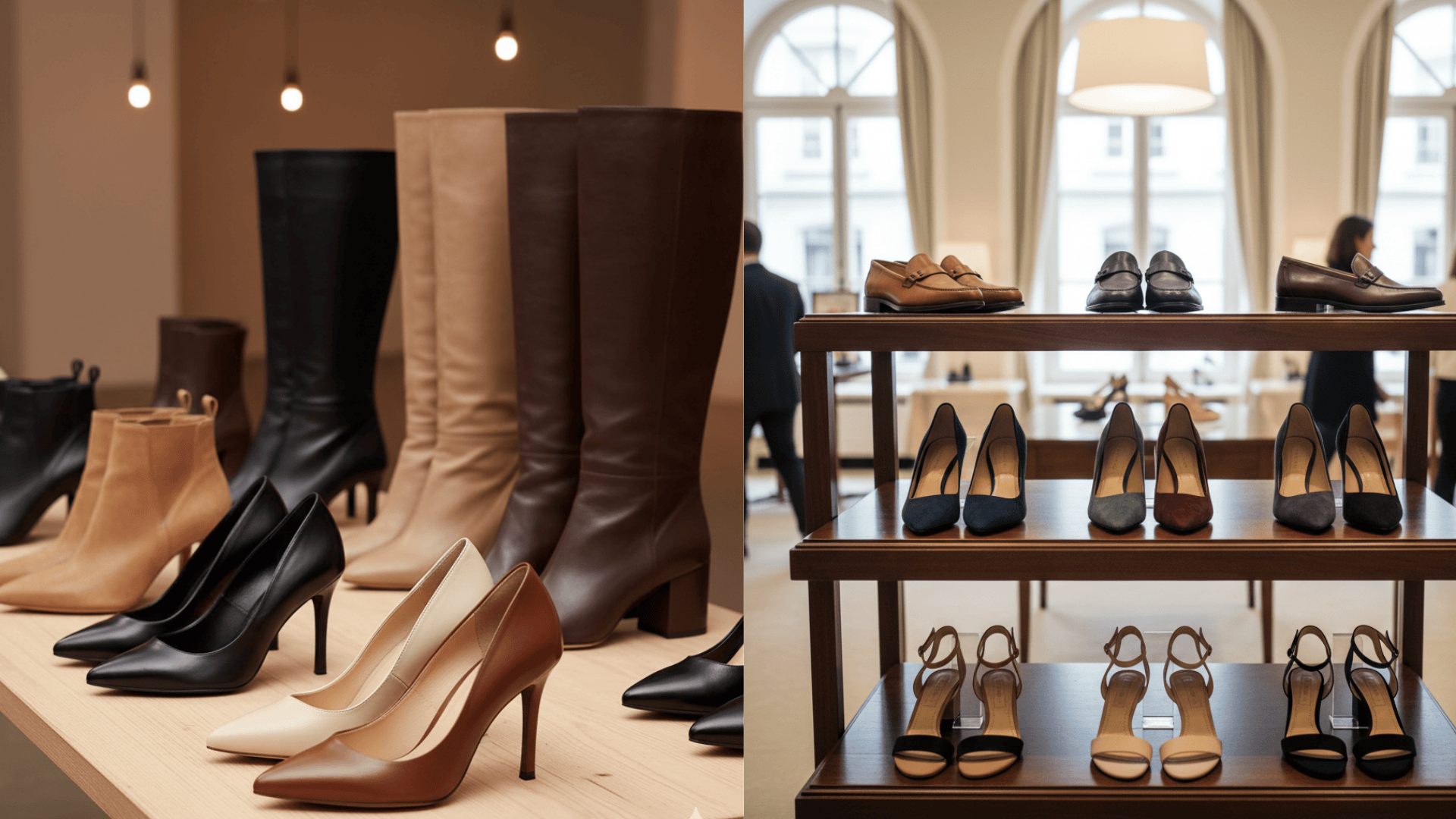
Footwear should continue the body’s vertical line and complement the structured yet soft look.
- Best Styles:Pointed heels, slim boots, and refined loafers that elongate the legs.
- Finishes: Smooth leather, suede, or soft polish that adds refinement.
- Avoid: Chunky soles or overly casual shoes that break the vertical flow.
- Tip: Keep shoes elegant and streamlined to support the outfit’s overall shape
Common Styling Mistakes to Avoid
Even with a naturally balanced frame, the Soft Dramatic body type can lose definition if styled incorrectly.
Avoiding these common mistakes helps maintain proportion and highlight your best features.
- Wearing oversized or boxy clothing can hide the body’s shape and make the frame appear heavy instead of structured.
- Choosing overly minimal styles removes the visual depth that Soft Dramatics need to express their contrast of strength and softness.
- Using thin or flimsy fabrics can flatten natural curves and distort the body’s proportions.
- Ignoring the waist definition often breaks the vertical line, making the body look less cohesive.
- Adding too many small details can distract from the bold yet fluid essence that defines the Soft Dramatic type.
Soft Dramatic Body Type Capsule Wardrobe Ideas
A capsule wardrobe for the Soft Dramatic body type should balance structure and flow.
Each piece should highlight the body’s height and curves while keeping outfits coordinated and versatile for any setting.
- Build a strong foundation with high-waisted trousers, wrap dresses, and long skirts that define the waist and maintain the body’s vertical line.
- Select smooth, structured fabrics such as satin, crepe, or velvet that hold shape and add gentle movement for a balanced finish.
- Incorporate polished layering pieces like long coats or shaped blazers that enhance height and add a touch of depth to each look.
- Keep accessories well-proportioned by choosing medium-to-large jewelry, belts, and bags that suit the body’s scale without overpowering it.
- Use coordinated color tones in rich or deep shades to create harmony, ensuring each piece works together across casual, work, and formal outfits.
Conclusion
The Soft Dramatic body type brings together structure and softness, allowing for a look that’s both strong and balanced.
Dressing for this type isn’t about following strict rules but about understanding how shape, fabric, and proportion work together.
When chosen thoughtfully, each outfit can enhance height, curves, and natural symmetry while still feeling comfortable and expressive.
Developing a wardrobe that reflects these principles helps maintain consistency and confidence in any setting.
It’s less about perfection and more about recognizing what complements your natural lines.
If you found this helpful or have your own tips for styling the Soft Dramatic body type, leave a comment below and share your thoughts!
Frequently Asked Questions
Can the Soft Dramatic body type wear casual clothing?
Yes, Soft Dramatics can wear casual pieces as long as they keep structure and flow, like fitted jeans with draped tops or long cardigans.
Which Kibbe body type is the rarest?
The Flamboyant Gamine and Soft Natural types are often considered the rarest in the Kibbe system.
Which celebrities have a Soft Dramatic body type?
Celebrities like Beyoncé, Sophia Loren, and Anne Hathaway are commonly identified as Soft Dramatic body types.