If you’ve taken a hard look at fashion shows or the industry as a whole, you’ll understand that it needs more than designers and seamstresses to make it flow. Therefore, those who want a fashion career without designing clothes have several options, from styling to production and fabrication.
Learn how you can get practical experience and targeted training to see where your skills fit within the fashion industry.
Is There Fashion Beyond the Design and Models?
When people think of fashion, they often think of stunning models strutting down a runway wearing beautiful clothes a famous designer has brought to life. Ask yourself: who builds that runway for them to walk on, and how do those clothes get from their manufacturing site to the stores that people buy them from?
You can’t design clothes without the proper materials and knowing where to source them from. Those beautiful clothes also don’t just magically end up in stores; there’s a big decision process that determines what clothing should fit in a discount store versus a high-end boutique.
If you have a good eye for style, you don’t have to know a thing about cutting patterns and sewing to help someone look good.
What Other Careers Can People Explore?
From manufacturing to merchandising to helping create personal looks, you have several fashion options to explore that don’t involve creating a design for approval.
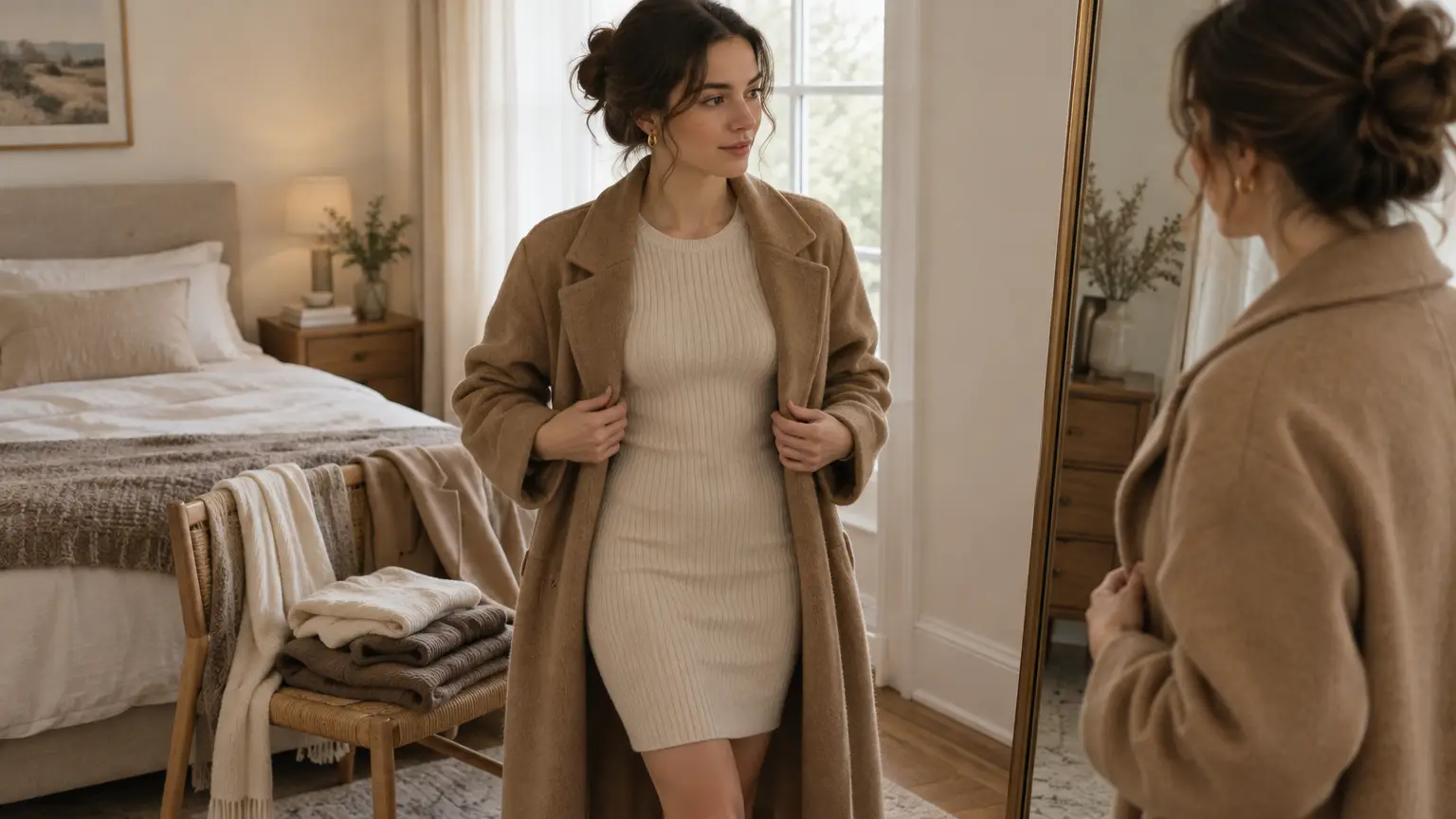
Styling
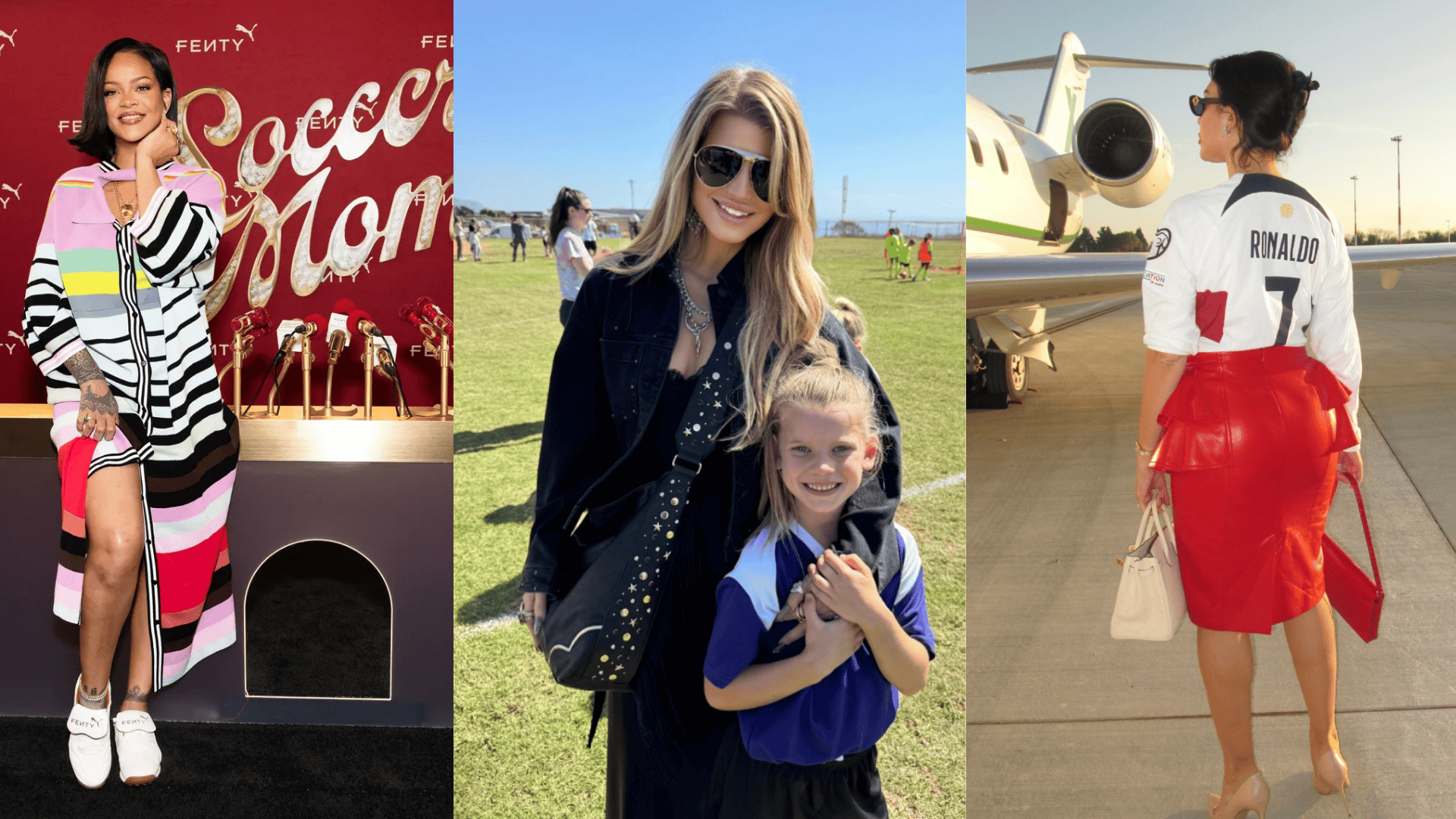
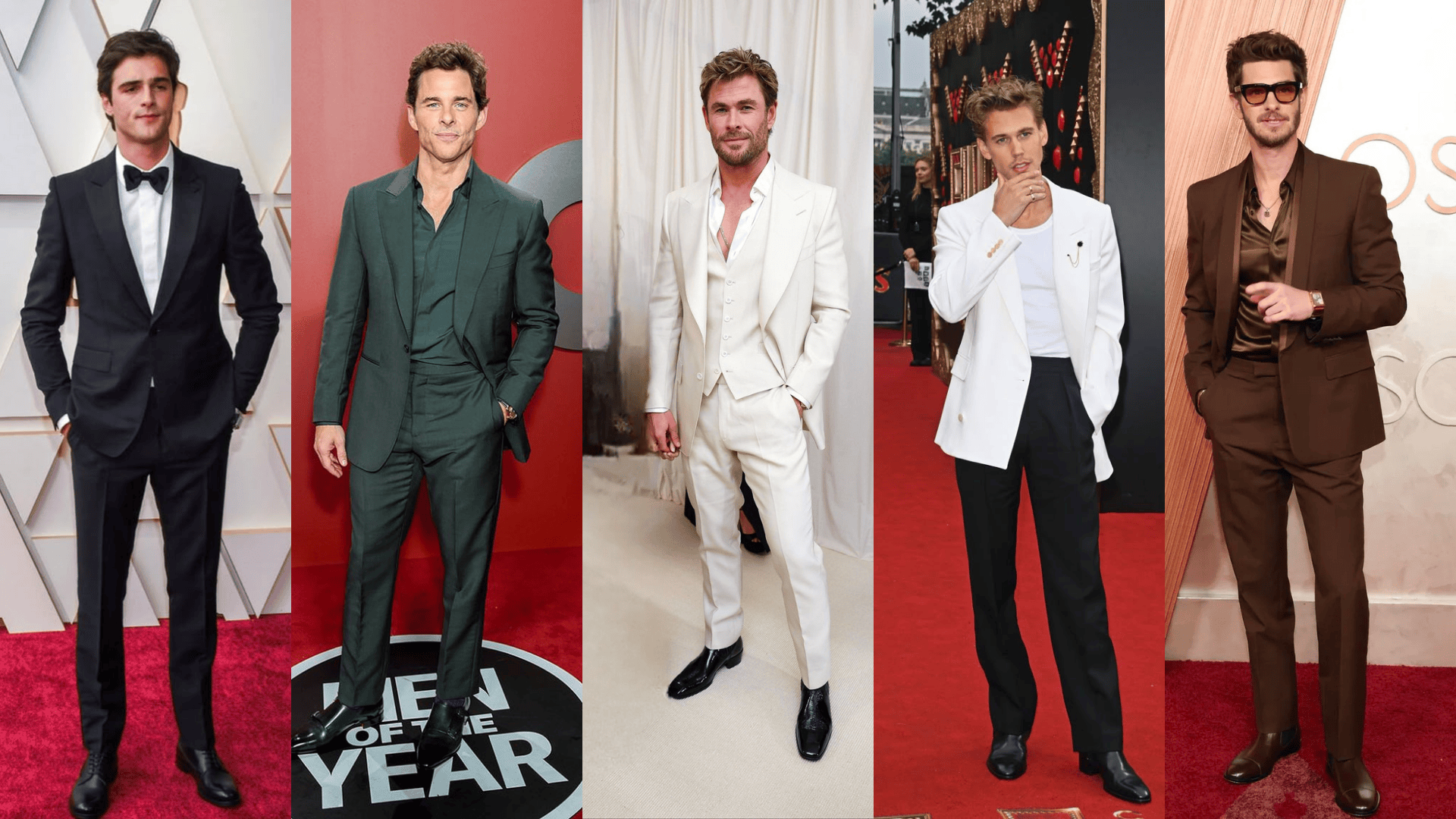
When you see fashion icon celebrities like Zendaya constantly making waves for her red carpet style, it’s usually due to the keen eye of a stylist assembling outfits for them behind the scenes. The stylist is responsible for helping to create the fashion look used in advertising campaigns, editorial shoots, and with celebrities across industries.
You don’t have to be rich and famous to take advantage of their skill set, as they also work with personal clients.
The key skills for this field include:
- Trend awareness
- Visual storytelling
- Good organization
- Effective communication
- Understanding your client
Creative Support
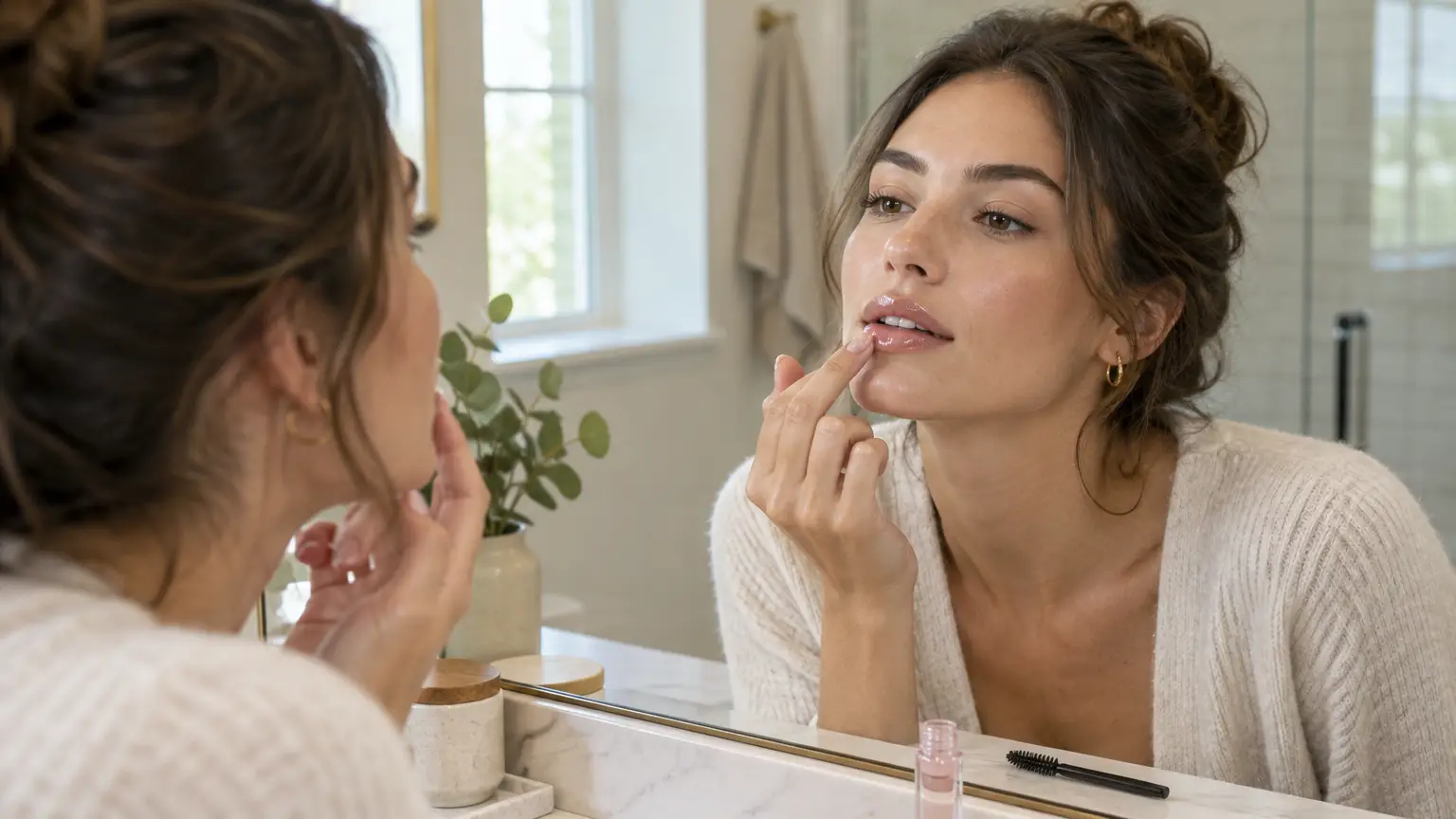
Have you ever seen a model step on a runway or magazine cover bare-faced with undone hair? Of course not, thanks to the creative team, which includes hair and makeup artists who remain backstage at shows or on set for these shoots.
Photographers and videographers will capture the designs in motion as models work the stage or do commerce product promotions.
Merchandising
Stores don’t just arbitrarily choose clothes and accessories to present. Merchandisers help determine product assortments, plan collections, and determine how products are displayed in stores or online. Using sales data, fashion buyers are responsible for picking the styles, sizes, and quantities for each store.
A supply chain manager can help coordinate the processes from shipping, customs, and warehouse inventory to ensure products arrive on time.
Production
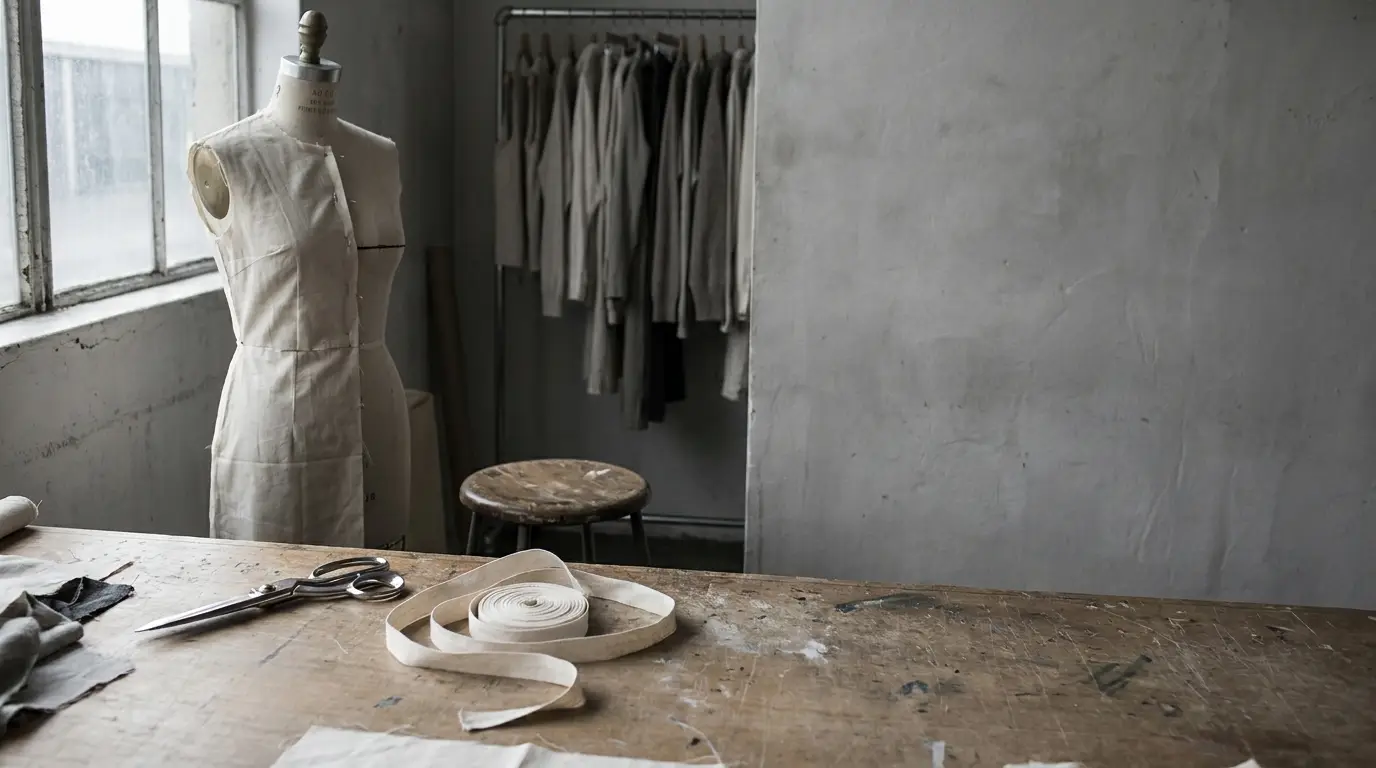
Production people handle the more hands-on technical aspects of the industry. Pattern makers draw and cut a technical blueprint taken from the designer’s flat sketch. From there, professional sample makers stitch the very first prototype of a design by hand to see how well it looks and moves compared to the design specifications.
Textile scientists can work with natural and synthetic fibers to continuously create new eco-friendly or higher-performing fabrics. An example of their handiwork is moisture-wicking materials frequently used in athletic gear.
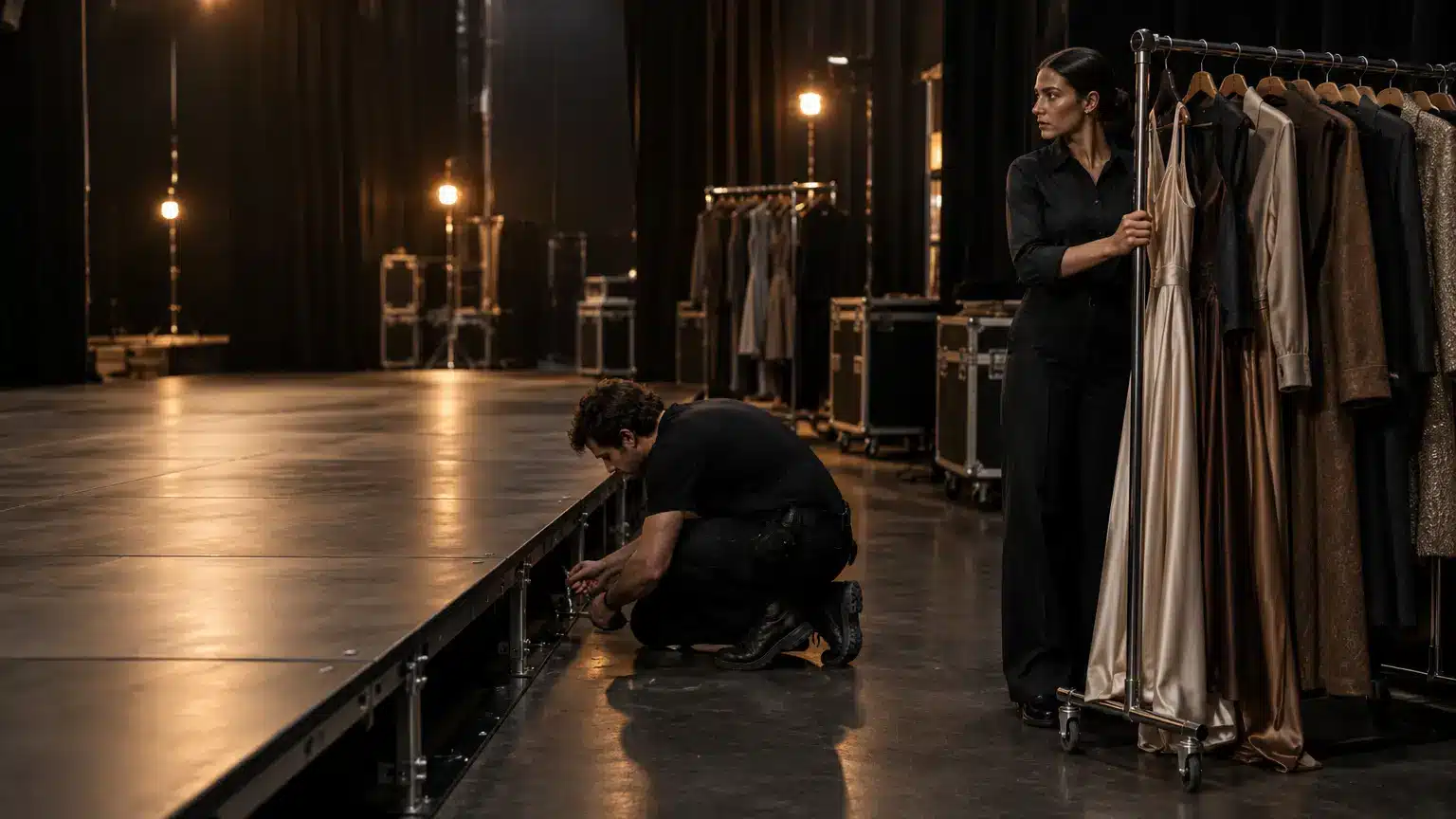
Scenic carpenters and set builders construct stages and backdrops; some often create structurally complex environments for shows. Construction designers or scenographers are the ones who conceptualize the artistic vision for an atmospheric platform.
If you’re more focused on store environments, become a visual merchandiser who designs the layout, styles the mannequins, and helps to arrange artistic displays that can help drive sales, especially during the holiday season. Plus, there are fabricators who specialize in prop design that adds to the display themes.
Where Does Training Happen?
Taking on one of these varied professions in fashion doesn’t necessarily require a four-year university degree.
Aspiring non-designers can check:
- Vocational programs
- Workshops
- Internships
- Short courses
- Entry-level positions
If you prefer building the structures behind runway sets and shop displays to styling clothes, welding classes at AAI could help you develop MIG, TIG, and arc-welding skills for fabrication work.
How Can I Develop a Relevant Portfolio?
Just like fashion designers, you’ll need some type of portfolio that showcases your skills. If you’re a stylist, have high-quality photos that demonstrate your outfit combinations and shoots you styled. Even if you styled your friends or did volunteer work, these can all count.
Merchandisers can display their work concerning store layout concepts and product assortments. Production people can emphasize how they helped with budgets and timelines. Stage welders can also have a visual record of their work.
Fabricators can document sketches, material testing, and design prototypes they created.
Whatever fashion field you’re in, your portfolio doesn’t always just have to focus on the final product itself. Let it document the process, such as sketches and different construction stages that show your thought process. Demonstrate how you may have helped your client solve a problem.
Places to Develop Work
These fields can be highly competitive, so you may have to start off with smaller projects, volunteer work, or your self-made projects to have something to showcase. You may start assisting at local fashion shows, collaborate with professional photographers, and create your own mock retail displays. Local theater and events teams may need volunteers who can use your expertise.
Start searching for entry-level job titles, which may include:
- Production assistant
- Showroom assistant
- Styling assistant
Don’t forget to use networking to your advantage. Join groups with set builders, creative agencies, and event producers.
Fashion Is More Than Design
The fashion industry often has famous designers and models as its face, but nothing would operate without a series of non-design professions behind the scenes. From makeup artists to stage builders to prop fabricators, there are several skill sets and professions non-designers can consider if fashion is their thing.
Additionally, you don’t have to overinvest in four-year degrees at universities. Entry-level positions or vocational certification may get you started on this vibrant career path.