
Getting dressed should not feel like solving a puzzle every morning.
Yet somehow, mixing colors can turn a simple outfit into a confusing mess, even though the same sense of balance shows up in traditional art patterns.
That is where the 3-color rule quietly does its magic, especially in folklore looks that rely on soft, balanced tones.
It cuts through the chaos, brings instant balance, and makes outfits look intentional without extra effort. No overthinking. No guessing. Just a simple structure that works across styles, moods, and occasions.
Once this rule clicks, outfits start coming together faster, cleaner, and with way more confidence.
What Is The 3 Color Rule In Clothing And Why It Works So Well?
The 3 color rule is a simple styling method that keeps outfits looking clean and put-together.
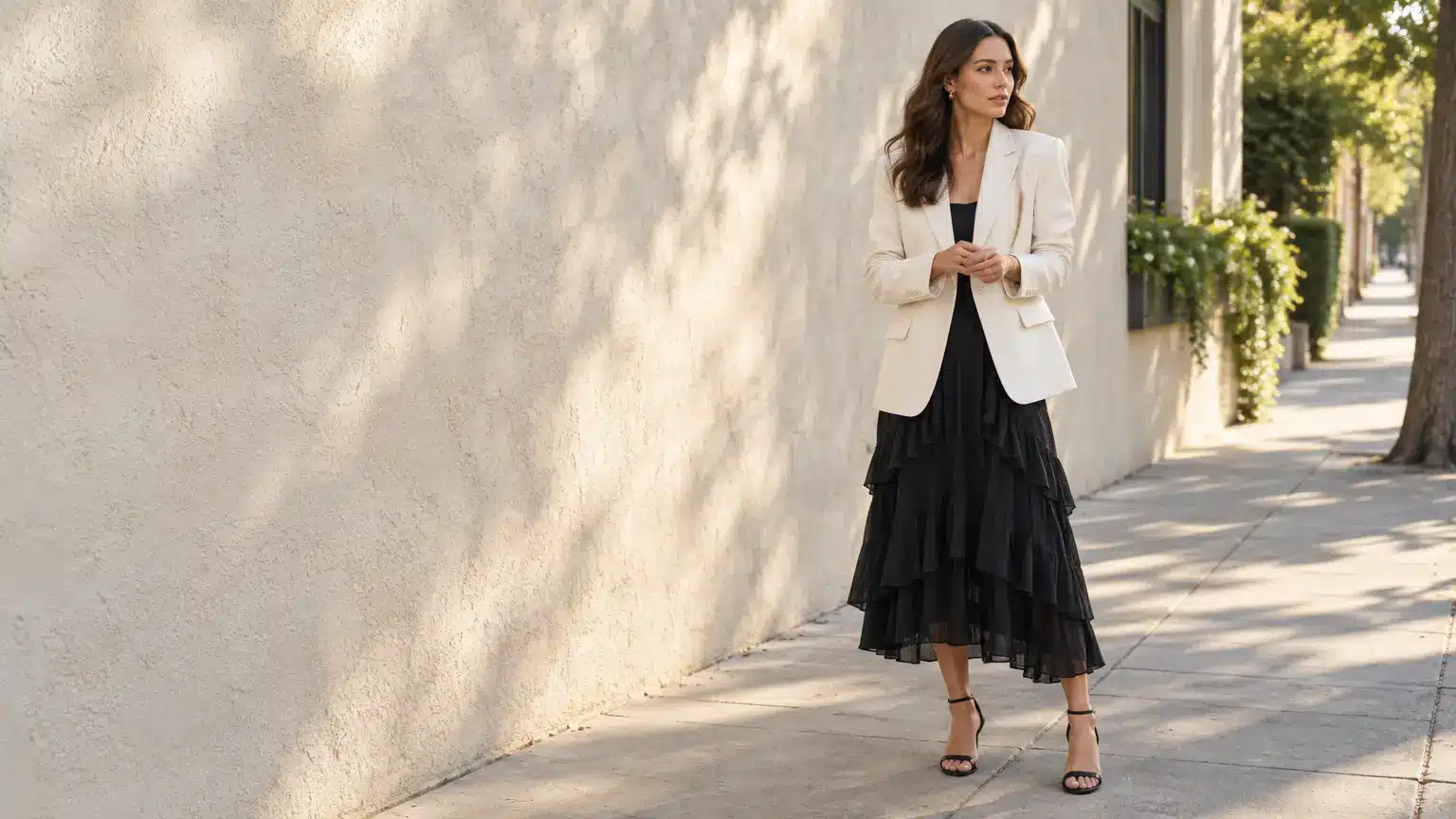
It means using no more than three main colors in one look, including clothes, shoes, and visible accessories.
This limit helps avoid outfits that feel chaotic while still leaving room for personal style to show through.
Here’s how it usually breaks down:
- 1 dominant color → covers most of the outfit
- 1 secondary color → supports and balances the base
- 1 accent color → adds contrast and visual interest
This structure creates a clear visual flow, making outfits easier to read at a glance.
Why This Rule Works So Well?
Too many colors can clash and make an outfit feel messy. The 3 color rule fixes this by giving each color a clear role.
With fewer shades, outfits look balanced and are easier to style. It also saves time getting dressed and works for both casual and formal looks.
Keeping the palette simple makes every outfit feel more intentional with less effort.
How To Choose Your 3 Colors?
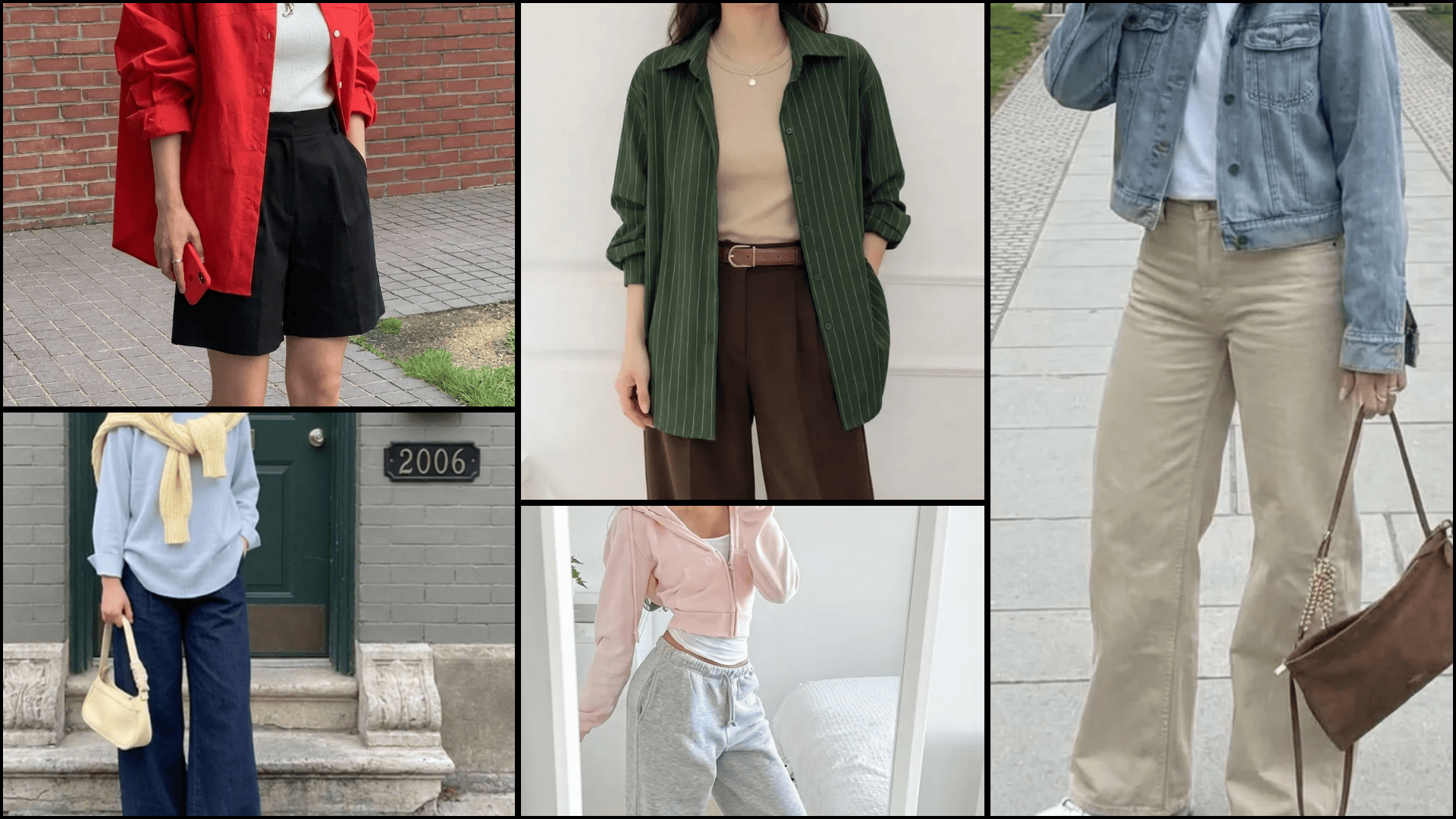
Getting the mix right matters more than just sticking to three. The aim is balance that feels easy and put together.
Start with a base color. This is the anchor, usually neutral or muted like black, white, beige, navy, or grey. It holds the outfit together.
Next comes the supporting color. It adds depth without taking over. Think olive with beige, blue with white, or brown with cream.
Then finish with an accent. This is where things get interesting. A red bag, bright sneakers, or a statement scarf can lift the entire look. For example, adding high-end women’s scarves in a vibrant shade effortlessly brings a pop of color while keeping the rest of your outfit clean and balanced.
Some combinations just work every time:
| Base Color | Secondary Color | Accent Color |
| Black | White | Red |
| Beige | Brown | Green |
| Navy | Light Blue | Yellow |
| Grey | White | Pink |
| Denim Blue | White | Tan |
Use these as a starting point, then adjust based on mood, season, or occasion.
How To Apply The 3 Color Rule In Daily Outfits?
The 3 color rule fits easily into daily dressing. It keeps outfits sharp without making things complicated. Once the basics are clear, it starts to feel natural across different styles.
Casual Outfits
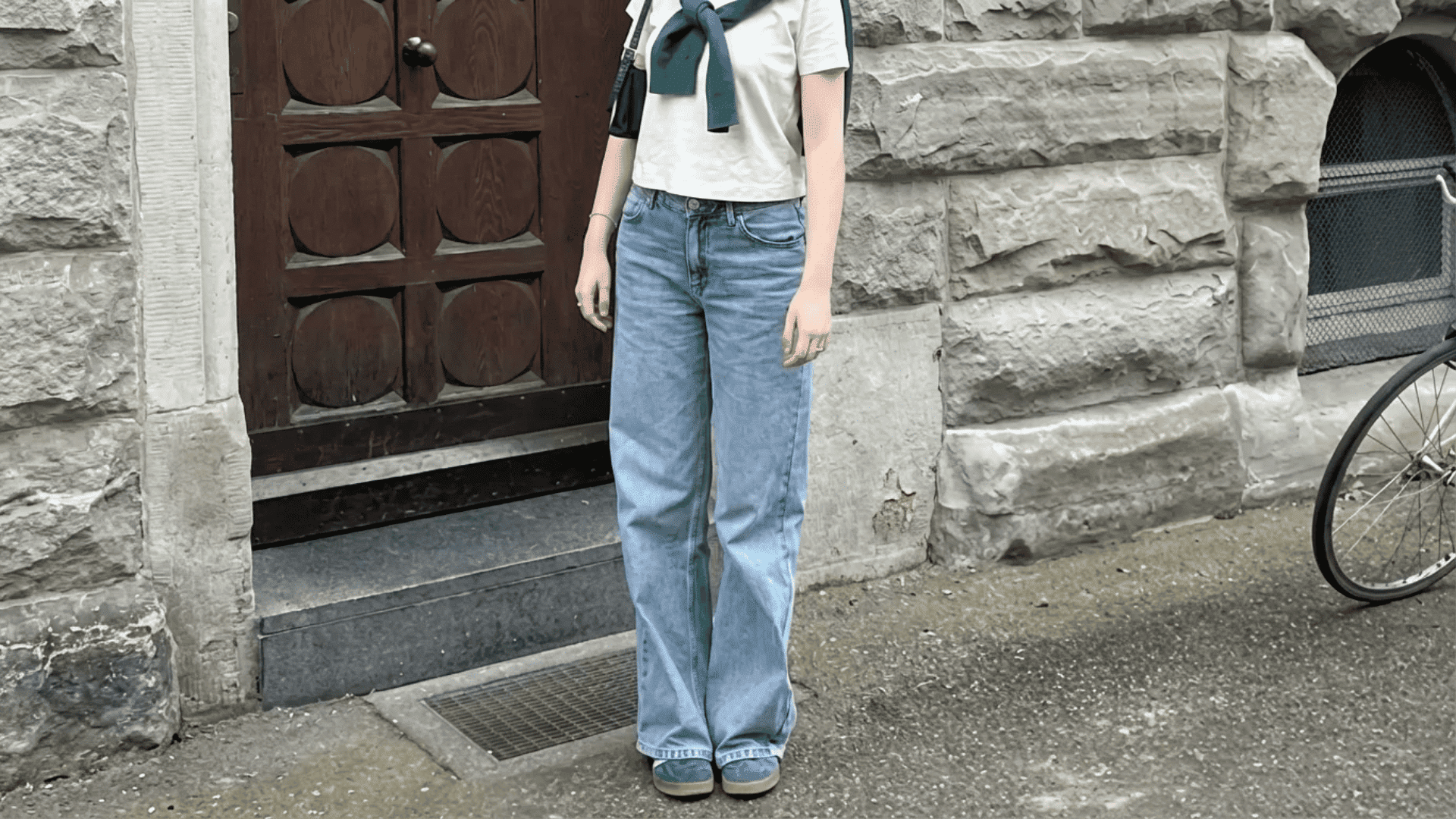
Casual looks are the easiest place to use this rule. The goal is comfort with a clean, put-together feel.
- White t-shirt + blue jeans + green sneakers
- Black hoodie + grey joggers + white shoes
These outfits work because the colors don’t compete. Each piece has space to stand out.
Workwear
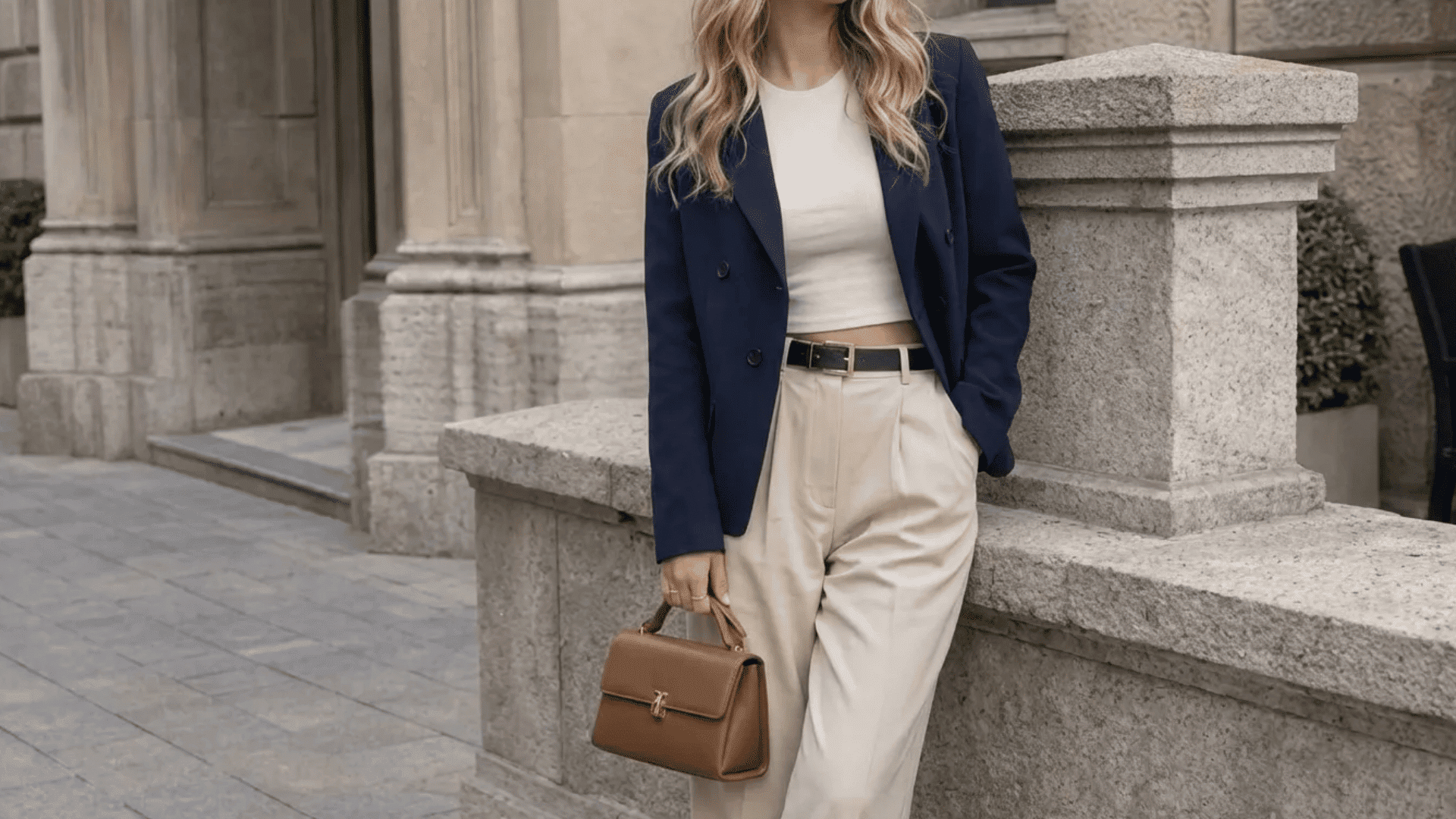
Work outfits need structure, and this rule helps keep everything polished.
- Navy blazer + white shirt + tan trousers
- Grey suit + black shoes + burgundy tie
The key here is control. One color leads, one supports, and one adds interest.
Street Style Looks
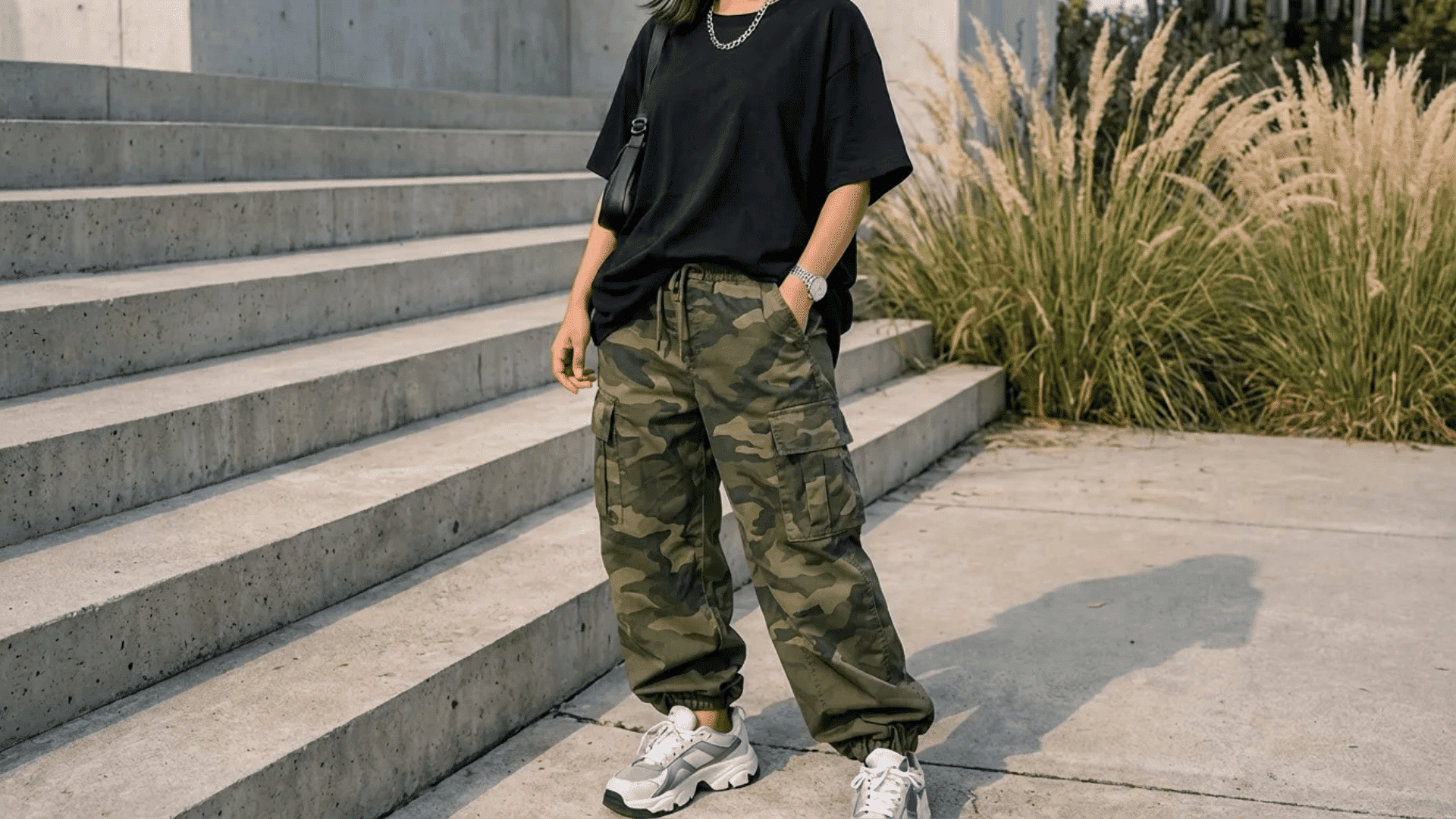
Street style allows more edge, but the rule still keeps things from looking random.
- Oversized black tee + cargo pants + bright sneakers
- Denim jacket + white tee + bold cap
Streetwear works best when one piece does the talking and the rest backs it up.
Across all these styles, the pattern stays the same. Keep it simple, let one color lead, and use the third to bring the outfit to life.
Using Prints Without Breaking The Rule
Prints can look tricky at first. Multiple colors in one piece can quickly throw off the balance if not handled right. But with a few smart moves, prints actually make outfits look more styled and put together.
The key is control. Let the print lead, not compete.
How To Handle Prints
Pull one color from the print as the base and match other pieces to tones already present. Keep the rest of the outfit simple.
Example:
A floral shirt with red, green, and blue, which already has enough going on.
- Blue jeans keep things clean
- Green shoes tie back to the print
- The shirt stays the focus without looking loud
The result feels balanced, not chaotic.
Common Mistakes To Avoid
Even a simple rule can fall apart fast when a few small things slip in. These mistakes don’t always look obvious at first, but they quietly throw the whole outfit off.
Watch out for:
- Too many “small” colors sneaking in
- Clashing tones with no balance
- Ignoring light vs dark shades
- Going heavy on bright colors all at once
A clean outfit usually comes down to control. When colors start competing instead of working together, the whole look loses its edge.
Final Thoughts
The 3 color rule keeps styling simple without making it boring. It adds just enough structure to make every outfit feel intentional, while still leaving room to play around with different looks.
Once this approach clicks, outfit choices start feeling quicker, easier, and way more consistent.
Now it’s your turn.
Which color combo feels like an instant win? Any go-to outfit that already follows this rule without even realizing it?
Drop it in the comments and share what works best.
Frequently Asked Questions
What Color Makes A Woman Look Younger?
Soft Pastels. Soft pastel shades like blush pink, baby blue, lavender, and mint green are perfect for creating a youthful, fresh look.
What Color Hides Belly Fat?
Dark, solid colors, specifically black, navy, charcoal gray, deep burgundy, and forest green, are best for hiding belly fat because they absorb light and minimize the appearance of shadows.
What Color Is Replacing Gray?
Warm, earthy neutrals are replacing cool gray in interior design, with beige, taupe, mushroom, and creamy whites leading the trend.