

That one bold wall from a few years ago?
It might still look good… or it might be the one thing throwing the whole room off.
Accent walls haven’t disappeared, but they don’t play by the old rules anymore. What once felt like an easy upgrade can now feel forced if done without thought.
Design today leans toward spaces that feel connected, not divided. So the real question isn’t just if accent walls are in style, it’s if they’re being used the right way.
Are Accent Walls Out of Style?
Accent walls are not out of style, but the way they are used has changed a lot.
Think of it like fashion. What worked a few years ago doesn’t always hit the same now. The idea of highlighting one wall still works.
But the “one random bold color” trick? That’s where things start to feel old.
Today, it’s less about making a wall stand out loudly. It’s more about making it feel like it belongs.
A well-done accent wall now blends with the room while still catching attention. A poorly done one sticks out for all the wrong reasons.
So no, accent walls aren’t gone. They just got smarter.
What’s Changed About Accent Walls?
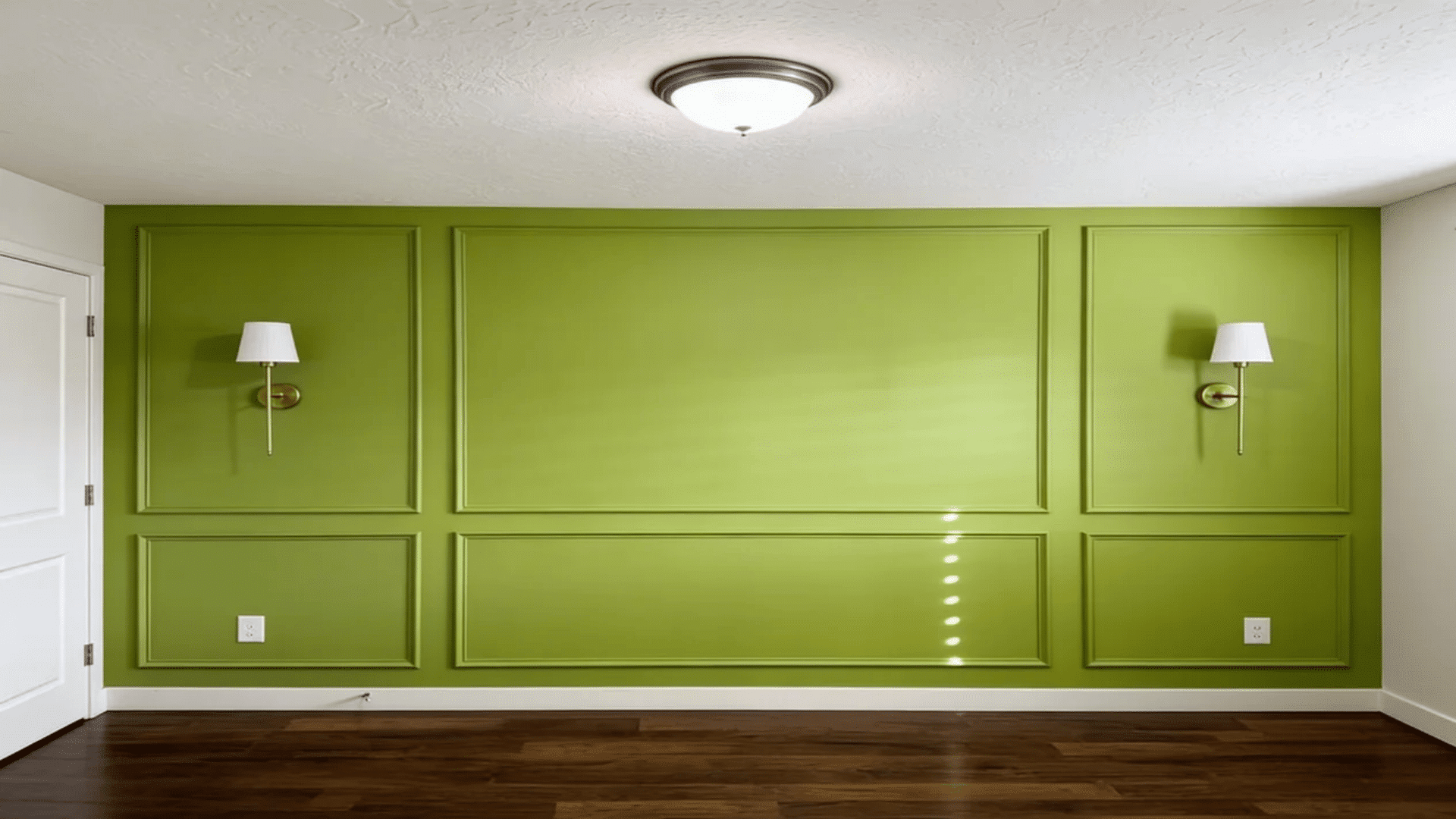
Accent walls used to follow a simple rule. Pick one wall, paint it bold, and call it a day.
That formula doesn’t land the same anymore. Homes today lean toward a more connected look, where every surface feels like it belongs together.
Here’s what’s different now:
- Flat, single-color walls don’t add enough interest
- “One random wall” choices can feel out of place
- Visual depth matters more than sharp contrast
Design has shifted in a clear direction. Instead of one wall trying to steal the show, the whole room works as a team.
Why Some Accent Walls Feel Outdated?
Not every accent wall hits the mark. Some just end up looking out of place.
Here’s why that happens:
No clear reason for that wall. It feels random, like a last-minute decision rather than part of the plan.
Color that’s too loud. When the shade clashes with the rest of the room, it pulls attention in the wrong way.
Breaks the room’s flow. Instead of tying the space together, it creates a visual stop sign. Feels like a shortcut. It can come across as a quick update instead of a thoughtful design move.
The key idea is simple.
An accent wall should blend with the space, not fight against it.
When Accent Walls Still Work?
Accent walls aren’t gone, they’ve just grown up a bit. The loud, random wall phase is over, and smarter choices have taken over.
Accent walls still shine in:
- Framing a focal point: A bed, sofa, or TV unit gets an instant upgrade when the wall behind it feels special.
- Swapping color for texture: Think wood slats, wallpaper, or soft finishes that add depth without shouting for attention.
- Blending with the room, not fighting it: The wall should feel like part of the space, not a separate idea stuck on one side.
- Keeping contrast calm: Soft shifts in tone look more refined than bold, high-contrast jumps.
The trick is simple. If it looks planned, it works. If it looks random, it doesn’t.
Modern Alternatives to Basic Accent Walls
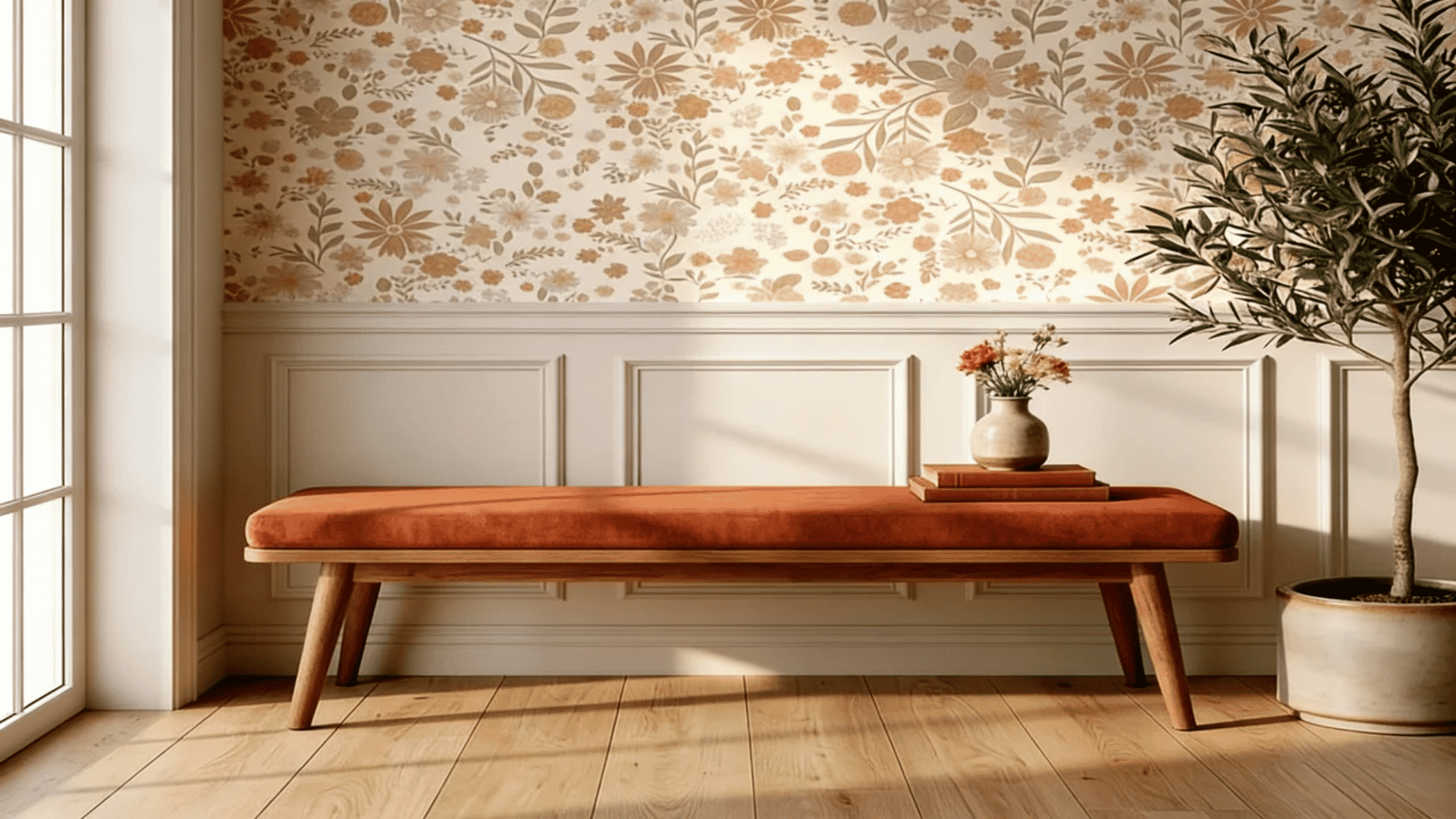
Design has moved far beyond a single bold paint choice. Today’s spaces focus on depth, layers, and a more natural flow.
Here are some fresh ways to add interest without the old accent wall look:
- Wood paneling or slats: Clean lines and natural tones bring warmth and structure to the space.
- Wallpaper with soft patterns: Subtle prints add character without taking over the room.
- Textured finishes like limewash: A slightly uneven look creates movement and a relaxed feel.
- Stone or tile features: Adds a strong focal point while still feeling grounded and timeless.
- Painted ceilings instead of walls: Draws the eye upward and makes the room feel more complete.
Each option blends into the space instead of standing apart. The result feels more polished, calm, and thoughtfully put together.
Accent Wall vs Full-Room Color
Sometimes the boldest move is skipping the “feature wall” idea completely. Both options can look good, but they create very different vibes.
| Feature | Accent Wall | Full-Room Color |
| Visual Impact | Draws attention to one area | Feels calm and consistent |
| Risk | Can look out of place | Easier to get right |
| Trend Fit | Works only with smart styling | Feels more current overall |
| Effort | Faster to try | Takes more planning |
An accent wall acts like a spotlight. It pulls focus to one part of the room. A full-room color feels more like a mood. It wraps the entire space in one clear direction.
Right now, many homes lean toward painting all walls the same shade. It keeps the space looking clean, connected, and easy on the eyes.
Smart Tips Before Adding an Accent Wall
Planning to add one? Keep it simple and smart:
- Choose a wall that naturally stands out
- Stick to colors that blend with the room
- Skip harsh contrast unless it fits the space
- Test samples before finalizing
- Go for texture instead of loud colors
Conclusion
Accent walls aren’t going anywhere, they’re just playing by new rules.
The days of loud, random color blocks are fading, but thoughtful, well-placed designs still hold strong. When a wall feels connected to the space, it works. When it feels forced, it shows.
That’s really the whole game now. Less noise, more intention.
So the real question isn’t “are accent walls out?”
It’s “is this one done right?”
Got thoughts on this? Seen a great accent wall or a total miss lately? Drop it in the comments and let’s see where the trend is really heading.
Frequently Asked Questions
What Makes a Bedroom Look Tacky?
Overly shiny finishes, mismatched themes, cluttered décor, and cheap-looking textiles often make a bedroom feel tacky and unrefined.
What Makes a House Look Trashy?
Overgrown yards, dirty windows, worn-out furniture, and too many random decorations can quickly make a house feel trashy.
What Is the Rule for Accent Walls?
Accent walls should create a purposeful focal point by highlighting a single, simple, and often symmetrical wall, such as behind a bed or fireplace. Adhere to the 60-30-10 color rule for balance, using the accent color for 10% of the room, while avoiding, when possible, walls with doors, windows, or in small spaces like bathrooms.