
Thinning hair, dry skin, brittle nails, and a stubborn lack of energy are easy to brush off. We blame busy schedules, poor sleep, or simply getting older. Yet sometimes these familiar complaints share a quieter cause: a thyroid that is not working quite as it should.
The thyroid influences far more than most people realize, including how you look and feel day to day. Nutrition plays a real supporting role here, and the JM Nutrition website offers registered-dietitian guidance for thyroid health. This guide covers the signs to notice and how food can help.
What Does the Thyroid Actually Do?
It sets your body’s pace. This small gland runs on hormones.
The thyroid is a butterfly-shaped gland in the neck that regulates metabolism, energy, and temperature. When it makes too little hormone, everything slows down. That slowdown shows up in energy, mood, and even your hair and skin.
The point is reach. One small gland touches the whole body.
What Beauty and Energy Signs Might Point to It?
Several everyday complaints. They often appear together.
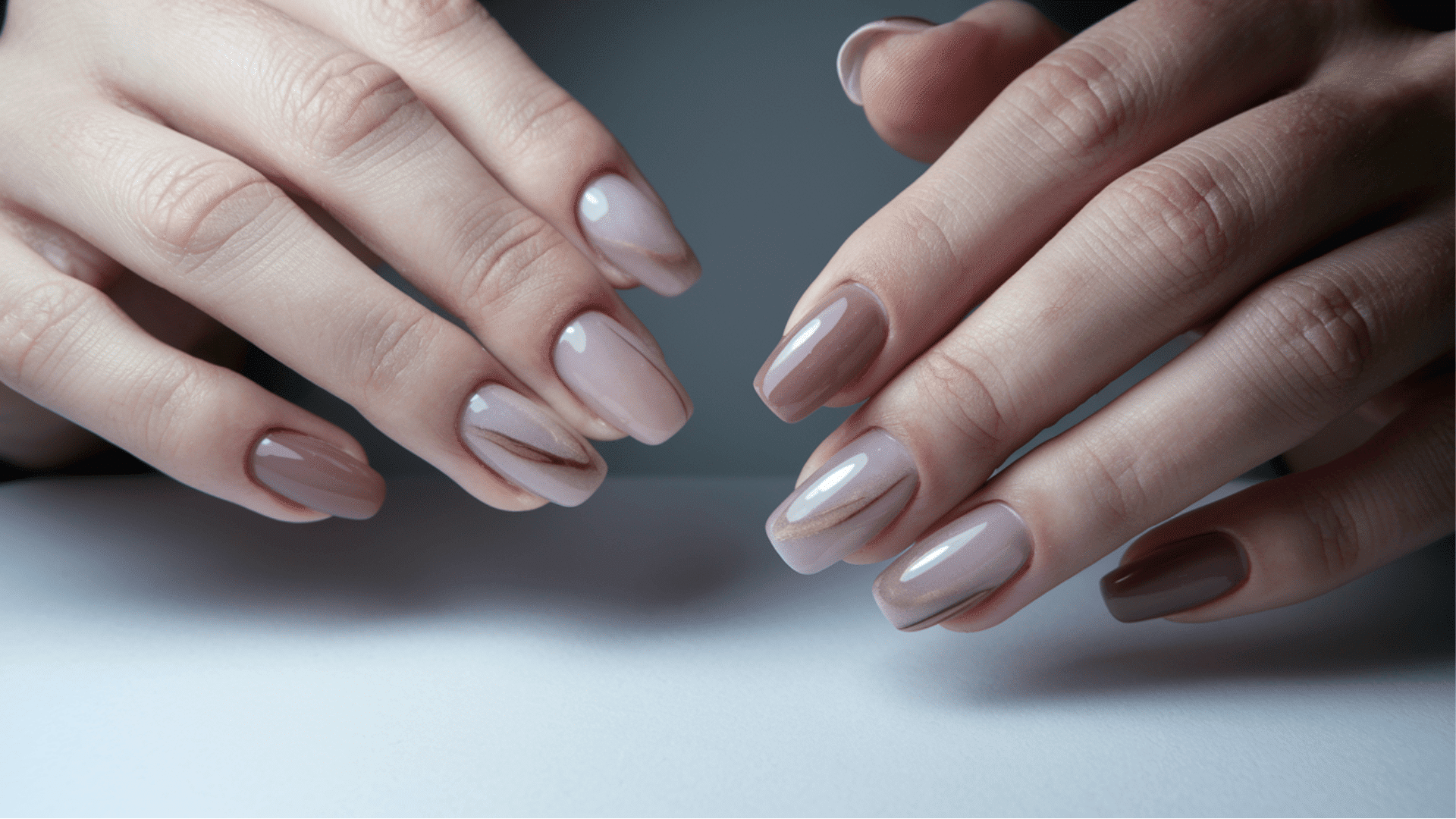
Common signs include thinning hair, dry skin, brittle nails, fatigue, and unexplained weight changes. These overlap with many things, which is why they are easy to miss. The NIH overview of hypothyroidism lists how broadly an underactive thyroid can present.
The pattern is worth noting. Several of these signs at once deserve attention.
Could Stress Be a Factor?
It often plays a role. Stress and hormones are closely linked.
Ongoing stress can affect hormone balance and worsen how symptoms feel. Practices for managing daily stress support overall wellbeing while you address the root cause. Stress management is a helpful companion to proper care, not a replacement for it.
How Does Nutrition Support Thyroid Health?
By supplying key building blocks. Food gives the thyroid what it needs.
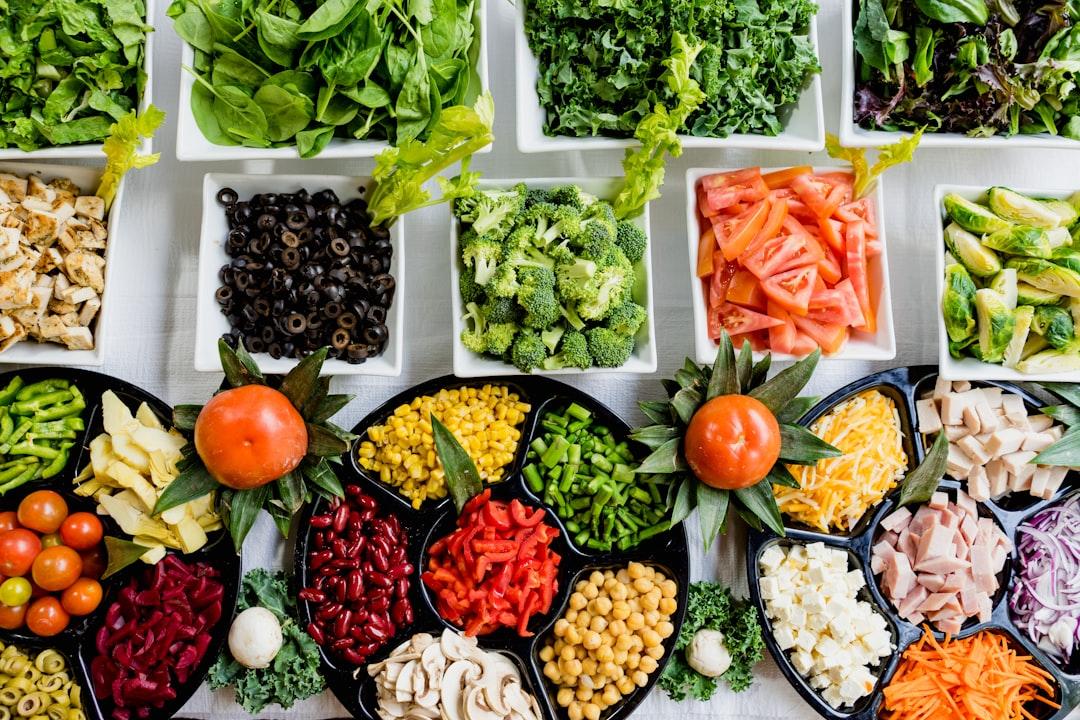
A pattern of science-backed nutrients from whole foods supports steady energy and hormone function. Nutrition does not cure a thyroid condition, but it gives your body a strong foundation.
The habits that support thyroid health include these 5:
- Eat whole foods. A varied, nutrient-rich diet.
- Get enough protein. Building blocks for hormones.
- Include key minerals. Iodine, selenium, and zinc.
- Limit ultra-processed food. Reduce added strain.
- Stay consistent. Steady habits over quick fixes.
Each habit supports the whole system. Together they build a helpful foundation.
Which Nutrients Matter Most?
A few come up repeatedly. Shortfalls can affect function.
Consider the nutrients most often linked to thyroid health:
- Iodine, which the thyroid needs to make hormones.
- Selenium, which supports hormone conversion.
- Zinc and iron, which many women run low on.
Each nutrient plays a specific role in how the thyroid works. A varied, colorful diet usually covers them all without the need for supplements. Beyond nutrition, a common underlying cause of low thyroid function is detailed in the NIH information on Hashimoto’s disease.
When Should You See a Professional?
Sooner rather than later. Persistent signs deserve proper testing.
If several symptoms persist, a doctor can run a simple blood test to check thyroid function. A registered dietitian can then tailor nutrition to support your care. This is general information, not medical advice, so consult qualified professionals about your situation.
The message is clarity. Testing turns guesswork into a real answer.
Key Points to Keep In Mind
- The thyroid regulates metabolism, energy, and temperature.
- Thinning hair, dry skin, and fatigue can be thyroid signs.
- About 1 in 8 women develop a thyroid issue in their lifetime.
- Nutrition supports thyroid health but does not cure conditions.
- Iodine, selenium, zinc, and iron all play a role.
- Persistent symptoms deserve testing and professional care.
Listening to What Your Body Shows
The signs we notice in the mirror, like thinner hair or duller skin, are sometimes the body’s way of flagging something deeper. A struggling thyroid is one possibility worth ruling in or out. Support your body with whole foods and key nutrients, manage stress where you can, and pay attention to persistent changes. If the signs add up, seek testing and expert guidance. Feeling and looking your best often starts with understanding what is happening beneath the surface.
Frequently Asked Questions
Can Thyroid Problems Really Affect My Hair and Skin?
Yes. The thyroid regulates metabolism, and when it slows down, hair can thin, skin can become dry, and nails may turn brittle. These changes often appear alongside fatigue and weight shifts. Because they overlap with many everyday issues, they are easy to overlook. If hair, skin, and energy changes persist together, it is worth asking a doctor to check your thyroid function.
Does Nutrition Cure Thyroid Problems?
No, nutrition does not cure a thyroid condition, but it plays an important supporting role. Nutrients like iodine, selenium, and zinc help the thyroid function, and a whole-food diet supports steady energy and hormone balance. For a diagnosed condition, food works alongside medical treatment rather than replacing it. A registered dietitian can tailor nutrition to complement the care your doctor recommends.
How Common Are Thyroid Issues In Women?
Thyroid conditions are notably more common in women than men. It is often cited that about 1 in 8 women will develop a thyroid disorder during her lifetime. Symptoms can be subtle and develop slowly, which is why many cases go unnoticed for a while. Being aware of the common signs, and getting tested when they persist, helps women catch and manage issues earlier.
When Should I Get My Thyroid Checked?
Consider testing if you have several persistent symptoms, such as ongoing fatigue, thinning hair, dry skin, unexplained weight changes, or mood shifts. A simple blood test can measure thyroid function and provide a clear answer. It is especially worth checking if symptoms cluster together or run in your family. Starting with your doctor is the best first step toward understanding what is going on.