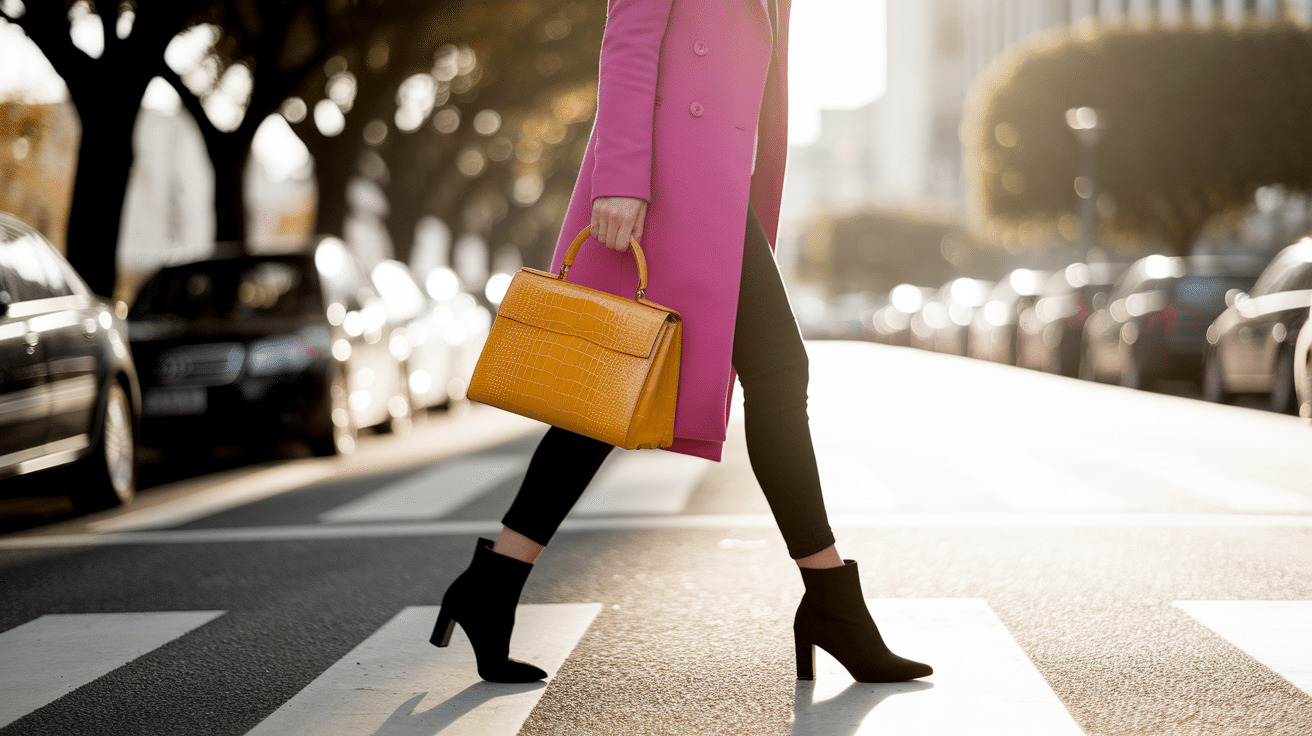

Fashion is often described as a form of self-expression, but true style goes beyond clothing labels, seasonal trends, or carefully curated wardrobes. The way people carry themselves, move through a room, and engage with others is just as important as what they wear. Confidence has always been one of the most attractive accessories a person can possess, and surprisingly, it often begins with something much more fundamental than appearance—physical comfort.
When people feel comfortable in their own bodies, they naturally stand taller, smile more often, and interact with greater ease. Conversely, persistent discomfort, aching legs, joint pain, or circulation issues can subtly influence posture, movement, clothing choices, and self-confidence.
While many conversations about fashion focus on aesthetics, physical well-being is an equally important contributor to personal style. For those experiencing persistent leg discomfort or circulation concerns, consulting trusted vein specialists serving Orlando can be an important step toward restoring comfort, confidence, and freedom of movement.
As wellness continues to become part of everyday conversations, more people are recognizing that feeling good physically is essential to looking good. Confidence truly starts from the ground up.
Style Is More Than What You Wear
Personal style reflects individuality, personality, and lifestyle. Some people prefer timeless classics, while others enjoy experimenting with bold colors and contemporary designs. Regardless of fashion preferences, style becomes most authentic when it reflects confidence rather than discomfort.
People who feel physically well are often more willing to wear clothes they genuinely enjoy, attend social events, travel, and participate in activities that showcase their personalities. Physical comfort allows fashion to become an expression of identity rather than an attempt to hide discomfort or limitations.
Confidence is visible in posture, facial expressions, body language, and movement, making physical health an invisible yet powerful part of every outfit.
The Hidden Connection Between Comfort and Confidence
Many individuals underestimate how much physical discomfort affects daily life. Minor aches may seem manageable at first, but when they become persistent, they gradually influence behavior.
Someone experiencing heavy legs after standing for long periods may avoid social gatherings. Individuals with swelling or visible veins may choose clothing that conceals their legs instead of wearing outfits they truly enjoy. Chronic discomfort can even affect mood, energy levels, and willingness to remain active.
Over time, these small adjustments can influence self-image. Instead of dressing according to personal taste, people may begin dressing around physical limitations.
Improving physical comfort often restores not only mobility but also confidence and freedom of self-expression.
Body Language Speaks Before Clothing
Psychologists frequently emphasize the importance of nonverbal communication. Long before someone notices the details of an outfit, they observe posture, facial expressions, eye contact, and movement.
Physical discomfort naturally changes body language. People experiencing pain may walk more slowly, shift their weight unevenly, avoid prolonged standing, or appear less relaxed during conversations.
Comfortable movement allows individuals to project confidence without consciously trying to do so. Standing upright, walking naturally, and maintaining relaxed posture all contribute to a stronger personal presence.
Fashion may capture attention, but confident movement leaves a lasting impression.
Everyday Movement Shapes Self-Perception
Movement plays a surprisingly important role in emotional well-being. Walking comfortably through a city, climbing stairs without hesitation, dancing at celebrations, traveling with ease, or simply enjoying an evening stroll all contribute to a positive relationship with one’s body.
When movement becomes restricted, people may gradually withdraw from experiences they once enjoyed. Reduced physical activity can also influence overall fitness, social engagement, and emotional resilience.
Maintaining healthy mobility supports independence, allowing individuals to participate fully in both everyday routines and memorable life experiences.
Why Leg Health Deserves More Attention
Leg health rarely receives the same attention as skincare, nutrition, or fitness, yet it significantly influences daily comfort.
Conditions such as varicose veins, spider veins, chronic venous insufficiency, and circulation problems affect millions of adults worldwide. Symptoms often include aching, heaviness, swelling, cramping, fatigue, and visible changes in the veins.
Although many people initially view these issues as cosmetic, vein disease can progress if left untreated, leading to increasing discomfort and reduced mobility.
Early treatment frequently allows individuals to remain active while preventing more advanced complications.
Fashion Reflects Lifestyle
Modern fashion increasingly embraces wellness. Comfortable footwear, breathable fabrics, functional activewear, and versatile clothing have become central elements of contemporary wardrobes.
Consumers today often prioritize clothing that supports movement rather than restricting it. Hybrid work environments, increased travel, and active lifestyles have encouraged designers to create apparel that balances comfort with sophistication.
This shift reflects changing priorities. Looking stylish no longer requires sacrificing physical well-being.
The most successful fashion trends today often combine elegance with practicality.
The Psychological Impact of Feeling Good
Confidence is influenced by both internal and external factors.
Research consistently shows that physical health affects emotional health. When individuals experience less pain and greater mobility, they often report improved mood, higher self-esteem, better sleep quality, and increased participation in social activities.
These improvements naturally influence appearance. Smiling more frequently, maintaining better posture, and engaging confidently with others often create a stronger impression than any individual fashion choice.
Feeling good physically creates a positive cycle that reinforces confidence and personal expression.
Wellness Has Become Part of Modern Luxury
Luxury is no longer defined solely by expensive possessions.
Today, many people view good health, energy, mobility, and work-life balance as true indicators of success. Spa experiences, wellness retreats, personalized fitness programs, healthy nutrition, and preventive healthcare have become priorities for individuals seeking long-term quality of life.
Physical comfort allows people to enjoy these experiences more fully.
The freedom to travel, explore cities on foot, attend events, exercise comfortably, and participate in family activities represents a form of luxury that cannot be purchased through fashion alone.
Preventive Care Supports Long-Term Confidence
Many health conditions develop gradually, making prevention especially valuable.
Maintaining a healthy weight, staying physically active, avoiding prolonged sitting or standing, wearing supportive footwear, staying hydrated, and seeking medical evaluation when symptoms persist all contribute to better long-term health.
Early attention to circulation problems, joint discomfort, or mobility limitations often prevents more serious complications later.
Preventive healthcare supports both physical function and confidence by helping individuals maintain active lifestyles for years to come.
The Future of Style Is Holistic
The relationship between wellness and fashion continues to strengthen.
Consumers increasingly recognize that appearance reflects overall health rather than cosmetics alone. Healthy skin, confident posture, comfortable movement, and emotional well-being all contribute to authentic style.
Brands are responding by emphasizing sustainability, comfort, inclusivity, and wellness-focused design rather than purely aesthetic appeal.
Healthcare providers, fitness professionals, and fashion experts increasingly share a common goal: helping people feel comfortable in their own bodies.
This holistic perspective represents the future of personal style.
Conclusion
True confidence begins long before someone chooses an outfit. It starts with the ability to move comfortably, participate fully in daily life, and feel at ease within one’s own body. Physical comfort shapes posture, body language, emotional well-being, and the freedom to express personal style without limitations.
As conversations about wellness continue to evolve, it is becoming clear that health and fashion are closely connected. Caring for mobility, circulation, and overall physical well-being enhances not only appearance but also confidence, independence, and quality of life.
The most memorable style is not created by clothing alone. It is created by people who feel comfortable enough to express themselves authentically. When physical comfort supports confidence, every step becomes more natural, every interaction becomes more genuine, and personal style becomes a reflection of true well-being from the ground up.