

Your living room could be one rearranged shelf away from feeling like a completely different place.
That’s the quiet secret behind contemporary interior design: it rarely demands a full renovation, just smarter decisions about the space you already have.
A room can look expensive, feel calmer, or work harder for your daily routine once a few key elements fall into place, and the difference often comes down to details most homeowners walk past every day.
From the way light moves through a room to the materials chosen for a single accent wall, small choices carry more weight than they seem to. What follows breaks down exactly which ones matter, room by room, and why.
What is Contemporary Interior Design?
Contemporary interior design is a style built around clean, uncluttered spaces that reflect the present moment rather than any single fixed era. It draws on simplicity, comfort, and function, adjusting naturally as trends, materials, and lifestyles shift over time.
The style traces back to the late 20th century, gaining real traction through the 1970s and 1980s as designers stepped away from rigid traditional rules in favor of more open, adaptable interiors.
Unlike period-specific styles that stay tied to one design movement, contemporary spaces keep evolving, borrowing influences from multiple aesthetics at once.
The result is a look defined by neutral tones, natural textures, and streamlined furniture, all working together to create rooms that feel current, comfortable, and unforced.
Key Elements Of Contemporary Interiors
A few defining traits show up across nearly every contemporary space, no matter the room or layout. Together, these elements shape a look that feels intentional, current, and easy to live in.
- Clean Lines: Straight edges and simple silhouettes keep furniture looking tidy.
- Neutral Palettes: Soft, muted tones build a calm and adaptable backdrop.
- Natural Textures: Wood, stone, and linen bring tactile warmth to the room.
- Open Layouts: Fewer walls allow rooms to flow and feel more spacious.
- Purposeful Furniture: Every piece earns its place through daily usefulness.
- Focal Lighting: One striking fixture sets the tone for the whole room.
Contemporary Living Room Design Ideas
A contemporary living room design balances comfort with clean, uncluttered style, letting small layout and furniture choices shape how the space feels day to day.
Here are ideas worth trying:
1. Create An Open Floor Layout
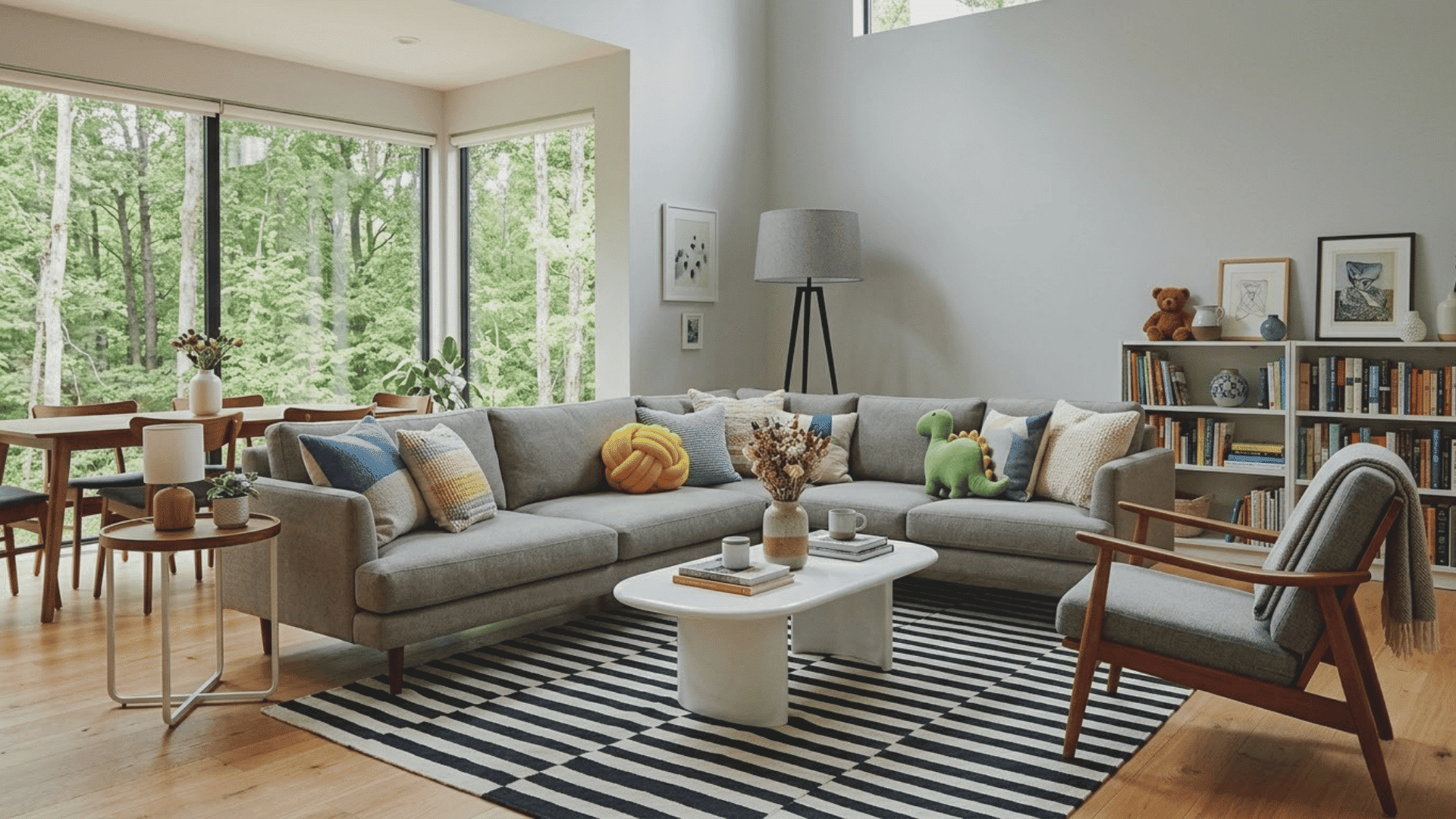
Open floor layouts remove unnecessary walls, letting living, dining, and kitchen zones flow into one connected space. This setup keeps rooms feeling larger and lets natural light travel freely.
Furniture arrangement matters more in open layouts since there are no walls to define zones. Area rugs, low console tables, or lighting fixtures work well to separate spaces visually.
2. Design A Functional Living Room
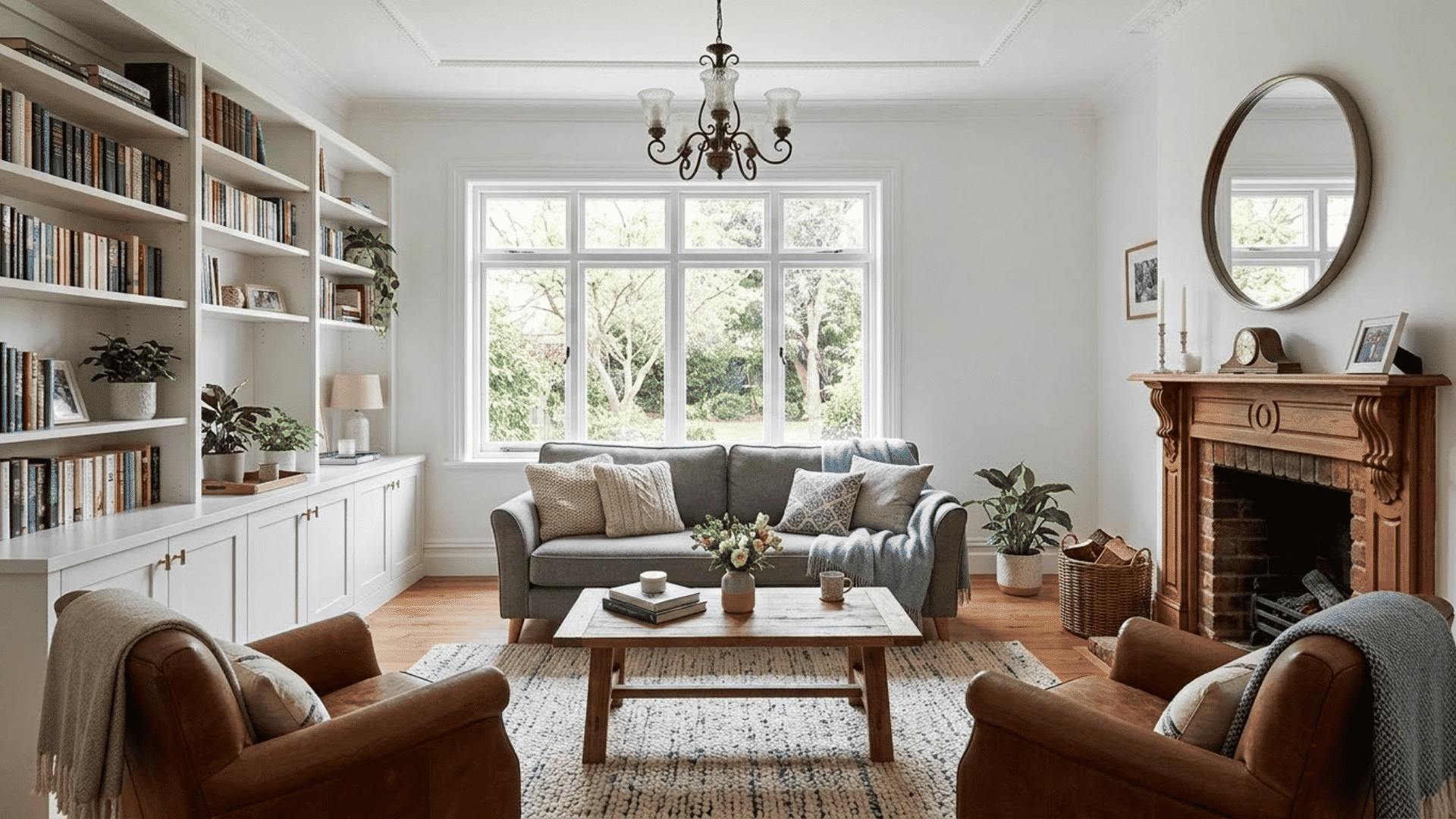
A functional living room design puts daily use ahead of decoration alone.
Seating should support real conversations, screen time, and reading without feeling forced or cramped.
Storage matters as much as style in a working living room. Closed cabinets, ottomans with hidden compartments, and slim shelving keep clutter out of sight without breaking the look.
3. Create A Cozy Reading Corner
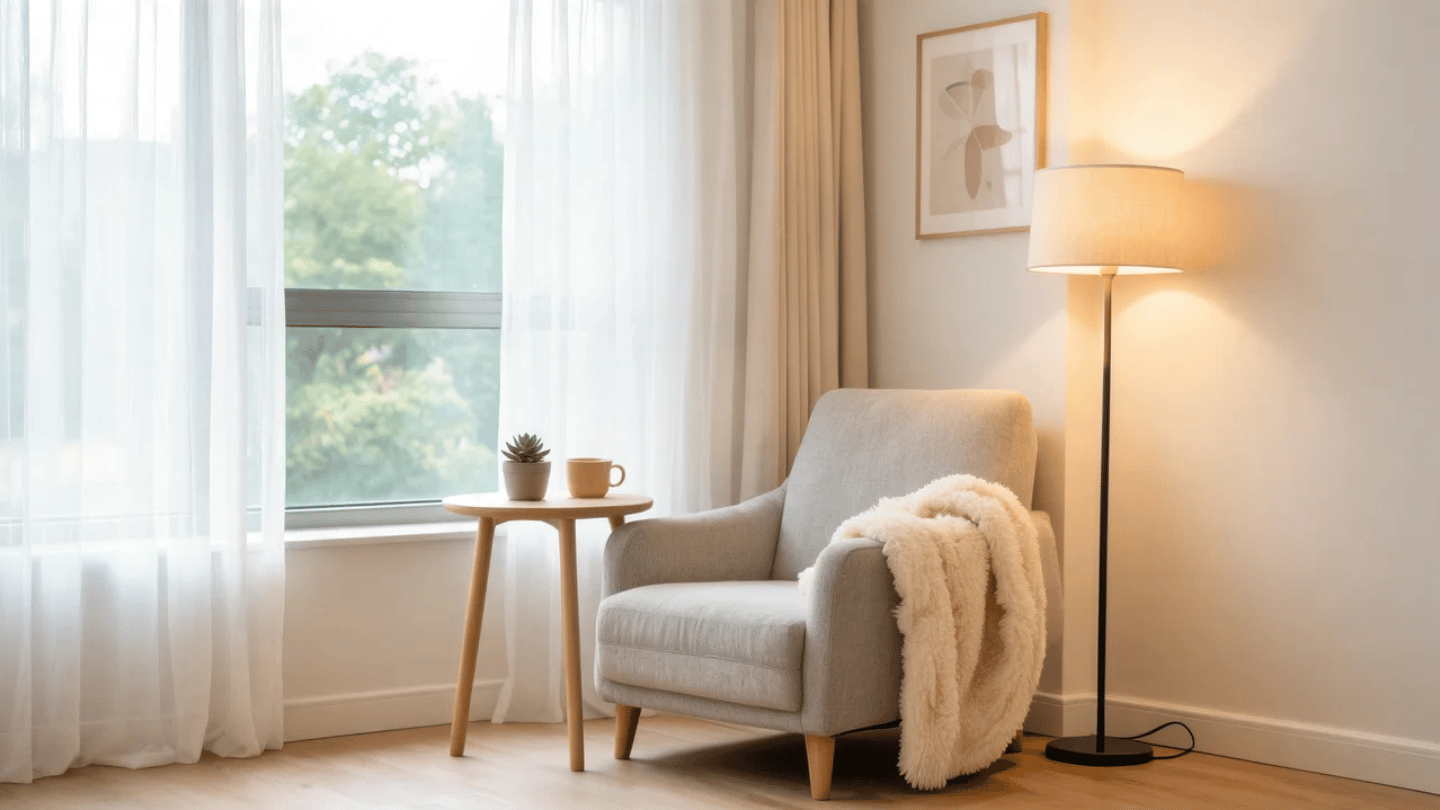
A reading corner adds warmth to an otherwise minimal contemporary living room design. One comfortable chair, a small side table, and soft lighting create the whole setup.
Position the nook near a window for natural light during the day. Add a throw blanket and a floor lamp for evening reading without disturbing the rest of the room.
4. Add Statement Lighting Fixtures
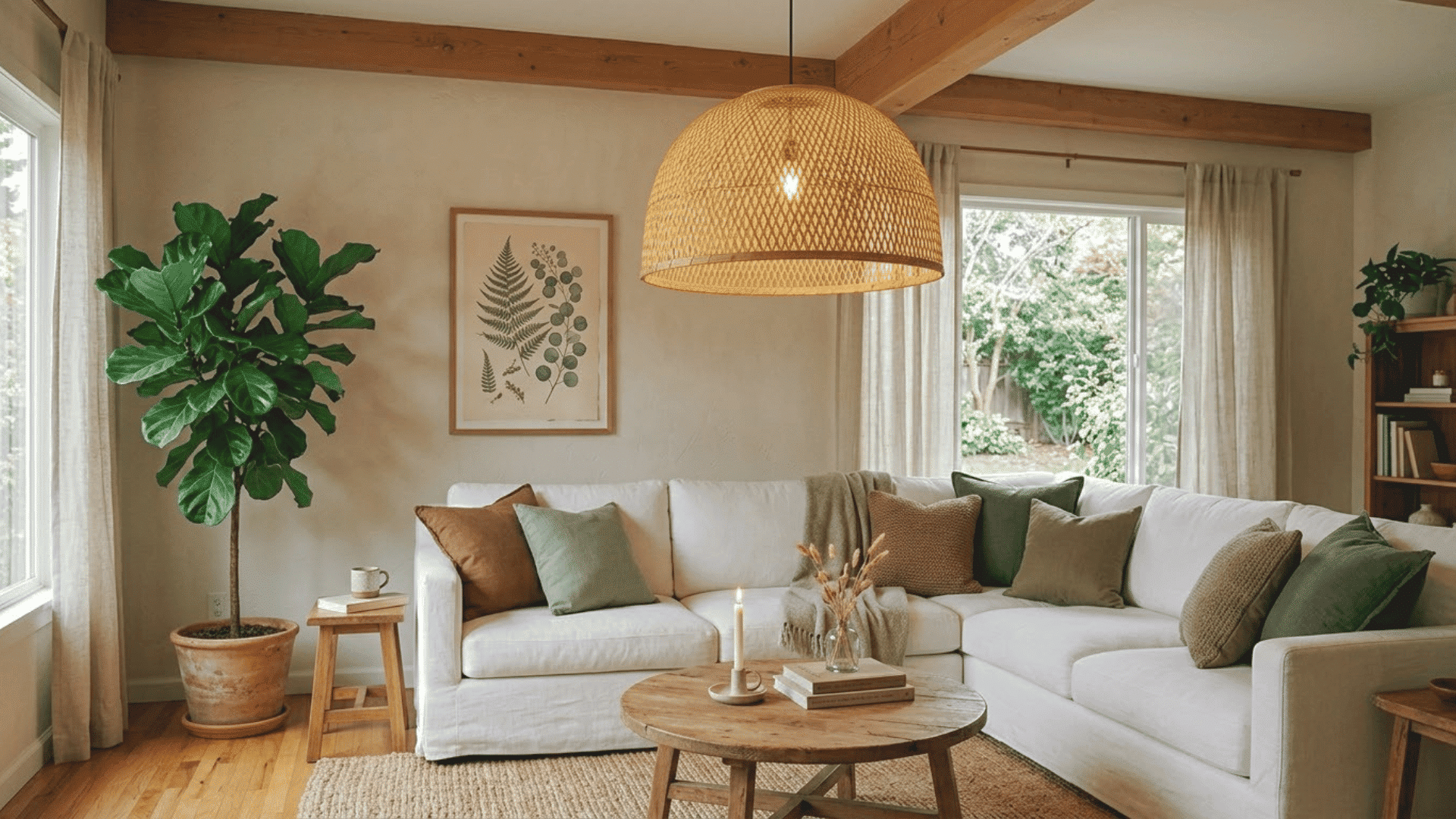
Statement lighting fixtures give a contemporary living room instant personality without extra furniture. A sculptural pendant or an oversized floor lamp works well as the room’s focal point.
Layer statement pieces with softer ambient lighting nearby to avoid harsh contrast. Dimmer switches help the same fixture work for both bright afternoons and relaxed evenings.
5. Choose Minimalist Furniture Designs
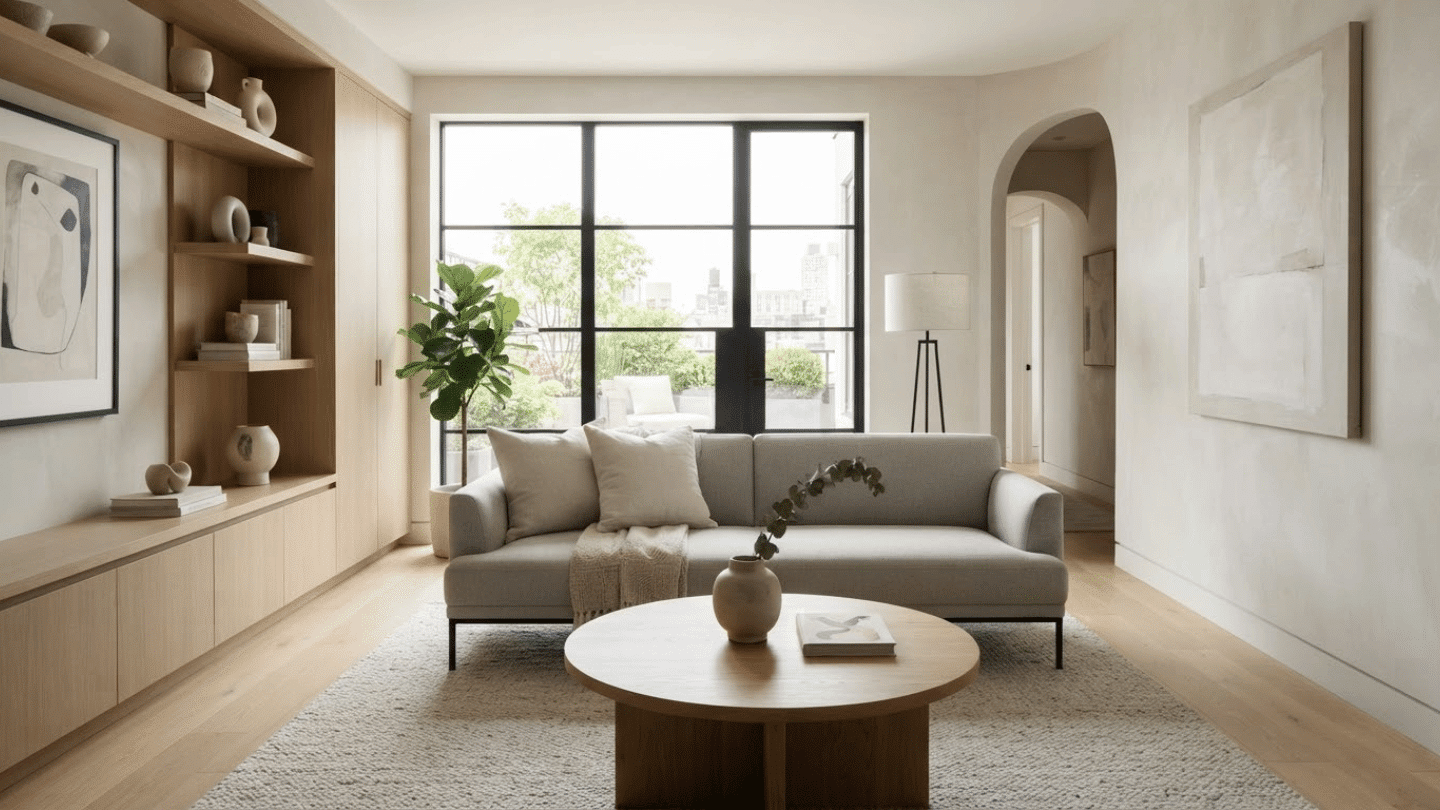
Minimalist furniture keeps a contemporary living room from feeling crowded or busy. Pieces with slim legs, simple shapes, and solid colors let the room breathe.
Fewer, better pieces work better than filling every corner with furniture. One well-chosen sofa and coffee table often do more for the space than five smaller items.
Relaxed Seating Area Styling
A relaxed seating area combines comfort, style, and functionality to create a welcoming space for everyday moments.
Thoughtful furniture placement, soft textures, and balanced decor help make the area feel calm and inviting.
6. Add Curved Furniture Elements
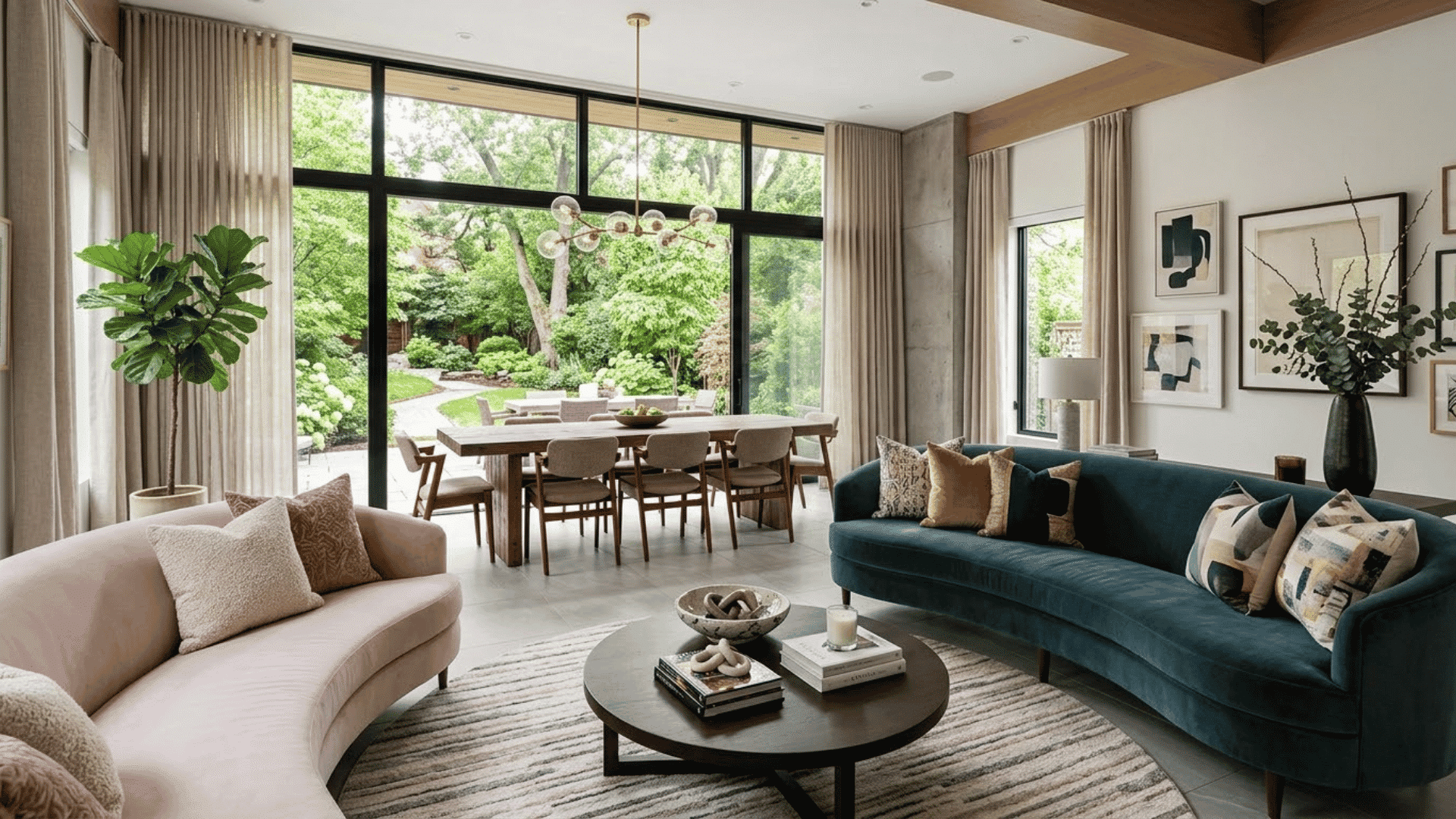
Curved furniture softens the sharp lines that define most contemporary interior design. A rounded sofa, an oval coffee table, or an arched mirror adds gentle contrast.
Curves work best paired with straight-lined pieces nearby rather than filling the whole room. One curved statement piece is usually enough to shift the room’s overall feel.
7. Add Oversized Artwork Piece
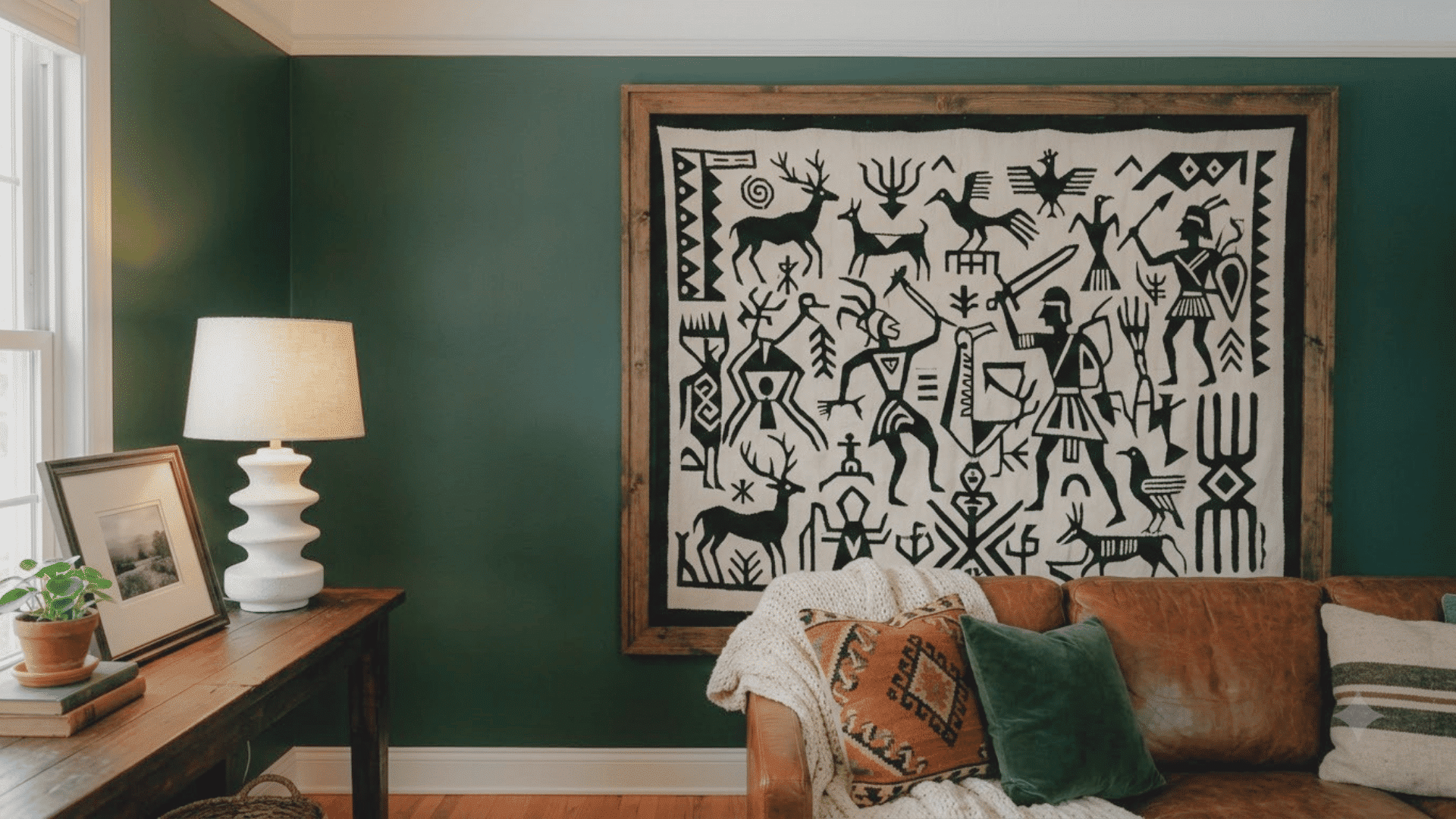
Oversized artwork fills blank walls without adding visual clutter to a contemporary living room. One large canvas often works better than several small framed pieces together.
Pick artwork that echoes the room’s color palette rather than fighting against it. Abstract pieces in neutral tones with one bold accent color tend to fit contemporary spaces well.
8. Choose Statement Rugs And Carpets
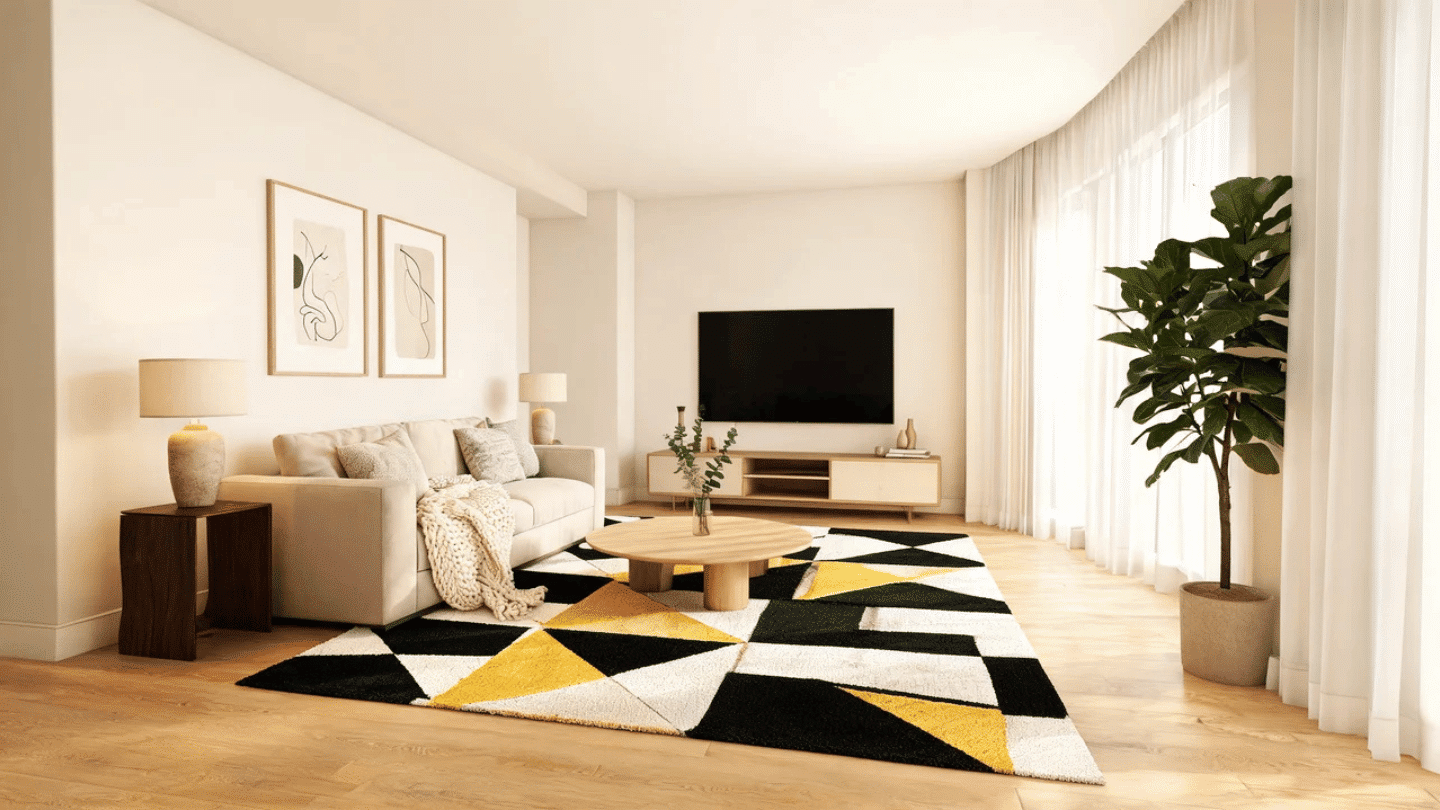
A statement rug anchors furniture and adds texture underfoot in a contemporary living room. Bold geometric patterns or a single deep color both work well here.
Size the rug so the front legs of the furniture sit on it, not just the center of the room. An undersized rug is one of the easiest ways to make a space feel disconnected.
9. Design A Modern Modular Kitchen
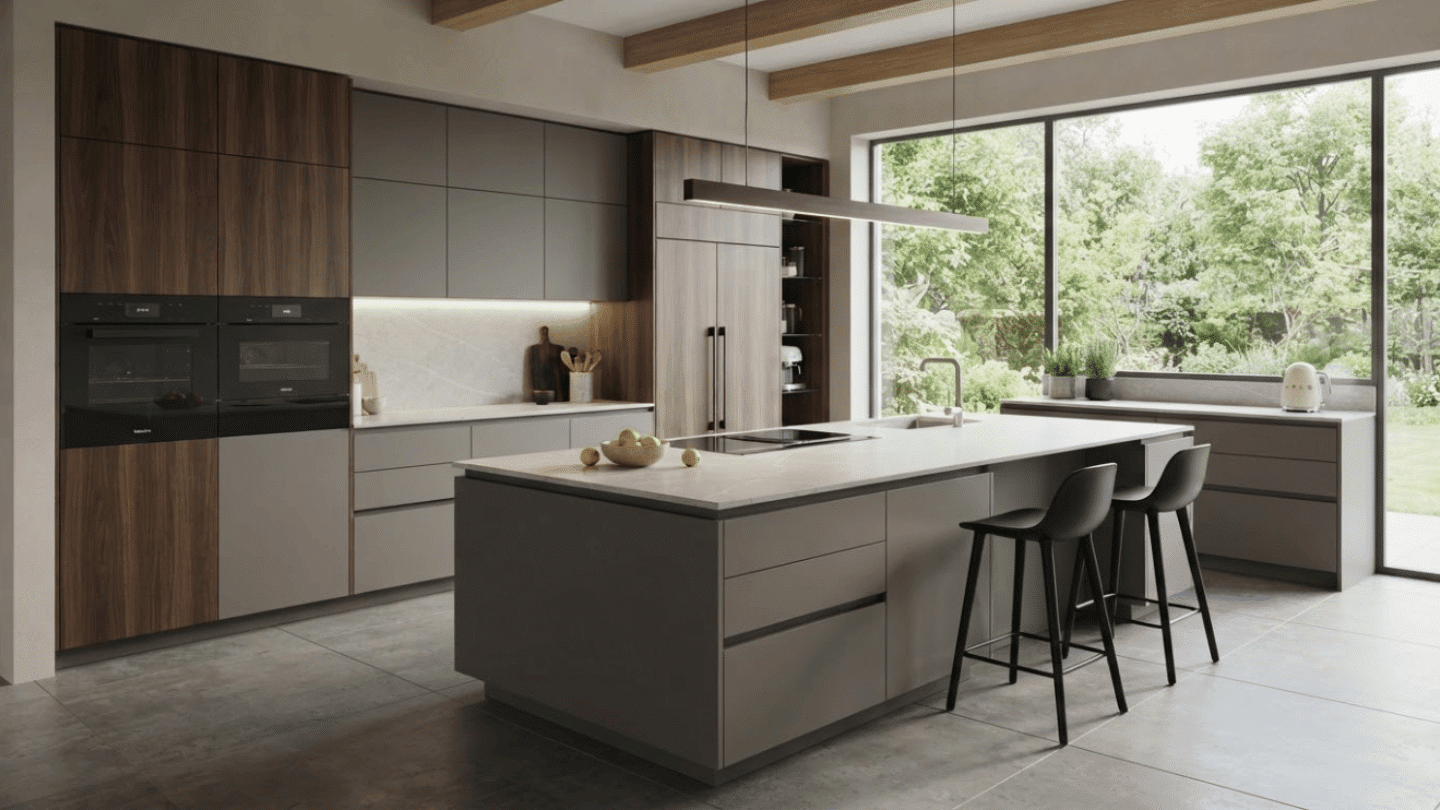
A modular kitchen fits contemporary interior design through flexible, unit-based storage and clean surfaces. Cabinets, countertops, and appliances click together for a streamlined, custom look.
Modular layouts adapt easily to different kitchen sizes and shapes. Homeowners can rearrange or add units later without replacing the entire kitchen design.
10. Create A Stylish Dining Space
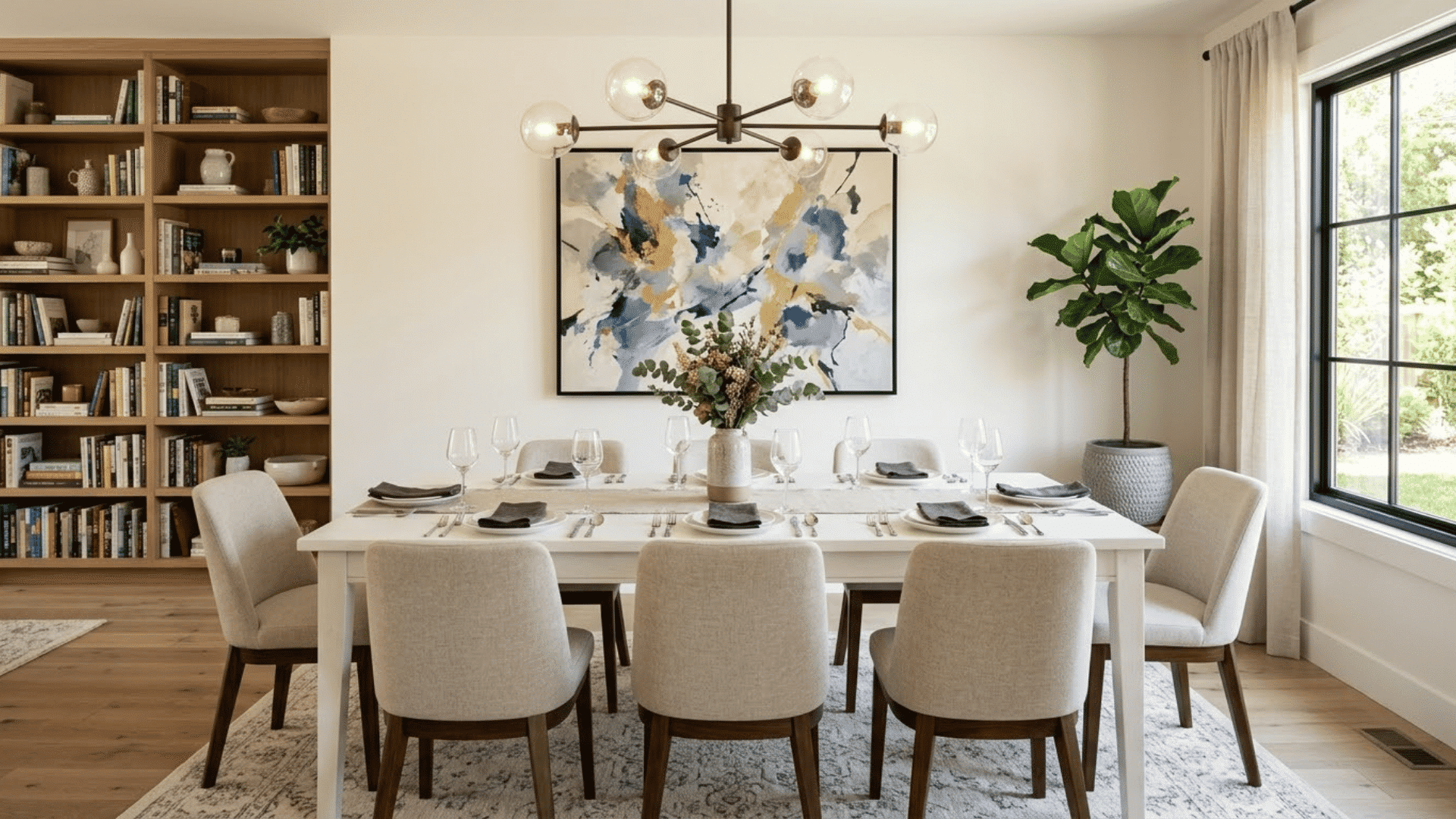
A stylish dining space pairs a simple wood or stone table with mismatched neutral chairs. This combination adds warmth without breaking from the contemporary aesthetic.
Keep dining decor minimal: one centerpiece, simple tableware, and an overhead pendant light. Extra clutter on the table takes away from the clean, current feel of the room.
Contemporary Kitchen Design Ideas
Contemporary kitchen design combines sleek aesthetics with practical functionality for modern lifestyles.
Smart storage, clean surfaces, and balanced materials create a stylish space that feels organized and inviting.
11. Use Handleless Cabinet Designs
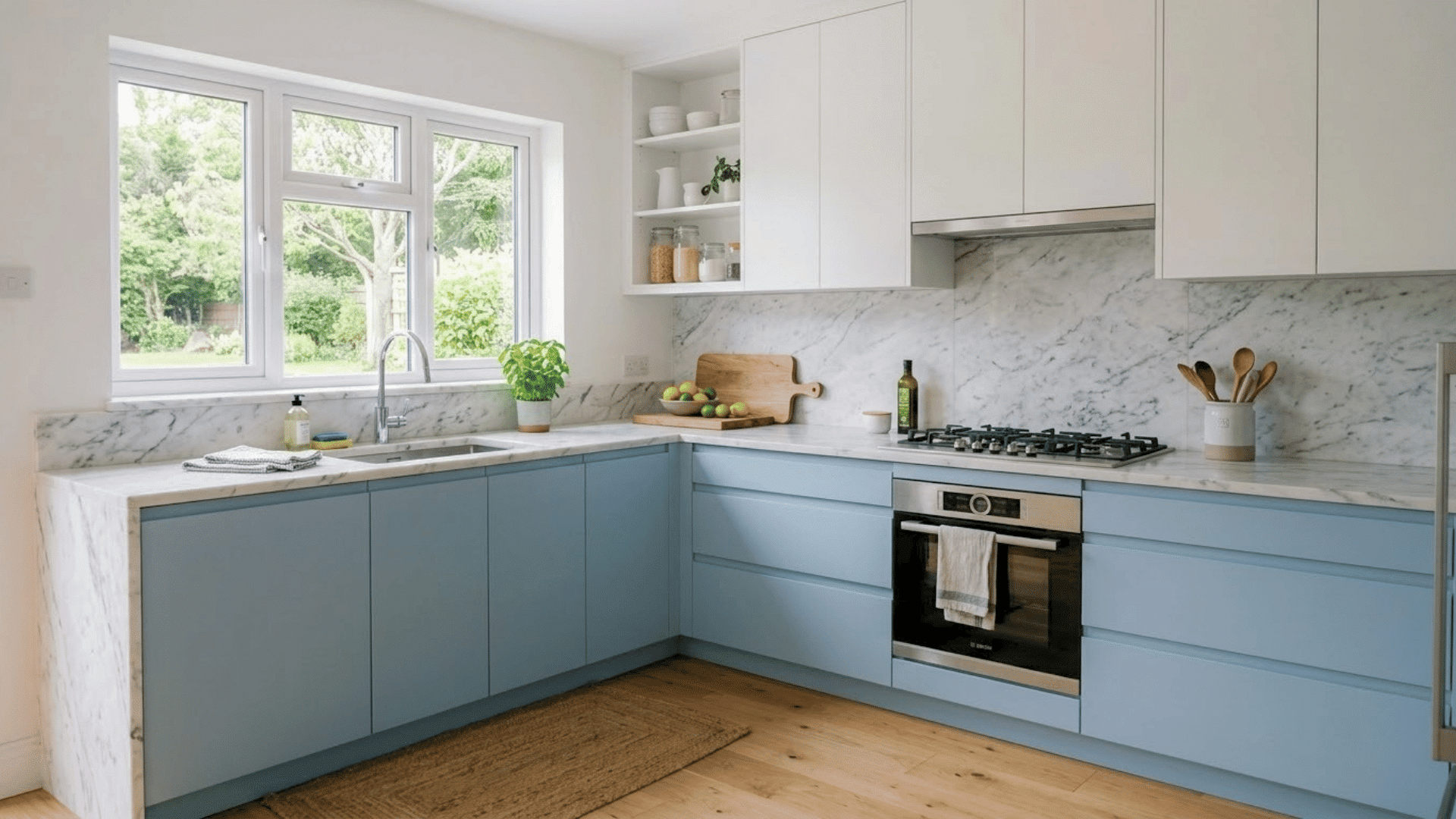
Handleless cabinets give kitchens a smooth, seamless front without visible hardware breaking up the lines. Push-to-open or recessed grip designs keep the look intact.
This style works especially well in smaller kitchens, where visual clutter can make the space feel tighter. Flat, handleless fronts make even compact kitchens look sleek and organized.
12. Add Sleek Storage Solutions
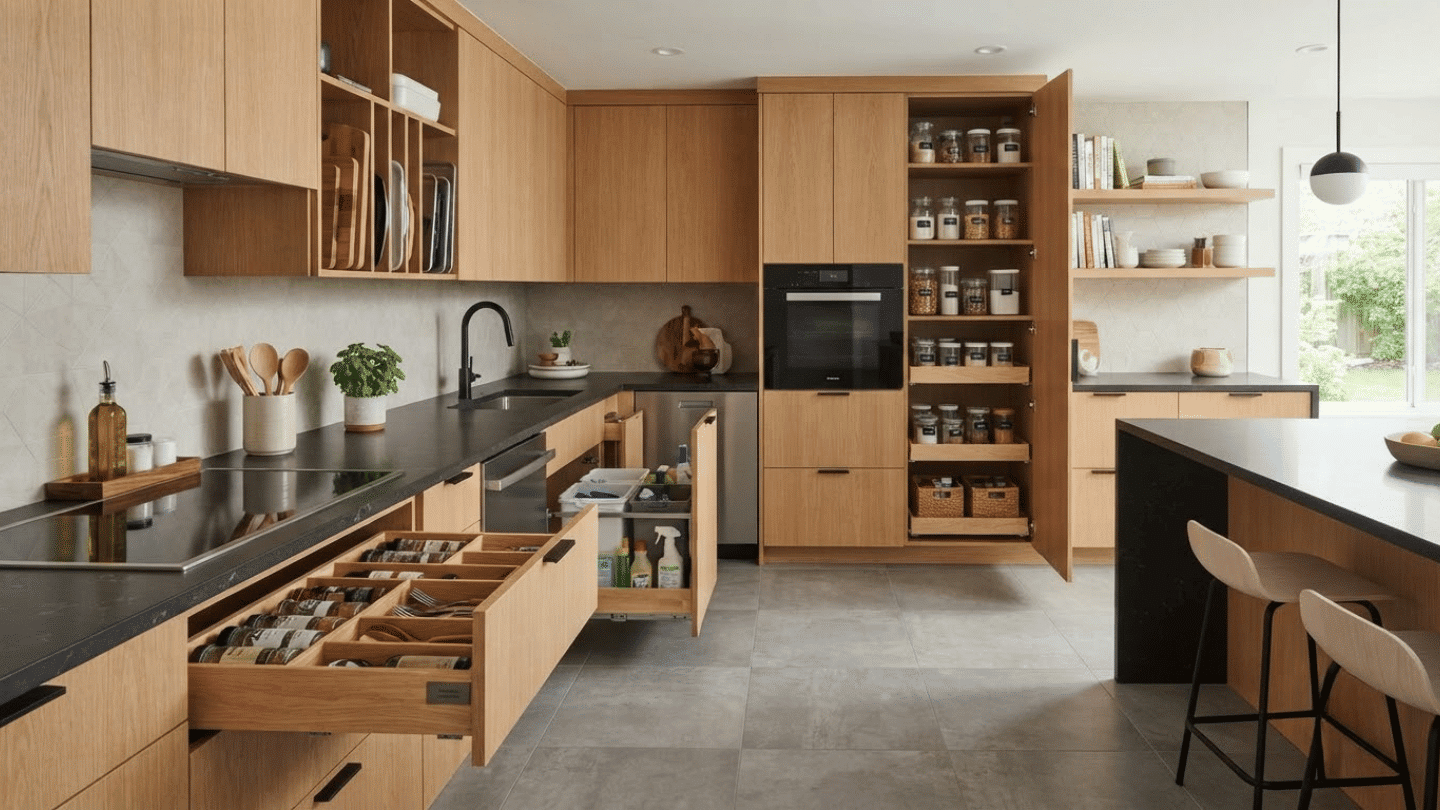
Sleek storage keeps countertops clear, which matters most in contemporary kitchen design. Pull-out drawers, corner carousels, and vertical dividers make better use of tight spaces.
Open shelving works for display items, while closed cabinets hide everyday clutter. Balancing both keeps a kitchen functional without looking bare or overly busy.
13. Blend Wood And Metal Finishes
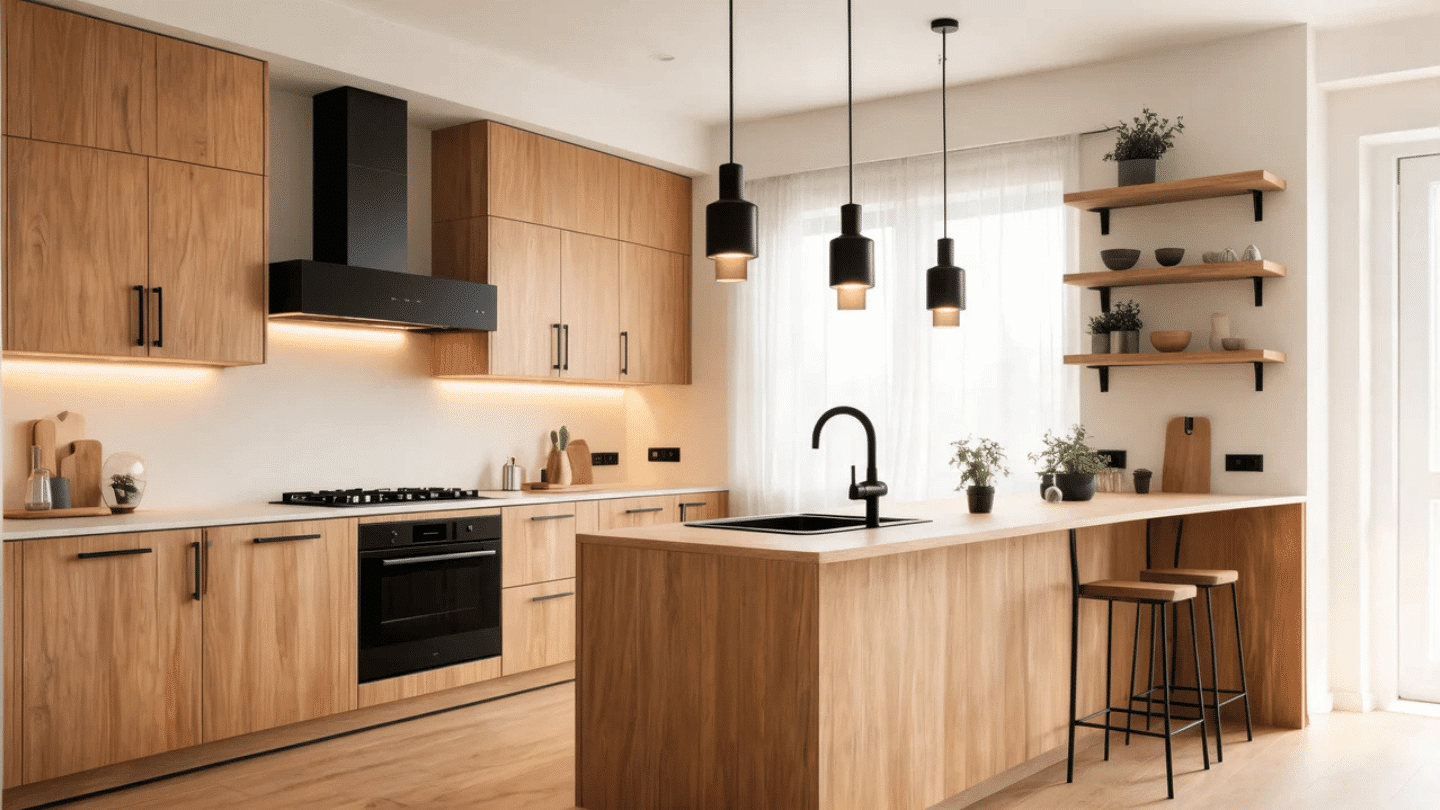
Wood and metal finishes together add warmth and contrast to an otherwise neutral kitchen. Brass or matte black hardware against light wood cabinetry is a common pairing.
Keep the ratio balanced so one material doesn’t overwhelm the other. Wood countertops with metal light fixtures, or metal stools with wood tables, both work well.
14. Install Smart Home Features
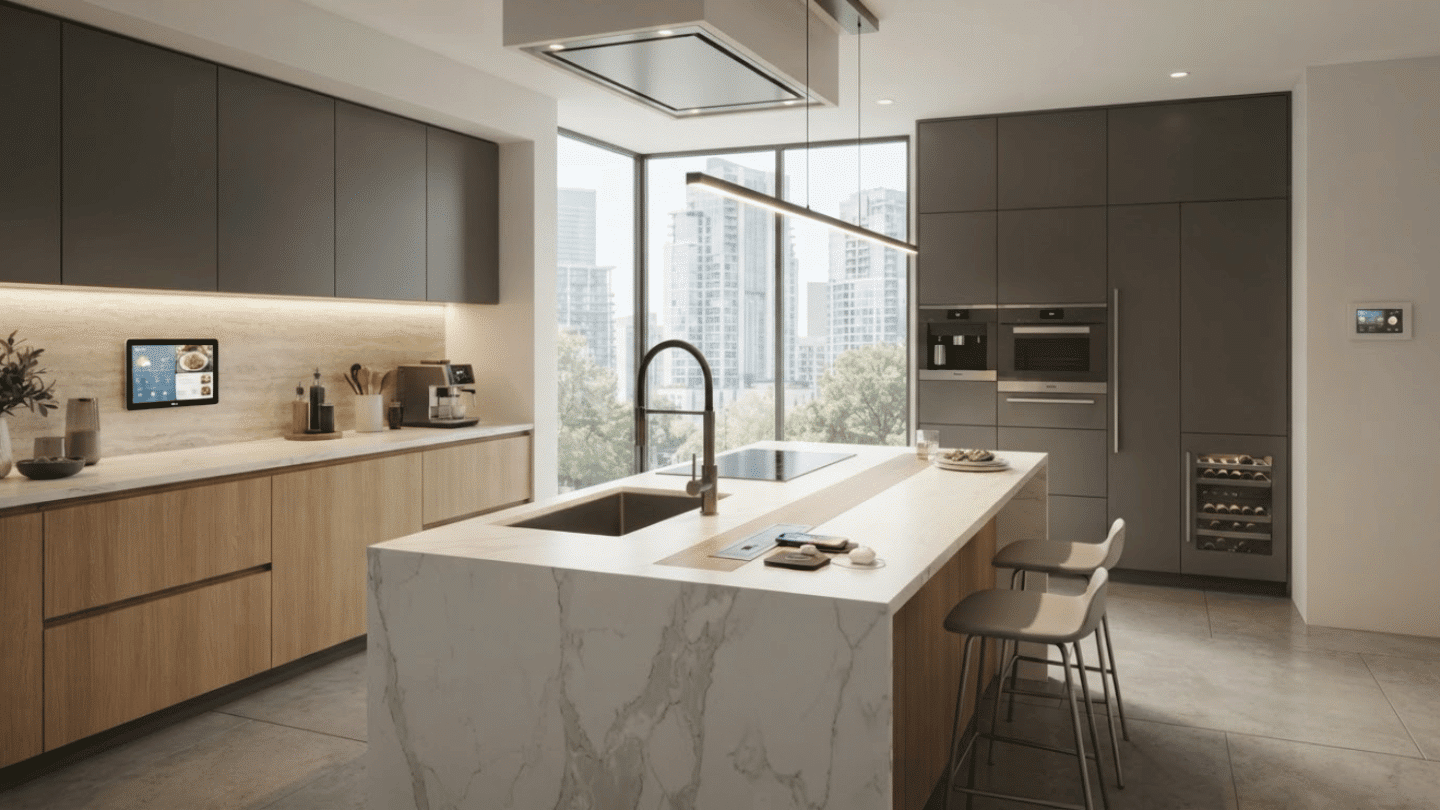
Smart features like touch faucets, app-controlled lighting, and voice-activated appliances suit contemporary kitchen and dining spaces. They add convenience without disrupting the clean visual style.
Opt for devices with simple, minimal designs so the technology blends into the kitchen rather than standing out. Hidden charging stations also keep countertops free of visible cords.
15. Incorporate Minimalist Lighting Fixtures
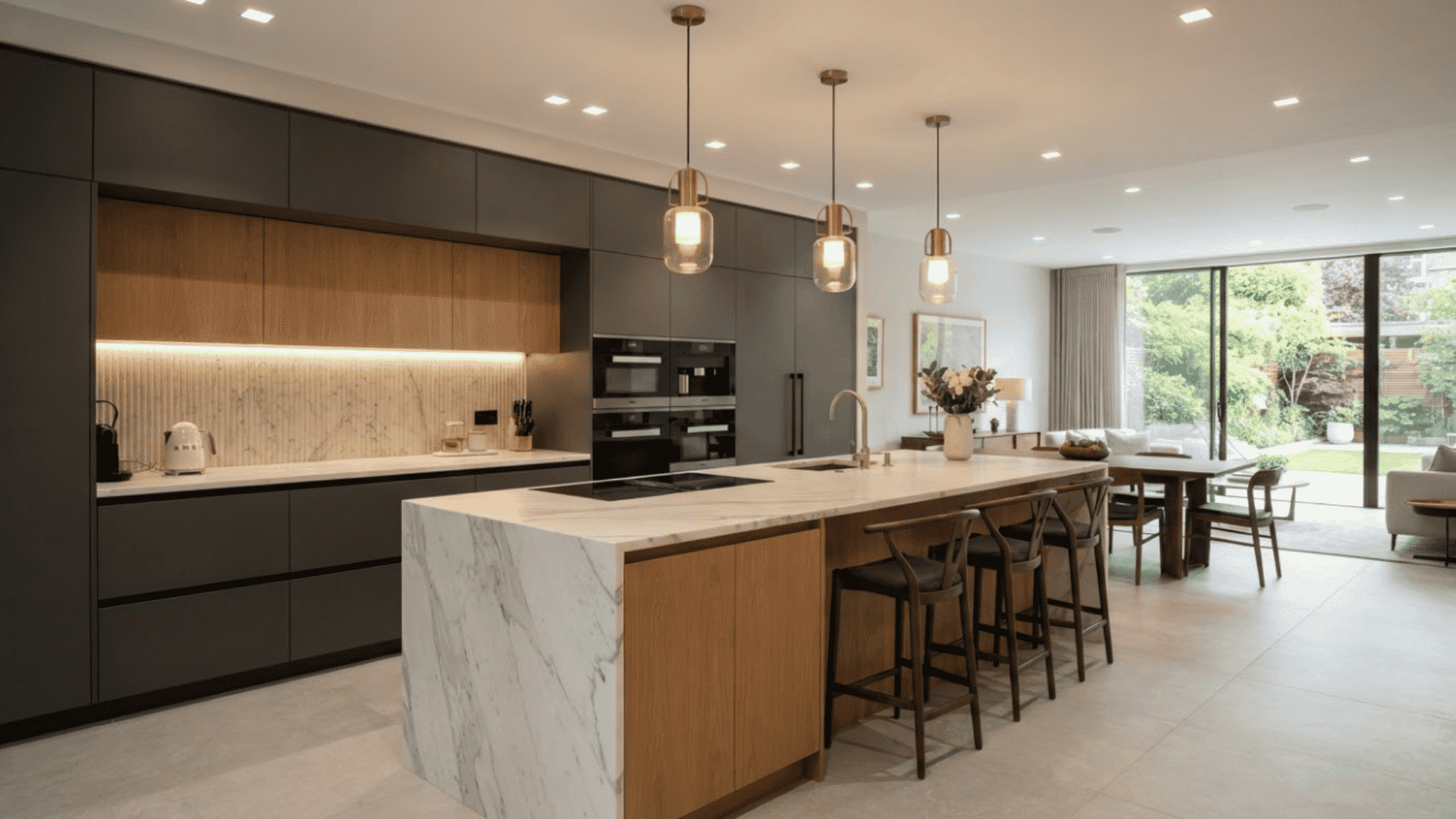
Minimalist lighting fixtures add both function and visual appeal to a contemporary kitchen design. Pendant lights, recessed lighting, and under-cabinet LEDs provide focused illumination while maintaining a clean, modern look.
Fixtures with simple shapes and refined finishes complement the kitchen’s overall style. Layered lighting helps create a balanced atmosphere for cooking, dining, and everyday activities.
Contemporary Bedroom Design Ideas
A contemporary bedroom design blends comfort, simplicity, and modern aesthetics to create a peaceful personal retreat.
Clean layouts, cozy materials, and thoughtful furniture choices help maintain a relaxing atmosphere while keeping the space practical and stylish.
16. Add Built-In Wardrobe Storage
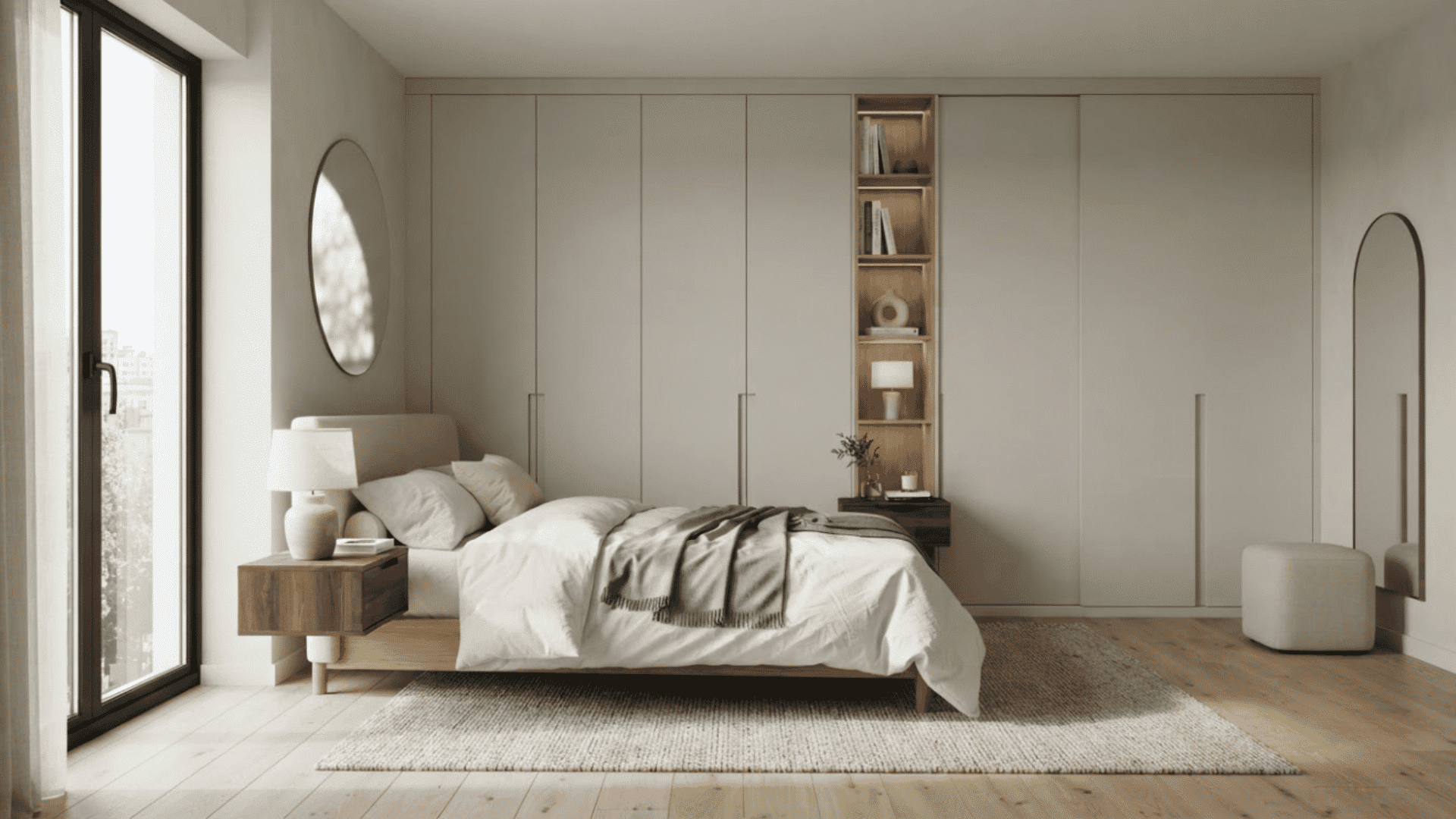
Built-in wardrobes save floor space while keeping a contemporary bedroom design visually clean. Floor-to-ceiling units blend into the wall rather than standing out as furniture.
Sliding doors work especially well in smaller bedrooms where swing space is limited. Matching the wardrobe finish to the wall color helps it disappear into the room.
17. Experiment With Layered Fabrics
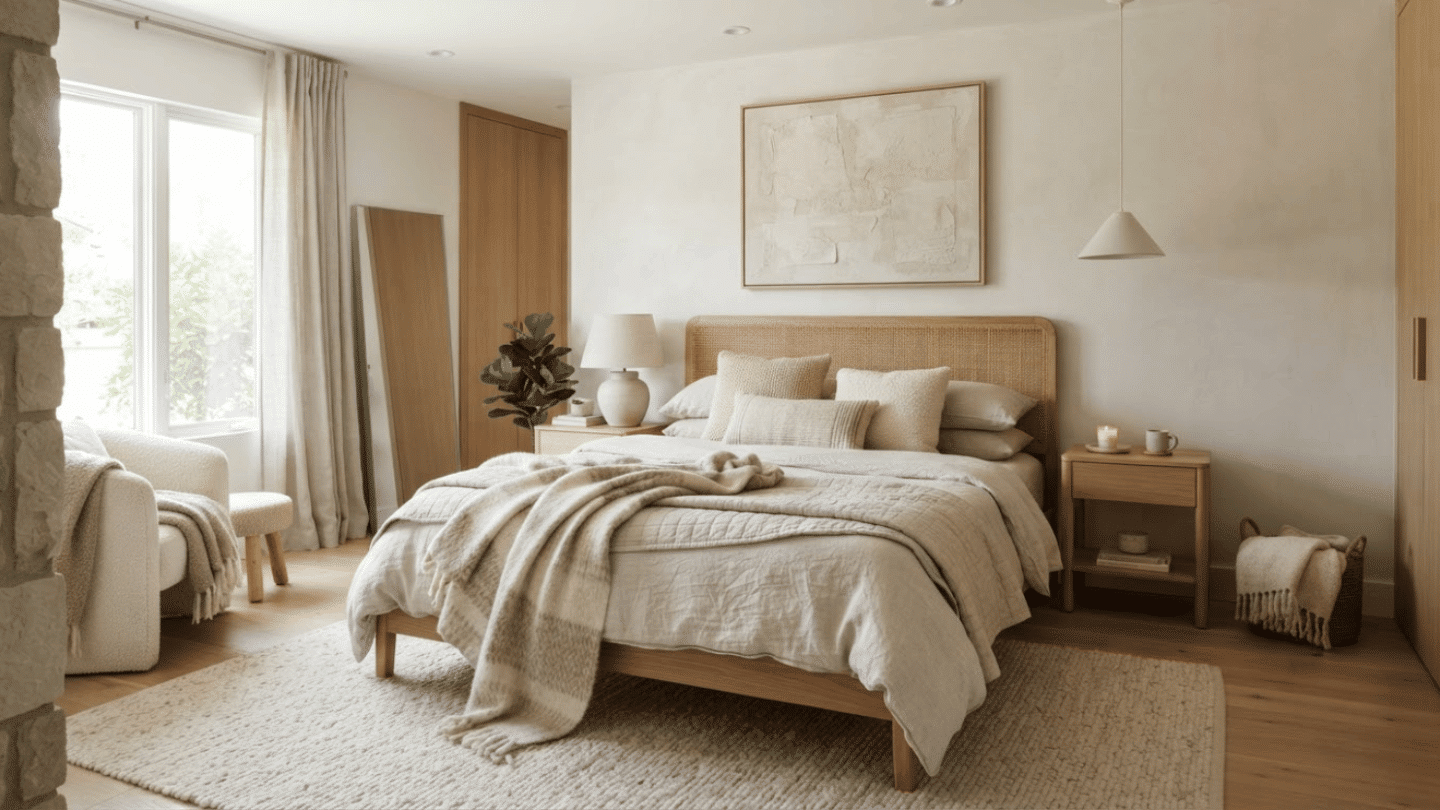
Layered fabrics add texture to a bedroom without introducing extra color or pattern. Mixing a wool throw, linen sheets, and a knit pillow keeps things tactile.
Stick to two or three textures at most to avoid an overly busy look. Similar tones in different fabrics still read as cohesive rather than mismatched.
18. Use Warm Neutral Color Palettes
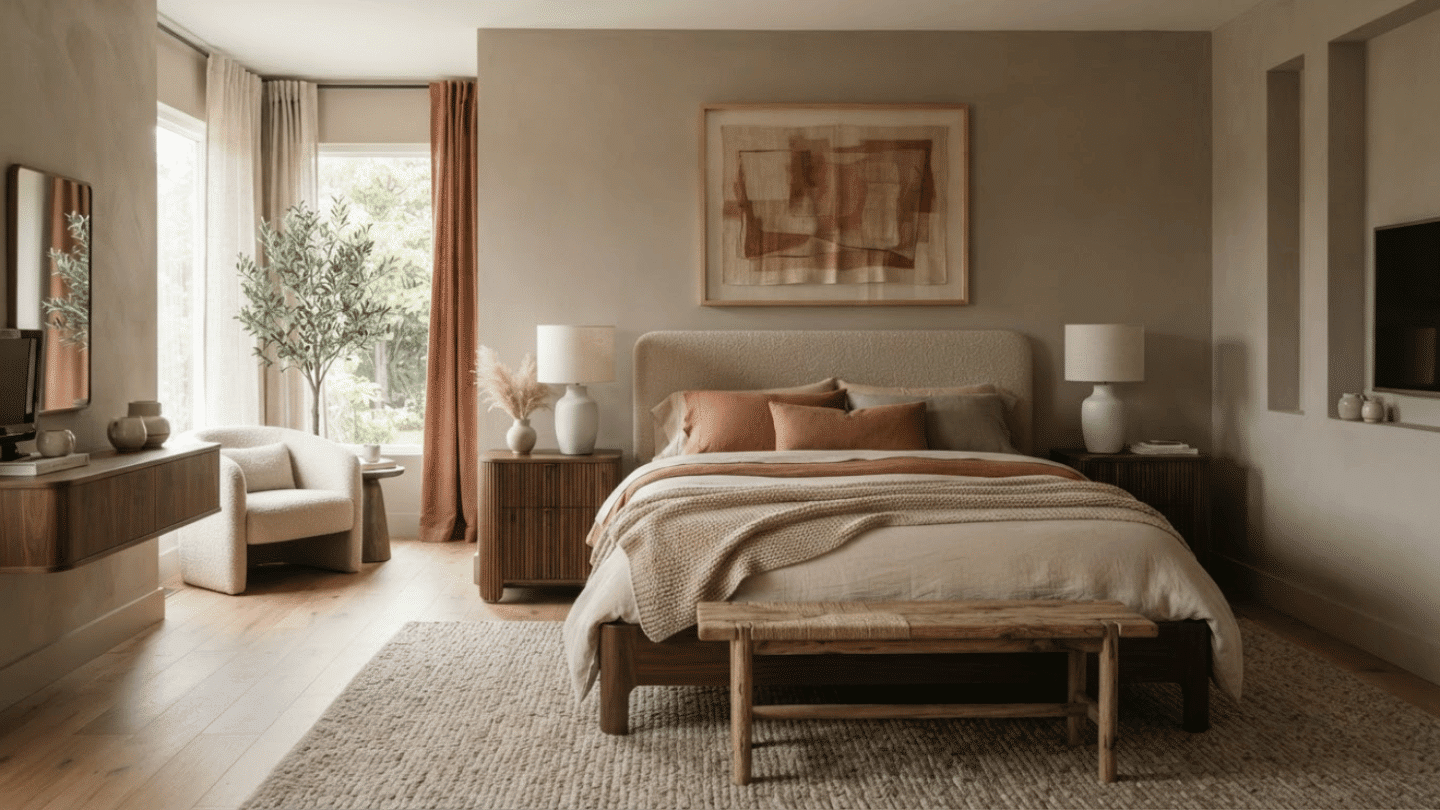
Warm neutrals like taupe, sand, and soft terracotta suit contemporary bedroom design better than stark white or gray. They feel calming without looking cold.
Apply the warm palette across walls, bedding, and larger furniture for consistency. Add one or two deeper accent tones in pillows or artwork for depth without clashing.
19. Include Personalized Decorative Pieces
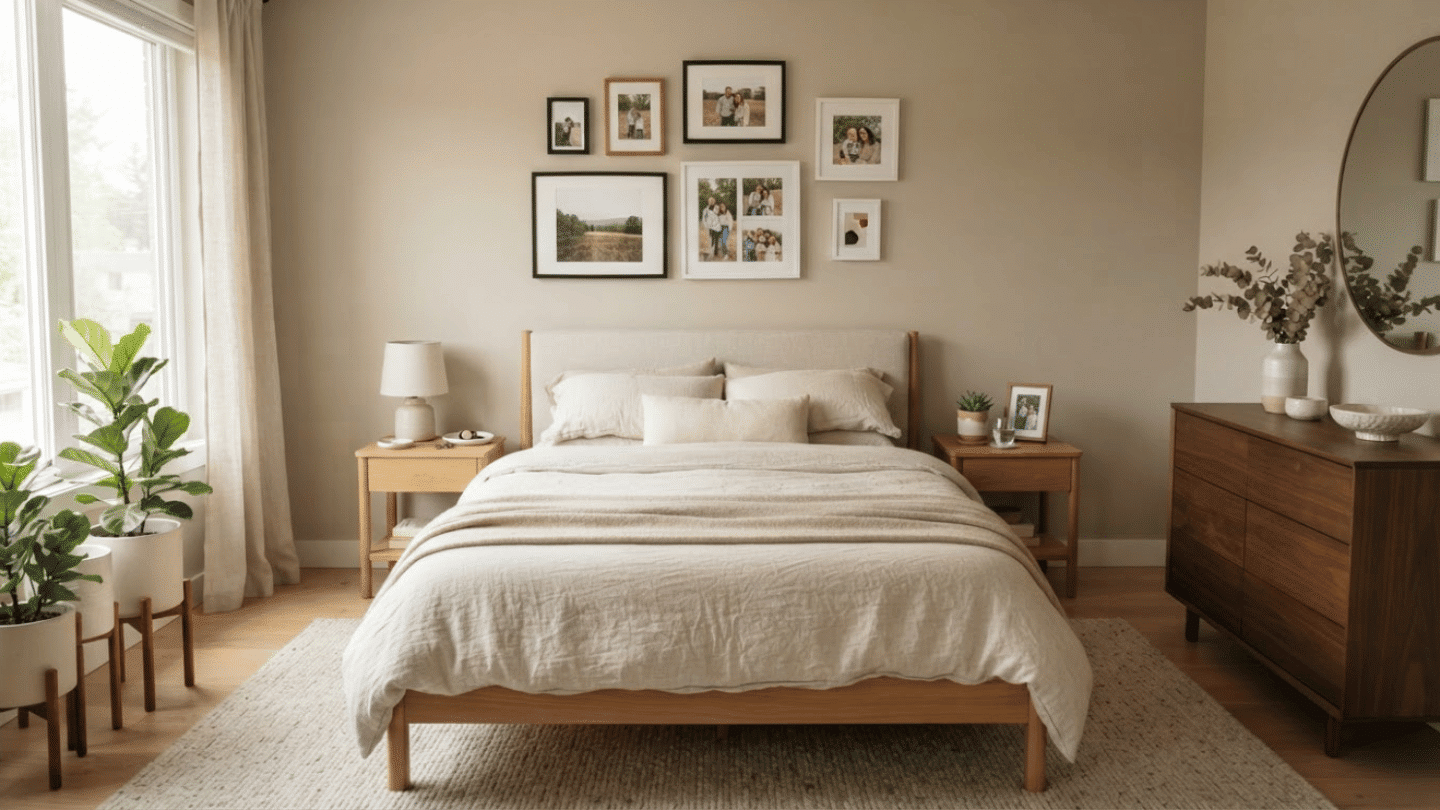
Personalized pieces, like framed photos or a favorite ceramic bowl, keep a contemporary bedroom from feeling generic. A few thoughtful items add character without cluttering the space.
Limit personal decor to one or two surfaces, such as a dresser top or shelf. Spreading items across every surface breaks the room’s clean, intentional feel.
20. Mix Natural Materials And Textures
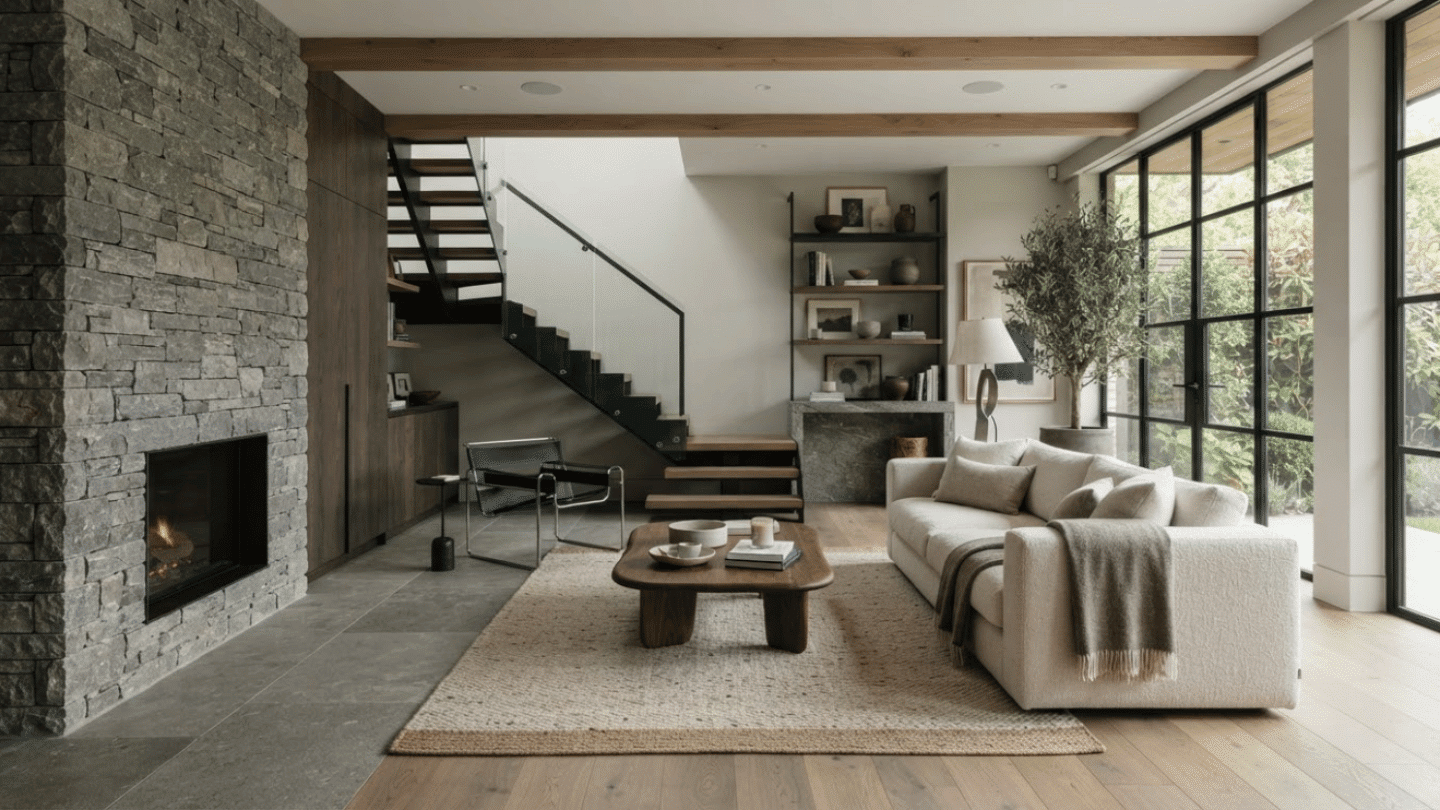
Natural materials like wood, stone, and linen soften the sleek edges common in contemporary interior design. Mixing two or three textures keeps neutral rooms from feeling flat.
Pair a matte material with something glossy for contrast, such as raw wood against polished metal. This balance keeps natural materials from looking heavy or dated.
Contemporary Materials And Architectural Features
Materials and architectural details shape how a contemporary interior design actually feels in person.
Texture, light, and structure work together more than decor alone.
21. Use Textured Accent Walls
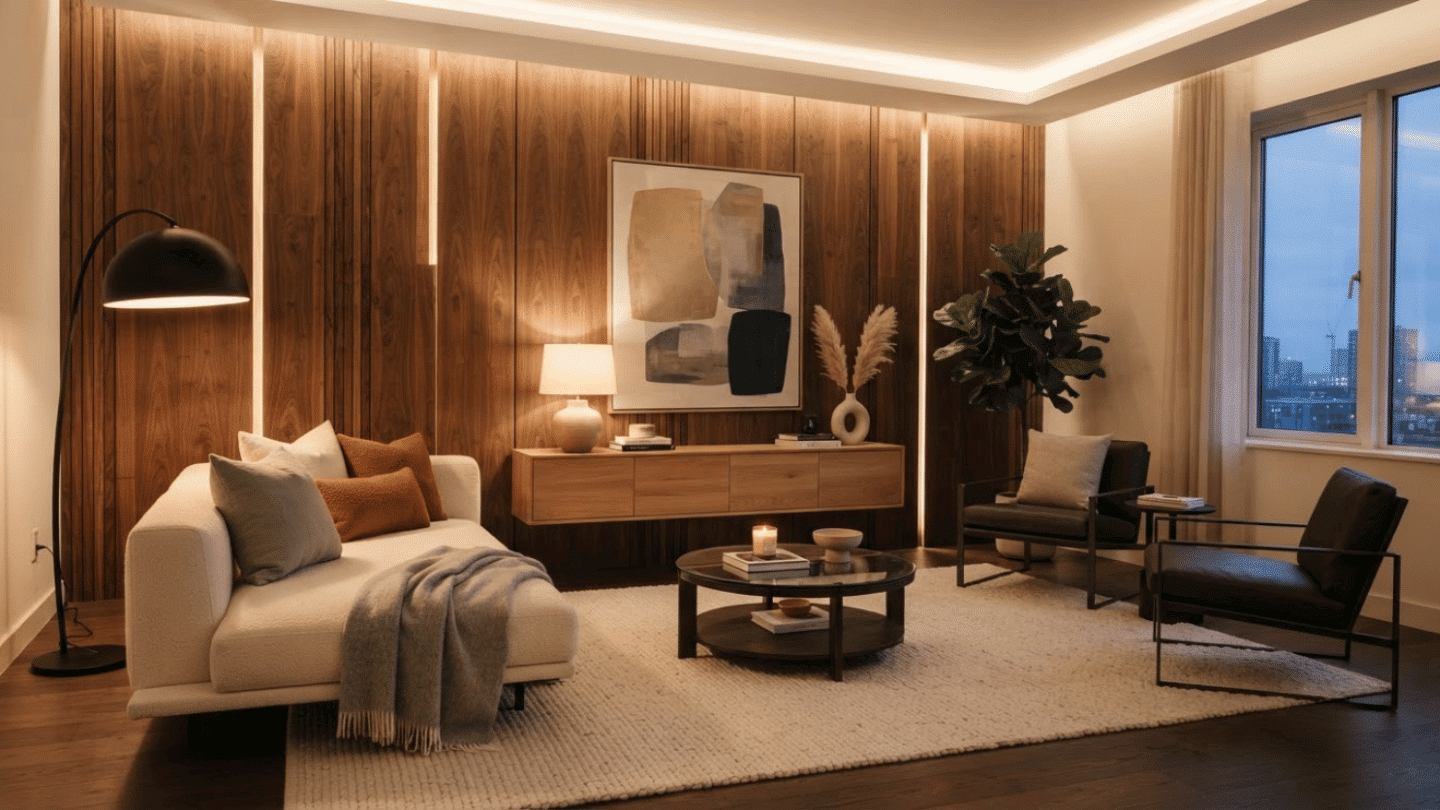
A textured accent wall, whether plaster, wood slats, or stone veneer, adds depth without extra furniture or decor. One wall is usually enough to make an impact.
Place the accent wall behind a bed or sofa to make it a natural focal point. Keep the rest of the room simple so the texture stands out.
22. Include Indoor Plants For Freshness
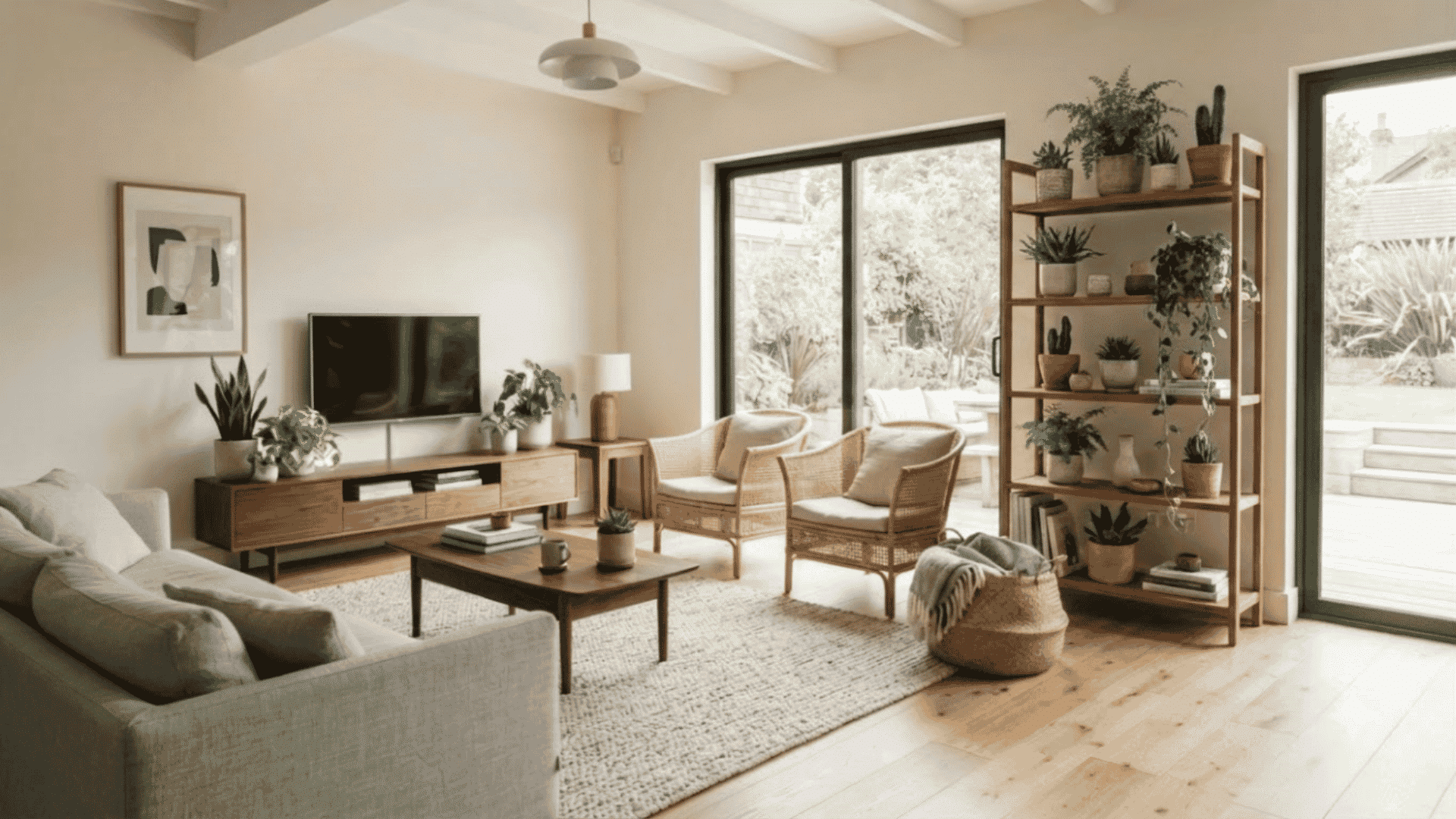
Indoor plants bring life into a contemporary space that might otherwise feel too neutral or sparse. A few large-leaf plants often work better than many small pots.
Simple planters in matte ceramic or woven fiber match the overall style better than ornate pots. Group plants by height for a more intentional, styled look.
23. Use Sustainable Interior Materials
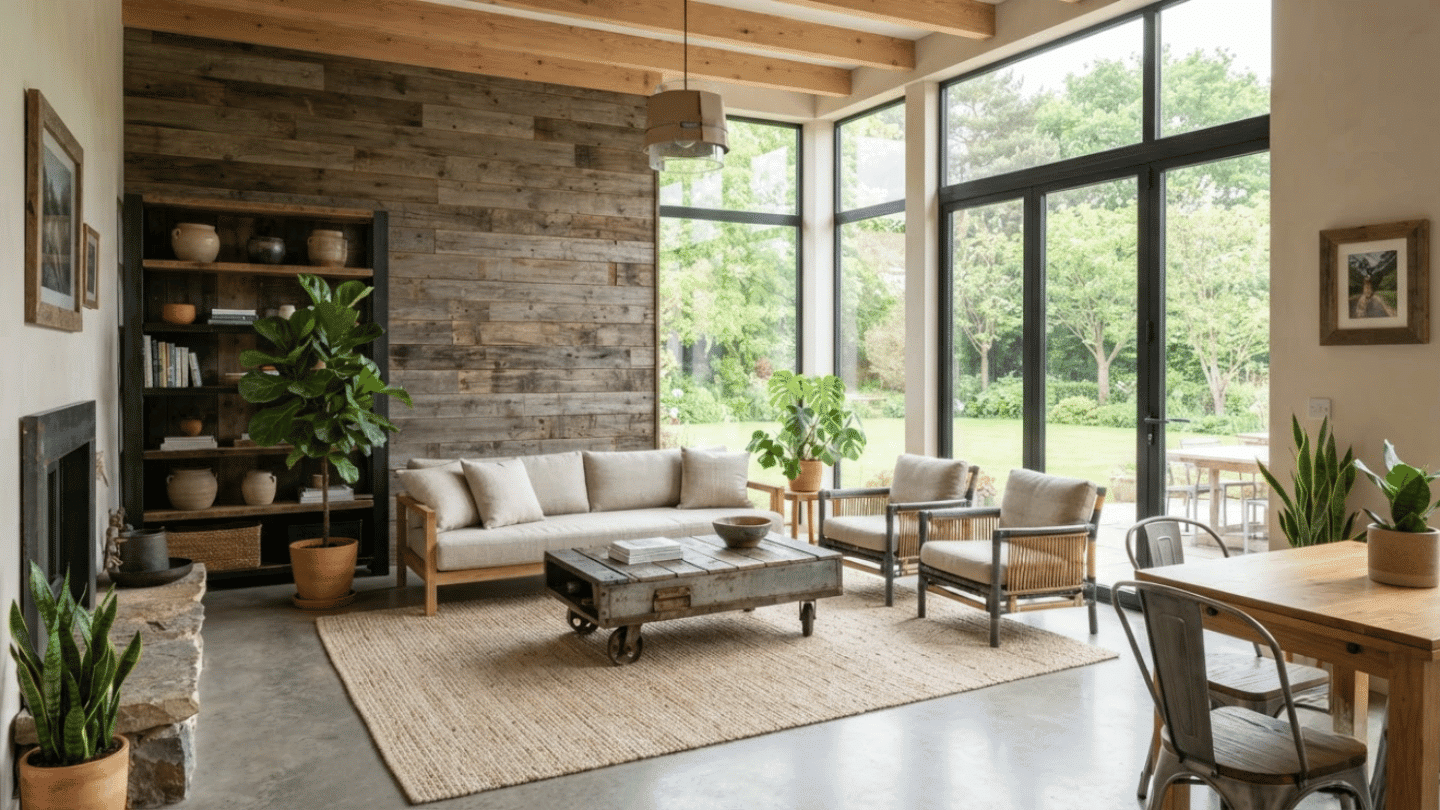
Sustainable materials like reclaimed wood, recycled metal, and low-VOC paint fit naturally into contemporary interior design. They support the style’s focus on quality over quantity.
Picking durable, well-made pieces over cheap trend items also reduces waste over time. Sustainable choices often align with the timeless, neutral direction contemporary design already favors.
24. Add Floor-To-Ceiling Windows
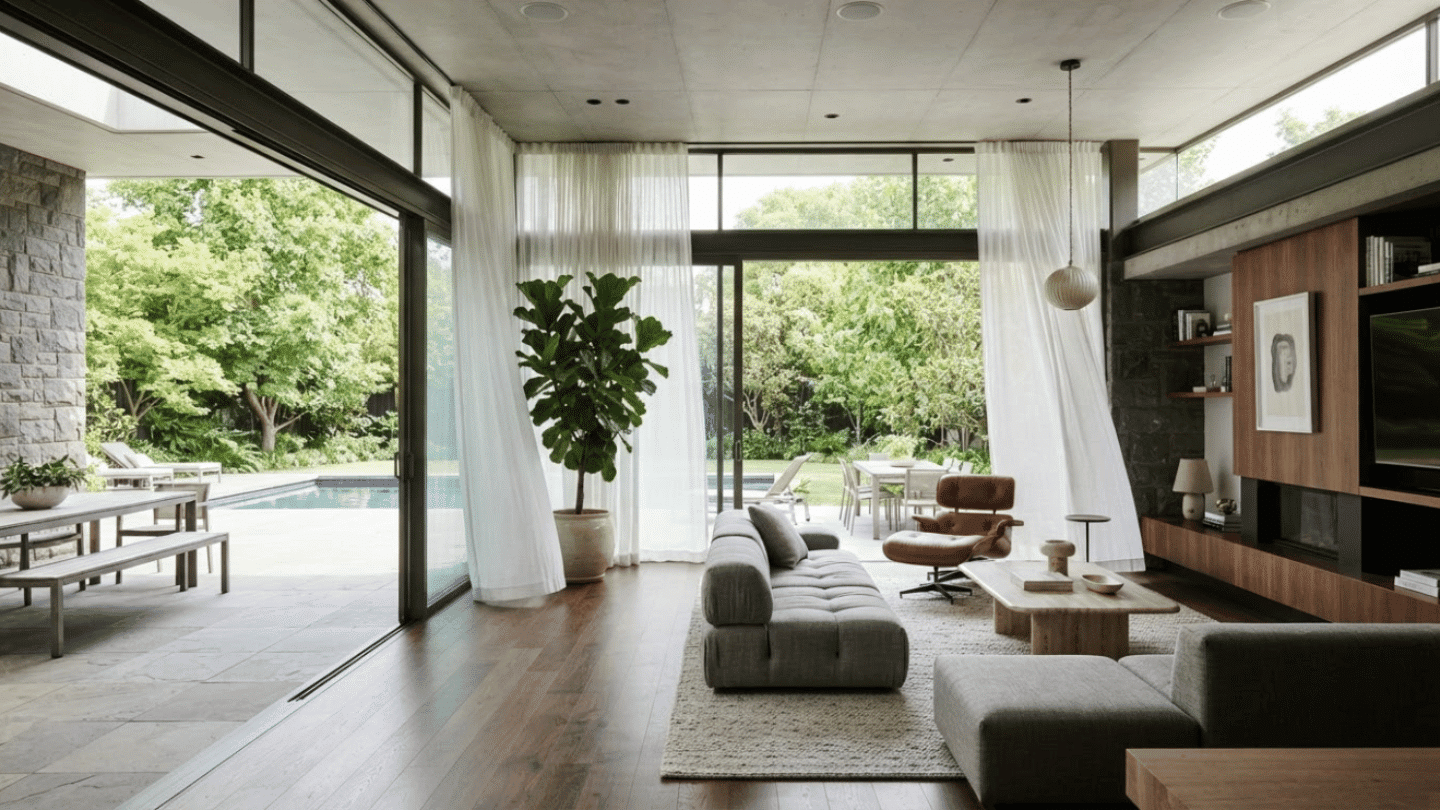
Floor-to-ceiling windows flood a room with natural light, a defining trait of contemporary interior design. They also visually connect indoor spaces to the outdoors.
Pair large windows with simple, sheer window treatments rather than heavy drapery. This keeps the light flowing while still offering privacy when needed.
25. Create Multi-Purpose Rooms
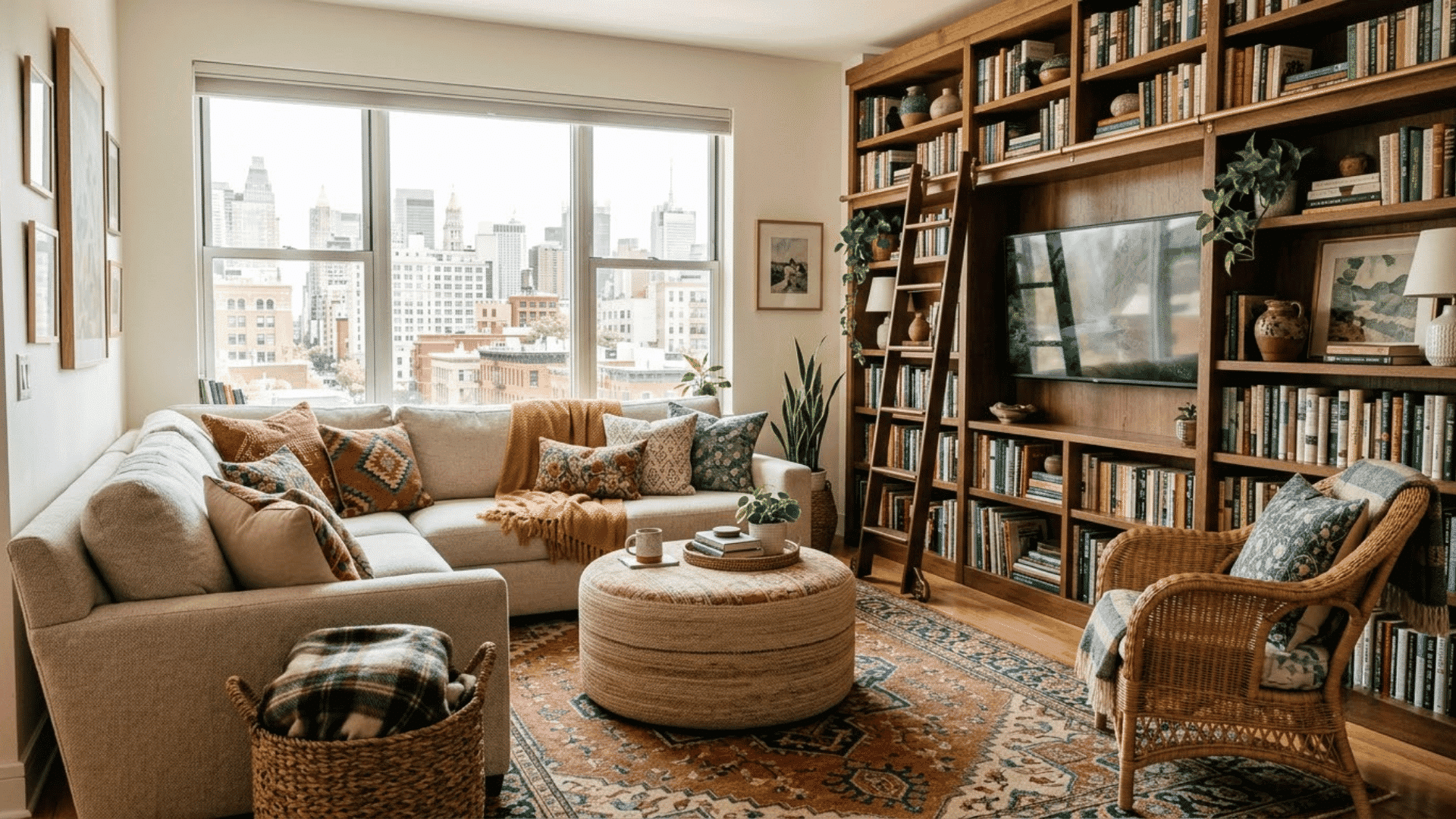
Multi-purpose rooms combine two functions, like a guest room and home office, into one flexible space. A daybed with storage or a fold-down desk makes this work.
Clear zoning through rugs or furniture placement helps each function feel distinct, even when sharing one room. This approach suits smaller homes where extra rooms aren’t available.
Smart And Functional Home Solutions
Functional solutions matter as much as style in a well-planned contemporary home. Multi-purpose spaces and hidden storage keep daily life organized without sacrificing design.
26. Use Hidden Storage Solutions
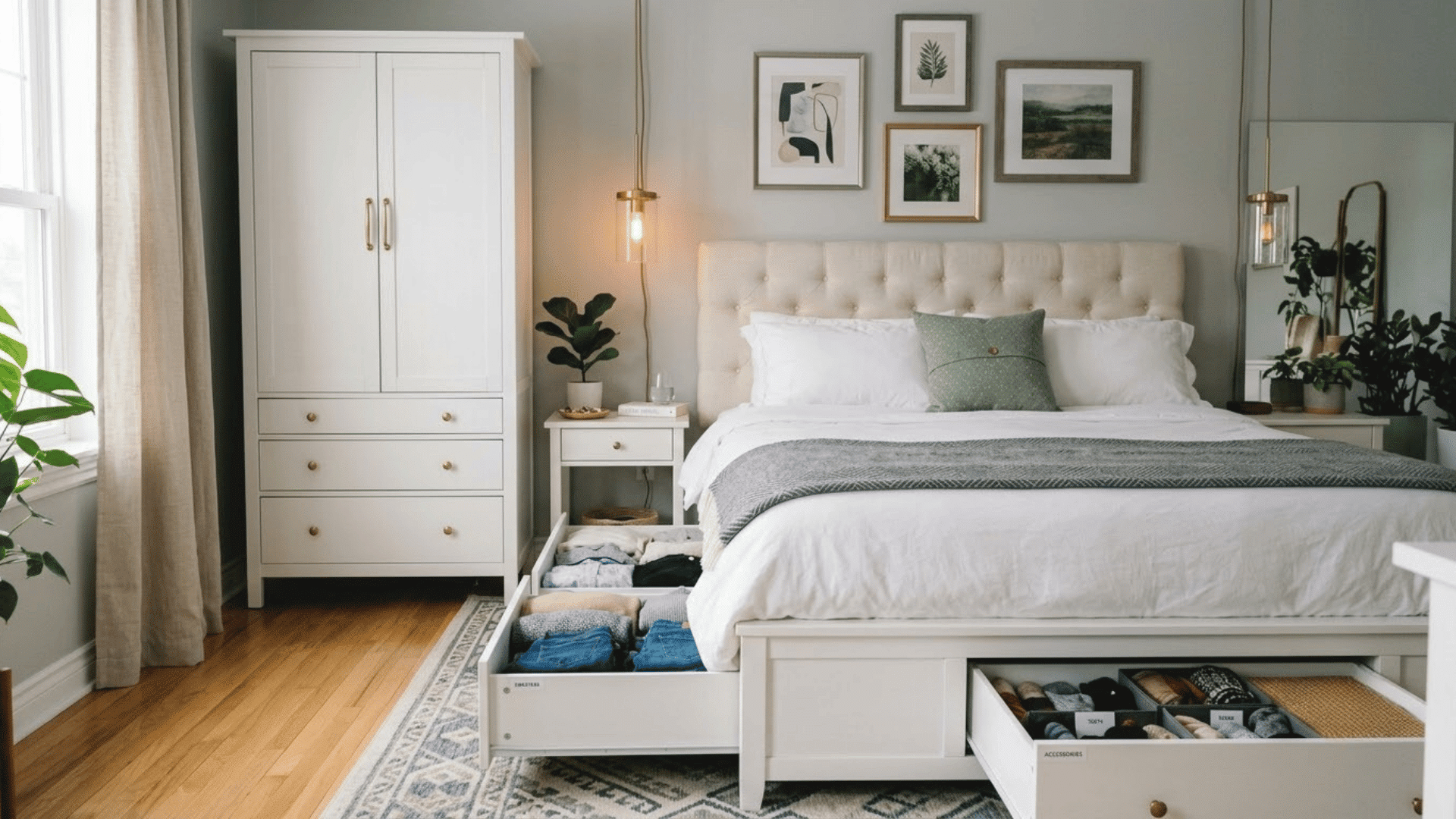
Hidden storage, like ottomans, under-bed drawers, or built-in benches, keeps a contemporary home visually clean. Clutter stays out of sight without needing extra furniture.
Look for pieces that serve two purposes, such as a coffee table with a lift top for storage. These solutions work especially well in smaller living spaces.
27. Design A Contemporary Home Office
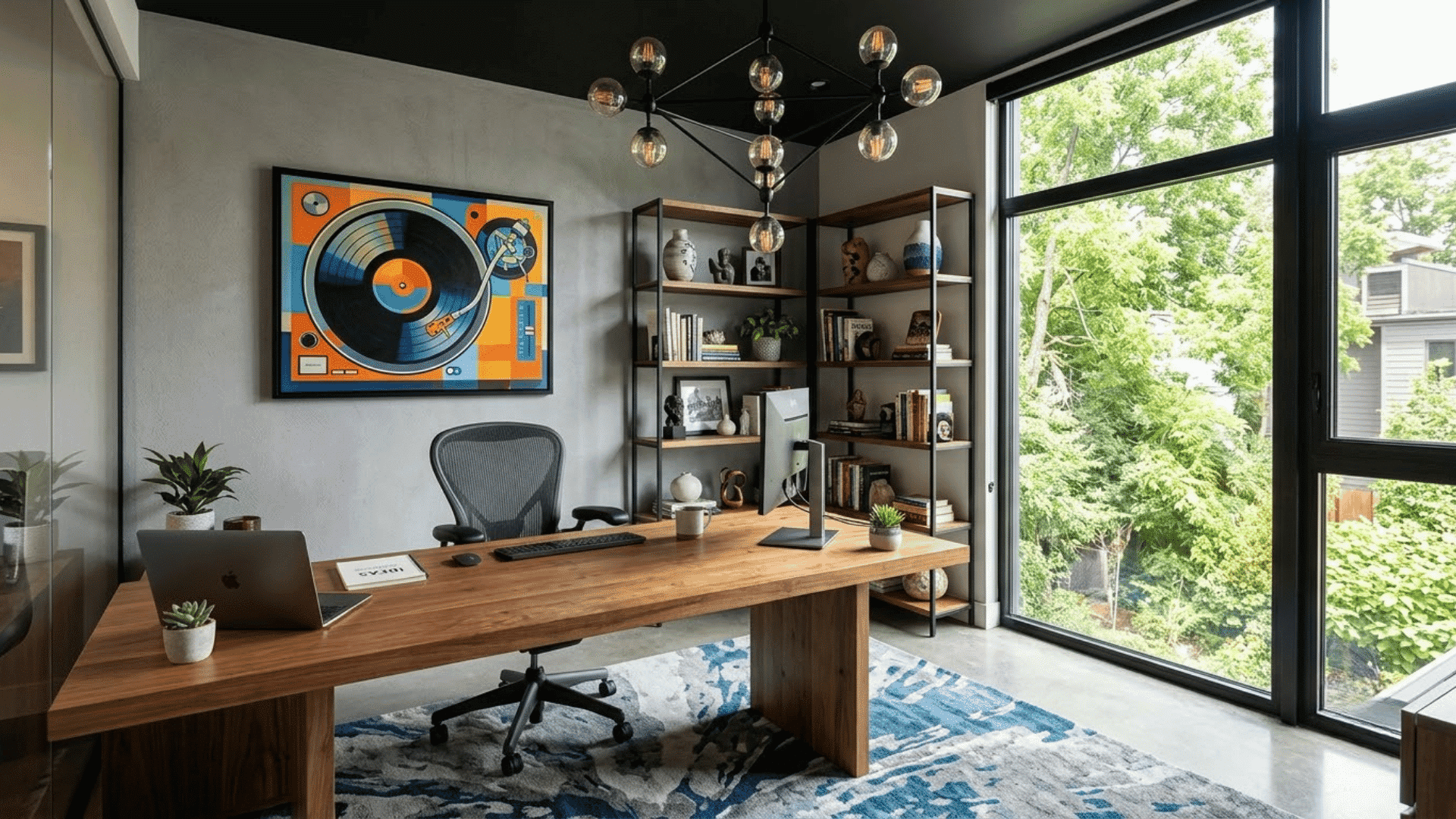
A contemporary home office pairs a simple desk with closed storage to keep work items out of view after hours. Neutral tones keep the space calm and focused.
Good task lighting matters more in a home office than decorative lighting elsewhere. A single adjustable desk lamp usually covers daily needs without cluttering the setup.
28. Create Indoor-Outdoor Connections
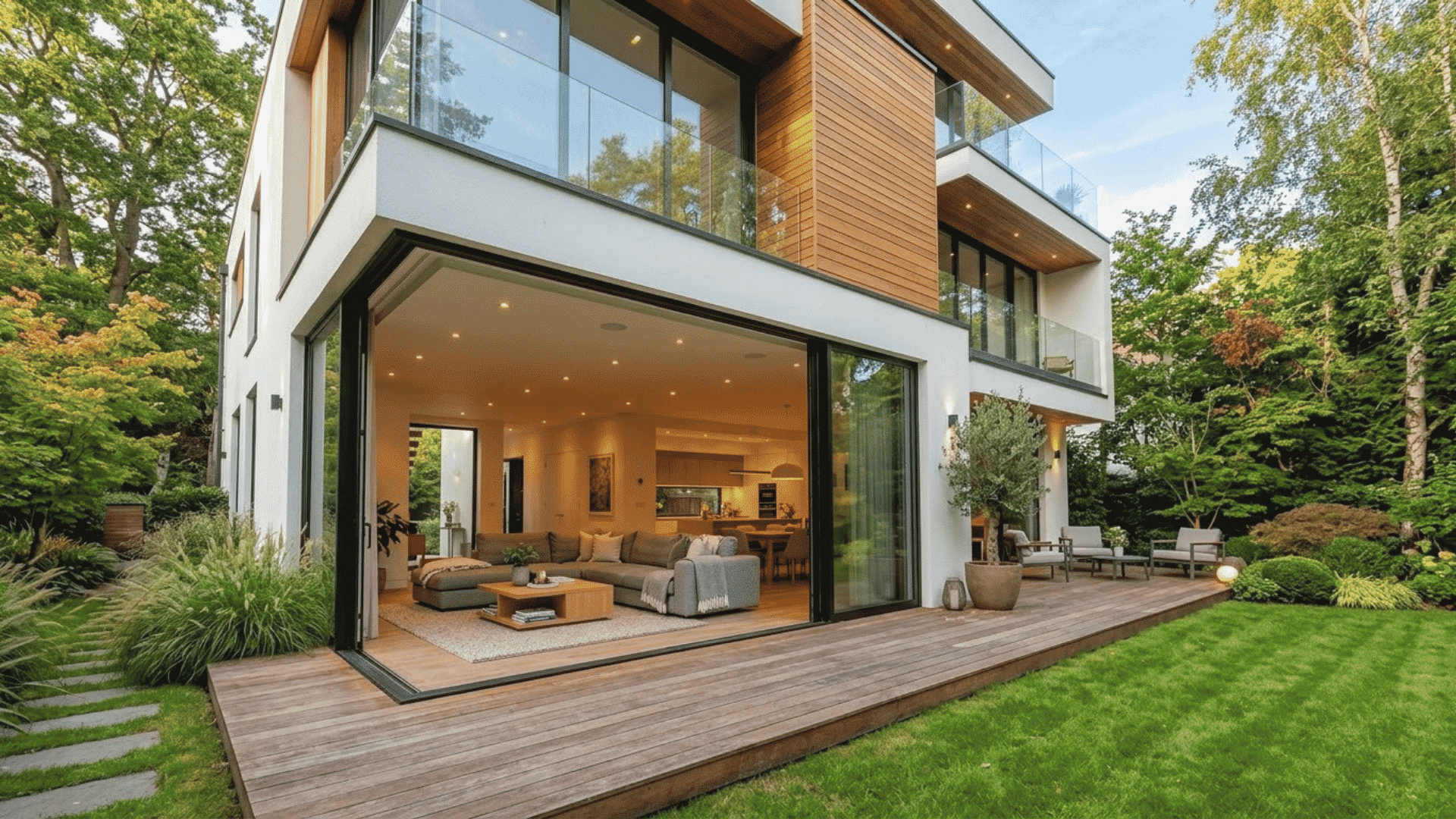
Indoor-outdoor connections extend a contemporary home’s living space through sliding doors or large windows facing a patio or garden. This blurs the line between the two areas.
Matching flooring or furniture materials between indoor and outdoor spaces strengthens the connection further. Even a small balcony can benefit from this continuity in style.
29. Add Layered Lighting Effects
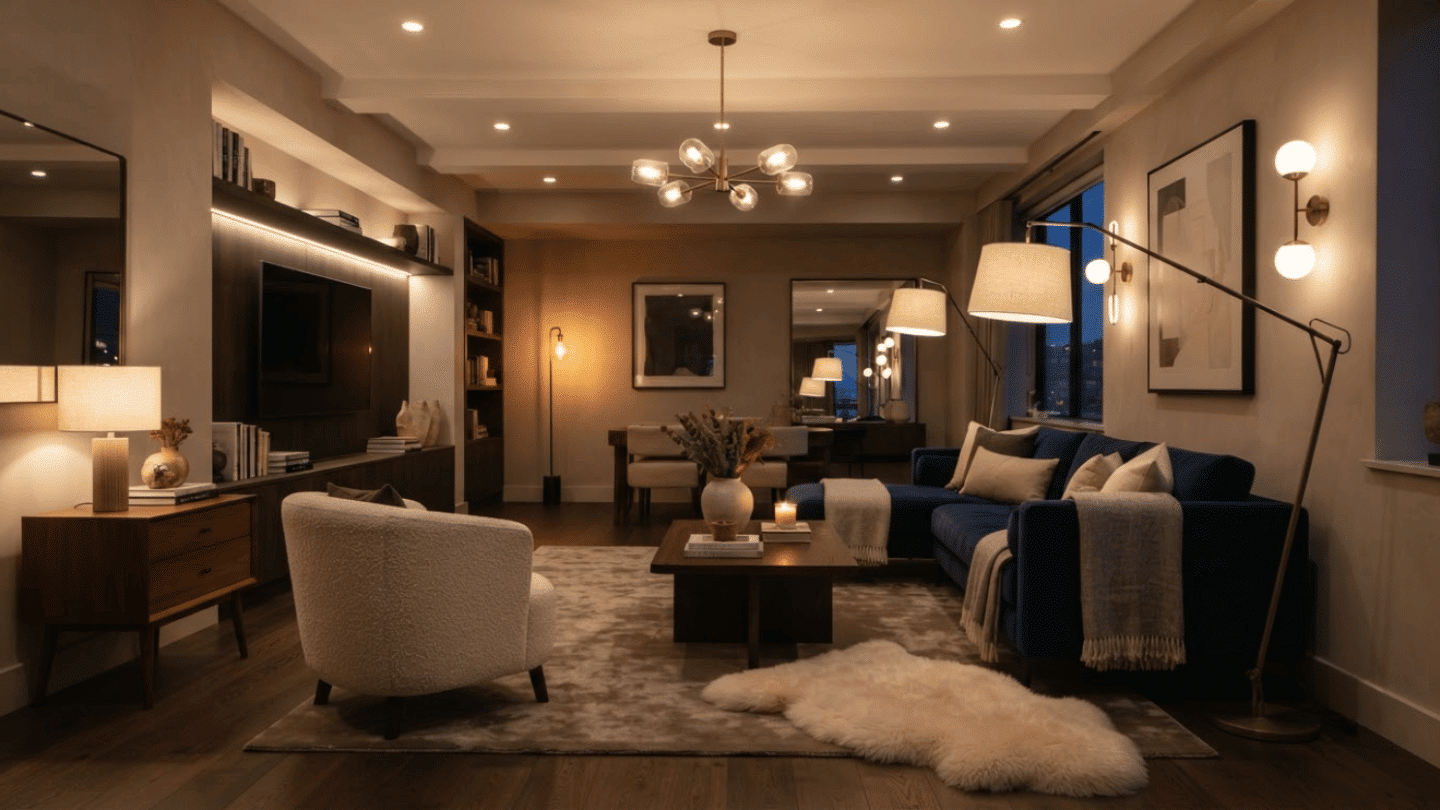
Layered lighting combines ambient, task, and accent light sources rather than relying on one overhead fixture. This adds depth and flexibility to any contemporary room.
Dimmable options let the same space shift from bright and functional to soft and relaxed. Wall sconces, floor lamps, and pendants together usually cover all three layers.
30. Incorporate Smart Home Technology
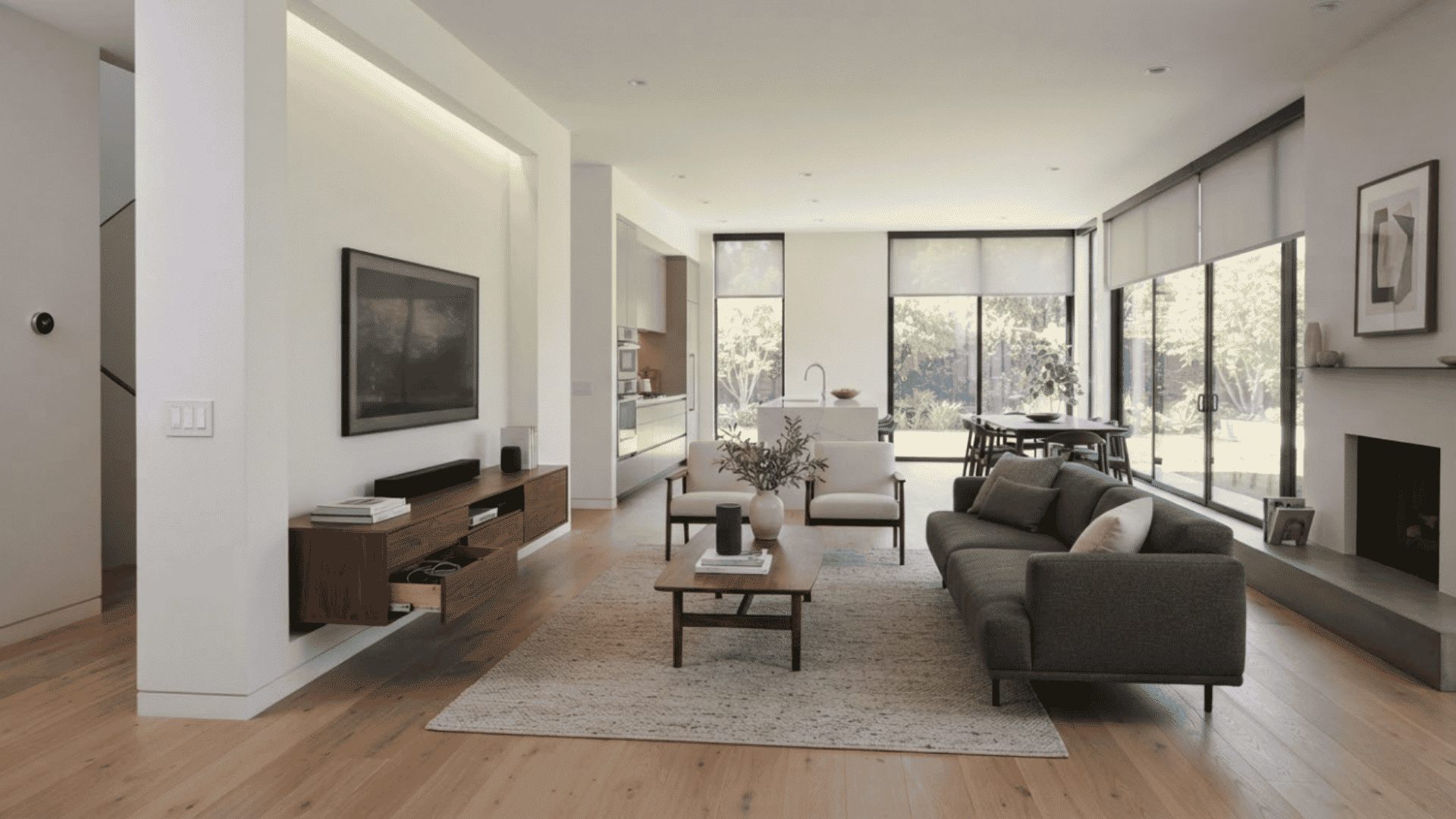
Smart home technology improves convenience while supporting the clean look of a contemporary home. Automated lighting, smart thermostats, and voice-controlled devices make everyday tasks easier.
Choose technology with minimal designs that blend naturally into the interior. Hidden controls, wireless systems, and integrated features help maintain a clutter-free and modern appearance.
Contemporary Bathroom Design Elements
A contemporary bathroom combines modern functionality with clean aesthetics to create a comfortable and stylish space.
Thoughtful layouts, smart features, natural textures, and balanced materials help build a bathroom that feels practical, relaxing, and timeless.
31. Create A Minimal Bathroom Design
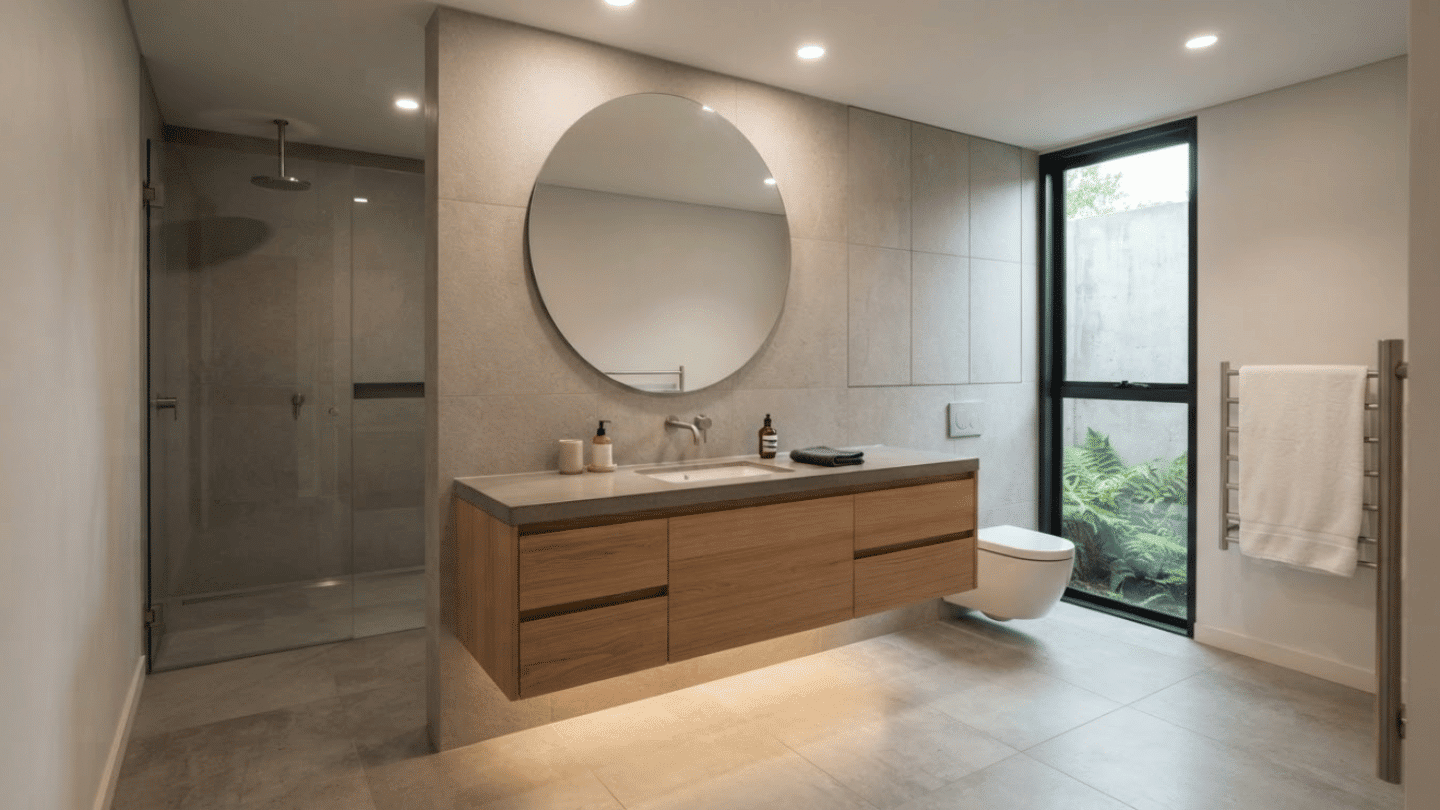
A minimal bathroom design relies on floating vanities, frameless mirrors, and hidden storage to reduce visual clutter. Fewer visible items make even small bathrooms feel larger.
Stick to two or three materials at most, such as matte tile, wood, and brushed metal. Limiting material choices keeps the whole space feeling cohesive and current.
32. Install Smart Bathroom Features
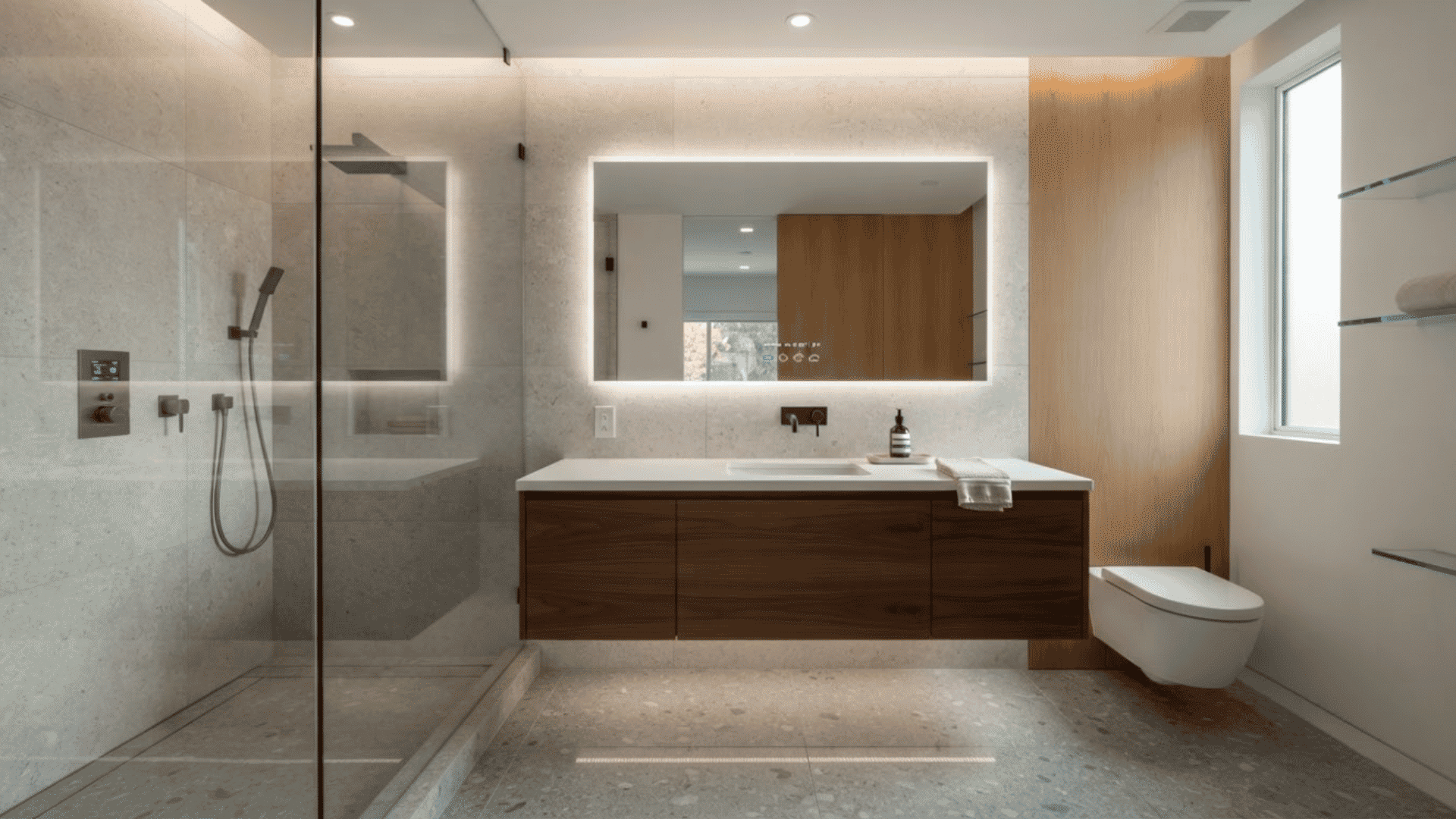
Smart bathroom features add convenience while supporting a modern, streamlined design. Touchless faucets, smart mirrors, heated floors, and digital shower controls improve daily comfort without taking away from the clean aesthetic.
Choose integrated technology with simple designs that blend into the space. Hidden wiring and built-in controls help maintain a neat, contemporary bathroom appearance.
33. Add Walk-In Shower Features
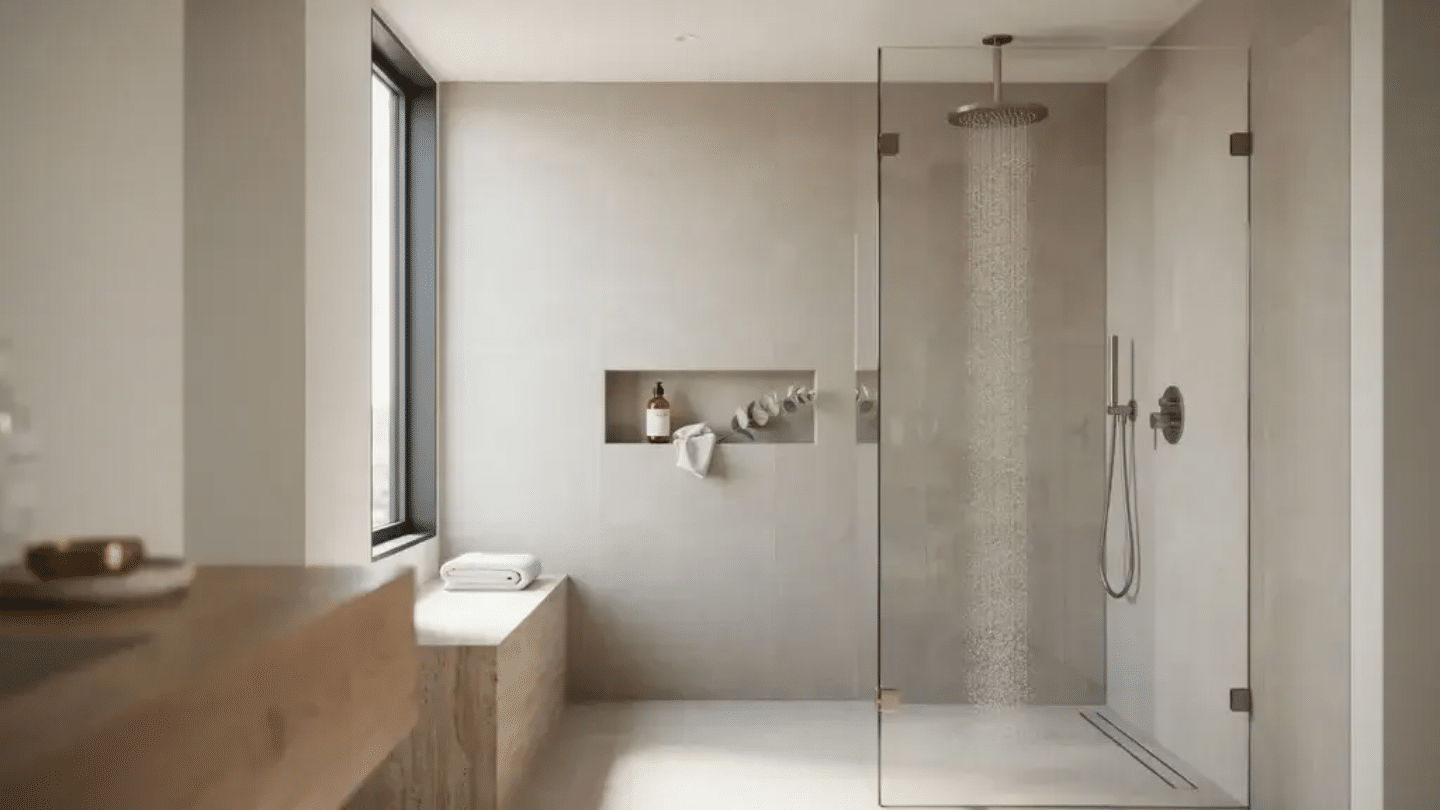
Walk-in showers create a spacious, open feel while supporting a contemporary bathroom design. Frameless glass panels, built-in niches, and rainfall showerheads add comfort without overwhelming the space.
Use seamless surfaces and simple hardware finishes to maintain a clean, modern appearance. These features improve both the functionality and visual flow of the bathroom.
34. Use Statement Bathroom Lighting
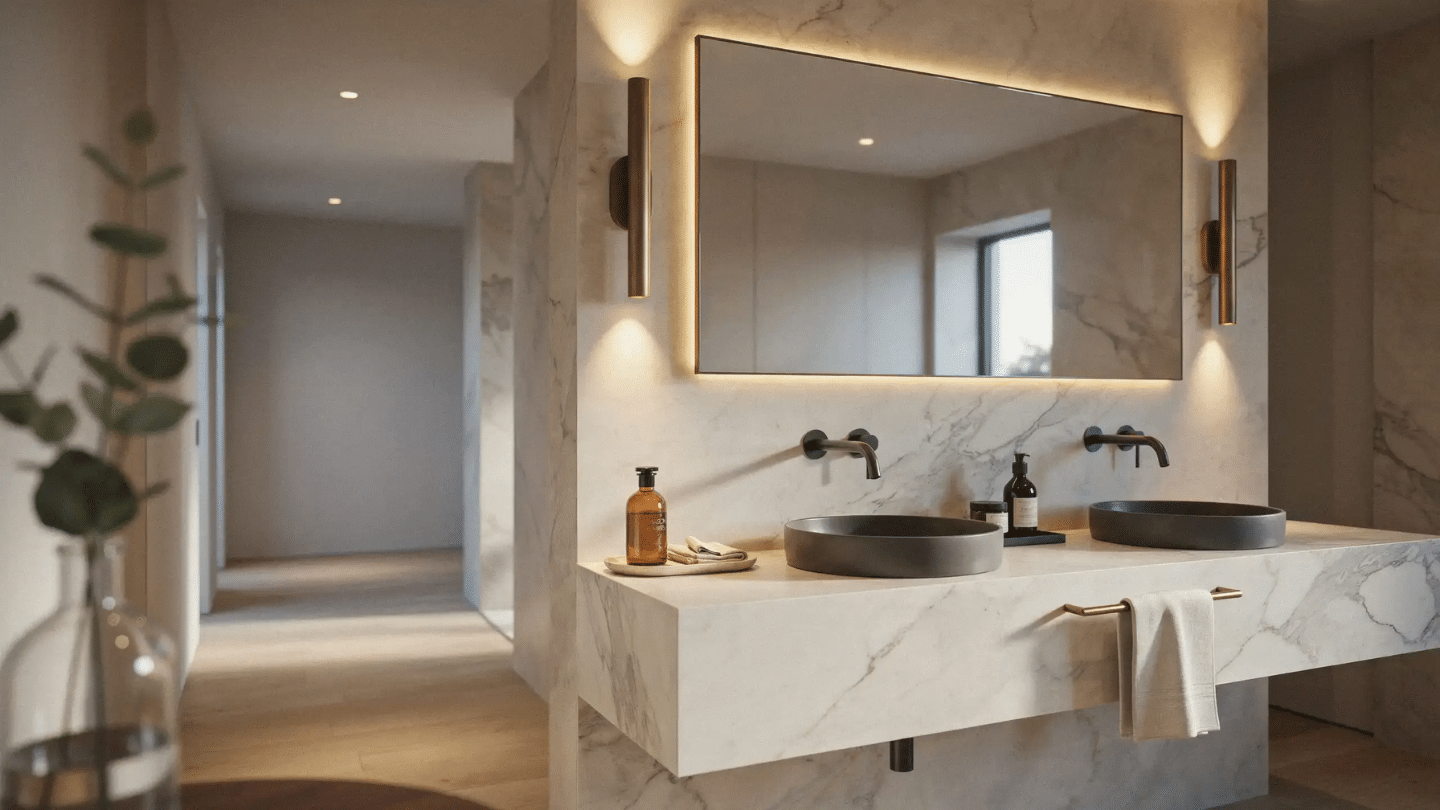
Statement lighting adds personality while keeping the bathroom bright and functional. Wall sconces, backlit mirrors, and recessed fixtures create a layered lighting effect for different needs.
Choose designs with simple shapes and refined finishes to complement contemporary interiors. Proper lighting around mirrors also improves daily routines like grooming and skincare.
35. Incorporate Natural Materials And Textures
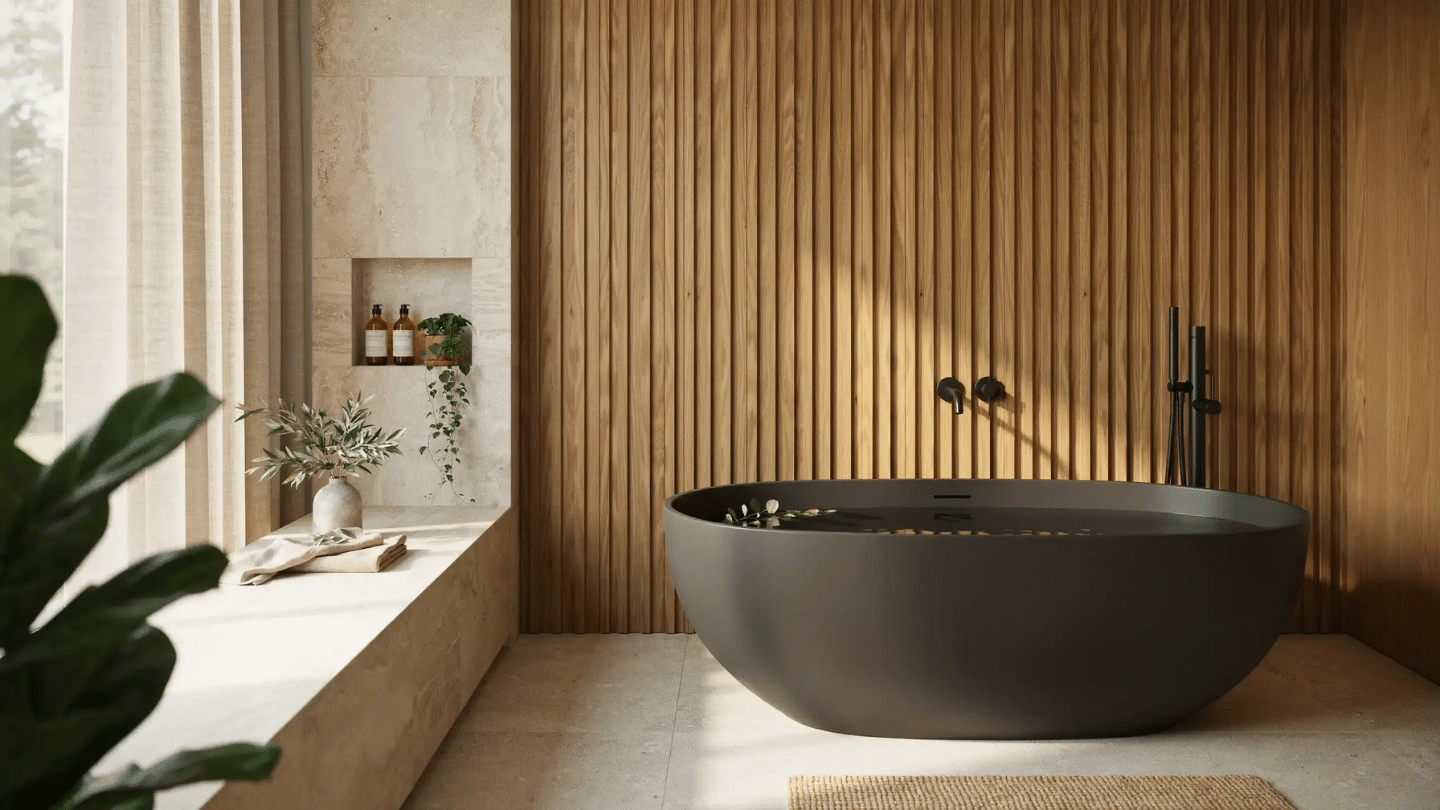
Natural materials bring warmth and balance to a contemporary bathroom with sleek finishes. Wood accents, stone surfaces, and textured tiles add depth without creating visual clutter.
Combining natural textures with modern fixtures creates a calming, spa-like atmosphere. Keep the materials consistent throughout the space for a polished and cohesive look.
Contemporary Vs Modern Interior Design Style
Contemporary interior design and modern design are often confused, but they have different foundations.
Modern design is linked to a specific movement from the early 20th century, while contemporary style continues to evolve.
| Basis | Contemporary Interior Design | Modern Interior Design |
| Style Period | Changes with current trends | Based on early modernist principles |
| Colors | Flexible neutrals with accents | Often warmer earthy tones |
| Materials | Mix of updated and natural materials | Focuses on traditional modern materials |
| Design Approach | Adaptable and evolving | More structured and defined |
Common Contemporary Interior Design Mistakes To Avoid
Contemporary interiors need a balance of style, comfort, and functionality. Avoiding common mistakes helps create a space that feels modern, warm, and timeless.
- Overcrowding spaces: Avoid excess furniture that affects clean contemporary layouts.
- Ignoring functionality: Choose practical designs that support everyday living needs.
- Following too many trends: Focus on timeless elements over temporary styles.
- Creating cold interiors: Add textures and warmth for a welcoming atmosphere.
- Using poor lighting: Combine layered lighting for better depth and comfort.
- Skipping personal touches: Add meaningful décor to reflect your personality.
Avoiding these mistakes ensures a contemporary home feels balanced, inviting, and visually appealing. Simple choices can create a stylish space without losing comfort or character.
Final Thoughts
Contemporary interior design brings together comfort, function, and style to create spaces that support everyday living.
Thoughtful choices in layouts, furniture, colors, and textures can help rooms feel more balanced and personal without unnecessary changes.
With practical experience in room styling and design projects, small updates can make a meaningful difference in how a space looks and works.
Begin by browsing elements that match your needs and reflect your personality.
Take the first step today and update your space with thoughtful design choices that make everyday living more comfortable and inviting.
Start your next room refresh with these ideas and create a space you enjoy every day.
Share your favorite contemporary interior design ideas in the comments below.
Frequently Asked Questions
What Color Makes a House Look Expensive?
Neutral shades like warm whites, soft greys, beige, and earthy tones often make a house look expensive by creating a timeless, elegant, and sophisticated appearance.
What Is the 3-5-7 Rule in Interior Design?
The 3-5-7 rule suggests arranging decor, accessories, or furniture in odd-numbered groups of three, five, or seven to create a balanced, natural, and visually appealing space
How Does Contemporary Interior Design Differ From Minimalist Design?
Contemporary design balances simplicity with warmth, textures, and evolving trends, while minimalist design focuses on fewer elements and maximum simplicity.