
Walk into any home appliance store and you will likely see dehumidifiers and air purifiers sitting side by side, which makes it easy to assume they do roughly the same job. They do not. A dehumidifier deals with moisture in the air, while an air purifier deals with particles floating in it, and understanding that difference is the key to buying the right one for your home rather than the wrong one.
What a Dehumidifier Actually Does
A dehumidifier pulls excess moisture out of the air, which matters a great deal in New Zealand homes given how common dampness and condensation are, particularly through autumn and winter. Tenancy Services notes that a well aired, dry home is both easier to heat and healthier to live in, while damp conditions encourage mould and dust mites that can affect anyone in the household.
If you notice condensation on windows, a musty smell, visible mould in corners or bathrooms, or clothes that never quite dry indoors, a dehumidifier is the more relevant purchase. By reducing the relative humidity in the air, generally aimed at somewhere between thirty and fifty percent, a dehumidifier makes a room feel warmer for the same heating input, since damp air takes more energy to heat than dry air. It also slows mould growth at the source rather than dealing with the consequences after the fact.
What an Air Purifier Actually Does
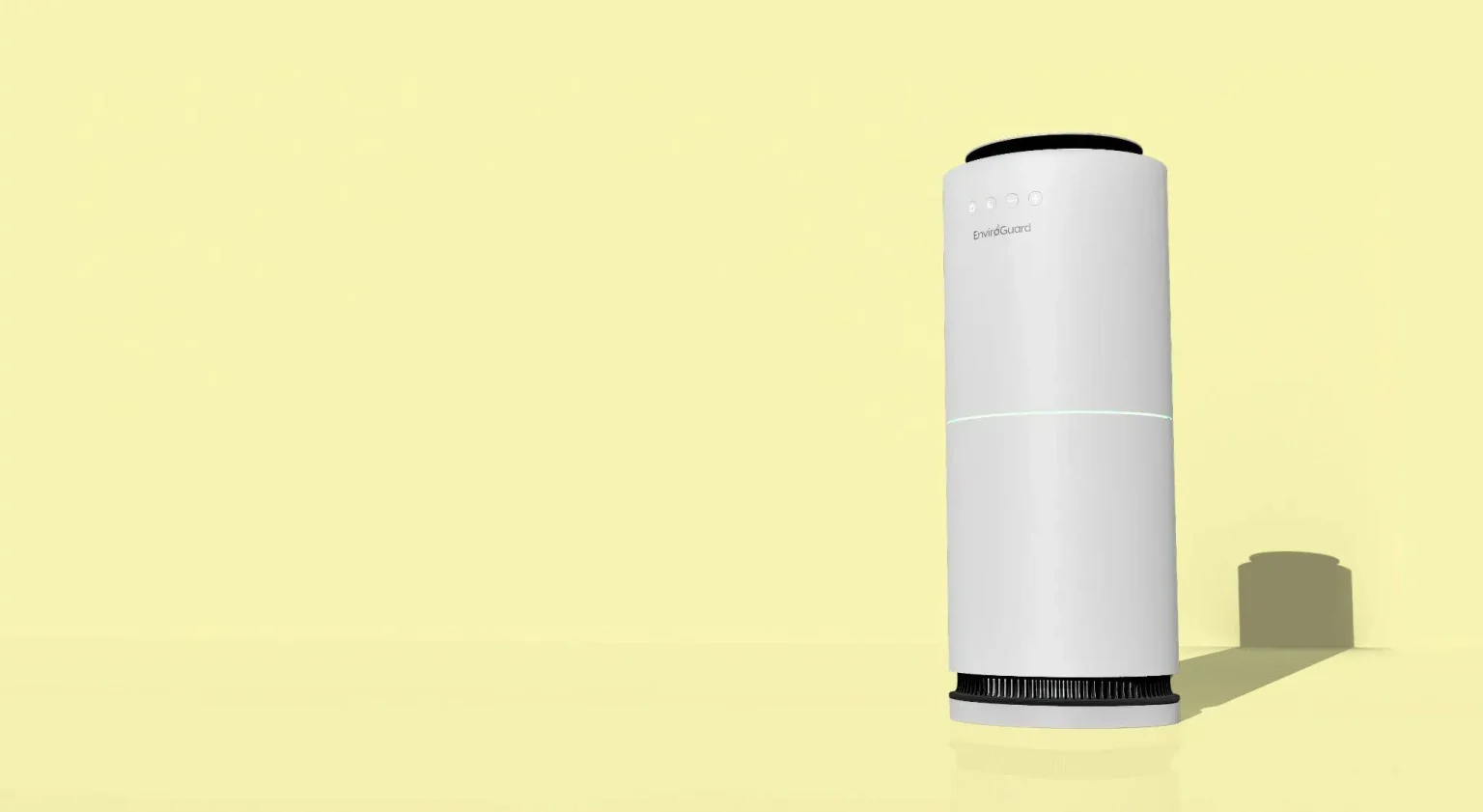
An air purifier works differently. Rather than removing moisture, it draws air through a filter, typically a HEPA filter, to capture airborne particles such as dust, pollen, pet dander and smoke. It does nothing to address dampness or humidity levels in a room.
If your main concern is allergies, asthma triggers, pet hair or general dust rather than dampness, an air purifier is the better fit. The Cardiac and Respiratory Foundation notes that a warm, dry, well ventilated home makes a real difference for anyone with a respiratory condition, and that reducing common triggers such as dust and strong smelling products in the home can meaningfully ease symptoms alongside good heating and ventilation. A good air purifier supports that goal by continuously filtering the air you are breathing, particularly in bedrooms or living areas where you spend the most time.
When You Might Need Both

Some homes genuinely benefit from running both appliances, particularly older or poorly ventilated houses. A damp home is more likely to develop mould, and mould spores are exactly the kind of airborne particle an air purifier is designed to capture. In that situation, a dehumidifier addresses the underlying moisture problem while an air purifier helps manage the particles already circulating in the meantime.
That said, running an air purifier alone in a persistently damp home will not solve the root cause. Moisture will continue feeding mould growth even while the purifier filters what is already airborne, which is why identifying the actual problem first matters more than defaulting to whichever appliance seems more popular.
How to Work Out Which One You Need
Start by paying attention to what is actually bothering you. Condensation on windows each morning, a damp smell in wardrobes or under the house, or visible mould growth all point towards a dehumidifier. Sneezing, itchy eyes, worsening asthma symptoms or a general sense of dusty air point towards an air purifier.
It is also worth checking the underlying causes before buying either appliance. Poor ventilation, blocked extractor fans or gaps around windows can make dampness worse regardless of how good your dehumidifier is, and addressing those issues alongside a new appliance will get better results than the appliance alone.
Running Costs and Practicalities
Dehumidifiers tend to use less power than a heater but more than an air purifier, and are usually run seasonally rather than year round, particularly through the wetter months. Air purifiers are generally designed to run continuously and use relatively little power, though filters need replacing periodically to keep them working effectively.
Both appliances need to be sized appropriately for the room. An undersized dehumidifier will struggle to keep up with a consistently damp space, just as an undersized air purifier will not adequately filter air in a larger room.
Placement and Maintenance Tips
Wherever you land, correct placement makes a real difference to performance. A dehumidifier works best in the room where dampness is worst, typically a bathroom, laundry or bedroom with poor airflow, and should be run with doors and windows shut so it is not competing against fresh, humid air constantly entering the space. An air purifier, by contrast, works best in the room you spend the most time in, since it can only filter the air actually passing through it.
Both appliances also need regular upkeep to keep performing as expected. Dehumidifier tanks need emptying and filters need an occasional clean, while air purifier filters should be replaced on the schedule the manufacturer recommends, since a clogged filter quickly becomes far less effective at capturing dust and allergens.
Making the Right Choice for Your Home
Rather than assuming one appliance covers both problems, take a moment to identify what you are actually dealing with. If dampness, condensation and mould are the issue, a dehumidifier is the appropriate solution. If dust, allergens and general air quality are the concern, an air purifier is the better investment. For homes dealing with both, running the two together, alongside good ventilation and heating, will do far more for comfort and health than either appliance working alone.