As people spend more time thinking about sleep, air quality and the effect of their surroundings on their mood, home design has started to focus more closely on how spaces support daily life.
The goal is to create a home that feels good long after the colours, finishes and furniture styles disappear from magazines.
Prioritising Comfort, Light and Everyday Functionality
Before choosing furniture or finishes, observe where you naturally sit, which routes you walk most often and where clutter tends to accumulate. This shows you where design can remove small daily frustrations rather than simply improve appearances.
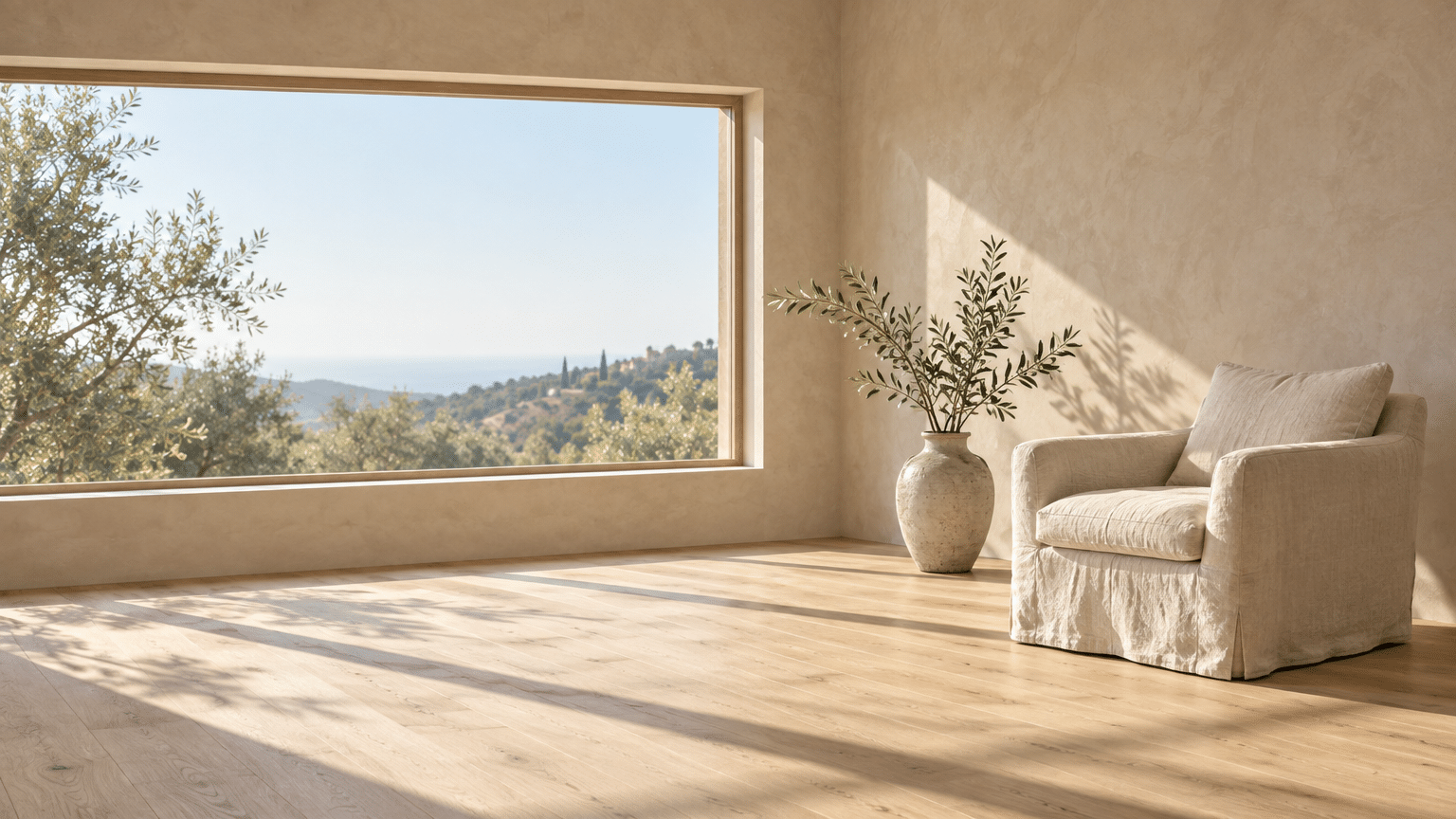
Natural light also affects how comfortable a space feels throughout the day. Keep tall furniture away from windows where possible and use mirrors where they can reflect daylight into darker areas.
For artificial lighting, combine general illumination with focused light beside beds, worktops and reading chairs. This approach lets you adjust the room to suit different activities instead of relying on one harsh ceiling fitting.
Creating Healthier Indoor Environments
Indoor air can contain moisture, cooking fumes, cleaning chemicals and pollutants released by some furnishings. You can reduce these problems by choosing low-VOC paints and finishes, controlling humidity and providing effective ventilation.
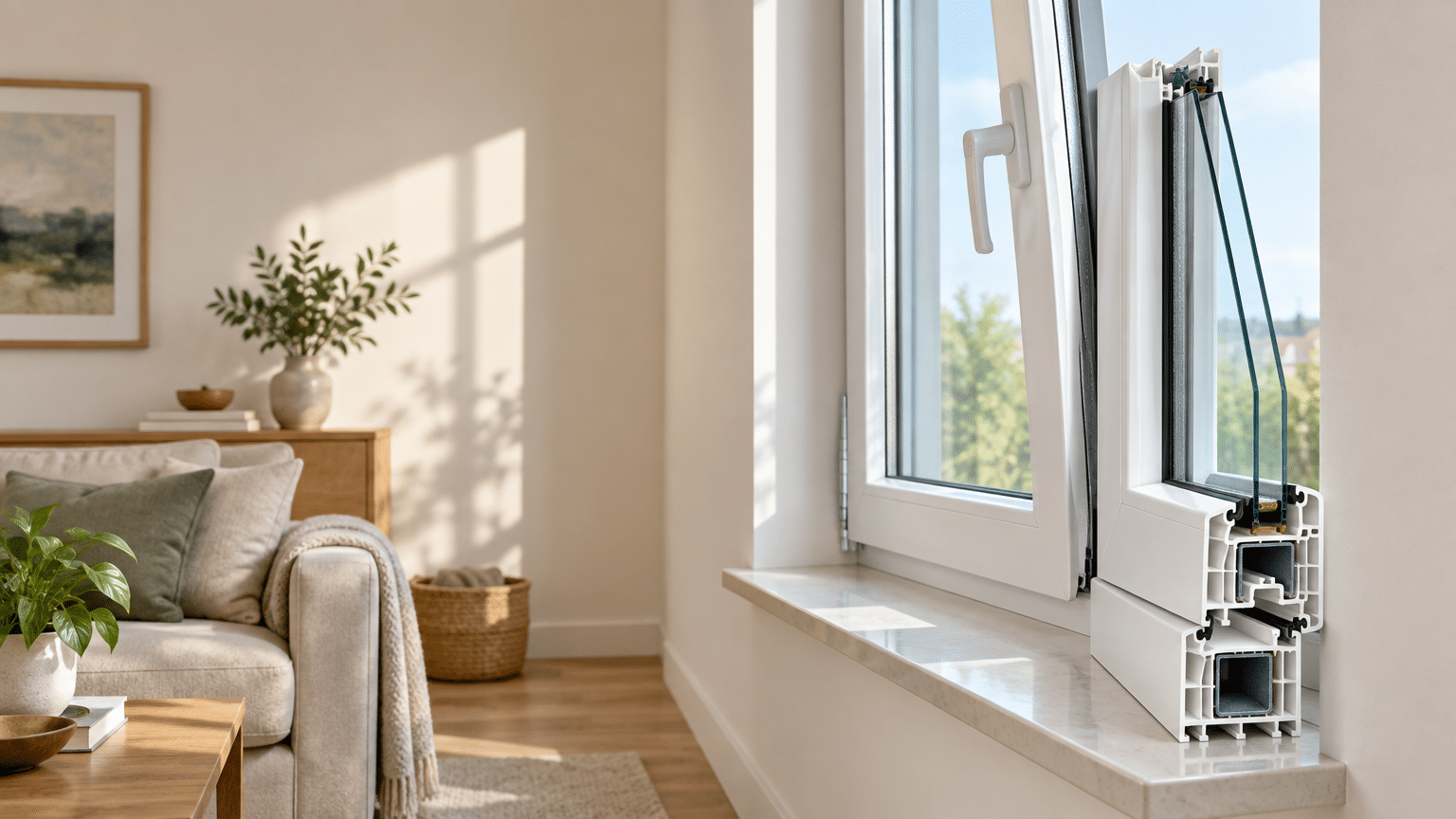
In rooms that regularly produce moisture, consider decentralised mechanical extract ventilation. Unlike a whole-house ducted system, decentralised units ventilate individual spaces such as bathrooms or kitchens.
This can make them particularly practical when you renovate an existing property where installing extensive ductwork would cause major disruption.
Match any ventilation system to the size and use of the room, and maintain filters and vents according to the manufacturer’s instructions so airflow remains effective.
Bringing Nature Indoors Through Biophilic Design
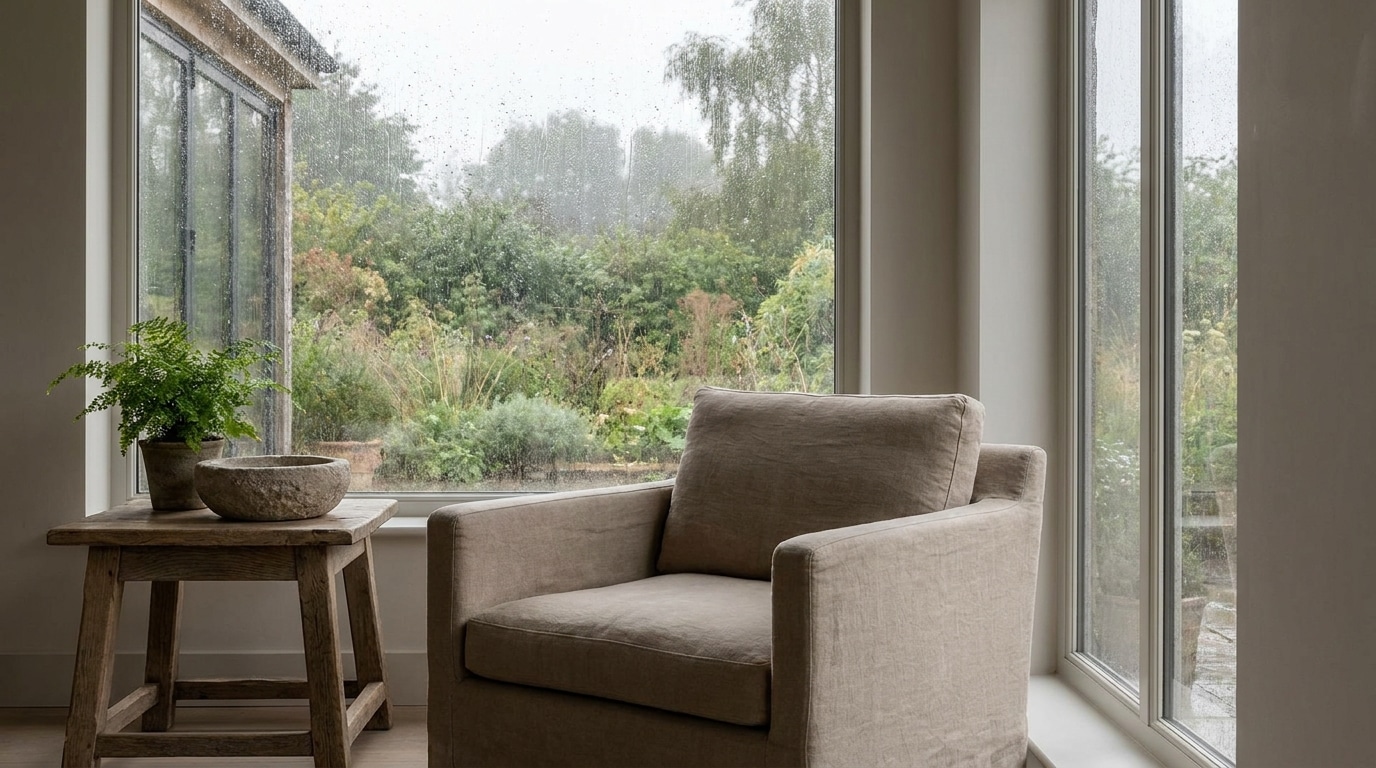
Biophilic design goes further than placing a few houseplants on a shelf. It uses features that strengthen your everyday connection with nature, including daylight, views outside, natural materials and organic forms.
Start with the conditions your home already provides. Position seating so you can see the garden or the changing sky, rather than automatically pointing every chair towards a television.
Where outside views remain limited, timber, cork, stone and natural textiles can introduce varied textures that make rooms feel less artificial. Add plants only where light and humidity suit the species, because struggling greenery creates maintenance rather than wellbeing.
Future-Proofing the Home for Changing Lifestyles
Your home needs may change faster than the building itself. Remote working, children growing up or relatives moving in can alter what you need from a room without warning.
Design flexible spaces rather than assigning every area one permanent purpose. A spare bedroom can include storage and a compact desk without losing its main function, while movable furniture lets you change layouts without building work.
Choosing adaptable layouts and durable materials instead of highly specific trends gives your home room to change with you. That makes wellbeing part of the structure of daily life rather than another style that eventually needs replacing.