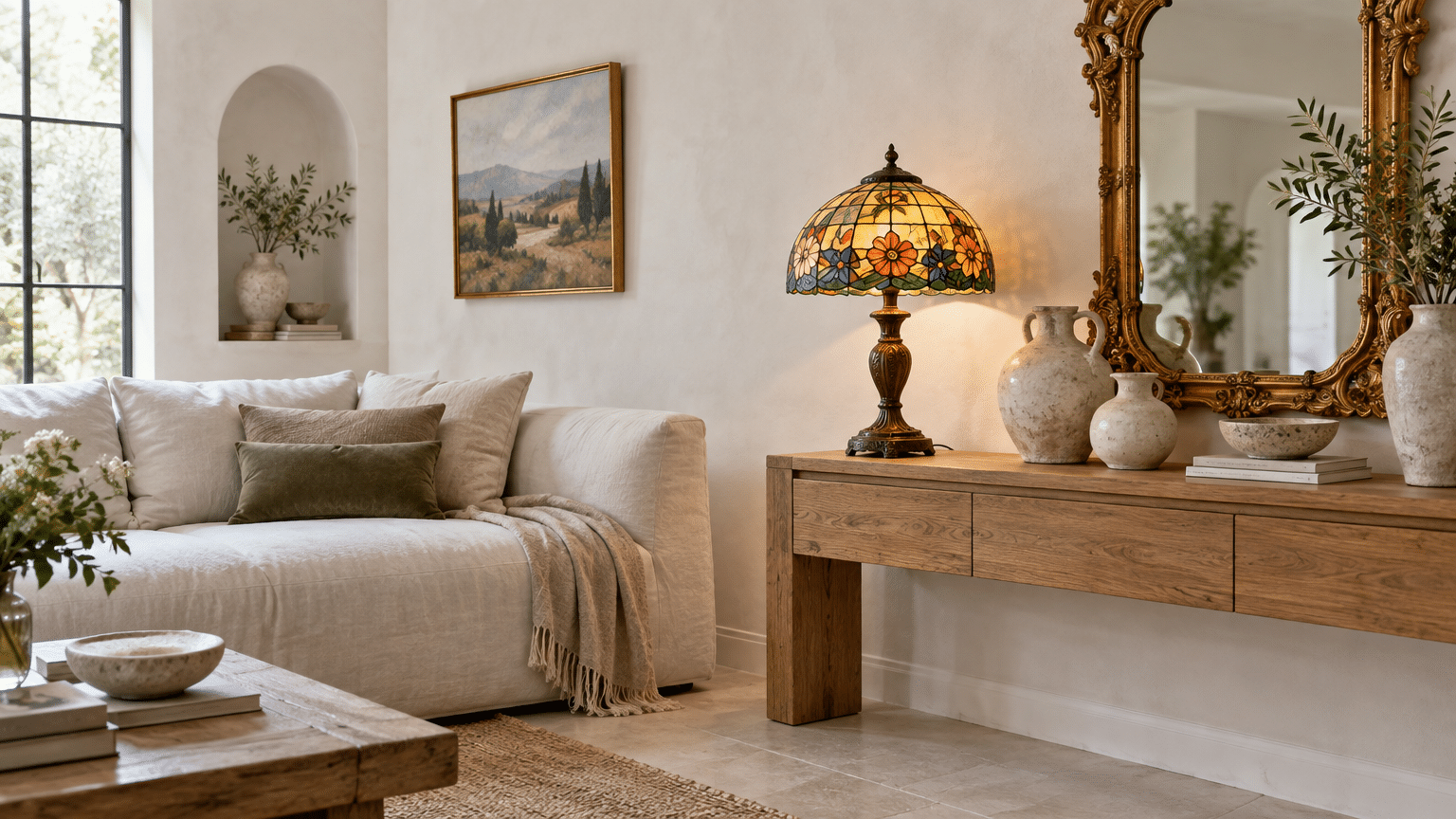


Windows influence far more than the appearance of a property. They affect natural light, ventilation, indoor comfort, noise levels, energy use and even how secure a home feels.
For homeowners considering replacement windows, uPVC has become an increasingly recognised option. Made from unplasticised polyvinyl chloride, uPVC is a rigid material designed to provide a durable alternative to traditional timber and other frame materials.
Modern uPVC Windows are available in a wide range of configurations, glazing options and opening styles, making them suitable for both contemporary homes and renovation projects.
What Are uPVC Windows?
uPVC windows use rigid unplasticised PVC for the frame rather than timber or conventional metal framing.
The material is resistant to problems commonly associated with timber, including rotting and the need for regular painting. When combined with appropriate glazing and quality hardware, uPVC frames can form part of a high-performance window system.
The frame, glass, seals, hardware and installation all contribute to the overall performance of the finished window.
Why Are uPVC Windows Popular?
Several characteristics have contributed to the growing interest in uPVC windows.
1. Thermal Performance
Windows can be an important part of a building’s thermal performance. Poorly insulated or poorly sealed windows can contribute to unwanted heat transfer, making it harder to maintain comfortable indoor temperatures.
uPVC is naturally a relatively poor conductor of heat compared with many metals. When used with suitable glazing and effective seals, it can help reduce heat transfer through the window system.
For homeowners, this may contribute to a more comfortable interior and potentially lower heating or cooling requirements.
2. Noise Reduction
Windows can also play an important role in managing outside noise.
Double glazing, appropriate glass specifications, quality seals and well-designed frames can help reduce the amount of external sound entering a building.
This can be particularly useful for homes near busy roads, commercial areas or other sources of regular outdoor noise.
3. Low Maintenance
One of the practical advantages of uPVC is its relatively low maintenance requirements.
Unlike painted timber, uPVC does not normally require regular painting to maintain its basic appearance and protection. Routine cleaning and inspection of hardware and seals can help keep windows operating properly.
This makes uPVC an appealing option for homeowners who want to minimise ongoing maintenance.
Different Types of uPVC Windows
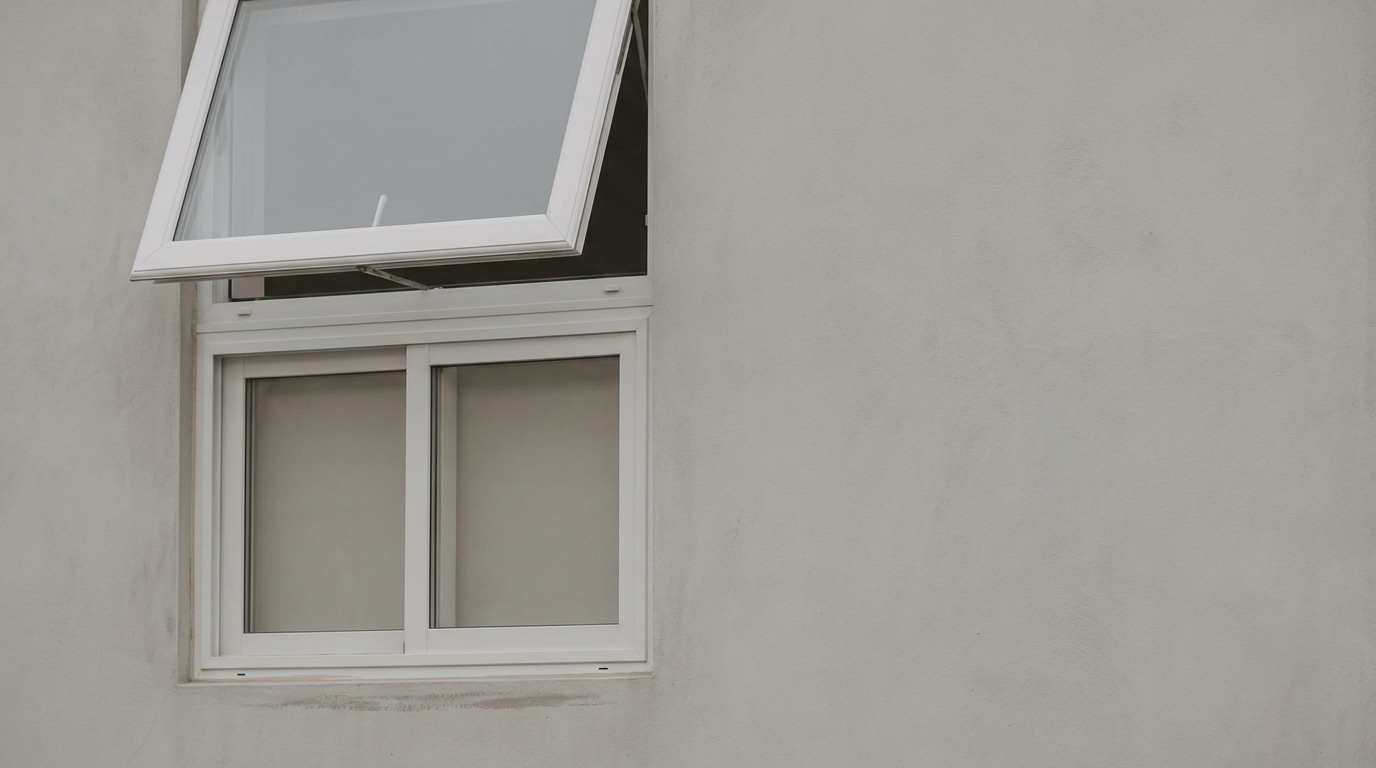
Choosing the right opening style is just as important as choosing the frame material.
Casement and Awning Windows
Casement windows open outward and are commonly used for ventilation. Awning-style designs can be useful where controlled ventilation is desired while offering some protection from light rain.
Sliding Windows
Sliding windows open horizontally and can be useful where an outward-opening window would interfere with walkways, landscaping or other features.
Tilt-and-Turn Windows
Tilt-and-turn windows provide two opening functions. They can tilt inward for ventilation or open more fully for access and airflow.
This flexibility can make them particularly useful in bedrooms, bathrooms and contemporary homes.
uPVC Windows and Double Glazing
The performance of a window depends on more than its frame.
Double glazing consists of two panes of glass separated by a sealed space. The combination can improve thermal insulation compared with many older single-glazed systems.
The exact performance depends on factors such as glass type, cavity configuration, coatings, frame design and installation quality.
For homeowners replacing older windows, considering the frame and glazing together is therefore important.
uPVC Windows for Renovations
Replacing old windows can significantly change how a home feels.
Older windows may have worn seals, draughts, poor insulation or outdated hardware. Modern replacement windows can address several of these issues while also providing an opportunity to update the property’s appearance.
Importantly, replacement windows do not necessarily need to look out of place in an older home. Modern uPVC systems can be available in different colours, finishes, configurations and styles to complement different architectural designs.
What Should You Look for When Choosing uPVC Windows?
Before choosing a window supplier or manufacturer, consider several factors.
Check the Overall Specification
Look beyond the material name. Ask about the frame system, glazing, seals, hardware and expected thermal and acoustic performance.
Consider the Climate
Australian properties can experience intense sunlight, heat, wind and changing weather conditions. The window system should therefore be appropriate for the local environment rather than selected purely on appearance.
Think About Installation
Even a high-quality window can perform poorly if it is installed incorrectly.
Accurate measurements, appropriate sealing, correct alignment and careful finishing are important parts of a successful replacement project.
Match the Window to the Room
Different rooms may have different requirements. A bedroom might benefit from improved acoustic performance, while a kitchen may prioritise ventilation and easy operation.
Think about how each window will be used rather than automatically selecting the same configuration throughout the property.
Conclusion
uPVC windows can offer a practical combination of thermal performance, durability, low maintenance and design flexibility. When paired with suitable glazing and professional installation, they can contribute to a more comfortable and efficient home.
However, choosing the right windows involves more than selecting a frame material. Glazing, opening style, hardware, seals, climate conditions, architectural design and installation quality all influence the final result.
For homeowners planning a window upgrade, taking the time to understand these factors can make it easier to choose a system that not only looks right but also performs well for years to come.