

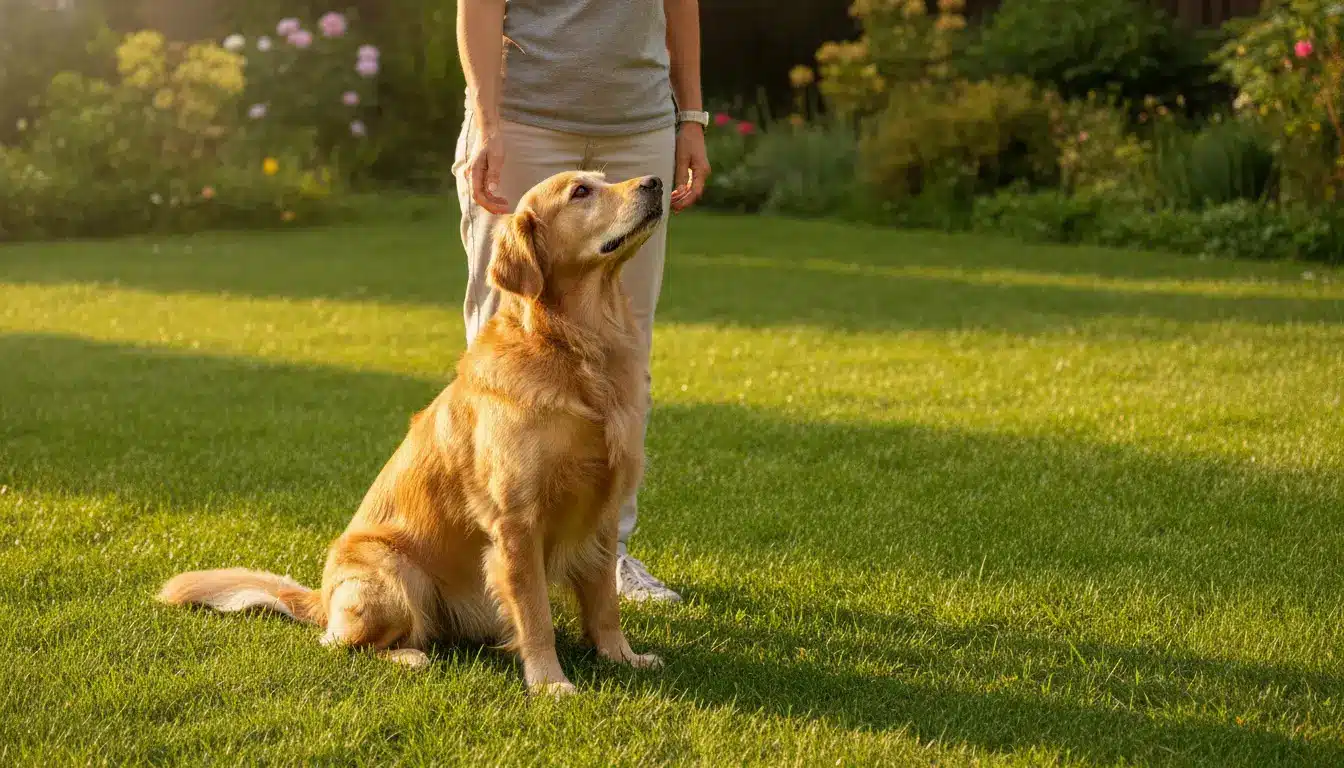
Dog training is more than teaching tricks—it’s about building a relationship based on trust, communication, and consistency. Whether you’re raising a playful puppy or helping an older dog refine its manners, obedience training plays a central role in shaping behavior and creating a harmonious home. At its core, obedience training simply means teaching a dog to respond reliably to commands and cues like “sit,” “stay,” and “come.”
In this guide, we’ll explore the essentials of dog training and obedience, including why it matters and how to approach it effectively.
What Is Dog Training and Obedience?
Dog training involves teaching a dog specific behaviors and responses to commands, while obedience training focuses on ensuring those responses are consistent and reliable—even in distracting environments.
Key Elements of Obedience Training
- Responding to basic commands such as sit, stay, and come
- Walking calmly on a leash
- Maintaining focus around distractions
- Developing impulse control and good manners
These skills help dogs adapt to everyday life and make them safer companions in public and at home.
Why Dog Training Matters
Training isn’t just about convenience—it’s essential for a dog’s well-being and your peace of mind.
1. Builds a Strong Bond
Training strengthens communication between you and your dog. By working together regularly, you create trust and mutual understanding.
2. Improves Behavior
Unwanted behaviors like excessive barking, chewing, or jumping can often be reduced or eliminated through consistent training.
3. Enhances Safety
A dog that responds to commands like “come” or “stay” is less likely to run into dangerous situations, such as traffic or unfamiliar environments.
4. Encourages Socialization
Training often exposes dogs to new people, animals, and environments, helping them become more confident and less anxious.
5. Provides Mental Stimulation
Learning new commands and routines keeps dogs mentally engaged, which contributes to overall health and happiness.
Types of Dog Training
Not all training is the same. Different approaches focus on different goals and stages of a dog’s life.
Basic Obedience Training
This includes foundational commands like sit, stay, come, and heel. These are the building blocks of good behavior.
House Training
Teaching dogs where and when to go to the bathroom is one of the first and most important lessons for new pet owners.
Leash Training
Leash training ensures your dog walks calmly without pulling, making daily walks safer and more enjoyable.
Behavioral Training
This focuses on correcting issues such as aggression, anxiety, or destructive habits.
Advanced Training
Once basic obedience is mastered, dogs can learn advanced skills or even participate in activities like agility or obedience competitions.
Effective Dog Training Techniques
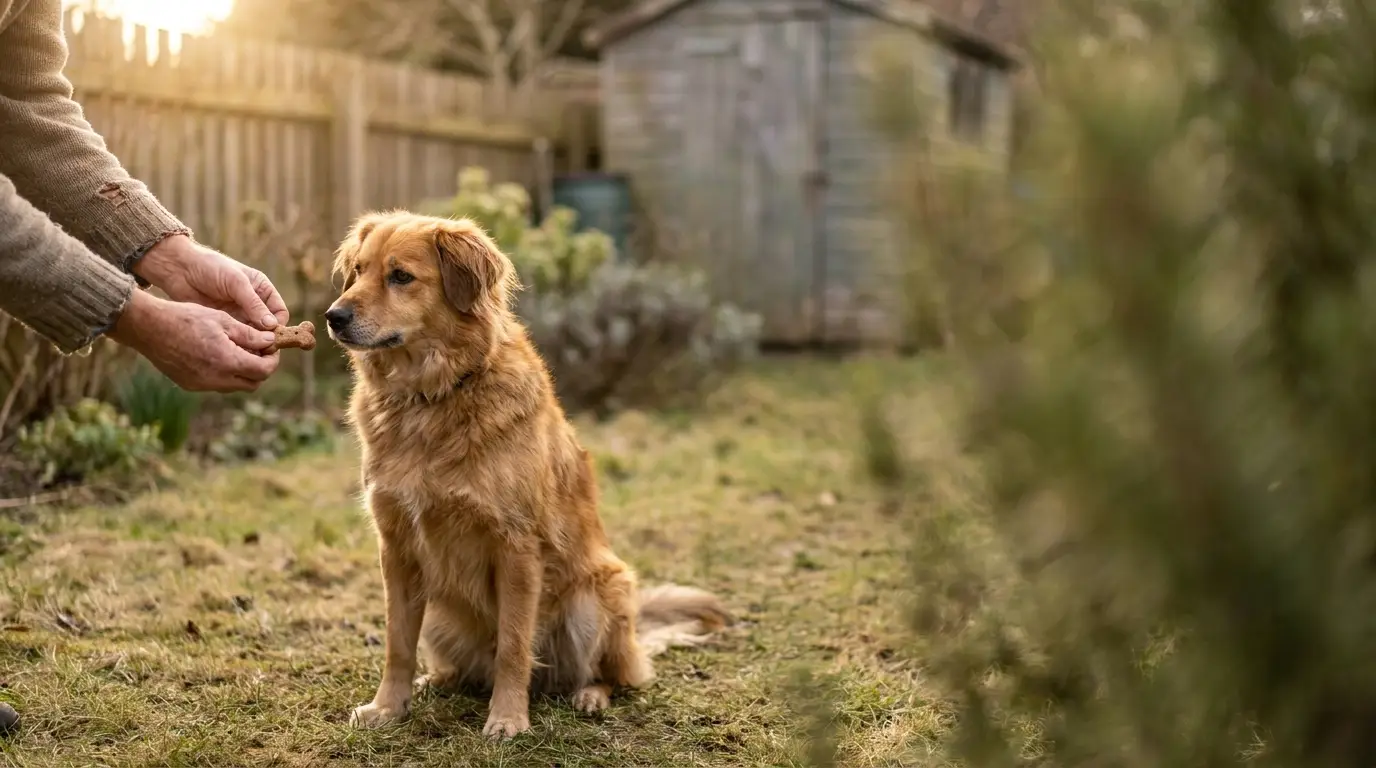
Training methods have evolved over time, but some principles remain consistently effective.
Positive Reinforcement
Rewarding good behavior with treats, praise, or play encourages dogs to repeat those actions. This method is widely recommended because it builds confidence and strengthens the human-dog bond.
Consistency and Repetition
Dogs learn through repetition. Using the same commands and routines helps them understand expectations more quickly.
Short, Frequent Sessions
Brief training sessions are more effective than long ones. Dogs tend to lose focus if sessions are too lengthy.
Clear Communication
Using simple, consistent commands avoids confusion and helps your dog respond more reliably.
Patience and Persistence
Every dog learns at a different pace. Staying patient and celebrating small progress makes the process more enjoyable for both of you.
Common Challenges in Dog Training
Training isn’t always smooth, and many dog owners encounter obstacles along the way.
Distractions
Dogs may struggle to focus in busy environments. Gradual exposure can help them learn to obey commands even with distractions.
Inconsistency
Mixed signals from different family members can confuse dogs. It’s important that everyone uses the same commands and rules.
Lack of Time
Training requires regular practice. Even short daily sessions can make a big difference over time.
Behavioral Issues
Problems like fear or aggression may require more specialized training approaches or professional guidance.
Tips for Successful Obedience Training
Start Early, But It’s Never Too Late
Puppies learn quickly, but older dogs can also be trained successfully with the right approach.
Make It Fun
Incorporating play into training keeps your dog engaged and motivated.
Practice in Real-Life Situations
Training shouldn’t be limited to the home. Practicing commands in parks or public areas helps reinforce obedience in different environments.
Reward Progress
Recognizing small improvements encourages your dog to keep learning and builds confidence.
Conclusion
Dog training and obedience are essential components of responsible pet ownership. Beyond teaching commands, training helps shape behavior, strengthen your bond, and ensure your dog’s safety and happiness. With consistency, patience, and positive reinforcement, any dog can learn to become a well-mannered and reliable companion.
Investing time in training isn’t just about discipline—it’s about creating a better life for both you and your dog.