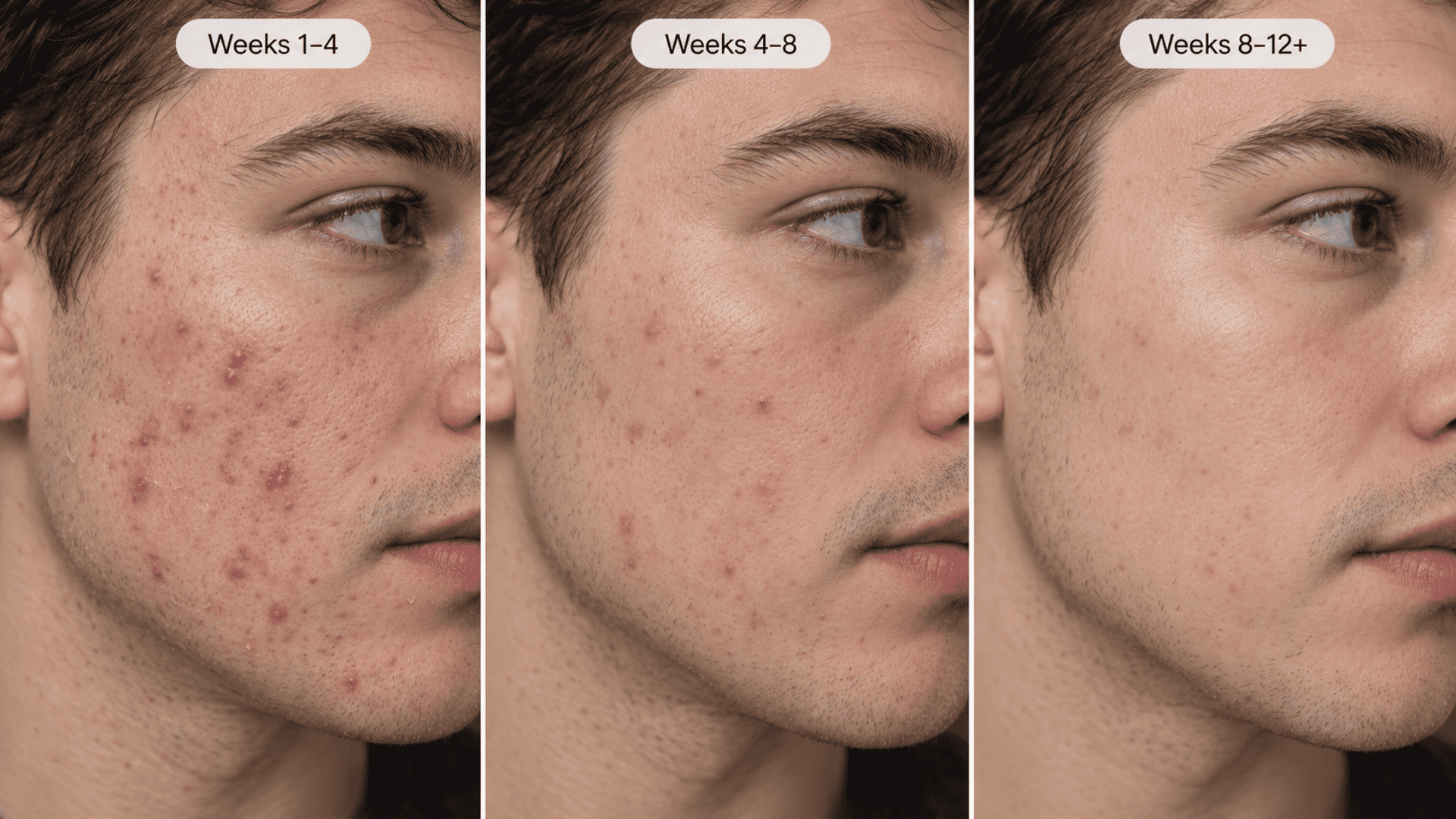


A high forehead can make you feel self-conscious in photos and everyday moments. Hairstyles and clever parting only hide so much, and the frustration keeps building over time.
Hairline surgery offers a real fix for this exact problem. It lowers your hairline and gives your face a softer, more balanced shape, with results that stay permanent from the start.
Most patients need just one procedure to see the change they wanted. Recovery stays simple and predictable, with swelling fading within weeks and the final look settling into something natural after a few months.
From how the procedure actually works to costs, candidacy, recovery timelines, and possible risks, every important detail gets covered so you can walk into a consultation feeling confident and informed.
What Is Hairline Surgery?
Hairline surgery, also called forehead reduction or hairline lowering, is a procedure that moves the scalp forward.
This reduces the height of the forehead and creates a lower, more balanced hairline.
Unlike a hair transplant, this method does not involve grafting. Instead, surgeons remove a strip of skin from the forehead area and advance the scalp forward to close the gap.
This surgery is commonly chosen by people with a naturally high or prominent forehead. It works best for those seeking a permanent change in hairline position, not hair regrowth.
Who Should Get Hairline Surgery?

Good candidates usually share a few common traits. A quick check can help you know if this surgery fits your needs.
- Have a naturally high hairline, not progressive pattern baldness
- Have good scalp laxity for a comfortable, natural result
- Do not have scarring alopecia or autoimmune scalp conditions
- Have realistic expectations about the outcome
Candidacy also depends on your goals, since men and women often look for different results. A quick check with a surgeon can confirm if you’re a good fit.
How Hairline Surgery Is Performed?
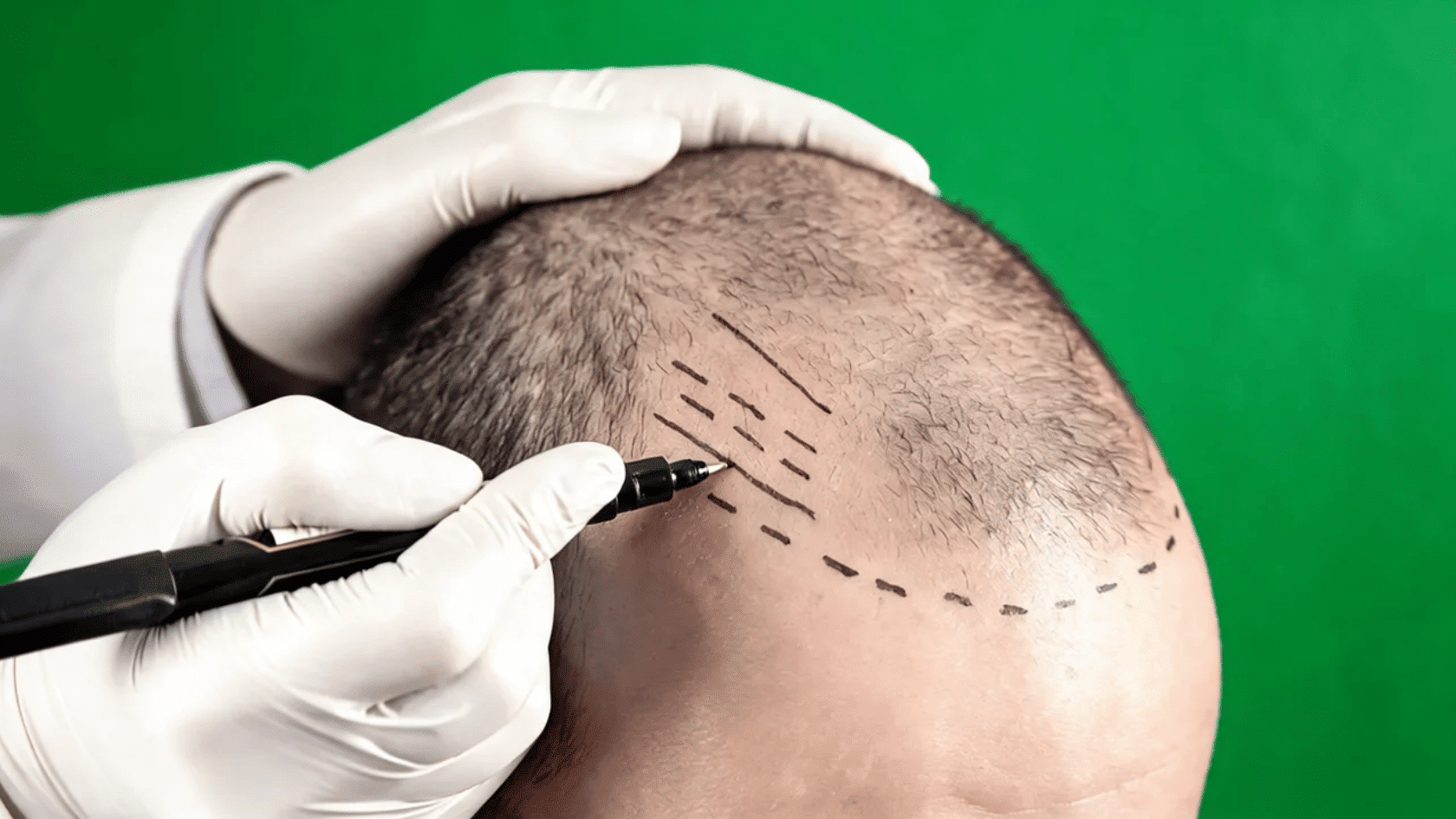
Hairline surgery follows a clear process, with each step designed to move the scalp forward safely. Here is how it typically unfolds:
- Anesthesia Choice: General or local anesthesia with sedation, based on comfort and clinic preference.
- Incision Marking: The new hairline is marked using a trichophytic incision technique before cutting begins.
- Skin Removal: A strip of skin is removed from the forehead to allow the scalp to move forward.
- Scalp Advancement: The scalp is pulled forward and secured, typically 1 to 1.5 inches, sometimes up to 5cm.
- Incision Closure: The trichophytic technique lets hair grow through the scar later, keeping it less noticeable.
- Combo Procedures: Some patients add a brow lift or chin augmentation during the same session.
The full procedure usually takes 1.5 to 3 hours, depending on scalp advancement needs and any combo procedures included.
Hairline Surgery for Men
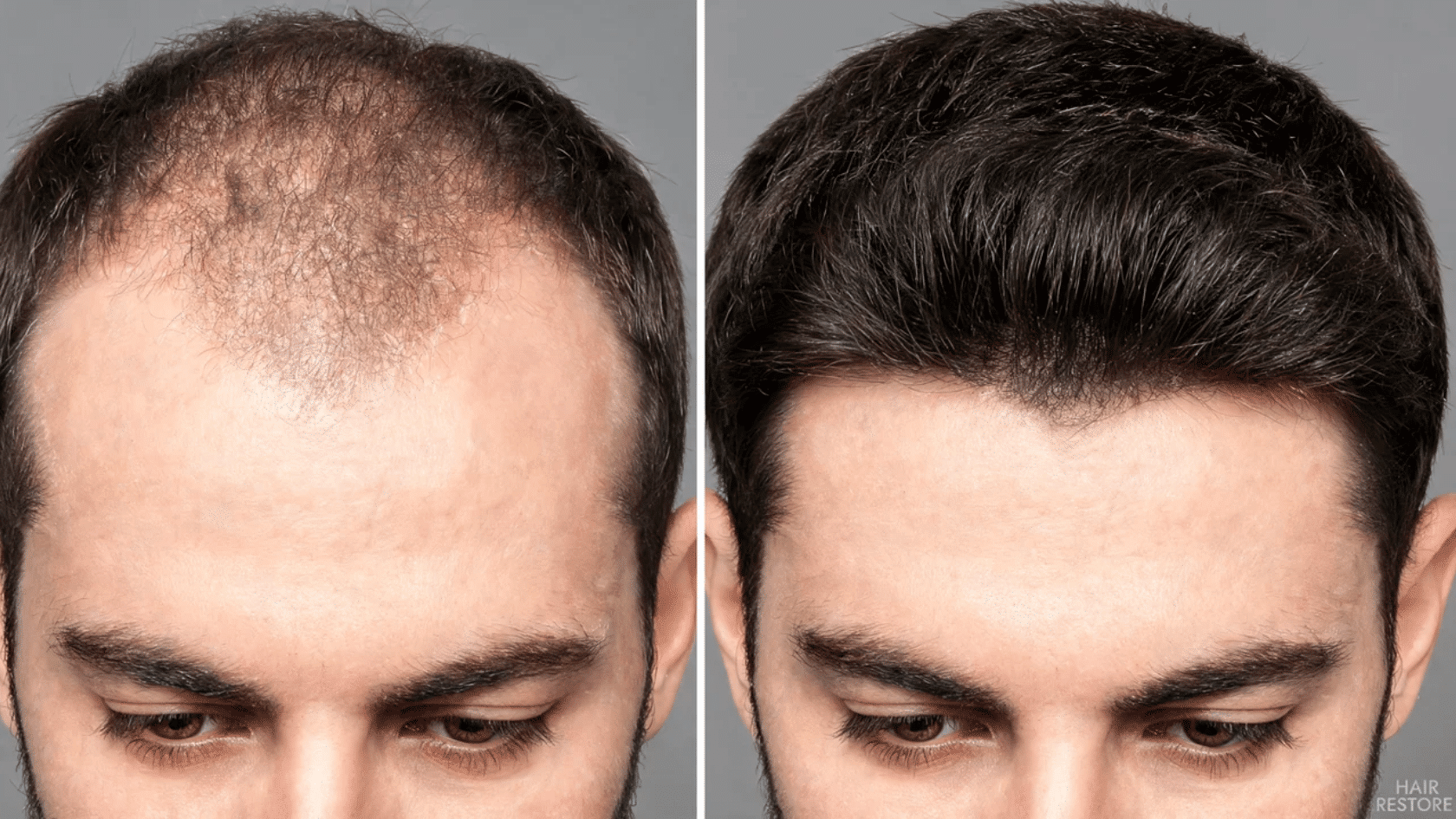
Many men choose this surgery because of a naturally high hairline, not male pattern baldness. Their hair loss pattern stays stable rather than progressive.
This distinction matters. If male pattern baldness is still active, surgery is not recommended, since continued hair loss can make results look uneven later.
Some men pair hairline lowering with an FUE or FUT hair transplant. This adds density around the temples for a fuller, more natural frame.
Timing matters too. Surgeons usually wait several months after lowering before doing any follow-up transplant work.
Hairline Surgery for Women
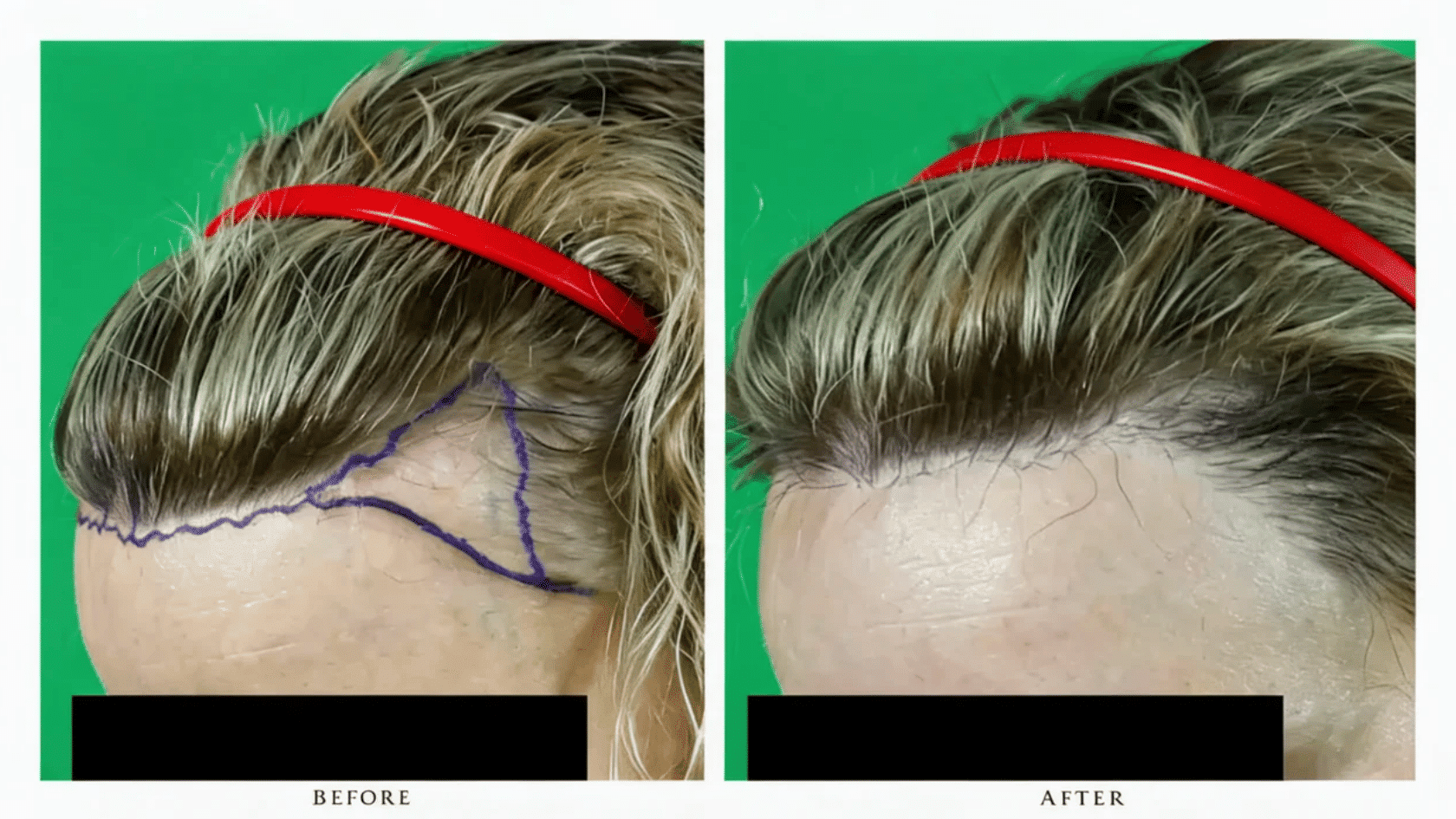
Women often choose this surgery for a broader forehead, not hair thinning. Their goals usually differ from male patients seeking the same procedure.
A common method used is scalp advancement, sometimes called SHA. It can lower the frontal hairline between 1.5cm and 5cm, depending on the case.
The desired shape also differs. Women typically prefer a softer, rounded hairline, while male patients often go for straighter lines.
Recovery needs care too. Longer hair can hide healing areas, but styling should stay gentle during the first few weeks.
Hairline Surgery Cost
Pricing for hairline surgery depends on your surgeon, location, and any procedures added alongside it. The table covers what most patients can expect to pay.
| Factor | Details |
|---|---|
| Average Cost | $4,000 – $15,000 |
| Cost Drivers | Anesthesia type, brow lift add-on, clinic location, surgeon experience |
| Insurance Coverage | Not covered (considered cosmetic) |
| Hair Transplant (FUE) Comparison | $4,000 – $15,000 |
A consultation is still the only real way to get an accurate number for your specific case, since every surgeon prices things a little differently.
Recovery Timeline for Hairline Surgery
Recovery from hairline surgery happens in stages, with visible improvement building steadily as swelling fades and the scar heals over time. Each stage brings its own changes:
- Days 1–7: Swelling and bruising are common early on, with sutures usually removed between day 7 and day 10.
- Weeks 2–4: Most people return to normal daily activities, though strenuous exercise should still wait a bit longer.
- Months 6–12: The scar fades, and hair grows through the incision line, making it far less noticeable over time.
- Immediate Visual Change: Unlike some procedures, the new hairline position is visible right away once bandages come off.
Recovery from hairline surgery is fairly predictable when good aftercare is followed. Patience through the healing months leads to a natural, lasting result.
Risks and Side Effects of Hairline Surgery
Hairline surgery is generally safe, but every procedure carries some risk. Knowing what to expect ahead of time helps you prepare and heal well.
- Scarring can occur, but trichophytic closure helps hide it as hair grows through the line.
- Numbness or altered sensation is common near the incision and usually fades over time.
- Infection can develop if aftercare instructions aren’t followed closely.
- Asymmetry or uneven advancement may happen, though this is less common with skilled surgeons.
- Unsatisfactory results can occur if the scalp isn’t advanced enough to meet expectations.
Picking an experienced surgeon and following aftercare steps closely can lower most of these risks and support a smoother recovery.
Hairline Surgery vs. Hair Transplant
Choosing between the two comes down to what’s actually causing your concern: forehead height or hair density.
| Factor | Hairline Lowering | Hair Transplant |
|---|---|---|
| Best for | High forehead | Thinning or receding hairline |
| Cause addressed | Forehead height, not hair loss | Ongoing hair loss |
| Scalp laxity needed | Yes, good laxity is required | Not required |
| Treatment type | One-time advancement | Can need multiple sessions |
| Ideal candidate | Stable hairline, no active hair loss | Active thinning or patchy density |
Many patients don’t have to choose just one. Combining both procedures can create a fuller, more balanced look around the face.
Final Thoughts
Hairline surgery can be a real solution for anyone unhappy with a high or wide forehead. The goal might be a lower hairline or simply a softer, more balanced shape overall.
Think about what matters most in your case: forehead height, hair density, or both together. That answer will guide your next step and shape the conversation with your surgeon.
A proper surgeon consultation will confirm what actually fits your situation and goals. Every face and scalp is different, so personalized advice matters more than general assumptions.
Results take months to fully settle, so patience through the healing period pays off in the end.
If you have questions or your own experience to share, drop a comment below.
Frequently Asked Questions
Is Hairline Surgery Painful?
Most patients feel pressure rather than sharp pain during the surgery itself, since anesthesia keeps things comfortable throughout. Mild soreness and tightness follow for the first few days as the scalp begins to heal.
How Long do the Results Last?
Hairline lowering is considered a permanent change since it moves the scalp itself rather than individual hair follicles. Once healed, the new hairline position stays put and does not shift back over time.
Will My Hair Cover the Scar Completely?
In most cases, yes. The trichophytic technique lets hair grow directly through the incision line, so the scar blends in naturally with surrounding hair once healing is fully complete.