

We’ve all been there: letting out a big sigh after a long day and taking off our shoes. It can be challenging to find shoes one can wear all day, be it killer stilettos or surprise-uncomfortable ballet flats. As you face a day spent largely on your feet, the debate of heels vs. flats is a popular one.
What if the answer isn’t ‘flats always win’? What if a good heel could actually be more comfortable than a poorly designed flat? Comfort and style are interrelated. By the time you finish reading this, you’ll have a clear framework for picking the perfect shoe for any occasion, understanding what makes them comfortable, and knowing what to look for while shopping.
The Quick Answer (And Why It’s Not That Simple)
For years, the traditional belief has been that flats are better for your feet. Shoes are often the first thing that comes to mind when thinking of foot pain. We are here to change that idea a bit.
Common Sense: Why We Go to Flats
It makes sense, right? Flats hold your foot in a natural position, distribute weight evenly, and provide natural stability. It’s often assumed orthopedic shoes are the only solution for avoiding discomfort, especially for everyday tasks that require extensive standing or walking.
The Less Than Obvious Downside of the Obvious Choice
Believe it or not, a bad flat can be worse than a good heel. Many women’s dress flats may look like they could be comfortable but lack essential arch support and shock absorption. Such designs can cause serious foot fatigue, tension in the plantar fascia, and even plantar fasciitis. Are you feeling every pebble through a thin sole? That is alarming.
When a Well-Designed Heel Wins
Some heels have been designed with comfort in mind. Block heels, supportive platforms, and cushioned footbeds can make them surprisingly wearable. Getting the right amount of comfort, support, cushioning, and flexibility can make a huge difference in how your feet feel after hours of wear.
The Science Behind All-Day Comfort in Shoes
Learning the mechanics of your foot allows for all-day comfort. The shoe type is not the only thing to consider.
The Heel vs. Ball-of-Foot Battle: Pressure Points
Wearing high heels shifts the weight of the body from the heel to the ball of the foot. This shift is exacerbated by higher heels, which apply excessive pressure on the metatarsals and toes. Ideally, flats distribute the pressure more evenly across the whole foot, just like natural walking would.
The Importance of Arch Support in Your Life
The arch of your foot provides shock absorption. Lack of arch support causes your foot structure to collapse and creates strain on ligaments and tendons. Damage to the structure of your foot can cause ongoing pain related to your shoes, whether wearing heels or flats.
Shock Absorption Is Not Just for Sneakers
Imagine walking on hard surfaces the entire day. Your feet, ankles, and spine will feel the impact of every step if there’s no cushioning or shock absorption. For true comfort, look for rubber soles and high-quality, padded insoles.
The Case for Heels: Finding Comfortable Women’s Heels
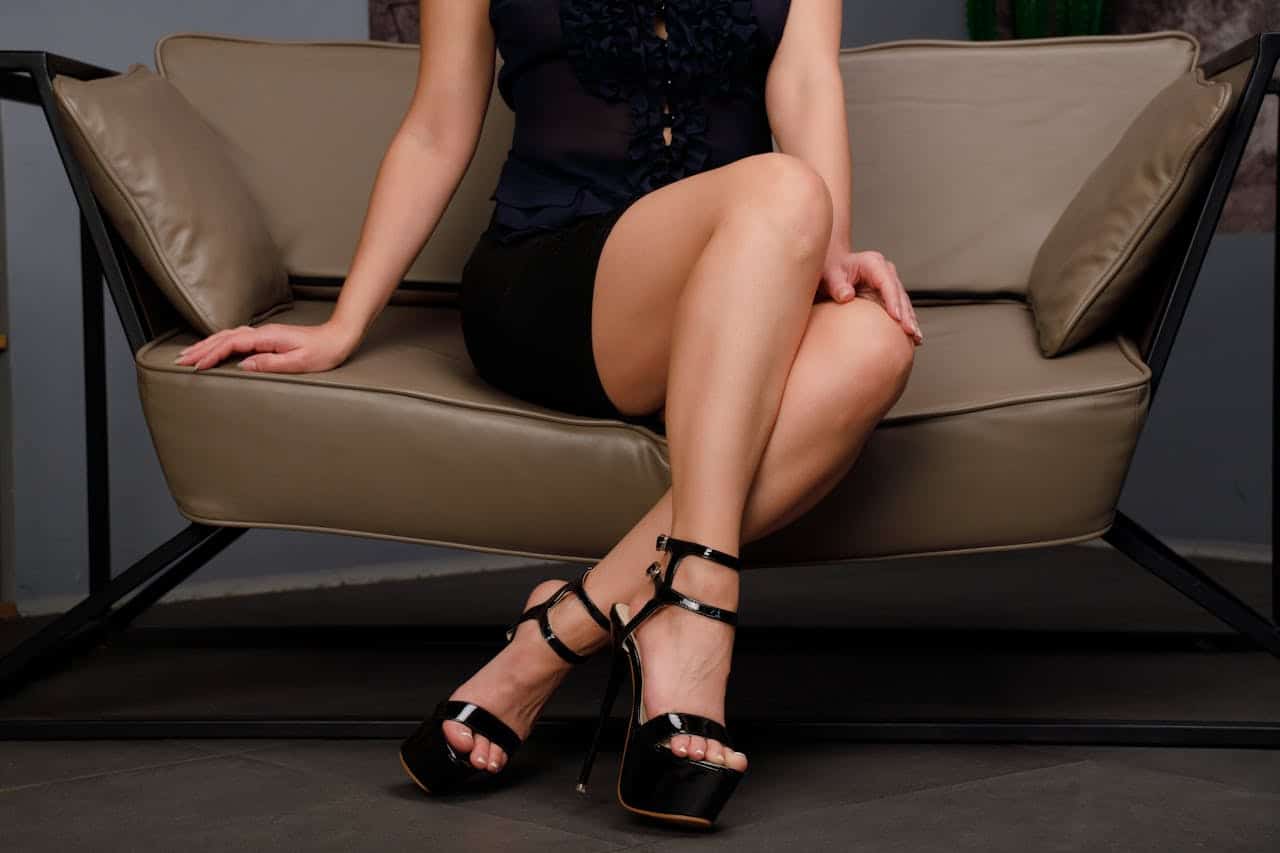
Sure, you can find comfortable heels for women! It’s all about making smart choices and understanding what truly supports your foot. It’s all about feeling empowered to wear what you love comfortably.
The Height and Shape of the Heel Matter the Most
Choose sturdy, supportive shoes. Opt for a block heel or wedge that is less than three inches. A wider heel base provides more stability and relieves concentrated pressure on the foot. Knowing the difference between block heels and stilettos is important for comfort.
Choose Cushioned Insoles and Platforms
When a heel features a small platform at its front, it effectively reduces the high pitch or angle of your foot. While shopping for a shoe, press your thumb into the insole: it should have give. A key to making heels more comfortable from the outset is selecting flexible materials like cowhide leather.
The Underrated Heroes: Materials and Fit
Real leather or suede is a soft and flexible material that will mold to your foot with wear, reducing rubbing and blisters. Stiff plastic can trap heat and create uncomfortable pressure points. For the best and most accurate fit, always shop in the afternoon when your feet are slightly swollen.
The Great Pretender: When Women’s Dress Flats Don’t Deliver
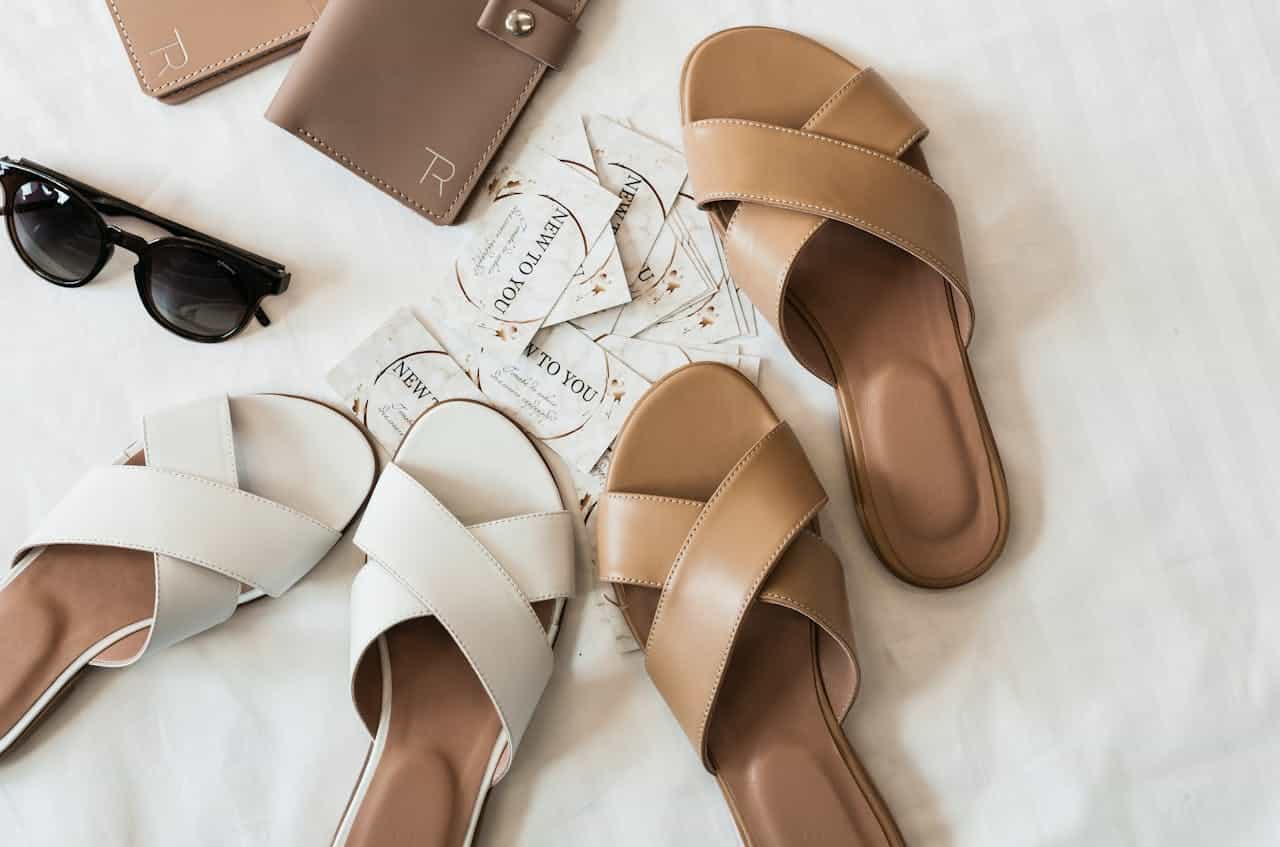
It’s a common misconception that all flats are inherently good for you. Certain women’s dress flats are actually comfort culprits in disguise.
Issue with the Cardboard-Thin Sole
We’ve all bought those cute, thin-soled ballet flats with zero protection. Wearing them makes it feel like your bare feet are on the pavement, making you feel every pebble and crack. Without shock absorption, your foot fatigue will increase more rapidly, leading to joint pain throughout the body.
Flatter Shoe Is Not Better! Zero Arch Support
If flat shoes lack arch support, they will cause as much damage as high heels. Such unsupported flats can push your foot into an unnaturally pronated position. A bit of gentle arch support or a contoured footbed is nearly always more ergonomic than a completely flat sole, when it comes to supportive flats.
Troublesome Fit and Toe Gripping
We’ve all worn those flimsy flats that require you to curl your toes to keep them on. This can eventually lead to cramping and hammer toes. Focus on women’s dress flats with a structured fit that holds your foot well without pinching, like a well-constructed loafer or Oxford, to avoid blisters and discomfort.
Quick Comparison: Heels vs. Flats for All-Day Wear
|
Feature |
✅ Well-Designed Heels |
⚠️ Poorly Designed Flats
|
|---|---|---|
|
Arch Support |
Can offer good arch support with contoured footbeds. |
Often completely flat, leading to pronation and strain. |
|
Shock Absorption |
Cushioned insoles and platforms can provide significant shock absorption. |
Thin, cardboard-like soles offer minimal to no shock absorption. |
|
Weight Distribution |
Block heels/wedges distribute weight more evenly than stilettos. |
Can cause uneven pressure if lacking structure, leading to toe gripping. |
|
Stability |
Wider heels (block, wedge) provide enhanced stability. |
Flimsy designs can lead to instability and foot fatigue. |
|
Material & Fit |
Flexible leather/suede molds to foot, reducing blisters. |
Stiff, synthetic materials can cause rubbing and pressure points. |
Scenario-Based Comparison: Real-Life Showdown
Let’s look at real-life scenarios involving heels vs. flats.
- For a Day of Office Meetings: A supportive block heel or structured loafer will suit you well. They offer a professional look while providing comfort, so you won’t experience discomfort moving in and out of conference rooms.
- For Weddings or Formal Events: A platform wedge or a low, comfortable women’s heel. Bring a pair of foldable women’s dress flats for dancing later on. When standing for hours, elegance shouldn’t equal agony.
- When Walking a Lot During Commute: A trendy fashion sneaker or a supportive cushy flat. When walking during your commute, your shoes should have good shock absorption to keep you safe and comfortable on city streets and stairs. These types of shoes offer exceptional comfort for all-day standing.
- For a Retail or Service Job (All-Day Standing): A flat shoe with ample cushioning and support or a low wide wedge. Great arch support and breathable materials are essential to avoid foot fatigue and ensure they are the best work shoes.
How to Choose Comfortable Shoes: An Easy Checklist
Use this easy checklist to empower yourself on your next shoe purchase. Whether choosing comfortable feminine heels or supportive flats, make informed choices.
The Bend Test: Evaluate Your Shoe Sole Flexibility
Try to bend the toe towards the heel, while holding the shoe. A shoe must bend effortlessly at the ball of the foot – the area where your foot bends naturally. If the shoe bends in the middle of the arch, it’s missing the necessary support.
Check the Material for Breathability and Flex
Choose leather, suede, canvas, or other soft, natural materials. This type of footwear offers breathability, molds to your feet over time, and prevents the occurrence of blisters and pinching.
Check the Insole for Cushioning and Shape
Press your thumb against the shoe’s insole. When trying out a shoe, you should feel noticeable cushioning. Ideally, it should also have a gentle contour that provides arch support. If the shoe is too flat and hard, consider if there’s room for an additional insert.
Beyond the Binary: The Best of Both Worlds
There are cases when both work. Many contemporary designs provide the ultimate combination of height and comfort.
Wedges and Flatforms Provide Height Without Angle
Wedge and flatform shoes offer a higher lift similar to heels, but are less steep, which helps to distribute your weight across the entire foot. They provide the flatness of a flat but with the added height and style of a heel.
Oxfords and Supportive Loafers
These vintage looks are coming back in a big way for a reason. Ideally, loafers or Oxfords are designed with good arch support, with a secure fit and better cushioning, making them excellent choices for both work and all-day wear. They’re chic, sophisticated, and very versatile.
The Contemporary Square Heel
The welcome return of the block heel is a victory for both style and comfort. Block heels that are wider and lower will provide you with far more stability than stilettos. The extra support allows you to enjoy a higher heel without the pain. They are an ideal pair of comfortable women’s heels, wearable with ease for both casual and formal occasions.
To Sum Up
As the heels vs. flats debate continues, it seems there isn’t a single “winner” in terms of shoe type after all. Instead, the smart shopper values comfort, functionality, and construction above all else. Both cheap flats and poorly designed heels can cause serious short-term pain and long-term damage.
Use what you learned today to reassess your shoe collection, and more importantly, empower you for your next shoe-shopping trip. Your feet will thank you!
Frequently Asked Questions About Women’s Shoes
Are Flats Always Better for Your Feet than Heels?
Not necessarily. While flats often provide a more natural foot position, poorly designed flats lacking arch support and cushioning can be worse than well-constructed heels. Comfort depends more on design and support features than just heel height.
What Is the Ideal Heel Height for All-Day Comfort?
For all-day comfort, opt for block heels or wedges that are generally less than three inches. These styles offer a wider base for stability and distribute weight more evenly, reducing pressure on the ball of your foot compared to stilettos.
How Long Should I Wear New Shoes Before They Break In?
The break-in period varies by material and design, but quality leather or suede shoes should start molding to your feet within a few wears. If shoes are still uncomfortable after a week of occasional wear, they might not be the right fit or design for you.
Can Wearing the Wrong Shoes Cause Long-Term Foot Problems?
Yes, consistently wearing shoes that lack proper arch support, cushioning, or fit can lead to long-term issues like plantar fasciitis, bunions, hammer toes, and general foot fatigue. Prioritizing comfort and support is crucial for foot health.
What Features Should I Look for In Comfortable Women’s Dress Flats?
Look for dress flats with adequate arch support, cushioned insoles, and a structured fit that holds your foot without pinching. Avoid flats with cardboard-thin soles that offer no shock absorption, as these can exacerbate foot pain.
How Can I Make My Existing Heels More Comfortable?
To enhance comfort in existing heels, consider adding gel inserts for extra cushioning, especially under the ball of the foot. Opt for block heels or wedges over stilettos, and ensure the material is flexible like real leather or suede to reduce rubbing.