Your patio often starts as a great idea and ends up as a space you only use when the weather behaves. One week it feels perfect, and the next it’s too hot, too windy, or suddenly full of pollen. A patio enclosure changes that pattern. It gives you a more usable, comfortable part of your home without the scale or cost of a full addition, which makes it a smart upgrade worth a closer look.
You Get More Usable Space without A Full-Scale Remodel
A patio is nice in theory, but open-air living comes with a long list of conditions. If it’s raining, blazing hot, or packed with bugs, that outdoor area stops being useful fast.
A patio enclosure helps you turn that inconsistent space into something you can actually count on. Instead of building a brand-new room from scratch, you’re upgrading a footprint you already have.
That shift matters because it gives you flexibility. You can use the area as a lounge, reading spot, casual dining space, hobby corner, or even a quiet place to work. For a lot of homeowners, that kind of bonus space fills the gap between wanting more room and not wanting a renovation that turns your house into a construction zone for months.
Weather Stops Controlling Your Plans Quite so Much
One of the biggest frustrations with patios is how quickly weather can ruin the experience. A little wind becomes a mess of leaves. A hot afternoon turns every chair into a toaster. Even mild rain can send everyone back inside.
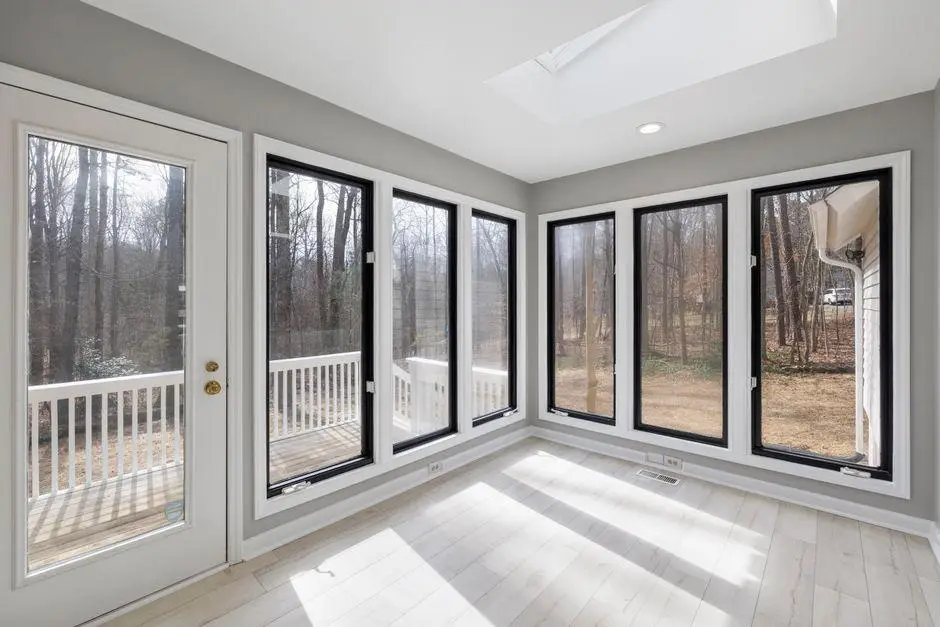
An enclosure adds a buffer between you and those constant interruptions. Depending on the design, it can help reduce exposure to rain, harsh sun, humidity, and debris while still letting in natural light.
That means your morning coffee routine doesn’t need a weather app and a backup strategy. It also helps when you’re hosting people. You won’t have to play the classic party game of moving plates and cushions every time the sky looks suspicious. Outdoor living sounds relaxing, and with the right setup, it actually can be.
Comfort Improves when You Control Light, Airflow, and Temperature
A usable space needs more than square footage. It needs comfort. That’s where enclosures earn their keep.
When you have protection from direct sun and better control over airflow, the area feels more stable throughout the day. You’re not constantly adjusting because one side is sweltering while the other catches every gust of wind.
Some homeowners add fans, shades, or insulated features to make the space even more comfortable across seasons. That opens the door to year-round use instead of a small seasonal window.
This is especially useful if your household already feels a bit cramped indoors. A well-designed enclosed patio can function like pressure relief for the rest of the home. Kids can spread out, guests have somewhere to gather, and you get one more place where daily life can happen without everyone ending up in the kitchen by default.
It Can Improve the Look and Flow of Your Home
A patio enclosure is practical, but it also changes how your home feels. Done well, it creates a smoother connection between interior and exterior spaces.
That visual continuity matters more than people expect. A patio that looks unfinished or rarely used can make the back of a home feel disconnected. An enclosed space often looks more intentional, more integrated, and more aligned with the rest of the property.
You can also design it to match your home’s style rather than making it feel tacked on. Frame color, window configuration, roof style, and trim details all influence the final result.
If you care about interiors, this is where things get interesting. You’re not just adding function. You’re shaping an experience. The space can feel airy, bright, calm, and polished. It’s part design move, part quality-of-life upgrade, which is a pretty good combo.
Maintenance and Durability Should Be Part of The Decision
Before adding any home feature, it helps to think beyond the first week of excitement. You want something that looks good, performs well, and doesn’t create a maintenance headache later.
That means paying attention to materials, weather resistance, and installation quality. A low-maintenance enclosure can save you time and money over the years, especially if it’s built to handle moisture, sun exposure, and normal wear.
Ask practical questions:
– How easy is it to clean the panels or windows?
– Will the materials fade or warp over time?
– What kind of ventilation is included?
– Does the structure fit local weather demands?
– What warranty coverage comes with the project?
Those details aren’t glamorous, but they’re where good decisions live. The nicest-looking setup won’t feel like a win if it ages badly or needs constant upkeep.
It May Add Value, but Daily Livability Is the Real Payoff
A lot of people immediately ask whether a patio enclosure adds resale value. Fair question. Extra usable space and improved curb appeal can make a home more appealing to future buyers.
Still, the day-to-day payoff usually matters more. You’re improving how you live in the home now, not just trying to impress a hypothetical buyer five years from now.
Think about what changes in practical terms:
– You gain a more flexible living area
– You get better use from existing square footage
– You reduce weather-related frustration
– You create a more comfortable place to relax or entertain
– You make your home feel larger without moving walls
That’s meaningful because homes work best when they support your routines instead of forcing workarounds. A strong upgrade isn’t only about market value. It’s about whether you actually enjoy living there more often.
The Best Results Come from Matching the Enclosure to Your Lifestyle
Not every homeowner needs the same type of enclosure. The right choice depends on how you plan to use the space, what climate challenges you deal with, and how the patio connects to the rest of the house.
If you want a bright sitting area, your priorities may center on visibility and light. If you’re trying to create a bug-free dining space, screening and airflow might lead the conversation. If heat is the enemy, shading and thermal performance become more important.
It helps to think less about trends and more about routines. Picture a normal week. Where do you sit with a laptop? Where do guests gather? Where do you go when you want quiet but don’t want to be sealed indoors?
That’s the real design brief. When an enclosure answers those everyday needs, it stops feeling like an add-on and starts feeling like part of the home you always wanted.