

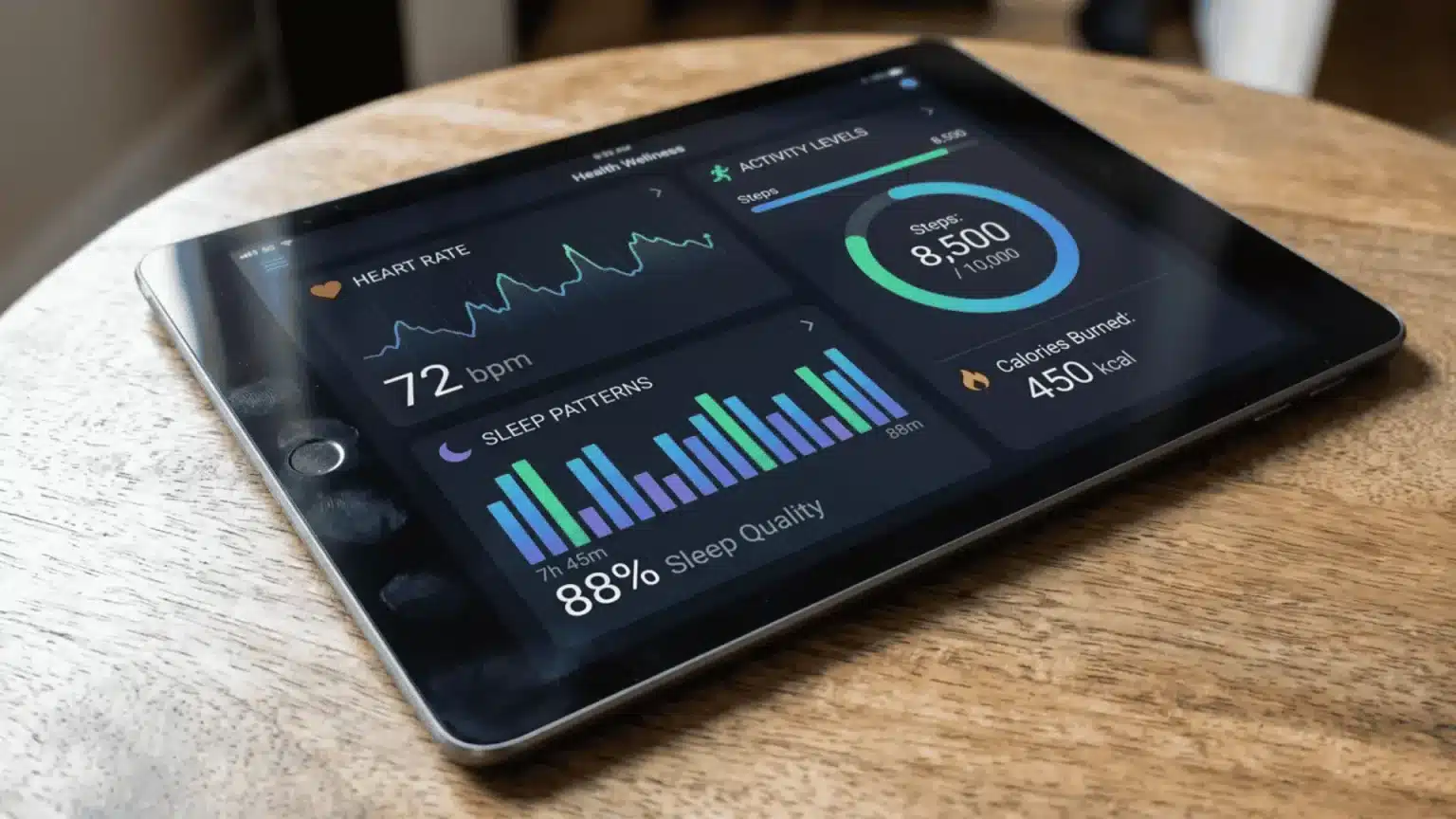
How has the development of technology positively affected our wellness is best understood by examining measurable changes in healthcare systems and outcomes.
Innovation has reshaped how care is delivered, accessed, and monitored.
Advances in diagnostics, digital platforms, and preventive tools have improved both physical and mental health support.
These systems reduce delays, increase accuracy, and expand service availability.
The clearest gains appear in earlier detection, safer procedures, and broader treatment access. Mental health services have also become more reachable through secure digital platforms.
Together, these developments demonstrate how technological progress strengthens long-term stability and overall well-being.
How Technology has Increased the Quality of Medical Treatments?
Technology has improved medical treatment by making it more precise, safer, and more effective.
The biggest shift is not just new machines, but how those tools change diagnosis and decision-making.
Cause: Advancements in Medical Tools and Systems
Modern healthcare uses advanced imaging systems, surgical robotics, and artificial intelligence software. These tools extend what clinicians can see, measure, and predict.
The improvement comes from increasing accuracy and reducing uncertainty.
Mechanism


Outcome
When the diagnosis is earlier, and procedures are more controlled:
- Intervention happens sooner
- Complications decrease
- Recovery times shorten
- Survival rates improve
The measurable improvement in wellness comes from reducing preventable harm and increasing treatment effectiveness.
When it Fails?
Technology alone does not guarantee better outcomes.
- Without trained professionals, tools may be misused or misinterpreted.
- Hospitals without funding or infrastructure may lack access to advanced systems.
- Overreliance on automated systems can reduce critical human oversight.
- Technology improves treatment quality only when combined with skilled medical judgment.
Note: Medical technology enhances clinical expertise; it does not replace the judgment and skill of trained healthcare professionals.
How Technology has Increased Access to Healthcare Services?

Technology has improved wellness by making healthcare easier to access. When access improves, treatment begins sooner, and outcomes improve.
The growth of telecommunication systems and digital records has reduced physical and logistical barriers. Care is no longer limited to in-person visits at a hospital or clinic.
Key access-enabling systems include:


When access increases, measurable improvements follow:
- Faster specialist referrals
- Reduced transportation costs and delays
- Earlier diagnosis and intervention
- More consistent chronic disease management
Earlier access often prevents minor health issues from becoming severe. The benefit comes from shortening the time between symptom onset and medical response.
However, improved access depends on infrastructure and usability. Technology alone does not remove all barriers.
Access limitations may occur due to:
- Poor internet connectivity
- Limited digital literacy
- Conditions requiring physical examination or diagnostic equipment
Remote systems improve reach, but they do not eliminate the need for in-person care when clinical evaluation demands it.
Remote healthcare can maintain treatment quality when supported by proper clinical standards and appropriate use.
How Health Monitoring Technology Improves Preventive Care?
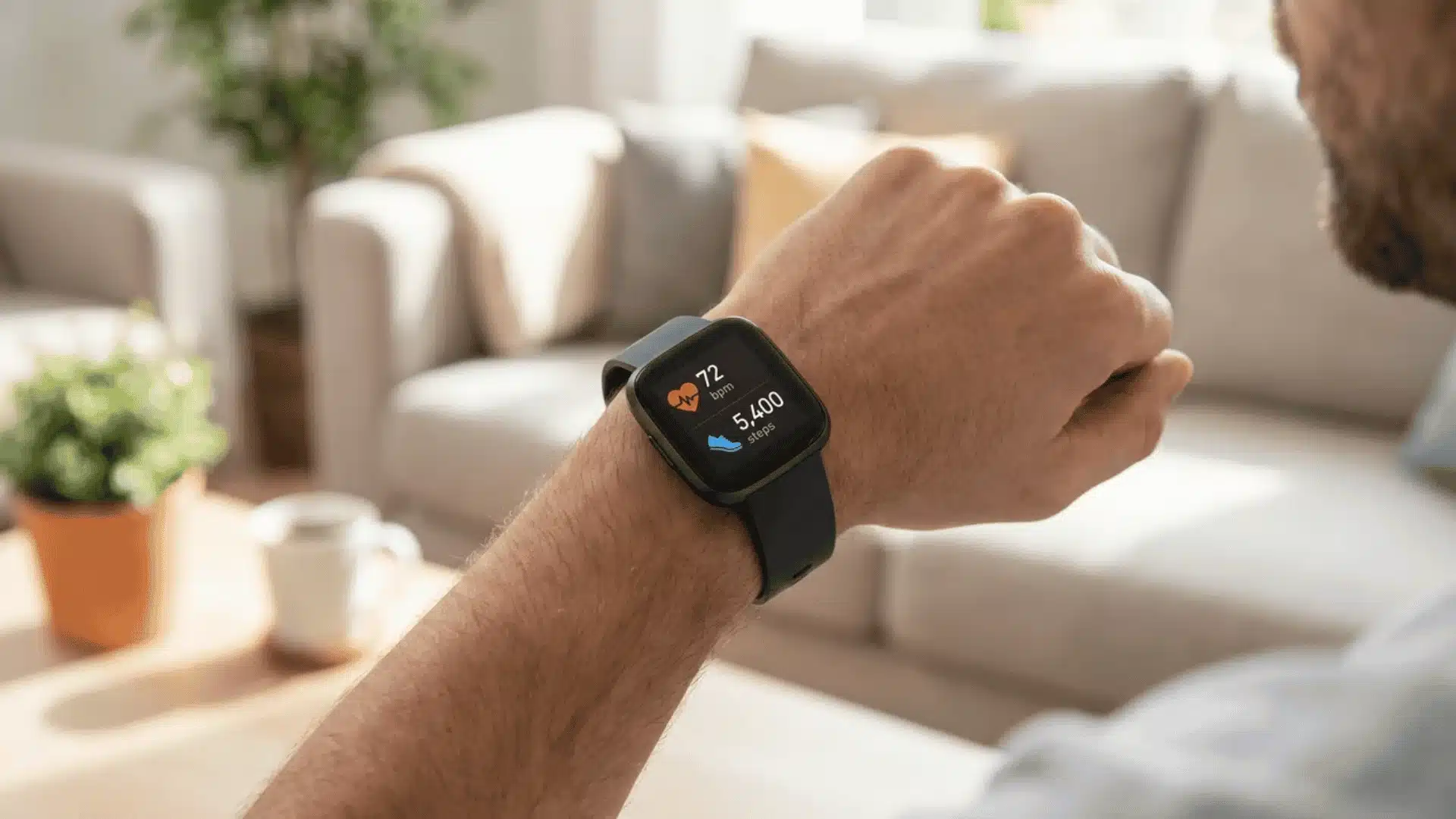
Preventive care has changed direction. Instead of waiting for symptoms to appear, people can now spot warning signs through everyday devices that track the body in real time.
This shift matters because most serious conditions develop quietly. Catching irregular patterns early gives the body and the doctor a head start.
| Tool Type | What It Tracks | Preventive Role |
|---|---|---|
| Wearables (smartwatches, fitness bands) | Heart rate, sleep cycles, oxygen levels, activity | Flags irregular trends in daily routines |
| Smart sensors | Heart rhythm changes, blood pressure spikes | Alerts users to sudden physiological shifts |
| Mobile health apps | Habits, symptoms, food intake, mood | Builds long-term behavior records |
| Continuous glucose monitors | Blood sugar fluctuations | Helps manage and prevent diabetic complications |
The real value isn’t just the data. It’s the response that data triggers.
When a smartwatch flags an unusual rhythm at midnight, that single alert can lead to a doctor’s visit the next morning. That’s a chain reaction preventive care depends on.
Apps add another layer through habit reinforcement. Daily nudges, streak tracking, and progress reports keep users engaged with their own health, often without realizing it.
Measurable benefits of consistent monitoring include:
- Earlier identification of abnormal patterns
- Better self-awareness around lifestyle choices
- Reduced emergency hospital visits
- Stronger management of long-term conditions
Still, these tools work best when paired with professional input.
False alerts can cause unnecessary panic, raw data without context often leads to misjudged health status, and overreliance on devices may delay proper clinical evaluation.
How Has Technology Expanded Mental Health Support and Awareness?
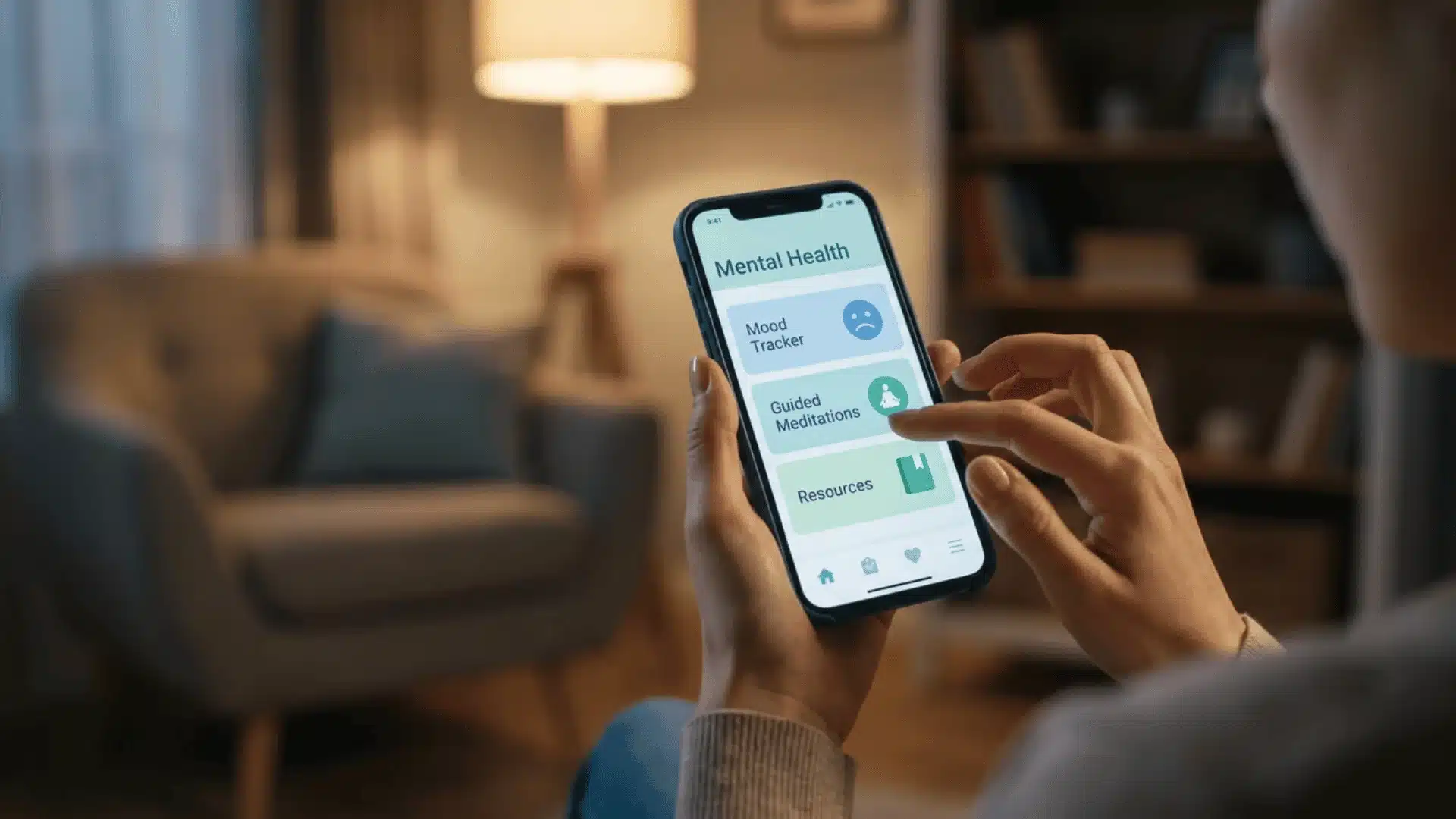
Mental health support looks very different today. Apps, online therapy, and digital tools have made help easier to reach while also shaping how people talk about it.
Positive Contributions to Mental Health


These tools contribute to measurable improvements, including:
- Reduced stigma around seeking help
- Increased access to licensed care
- Earlier intervention for anxiety and depression
Awareness and Psychological Impact of Digital Environments
While technology supports treatment, constant digital exposure also shapes how the mind processes stress.
Social comparison through curated online content can chip away at self-esteem, while algorithm-driven feeds push emotionally charged posts that fuel anxiety or insecurity.
Frequent notifications fragment focus and keep stress responses active, often disrupting sleep and reducing overall concentration.
Why Improved Treatment Quality and Availability Remain the Core Measurable Impact?
Technology affects many areas of life, but its clearest impact on wellness is in healthcare improvement. The most measurable gains come from better treatment and wider access.
- Increased treatment precision: Advanced diagnostics and surgical tools improve recovery rates and reduce complications.
- Expanded healthcare access: Telemedicine and digital systems ensure more individuals receive timely medical care.
- Extension of mental health services: Online therapy platforms use the same access model for psychological treatment.
- Reinforced prevention systems: Monitoring devices and digital health records strengthen long-term care management.
- Direct wellness outcomes: Earlier intervention and coordinated care lead to measurable improvements in survival and stability.
- Clarification of impact: Entertainment, advertising growth, or unrelated technological shifts do not directly enhance health outcomes.
When evaluated through recovery rates and access data, improved treatment quality and availability remain the most consistent and measurable benefits of technological development.
Conclusion
So, how has the development of technology positively affected our wellness?
The answer lives in the small, measurable wins, faster diagnoses, safer surgeries, mental health support a tap away, and devices that quietly keep watch over our bodies.
It’s not the gadgets themselves doing the heavy lifting. It’s how they shorten the gap between a problem and its solution. That’s where the real value sits.
Have a tool, app, or experience that’s made a difference in your own wellness journey? Share your favorite below; your story might be exactly what someone else needs to hear.
Frequently Asked Questions
How Does Artificial Intelligence Improve Patient Safety?
AI reviews large medical datasets to detect abnormalities early, reduce diagnostic errors, and help clinicians make faster, evidence-based decisions.
Can Wearable Devices Replace Routine Medical Checkups?
Wearables track health trends but cannot substitute physical exams, laboratory tests, or professional medical assessments.
Does Telemedicine Reduce Hospital Overcrowding?
Telemedicine manages non-emergency cases remotely, which can reduce in-person visits and improve healthcare system efficiency.