
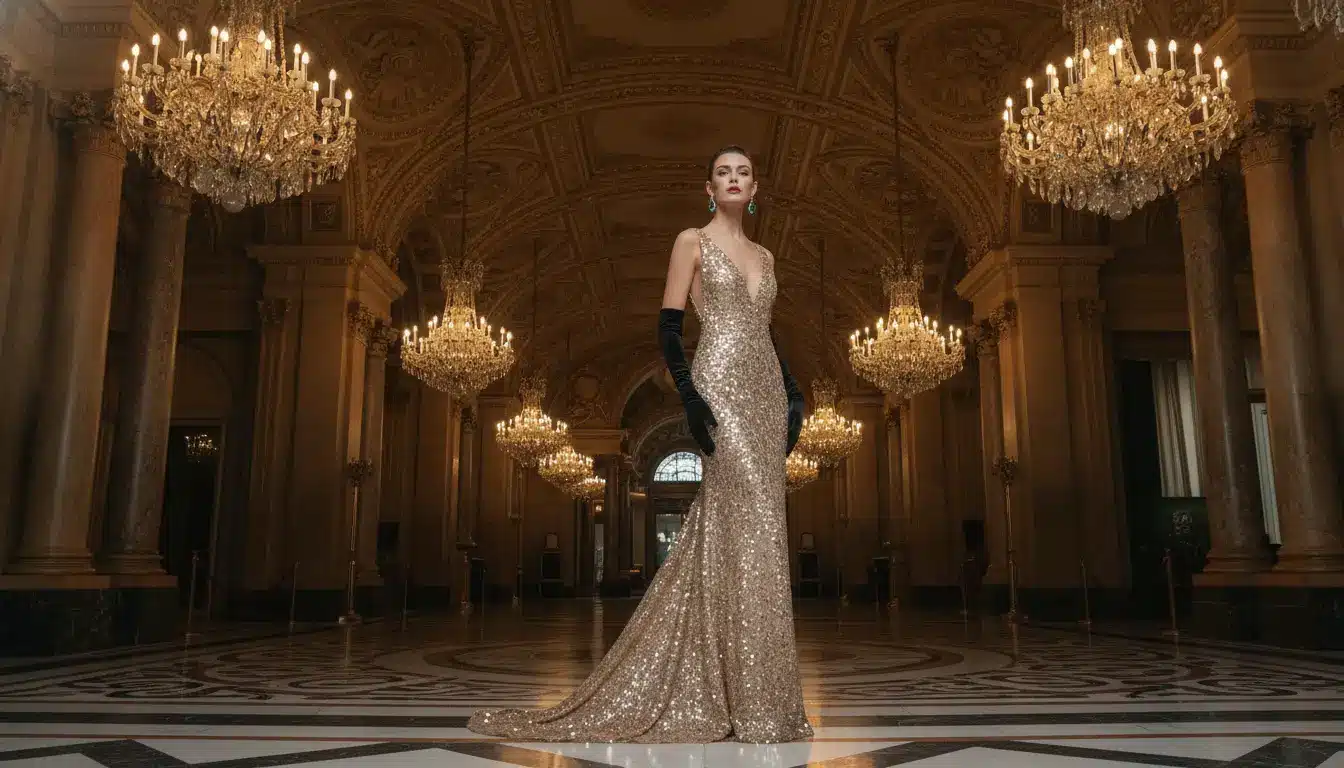
Casino floors have long been a place to strut the latest fashion. Before red carpets dominated celebrity culture, it was the roulette tables and private card rooms of European gambling venues that set evening wear expectations.
Take Monte Carlo, for example. It opened in 1863 and immediately created a standard that flowed across continents and decades.
Francois Blanc, the man behind the Casino de Monte-Carlo, understood that the atmosphere around the gaming tables was as important as the games themselves. The interior was Belle Epoque excess – Bohemian crystal chandeliers, marble floors, gilded ceilings – and guests were expected to match it. Men wore tailcoats and silk bow ties. Women arrived in floor-length gowns with jewellery chosen to catch chandelier light.
Read on for a closer look at the relationship between luxury casinos and fashion over the years.
Dress Codes That Influenced Evening Wear
Monte Carlo’s model spread quickly. By the mid-20th century, Las Vegas had adopted its own version of gambling glamour, but in a different way.
While Monaco was about understatement, Vegas was big on spectacle. Both approaches fed directly into mainstream fashion, even creating a few specific garments that owe their popularity to casino culture.
This impact can be seen in venues across the world, even as far flung as New Zealand. Jump on a resource like casino.com/nz, which has all you need to know about the modern casino experience down under, and you’ll quickly see many online brands are still influenced by the slick, high-fashion trends sparked decades ago.
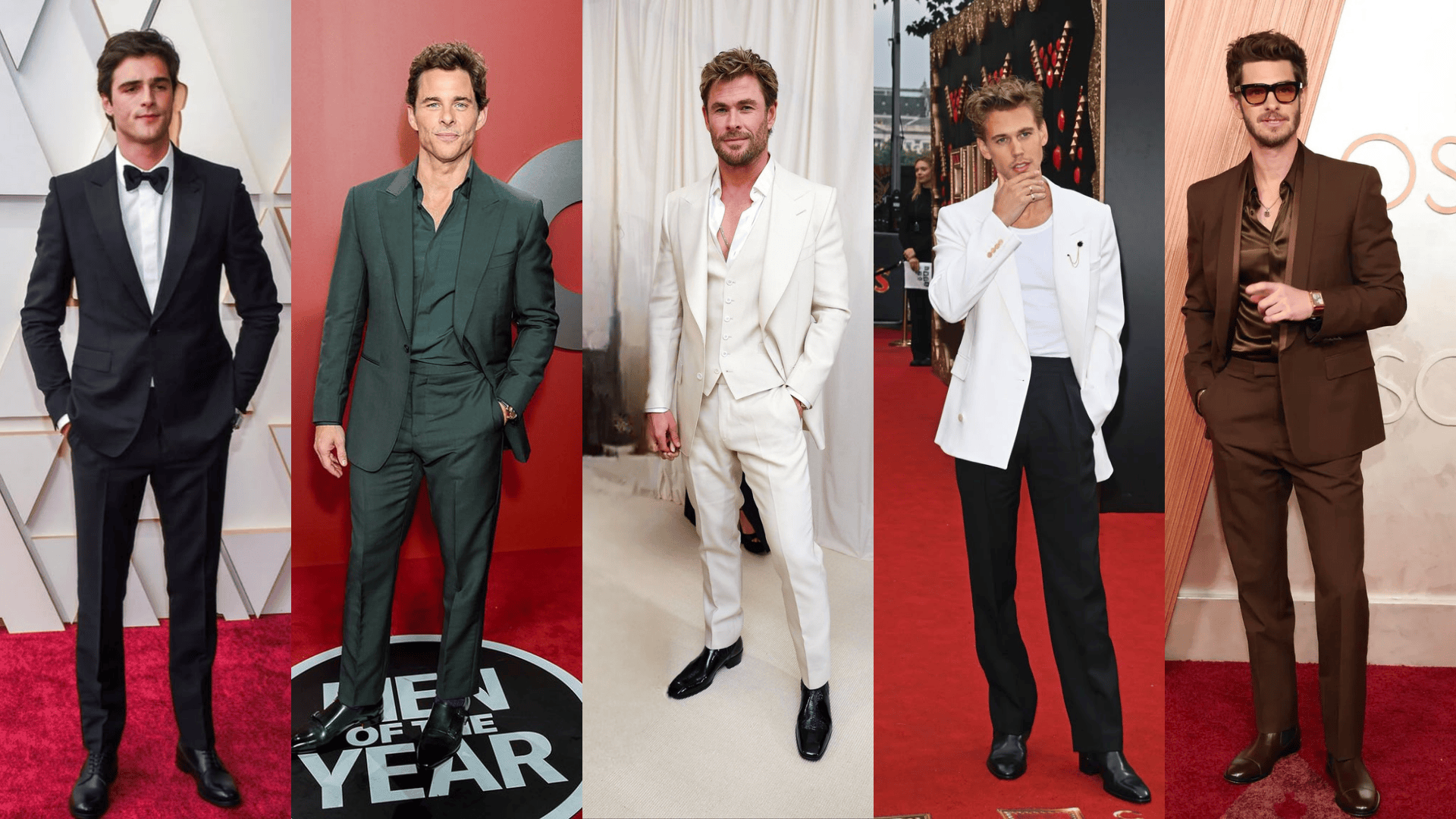
Look at the tuxedo. While it existed before casinos adopted it, the gambling floor is where it became associated with occasion rather than rank. A tailored dinner jacket stopped being aristocratic uniform and became something aspirational – a garment tied to a night out rather than a social class. James Bond accelerated that connection in the 1960s, but the casino had already done the cultural work decades earlier.
Cocktail dresses are the same. Mid-century casino resorts in the Caribbean and across the French Riviera gave women a reason to dress between daywear and full-length evening gowns. The “cocktail hour” at a casino lounge created a category of clothing that didn’t exist before – shorter hemlines, structured bodices, statement jewellery worn above the neckline instead of around the wrist. By the time Dior and Balenciaga formalised the silhouette on the runway, casino guests had already figured it out.
When Designers Took the Casino to the Runway
Casino culture’s relationship with high fashion went from background influence to direct reference in July 2015. This happened when Karl Lagerfeld converted Paris’s Grand Palais into “Le Cercle Prive” for Chanel’s Autumn/Winter Haute Couture presentation.
Kristen Stewart, Julianne Moore, and Lily-Rose Depp opened the show by walking in and taking their places at Chanel-branded blackjack tables. Slot machines lined the venue walls while models circled in boxy 1980s-style power suits, bobbed wigs, and bold red lipstick, according to coverage from Fashionista.
Lagerfeld said afterwards that he liked “the idea of an elegant woman going to a casino, wearing jewellery – like a fantasy.”
Two years later, Moschino took a different angle. Jeremy Scott staged a full Vegas-themed show in Los Angeles, and Miranda Kerr walked the runway in neon accessories. Scott’s collection went full showgirl – sequin suits, fruit-themed prints, feather headdresses. Where Chanel treated the casino as a site of restrained European sophistication, Moschino played it as American pop excess.
Both proved the point that casino imagery and casino dressing still had enough visual power to anchor a full collection from a fashion perspective.
A Looser Kind of Glamour
Modern casino resorts have loosened their dress codes considerably since the days when Monte Carlo turned guests away for wearing the wrong shoes.
The Casino de Monte-Carlo still enforces standards after 7pm – blazers recommended for men, no sweatshirts, no sportswear – but the daytime rules now permit smart jeans and trainers in certain rooms.
But Vegas dropped formal requirements years ago. You’ll find everything from tailored suits to designer streetwear on any given evening at the Bellagio or Wynn.
The fashion industry has done the same too. Where casino-inspired collections once referenced tuxedos and evening gowns exclusively, more recent designer work takes its cues from the colours and textures of the casino floor itself. We’re talking metallic fabrics and holographic finishes, plus graphic prints based on playing cards and reel symbols.
But the loosening hasn’t killed casino glamour. Rather, it has split it in two. Celebrity poker tournaments and high-roller rooms at luxury properties still function as red-carpet events, and attendees choose their outfits accordingly.
The broader influence on fashion, though, has moved away from strict formality and toward a more expressive style. A sequined jacket on a Spring 2026 runway has Monte Carlo in its DNA, even though a dress code is no longer enforced.