

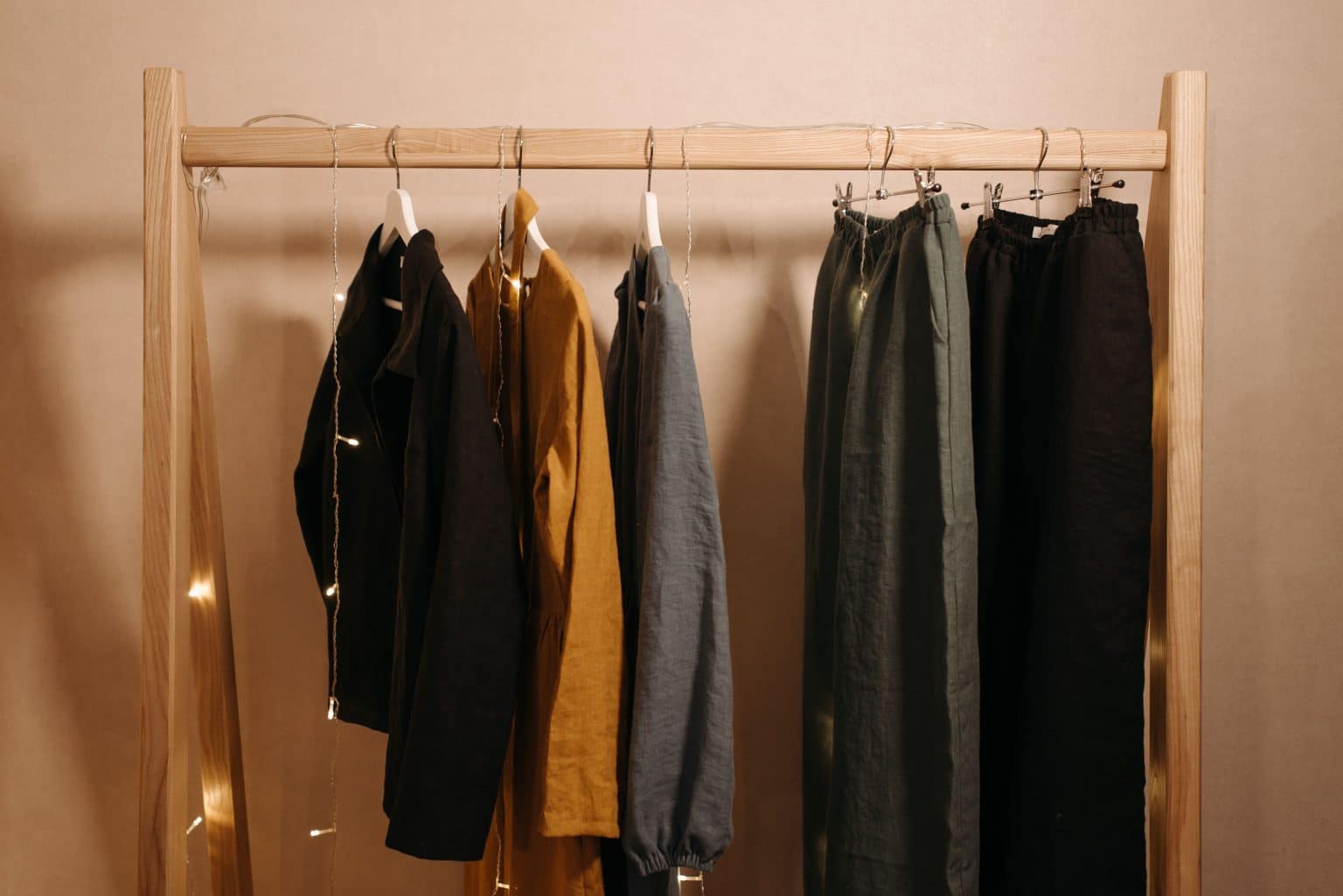
A capsule wardrobe is usually sold as a minimalist ideal. In practice, most people arrive at the idea from a much more ordinary direction: a closet that is completely full and still somehow useless, paired with a bank balance that never quite recovers from the last shopping trip. The pitch is appealing. Fewer clothes, more outfits, less standing in front of a mirror at seven in the morning.
The catch is that building one can get expensive fast. A lot of the advice floating around assumes you can replace an entire closet in a single season, which rather defeats the purpose. A capsule wardrobe is supposed to lower your clothing costs over time. It should not front-load all of that spending into one painful month.
This guide takes the slower route. It covers what a capsule actually is, how to figure out a realistic number, how to manage the money side, and where people tend to overspend without noticing.
What a Capsule Wardrobe Actually Is
A capsule wardrobe is a small, deliberate set of clothing where nearly every piece works with nearly every other piece. Most versions land somewhere between 25 and 40 items per season, though the exact count matters far less than the principle behind it.
That principle is coordination. When your pieces share a consistent color range and a consistent level of formality, a modest number of items produces a surprising number of outfits. Thirty coordinated pieces can outperform a hundred random ones.
Coordination is also what saves money. You stop buying things that only work with one other item. You stop buying replacements for gaps you already filled. The purchases get fewer, and the ones you do make get more use.
Start With What You Already Own
Do not shop first. Shop last.
Pull everything out and sort it into three piles: things you wear most weeks, things you wear occasionally, and things you have not touched in a year. The first pile is your real wardrobe, and it is usually smaller than people expect.
Be Honest About the Third Pile
The unworn pile is where the useful information lives. Look at why each item sits there. Poor fit, uncomfortable fabric, a color that clashes with everything else, an occasion that never comes. Those reasons are your buying mistakes, written down in cloth. Recognizing the pattern is what stops you repeating it.
Most people find their genuine daily wardrobe is already close to capsule size. The excess is just noise around it.
Set a Number Before You Set a Style
This is the step people skip, and it is the one that determines whether the whole project stays affordable.
Clothing spending is easy to underestimate because it arrives in small, scattered amounts. According to Bureau of Labor Statistics data, apparel and services account for roughly 2.5 percent of total household spending, which worked out to about $2,000 a year for the average American household in 2024. Divided across twelve months, that is a manageable figure. Spent in two impulsive weekends, it is not.
So pick your annual number first. Then divide by twelve. That monthly figure is your ceiling, and every decision after this point has to fit inside it.
If your capsule needs twelve new pieces and your budget allows for two purchases a month, the build takes six months. That is fine. A capsule assembled gradually tends to be better than one assembled in a rush, because you learn what you actually reach for as you go.
Where Your Clothing Money Lives
A budget only works if you can see the money. This is where the mechanics of everyday banking matter more than most style guides are willing to admit.
Your primary transaction account is the hub for all of this. Paychecks land there. Bills come out of it. Debit card purchases draw down from it in real time. If you have ever wondered what a checking account does beyond simply holding cash, the practical answer is that it manages money in motion — deposits coming in, payments going out, with immediate access through debit cards, transfers, and direct payments. A savings account is designed to keep money still. A transaction account is designed to move it.
That distinction turns out to be genuinely useful here. Because clothing purchases are discretionary and irregular, they blend into general spending and become invisible. You never see the total.
One straightforward fix is to open a second account used only for discretionary spending. On the first of the month, an automatic transfer moves your clothing allowance across. When that balance hits zero, the month is over. No spreadsheet required, no willpower required. The account itself does the enforcing.
Two things are worth checking when you set this up. First, look at the fee structure, since monthly maintenance charges and overdraft fees can quietly erode a small balance. Second, confirm that automatic transfers between your accounts are free and can be scheduled. Both features are common, but they are not universal.
Build the Foundation First
Start with the pieces that appear in the most outfits. Neutral trousers, well-fitting denim, a few plain tops, one layer that works over most of it, and shoes you can walk in for hours.
These are boring purchases. They are also the ones that determine whether the rest of the wardrobe functions.
Statement pieces come later. They are cheaper to add once the foundation exists, because a single interesting item can refresh a dozen combinations. Buy them first and you end up with a closet full of highlights and nothing to anchor them.
Fewer Pieces, Better Chosen
Cost per wear is the only metric that matters. A €40 shirt worn twice is expensive. A €120 coat worn four hundred times is not.
Check the construction before the price tag. Look at seam finishing, fabric weight, and how the garment sits when you move. Natural fibers and blends with a high natural content generally outlast pure synthetics, though there are exceptions in both directions.
The environmental case runs parallel to the financial one. The EPA estimates that Americans generated around 17 million tons of textile waste in a single year, with only a small fraction recycled. Buying less and keeping it longer addresses both problems at once.
Time Your Purchases
Retail follows a predictable rhythm. Seasonal stock arrives, sits at full price, then discounts as the next season approaches. Winter coats are cheapest in late winter. Summer pieces bottom out in August.
Since a capsule is built gradually anyway, you can simply wait. Keep a short list of what you still need and buy those specific items when they hit their low point. The list is important. Without it, sales become an excuse rather than a tool.
Second-hand markets deserve a mention too. Resale platforms and consignment shops carry well-made pieces at a fraction of retail, and the quality of construction is often easier to assess on a garment that has already survived a few years of wear.
Budget for Upkeep, Not Just Purchases
Clothes have running costs. Tailoring, resoling, dry cleaning, replacement buttons, the occasional repair. None of it is expensive individually, but it adds up, and it belongs in your monthly figure rather than arriving as a surprise.
A basic alteration is often the cheapest way to improve a wardrobe. Adjusting a hem or taking in a waist costs a small amount and can turn something you tolerate into something you reach for.
Where People Go Wrong
Three mistakes account for most of the overspending.
Replacing everything at once. The urge to start clean is strong. It is also the fastest way to spend three months of budget in one afternoon on pieces you have not tested.
Copying someone else’s list. Capsule templates assume a life that may not resemble yours. A wardrobe built for an office does not serve someone who works from home.
Treating the capsule as permanent. Bodies change, jobs change, climates change. A capsule is a working system, not a finished object. Reviewing it each season costs nothing and prevents slow drift back into clutter.
Final Thoughts
Building a capsule wardrobe on a budget comes down to sequencing rather than sacrifice. Understand what you already have, decide what you can genuinely spend each month, keep that money somewhere it stays visible, and then buy slowly against a specific list.
The process is unglamorous, and that is largely the point. The result is a closet that costs less to maintain, takes less time to use, and stops generating the low-level frustration that a disorganized wardrobe produces every morning. Done properly, the savings compound quietly for years after the initial work is finished.