
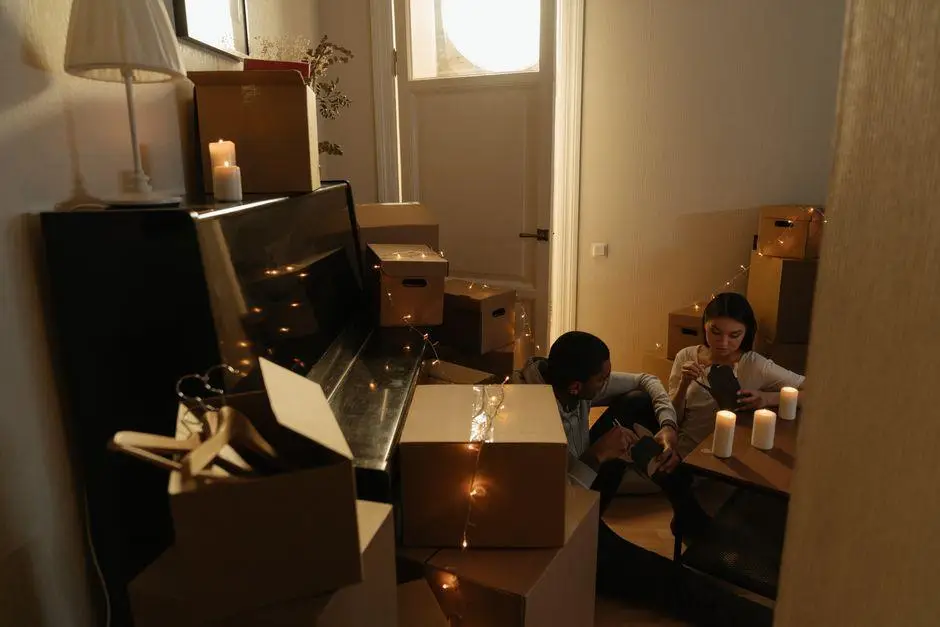
Moving into a new place can feel exciting, weird, and a little like living inside a maze of cardboard. Even when the house is great, it may not feel like yours right away. That part takes a bit of time and a few smart choices. The good news is you don’t need a giant budget or a design degree to settle in. You just need a plan, a little patience, and a few comfort-first ideas that help your space stop feeling new and start feeling like home.
Plan the First Week
The first week sets the mood for everything that comes next. If that week feels chaotic, the whole move can drag on longer than it should. Before moving day, make a short list of what has to happen first. Think sleeping, showering, eating, and finding your phone charger before it vanishes into box land.
If you’re relocating from far away, it helps to line up a reliable cross-country moving company well before the move. That way, you can focus less on logistics and more on getting your new home ready to function. The goal isn’t perfection. It’s making the place usable fast.
Set three priorities for day one: make the bed, stock the bathroom, and clear a kitchen surface. Those wins sound small, but they make a huge difference. You’ll feel less like a visitor and more like someone who actually lives there.
Unpack With Purpose
It’s tempting to tear into boxes like it’s a birthday party, but random unpacking creates random mess. Start with the rooms that support daily life. Your bedroom should come first because a good night’s sleep fixes many moving-day sins. The bathroom is next, then the kitchen.
Try unpacking by function, not by box label alone. If a box says “miscellaneous,” that tells you almost nothing. If you know it contains coffee filters, scissors, and paper towels, suddenly it becomes useful. Keep one donation bag and one trash bag nearby as you unpack. You’ll avoid stuffing closets with things you already know you don’t want.
Visible progress matters too. Even one finished room can calm your brain. A neat bed, clear sink, and working coffee corner can make the whole home feel more settled. You don’t need every shelf styled by Friday. You just need less chaos and more breathing room.
Start With Soft Layers
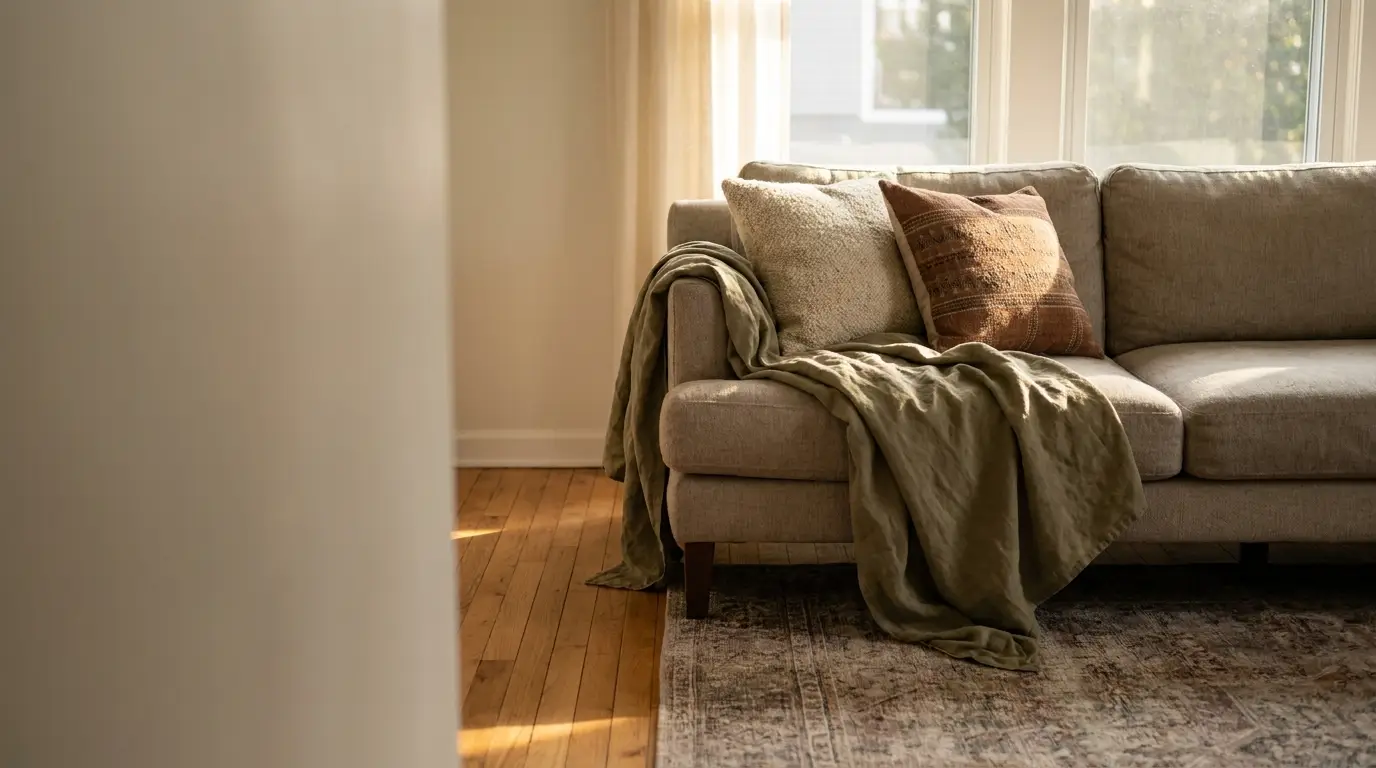
If a room feels cold or unfinished, soft textures can rescue it fast. Hard floors, bare windows, and empty walls often make a house feel echoey. That’s normal. Fabric is your shortcut to warmth.
Start with what you use every day. Put real bedding on the bed, not just the emergency blanket you grabbed on night one. Hang curtains, even simple ones. Roll out a rug where your feet land in the morning. Toss a blanket over the sofa and add a couple of pillows that don’t look like they came free with sadness.
These changes do more than decorate. They soften noise, add color, and make the room feel lived in. You don’t need everything to match perfectly. In fact, a home usually feels better when it looks collected over time, not copied from a catalog. Comfort beats showroom vibes almost every time.
Use familiar details
One of the quickest ways to feel at home is to see your own life reflected around you. That means bringing out the things that are personal, useful, and a little comforting. Think framed photos, your favorite mug, a beat-up cookbook, or that lamp you’ve moved three times because you weirdly love it.
These objects tell your brain, “Yep, this is our place now.” They also help a new house stop looking like a blank rental or a model home. You don’t have to display everything at once. Just start with a few things that carry memory or routine.
Books are great for this. So are baskets, trays, and small keepsakes from trips or family events. Even a bowl by the door for keys can create a sense of order and belonging. Homey details don’t need to be fancy. They just need to feel like you.
Fix the Awkward Spots
Every home has at least one odd area. Maybe it’s the dark corner in the living room, the wall that seems too big for everything, or the chair that suddenly looks way too tiny. This is where many people freeze. Don’t. Awkward spots are normal, not proof that your furniture is plotting against you.
Start with lighting. A floor lamp can wake up a dead corner in seconds. If a room echoes, add a rug, curtains, or even a fabric chair. If furniture placement feels off, pull pieces away from the walls and test a new layout. Rooms often work better when they’re arranged for conversation and movement, not just lined up like students at assembly.
For empty corners, try a plant, a basket, or a small side table. For oversized walls, use one larger piece of art instead of several tiny ones floating around like confused ducks. Simple fixes usually work best.
Create Easy Routines
A house starts feeling like home when life happens in it the same way, day after day. That doesn’t mean strict schedules. It means small routines that make the space feel familiar. Make coffee in the same spot each morning. Open the curtains after breakfast. Do a ten-minute tidy before bed.
These habits create rhythm, and rhythm creates comfort. You begin to know where things belong and how the home supports your day. That’s when the space shifts from “the new place” to just “home.” Weekend rituals help too. You might freshen flowers, wash sheets, or rearrange one small area that still feels unfinished.
Don’t rush the process. A comfortable home usually grows into itself. One room clicks, then another, and suddenly the whole place feels easier to live in. That’s the real goal. Not perfect styling. Just a space that helps you exhale, kick off your shoes, and know you belong there.