

Small rooms can quickly feel crowded when furniture, storage, and decor compete for limited space. The right choices can turn a tight area into a comfortable, practical home.
I have been working on layouts and styling ideas that focus on everyday comfort. How to decorate a small space often starts with choosing pieces that fit the room and serve a purpose.
While planning small spaces, I have noticed that smart placement and simple updates can create a better flow. From compact furniture to practical storage, small changes can improve how a room looks and works.
These ideas share simple ways to arrange, organize, and decorate small areas effectively. Create a home that feels balanced, functional, and comfortable with thoughtful decorating choices.
Why Small Spaces Feel Bigger Than They Are
Room size is only one part of how a small space feels. The layout, lighting, and decor choices can change the way a room looks and feels without changing its actual dimensions.
Keeping floor areas open helps rooms appear larger and easier to use. Fewer well-placed pieces often work better than filling every corner with furniture or accessories.
Natural light and soft colors can make rooms feel brighter and more open. Using height with tall shelves or higher curtains can also add a sense of space.
Small spaces do not need extra square footage to feel comfortable. Smart choices in placement, storage, and styling work better.
Unlocking Your Room’s Potential: A Quick Overview
Every small space has more potential than it first appears. The right mix of furniture, storage, color, and layout can completely change how a room feels and functions, without adding a single square foot.
| Category | Main Focus |
|---|---|
| Furniture | Space-saving and flexible pieces |
| Storage | Hidden and vertical storage options |
| Living Room | Comfortable layouts and open movement |
| Bedroom | Simple setups and practical storage |
| Kitchen | Better organization and clear surfaces |
| Wall & Decor | Useful styling without clutter |
| Color & Lighting | Brighter and more open feel |
| Layout | Better flow and smart zoning |
Every room has different challenges and possibilities. This table helps you choose the right ideas before exploring detailed solutions for your space.
Furniture Ideas for Small Spaces
The right furniture can make a small room feel more open and practical. Focus on pieces that offer comfort, storage, and flexibility without taking up unnecessary floor space.
Smart furniture choices help create a balanced layout where every item serves a purpose. From foldable designs to compact seating, the right pieces can improve daily use.
1. Use Multi-Purpose Furniture
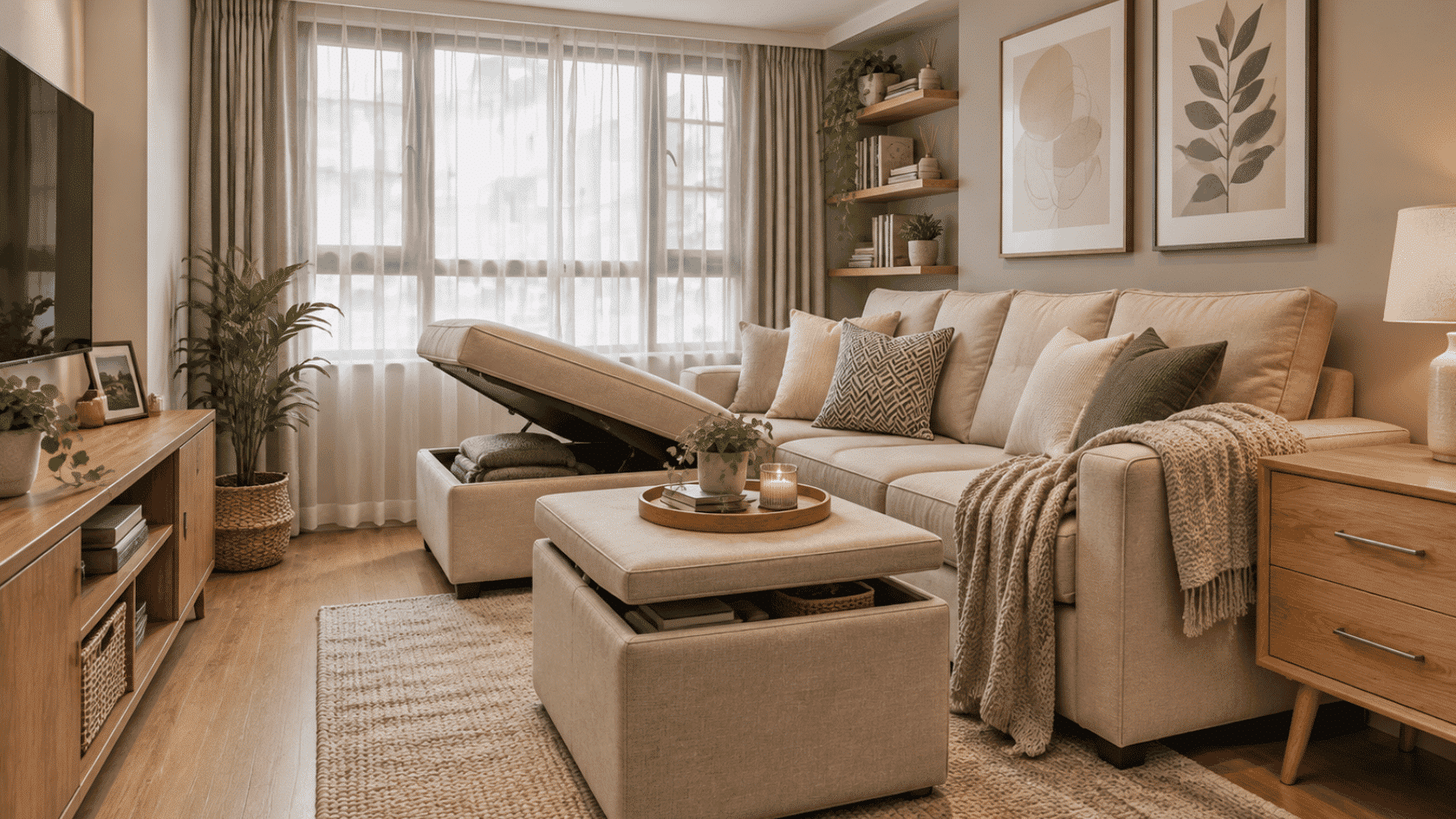
Multi-purpose furniture helps small rooms stay practical by combining different functions in one piece. Storage ottomans, sofa beds, and tables with drawers reduce the need for extra furniture.
These options save space, keep belongings organized, and allow the room to support different activities without feeling crowded.
2. Choose Furniture With Built-In Storage
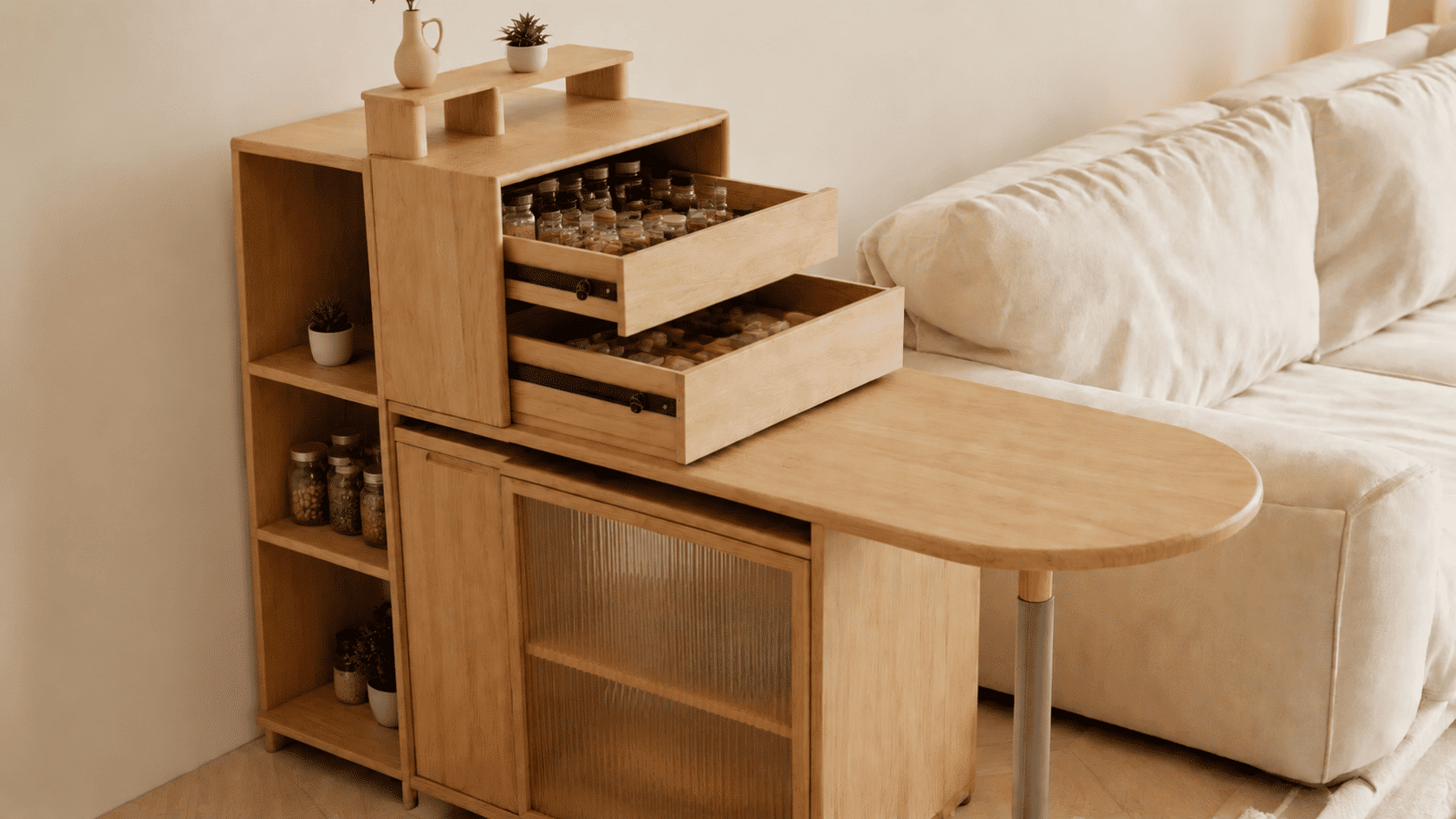
Furniture with built-in storage helps manage belongings while using available space efficiently. Beds with drawers, storage benches, and hidden compartments keep items organized and reduce clutter.
These pieces provide useful storage without adding extra cabinets or taking away valuable floor space in small rooms.
3. Pick Compact Sofas
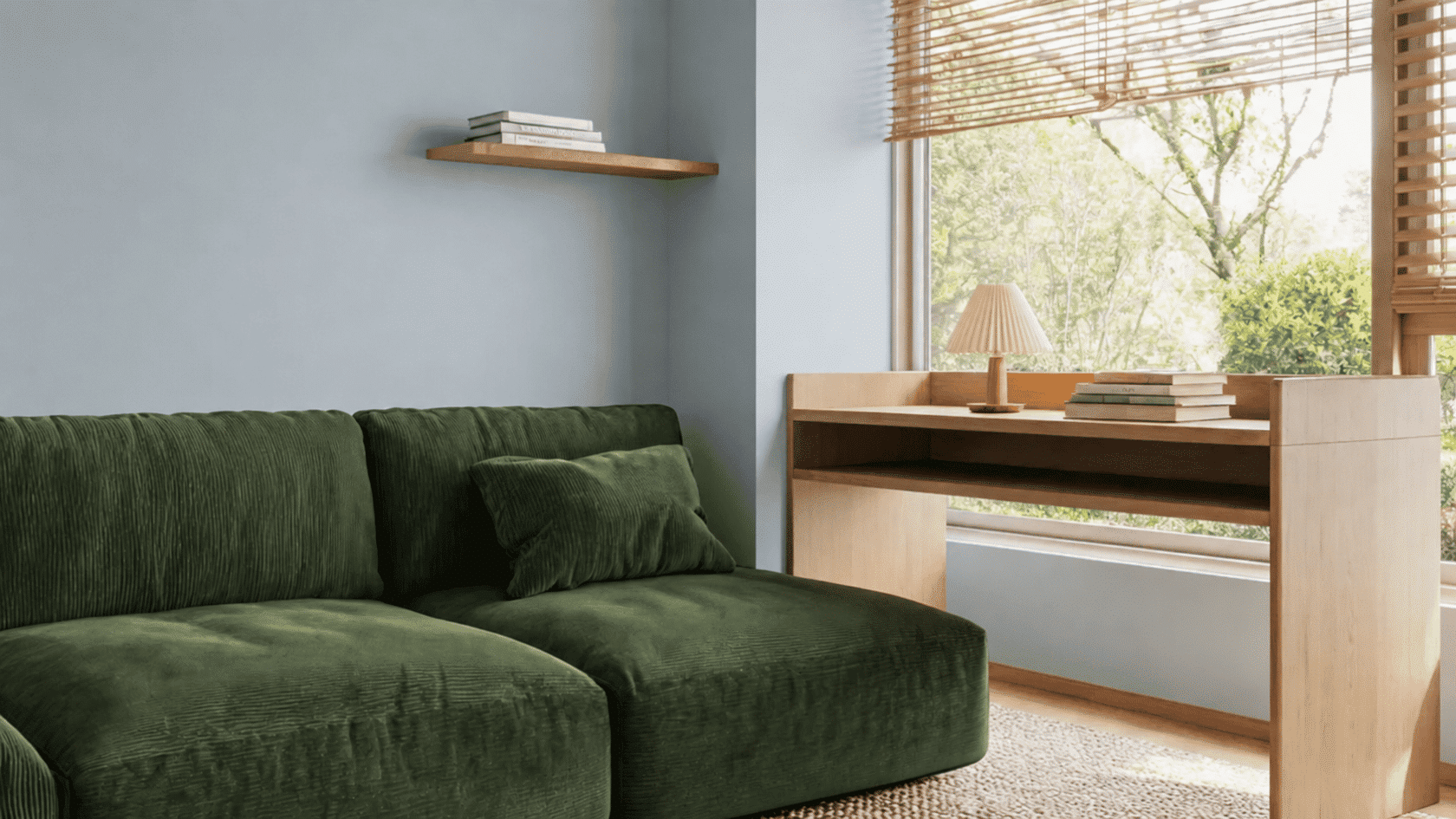
Compact sofas make small rooms easier to arrange and use. Slim seating, armless chairs, and smaller pieces provide comfort while leaving enough space to move around.
Choosing the right size prevents overcrowding and helps maintain a balanced layout with practical seating options.
4. Add a Foldable Dining Table
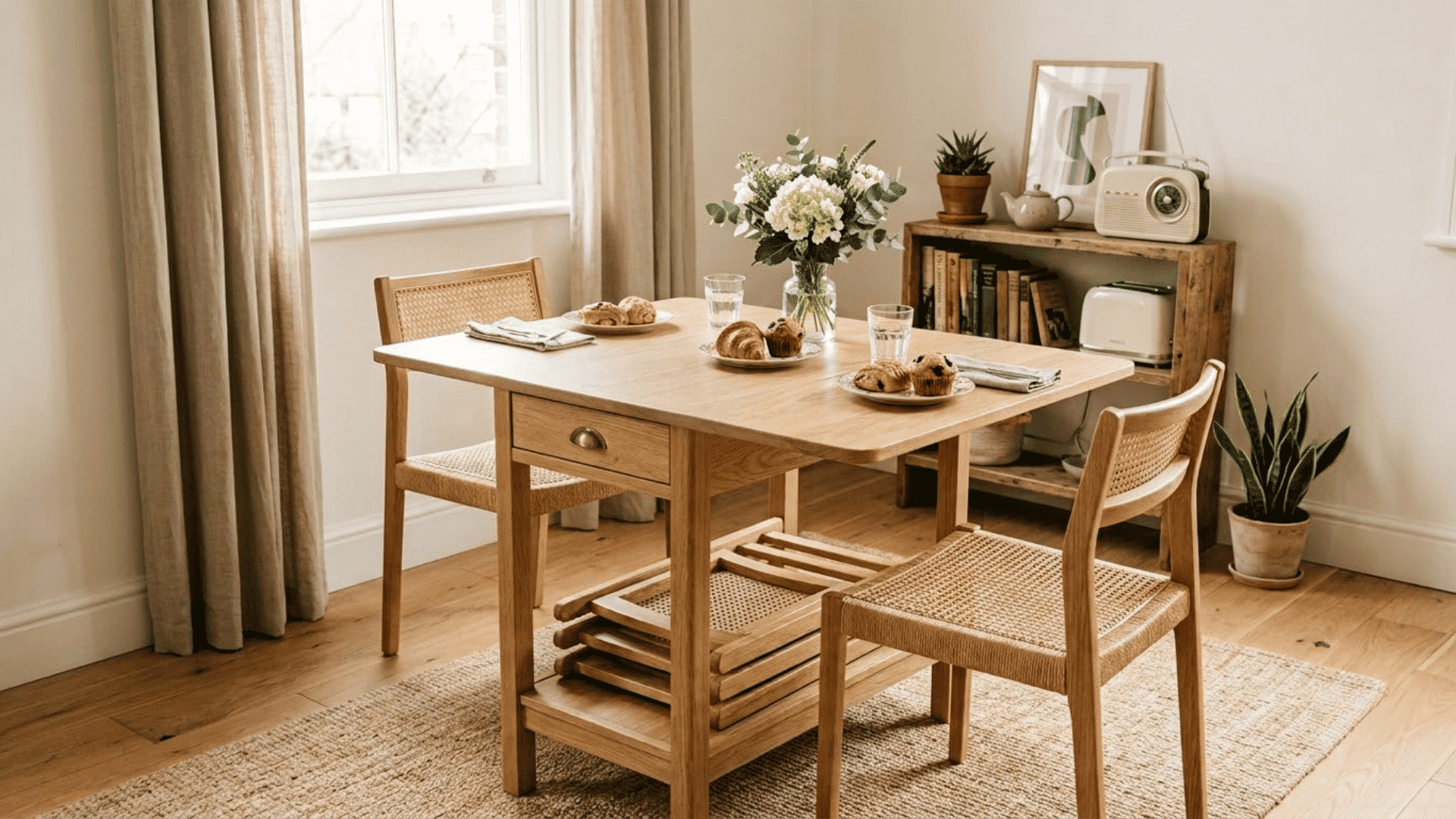
A foldable dining table provides a dedicated eating area without permanently using valuable floor space. It can be opened during meals and folded away afterward for more room.
This option works well for small homes where flexibility and easy movement are important for daily activities.
5. Choose Benches Over Bulky Chairs
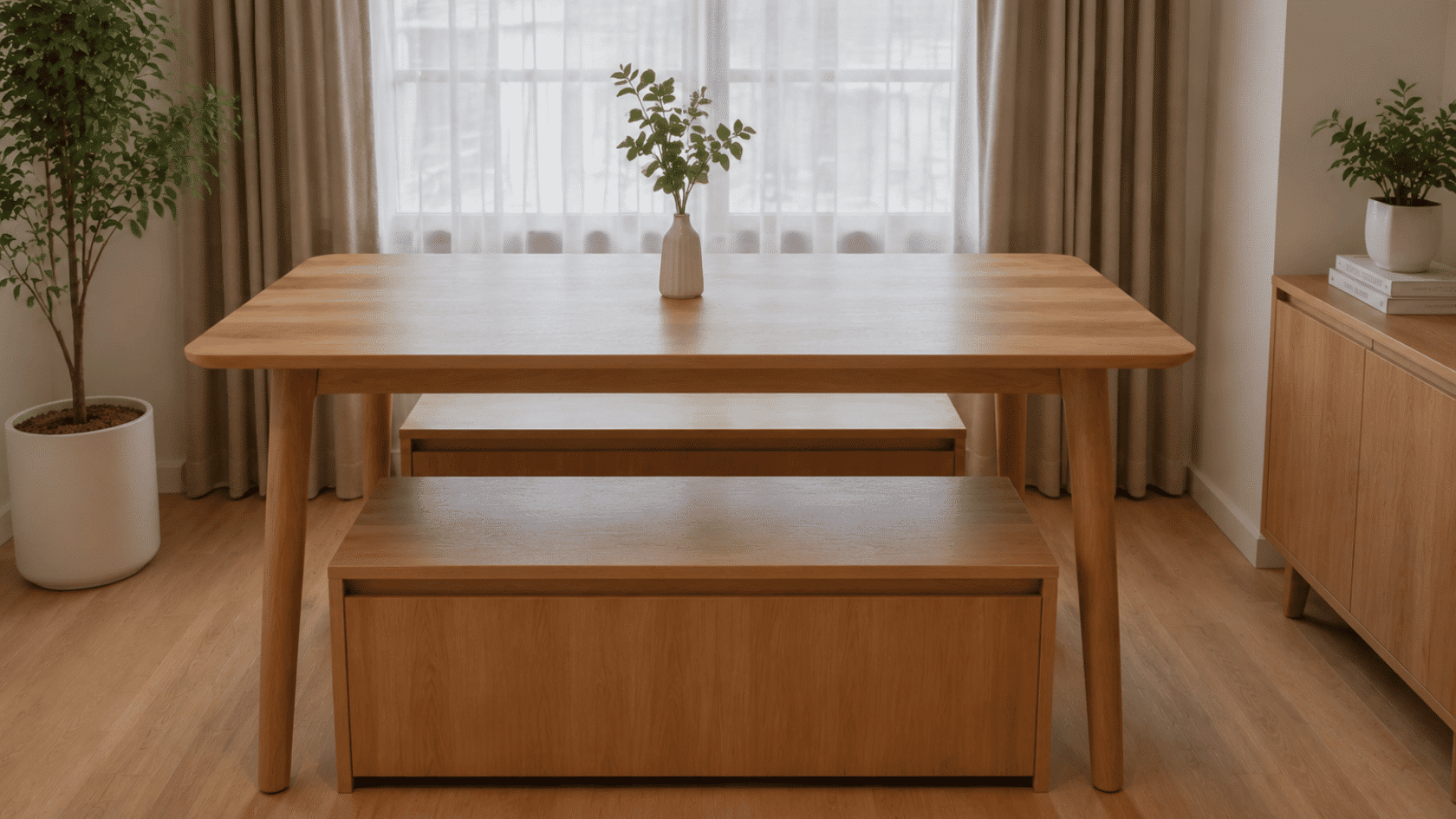
Benches are practical alternatives to bulky chairs in small spaces. They take up less room and can fit easily under tables when not needed.
Storage benches add extra benefits by providing space for shoes, blankets, and other items while keeping the room organized and functional.
6. Add a Daybed for Flexible Use
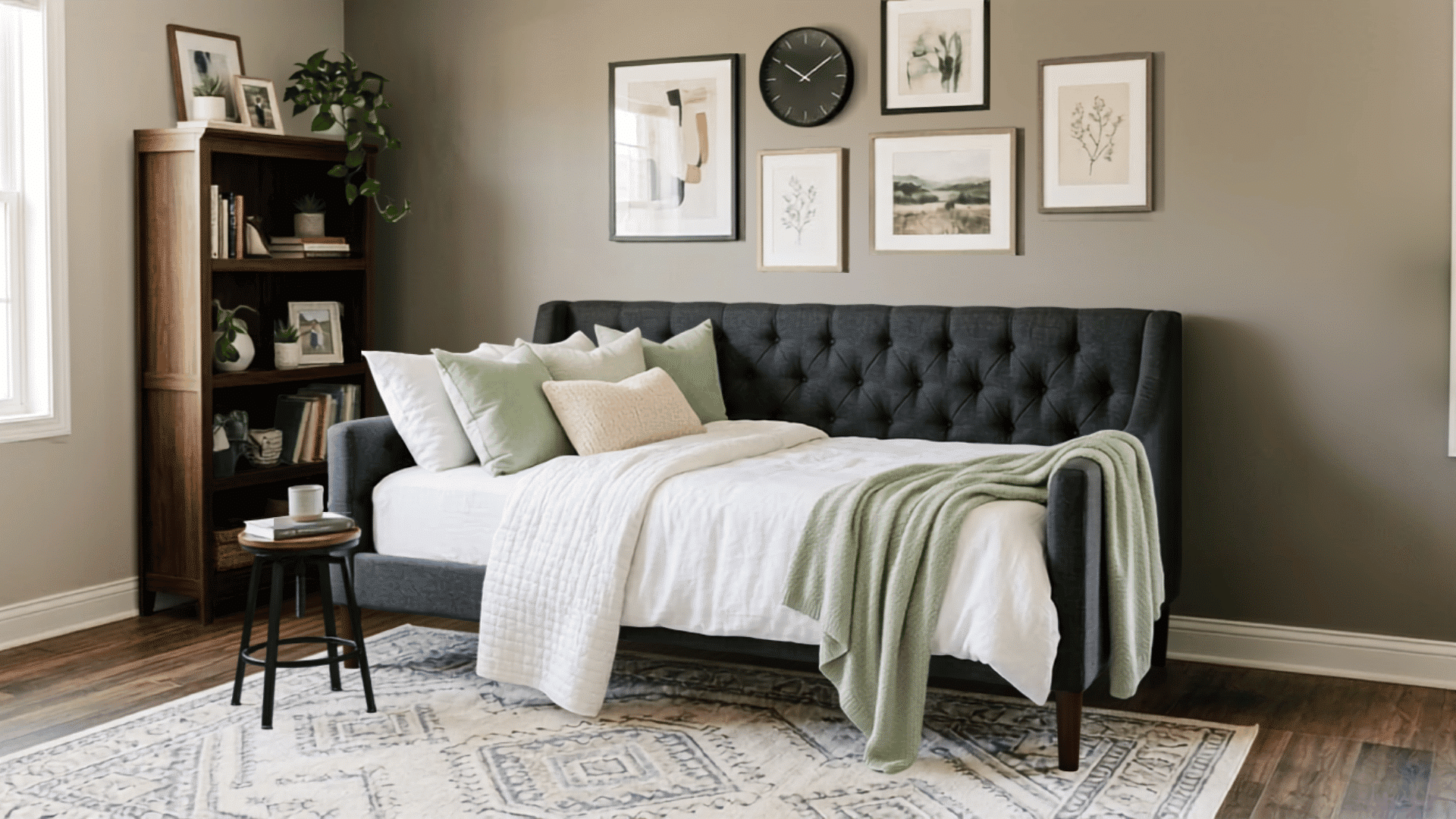
A daybed provides both seating and sleeping space in one piece of furniture. It can work as a sofa during the day and a bed at night.
This makes it useful for studios, guest rooms, or compact areas where flexible furniture choices help save valuable space.
7. Install a Murphy Bed in Small Bedrooms
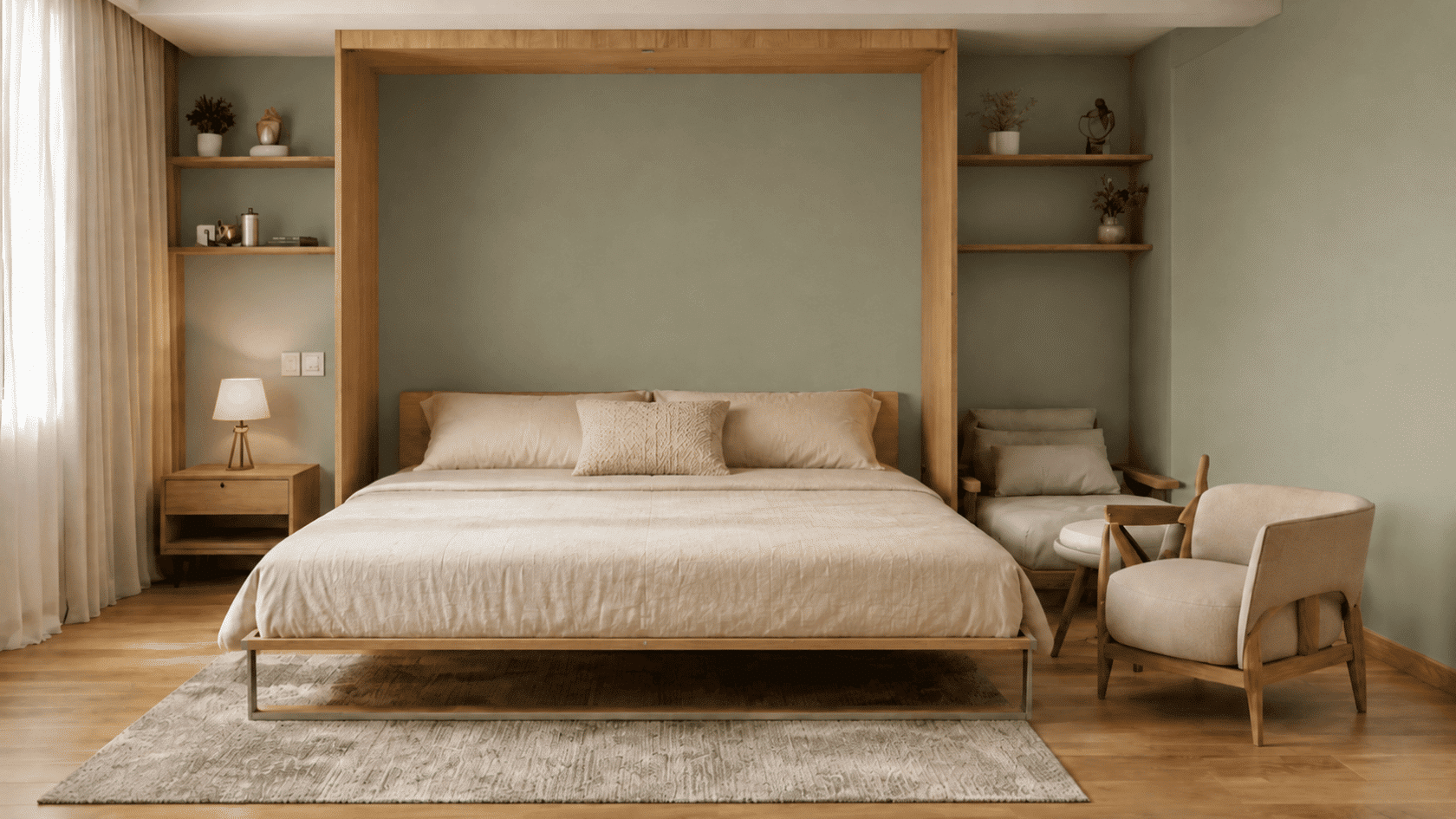
A Murphy bed helps small bedrooms serve multiple purposes by folding into the wall when not in use.
It creates more open floor space during the day and provides a comfortable sleeping area when required. This solution works well for rooms that need extra flexibility.
Storage Ideas to Maximize Small Spaces
Smart storage helps small spaces stay organized and functional. Using walls, hidden areas, and unused corners can create more room without adding extra furniture.
The right storage solutions reduce clutter and keep daily items easily accessible. From shelves to hidden compartments, every option helps make better use of limited space.
8. Install Floating Shelves
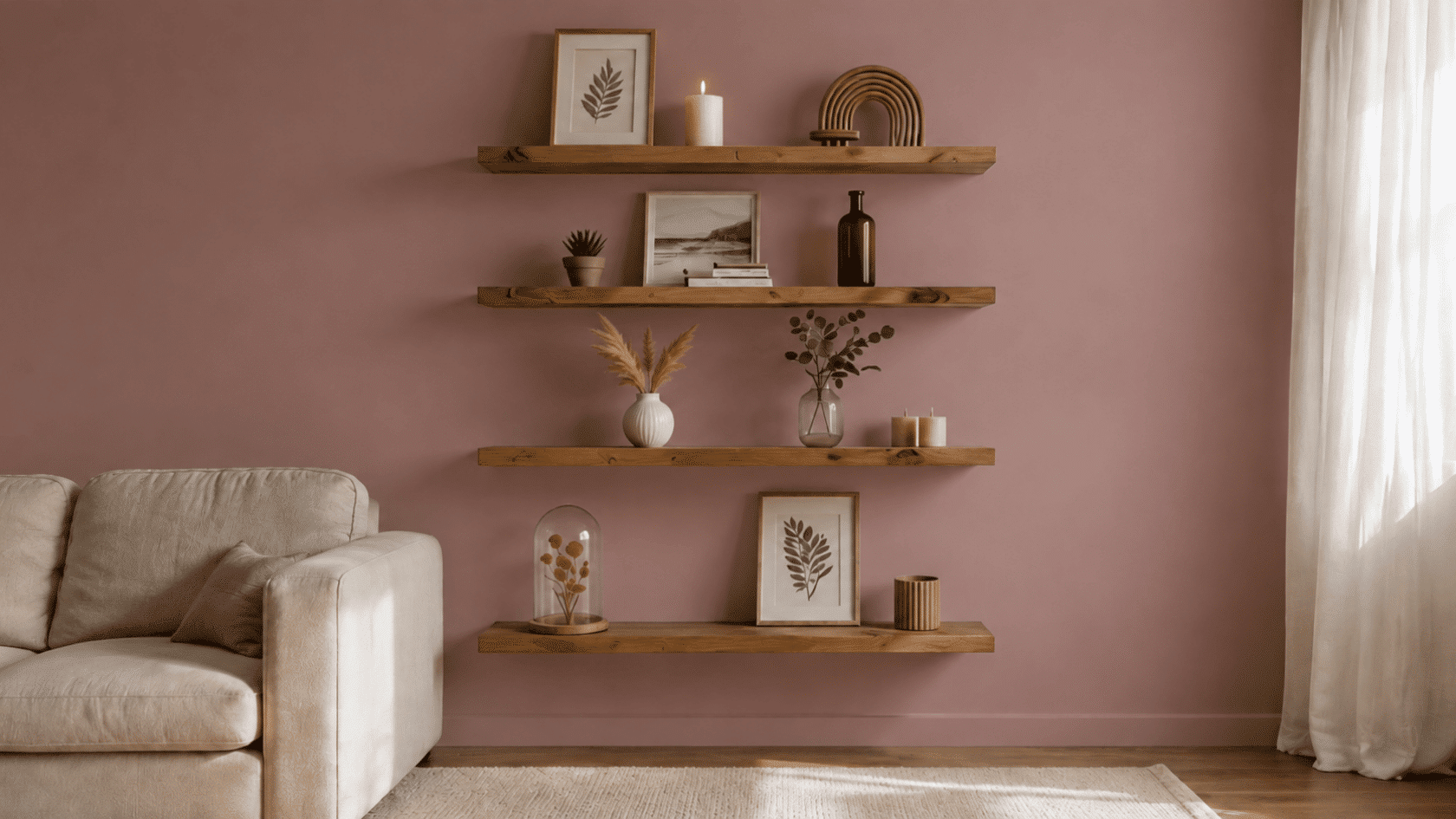
Floating shelves add storage without using floor space, making them suitable for small rooms. They can hold books, plants, and decorative items while keeping walls useful.
These shelves provide easy access to belongings and help organize items without making the room feel crowded.
9. Use Wall-Mounted Cabinets
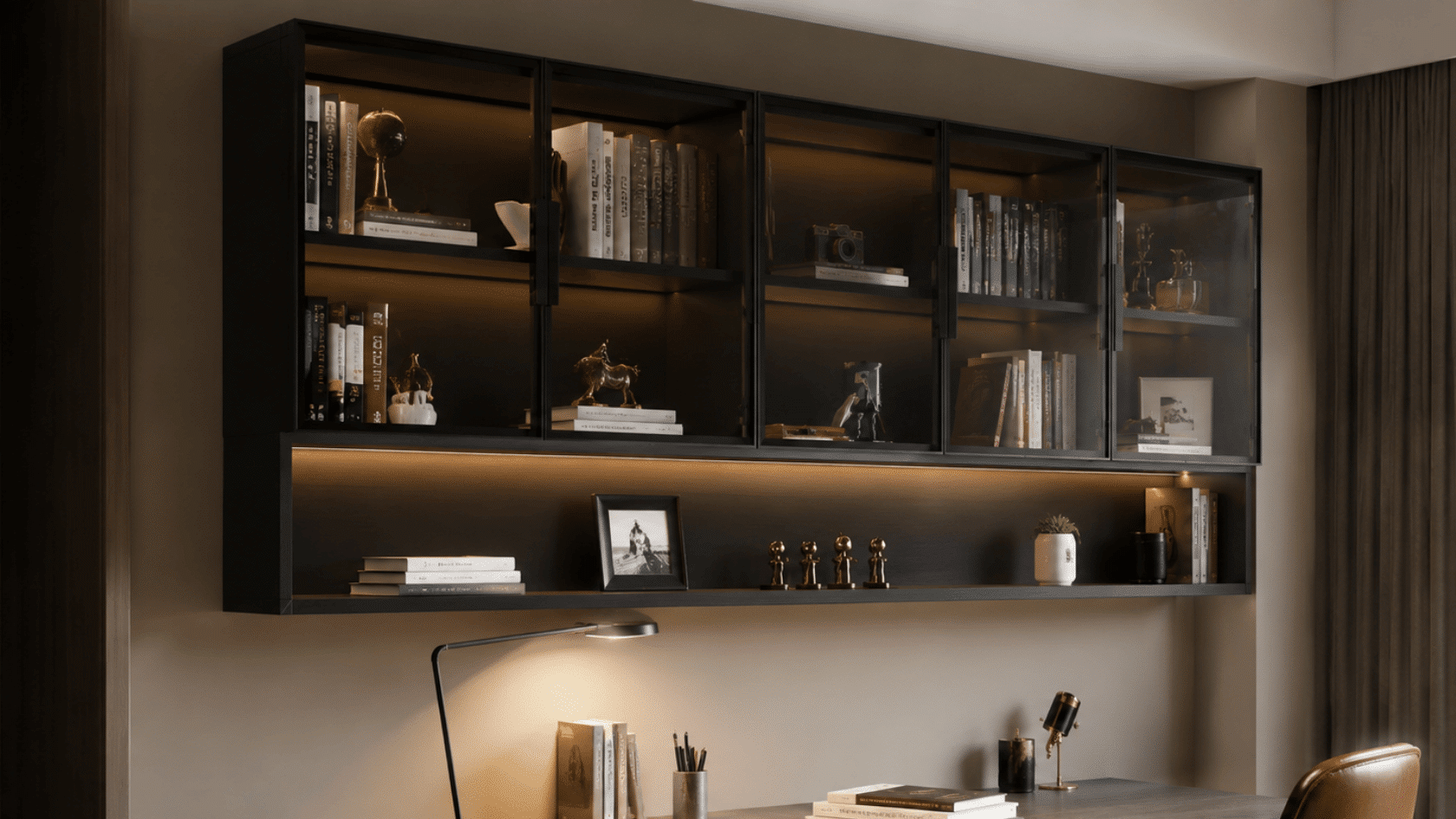
Wall-mounted cabinets provide enclosed storage while keeping floor areas open. They are useful above desks, counters, and beds for storing everyday items.
These cabinets help reduce clutter, improve organization, and create more usable space in compact rooms without adding bulky furniture.
10. Add Storage Under the Bed
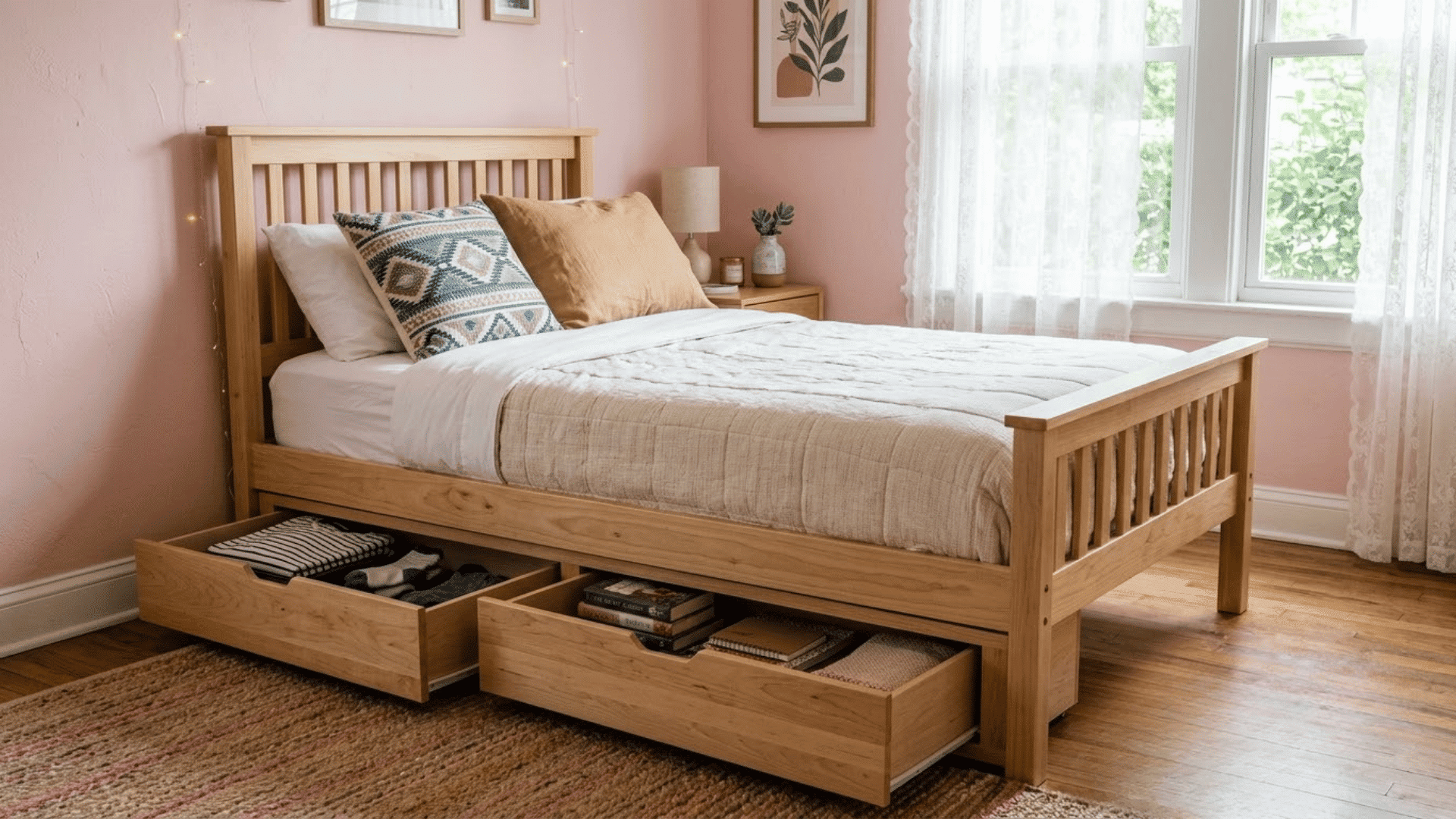
The space under the bed can become useful storage for clothes, bedding, and other household items. Storage drawers, boxes, or beds with built-in compartments help keep belongings organized.
This solution saves floor space while keeping essential items stored neatly and easy to access.
11. Use Storage Baskets for Small Items
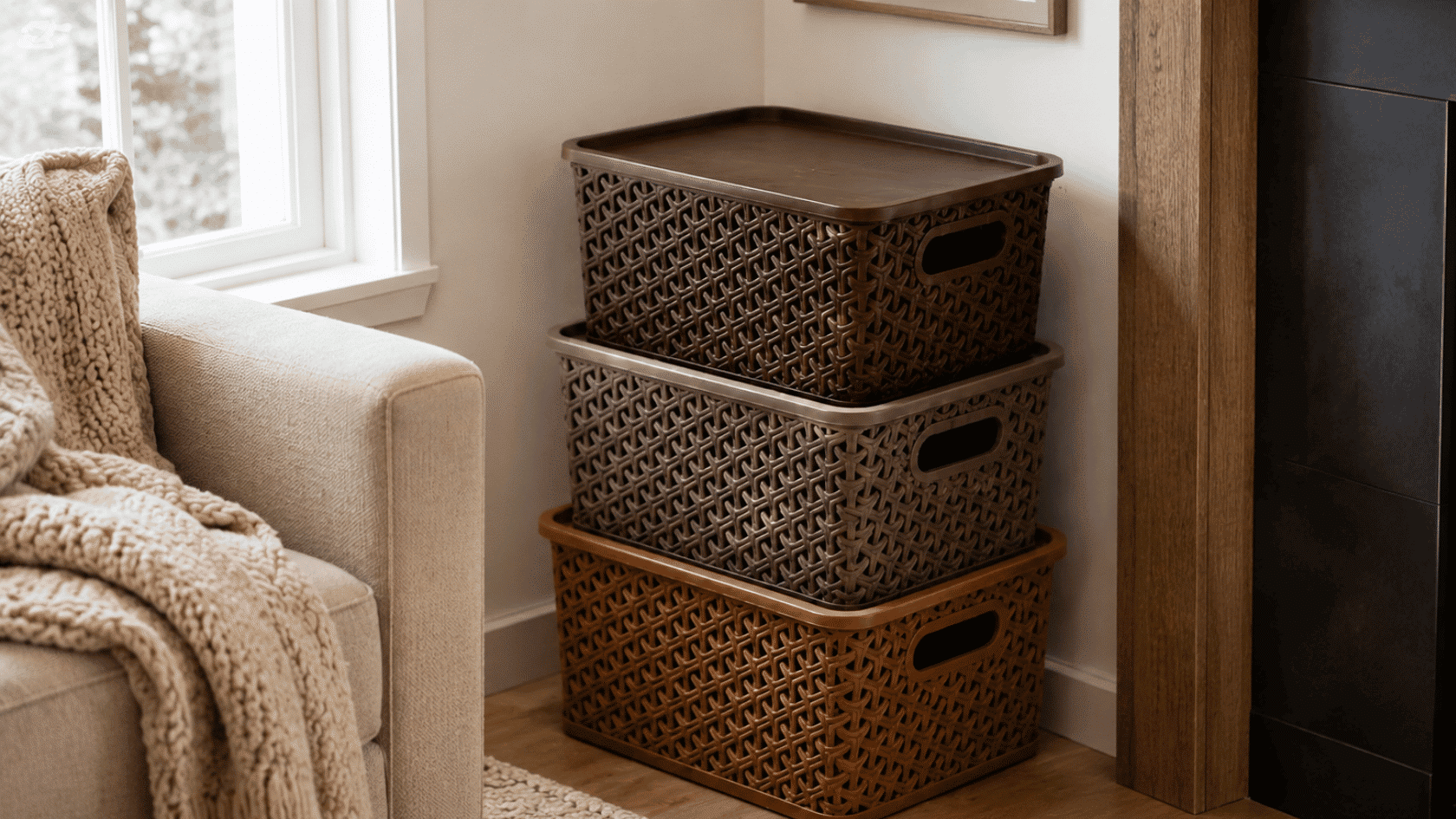
Storage baskets help organize small belongings like chargers, accessories, toys, and daily essentials. They can be placed on shelves, under furniture, or inside cabinets.
These simple storage options reduce clutter, keep surfaces cleaner, and make frequently used items easier to find.
12. Cozy Corner Setup
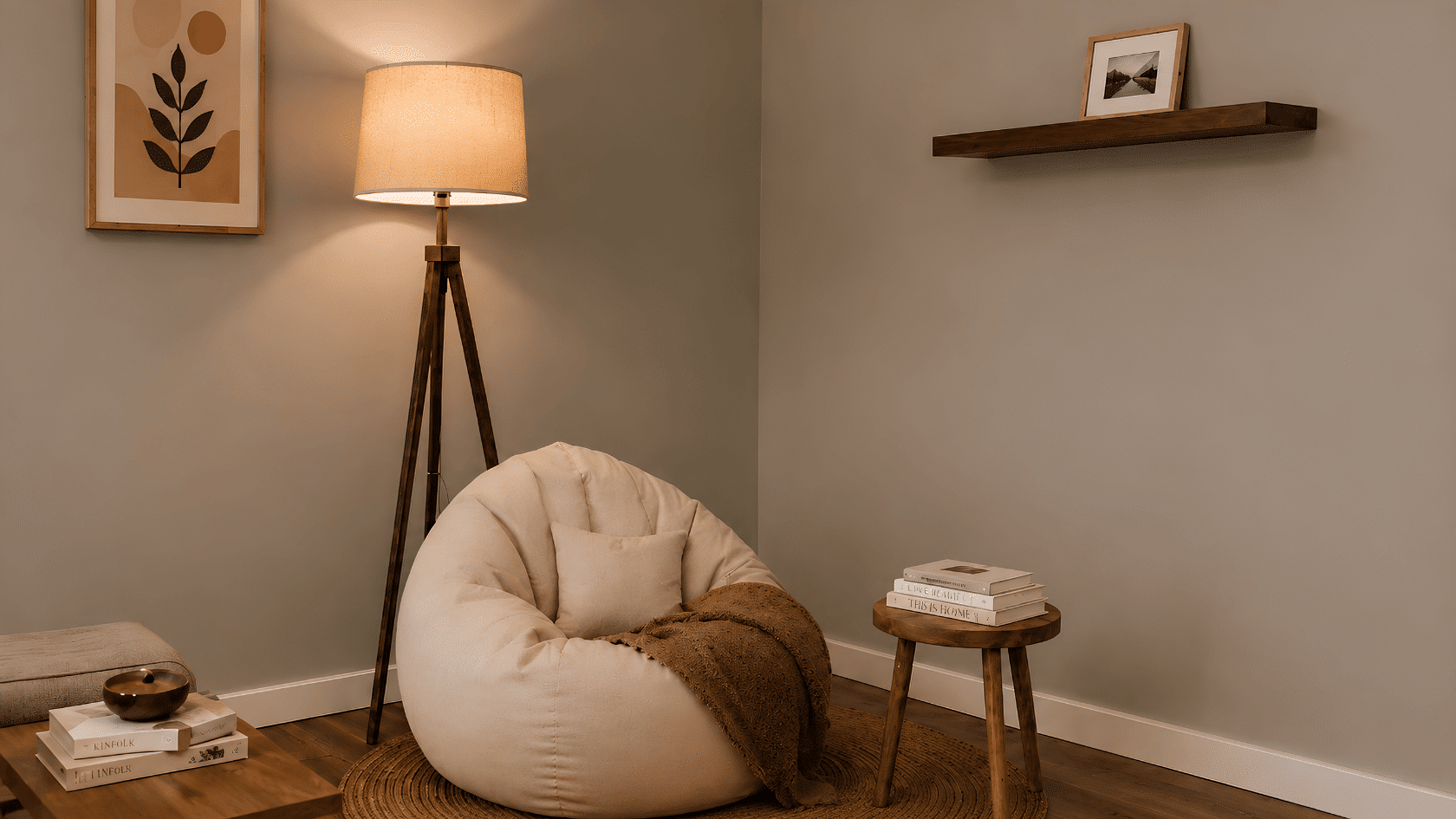
Unused corners can become useful areas with the right additions. Corner shelves, small desks, or storage units can turn empty spaces into practical spots.
This approach helps use every part of a small room while adding extra function without taking up much floor area.
13. Add Storage Behind Doors
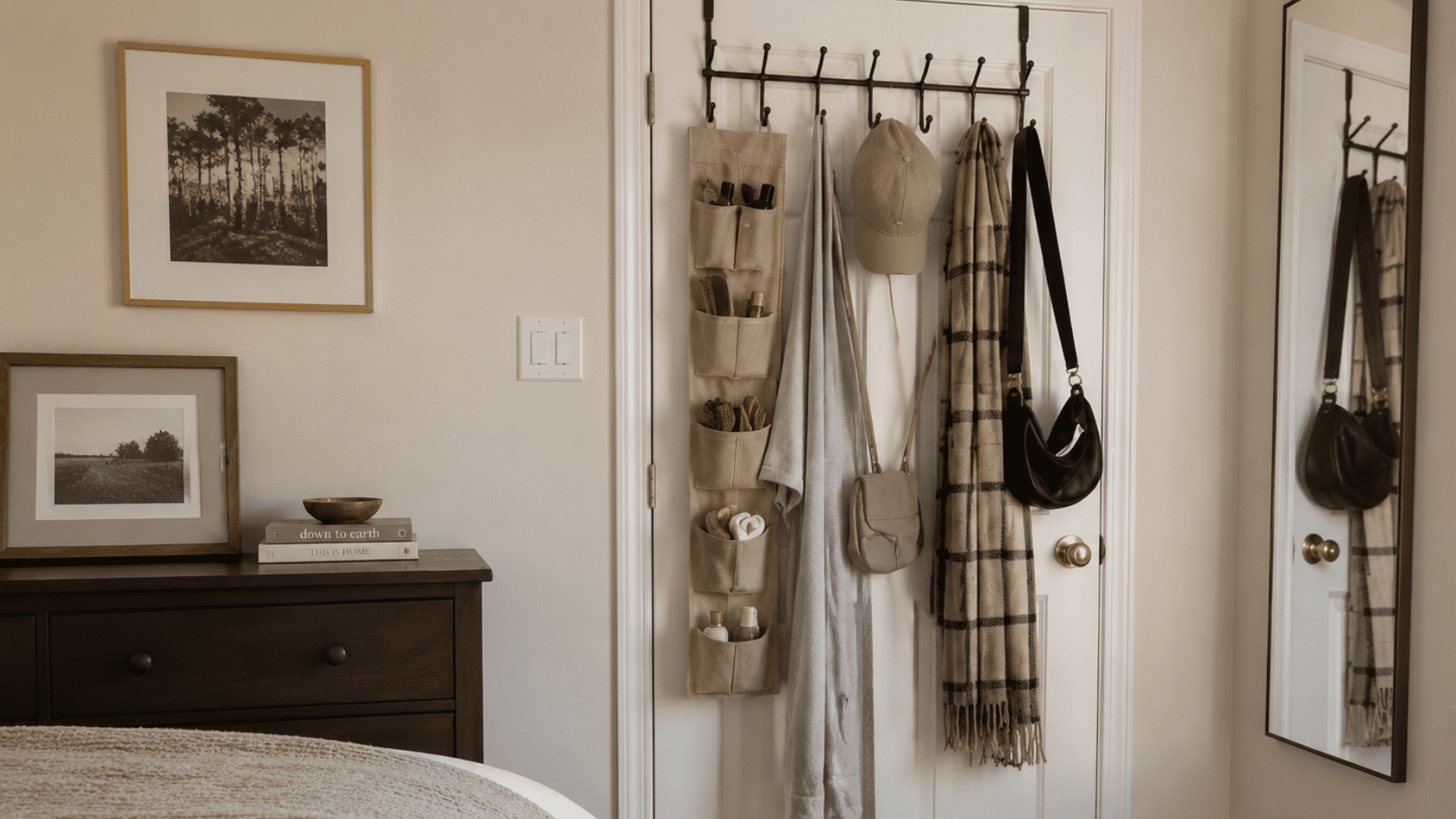
The space behind doors offers extra storage opportunities without affecting room size. Hooks, racks, and organizers can hold shoes, accessories, cleaning supplies, and small items.
This hidden area helps reduce clutter and keeps important belongings organized without adding more furniture.
14. Use Tall Cabinets to Save Floor Space
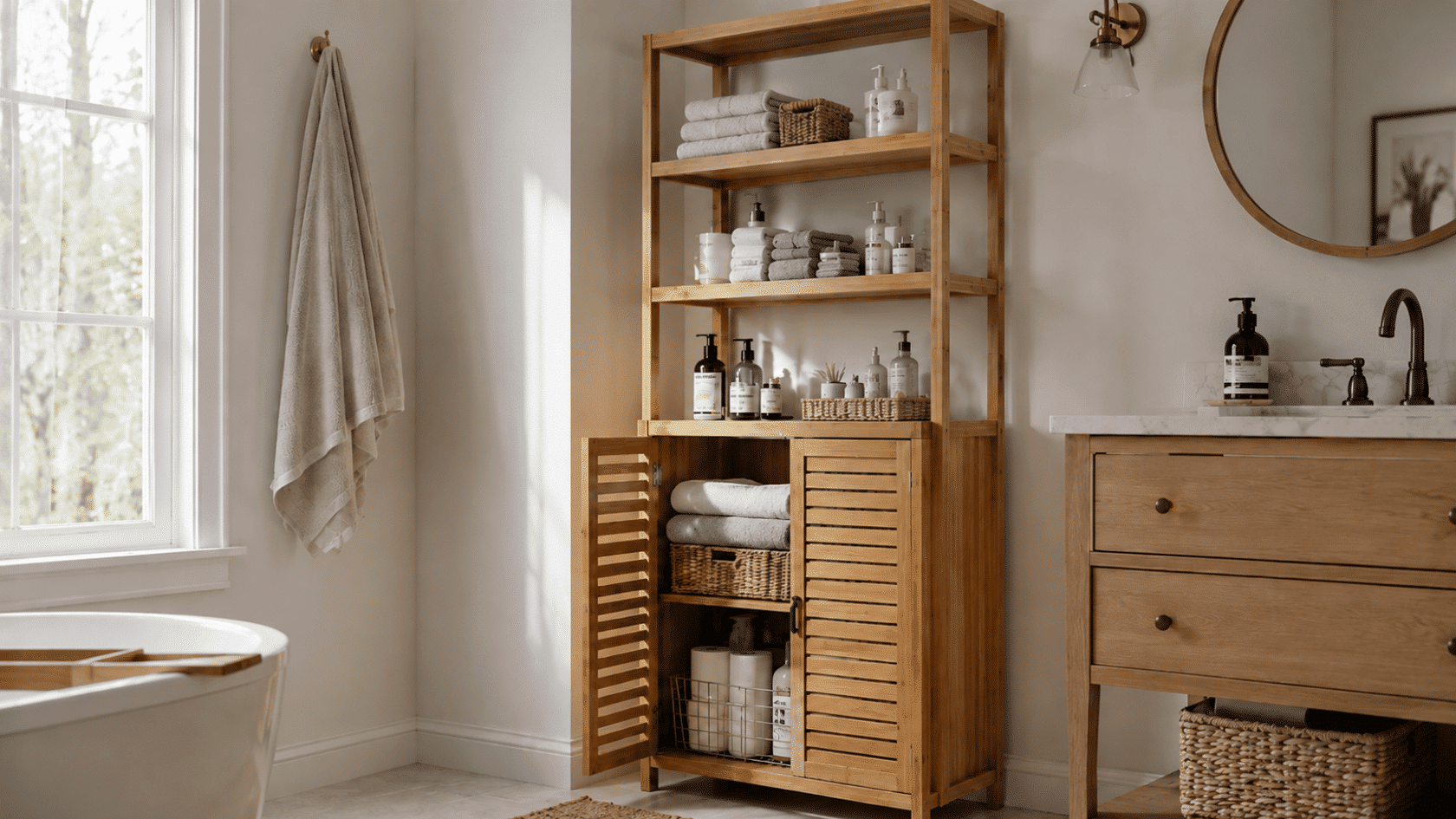
Tall cabinets use vertical space while keeping the floor open. They provide storage for kitchens, bathrooms, and closets where space is limited.
These cabinets can hold everyday essentials efficiently and help maintain a cleaner, more organized room layout.
15. Organize Items With Hidden Storage Solutions
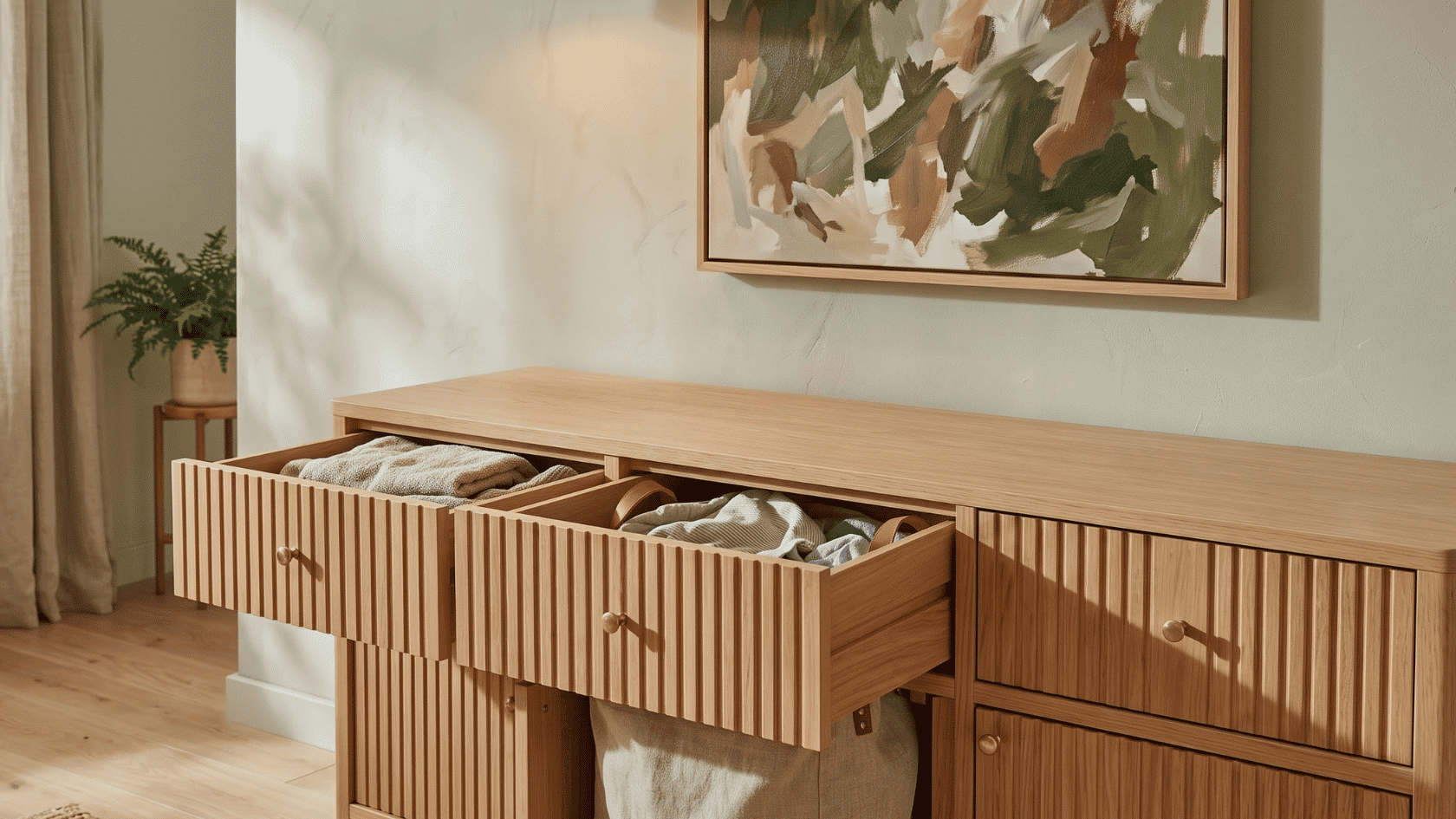
Hidden storage solutions help maintain a neat appearance by keeping items inside furniture compartments. Storage ottomans, built-in drawers, and concealed shelves provide practical storage options.
They reduce visible clutter while making belongings easier to manage in small rooms with limited space.
Small Living Room Decorating Ideas
A small living room needs a balance of comfort, style, and open space. The right furniture placement, lighting, and decor choices can make the area feel more practical and inviting.
Simple updates like clear walkways, compact furniture, and smart wall solutions help create a more organized room. Use each corner without making the space look crowded.
16. Use a Small Coffee Table
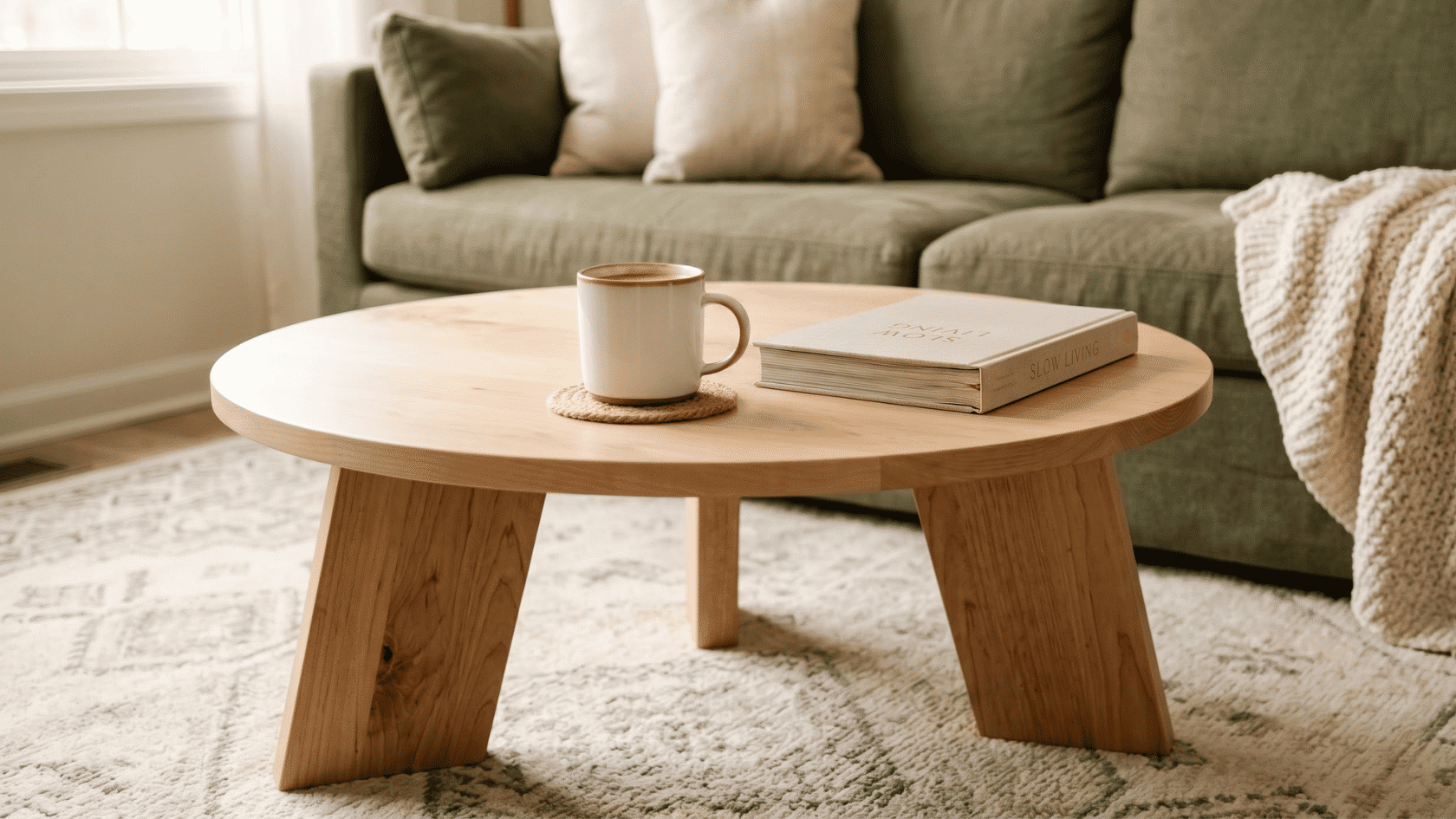
A small coffee table provides useful surface space without making the living room feel crowded. It can hold drinks, books, and decorative items while leaving enough room to move around.
Choosing the right size helps maintain comfort and use available floor space more effectively.
17. Add a Large Mirror to Create More Space
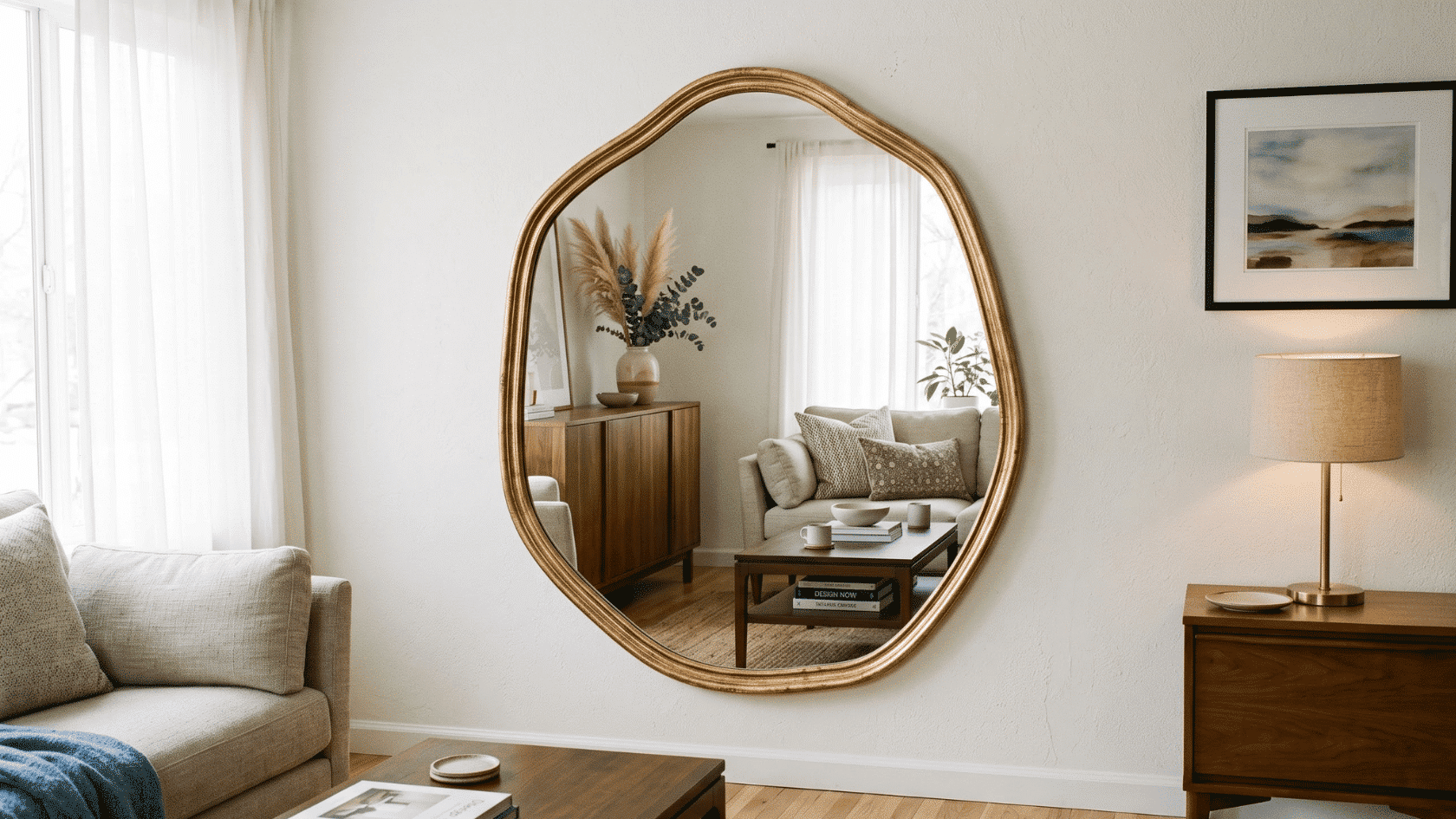
A large mirror can make a small living room appear more open by reflecting light. Placing it near windows or opposite light sources improves brightness.
Mirrors also add depth to the room while helping create a more spacious feeling without changing the actual size.
18. Use Light-Colored Furniture
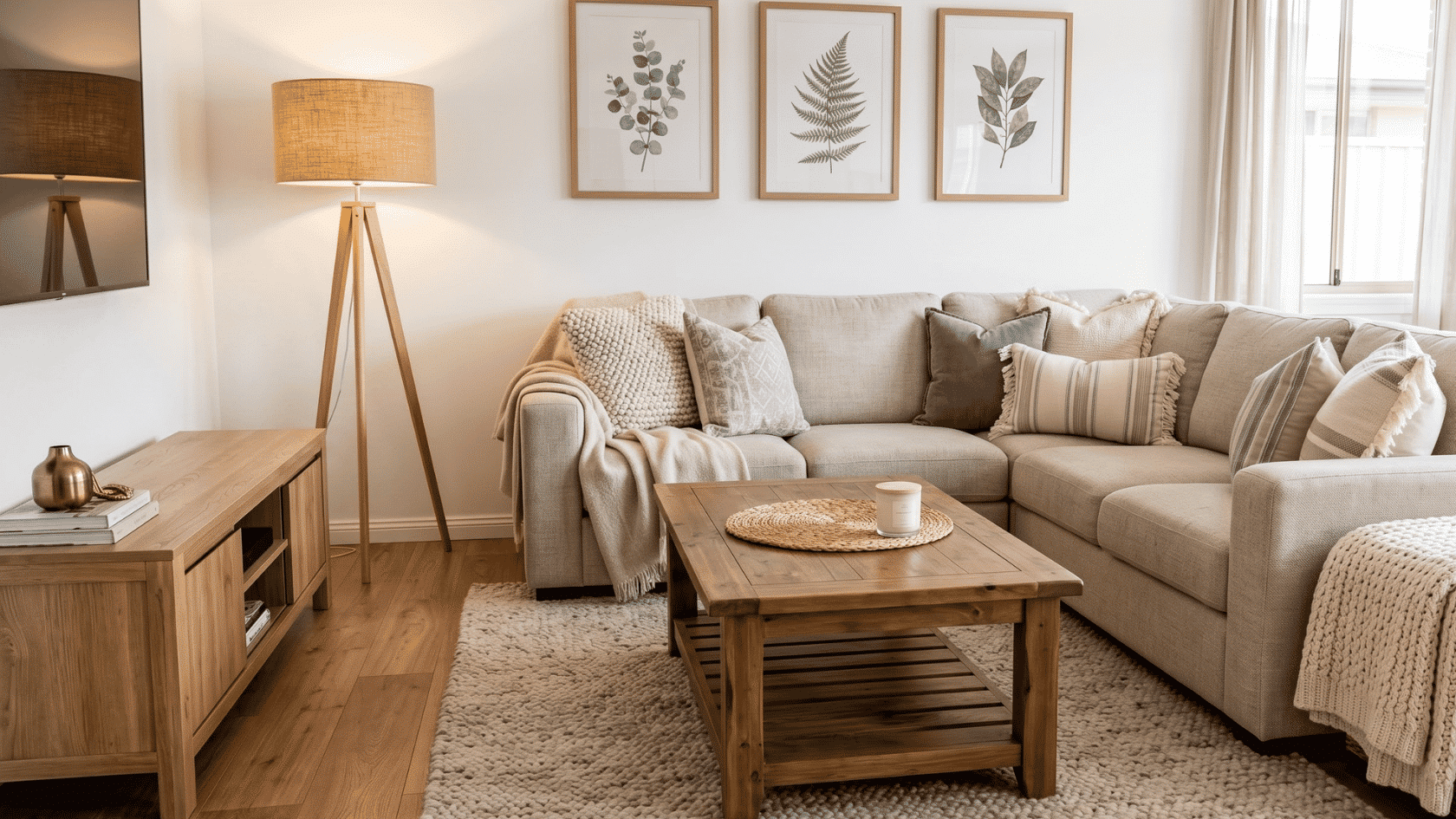
Light-colored furniture helps reduce the heavy appearance of large pieces in small rooms. Sofas, chairs, and tables with softer shades create a brighter atmosphere.
These furniture choices support an open look while keeping the room comfortable, balanced, and easier to arrange.
19. Create a Reading Corner
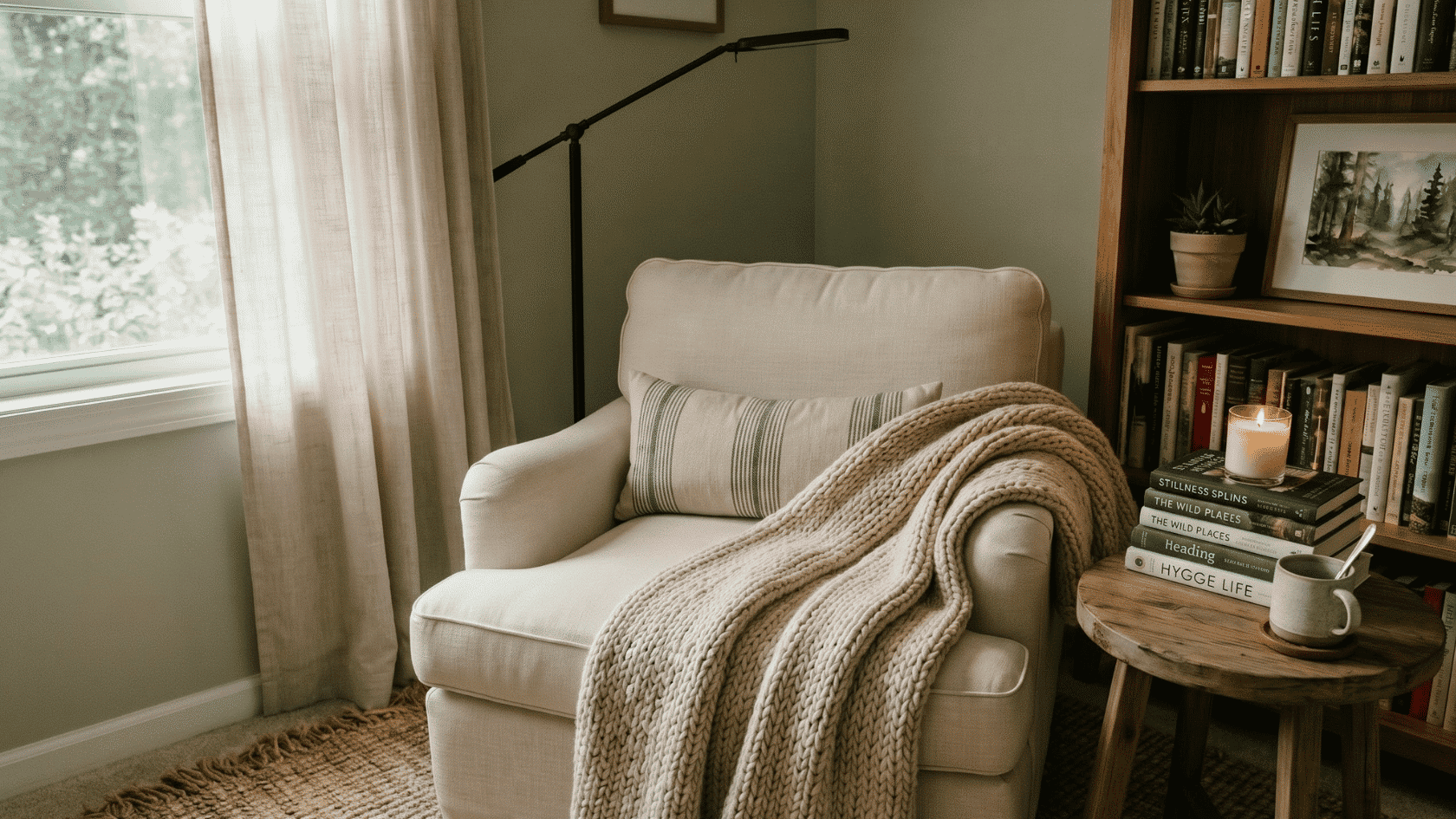
A reading corner turns unused space into a useful area with minimal furniture. Add a comfortable chair, a small table, and a lamp to create a quiet spot.
This setup adds purpose to empty corners while keeping the overall room layout simple.
20. Add Wall-Mounted Lighting
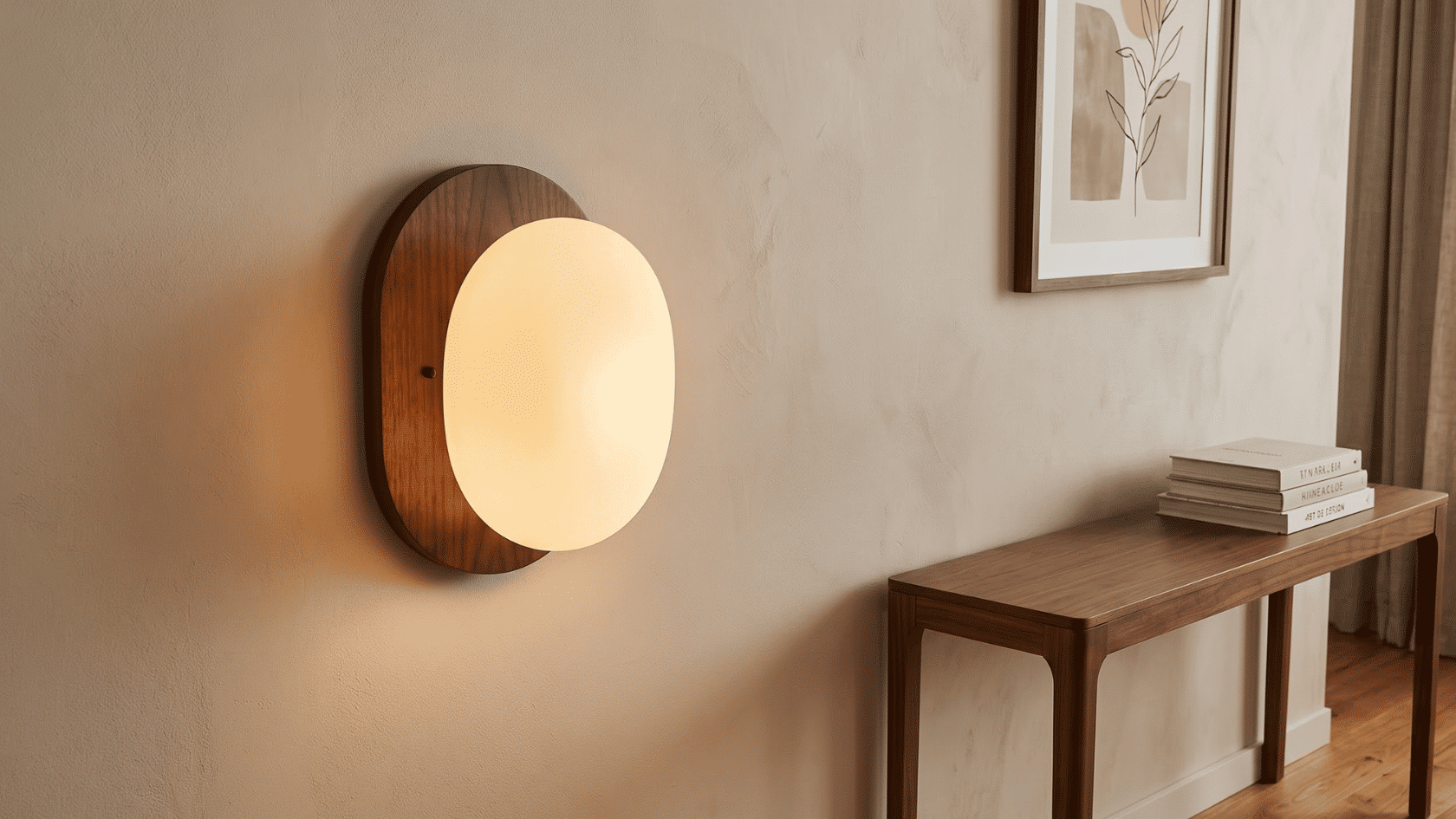
Wall-mounted lighting saves valuable floor and table space in small living rooms. These fixtures provide useful illumination while keeping surfaces clear.
They are practical choices for compact areas where every inch matters and help create a cleaner, more organized room setup.
Small Bedroom Decorating Ideas
A small bedroom should feel comfortable, organized, and easy to use. Smart furniture choices and efficient storage can help create a relaxing space without adding clutter.
Focus on keeping only essential pieces while using available areas wisely. Simple layouts, compact furniture, and practical storage solutions can improve both comfort and function.
21. Add a Headboard With Storage
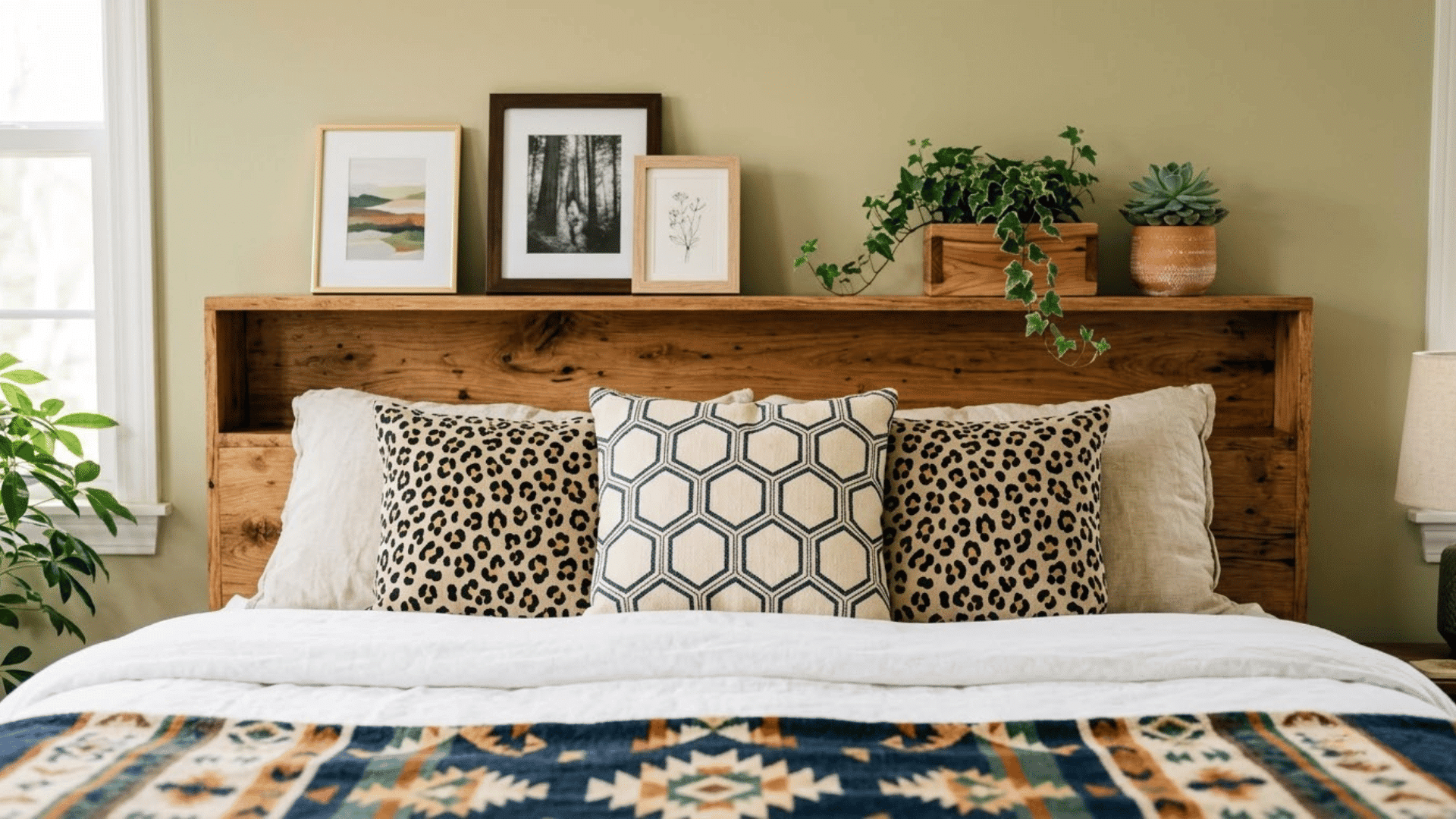
A storage headboard combines comfort and organization by providing shelves or compartments near the bed.
It offers a place for books, accessories, or personal items without requiring extra furniture.
22. Keep Small Nightstands
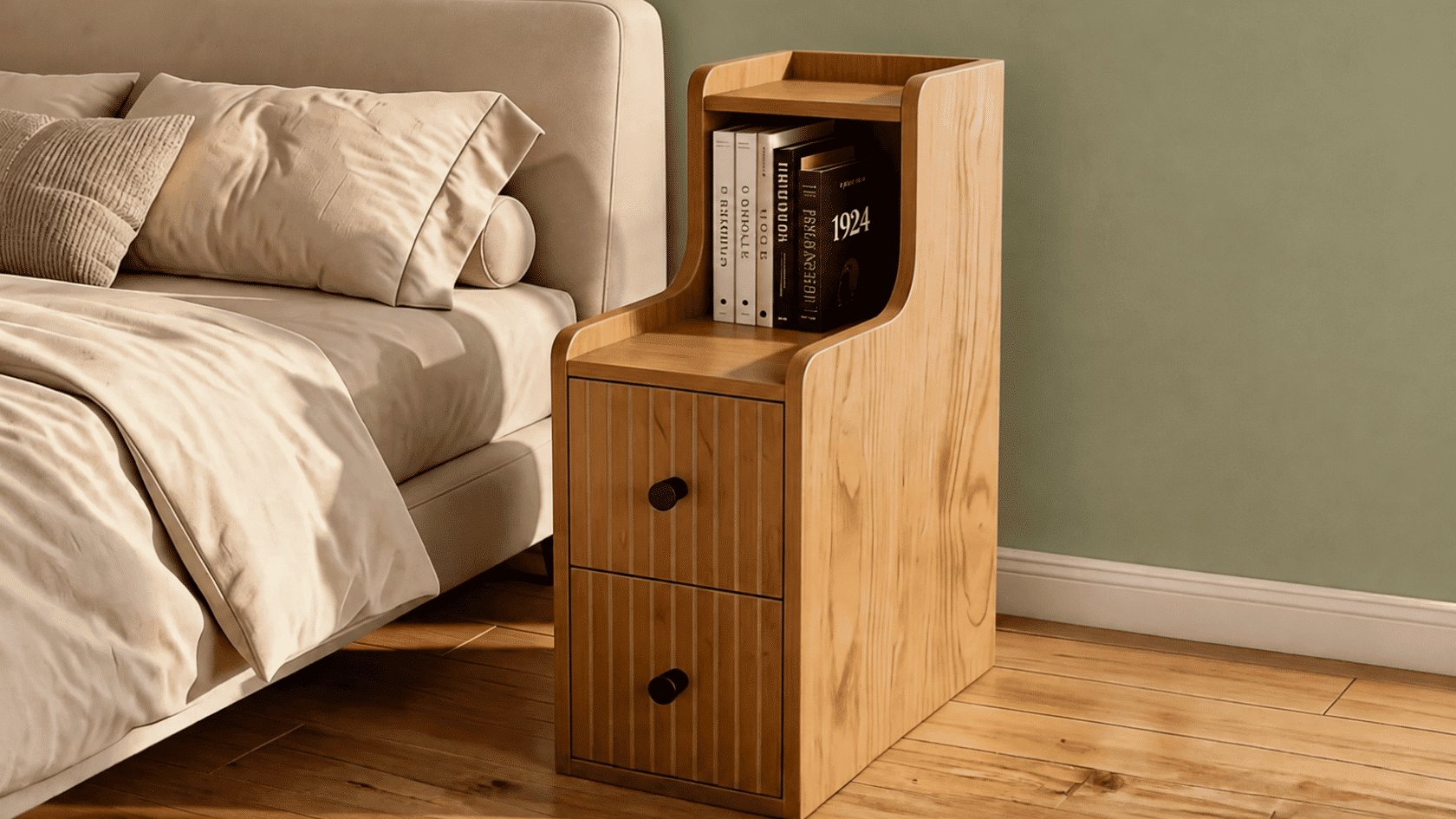
Small nightstands provide enough space for essentials while keeping the bedroom area open. Slim designs can hold lamps, books, and personal items without making the room feel crowded.
Choosing compact bedside furniture helps maintain a practical and comfortable sleeping area.
23. Add Vertical Storage Near the Bed
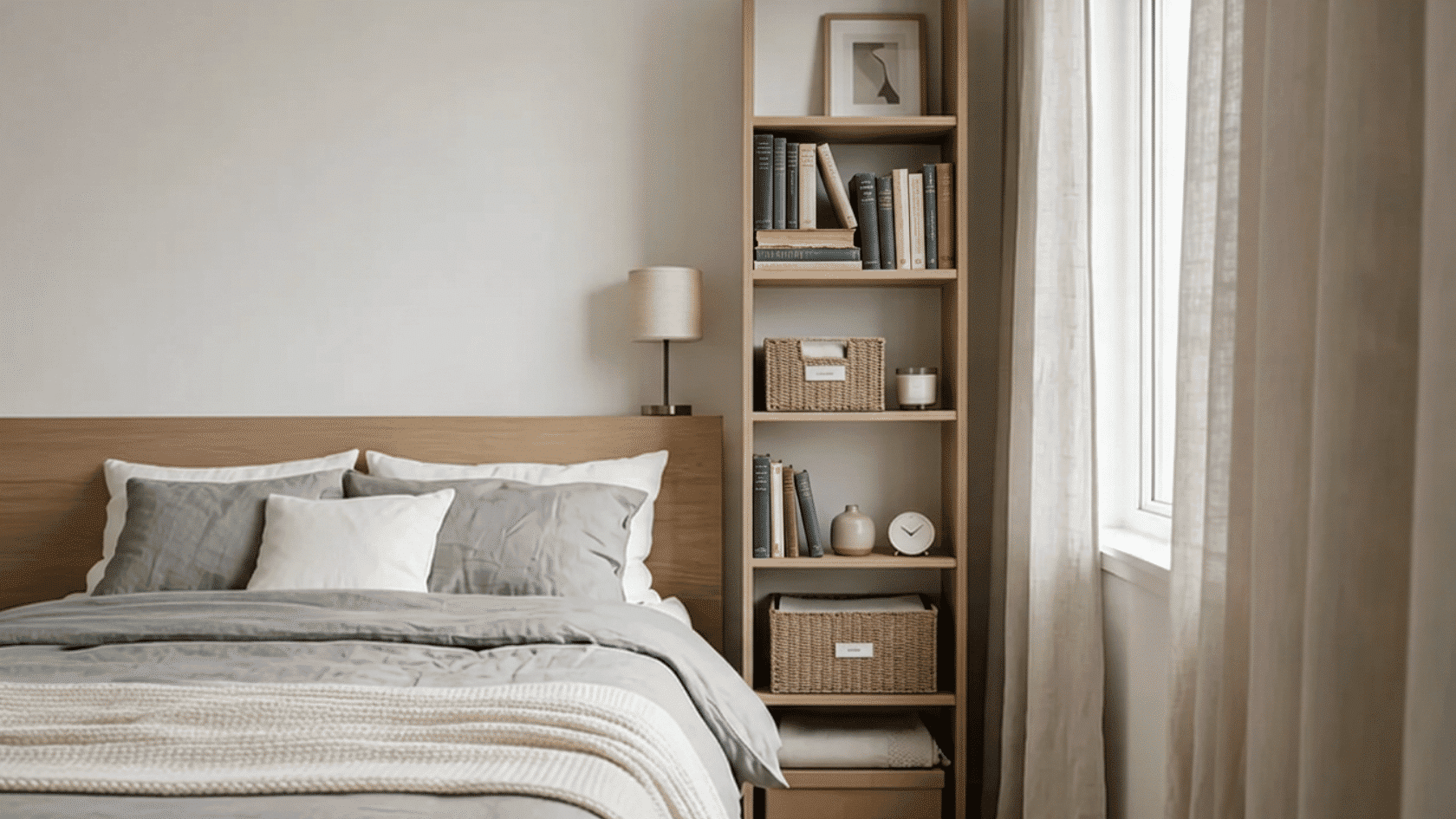
Vertical storage uses wall space instead of valuable floor area. Tall shelves or narrow storage units can hold books, decor, and personal belongings.
These options keep items organized while helping small bedrooms stay open and functional.
24. Choose Light Bedding Colors
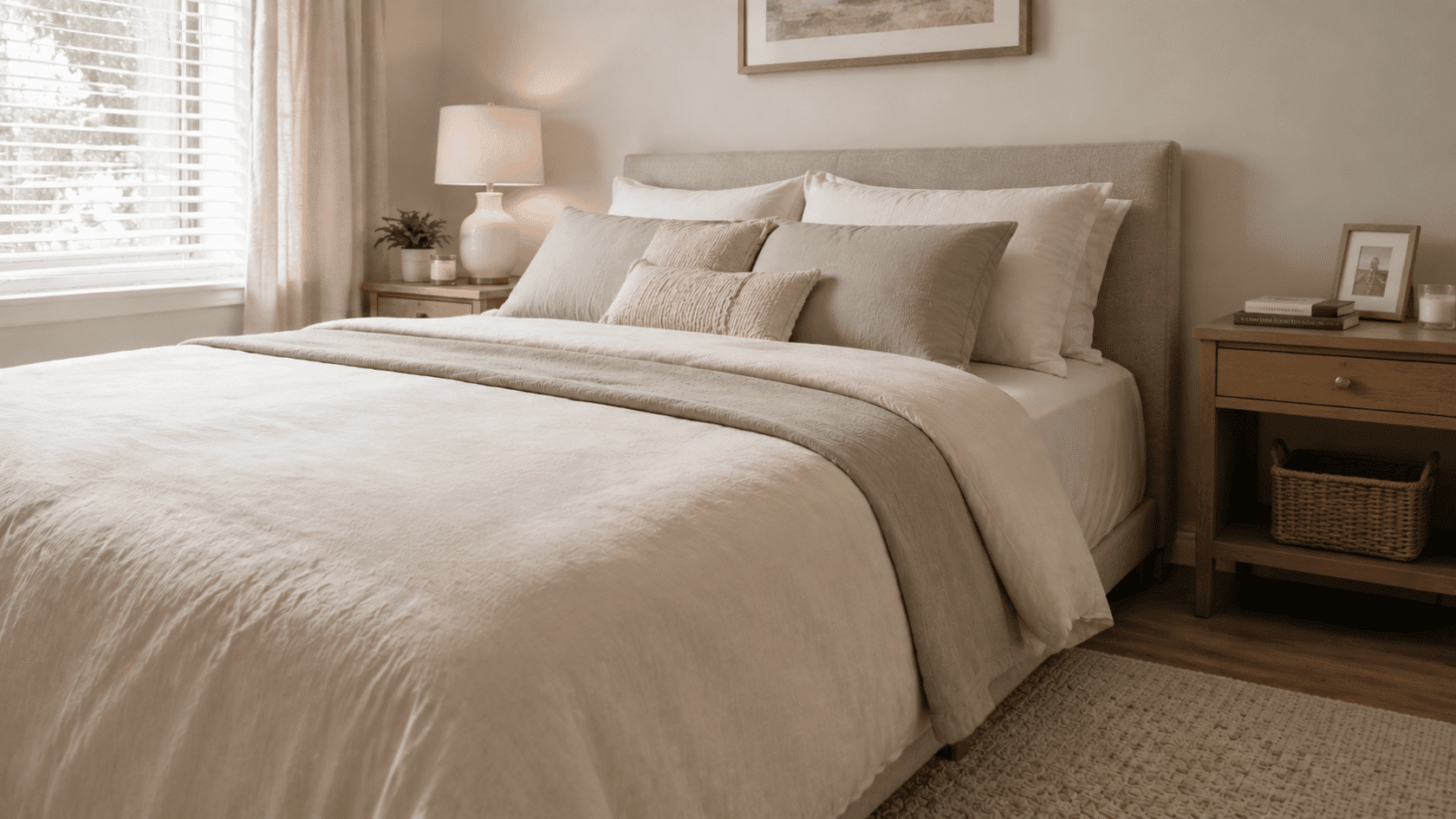
Light bedding colors help reflect natural light and create a brighter bedroom appearance. Soft shades can make the room feel more open and comfortable.
Simple bedding tones support a clean look while keeping the sleeping area calm and organized.
Small Kitchen Decorating Ideas
Small kitchens need smart organization and efficient use of available space. Keeping surfaces clear, using vertical areas, and choosing compact solutions can improve daily function.
Simple storage updates can help create a cleaner cooking area without making it feel crowded. Focus on practical additions that keep essentials easily accessible while saving space.
25. Use Open Shelving
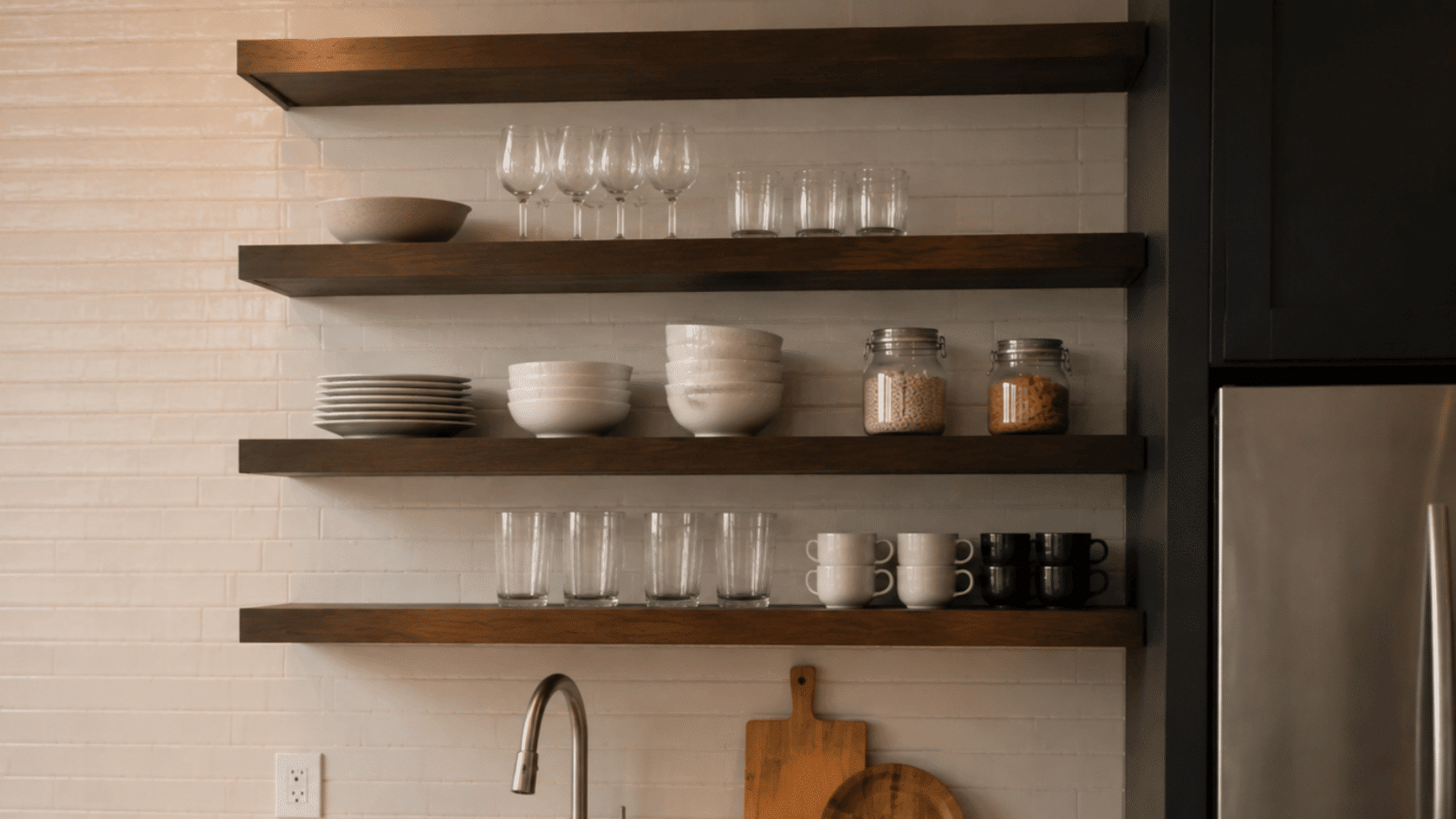
Open shelving provides storage while keeping small kitchens visually open. Shelves can hold dishes, jars, and frequently used cooking items within easy reach.
This option reduces the need for bulky cabinets and helps maintain better organization in limited kitchen spaces.
26. Add Pull-Out Storage Solutions
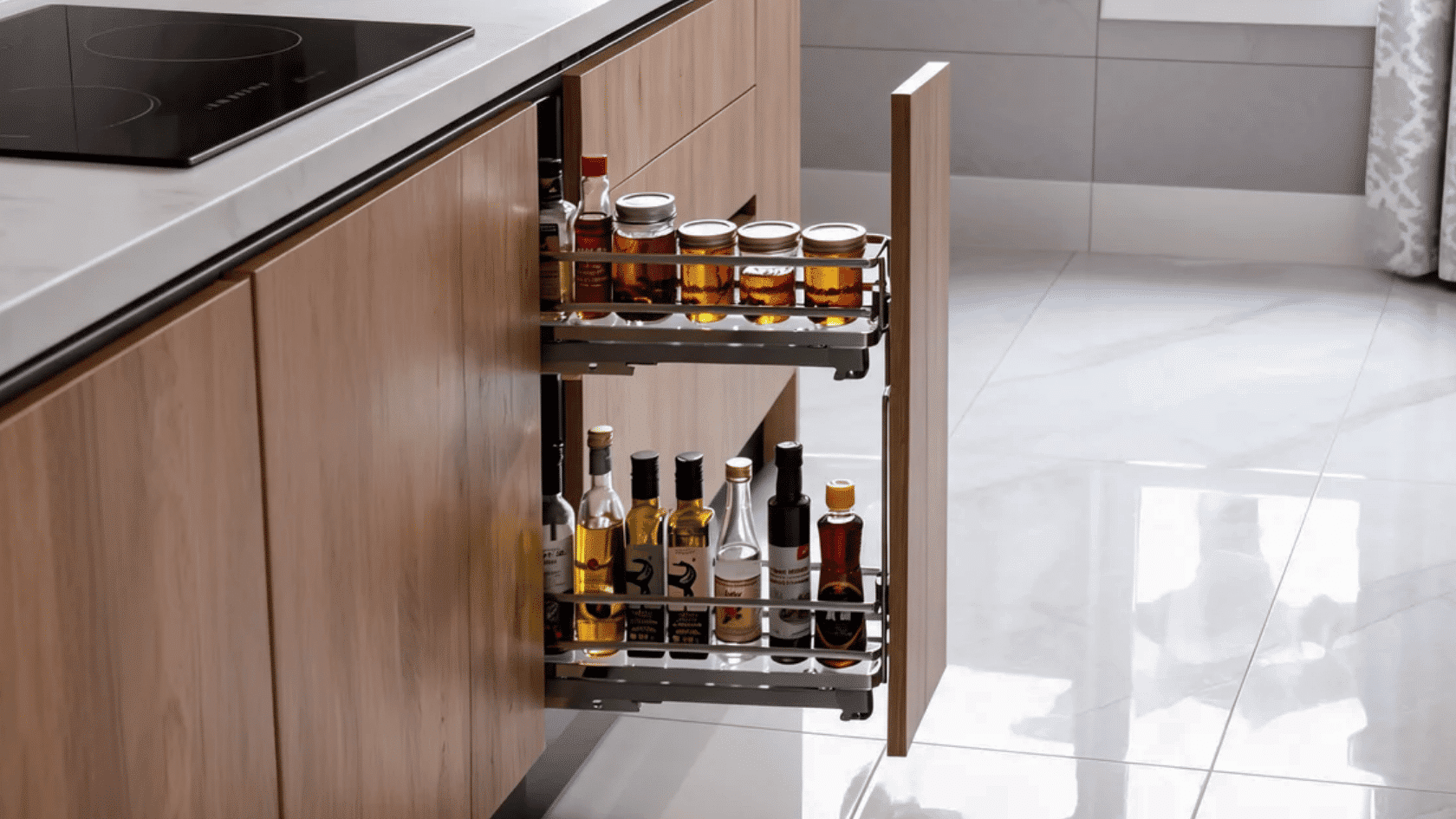
Pull-out storage solutions make deep cabinets and narrow spaces easier to use. Shelves, drawers, and organizers allow quick access to kitchen items.
These additions improve storage efficiency, reduce clutter, and help keep cooking essentials arranged properly in small kitchens.
27. Store Kitchen Items Vertically
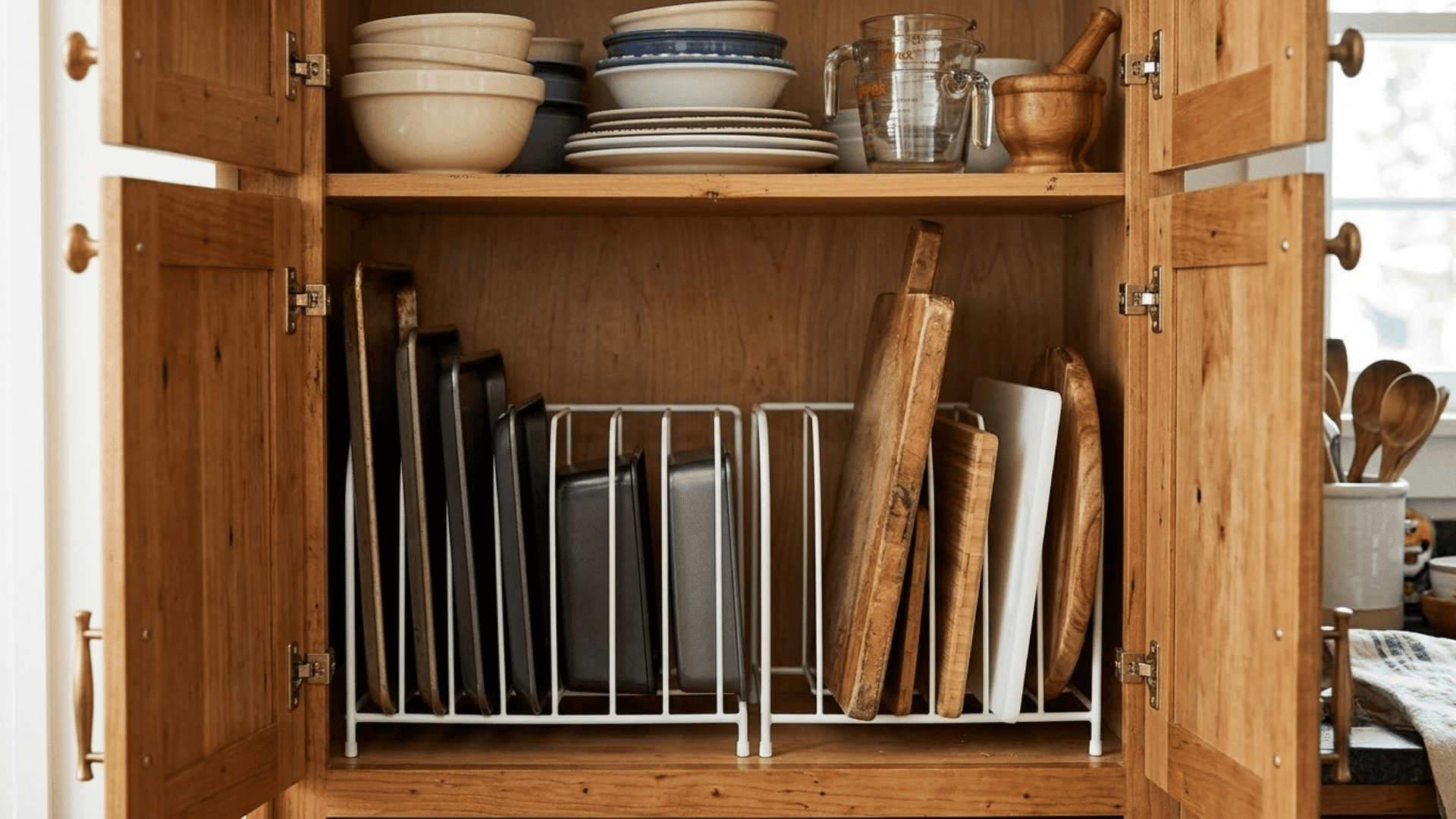
Vertical storage helps organize kitchen items like trays, cutting boards, and baking sheets. Dividers and upright holders use cabinet space more effectively.
This method reduces clutter, keeps items separated, and makes frequently used kitchen tools easier to access.
28. Use Magnetic Storage Options
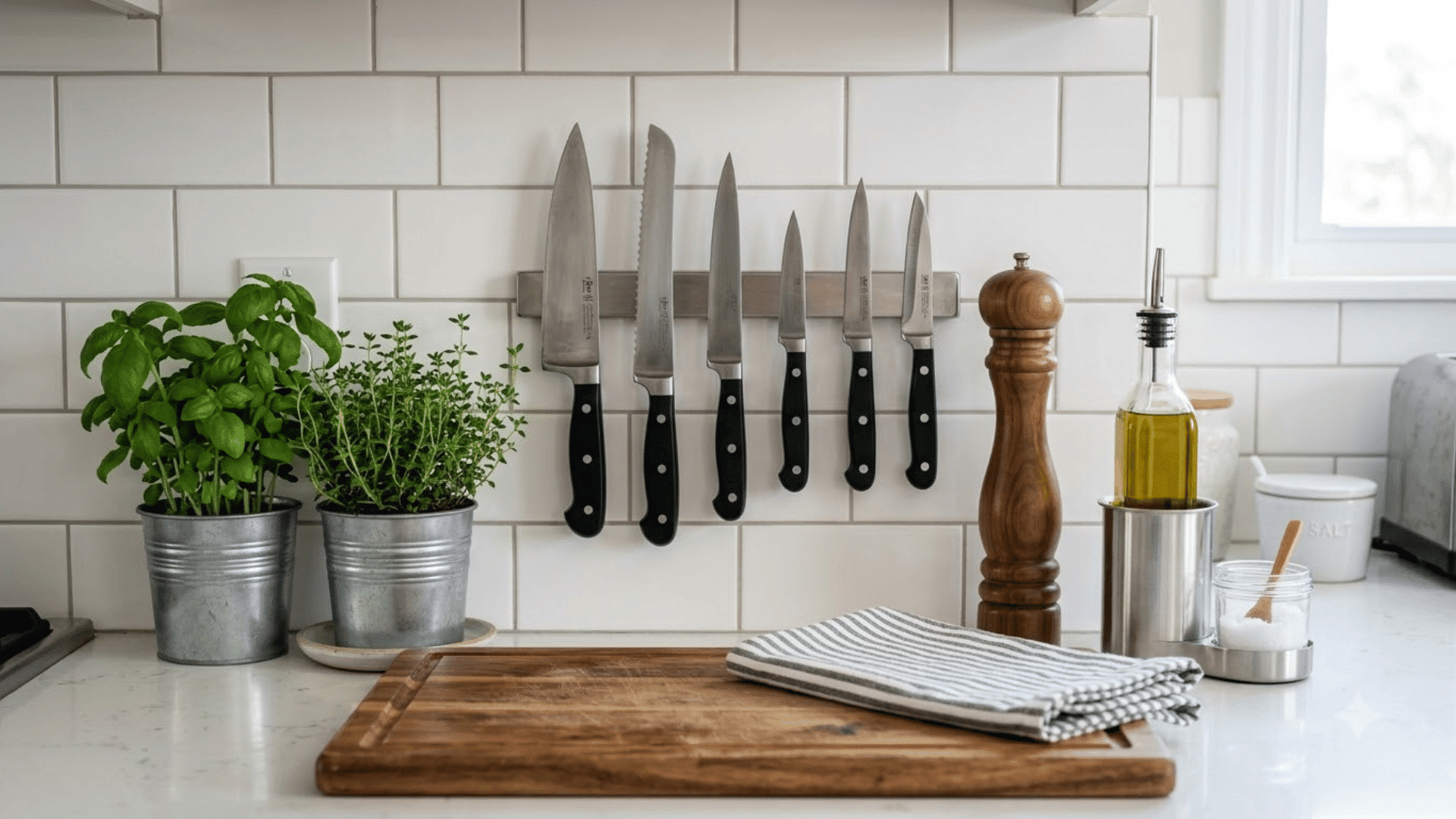
Magnetic storage options help keep kitchen tools organized without using drawers or counters. Magnetic strips can hold knives, spices, and small accessories.
These solutions save space, keep important items visible, and improve convenience in compact cooking areas.
29. Keep Countertops Clear
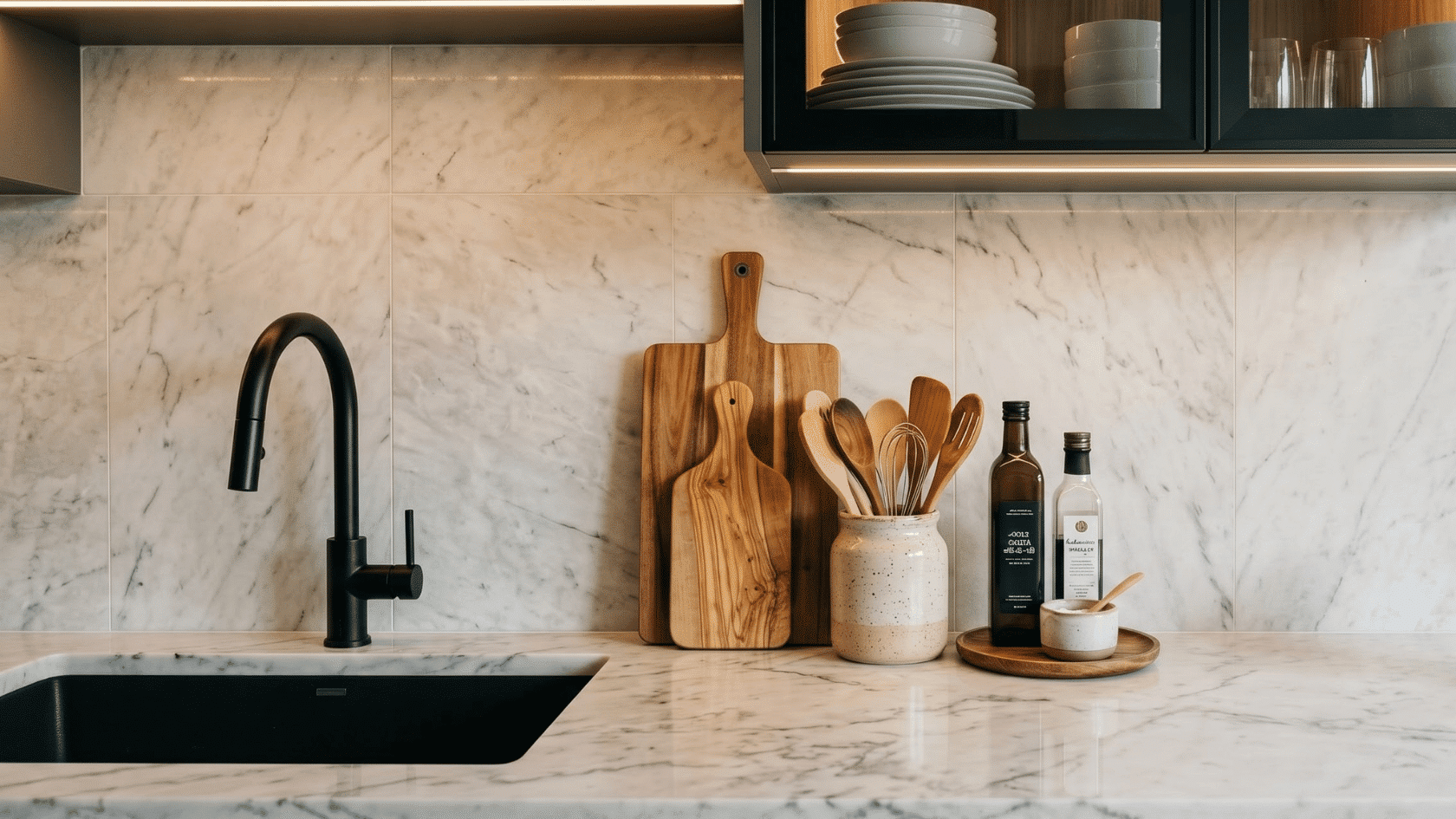
Keeping countertops clear creates a cleaner and more functional kitchen area. Store appliances and extra items when you don’t need them.
Open surfaces make cooking easier, reduce visual clutter, and help small kitchens feel more organized and practical.
30. Choose Compact Kitchen Furniture
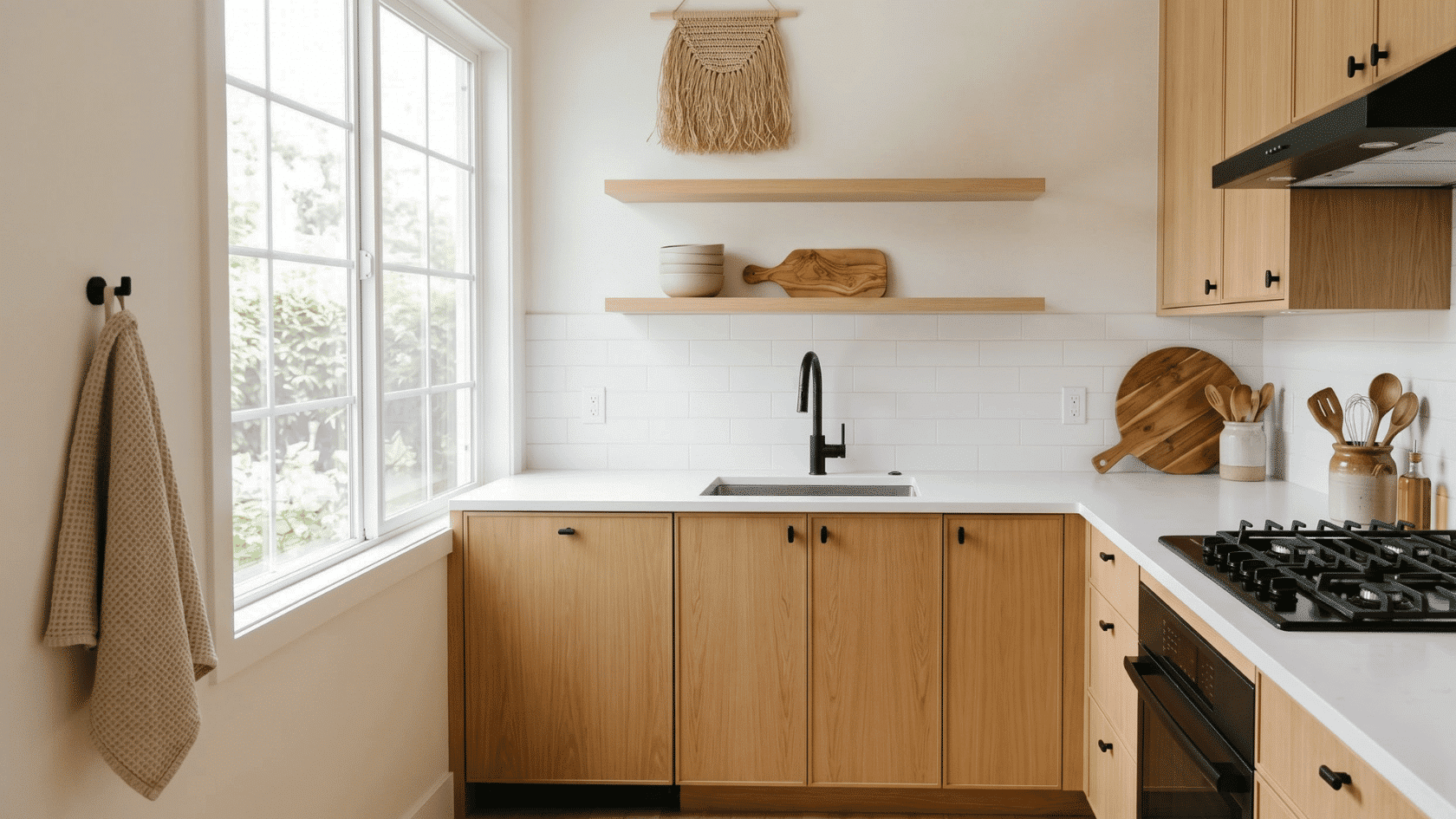
Compact kitchen furniture helps add function without taking over limited space. Small carts, slim tables, and smaller seating options fit better in tight areas.
Choosing suitable sizes improves movement and keeps the kitchen comfortable and easy to use.
Wall and Decor Ideas for Small Spaces
Decor choices can improve a small space without making it feel crowded. Focus on simple pieces, useful placement, and designs that add character while keeping the room balanced.
Small details like artwork, plants, rugs, and curtains can change how a room feels. Choose items carefully to add function and style without overwhelming the available space.
31. Add Artwork Without Overcrowding Walls
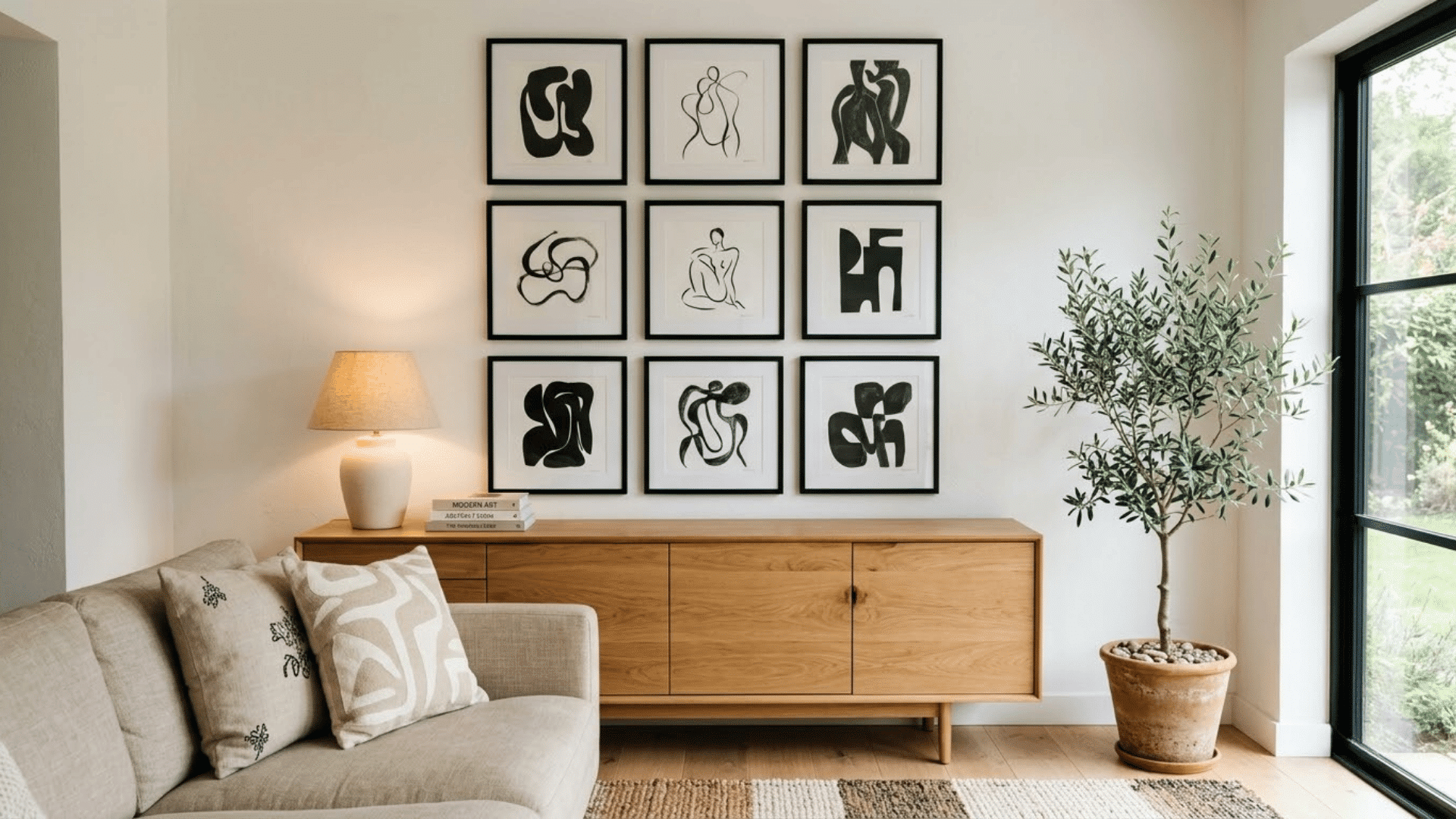
Adding a few artwork pieces can improve wall spaces without making them look busy. Avoid filling every area with frames.
Leaving some empty space around artwork helps maintain a clean appearance and keeps small rooms from feeling crowded.
32. Add Plants in Small Corners
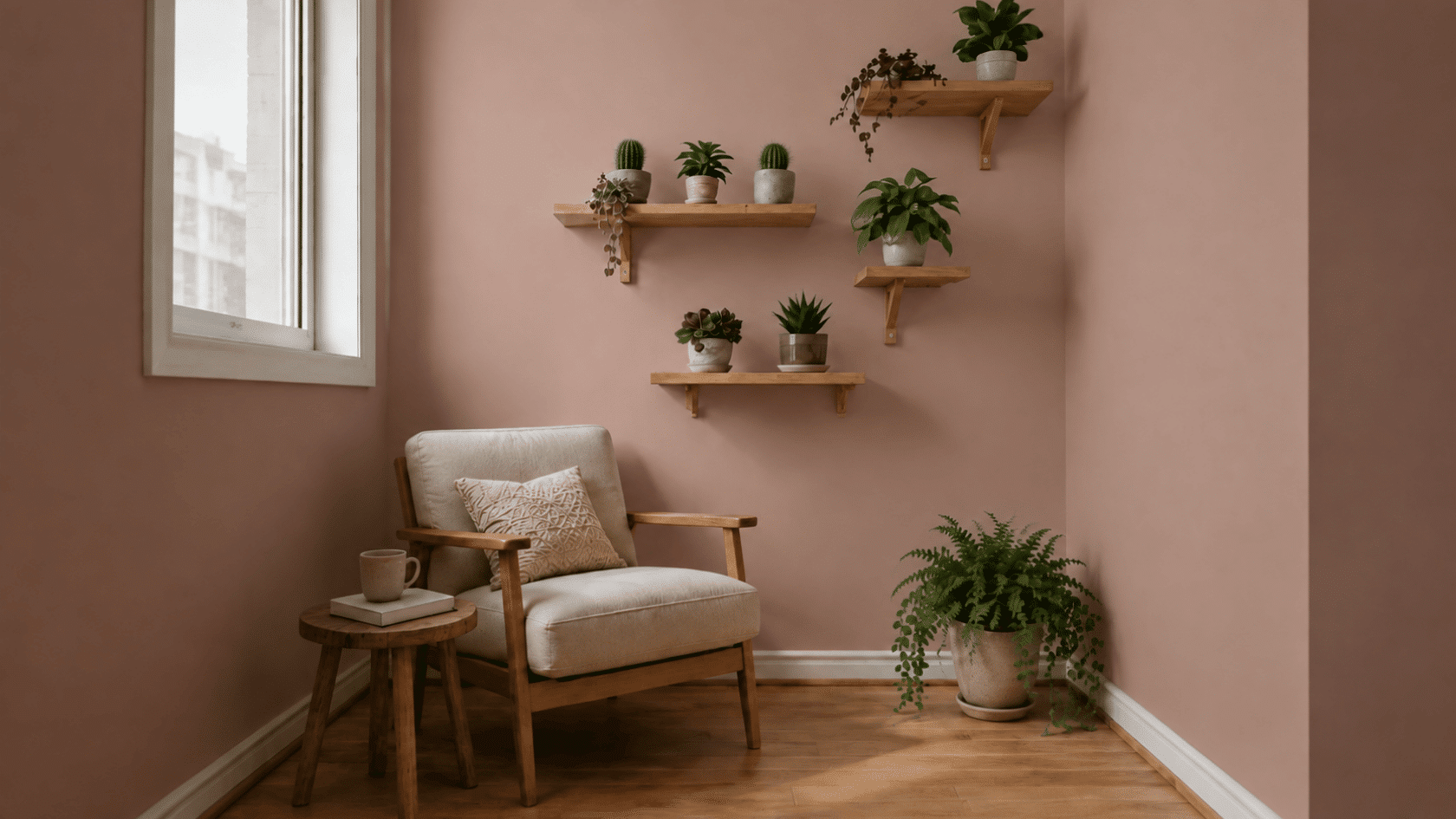
Plants can add color and freshness while using very little space. Place them on shelves, windows, or small corners to include a natural element.
Small plants improve room appearance without reducing available floor space or making the area feel crowded.
33. Use Rugs to Define Areas
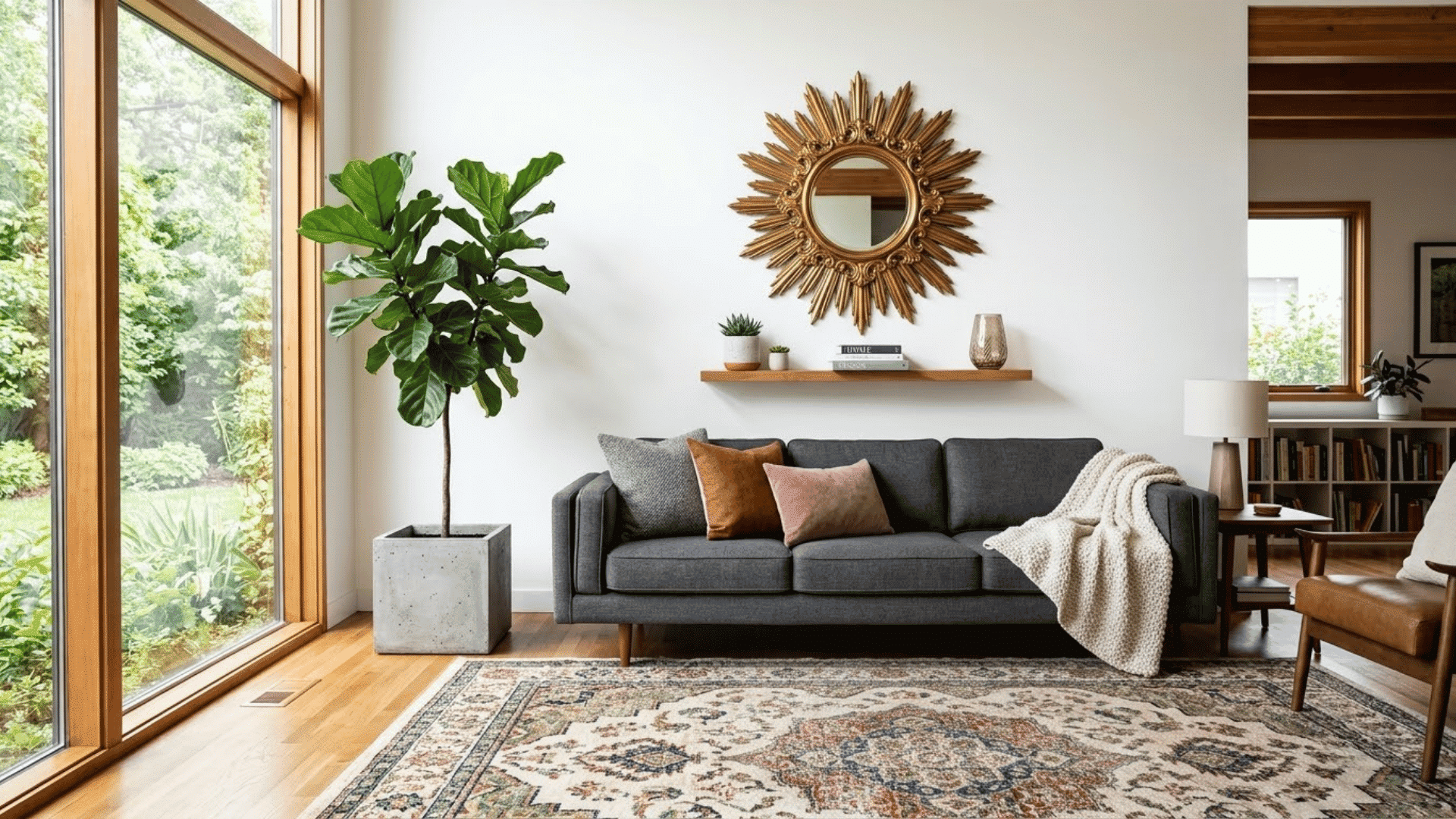
Rugs help separate different sections in open layouts, such as living and dining areas. They create clear zones while adding comfort underfoot.
A properly placed rug helps organize a small room and improves the overall furniture arrangement.
34. Choose Simple Decorative Accessories
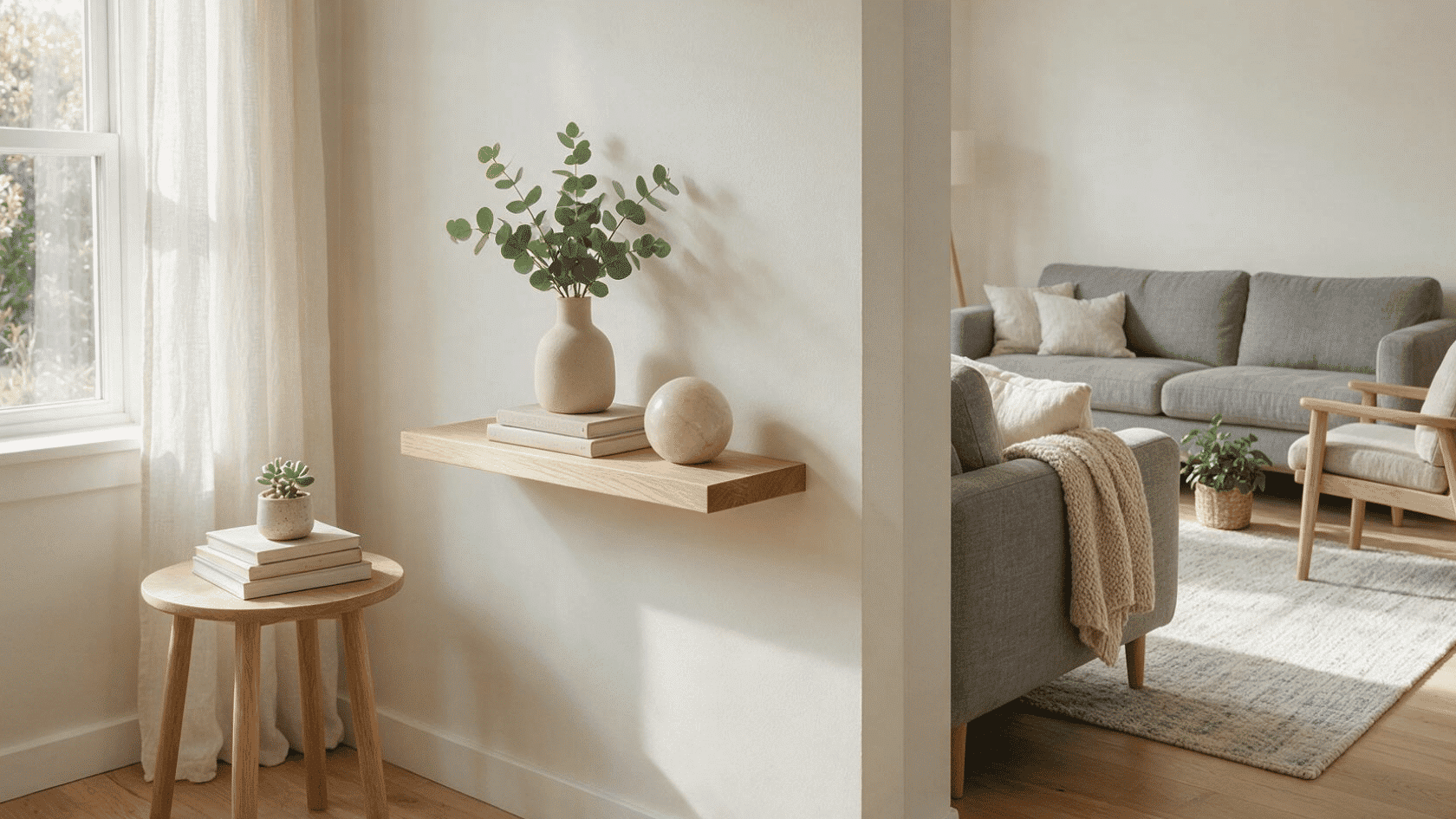
Simple decorative accessories can complete a room without adding unnecessary clutter. Select useful items that match the available space and avoid using too many small pieces.
A limited number of accessories helps maintain a clean, organized look.
35. Hang Curtains Near the Ceiling
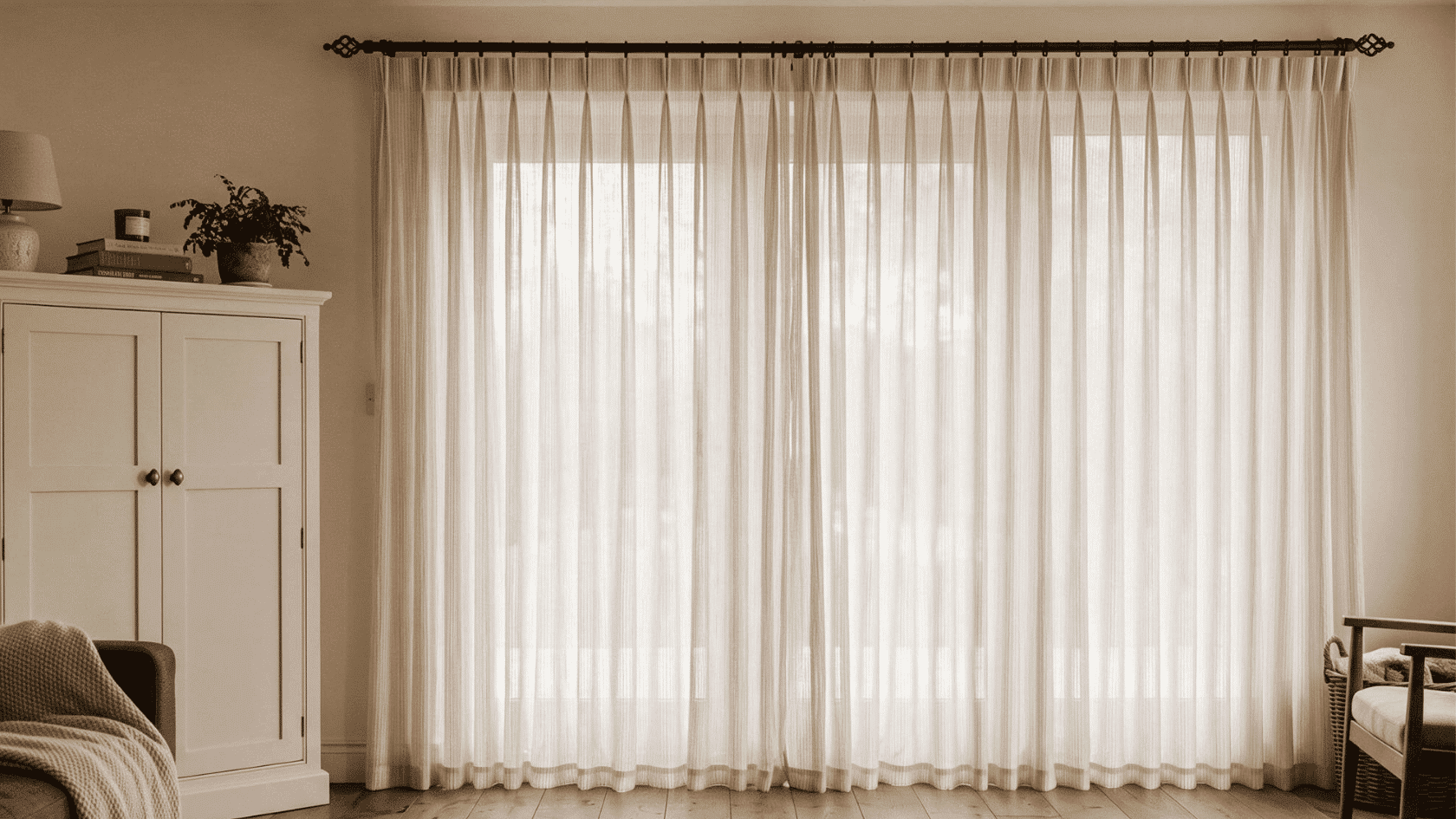
Hanging curtains closer to the ceiling creates the appearance of taller walls. This placement draws attention upward and helps small rooms feel more open.
Choosing the right curtain length can improve the overall room layout without major changes.
Color and Lighting Ideas for Small Spaces
Colors and lighting choices can change how a small room looks and feels. The right shades and light sources help create a brighter, more open, and comfortable space.
Using soft colors, reflective surfaces, and proper lighting placement can improve the overall feel of a room. These simple updates help make limited spaces appear more balanced and functional.
36. Keep Ceilings Bright
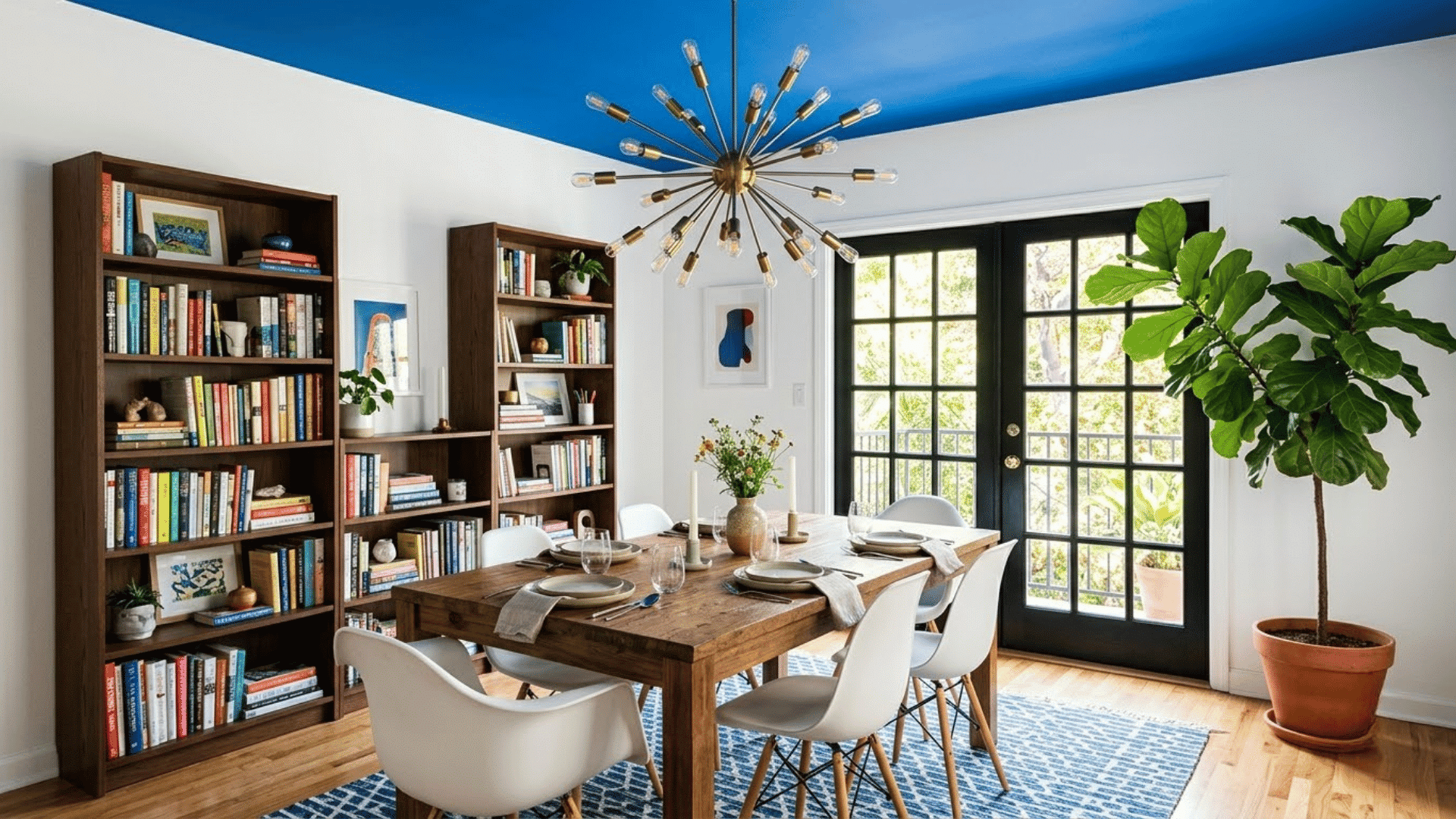
Bright ceilings help draw attention upward and create a sense of height in small rooms.
Using lighter ceiling shades than darker tones can improve the room’s overall appearance and make the space feel more open and comfortable.
Layout Ideas for Small Spaces
A well-planned layout can make a small space easier to use and more comfortable. Proper furniture placement, clear pathways, and smart zoning help create a balanced room.
Using every area effectively allows a small home to support different activities without feeling crowded. Simple layout changes can improve movement, storage, and daily function.
37. Create Separate Zones in One Room
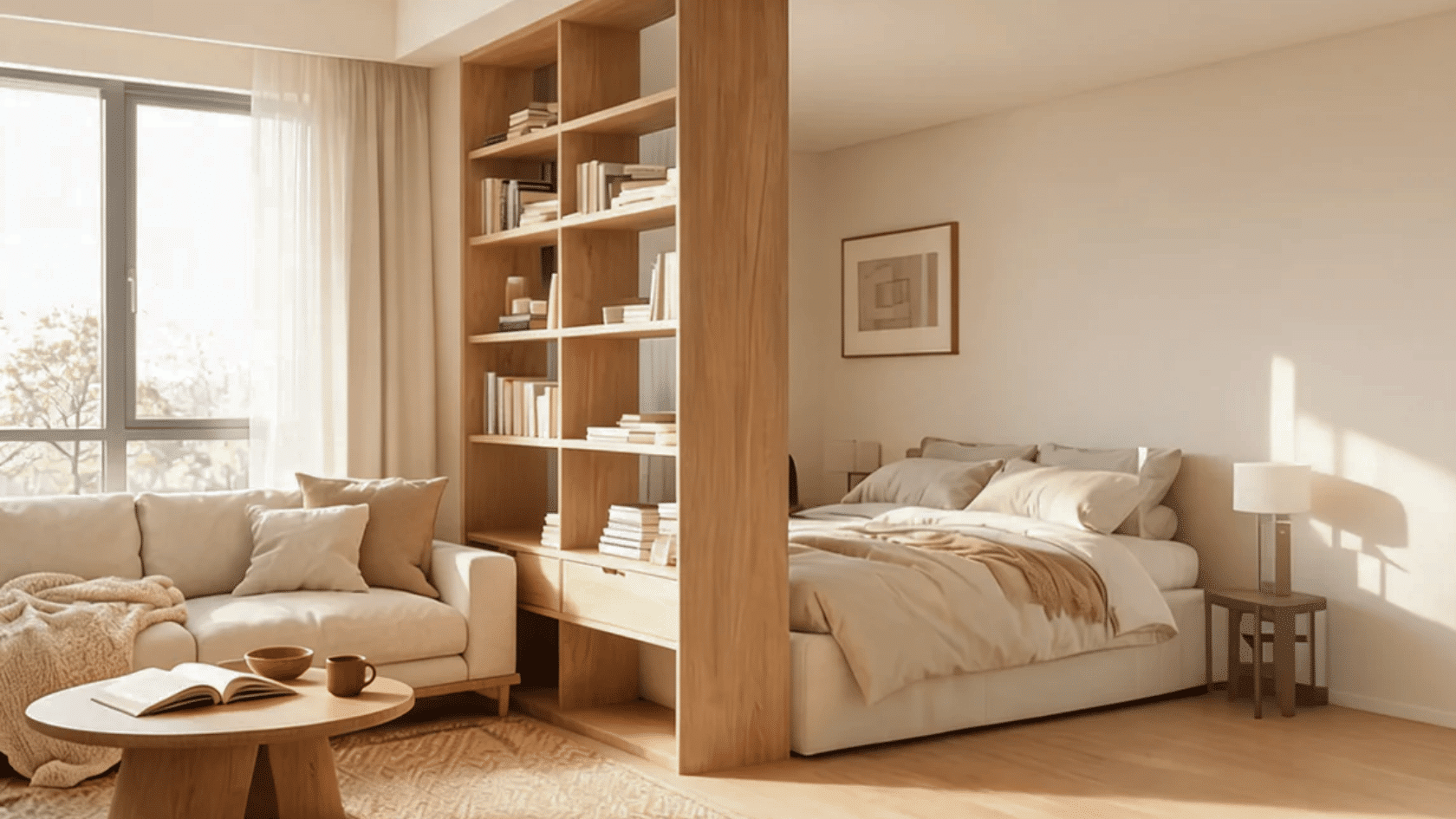
Creating separate zones helps one room support different activities like sleeping, working, dining, or relaxing. Furniture placement, rugs, and lighting can divide areas without adding walls.
This method improves organization and allows small spaces to serve multiple purposes.
38. Use Room Dividers
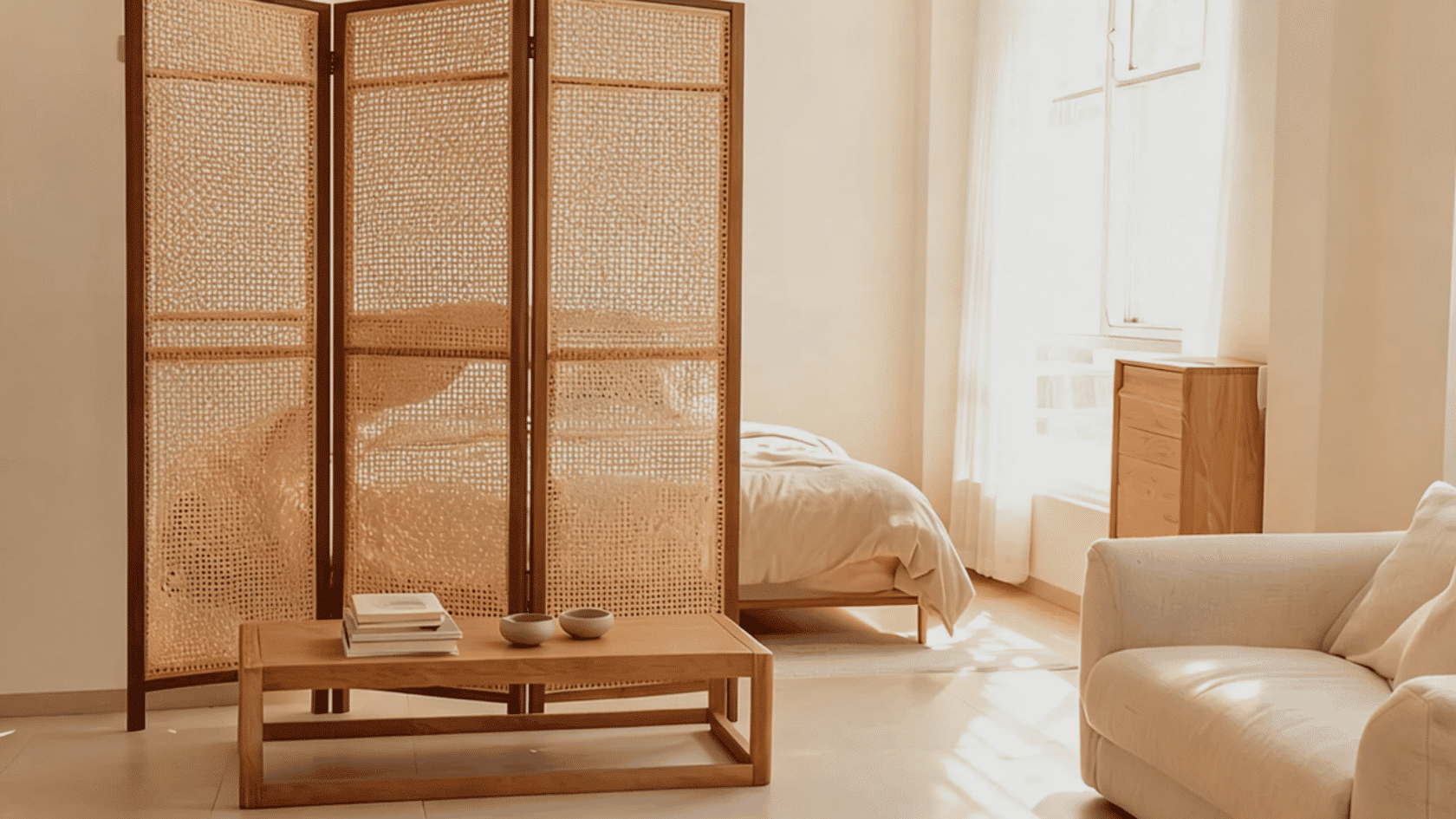
Room dividers such as curtains, shelves, and folding screens help separate areas while keeping flexibility. They provide privacy and structure without permanently closing spaces.
These options work well in small homes where different activities need separate areas within one room.
Small Space Decorating Mistakes to Avoid
Decorating a small space can feel tricky, and a few common missteps often make rooms feel even tighter.
Avoid these mistakes to keep your space open, functional, and stylish:
- Choosing oversized furniture that eats up floor space and blocks natural flow through the room.
- Pushing everything against the walls, which actually flattens the room instead of opening it up.
- Using heavy, dark curtains that shrink windows and block the light that makes rooms feel larger.
- Picking a busy, dark color palette instead of light, cohesive tones that expand the space visually.
- Poor lighting choices, relying on one harsh overhead light rather than layered, warm sources.
Small spaces have big potential when styled thoughtfully. Sidestep these common mistakes, and you’ll create a room that feels open, bright, and effortlessly welcoming.
Final Takeaway
A well-planned home can feel more comfortable, organized, and useful, even when the available area is limited. I have seen how small adjustments can improve the way rooms are used every day.
Decorating a small space can help create a home that feels practical and welcoming without major changes.
From my own room-rearranging projects, I have found that starting with one simple update often makes the biggest difference.
Refresh one area today by removing an unused item or changing one piece of furniture.
What is one change you want to make in your small space first? Comment below!
Frequently Asked Questions
How Does Gen Z Design Small Spaces Differently?
Gen Z often uses small spaces by mixing personal style with practical choices like modular furniture, digital work setups, and flexible corners for hobbies or study. They also focus on easy storage and simple updates.
What Is The 3-5-7 Rule In Decorating?
The 3-5-7 rule in decorating suggests arranging decor items in groups of three, five, or seven pieces to create a balanced look. It helps add visual interest while keeping rooms organized and less cluttered overall.
Can Smart Home Tools Help Organize a Small Space?
Smart home tools like compact lights, voice controls, and space-saving devices can reduce clutter and make daily tasks easier in limited areas. They help manage routines while keeping important items accessible without adding extra furniture.