
No matter who you are or where you live, there usually comes a time when you start to feel uninspiringly tired of your living space. Perhaps your home is no longer filling your needs, or the decor has begun to feel uncomfortably dated and stagnant. J
ust like any long-term relationship, the bond you share with your home can begin to fizzle and lose its initial spark over time. It is easy to feel trapped when your surroundings do not align with the values you hold dear or the lifestyle you wish to lead. Nurturing this domestic relationship requires active attention and small, mindful changes to maintain a sense of warmth and happiness.
Rather than immediately giving up and considering selling a house as-is, homeowners can take simple, actionable steps to fall back in love with their existing environment. Cultivating your current home into a stylish retreat can restore its role as a secure haven, providing a place where well-being reigns and where you genuinely look forward to returning at the end of each day.
The Antidote of Decluttering and Deep Cleaning
A dirty or disorganized space is incredibly difficult to love. Visual clutter, such as paper piles, scattered mail, and tangled charging cords on countertops, acts as a constant source of mental stress. Suzanne Roynon, an interior therapist and Feng Shui specialist, explains that clutter is often the result of unmade decisions keeping people weighed down emotionally.
This emotional and physical excess can negatively impact your mental health, create unnecessary stress, and diminish your daily mood. Committing to a thorough, whole-house deep clean is one of the simplest ways to reset your environment and view your home in a fresh light. Focus on often-neglected areas such as deep-cleaning carpets, refreshing upholstery, and scrubbing grout to achieve the most significant aesthetic and psychological impact.
By pairing a deep clean with a conscious effort to donate, sell, or recycle items that no longer serve you, you create essential breathing space and a clean, organized slate.
Rearranging Layouts and Shopping Your Space
Refreshing your home does not have to cost a fortune; in fact, some of the most transformative updates are completely free. Rearranging your furniture is a powerful way to see your rooms with entirely new eyes. Kate Palmer, a creative director, suggests that rethinking your layout can completely alter how a room feels and functions.
You can improve the flow of movement, maximize natural light, and create more inviting, social spaces by simply repositioning key furniture pieces. Try identifying a central focal point, such as a fireplace or a large window, and arrange your seating around it while pulling pieces away from the walls to establish intimacy.
Additionally, learn to “shop your own home” by walking through different rooms, collecting decor items, and placing them in fresh spots. Rotating pillows, throws, plants, and accessories seasonally or quarterly ensures that your favorite pieces feel new and interesting when they reappear.
Designing With Intention and Cherishing Mementos
Embracing slow curation and designing with intention is vital for creating a home that meets your functional and aesthetic needs. An intentional design approach requires you to slow down and carefully consider the purpose of each space, how it cultivates health, and what specific feeling you want to evoke.
Avoid fast design and cheap, mass-produced furniture that is not built to last, as these items often end up in landfills and fail to bring lasting satisfaction. Instead, view furniture as a long-term investment, looking for handcrafted pieces made of solid, natural materials that age gracefully.
To make your home feel truly personal, display meaningful mementos, family vacation photos, or cherished heirlooms that tell a story. Surrounding yourself with items that hold deep personal meaning evokes feelings of security and warmth, transforming a generic structure into an authentic reflection of who you are.
Elevating Comfort With Textiles and Color
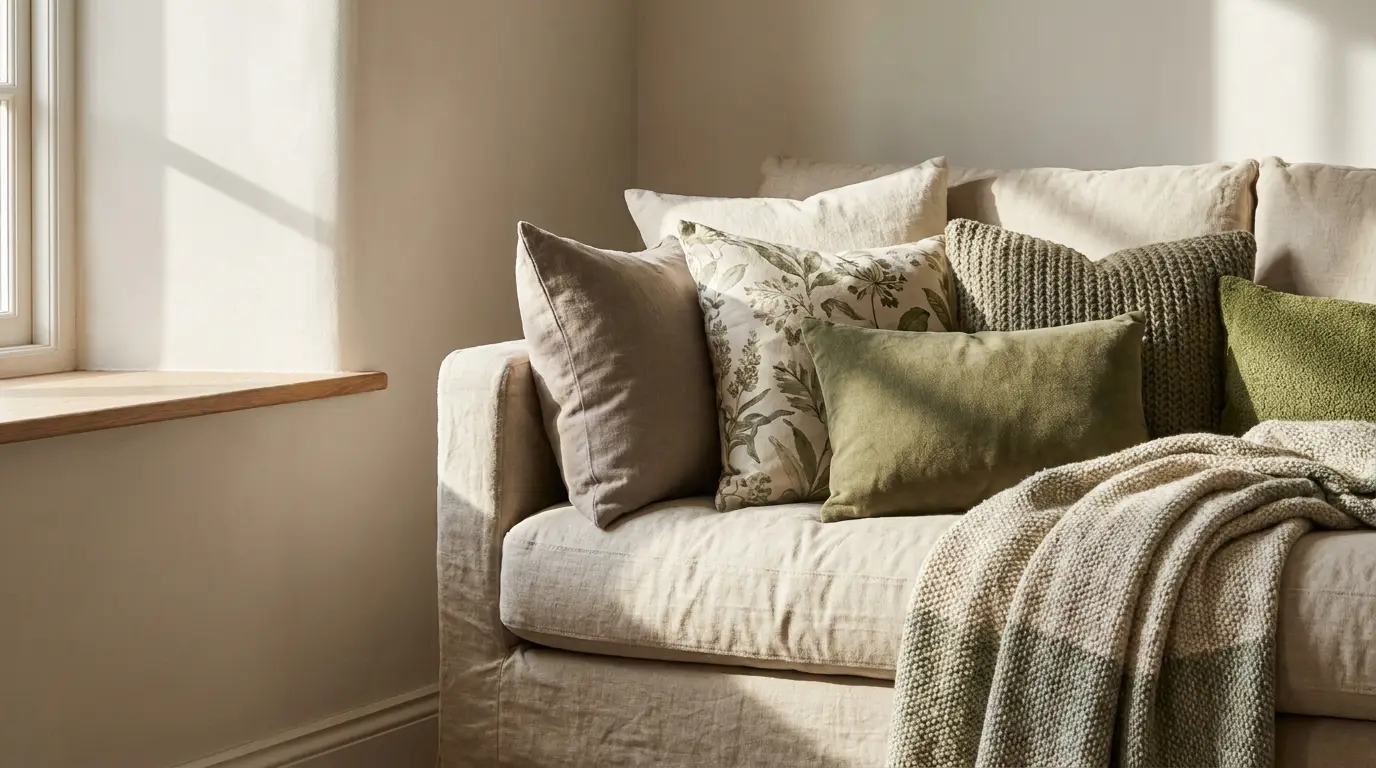
Never underestimate the immense psychological power of color and soft furnishings. Utilizing color is one of the most effective and quick ways to transform a room. Rather than merely chasing fleeting color trends, choose a palette of three to five tones that actively evoke the feelings you desire, whether that means a calm bedroom or an uplifting entryway.
Similarly, updating tired, flat soft furnishings can instantly restore depth and style without a full redesign. Try mixing different textures by pairing soft weaves with embroidered or printed fabrics to add visual interest. You can also introduce breathable materials and softer palettes, like warm neutrals, botanical greens, and gentle blues, to transition your home with the seasons. For an added layer of luxurious comfort, use a duvet that is larger than the bed itself, which creates an indulgent, hotel-inspired draped appearance that is highly satisfying to the eye.
Harnessing the Power of Light and Scent
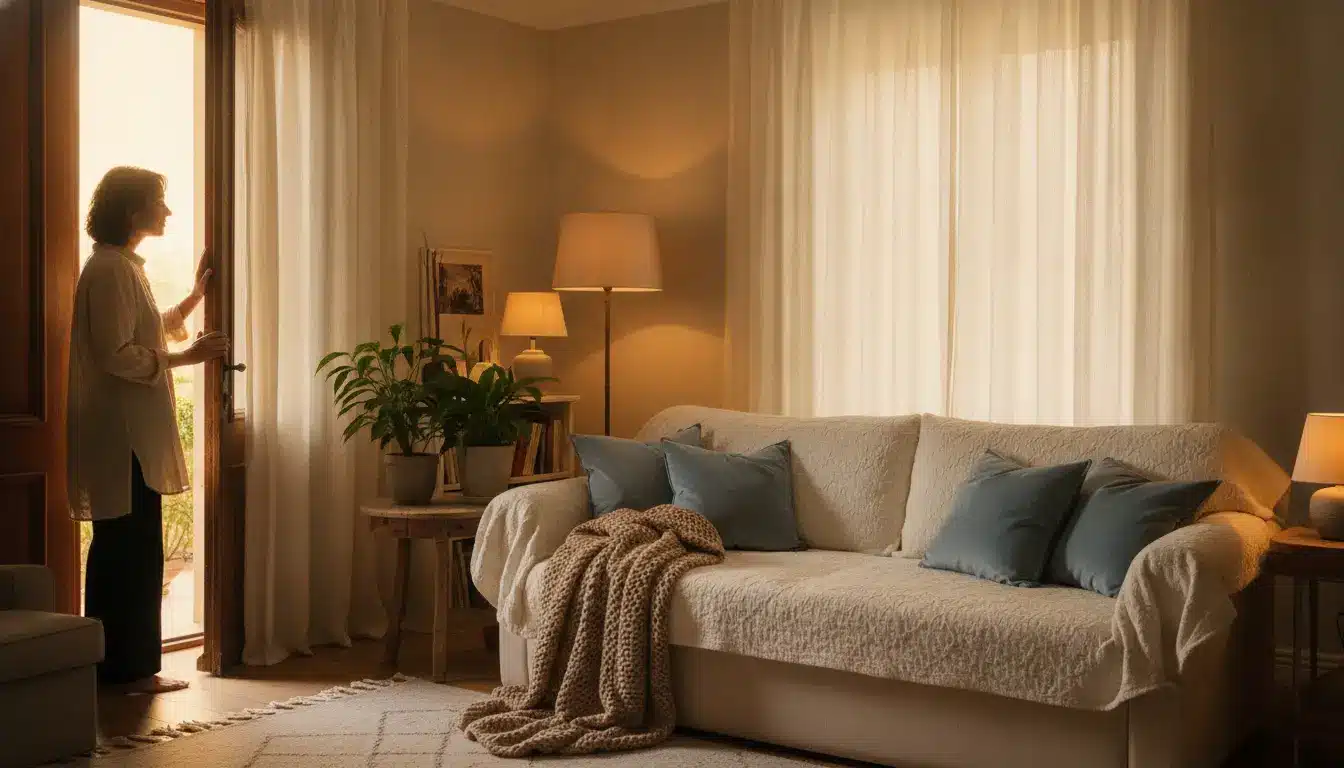
Lighting design plays a monumental role in shaping the emotional ambiance and character of a given space. The psychology of light reveals that warm, soft yellow lighting promotes feelings of comfort, relaxation, and happiness, making it ideal for bedrooms and living areas. James Kendall, a lighting expert, recommends replacing a single overhead light fixture with layered lighting, combining wall lights, table lamps, and floor lamps to add cozy depth.
In contrast, cool, bright lighting is better suited for concentration in active workspaces like a home office or kitchen. Maximizing natural light by using light-filtering window coverings or sheer voiles connects your interior to the outdoor environment, boosting overall mood. You can further support the intended mood of a space by incorporating calming, natural scents. Diffusing botanical essential oils, such as relaxing lavender in your sleeping areas or refreshing lemon and mint in your kitchen, creates a highly soothing sensory experience.
Embracing the Danish Concept of Happiness
Danes consistently rank among the happiest people on earth, a phenomenon largely attributed to the cultural philosophy of hygge. Hygge represents a feeling of deep contentment and well-being derived from life’s simple, cozy pleasures, such as enjoying a hot cup of tea under a soft blanket or sharing a relaxed meal with loved ones.
This lifestyle focuses on creating an environment where comfort reigns, reminding us that home design is an ongoing work in progress that should evolve as we do. Practicing gratitude by focusing on the positive aspects of your home can shift your mindset, reinforcing what you love while de-emphasizing what you do not.
When you actively nurture your living spaces, you may discover that a complete relocation is unnecessary. Enhancing your current environment to be beautiful, functional, and comforting is a far more rewarding endeavor than searching for the fastest way to sell a house.