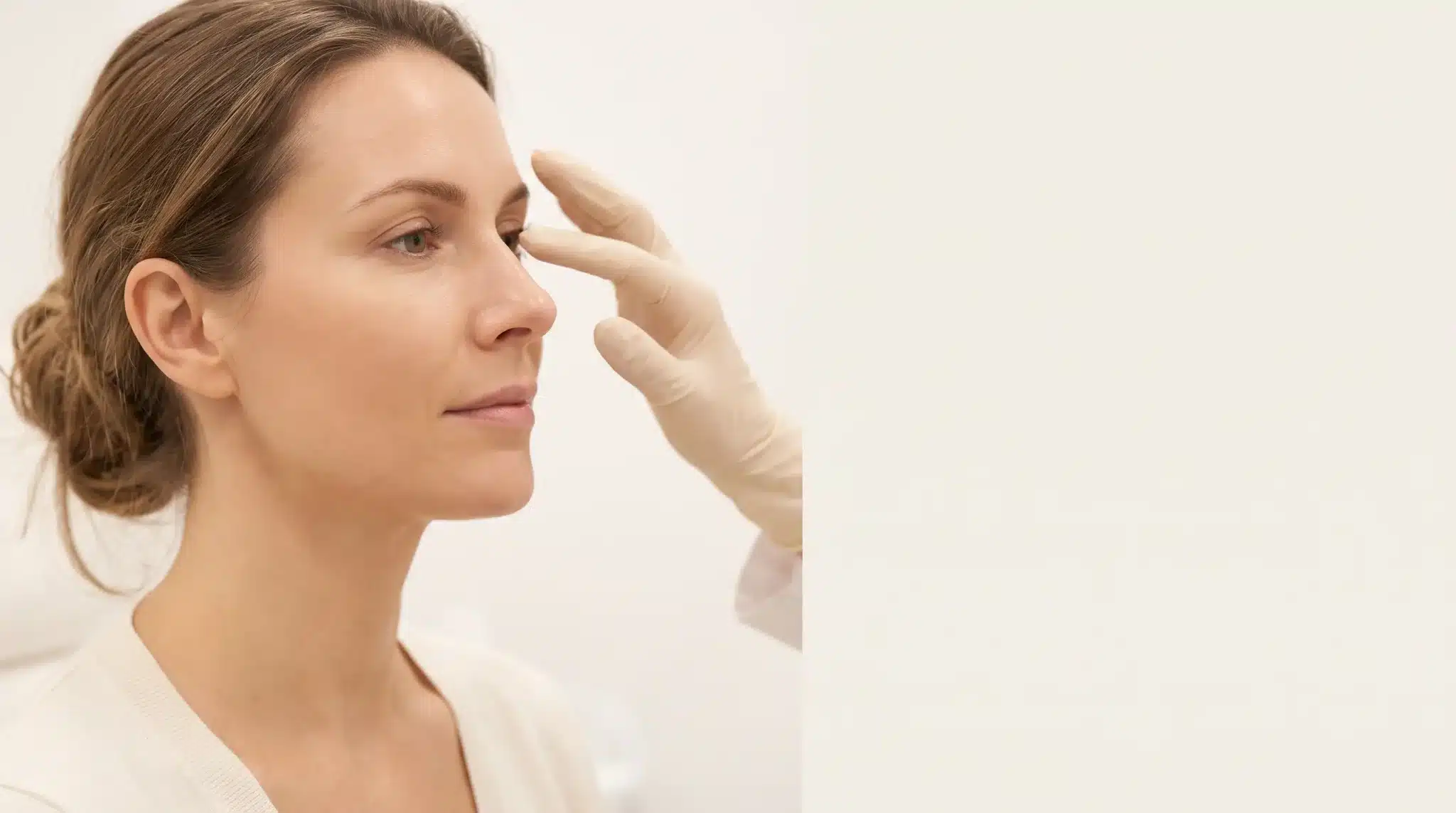


Acne may clear up, but the marks it leaves behind often tell a longer story. Rough patches, enlarged pores, uneven tone, and depressed scars are among the most common complaints from people who have moved past active breakouts.
Addressing these concerns takes more than one product or one appointment. It takes consistent skincare, targeted professional treatments, and, above all, patience.
Understanding Why Acne Changes Skin Texture
Acne is an inflammatory condition, and inflammation is the main reason it damages the skin long after a breakout heals. When a lesion forms, the body activates enzymes called matrix metalloproteinases (MMPs) that break down collagen in surrounding tissue.
Loss of dermal matrix is a contributing factor in atrophic acne scars, and this loss involves collagen degradation triggered by inflammation during lesion formation. The result shows up on the surface as depressions, roughness, or discoloration.
Not all post-acne marks are the same, and treating them correctly starts with knowing the difference:
- Post-inflammatory hyperpigmentation (PIH): Flat, darkened patches caused by excess melanin. Not a true scar, and often the most responsive to topical treatment.
- Post-inflammatory erythema: Reddish or pinkish marks left after inflammation subsides.
- Atrophic scars: Depressed areas where tissue was lost. These include ice pick scars (narrow, deep channels), boxcar scars (broad depressions with defined edges), and rolling scars (shallow, wave-like undulations).
A 2023 meta-analysis covering 37 studies and nearly 25,000 acne patients found that the pooled prevalence of acne scars was 47%. Roughly 1 in 2 people dealing with acne will develop some form of lasting textural change. Severe acne carries significantly higher odds, with an odds ratio of 5.51 for scarring compared to those with mild cases. Genetics, delayed treatment, and repeated picking all increase the likelihood of visible changes.
Start With a Consistent Skincare Routine
Before investing in professional procedures, building a solid daily routine matters. Over-cleansing or harsh scrubbing can worsen irritation and slow recovery. A gentle, non-stripping cleanser used twice daily is the foundation. Everything else builds from there.
The following ingredients have real clinical support for improving post-acne texture:
- Retinoids: In one study, at week 24, 50% of participants had improvement in skin texture, and more than 80% had improvements in atrophic scars. Retinoids work by stimulating fibroblast activity and promoting collagen remodeling.
- Alpha hydroxy acids (AHAs): Glycolic acid and lactic acid accelerate cell turnover and help fade surface discoloration.
- Beta hydroxy acids (BHAs): Salicylic acid penetrates the pore lining, reducing congestion and preventing new breakouts that would otherwise worsen texture over time.
- Niacinamide: Helps regulate sebum, calm redness, and gradually fade hyperpigmentation.
- Vitamin C: A well-established antioxidant that supports collagen synthesis and brightens uneven tone.
Daily sunscreen is not optional during this process. UV exposure darkens hyperpigmentation and degrades new collagen, undoing the progress made by active ingredients. SPF 30 or higher, applied every morning, is non-negotiable.
At-home treatments take time. Realistic expectations mean thinking in months, not weeks, especially for structural changes.
Professional Treatments That Target Uneven Skin Texture
Topical products handle surface-level concerns well, but deeper atrophic scars generally require professional intervention. Several procedures are widely used and have solid evidence behind them.
Chemical Peels
Medium-depth peels using trichloroacetic acid (TCA) or glycolic acid remove damaged surface layers and stimulate new tissue growth. They work well for superficial scarring and general roughness. Results depend on peel depth, and multiple sessions are usually needed.
Microneedling
Microneedling creates controlled micro-injuries that trigger collagen and elastin production. Results from 33 studies involving more than 1,000 patients suggested that microneedling treatment improved patients’ acne scars across a range of scar types. It performs particularly well on rolling and boxcar scars, and it is considered safe across all skin tones because it does not damage the outer skin layer.
HydraFacials
A 2022 study published in the Journal of Clinical and Aesthetic Dermatology found that HydraFacial functions as an effective treatment option for acne. The procedure combines exfoliation, vacuum-based pore extraction, and infusion of hydrating serums in a single session.
For people managing both active breakouts and post-acne texture concerns, non-invasive hydrafacial treatments work alongside more targeted scar-reduction procedures. They reduce congestion, manage oil production, and help maintain clearer skin, which creates a better environment for scar-reduction treatments to work effectively.
Laser Resurfacing
Fractional ablative and non-ablative lasers resurface the skin at a deeper level than most other options. They are effective for significant textural changes but carry more downtime and a higher risk of post-inflammatory hyperpigmentation in darker skin tones.
Radiofrequency Treatments
Radiofrequency devices deliver heat energy into the dermis to stimulate collagen remodeling without ablating the surface. They are often combined with microneedling for enhanced results.
Treatment selection should always be based on scar type, skin tone, and overall skin condition. What works well for rolling scars may do little for ice pick scars, which often require subcision or punch techniques. The procedures are not interchangeable.
The Role of Collagen in Smoother Skin
Collagen is the structural protein that gives skin its firmness and smooth appearance. When acne inflammation degrades it, the surface loses its even contour. Starting in the mid-20s, natural collagen production decreases by 1% to 1.5% per year, which means acne-related collagen loss compounds an already declining baseline.
Rebuilding collagen is not fast. Treatments like microneedling, laser resurfacing, and retinoids all work by stimulating fibroblasts to produce new collagen, but the remodeling process unfolds over months. Histological studies have shown that microneedling can increase collagen and elastin deposition by up to 400% over six months, resulting in improved texture and minimized scars.
Habits that support collagen production include consistent sunscreen use (UV exposure is one of the fastest ways to degrade existing collagen), adequate vitamin C intake, and avoiding smoking. Combining these lifestyle factors with appropriate professional treatments gives the skin the best conditions for genuine structural improvement.
Lifestyle Habits That Can Influence Skin Recovery
Professional treatments and topical products do a lot of the heavy lifting, but daily habits shape the environment those treatments work in.
Nutrition: Research indicates that dairy products and high-glycemic foods appear to worsen acne severity, while anti-inflammatory dietary patterns support clearer skin. Antioxidant-rich foods provide building blocks for tissue repair, and staying well-hydrated supports skin barrier function and overall cell turnover.
Stress management: Elevated cortisol from chronic stress stimulates oil glands and promotes inflammation, both of which can trigger new breakouts and slow healing.
Sleep: The skin undergoes its primary repair cycle during deep sleep. Consistently poor sleep disrupts this process and prolongs recovery timelines.
Avoiding picking: Straightforward, but chronically underestimated. Manually disrupting a healing lesion introduces bacteria, deepens inflammation, and significantly increases the likelihood of scarring.
Setting Realistic Expectations
Skin texture improvement is a gradual process, and the timeline varies considerably depending on the individual.
- Surface discoloration (PIH): With consistent use of actives like retinoids and vitamin C, noticeable fading typically begins within 8 to 12 weeks.
- Mild roughness and enlarged pores: Improvements from a regular skincare routine and periodic professional treatments become visible over 3 to 6 months.
- Atrophic scars: Meaningful structural improvement from microneedling or laser resurfacing generally requires multiple sessions over 6 to 12 months.
Several factors influence how much improvement is achievable: age (younger skin remodels faster), skin type, scar severity, and how consistently treatments are followed. Risk factors for more pronounced scarring include acne severity and the time between onset and effective treatment.
Treatments that completely resolve acne scars are not yet available, making prevention and early treatment a primary strategy. Working with a qualified dermatologist or licensed aesthetician helps ensure the right procedures are matched to the right concerns.
The Takeaway
Smoother skin after acne is achievable, but it rarely comes from a single product or a single session. The most consistent results come from layering a solid daily routine with appropriate professional procedures and keeping new breakouts in check.
No approach works identically for everyone, which is why understanding the type of texture concern, whether surface pigmentation, enlarged pores, or deeper atrophic scars, matters before committing to any plan. Gradual progress is still real progress, and with the right combination of care, meaningful long-term improvement is well within reach.