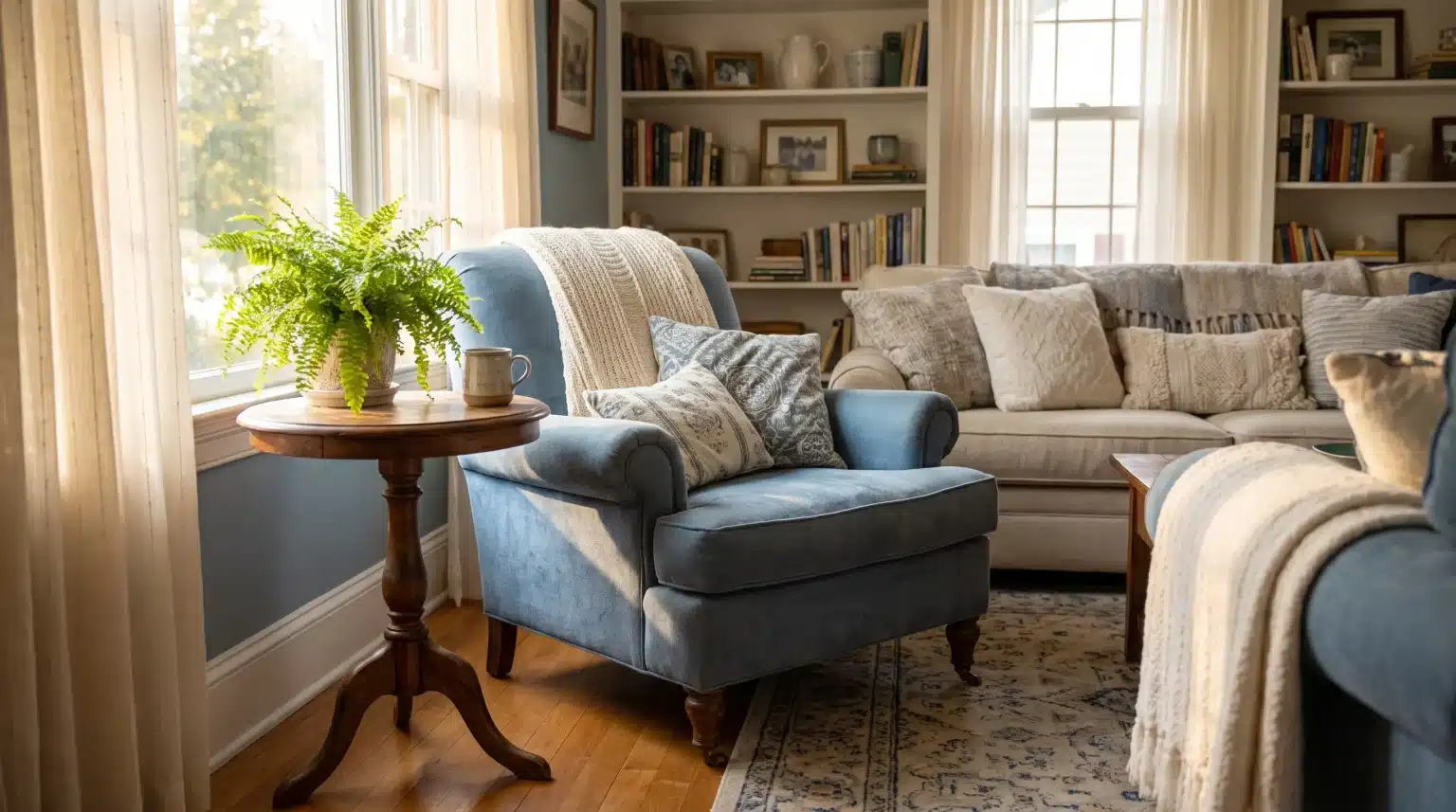
You can like every piece of furniture in your living room and still feel that something is missing. Everything goes together, but the room gives little away about the person who lives there. After spending so much time getting it to look right, you may be reluctant to add anything that disrupts the arrangement.
A book is a small addition you can try without rearranging the room. It can bring an interest you spend your evenings on into the space where you welcome other people. Choosing one can still feel awkward when your taste in films, games or illustration seems far removed from the home you’ve put together.
Before looking for a book to fill an empty spot, ask which part of your life you would enjoy seeing there.
Start With an Interest You Already Have
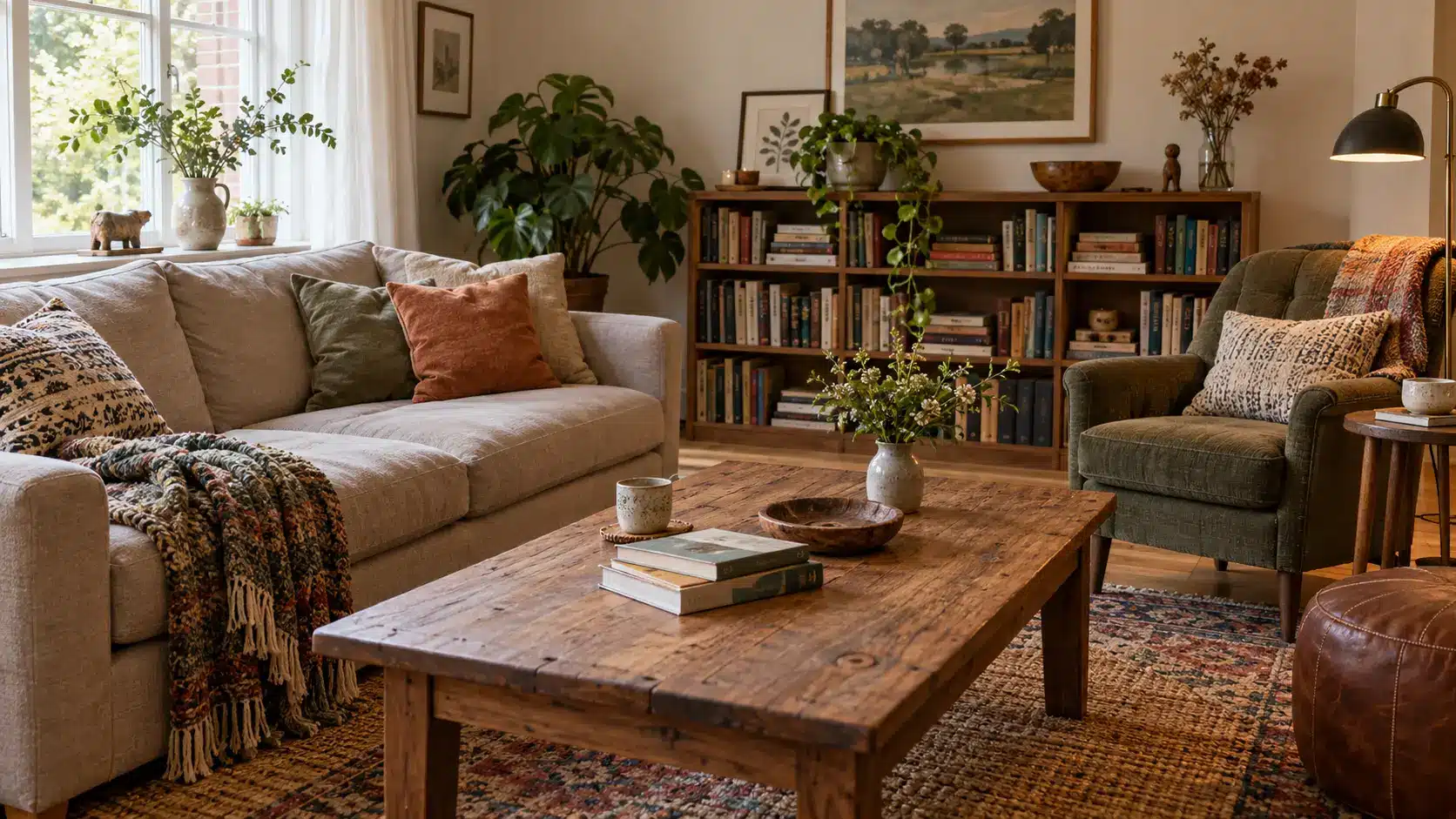
Perhaps you follow an illustrator online and often save their work. You enjoy looking at it, yet choosing a print for the wall feels like a bigger decision. An illustrated book lets you spend time with the artist’s work at home before deciding whether to frame anything.
You can look through it on the sofa and leave a favorite image visible for a while. Close it when you need the table. After living with it for a few weeks, you’ll have a better idea of which pictures you want to keep seeing.
Be specific about what attracts you. “I like art” leaves you with thousands of possible books. “I keep saving this illustrator’s work because it reminds me of the stories I loved growing up” gives you a reason to choose one. That connection can outlast the pleasure of a new purchase.
Check what you already own, too. Pull out a book you haven’t opened in a while and spend a few minutes with it. A worn copy tied to an old interest may feel more at home in your living room than a pristine volume chosen to match the cushions.
Find a Book You Want to Spend Time With
When browsing books at Surprise Castle, start with a favorite film or an interest in illustration. Choose a book you’ll enjoy opening as much as looking at on the table.
If the look of a film is part of its appeal, a book about its design offers another way to enjoy it. You can linger over the drawings and compare them with the scenes you remember. A guest might simply like the images. For you, they could also bring back the first time you watched the film and the person who watched it with you.
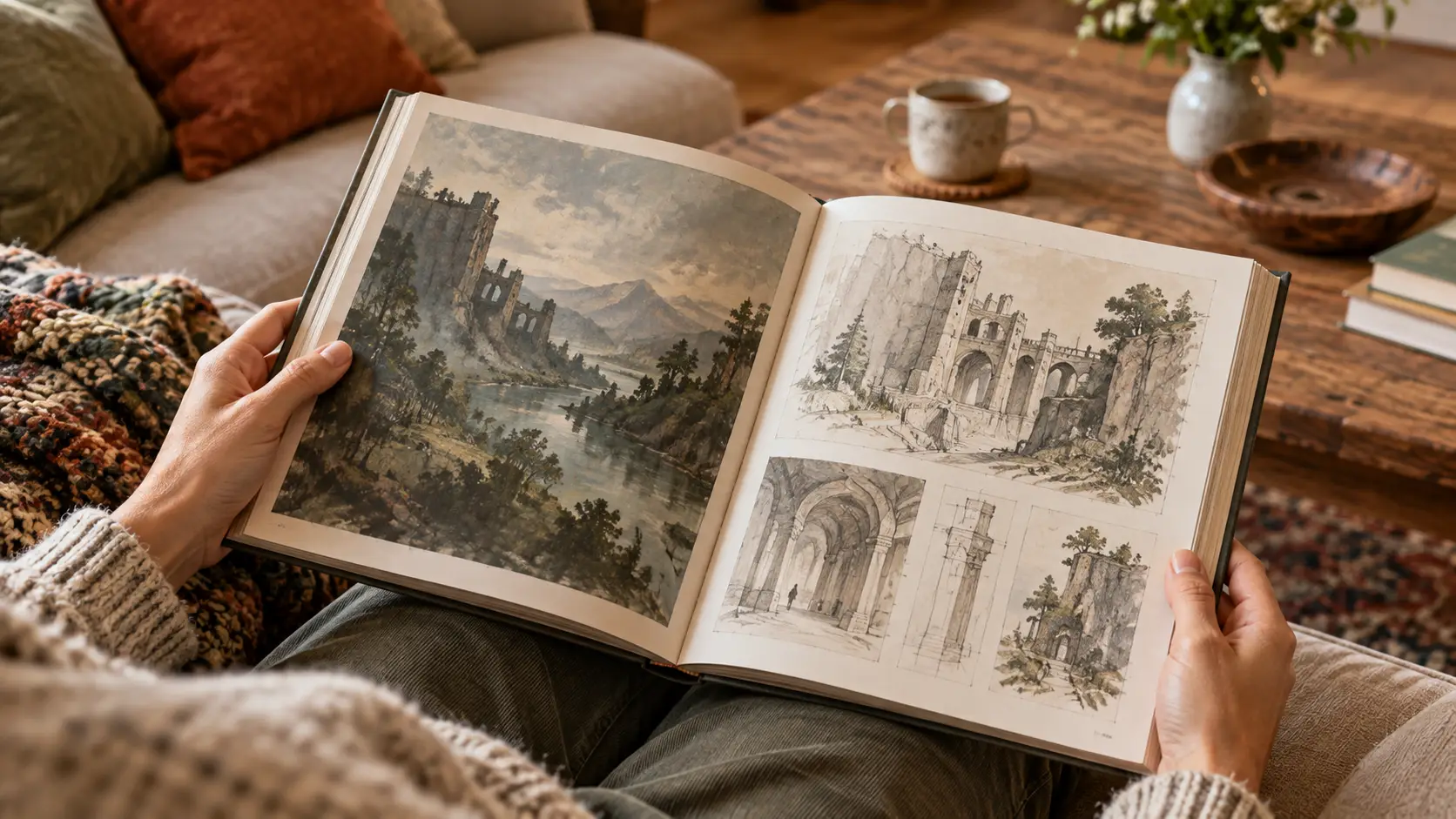
Before choosing an illustrated book, look at a preview if one is available. Find a picture you want to study and read some of the accompanying text. A cover can look good on the table, but the contents give you a reason to pick the book up again.
You don’t need to finish a book before displaying it. An unread book may be there because its subject intrigues you and you want to make time for it. With an art book, you may return to a few pictures without reading every page in order. Choose for your own enjoyment. You’ll be living with it long after your guests have gone home.
Put the Book Where It Works for You
If the pictures are what attracted you, a book tucked spine-out on a crowded shelf won’t give you much chance to see them. Try a place where you can open it easily. An old favorite you want to find quickly may work better on the shelf, where you recognize its spine at a glance.
Sit down where you expect to use it and pick it up. Check that there’s room to open it comfortably and somewhere safe to put your drink. If you have to dismantle a stack of decorative objects first, simplify the arrangement. A book that’s inconvenient to touch soon becomes something you only dust.
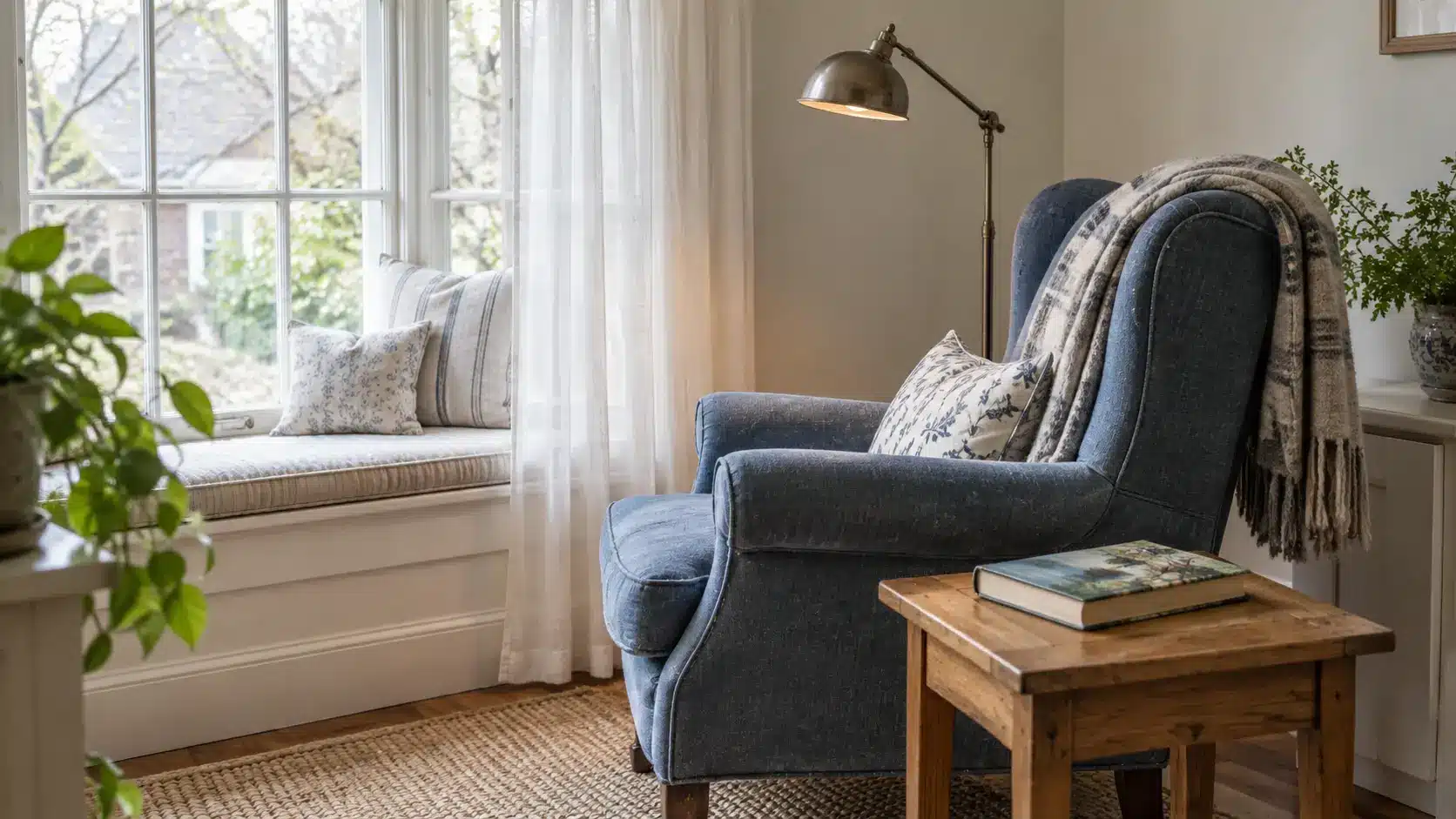
Try placing the book near a cushion or print that shares a color with its cover. Stand back and see how they look together. That small repetition can help the book fit into the room without having to match everything around it. Use what you already own before buying accessories to go with it.
An open spread needs more room than a closed book. If you want to display one, use a support that suits the binding and keep it out of direct sunlight. Try it on a surface you can spare. On a busy coffee table, a book you open when you want it may be more practical than a permanent display.
Placement also affects how you share it. Beside your usual seat, a book can become part of your reading routine. On a table within guests’ reach, it is easier to look through together. Choose a position that suits what you want to do with it. You can make a book available to visitors without explaining who gave it to you or why you’ve kept it for years.
Change the Arrangement as You Use It
After a few weeks, notice where the book actually ends up. If you keep carrying it from the coffee table to your chair, give it a place there. If you’re always moving it out of the way, try another surface.
You may eventually stop opening it and still want it nearby. A book can remind you of a vacation, the person who gave it to you, or the year you took up drawing. Let its place in the room change with what it means to you.