

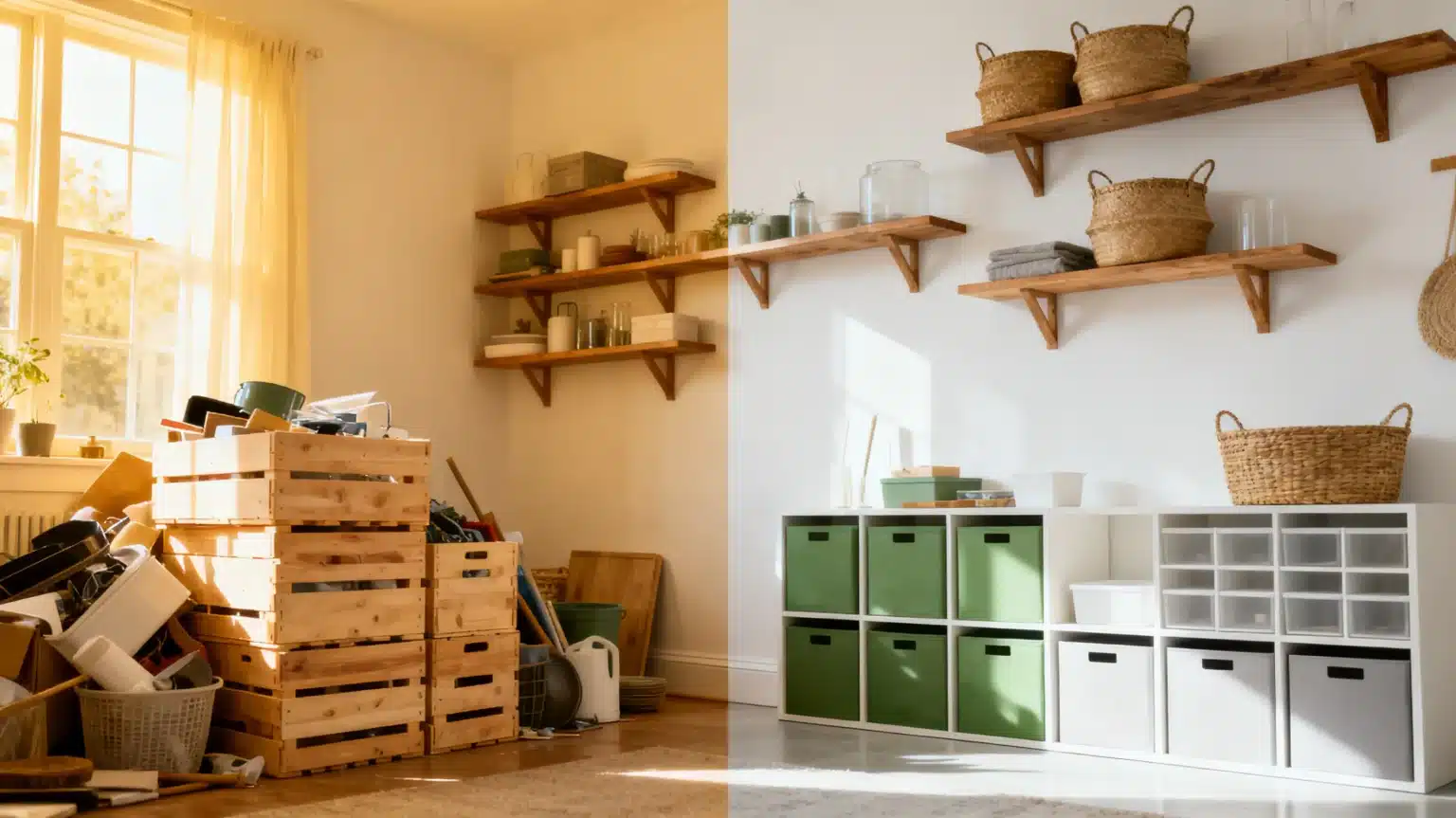
We all encounter spaces that feel like they are bursting at the seams. Whether it’s an office, a garage, or a storage room, having more space than can be comfortably held can lead to stress, inefficiency, and even safety hazards. The good news is that with a systematic approach, you can regain control, create order, and make your space truly functional again.
In this article, we’ll explore practical strategies to manage overfilled areas, ensuring you can maximize every corner without feeling overwhelmed.
Assess the Situation First
Before diving into solutions, take a moment to survey the space. Walk around and observe exactly what is taking up room. Are there items that are rarely used? Are some areas consistently messy, no matter how often you clean them?
Documenting what you have helps in prioritizing what to keep, relocate, or discard. You don’t need a spreadsheet—just a simple list or photos will do. This step may feel tedious, but it prevents decisions from being reactive or emotional later on.
Categorize and Prioritize
Once you know what’s in the space, grouping similar items together is critical. Create categories like “daily use,” “occasional use,” and “rarely needed.”
This makes it easier to see patterns and decide where items should go. For instance, frequently used objects should remain accessible, while things you seldom touch can be moved to less convenient areas or stored externally. Even small, thoughtful adjustments can drastically improve functionality.
Declutter Ruthlessly
Decluttering is often the most challenging part. We tend to hold on to items “just in case” or because they carry sentimental value. However, too much attachment can block your progress.
Use the simple rule: if you haven’t used it in the past year, you probably don’t need it in your immediate space. Consider donating, selling, or recycling items you no longer require. According to the team at Boldsky, a structured decluttering process not only frees up space but also reduces mental stress, improving focus and productivity.
Decluttering doesn’t have to be overwhelming. Break it into small sections, tackling one area at a time. By the end of a week or two, even a small space can feel entirely transformed.
Optimize Vertical and Hidden Spaces
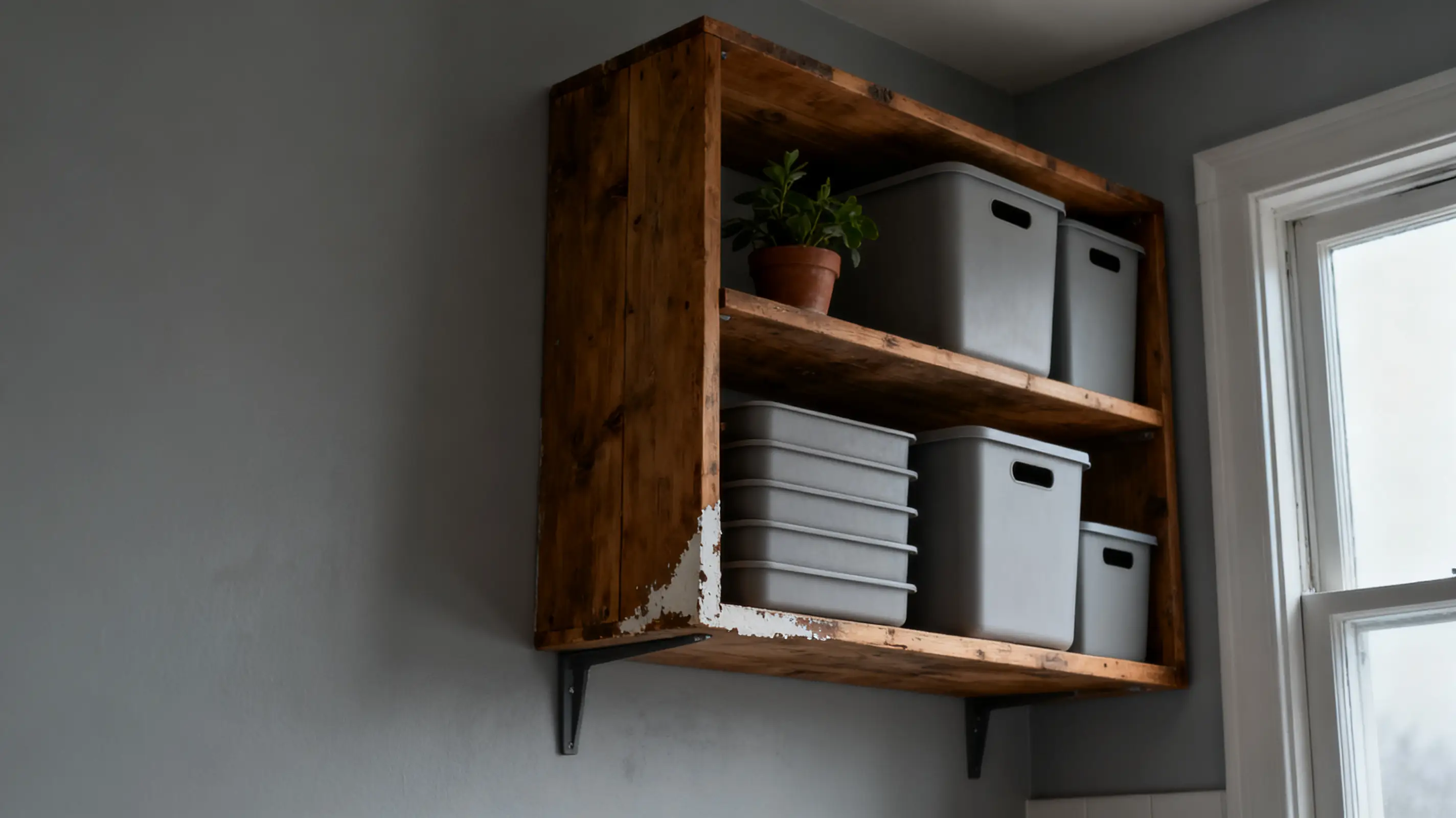
One of the easiest ways to handle overcrowding is to think vertically. Shelving, wall-mounted racks, and stackable containers can utilize previously wasted space. Don’t forget the often-overlooked areas like under desks, over doors, or the backs of cabinets.
Storage bins, modular shelves, and drawer organizers allow you to group items neatly while keeping them accessible. For items that are rarely used, off-site storage solutions like storage units near Eatonton, GA can be an excellent option. These units help you reclaim your space without permanently giving up possessions.
Implement a System That Works for You
Having space is only one part of the equation. A system ensures that your newly organized area stays that way. Create zones for specific purposes and assign items to those zones.
Label boxes, bins, and shelves clearly. Simple habits, such as returning items to their designated spots immediately, prevent the space from sliding back into chaos.
Consistency is more important than perfection. Even a few minutes of maintenance each day can prevent your space from becoming overwhelming again.
Make Use of Multi-Functional Furniture or Tools
When space is limited, multi-functional solutions are invaluable. Folding tables, storage ottomans, and stackable chairs can save room while serving multiple purposes.
Even small items like magnetic organizers or pegboards for tools can free up counter or floor space. The goal is not just to store everything, but to make movement through the area efficient and enjoyable.
Review and Adjust Periodically
Spaces are dynamic; they change as your needs change. Set aside time every few months to reassess your system. Are there items that no longer belong? Is the layout still functional? Could some categories be merged or simplified?
Regular reviews prevent the accumulation of clutter and help maintain control. Think of this as a habit rather than a chore.
Maintain Mindful Habits
Finally, it’s essential to develop mindful habits around space usage. Be selective when bringing new items in. Ask yourself if each new addition has a place and purpose.
Overfilling often happens gradually. By staying intentional and reflective, you prevent the same problem from returning. Keeping surfaces clear, bins labeled, and categories consistent all contribute to a long-term solution.
Conclusion
Managing an overfilled area is not just about squeezing items into corners. It’s about creating order, establishing a system, and making conscious choices about what belongs in your space. By assessing, categorizing, decluttering, optimizing, and maintaining, you can transform chaotic areas into functional, stress-free environments.