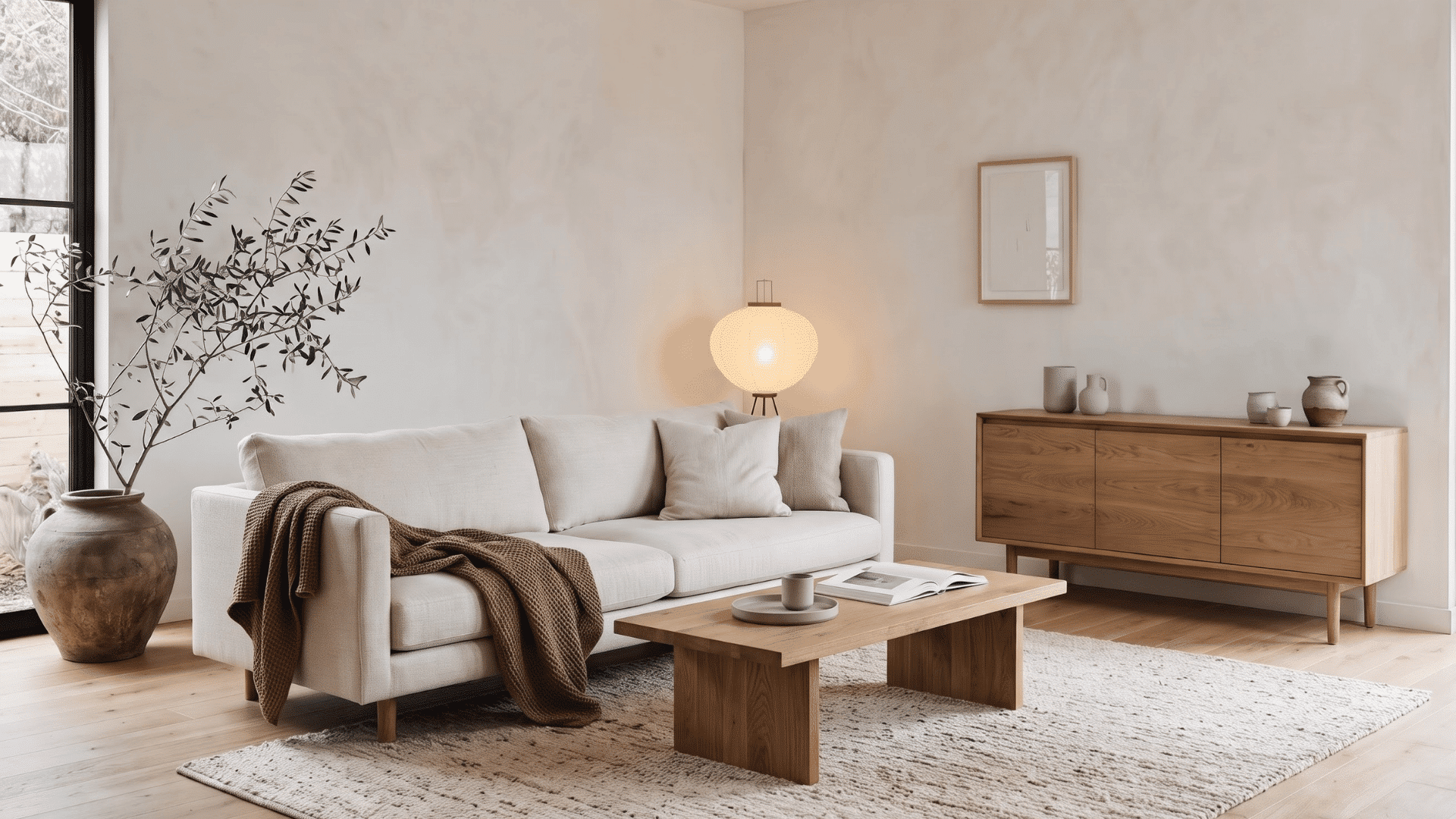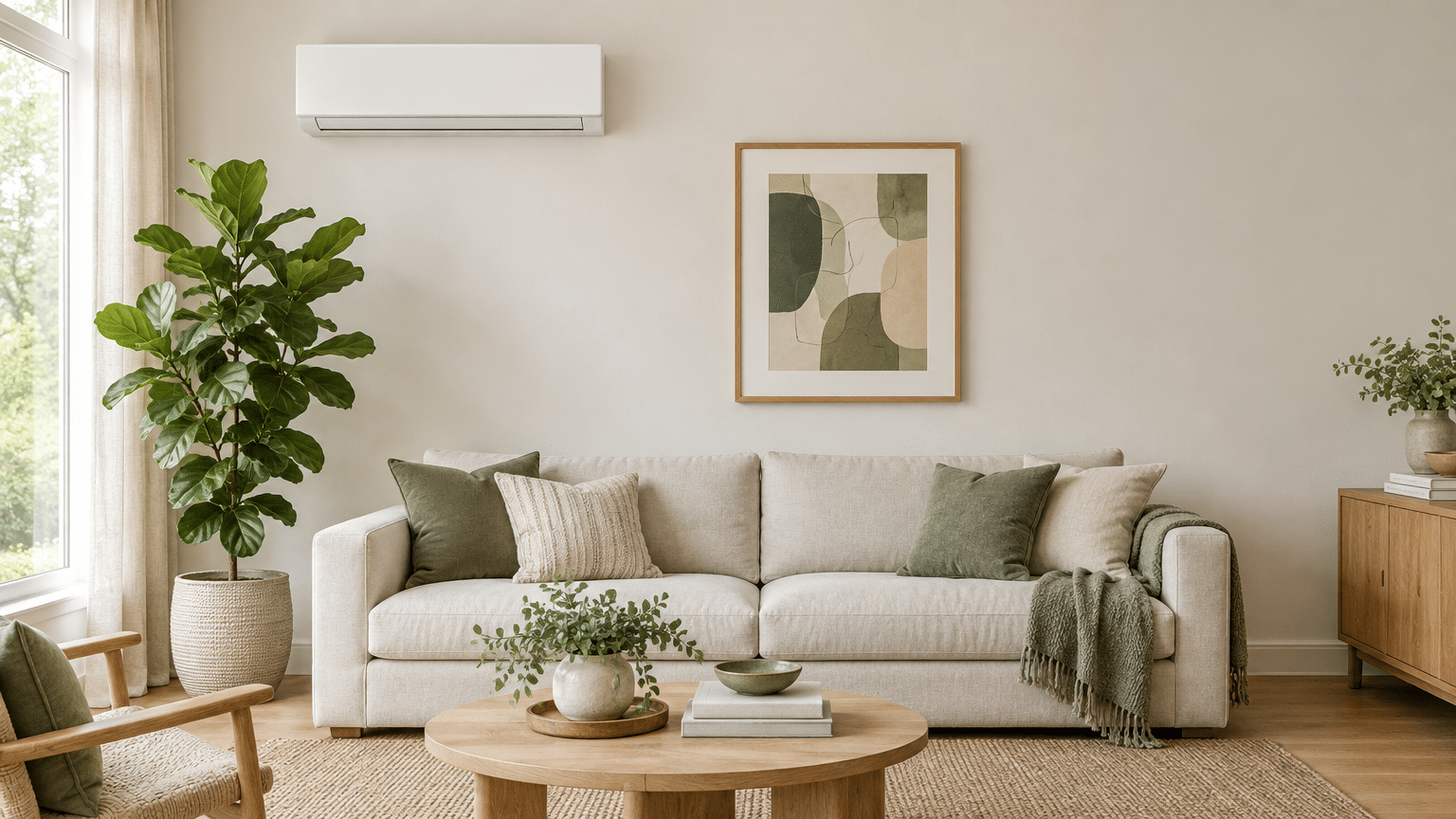


Not every room fits neatly into the traditional categories of bedroom, living room or study. You might have an unusually shaped space, an oversized landing or an additional room with no obvious purpose. These areas can be difficult to present when selling your home, particularly if buyers struggle to imagine how they would use them. The solution is to give each space a clear function through thoughtful furniture placement, appropriate proportions and simple styling, while leaving enough flexibility for buyers to recognise its potential.
Give Each Unusual Room a Clear Purpose
An unconventional room becomes easier to understand when you demonstrate one practical use rather than leaving buyers to guess. A narrow room beside the living area might work as a home office, while an enclosed space near the kitchen could become a breakfast nook.
Choose furniture that communicates the intended function immediately. A compact desk, comfortable chair and reading lamp can establish a workspace without making the room feel crowded. Furniture hire providers, including huntleyandco.com.au, offer temporary furnishing options that can help you present awkward spaces without purchasing pieces solely for the sale.
The aim is to make the room’s purpose immediately recognisable while allowing buyers to imagine alternative uses that suit their needs.
Choose Furniture That Suits Unusual Dimensions
Rooms with sloping ceilings, angled walls or irregular floor plans need furniture that works with their dimensions rather than against them.
Start by measuring the usable floor area, paying particular attention to door swings, ceiling heights and access routes. Low-profile furniture can suit rooms beneath pitched roofs, while narrow consoles or compact armchairs may fit spaces that cannot accommodate conventional furniture arrangements.
Avoid filling every corner simply because space is available. Leaving some floor area visible helps buyers judge the room’s actual proportions and understand where their own furniture might fit.
Show Flexibility Without Overcrowding the Room
A room without an obvious identity can appeal to different buyers, provided its presentation demonstrates flexibility without creating confusion.
Consider a spare room that could accommodate occasional guests or serve as a workspace. Styling it with a daybed, small side table and discreet storage can suggest both possibilities while maintaining a clear, comfortable arrangement.
However, avoid combining too many competing functions. A room containing exercise equipment, office furniture and children’s toys can appear cluttered rather than versatile. Keeping spare rooms relatively neutral and adaptable allows buyers to imagine different uses without being distracted by highly personalised features.
Connect Awkward Spaces to Nearby Rooms
Some spaces are difficult to define because of their position within the house rather than their dimensions. An open area between the kitchen and living room, or a landing overlooking the staircase, may lack a clear identity.
Look at how people naturally move through the property before deciding how to furnish these areas. A small reading chair beside a window might transform an oversized landing into a quiet retreat, provided the arrangement does not obstruct circulation.
You can also create visual continuity with nearby rooms using complementary colours, materials and furniture finishes. This makes an unusual space feel like an intentional part of the home’s layout rather than an overlooked corner.
Use Lighting to Clarify the Room’s Function
Lighting can reinforce the purpose of an unconventional room, particularly when its shape or location makes the intended use less obvious.
A task lamp can establish a practical working area, while a floor lamp beside an armchair creates a recognisable reading space. Where natural light is limited, lighter furnishings and carefully positioned lamps can help buyers see how the room could be used comfortably.
Keep windows accessible and avoid placing large furniture in front of important architectural features. Buyers should still be able to assess the room’s natural lighting, dimensions and permanent features accurately.
Help Buyers See Possibilities, Not Problems
Presenting a house with unconventional rooms is about making their usefulness easier to recognise. You do not need to disguise unusual dimensions or force every space into a traditional category. By establishing a clear purpose, choosing appropriately sized furniture and highlighting adaptable features, you can help buyers understand how these rooms could contribute to their everyday lives.